Thursday, 13 August 2026. Welcome back to another instalment of Cardle of the Day, the series where we work through each morning’s puzzle at Cardle and then spend a little time with whatever car the game has decided to celebrate — or torment us with.
If you haven’t played Cardle before, the premise is simple and quietly addictive: one car, five photo clues, each one a little less cropped than the last. You can guess at any point or skip a clue and wait for a clearer view. Get it in one and you’re a legend. Reach clue five and you’re in good company.
How today played out
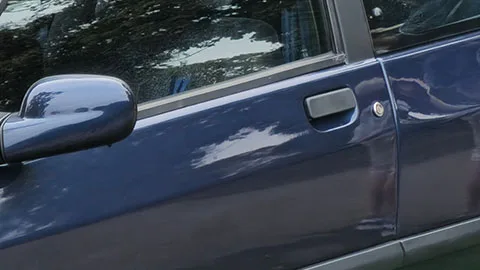
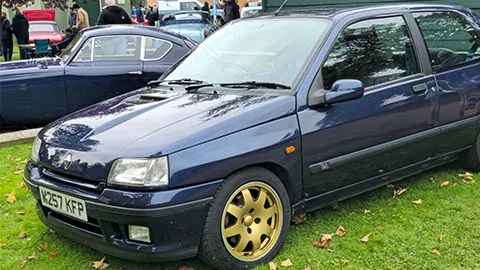
Today’s puzzle led to a quick Aha! The opening clue gave us almost nothing to work with. A tight crop that could have belonged to any small hatchback from the 1990s. Clue #2, however, changed everything. The almost matte gold wheels, and the Williams writing should be enough for you to go from “any hatchback” to a very important and very special one. It was the Renault Clio Williams.
Yes, another hot hatch!
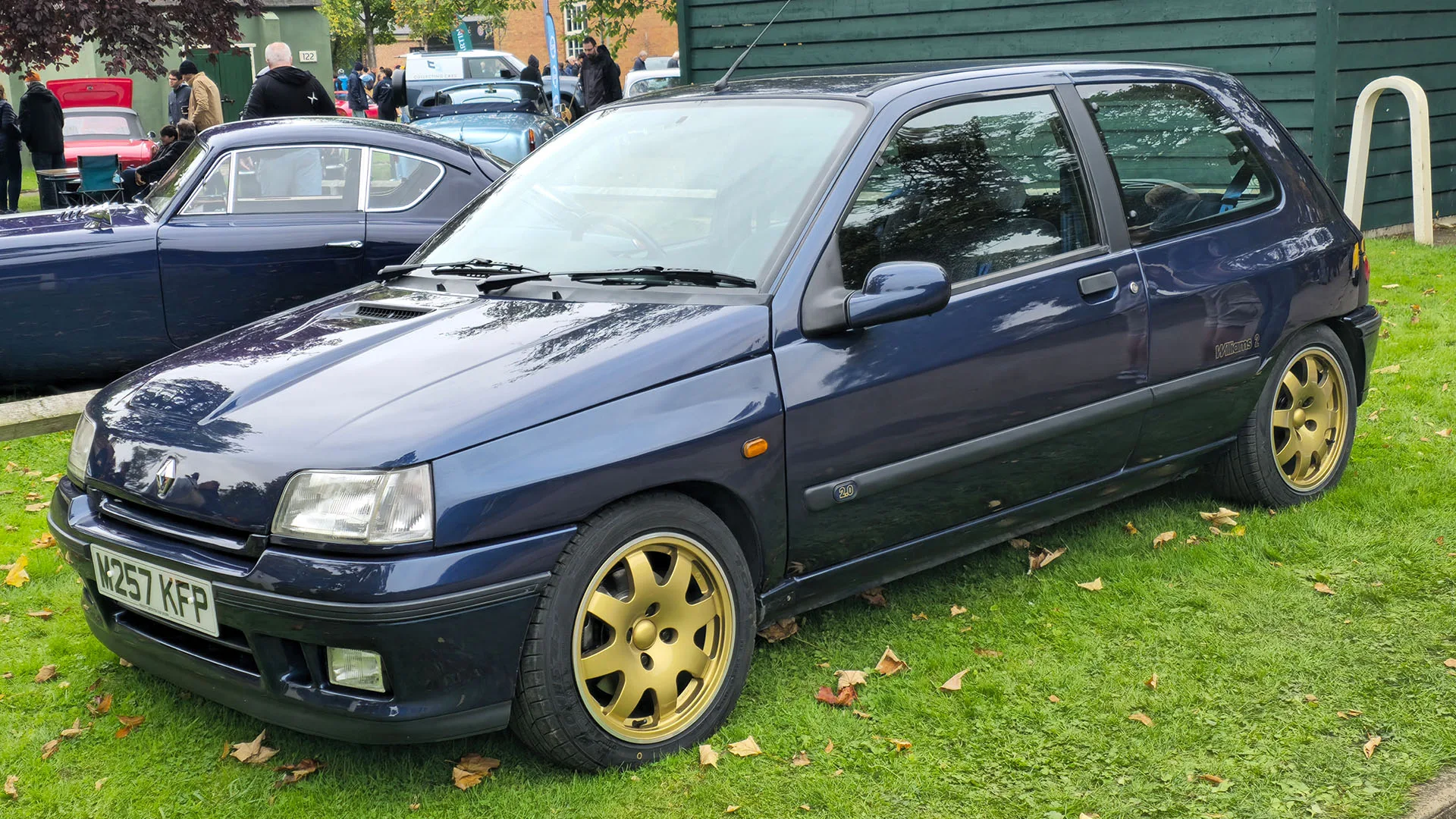
The Renault Clio Williams arrived in 1993, built to homologate requirements for the Williams-Renault rally program. To qualify for Group A competition, Renault needed to produce at least 2,500 road cars, and what they produced turned out to be rather more desirable than the minimum requirement might suggest. As it is with many homologation specials.
The Williams used a 2.0 litre naturally aspirated engine producing around 150 bhp, lifted from the Renault 19 16v. A modest number on paper, but great in a car weighing under 1,000 kg. Three production phases were built between 1993 and 1996, with the first series limited to 3,800 examples.
The car rode on wider arches, 15 inch OZ Racing alloys, and a lowered, stiffened suspension setup that transformed the standard Clio’s already capable chassis into something genuinely entertaining. The Williams name carried real weight at the time, as the partnership between Renault and the Williams Formula 1 team was at its peak in the early 1990s, with Nigel Mansell taking the 1992 drivers’ championship in a Renault-powered car.
The Clio Williams is still relevant three decades on for representing a particular moment when a manufacturer produced a focused driver’s car still accessible and genuinely engaging. Clean examples have climbed steadily in value, and the car has earned a permanent place in the conversation about the best hot hatches ever made. Not because of what it cost or how fast it was, but because being a proper drivers car was the #1 requirement. See you tomorrow!