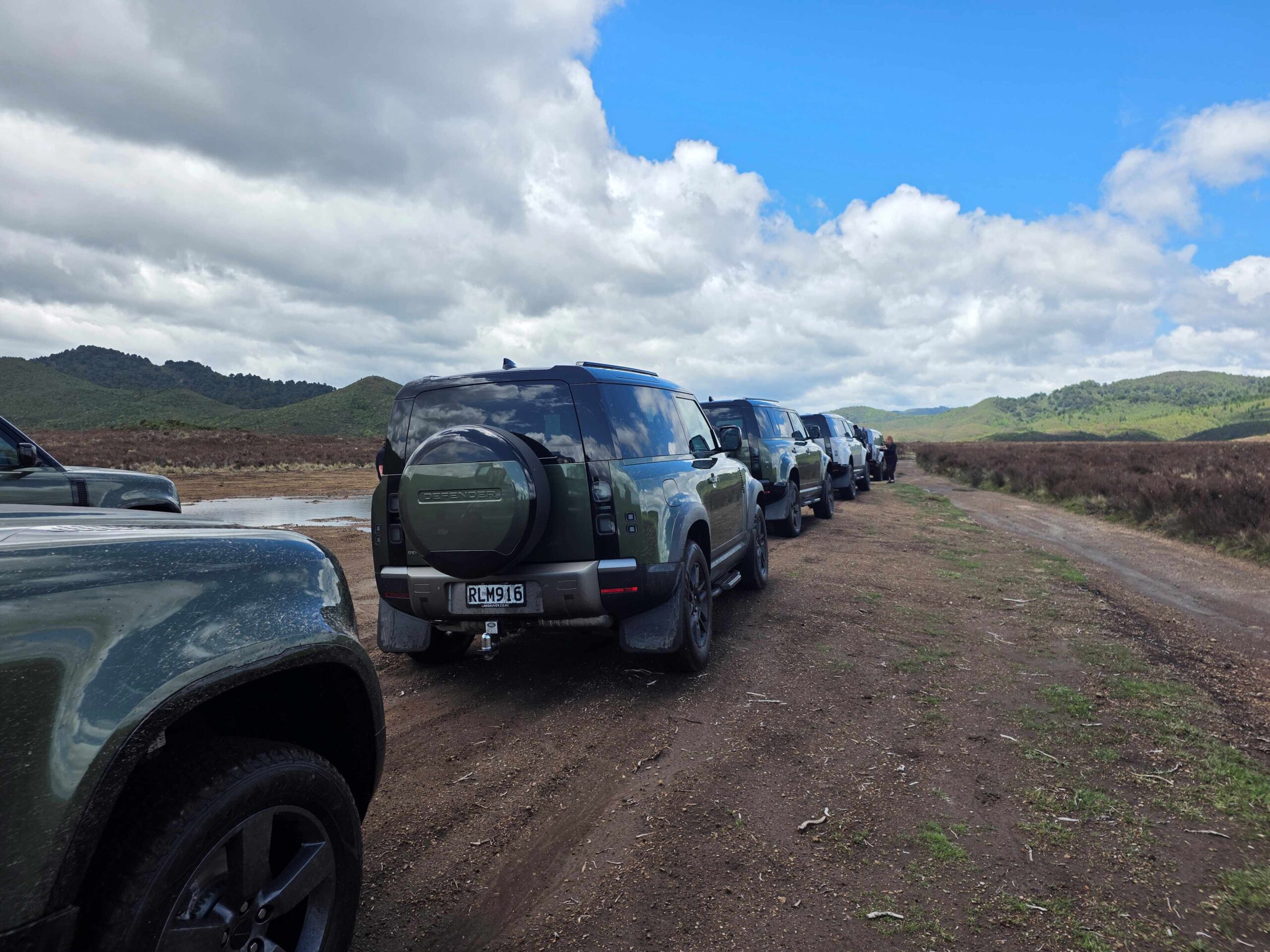
Five years into its modern incarnation, the Land Rover Defender (or just Defender) has become something of an automotive phenomenon in New Zealand, sales are up 53% year-to-date, which tells you everything you need to know about how Kiwis have embraced this reborn icon. So when Land Rover invited us to the Tahorakuri Forest (Taupo) for the launch of the refreshed Defender, we weren’t expecting a dramatic reimagining. And that’s precisely the point, when you’ve got a winning formula, the designers evidently get a hall pass.
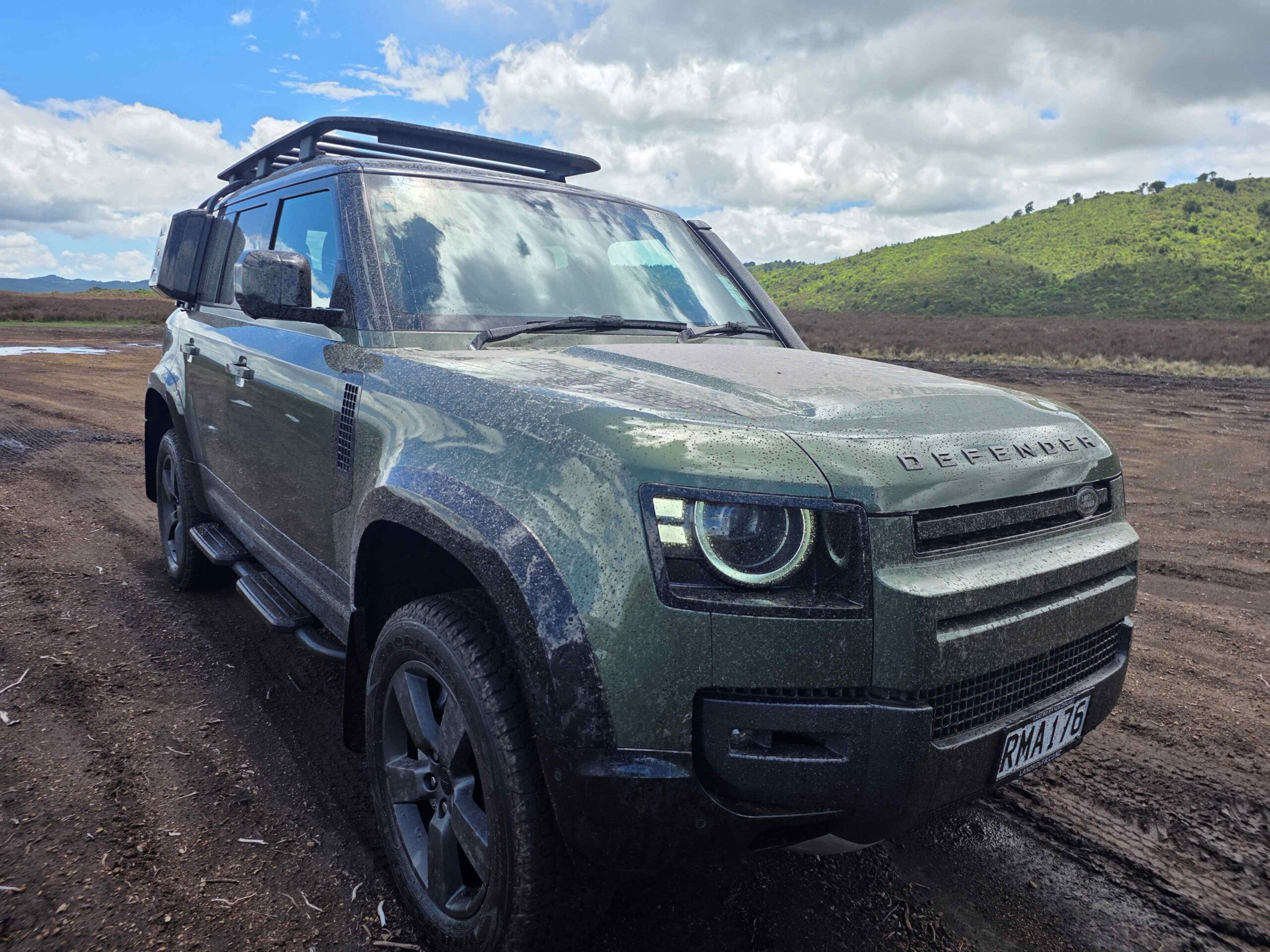
Simply put, spotting the differences between the ‘old’ and new Defender requires the kind of attention to detail usually reserved for vintage wine tasters or forensic accountants. The changes are subtle, almost whispered rather than shouted, which oddly feels entirely appropriate for a vehicle such as Defender.
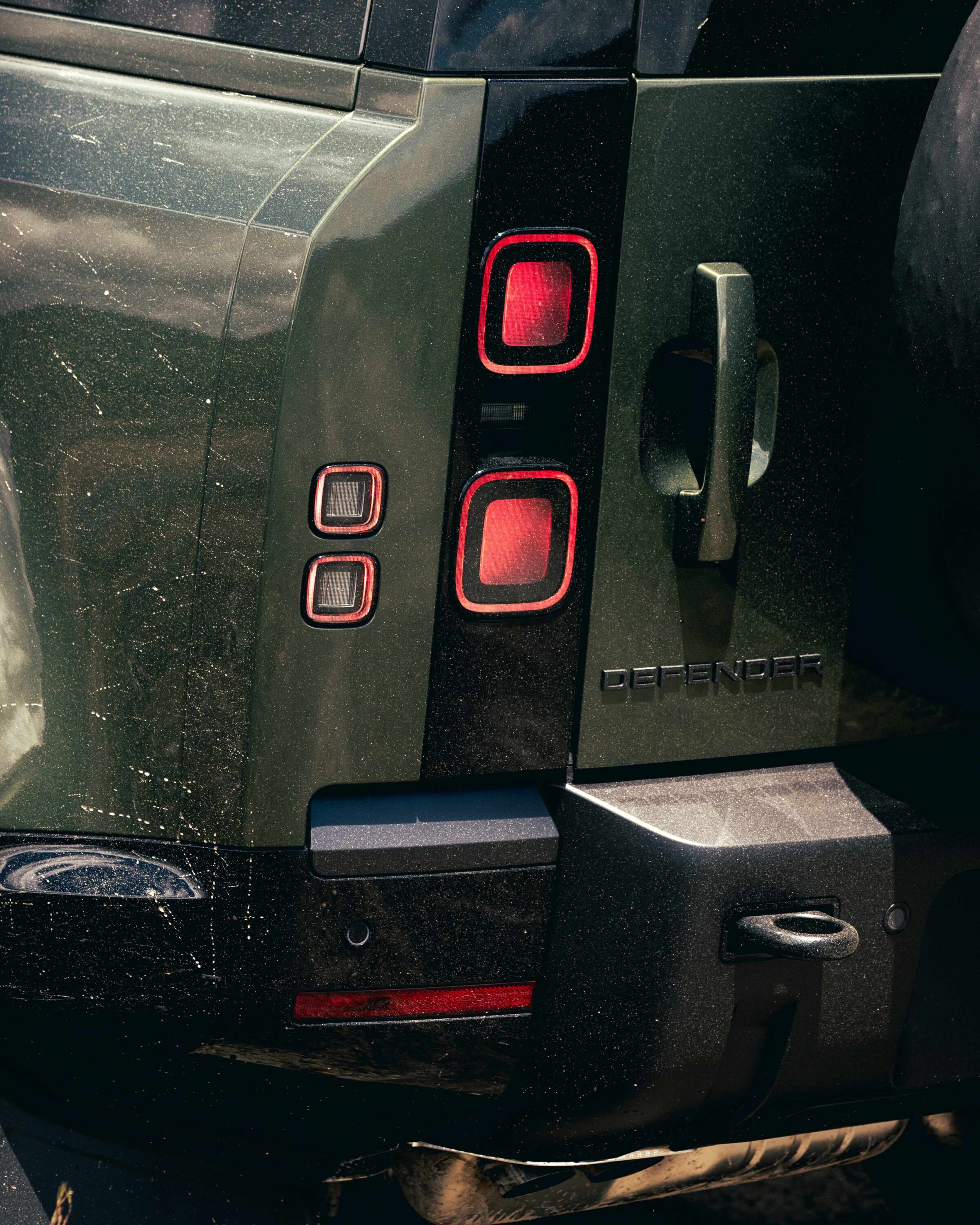
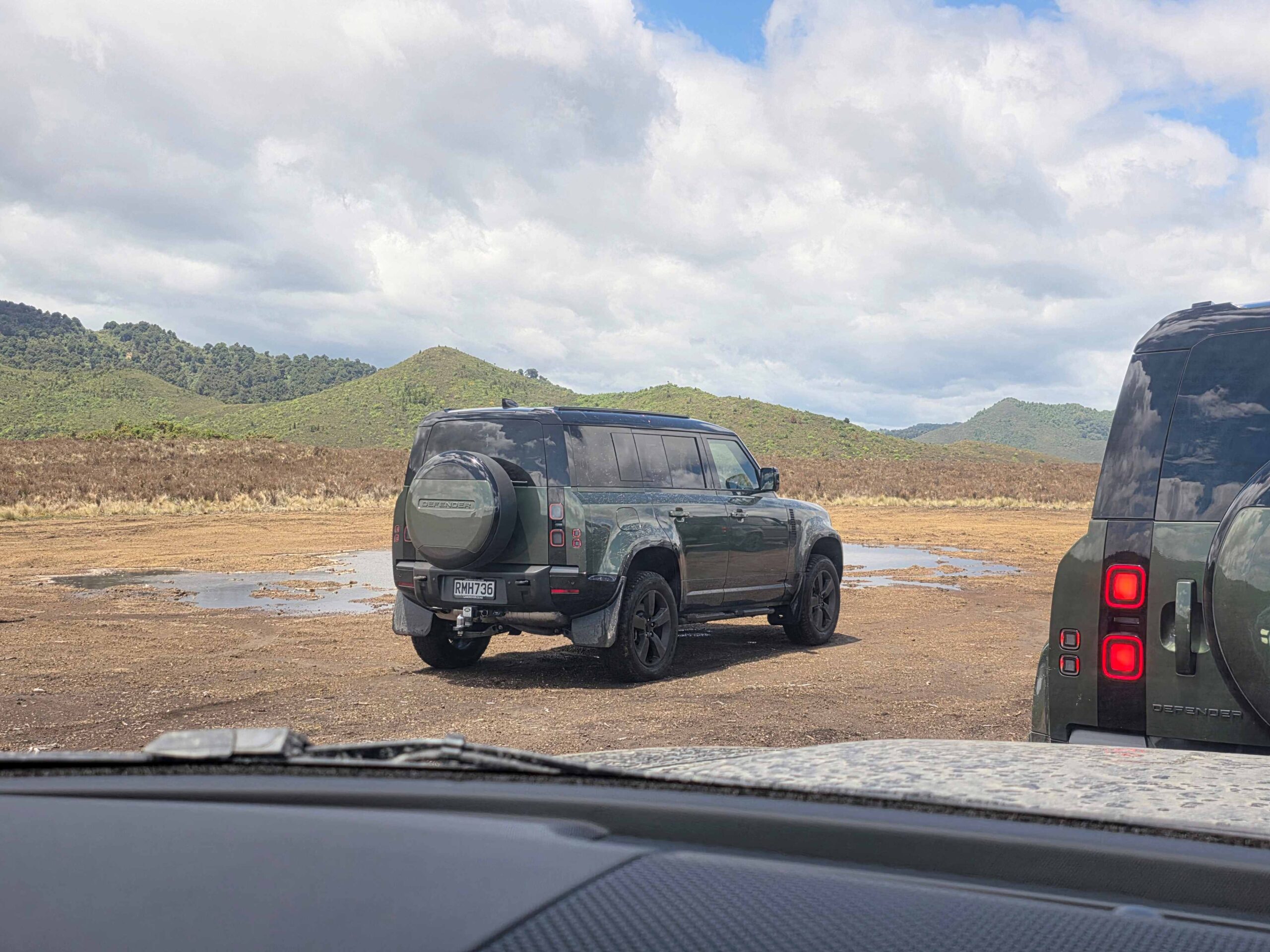
The most noticeable updates come at the front and rear, where redesigned headlights feature a new signature lighting pattern that’s more organic and modern. The rear has received similar treatment, with flush-fitting tail lights now sporting a dark tinted finish that creates a cleaner, more sophisticated appearance. The fussy faux-grilles that previously bracketed the tail lights have disappeared entirely, replaced by smooth surfaces that enhance the Defender’s already unmistakable presence.
Look closer and you’ll notice new textured patterns on the bonnet inserts and side vents, while a gloss black grille bar with darkened oval badge adds a touch of menace. The devil, as they say, is in the details, and Land Rover has clearly sweated them.
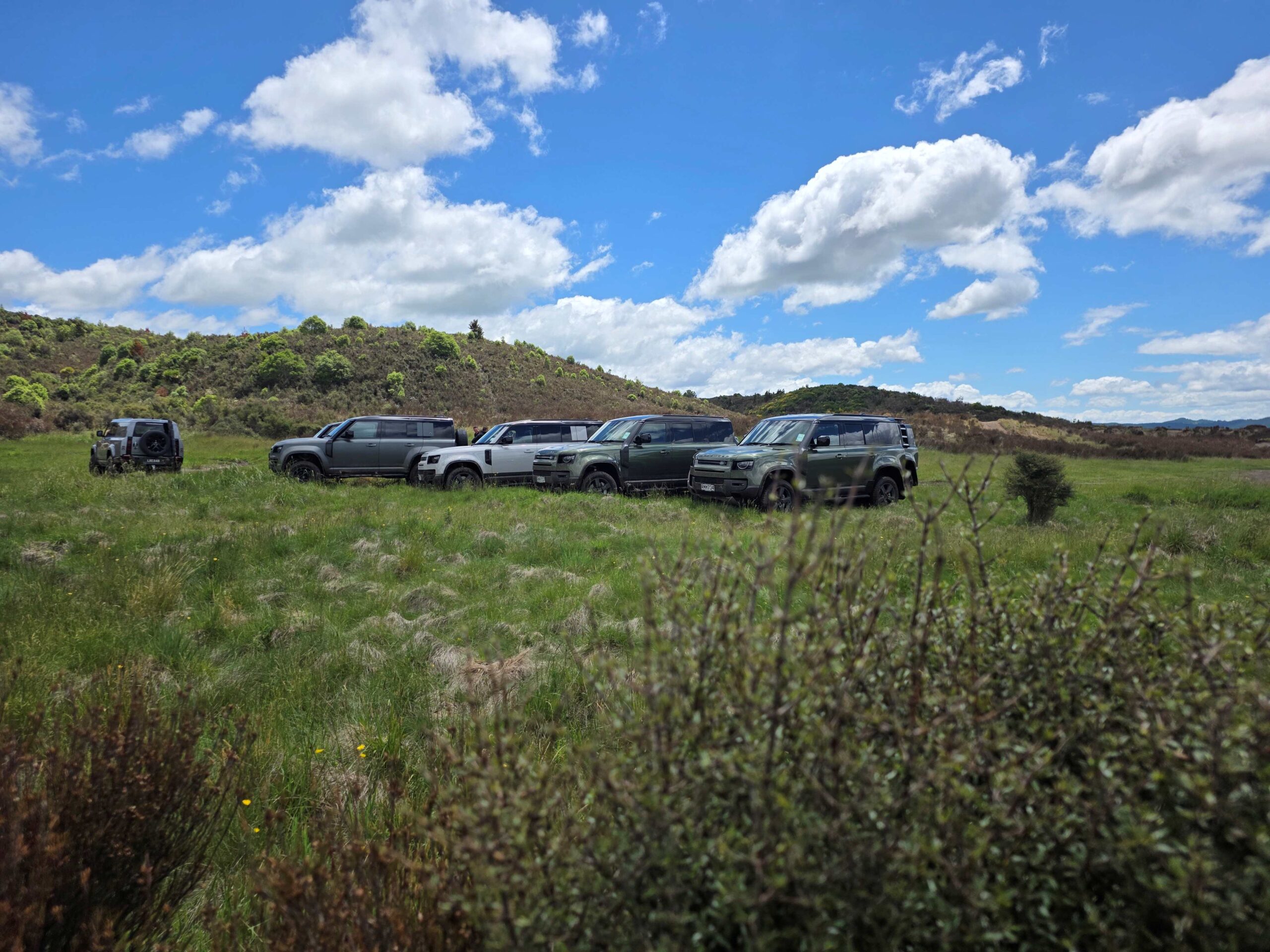
The colour palette has expanded with two particularly appealing additions. Woolstone Green takes inspiration from a waterfall in Oxfordshire, displaying different shades depending on how light catches its complex finish. Meanwhile, Borasco Grey references a Californian silver mine, offering a muted sophistication enhanced by delicate metallic flecks. Both colours feel distinctly premium, which aligns perfectly with the Defender’s positioning as a luxury 4×4 that happens to be extraordinarily capable.
Interior – Size Matters (When It Comes to Screens)
Slip inside and the most obvious change greets you front and centre, literally. The infotainment screen has grown from 11.4 to 13.1 inches, providing a more commanding presence and, crucially, better usability. Nowadays, touchscreens dominate automotive interfaces, bigger genuinely is better, and the new display provides fast, intuitive control over the Defender’s extensive features.
The interface feels snappy and responsive, with logical menu structures that don’t require a degree in computer science to navigate. During our test drive through the Tahorakuri Forest, switching between drive modes, adjusting suspension settings, and monitoring various 4×4 systems proved refreshingly straightforward.
A new optional Driver Attention Monitor uses a driver-facing camera to monitor gaze and provide audio-visual alerts if attention wanders from the road ahead. It’s adjustable and can be disabled entirely if you find it intrusive, but in an age of increasing distraction, it’s a sensible safety addition.
The centre console has been reimagined with versatility in mind. A clever sliding section conceals smaller items while maintaining access to deeper storage below, a thoughtful touch for those who appreciate organisation without sacrificing practicality. Optional removable side pockets with integrated cable routing keep devices charged without the usual spaghetti junction of wires cluttering the cabin.
Material quality remains exceptional throughout, with tactile surfaces that feel appropriately rugged yet refined. The Signature Suite upgrade brings additional premium touches, though even the standard specification feels thoroughly upscale. And for those who genuinely need to seat seven or eight, the 110 and 130 body styles still deliver genuine functionality rather than token third-row seating.
Powertrain: Choose Your Weapon
The Defender lineup continues to offer impressive powertrain diversity. We sampled both the D350 diesel and the glorious 5.0-litre supercharged V8 during our forest adventure. The diesel, which powers the most popular 110 D350 variant (starting at $152,900), delivers effortless torque and surprising refinement. It’s the sensible choice for those prioritising economy and range, yet it never feels compromised or underpowered.
But then there’s the V8. Available in the Land Rover NZ-curated 425 Edition across all three body styles ($184,900-$199,900), this supercharged 5.0-litre unit is theatre on wheels. The soundtrack alone justifies the premium, a purposeful burble at idle building to a glorious roar under acceleration. With these engines not long for this world due to emissions regulations, the 425 Edition represents a last hurrah for traditional V8 performance in the Defender range.
Oh, we also had a special guest star, the Octa. The Octa sits at the top of the Defender tree, with its BMW-sourced 4.4-litre twin-turbo V8 producing 635PS. At $314,900, it’s in a different stratosphere, but the performance and capability are genuinely extraordinary.
On the Road and Off It – Effortless Mastery
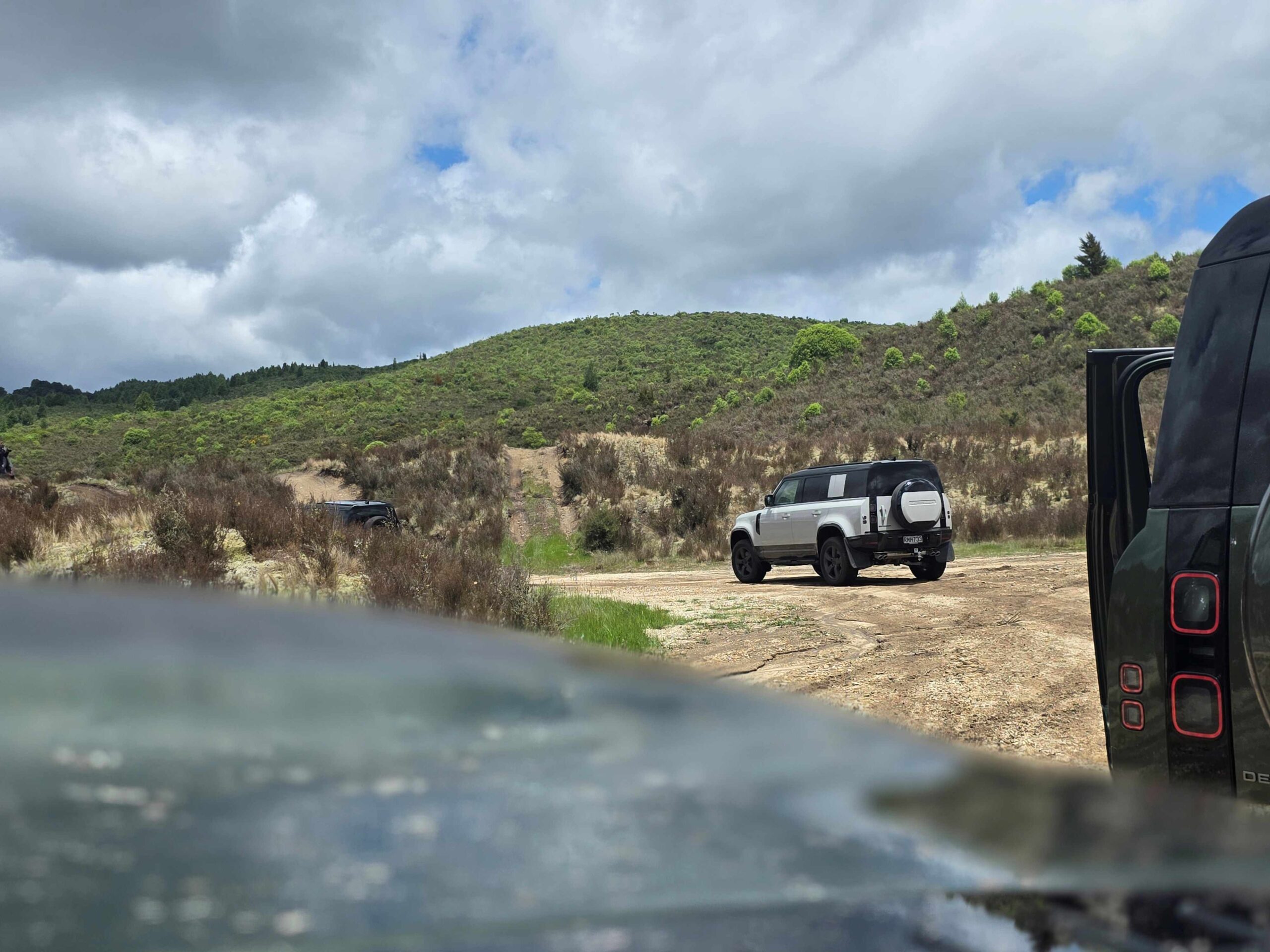
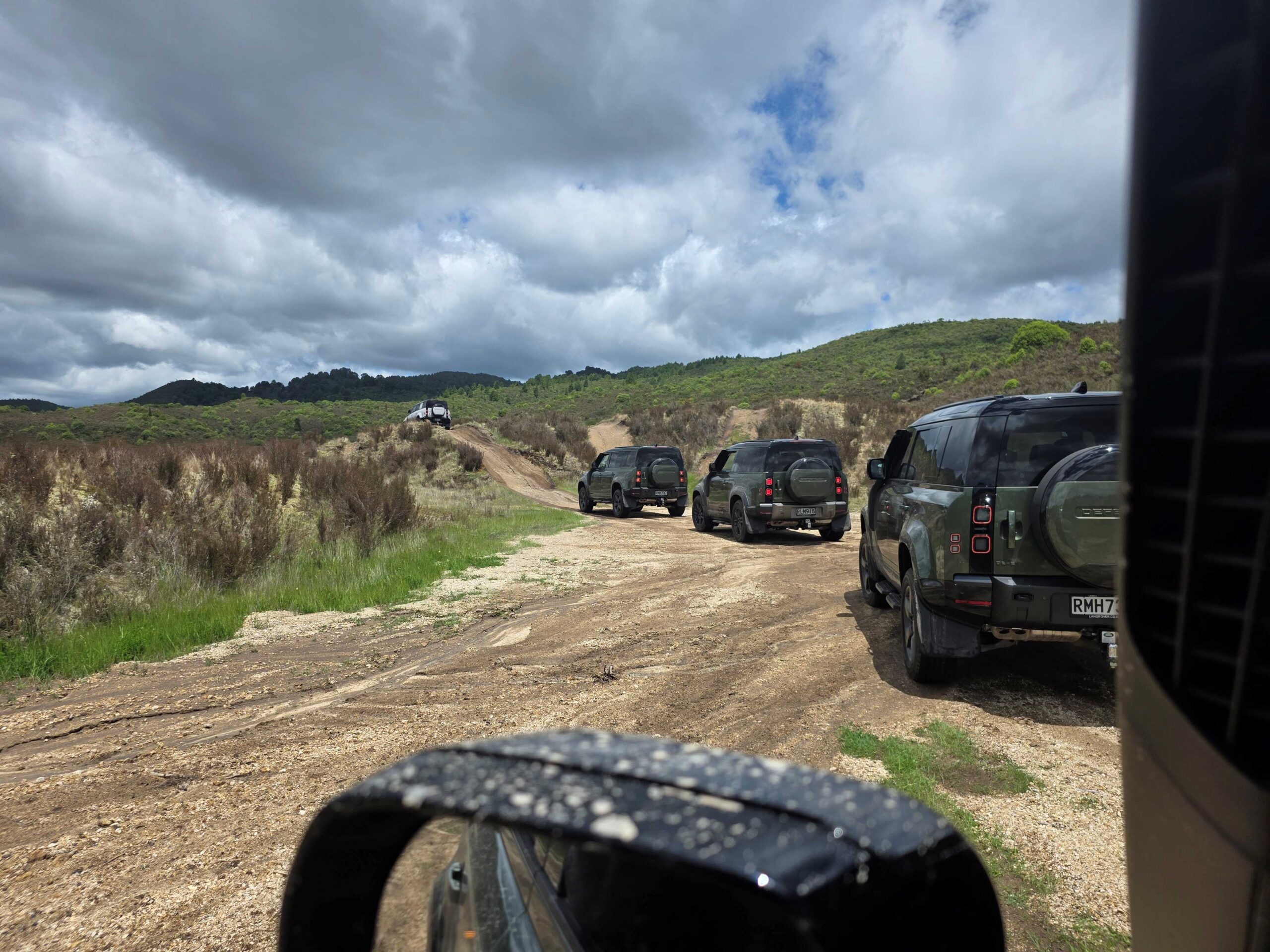
On the move (regardless of the terrain) is where the Defender truly shines, and where Land Rover’s commitment to customer experiences through events like our Tahorakuri Forest drive pays dividends. The ‘curated’ off-road course included stream crossings, steep inclines, and articulation challenges that would have lesser SUVs whimpering for their mothers.
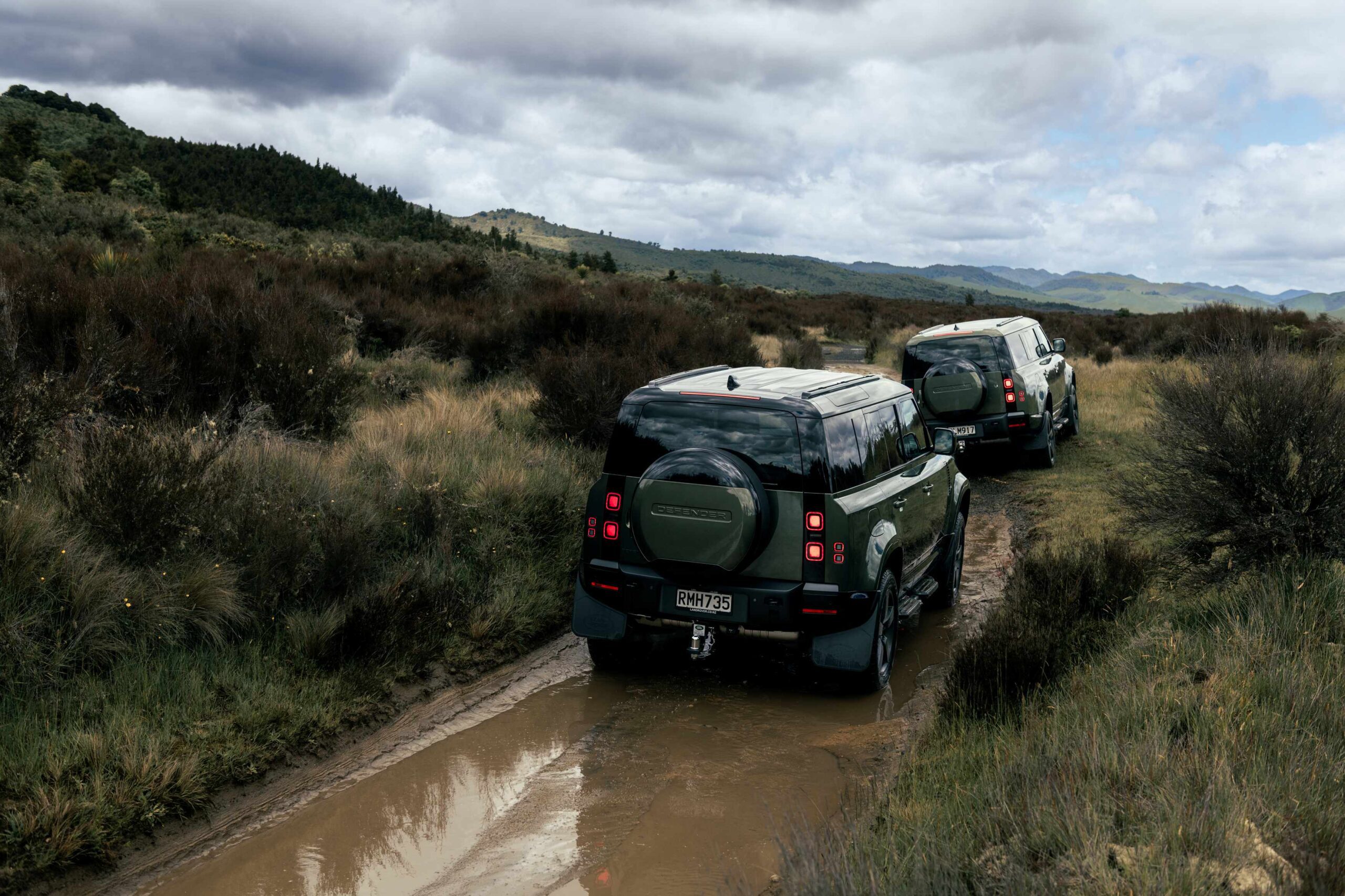
The Defender tackled everything with almost insulting ease. New Adaptive Off-Road Cruise Control, available for the first time, automatically adjusts speed to maintain comfort levels over rough terrain, allowing you to concentrate solely on steering. It’s an evolution of All Terrain Progress Control, and it transforms challenging off-road sections into relaxed tours of the landscape.
We switched between a standard 110, and the Octa during the course, and while both are remarkably capable, the Octa’s sophisticated 6D Dynamics suspension system operates on another plane entirely. The cross-linked setup provides phenomenal control and composure, though at triple the price of a base Defender 90, it should.
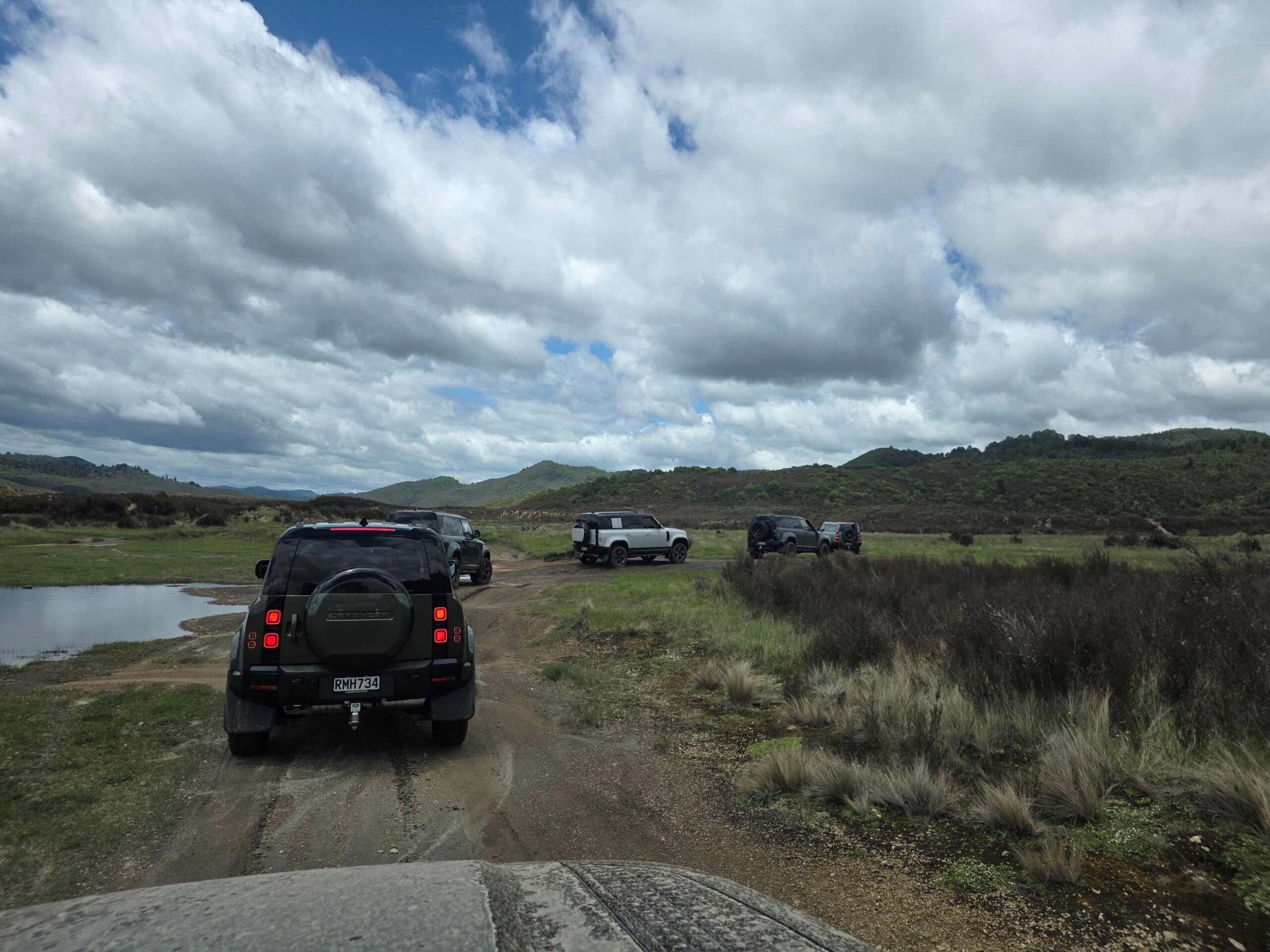
On tarmac, the Defender retains its characteristic blend of authority and agility. We tested the 425 and while it’s not a sports car, nor does it pretend to be, the steering feels accurate, body control is impressive for such a tall vehicle, and the ride quality strikes an excellent balance between comfort and control.
Tarmac Takeaway – Subtle Evolution, Significant Appeal
The refreshed Defender doesn’t reinvent anything, and that’s entirely the point. Land Rover has refined and enhanced an already successful formula, adding technology like Adaptive Off-Road Cruise Control, improving usability with the larger screen, and freshening the aesthetic with new colours and subtle exterior updates.

With the 110 D350 representing the sweet spot for most buyers at $152,900, and the characterful 425 Edition V8 offering last-chance traditional performance, there’s a Defender for various tastes and budgets. The unstoppable 4×4 has become even more distinctive and easy to use, and with sales figures suggesting strong market confidence, Land Rover’s evolutionary approach appears spot-on.
Sometimes the best updates are the ones you barely notice, that is until you realise everything just works that little bit better.