(Aka – Pt 1. Paddy Talks Climate Change)
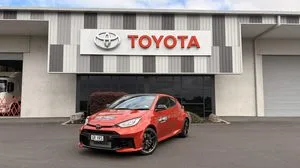
Toyota NZ has released their Sustainability report for 2024 and the 40+ page document is worth taking the time to read. Anyway, to help with its release we were invited to a spot of lunch and entertained by a varied cast of brand and brand ambassadors to help explain how and why things need to change, it was VERY interesting.
In the fight against climate change, personal stories of transformation and action have an undeniable power to inspire others. At the lunch (and I guess launch) broadcaster Paddy Gower shared his journey, insights, and commitment to sustainability, a topic he’s embraced passionately after a life-changing trip to Antarctica.
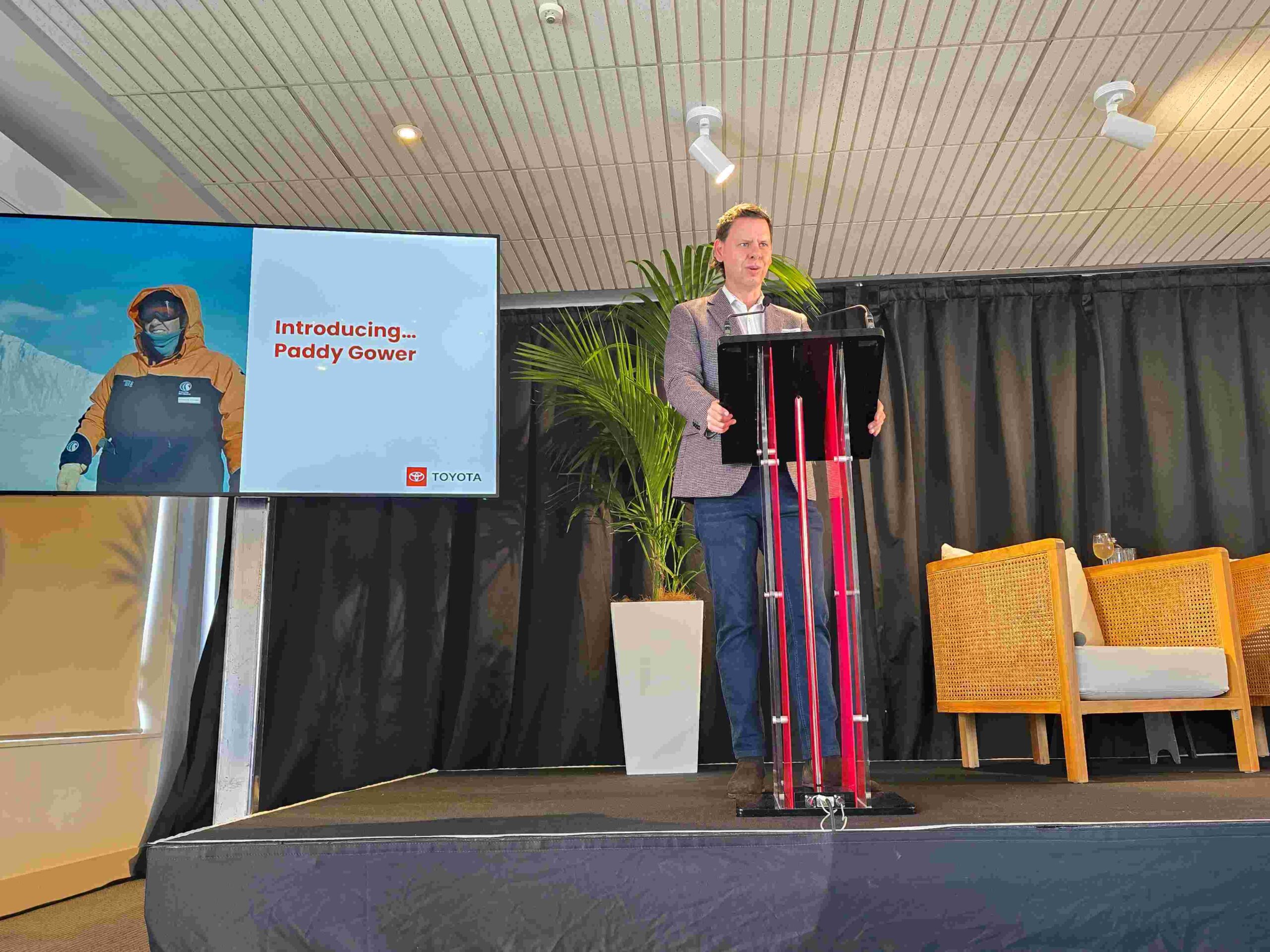
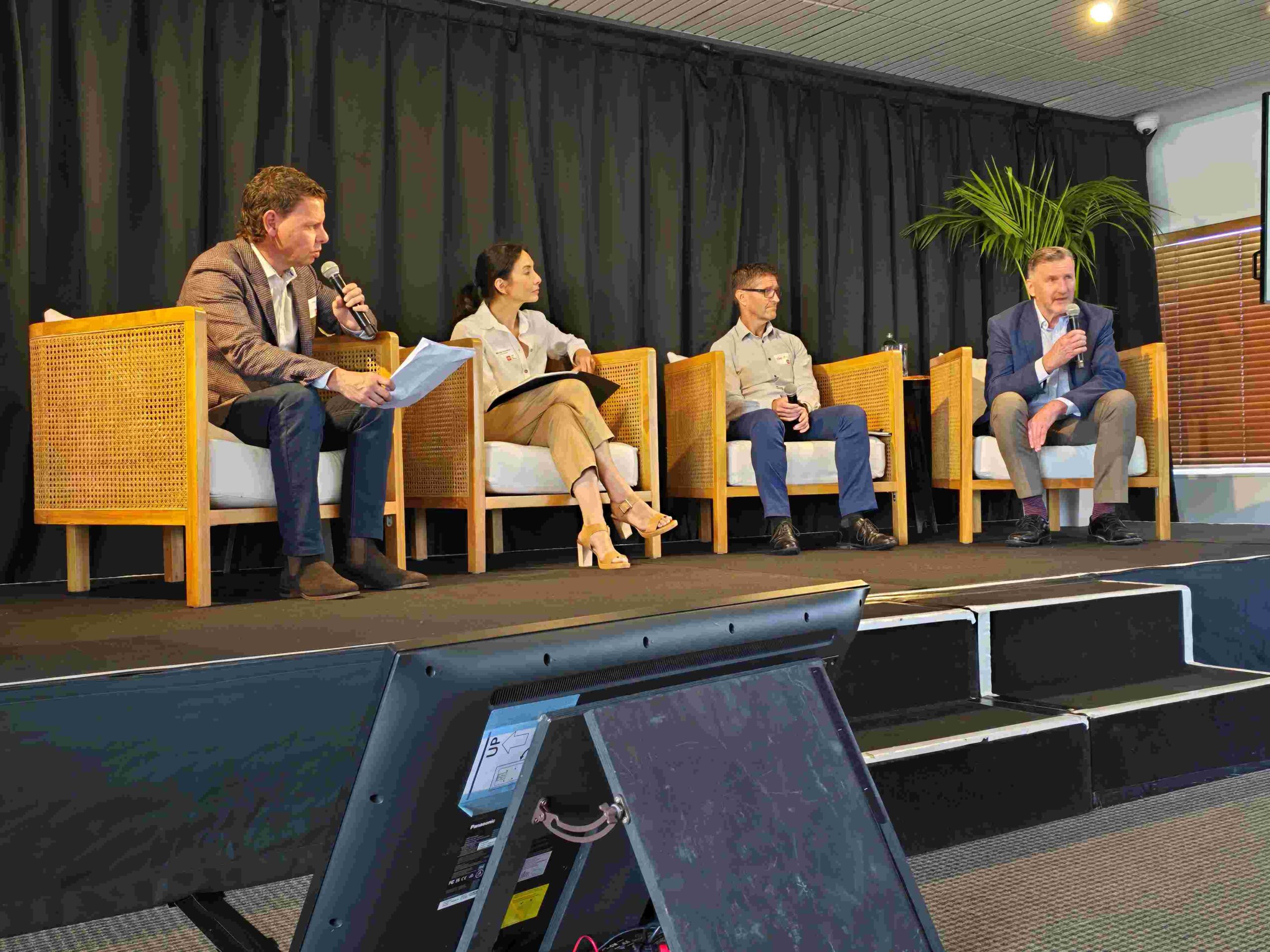
The session was packed with discussions, panels, and insights into sustainability and climate change. Paddy Gower was joined by Suzanne Hardy, Assistant Vice President: Marketing, Sustainability & Technology at Toyota New Zealand Limited, Brent Knight from Toyota Financial Services, Tony Coutinho from Ebbett Toyota, and Michelle Dickinson (a.k.a. “Nanogirl”), a prominent Kiwi scientist. There was also a panel featuring representatives from the Salvation Army and Auckland Council, together, they explored how changes to fleets and transportation systems could contribute to fighting climate change.
As the event unfolded, one message resonated clearly: everyone, businesses, governments, and individuals, has a role to play in addressing the challenges posed by climate change.
From a Skeptic in New Zealand to an Advocate in Antarctica
MC Paddy began the session with a personal talk by reflecting on where his journey started, illustrating how life’s serendipities sometimes bring about the most profound realisations.
“This time last year, I was in Antarctica,” he said, recalling the moment he stepped off an American plane into -35°C weather, surrounded by scientists and 24-hour sunlight. It was a transformative experience, not only because of the alien-like beauty of Antarctica but because of the alarming discoveries he made there about global climate change.
While Paddy admitted he initially knew little about climate science, joking about how he hoped to spot polar bears at the South Pole (polar bears live only in the Arctic), and how his time spent bunking with Professor Craig Carey, a climate scientist, changed his perspective.
He said that three weeks of total immersion with leading researchers made the reality of climate change impossible to ignore. “Antarctica, in my view, is like the beating heart of the world,” he shared.
Through lectures, observations, and countless conversations, Paddy discovered the critical role Antarctica plays in regulating global temperatures. Sea ice, the starting point of a fascinating chain reaction, freezes and melts seasonally, pumping cold water into the world’s oceans. This yearly “pulse” helps to moderate temperatures worldwide. However, the shrinking of this sea ice due to rising global temperatures is now disrupting this delicate equilibrium.
Scientists warn that if the West Antarctic Ice Sheet melts, sea levels will rise by four metres. Should the larger East Antarctic Ice Sheet follow, global sea levels could rise by a catastrophic 10 metres. “We have, in the scientists’ view, awoken the beast,” Paddy said, explaining how fragile, and unpredictable, Antarctica’s ecosystems have become.
Paddy reflected on how his trip to Antarctica reshaped not only his understanding of climate science but also his personal mission as a journalist and individual. Leaving Antarctica, he committed to becoming a “messenger” for the planet, using his platform to inspire others and encourage real change.
“Climate change went from being something I didn’t understand, or was too afraid to dive into, to becoming a key focus of my career and life,” he shared. For Paddy, change had to start at home.
To embody this commitment, Paddy partnered with Toyota, an organization with a strong sustainability mission, and began driving the all-electric Toyota BZ4X around New Zealand. Over the course of his “community tour,” Paddy drove (and is still driving) the EV from Bluff (near Stewart Island) to the northern tip of the country, stopping in 14 towns and cities to spread the message about climate change and sustainability.
“I love starting the day with the car fully charged, 100% ready to go. There’s something incredibly satisfying about knowing you’re reducing your carbon footprint,” he explained, while also sharing humorous anecdotes, like spending two hours charging the car in the small town of Murchison, where locals were excited to see him again on his journey back.
While his collaboration with Toyota reflects his new commitment to sustainable transport, Paddy emphasised that driving an EV is just one step in a larger effort to live more sustainably. “I didn’t go all the way to Antarctica not to change,” he said. “If I can change, then anyone can. And small, individual changes really do make a difference.”
The Role of Innovation and Collaboration in the Climate Fight
Events like the Toyota NZ sustainability report lunch are a reminder of the power of collaboration in addressing the climate crisis. The partnership between Paddy and Toyota reflects the potential for businesses and individuals to collectively work toward shared goals.
Suzanne Hardy, Vice President of Toyota, discussed the company’s focus on sustainability, emphasising the importance of innovation in transforming fleets to reduce emissions. Tony Coutinho and Brett Knight shared complementary insights about how Toyota continues to push the boundaries of sustainable mobility solutions.
The panel discussion also included Michelle Dickinson, who brought a scientific lens to the conversation. Together with representatives from the Salvation Army and Auckland Council, the panel explored how businesses and cities could collaborate to reduce emissions and adopt greener practices.
From the technical insights of Antarctic scientists to the local actions being taken in New Zealand, the overarching message was clear: cooperation and innovation are key to creating a sustainable future.
Reflecting on his journey, from being a climate change skeptic to becoming a vocal advocate, Paddy ended his talk with a simple, powerful message: “We need to act now.” While he admitted that Antarctica’s stark realities left him feeling frightened, they also inspired him to make meaningful changes. in his life and career. He pointed to the need for businesses, governments, and individuals to step up and embrace sustainability wherever possible.
“If we don’t act now, it might be too late. Antarctica really is the beating heart of the world, and right now, it’s in trouble.”
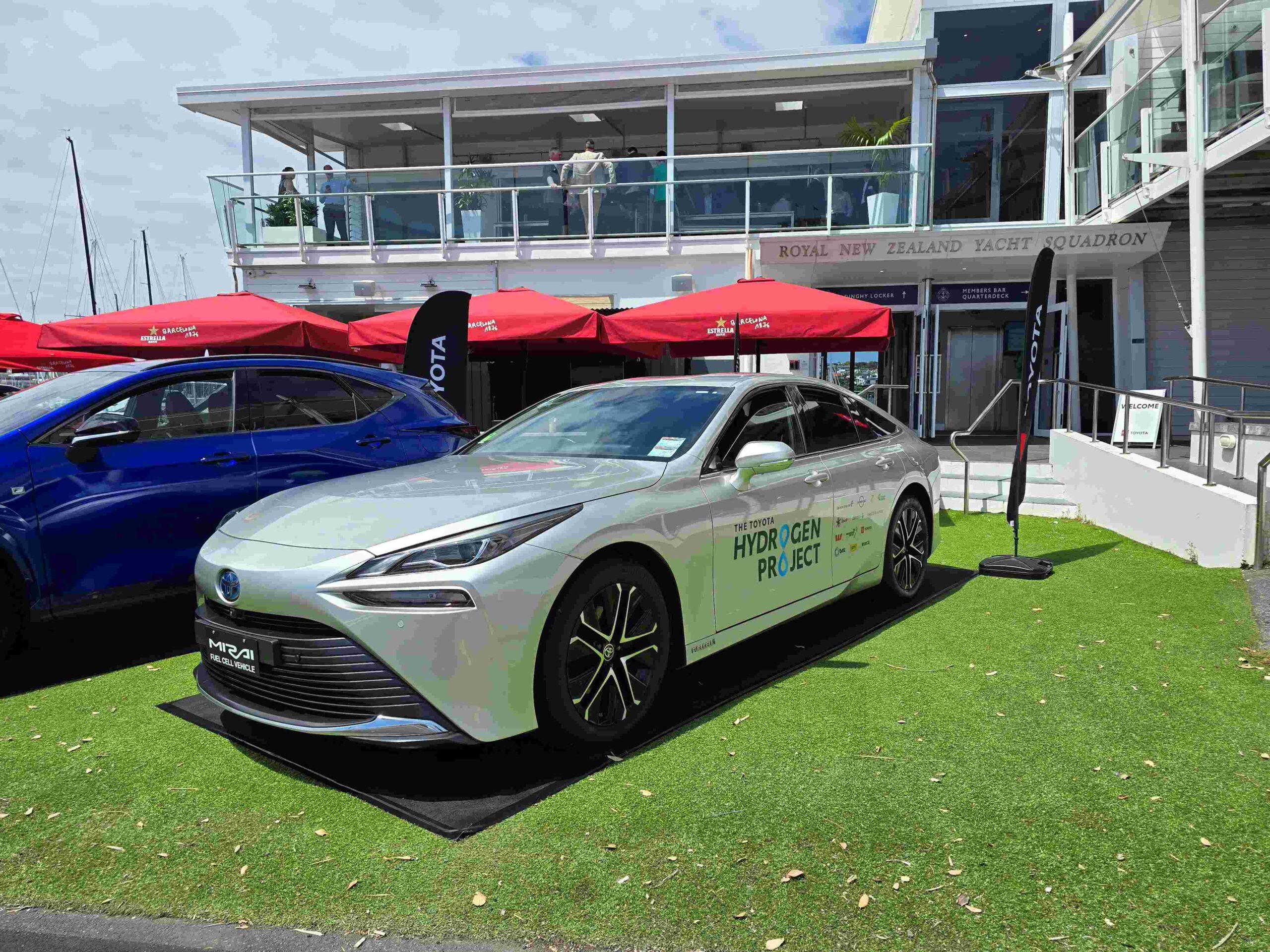
Ultimately, Paddy’s story is a powerful reminder that it’s never too late (or too early) to change, for ourselves, our communities, and our planet. Something that is high on the ‘todo’ list for Toyota it would appear.