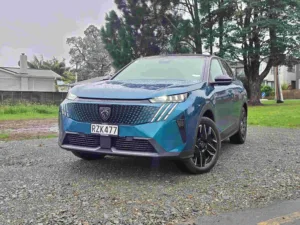
Škoda Auto has developed a computer-based method for homologating its Intelligent Speed Assistance system, and it has applied for a patent covering the approach.
Simulation is now a routine part of vehicle development. Škoda Auto has taken it further with a method that helps a mandatory safety system win approval for public roads, with most of the testing done on computers.
The company calls the process virtually assisted homologation. It is being used for Intelligent Speed Assistance (ISA), a function that new vehicles must have before they can be registered in the European Union.
Why ISA Approval Is Difficult
ISA uses a camera and navigation data to monitor the speed limit. It warns the driver when the car goes over that limit. To receive a Certificate of Conformity, carmakers must show that the system works.
Performance depends on many variables. Visibility matters, from daylight to fog, heavy rain, snow and frost. The windscreen specification, chassis settings and headlight type also play a part, so each combination needs its own testing.
How the Virtual Test Works
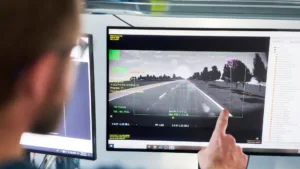
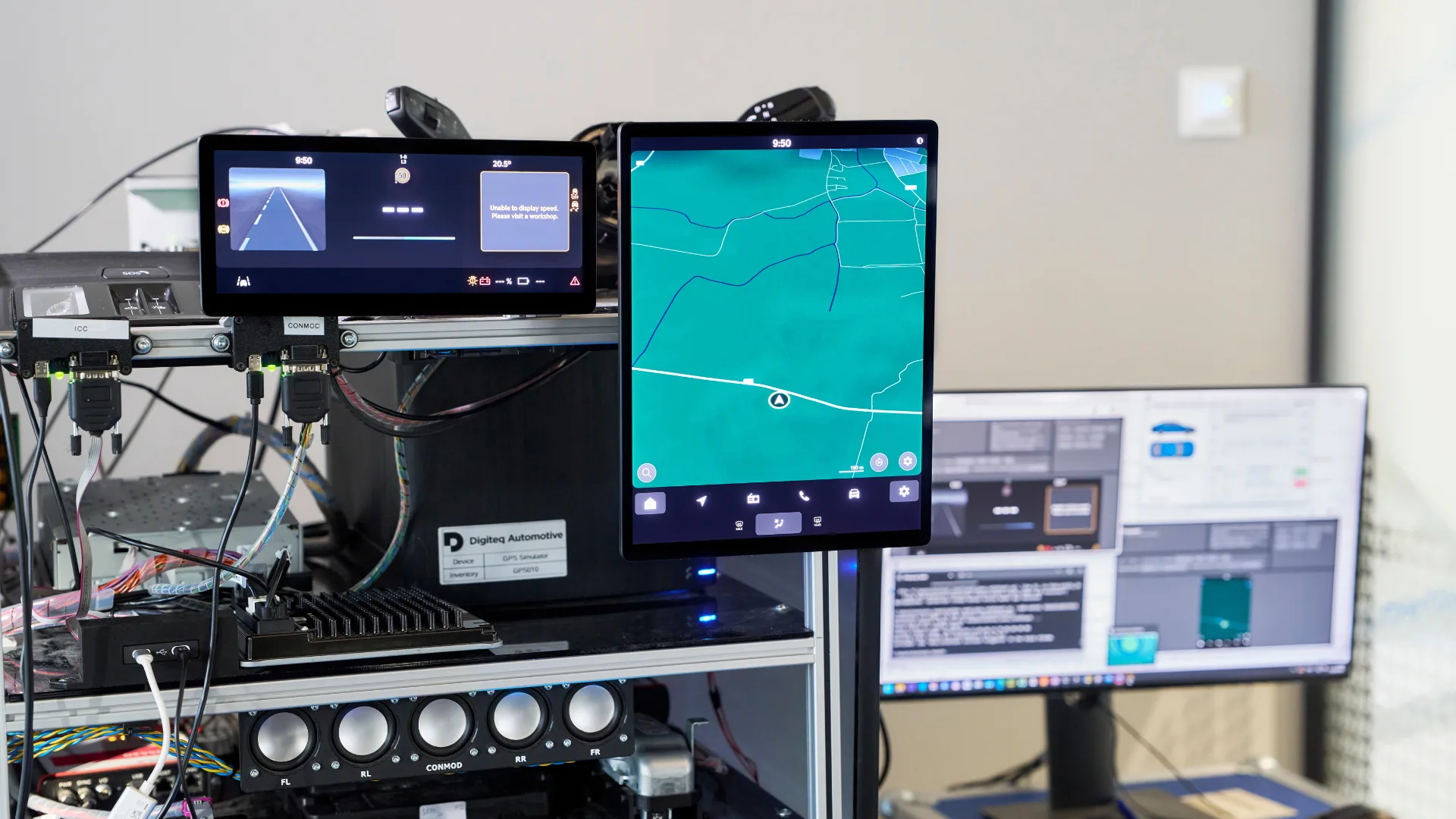
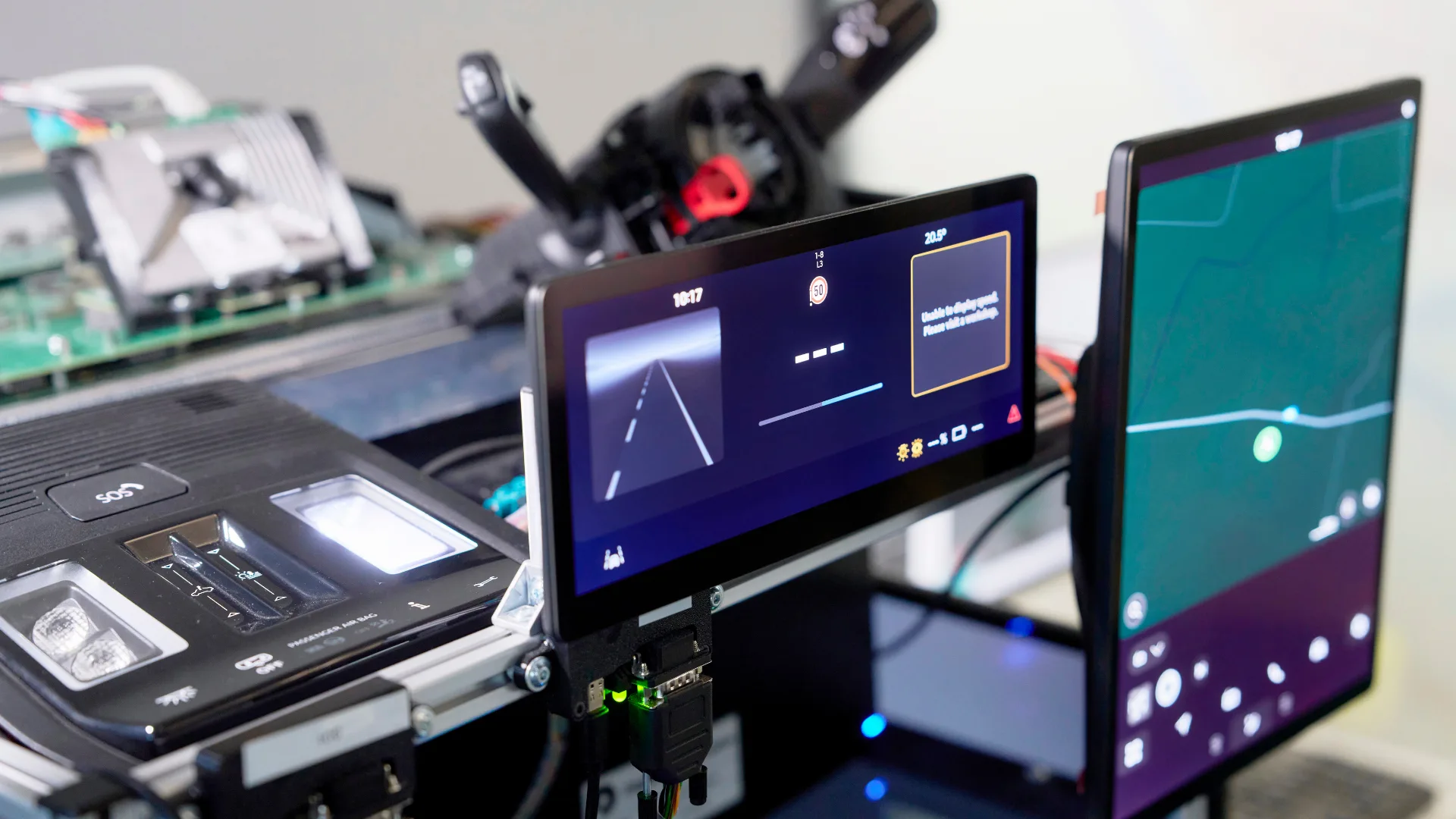
Škoda’s test rig uses the production camera exactly as it is installed in the car. A computer generates the virtual environment and sends image data straight to the camera chip. Projecting images onto a screen could introduce deviations from real conditions.
A GPS simulator feeds position data to the car’s standard antenna, which is shielded from real satellite signals. The routes are virtual versions of real roads, because the system needs map data to work in a laboratory. The tests run in real time, since the camera cannot be sped up without producing unreliable results.
Four Tests, One Physical Check
ISA approval requires four types of test. The first confirms that the camera reads explicit speed limit signs, including end-of-limit signs. The second checks that warnings arrive on time and stop once the car slows below the limit.
The third covers implicit signs, such as road type and national speed limits. EU rules allow these three tests to run under laboratory conditions. The fourth is a physical test, in which an independent organisation randomly selects 400 kilometres of roads. This checks that the virtual results match real-world behaviour.
Independent Input and Company Claims
TÜV SÜD Czech, an independent testing and certification body, helped define what counts as reliable simulation evidence. The project produced documentation of about 400 pages, which forms the main basis for the patent application.
Škoda says the virtual results are as conclusive as real-world tests. It also says the method saves dozens or even hundreds of weeks of road testing each year. These are the company’s own figures, although the involvement of an external authority adds some independent scrutiny.
The Peaq, Enyaq and Elroq, in their current model-year versions, were the first vehicles to use the method for ISA homologation. Škoda also plans to use simulations in Euro NCAP tests and to extend the approach to sensors other than cameras. The company acknowledges that the sensor work is still a challenge.
The wider point is regulatory. By allowing laboratory evidence for most ISA tests, EU rules have opened the door to this kind of approach, and Škoda is showing how far it can go.