by Lucy Mitchell
There’s something special about exploring a country behind the wheel, especially when that country is as beautiful as New Zealand. For those of us coming from Australia, driving through Aotearoa will feel familiar. We drive on the left-hand side, road signs are in English, and the distances seem manageable. But don’t let that sense of similarity fool you. What looks like home on the surface comes with its own set of rules, quirks, and conditions once you hit the road.
Planning a road trip around New Zealand?
You’re in for breathtaking landscapes, but you’ll also face terrain, speed limits, and signage that might be a surprise to you, so it’s important to be prepared. Even seasoned Aussie drivers can be caught off guard by subtle differences in how things are done across the ditch, and getting it wrong could mean more than just confusion. It could result in fines, damage or dangerous situations. We get it. So we’re here to help break down the seven key road rule differences between New Zealand and Australia.
1 – National vs State Jurisdiction
One thing Australian drivers quickly notice in New Zealand is how consistent the road rules are. That’s because New Zealand uses a single national road system. This means that whether you’re in Christchurch or Rotorua, the laws, signage, and enforcement stay the same across the country.
In Australia, things are more fragmented. Each state and territory sets its own traffic rules, which means penalties, speed tolerances, and even signage that can change from one border to the next.
For example, mobile phone laws differ across Australian states: what’s allowed in Victoria might get you fined in Queensland. In New Zealand, the rule is the same across the board: don’t use a handheld phone while driving.
This nationwide consistency means fewer surprises for visitors. Once you learn the rules in New Zealand, you’re good to go!
2 – Speed Limits: Go Slow in NZ
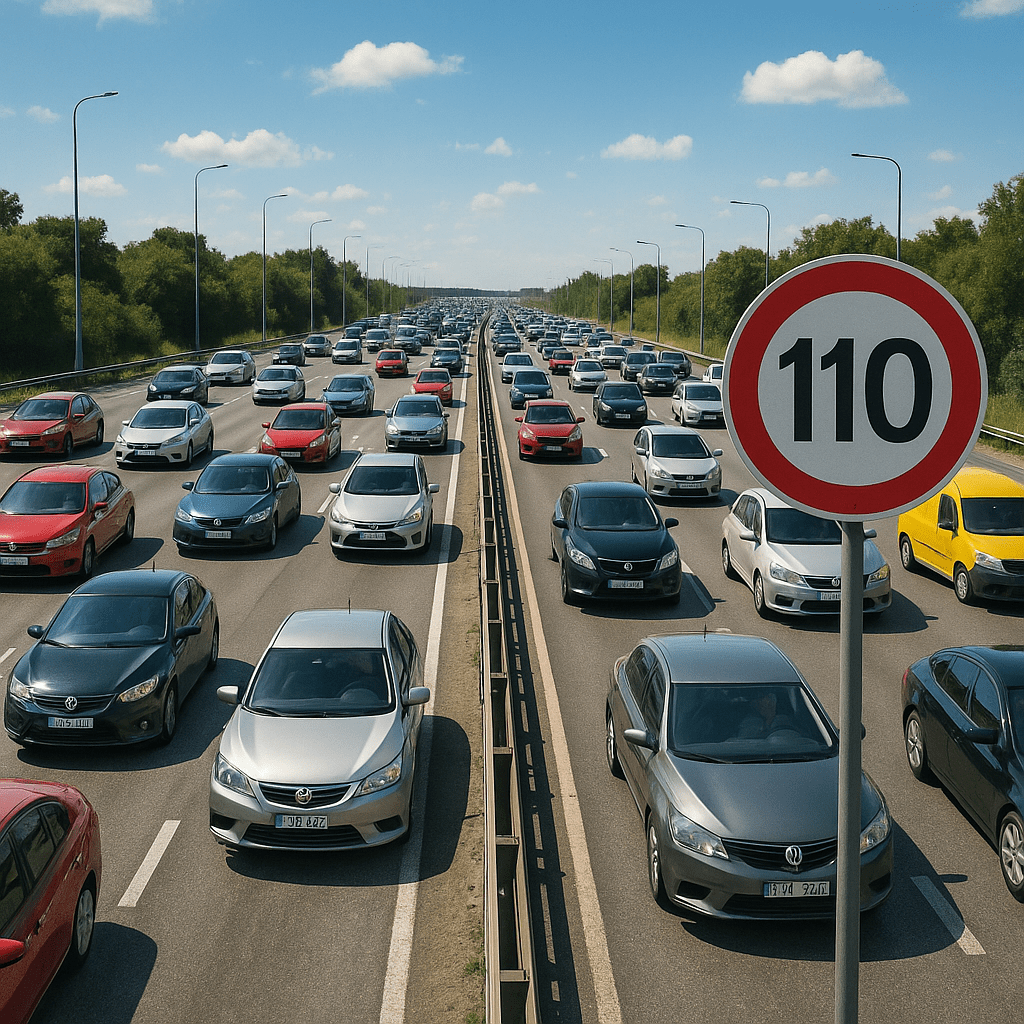
In New Zealand, the maximum speed on open roads is usually 100 km/h, with select motorways allowing up to 110 km/h. This may feel slower compared to parts of Australia, especially the Northern Territory, where limits can reach up to 130 km/h. But there’s a good reason for it. New Zealand’s roads are often narrow, winding, and built around rugged terrain. Even major highways can have sharp bends, steep inclines, or sudden changes in surface.
Drivers need to adjust expectations, what seems like a quick drive on the map may take longer in real time.
While both countries enforce speed limits strictly, New Zealand can be especially unforgiving. Fixed and mobile speed cameras are common, and even small breaches can lead to fines.
Keep an eye out for changing limits, especially near towns and rural zones. When in doubt, slow down. New Zealand’s roads reward patience, not speed.
3 – Signage and Markings: Familiar Yet Distinct
While road signs in New Zealand and Australia may look similar at first glance, there are some key differences in signage that are important to note.
For example, yellow line markings: in New Zealand, a broken yellow line means no stopping, while in Australia, a solid line typically indicates no stopping. It’s an easy mistake for Aussie drivers to make when first arriving in New Zealand.
Another difference is camera signs. In Australia, road signs often warn of upcoming speed or red light cameras, giving you a heads-up to adjust your speed. In contrast, New Zealand usually doesn’t post signs ahead of speed cameras, so you might not realise you’ve crossed the limit until a fine shows up in your mailbox.
Parking signage is another area where things differ. While New Zealand’s parking rules are often simpler, they can be less forgiving. It’s easy to overlook the fine print, and parking in the wrong spot can lead to hefty fines.
Pay attention to the subtle differences in road markings and signage to avoid unnecessary fines and confusion.
4 – Licensing and Rental Requirements: P-Platers Be Aware
Australians can drive in New Zealand using their full or provisional license for up to 12 months. However, there are some important differences for P-platers. In New Zealand, you don’t need to display P-plates on your car, but you must still follow the restrictions on your provisional license.
When renting a car, most companies have minimum age requirements (often 21+), and you’ll need to have held your full license for at least 12 months. If your license isn’t in English, you may also need an International Driving Permit.
Before signing your rental agreement, be sure to read the fine print. Extra fees, restrictions, or specific conditions (like driving on gravel roads) can vary between rental companies, and depending on whether you have your P’s or full license. It’s better to be prepared than face unexpected charges later.
5 – Road Etiquette and Driving Conditions: Adapting to the Terrain
Driving in New Zealand means navigating narrow, winding roads and one-lane bridges, especially in rural and mountainous areas. Unlike Australia’s generally wider, flatter roads, New Zealand’s terrain demands patience and caution.
When on these roads, remember the driving etiquette: always keep left, slow down on blind corners, and be patient with slower vehicles. One-lane bridges are common, so don’t forget to yield to oncoming traffic when necessary.
New Zealand’s weather can change rapidly, and snow chains may be required in winter, particularly in the South Island’s mountainous regions.
With Australia’s broader roads, these terrain challenges don’t appear as often, making New Zealand’s road conditions more intense. But take it slow, and the scenic drive will be worth the wait.
6 – Fuel and Insurance Considerations: Budgeting for the Journey
Fuel is generally more expensive in New Zealand compared to Australia, with prices often hovering around NZD $2.30 per litre (subject to fluctuations). In rural areas, fuel stations can be sparse, so it’s important to plan your fuel stops ahead of time, especially if you’re venturing into more remote regions.
Insurance is another key area where the systems differ. In New Zealand, rental policies across the country may exclude coverage on gravel roads, alpine passes, or during severe weather, so make sure you’re familiar with the fine print if you’re going off the beaten track.
Keep in mind that add-ons like windscreen or tyre cover may also be worth considering due to the country’s rugged terrain.
In contrast, Australia’s car insurance is managed at a state level, with variations in requirements. For instance, NRMA Insurance offers Green Slips in NSW, which is compulsory third-party insurance for vehicles exclusively in New South Wales.
Before hitting the road in New Zealand, review your rental agreement carefully. Knowing what’s covered (and what isn’t) could save you serious money if things go sideways.
7 – Roundabout Rules: Subtle Shifts in Right of Way
At first glance, roundabouts in Australia and New Zealand seem nearly identical. But the right-of-way expectations can trip up drivers who assume the rules are exactly the same.
In both countries, you must give way to vehicles already on the roundabout. However, in New Zealand, indicating is taken more seriously, and often enforced.
Drivers are expected to signal right when turning right, and always signal left when exiting, even when going straight. Failing to indicate correctly can lead to confusion or fines.
Additionally, while Australia generally has clear signage for multi-lane roundabouts, New Zealand’s lane markings may be less intuitive, especially in rural or smaller towns.
The key takeaway? Slow down, observe lane arrows carefully, and always use your indicators. It’s a small habit that makes a big difference in a country that strictly obeys.
Navigating the Differences with Confidence
While driving in New Zealand shares many basics with Australia, from left-hand traffic to English signage, the subtle differences matter. From speed limits and signage to roundabout rules and road etiquette, those details can impact both safety and legality.
For Australians planning a road trip in New Zealand, the best first step is to read the NZTA road code. A little preparation goes a long way in avoiding fines, confusion, or unnecessary stress.
The good news? New Zealand offers some of the world’s most scenic drives, from alpine passes to coastal highways. With a bit of local knowledge and a cautious mindset, exploring by car becomes one of the most rewarding ways to experience the country.