Wednesday, 8 July 2026. Welcome back to another instalment of Cardle of the Day, the series where we work through each morning’s puzzle at Cardle and then spend a few paragraphs appreciating whatever magnificent, peculiar, or underrated machine the game has decided to surface.
If you haven’t played Cardle before, the premise is beautifully simple: one car, five photo clues, each one progressively less cropped than the last. You can guess at any point or skip a clue to reveal a little more of the image. Identify the car before the fifth clue and you’ve earned bragging rights. Fail to get it at all and, well, at least you learned something.
How Today’s Puzzle Played Out
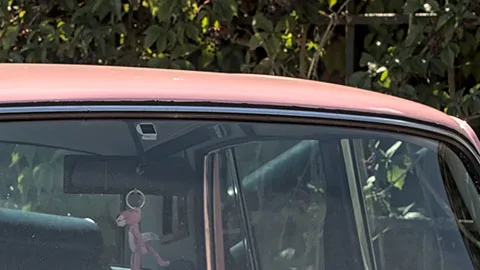
Today’s puzzle was one of those where clue 1 is basically useless. A sliver of bodywork, a hint of chrome, the kind of image that could belong to almost anything built between 1960 and 1985 if you squint hard enough. And that colour? Clues two, three, and four were skipped in turn, each one peeling back a little more of the mystery without quite giving the game away.
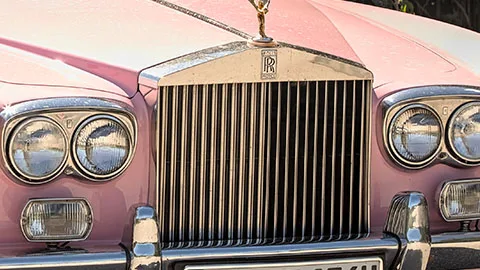
It was the later clues that settled it. Enough of the car was visible by that point to make the guess with confidence: it’s the Rolls-Royce Silver Shadow.
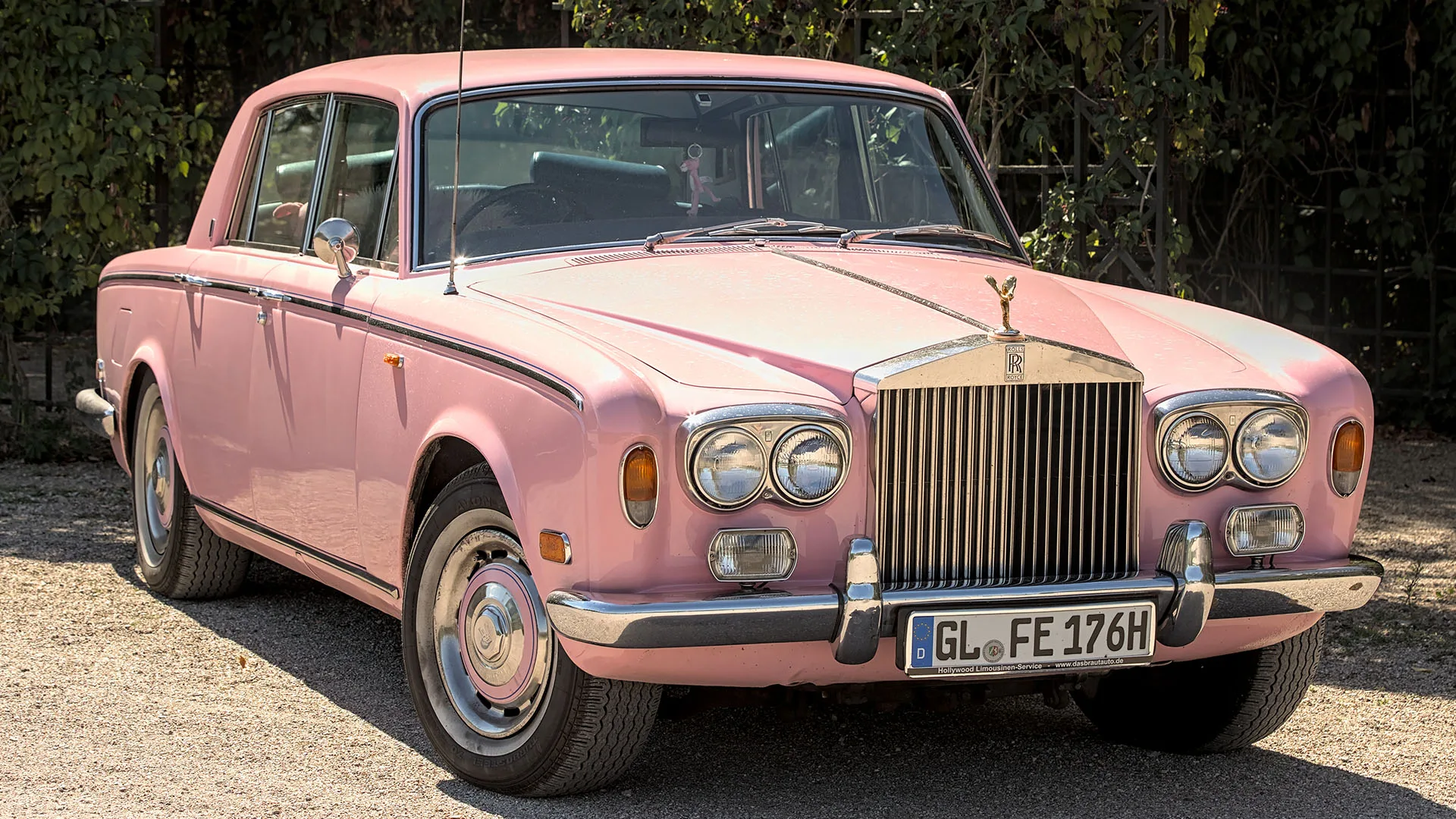
A Car That Rewrote What a Rolls-Royce Could Be
The Silver Shadow arrived in 1965 and represented a genuine departure for Rolls. Where its predecessor, the Silver Cloud, had used a separate body on frame construction, the Shadow introduced a unibody, a monocoque structure that was more modern, more rigid, and ultimately more practical for the era it was entering. It also came with independent rear suspension and, from 1965, four-wheel disc brakes as standard, which brought the newest in engineering rather than simply luxury.
Production ran until 1980, and across that period Rolls-Royce built approximately 16,000 Silver Shadows, making it, at the time, the best-selling Rolls-Royce model in the marque’s history. This was not a car produced in tiny numbers for a handful of aristocrats; it was, by Rolls-Royce standards, a volume product, and it brought the brand to a wider audience than any previous model had managed.
Cultural Weight and Pure Presence
The Silver Shadow has a cultural footprint that extends well beyond the showroom. It appeared in films, television series, and the driveways of everyone from rock musicians to heads of state throughout the late 1960s and 1970s. That era gave the car a particular kind of glamour, not the brash variety, but something more assured.
Today, well-maintained examples sit in a curious market position: accessible enough that a private buyer can realistically own one, yet substantial enough that serious collectors still seek out the cleanest survivors. The two-door Silver Shadow variant, sold as the Silver Shadow II Coupé and later rebadged as the Corniche, commands a premium of its own. Time to hunt for one? See you for the next one!