
And is NZ next?
Ah, the Great British Pub. An institution, a sanctuary, the place where rain-sodden afternoons are whiled away, life’s triumphs are toasted, and its tribulations drowned (responsibly, of course). But hold onto your pint glasses, because it seems a rather grim last call might be echoing across the land. If recent figures are anything to go by, the beloved local might be heading for the history books, and that’s a bitter pill to swallow.
Since we all raised a glass to the new millennium, a staggering 15,800 pubs have vanished from the UK landscape. That’s right, from a hearty 60,800 watering holes in the year 2000, we’re now down to around 45,000 inns. It seems that while we were busy worrying about the Y2K bug, a more insidious pest was nibbling away at the foundations of our favourite haunts. The sector took its biggest sobering hit in 2017, losing an eye-watering 1,950 boozers – a figure that makes the 1,350 closures during the Covid years of 2020 to 2022 seem almost like a quiet night in. The decline, much like a poorly pulled pint, has continued, with 500 taverns disappearing in 2023 and another 350 in the subsequent year.

So, what’s causing this “pubs Armageddon,” as some are calling it? According to Emma McClarkin, CEO of the British Beer & Pub Association, it’s not a lack of love from the punters. “The British love affair with the pub has been unwavering,” she states, “but the steady increase in red tape, taxes and bills have wiped out their tiny profits and forced them to shut up shop”. It’s a painful reality for staff and communities who see their local hubs shuttered.
The list of grievances from publicans is longer than a Monday morning hangover. They point to sky-high business rates, hefty employer National Insurance contributions, and Labour’s controversial “recycling tax,” formally known as the Extended Producer Responsibility fee (EPR) . Pub leaders argue this levy on packaging won’t actually boost recycling rates but will fuel inflation and potentially damage the economy. Adding to the woes, hospitality businesses, which received 100% business rates relief during the pandemic (2020-2022), saw this cut to 75% and now face its complete removal from next April . This could cost businesses an extra £928 million, with Alex Probyn of Altus Group warning of a “double whammy” of extra costs due to inflation and the relief removal, potentially hiking average business rates by £12,160 next year.
Some commentators in the digital public square also point fingers at changing social habits, with one suggesting, “Social media helped the downfall of pubs and bars worldwide. The days of meeting up and socializing in such places have well gone, with todays people doing it all online from the minute they wake up”. Another added that perhaps “youngsters don’t have any social skills, or the need to actually see real people”. While the emoji might soften the blow, it highlights a shift in how we connect, or perhaps, disconnect.
The calls for help are as loud as a Saturday night singalong. Ms McClarkin has urged the Chancellor to throw the industry a “vital lifeline” . “The only way to halt these unnecessary closures is for the Government to act and act now to reduce the burden pubs are under,” she told The Morning Advertiser. The demands are clear: reform business rates, review the “chaotic and harsh” EPR fees, mitigate soaring employment costs, cut beer duty, and maintain the 75% business rates relief . After all, as a spokesperson for the British Beer and Pub Association lamented, “While we know that brewers and pubs pour billions into the economy, their massive contribution to society is priceless, which is why any closure is devastating” . The north-west of England appears to be the hardest hit recently, with 46 pub closures in a six-month period, followed by the south-west and East Midlands.
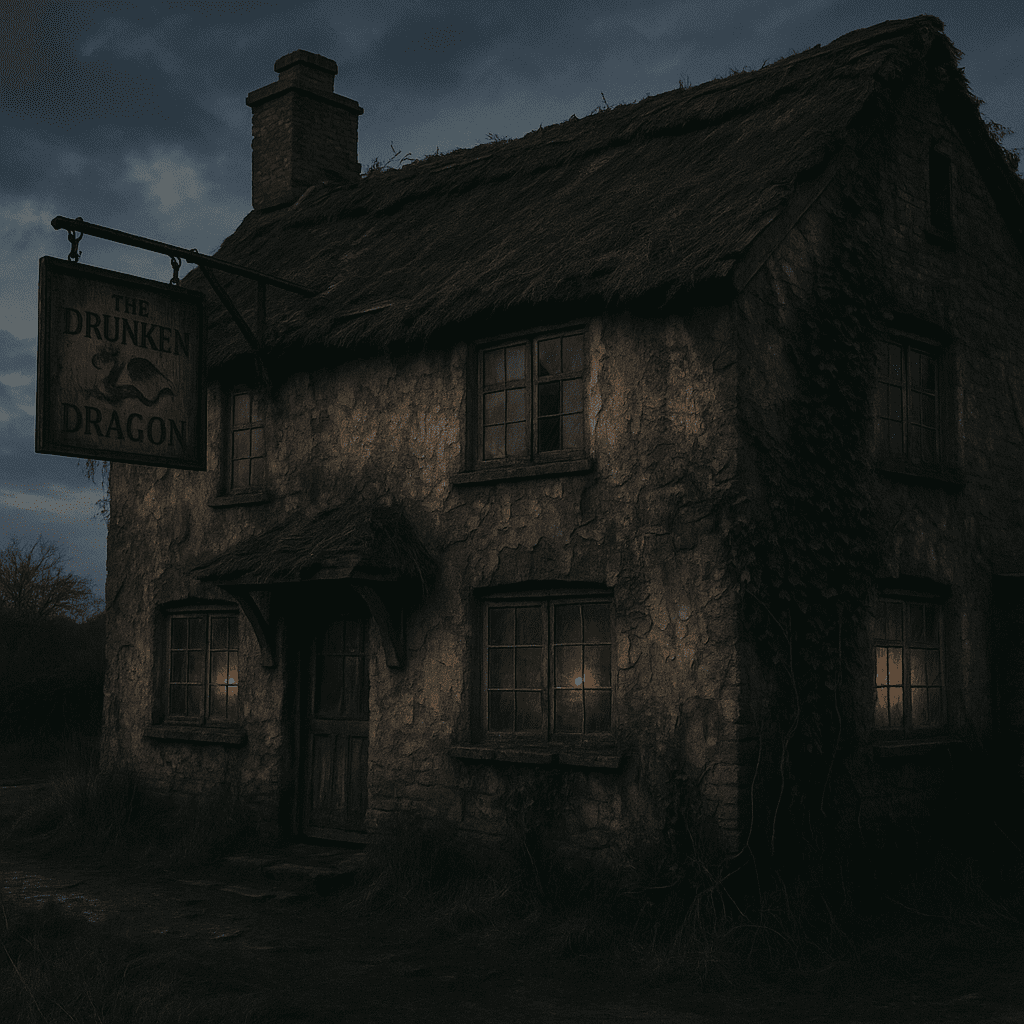
So, are the days of the British boozer truly numbered? It’s a sobering thought. The pub is more than just a place to grab a drink; it’s a cornerstone of community, a hub for social interaction, and, for many, a home from home. Without significant intervention, we might find that “last orders” isn’t just a nightly ritual, but a final, mournful cry for an entire way of life. Perhaps it’s time the government stepped up to the bar and ordered a round of meaningful support before it’s truly closing time, for good.