According to Nissan NZ, the automotive landscape in New Zealand and Australia is arguably undergoing a seismic unsettling shift. With the influx of new Chinese manufacturers, rapidly evolving government policies, and a customer base increasingly confused by the sheer volume of choice, established players (like Nissan) are being forced to rethink their strategies.
For Nissan, a brand with a 60-year heritage in the region, the challenge is not merely to survive this disruption but to leverage its deep-rooted fundamentals to thrive. In a recent discussion, Steve Milette, Managing Director of Nissan Oceania, and Sri Padmanabhan, Country Head and Director of Nissan New Zealand, outlined a roadmap for the next five years and beyond.


Their vision moves beyond simple product updates, focusing instead on a holistic transformation of the customer experience, powertrain diversification, and the strategic utilisation of their existing, massive footprint in the market.
Beyond the EV Hype
The conversation around electrification has often been polarised, pitting battery electric vehicles (BEVs) against internal combustion engines (ICE). However, Nissan’s leadership argues that the market is maturing, moving away from a binary “EV versus petrol” debate toward a more pragmatic approach: providing the right powertrain for the specific job.
“Everything reverts back to the mean,” Milette noted, reflecting on the recent spike in EV demand driven by fuel price volatility and supply concerns. While electrification remains a core pillar of Nissan’s future, the company is betting heavily on “powertrain diversification.” This strategy includes highly fuel-efficient petrol engines, traditional BEVs, and, crucially, their proprietary e-POWER technology.
e-POWER has emerged as a “spot on” transitional technology for the Oceania market. By utilising an onboard generator to power an electric motor, it delivers the driving dynamics of an EV without the need for plug-in charging, a significant pain point for many consumers. Padmanabhan highlighted that this technology is seeing strong adoption among rental and fleet customers in New Zealand’s South Island, where the convenience of not needing to charge is a major selling point.
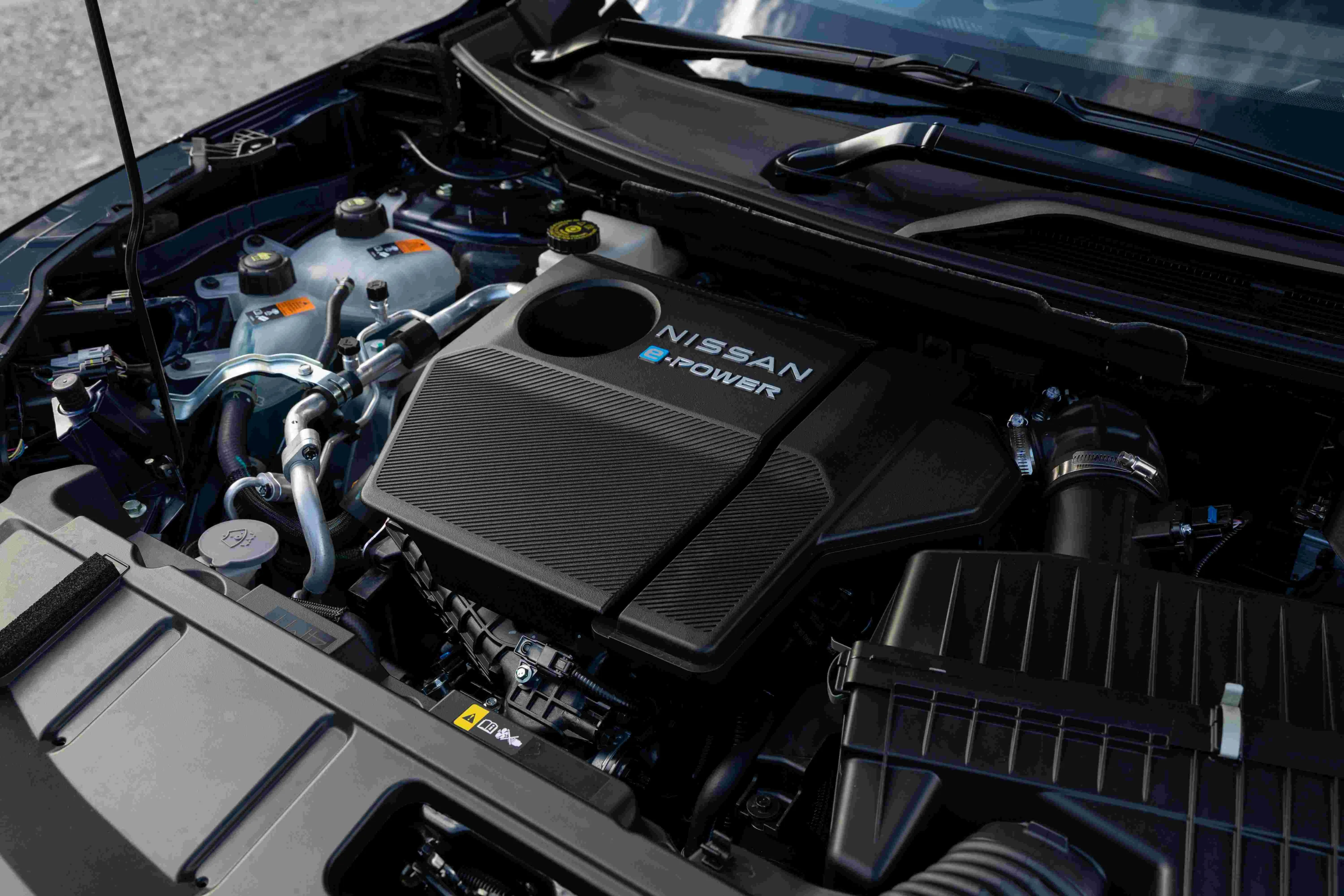
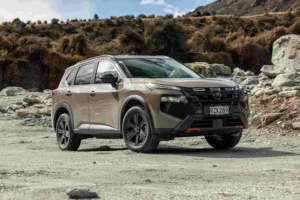
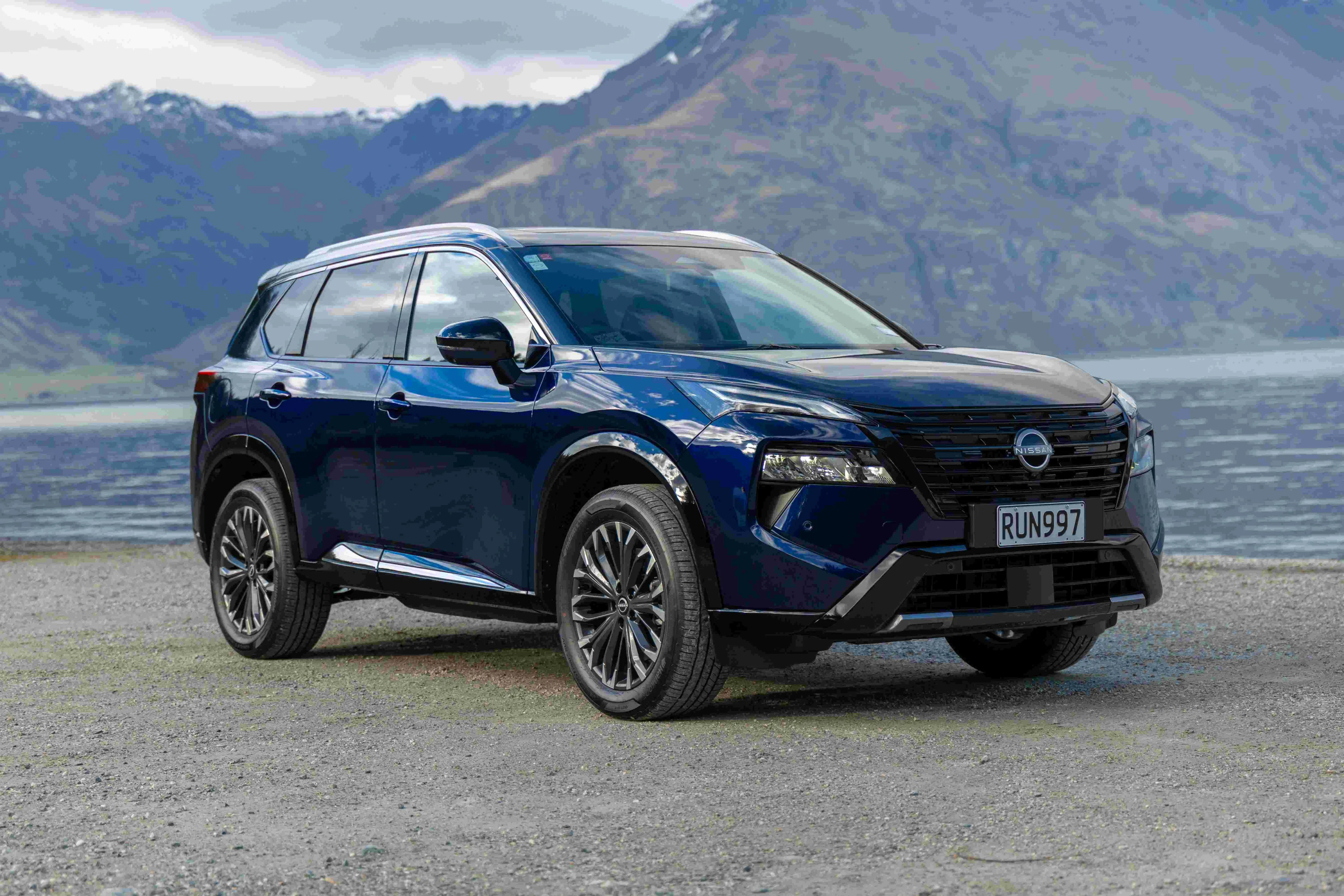
This commitment to choice extends to the product lineup itself. While Nissan maintains a unified brand identity across Oceania, the company is increasingly treating New Zealand and Australia as distinct operational entities. This allows for market-specific product tailoring. A prime example is the new X-Trail Rock Creek; while Australia opted for a petrol-only version, New Zealand secured both petrol and e-POWER variants, demonstrating a willingness to adapt to local demand rather than applying a one-size-fits-all approach.
Leveraging Heritage in a Disruptive Market
In an era where new brands appear weekly, Nissan’s 60-year history in New Zealand is a competitive advantage that cannot be overlooked or easily replicated. Milette and Padmanabhan emphasised that this heritage is the foundation of their customer relationship.
“When you talk to a Nissan customer, they are probably on their third or fourth generation of cars,” Padmanabhan observed. This deep-seated loyalty is bolstered by a massive “units in operation” (UIO) base, which supports a highly profitable after-sales business. Unlike some new entrants who may struggle to build a sustainable service network, Nissan’s existing infrastructure (parts supply, service centres, and dealer relationships) provides a level of stability and trust that is increasingly rare.
To solidify this, Nissan has introduced a 10-year warranty, 5-year flat-price servicing, and 10-year transferable roadside assistance. These programs are designed to secure repeat business across vehicle generations, ensuring that the customer journey doesn’t end at the point of sale.
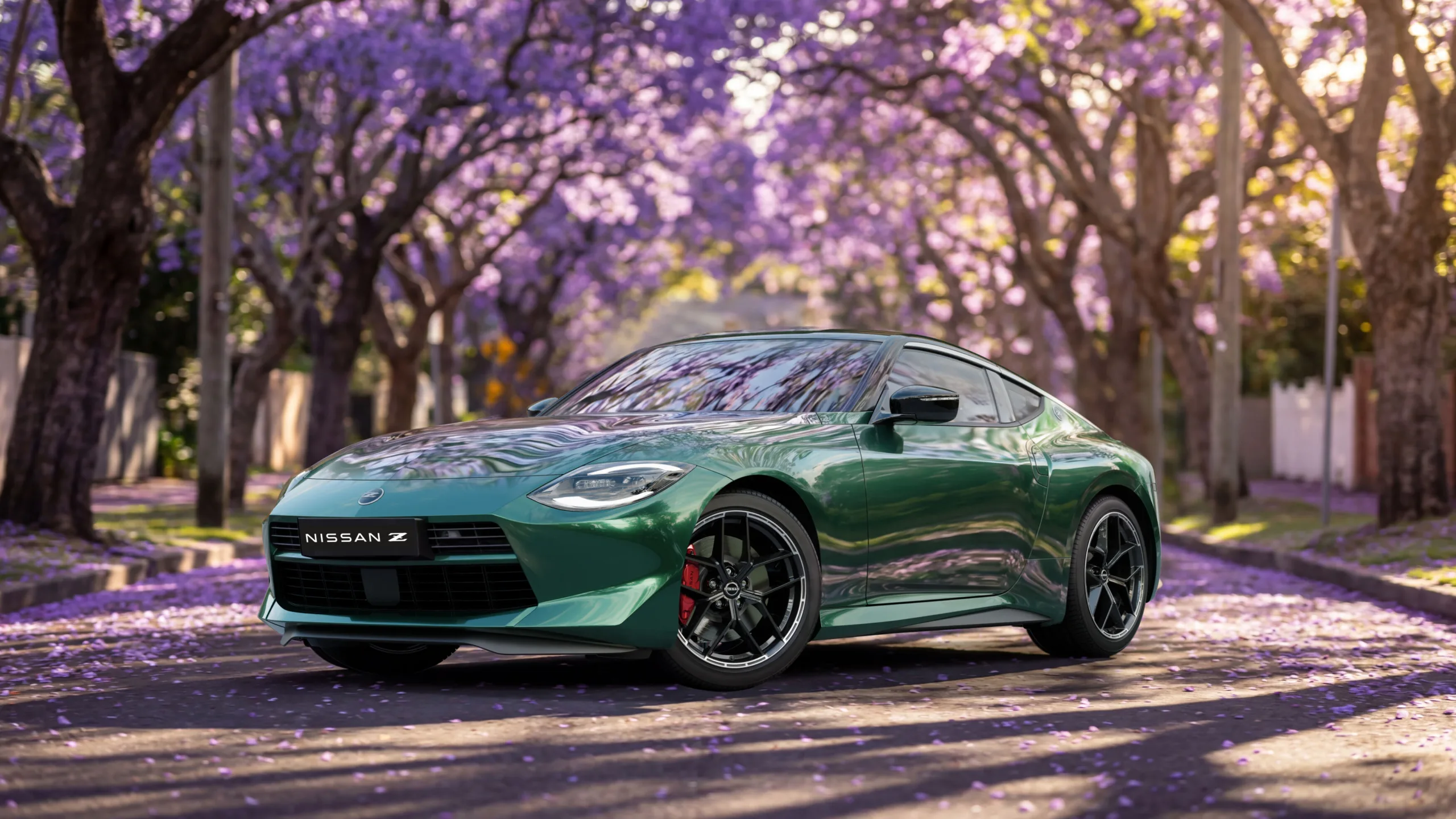
The brand’s enthusiast heritage also plays a vital role. Models like the Z and the GT-R serve as “halo” products that keep the brand’s passion alive. The rapid 56-minute sellout of the manual Nismo Z during its Malaysia launch and the enthusiastic reception at the Sydney GT-R Festival underscore that Nissan still commands a level of genuine excitement that many new, tech-focused entrants lack.
The Dealer Network: A Critical Partner
The dealership model is under immense pressure. With fixed showroom space and constant bombardment from competing brands, dealers are in a difficult position. The local Nissan leadership acknowledges this tension, noting that dealers are often caught between the “fear of missing out” on new, unproven brands and the need to protect their established, profitable franchises.
Nissan’s strategy to support its dealers is twofold: simplifying the business model and focusing on the total ownership experience. By emphasising that dealership profitability is anchored in finance, insurance, parts, and service (rather than just new-car margins) Nissan is helping its partners navigate the current market noise.
A tangible example of this commitment is the upcoming standalone dealership in Auckland Central. By investing in dedicated retail footprints and specialised teams, Nissan is signaling to its dealers that it is committed to the long term. “We need to bring them along on the journey,” Padmanabhan stated, stressing that aligning employees and dealers on a shared mission is essential for success.
The Five-Year Outlook: From Baseline to Growth
When asked about the biggest misconception regarding Nissan today, Milette was blunt: the idea that the brand is merely here to survive. “We’re not only here to survive; we’re here to thrive,” he asserted.
The leadership team views the current fiscal year as a baseline low point. The strategy for the next five years is clear: accelerate growth through 2027, 2028, and beyond by leveraging new product introductions and a refined customer experience.
The success of this strategy will be measured by clear KPIs: customer loyalty, retention within the service network, and the ease of doing business. By focusing on these fundamentals, Nissan aims to move from a defensive posture to a “challenger mindset,” even as a 60-year-old brand.
Tarmac Takeaway: Quality as the Universal Standard
Regardless of where a vehicle is manufactured, be it Japan, the UK, Thailand, or China, Nissan’s leadership maintains that the quality standards remain uniform. The company’s rigorous testing and validation processes, often involving prototype mules navigating the harsh and varied landscapes of Australia and New Zealand, ensure that every vehicle meets the specific demands of the region.
As the automotive industry continues to grapple with the rapid pace of change, Nissan’s approach offers a compelling alternative to the “tech-first” disruption model. By balancing innovation with the reliability of a 60-year legacy, and by prioritising the customer relationship over the fleeting trends of the day, Nissan is positioning itself to remain a dominant player in the Oceania market for decades to come.
The future, according to Milette and Padmanabhan, is not just about the next model launch; it is about the enduring strength of the brand and the loyalty of the people who drive it.