The ute market in New Zealand finds a way to become more of an arms race each passing year. Bigger screens, more composed manners, increasingly car-like cabins, and enough driver assistances to make some of them feel closer to luxury SUVs than the ladder frame workhorses they started life as, decades ago.
For many buyers, that’s progress. But, as we’ve heard from people trying out many of the new products in this segment, it begs the question: at what point does refinement start getting in the way of purpose? Enter the revised Nissan Navara.
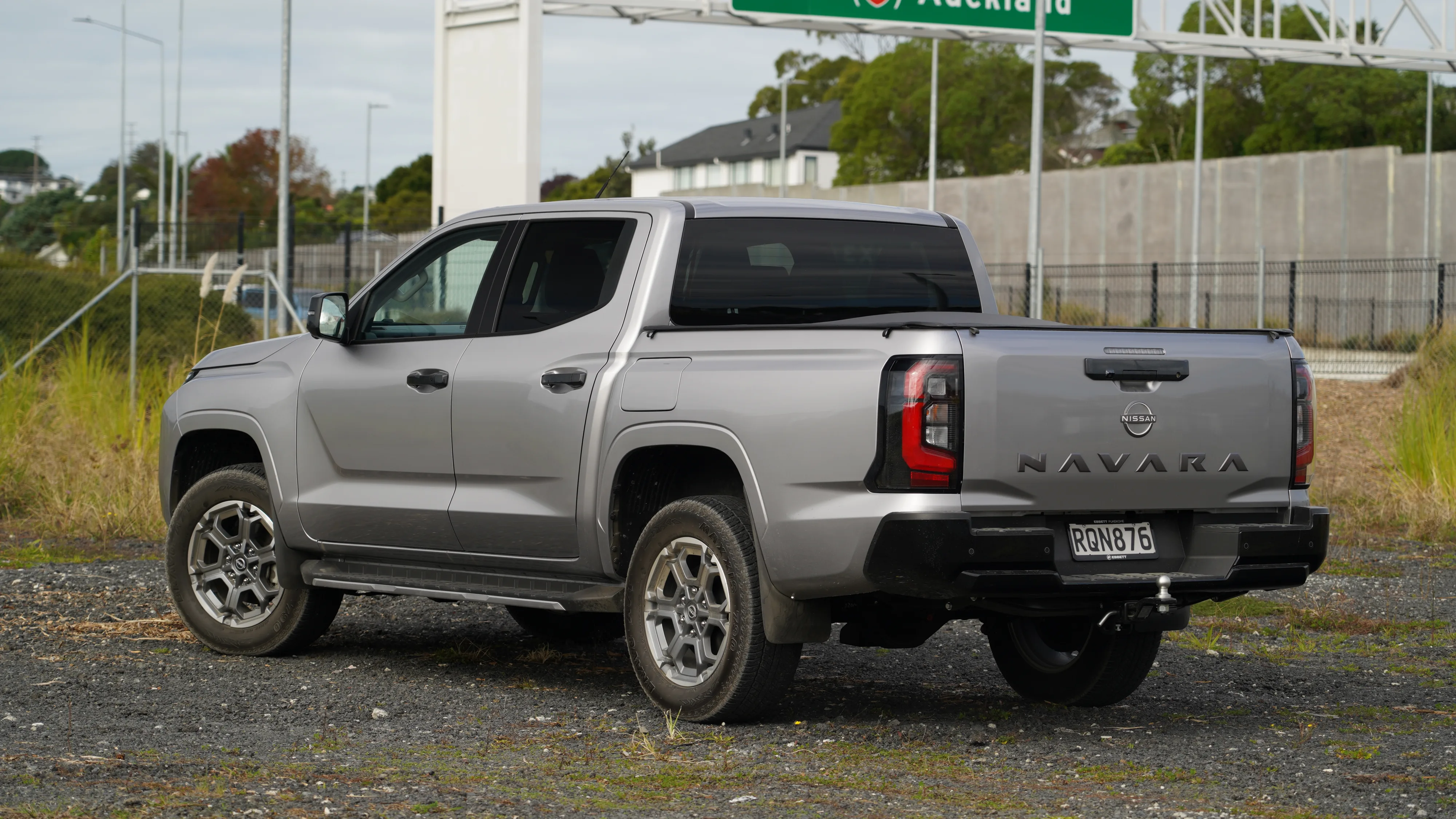
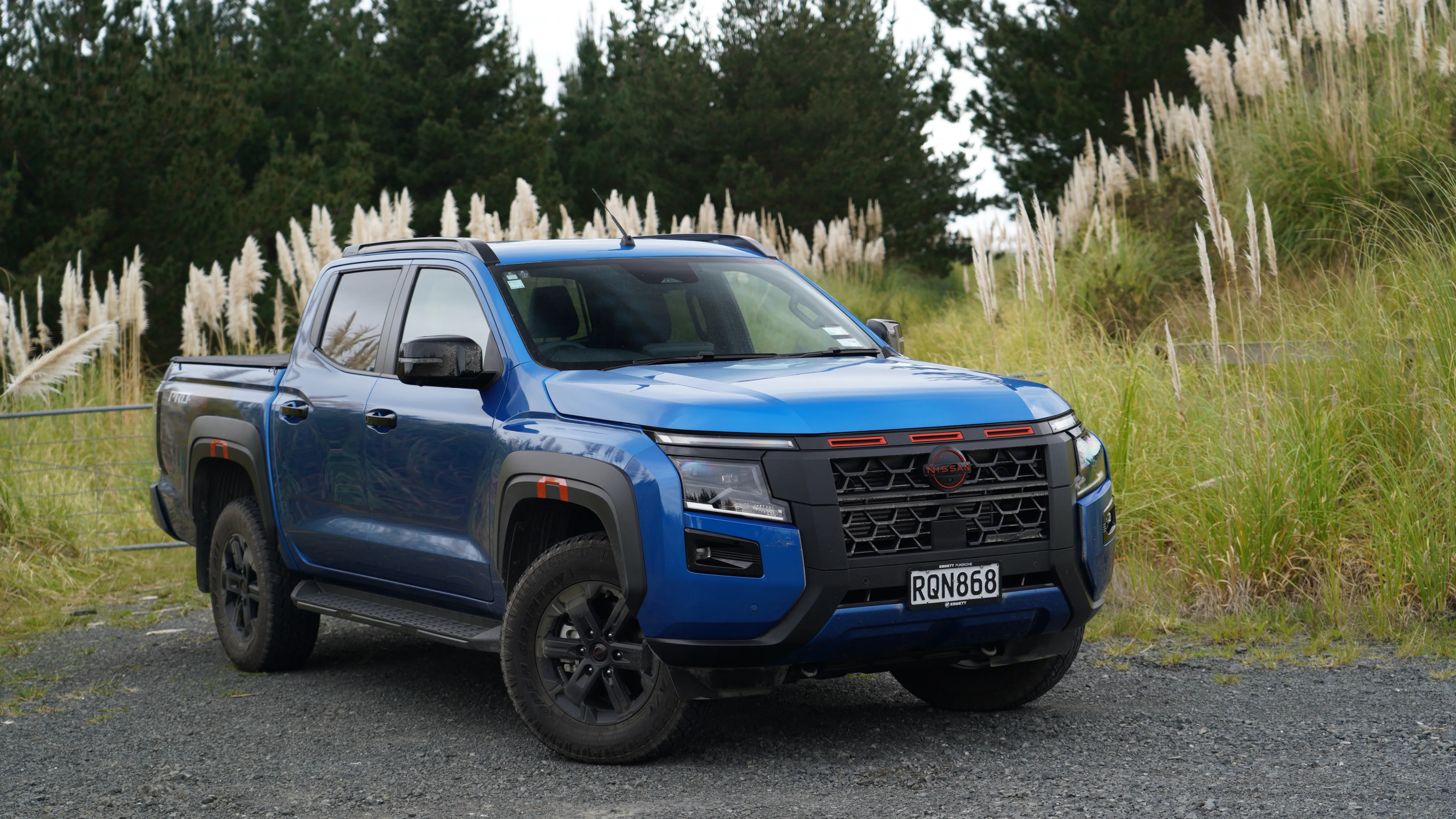
After spending time earlier in the flagship PRO-4X, and then jumping into the ST-X immediately, my journey with them led to some interesting impressions. Despite the marketing positioning, these two versions of the Navara justify their space very well, with the PRO-4X leaning more into the lifestyle image, with its darker detailing and tougher visual cues, while the ST-X feels like the more balanced middle ground: part workhorse, part weekend adventure machine.
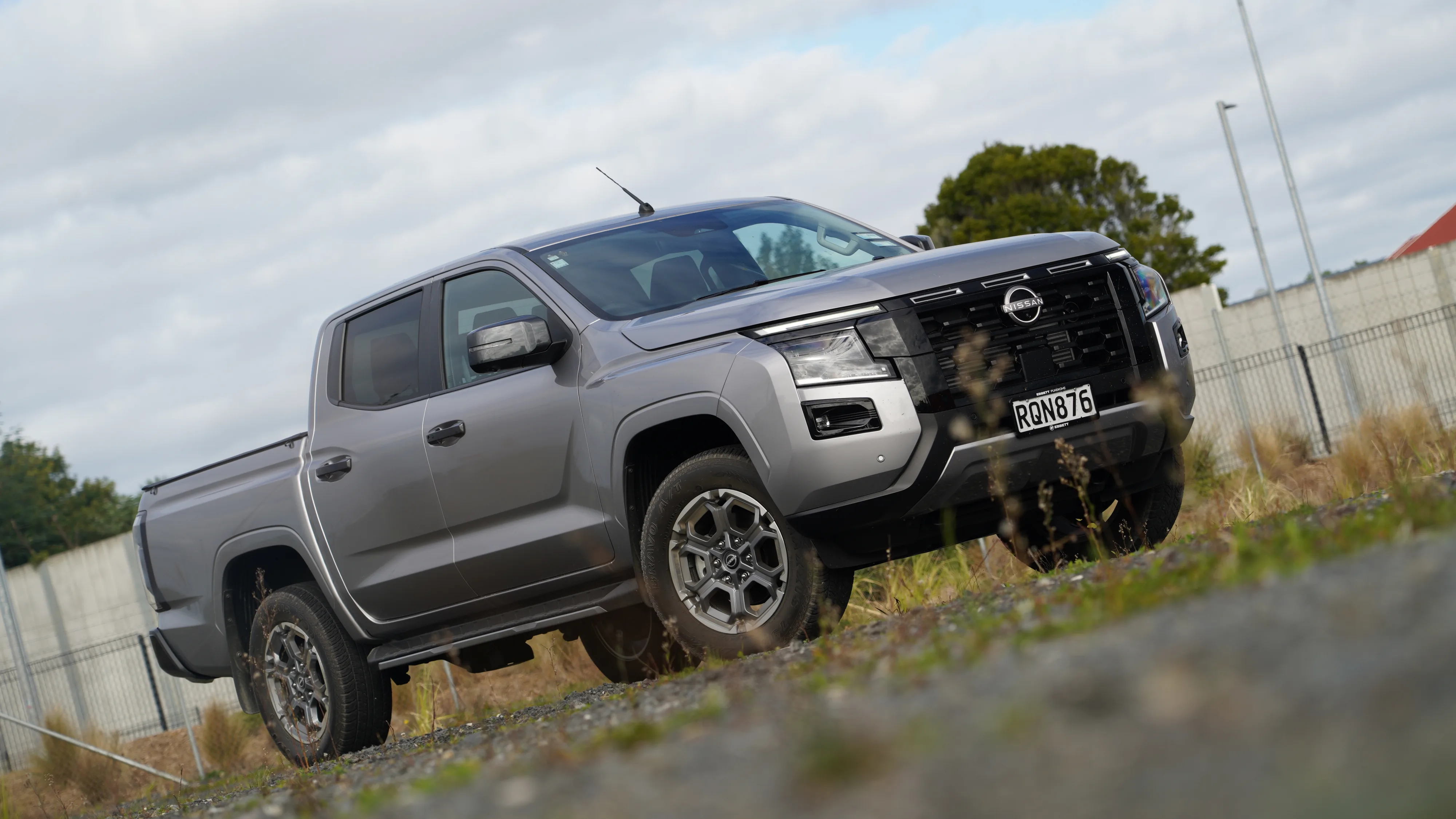
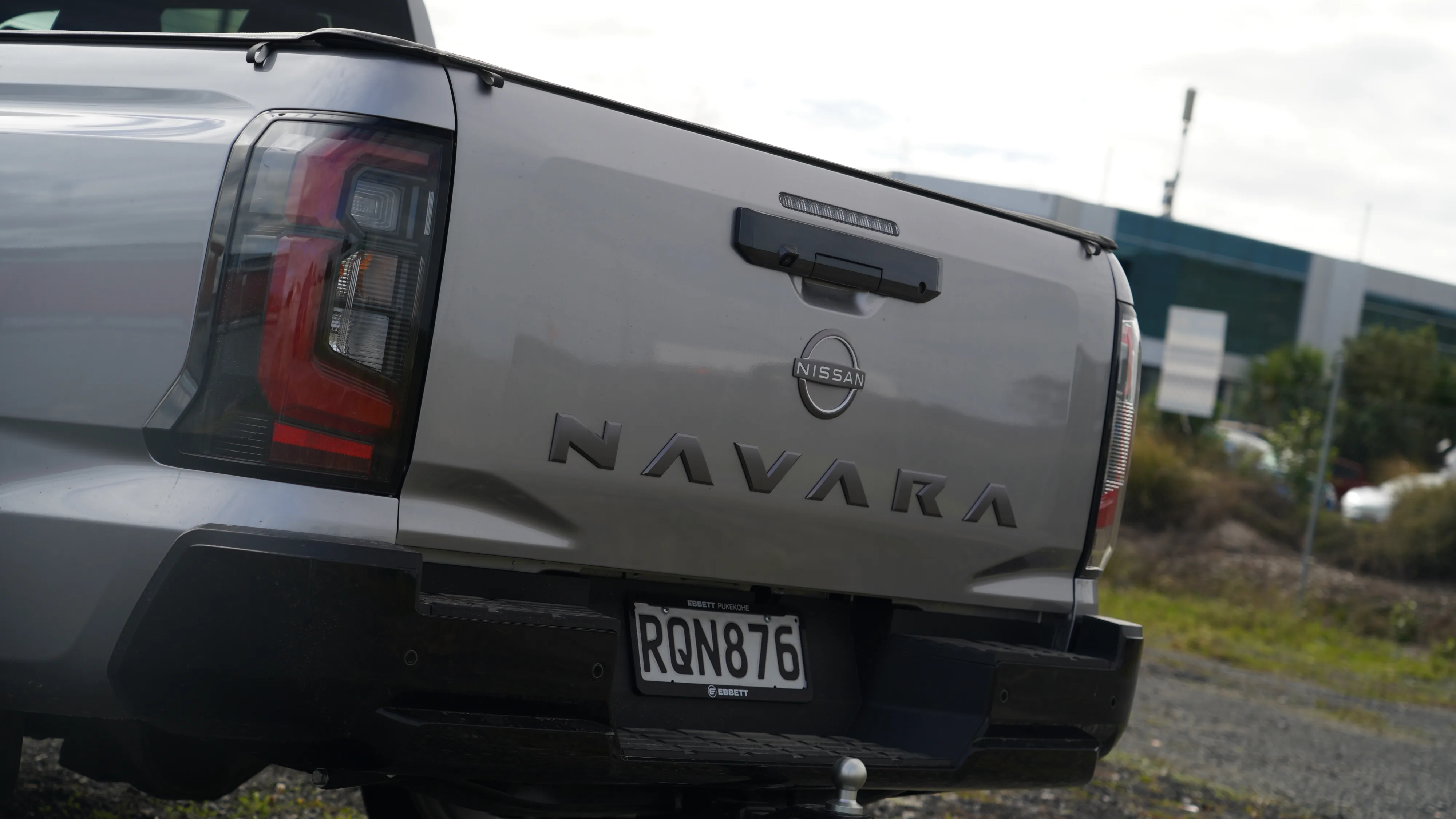
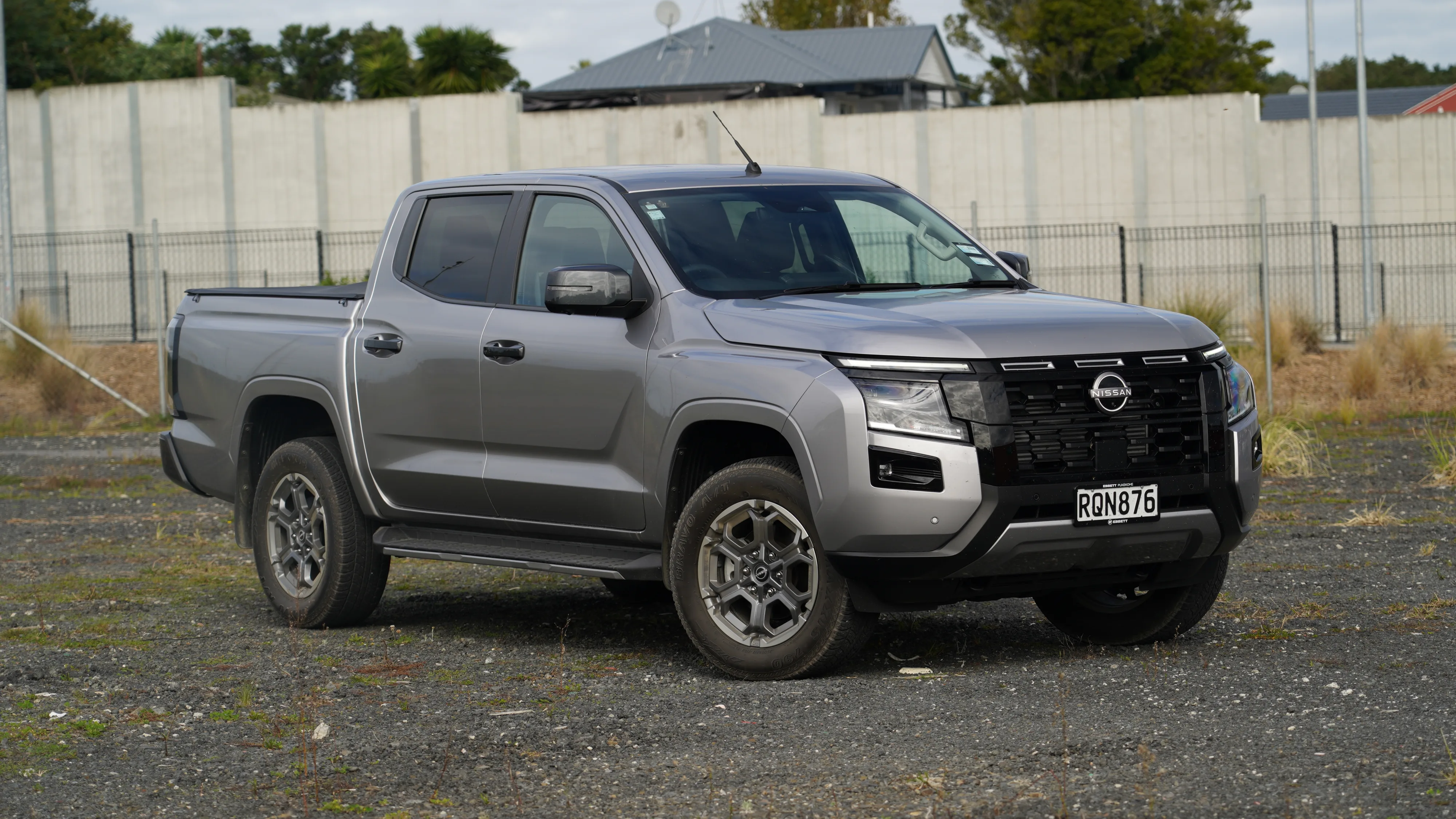
In this understated silver on black specification, it basically disappears. It’s not in your face at all, not interested in convincing you it’s about to go Baja-ing, basically the grown up’s version, so of course I’d have trouble justifying it. That philosophy extends beyond trim levels, because even though the Navara has shared DNA with the Mitsubishi Triton, it does the Nissan playbook very well of sticking to tried and true formulas.
And honestly? I used to pull their leg for it, but today I think it works. The exterior isn’t dramatically reinvented, not only from the Triton, but from previous gens as well. The proportions are familiar, muscular, and unmistakably ute, but modernised and definitely more interesting. I hate to call it balanced, but I personally think it manages to wear the white on steelies look as well as the all-boxes-ticked bright colours of the PRO-4X, and better than the competition.
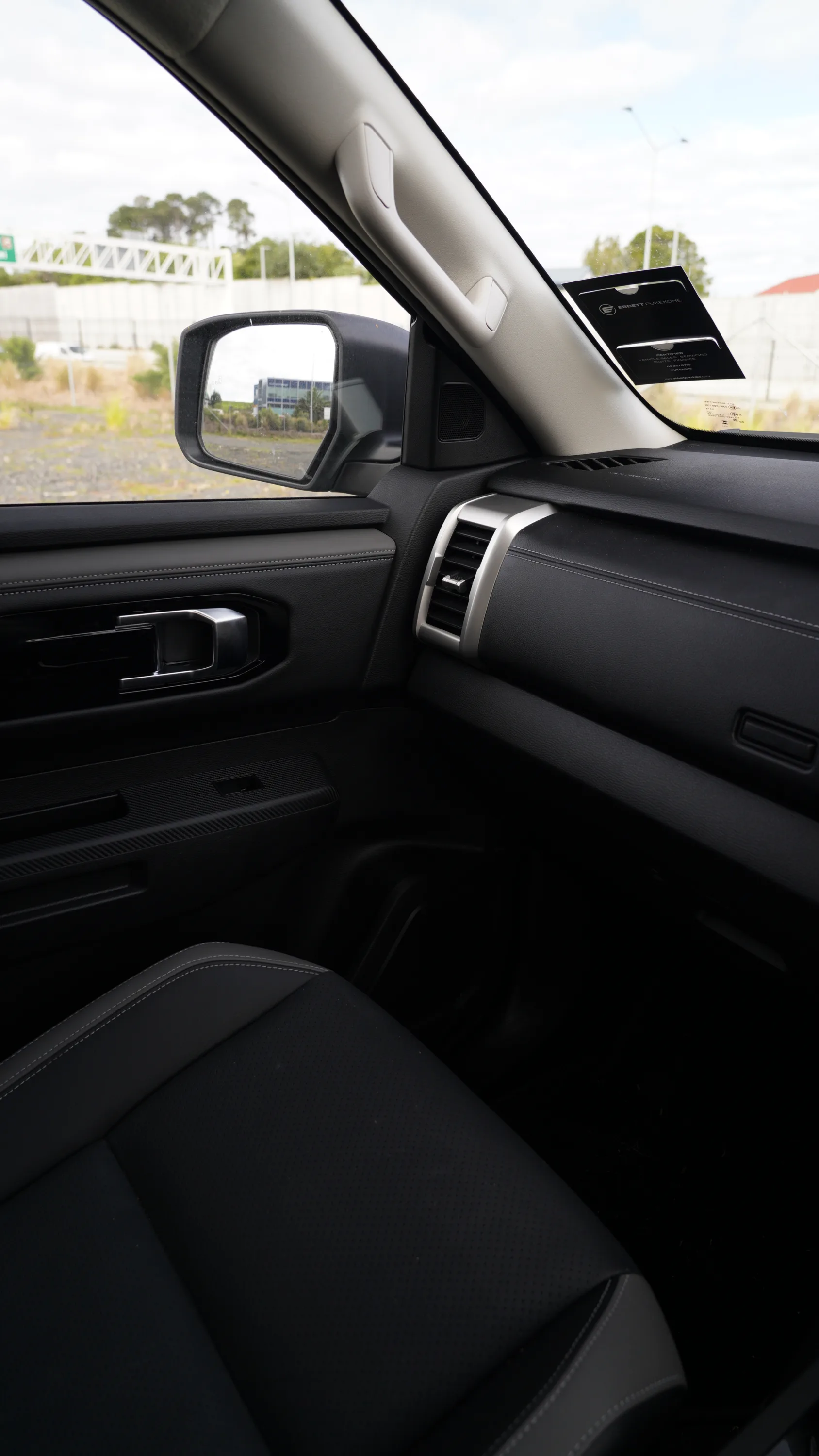
But inside is where the most noticeable evolution happens. The previous gen Navara’s cabin was never a standout, with that awkward look between passenger car and commercial vehicle, without fully committing to either and missing on the niceties. This revised interior fixes that, and finally feels like something dedicated, and that belongs in a modern ute. The dashboard layout is cleaner, materials feel more cohesive, and the overall presentation is far more contemporary and interesting. No, the infotainment display isn’t among the biggest or flashiest in the segment, and if you’re comparing it to some of the latest Chinese entrants, or even the one from the blue oval, you’ll immediately notice that.
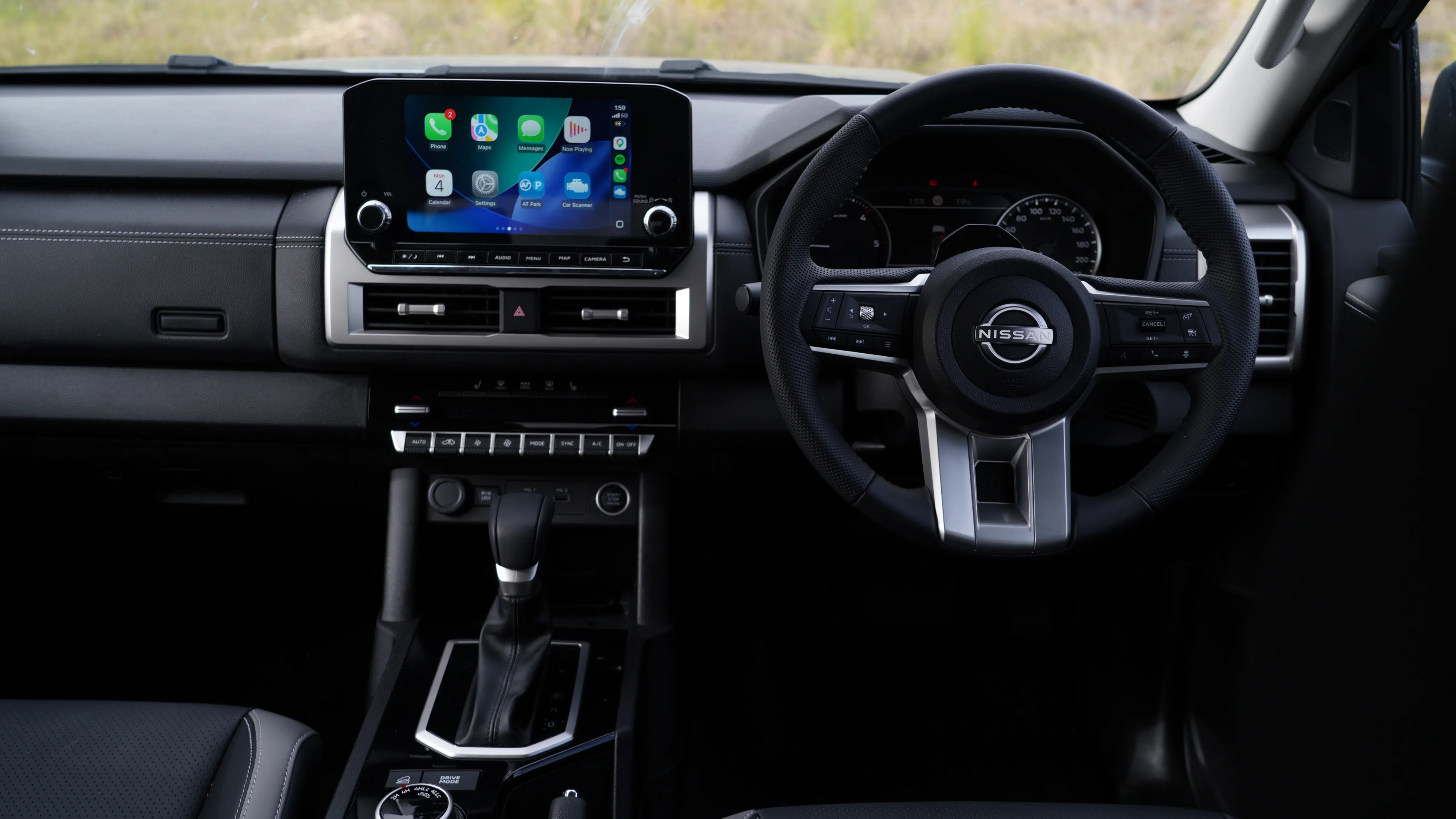
But after two weeks between the two utes, I stopped caring. Clocking almost 1,600km, one thing became clear: this is a ute designed by people who understand ute buyers. Everything simply works, there isn’t a single head-scratcher, inside or out.
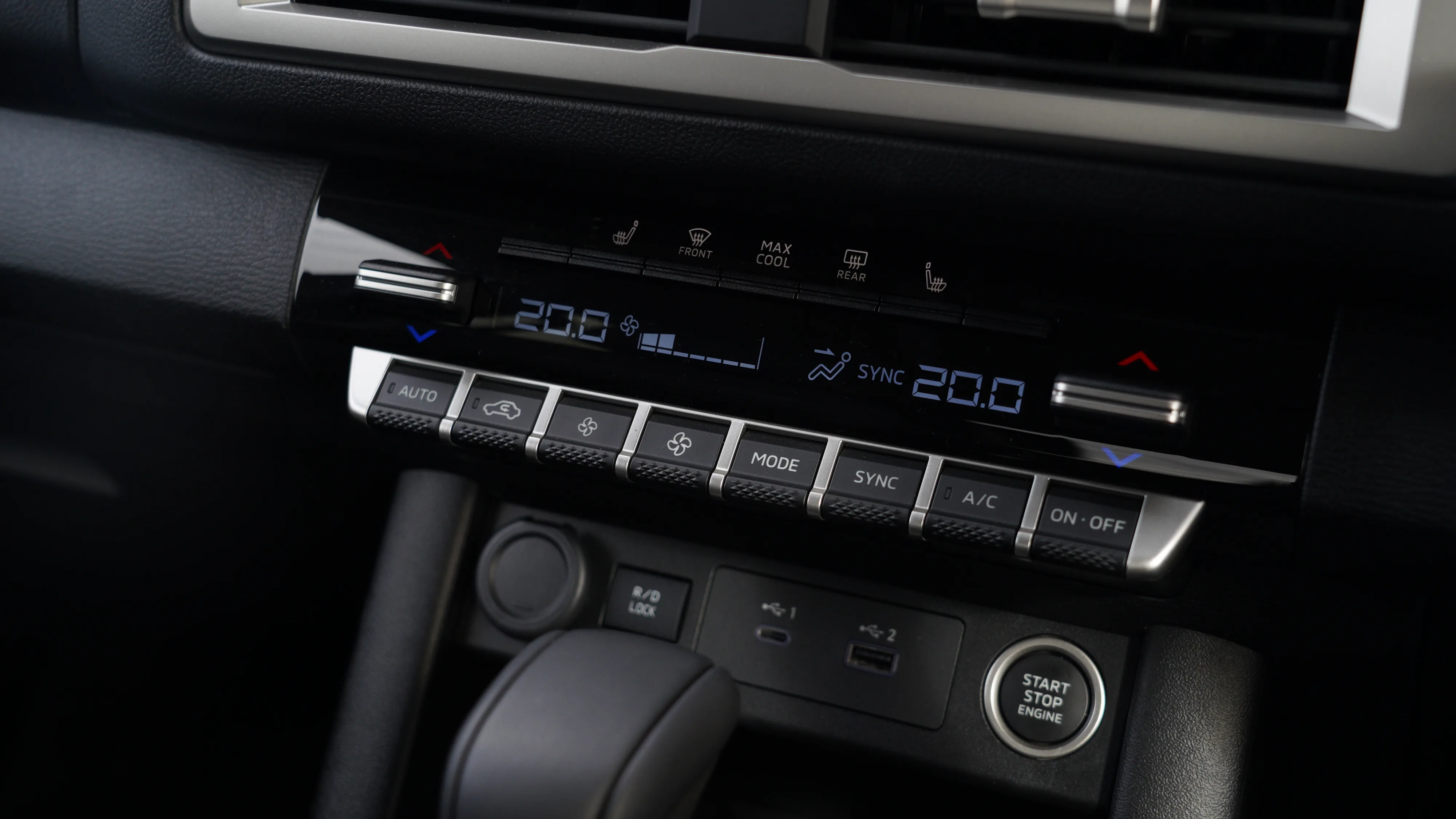
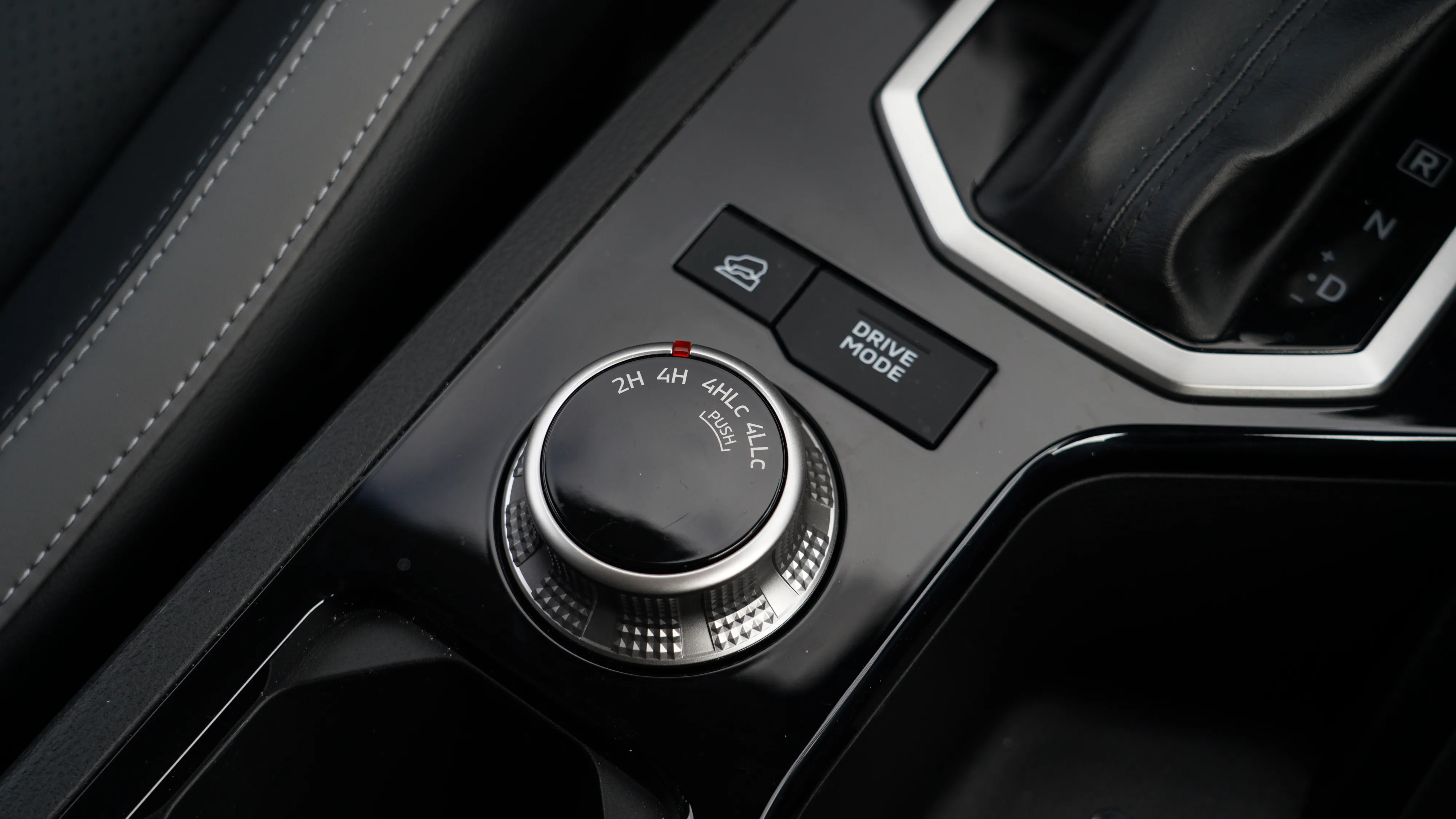
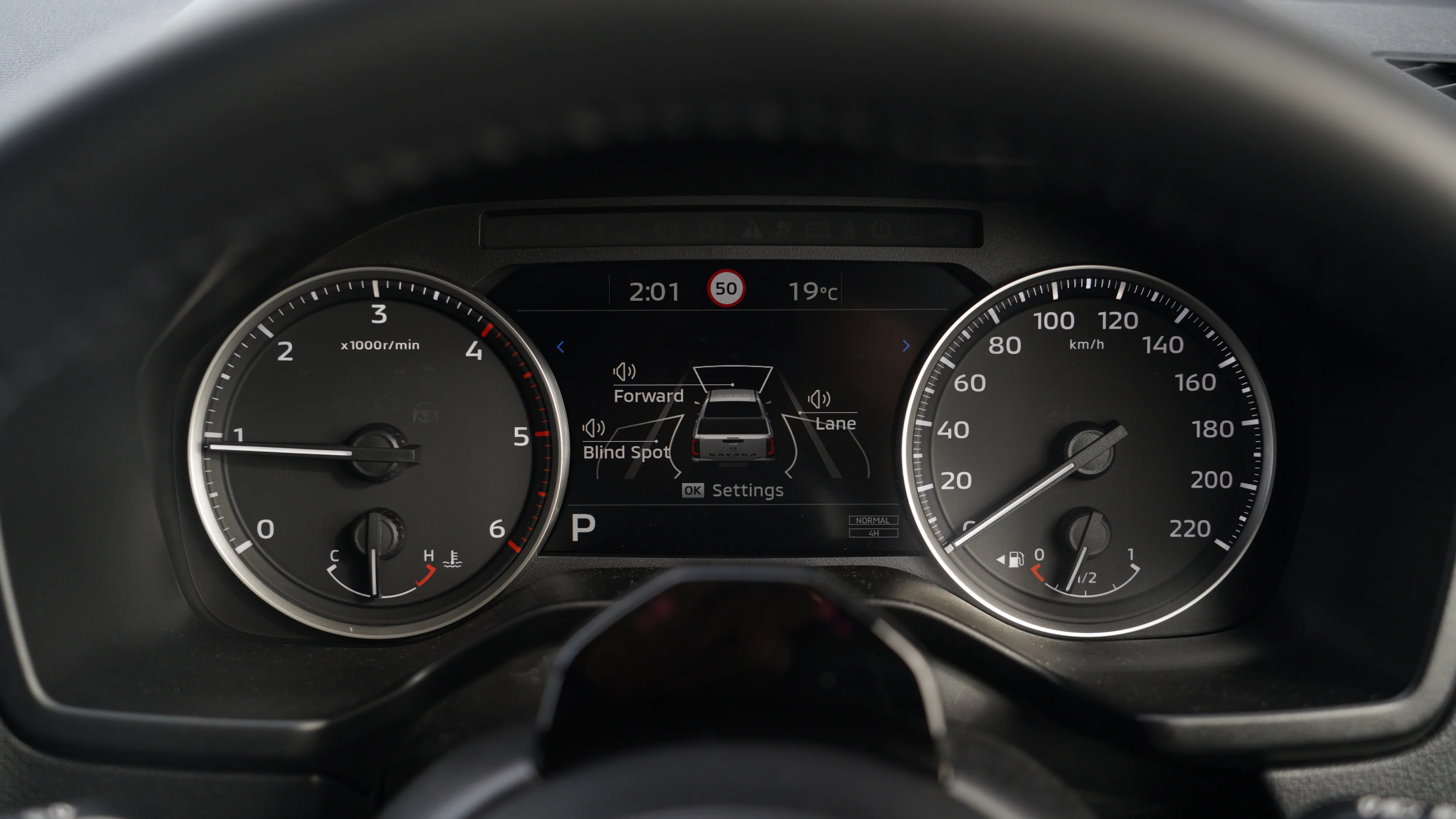
And in a segment where usability (usually) matters more than showroom shenanigans, that goes a long way. On the second leg of the trip, I drove for 450km without a single stop, a surprise even to me, and a testament to how incredibly comfortable the seats are. Climate controls are physical, the media shortcuts are physical, there’s a dial for four wheel drive selection, and a mechanical lever for gears. There’s even a manual handbrake, something that feels increasingly rare in 2026. And for Nissan loyalists, these details fit the brief to a T. If it ain’t broke…
Storage is well thought out too. There’s a wireless phone cubby, twin cup holders, a decently sized centre armrest compartment, and narrow door bins accompanied by two glove boxes. Visibility is strong, the switchgear feels intuitive, and even the somewhat grainy 360-degree camera system earns its keep by being quick, responsive, and genuinely helpful when manoeuvring, especially with kerb view. Driving assists are smooth and well calibrated, even if the naggy monitoring system and adaptive cruise control disabling itself when you come to a stop are a bit of a letdown.
Another area where the Navara sticks to its old school-ness, is under the bonnet. Power comes from a 2.4 litre twinturbo four cylinder, and from the moment you fire it up, there’s absolutely no mistaking what’s going on, it’s a diesel through and through. It’s clattery, shaky, and sends noise through the cabin in a way many newer competitors have worked hard to suppress.
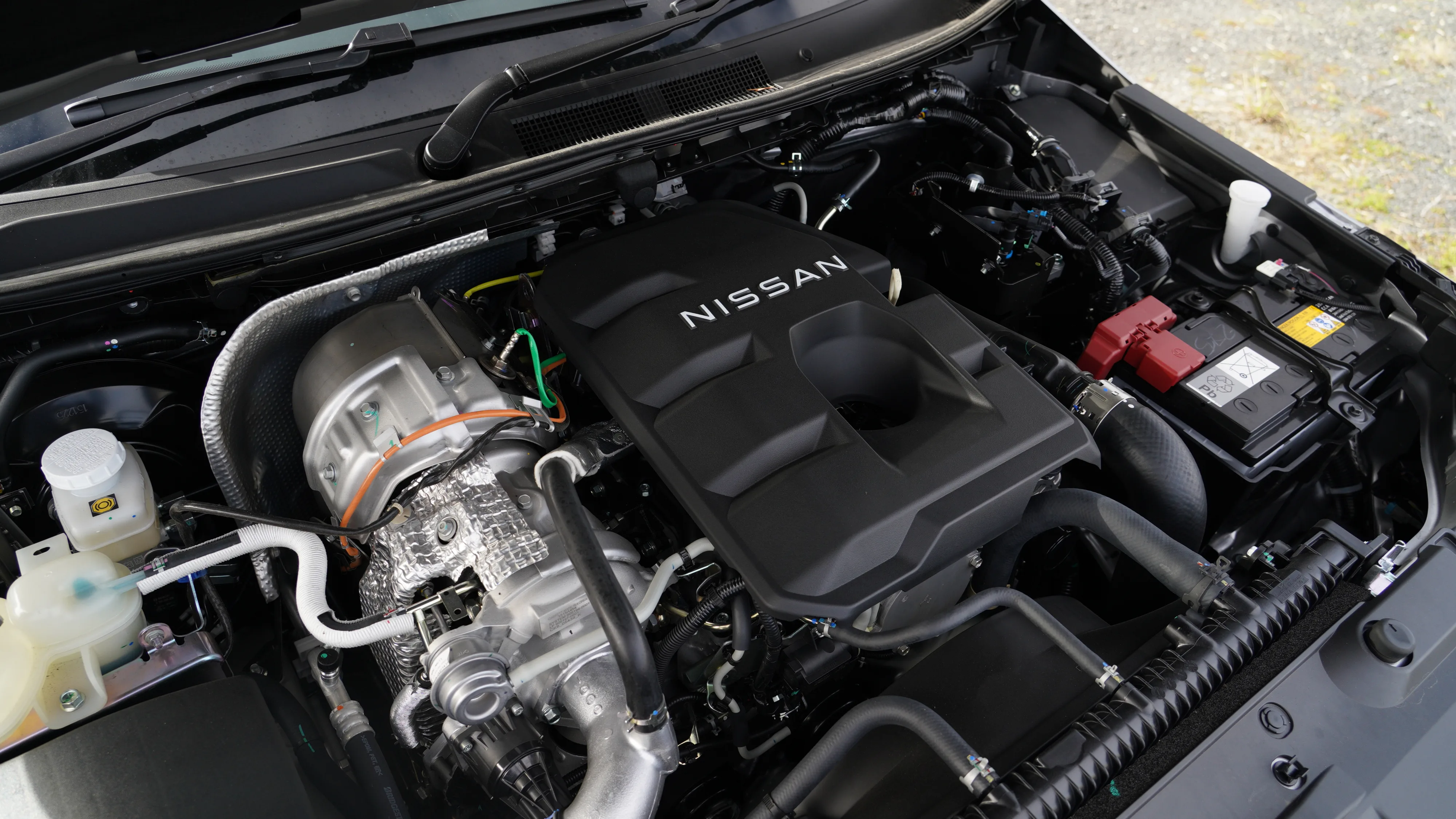
And depending on what you want from your ute, that will be a pro or a con. The automatic transmission follows a similar philosophy: when everything is predictable, it’s very smooth. But ask for sudden changes in pace, steeper climbs, or quick overtakes, and you become very aware that this is still fundamentally a six speed auto box, a relic in this day and age. The 470Nm of torque come in a warming surge, watered down slightly by the lazy inputs, very appropriate for the car.
The ladder frame construction and leaf sprung rear end make relatively little effort to isolate occupants from rougher surfaces on road. Around town, on motorway joints, or over coarse New Zealand chipseal, you’re always aware there’s something substantial underneath you.
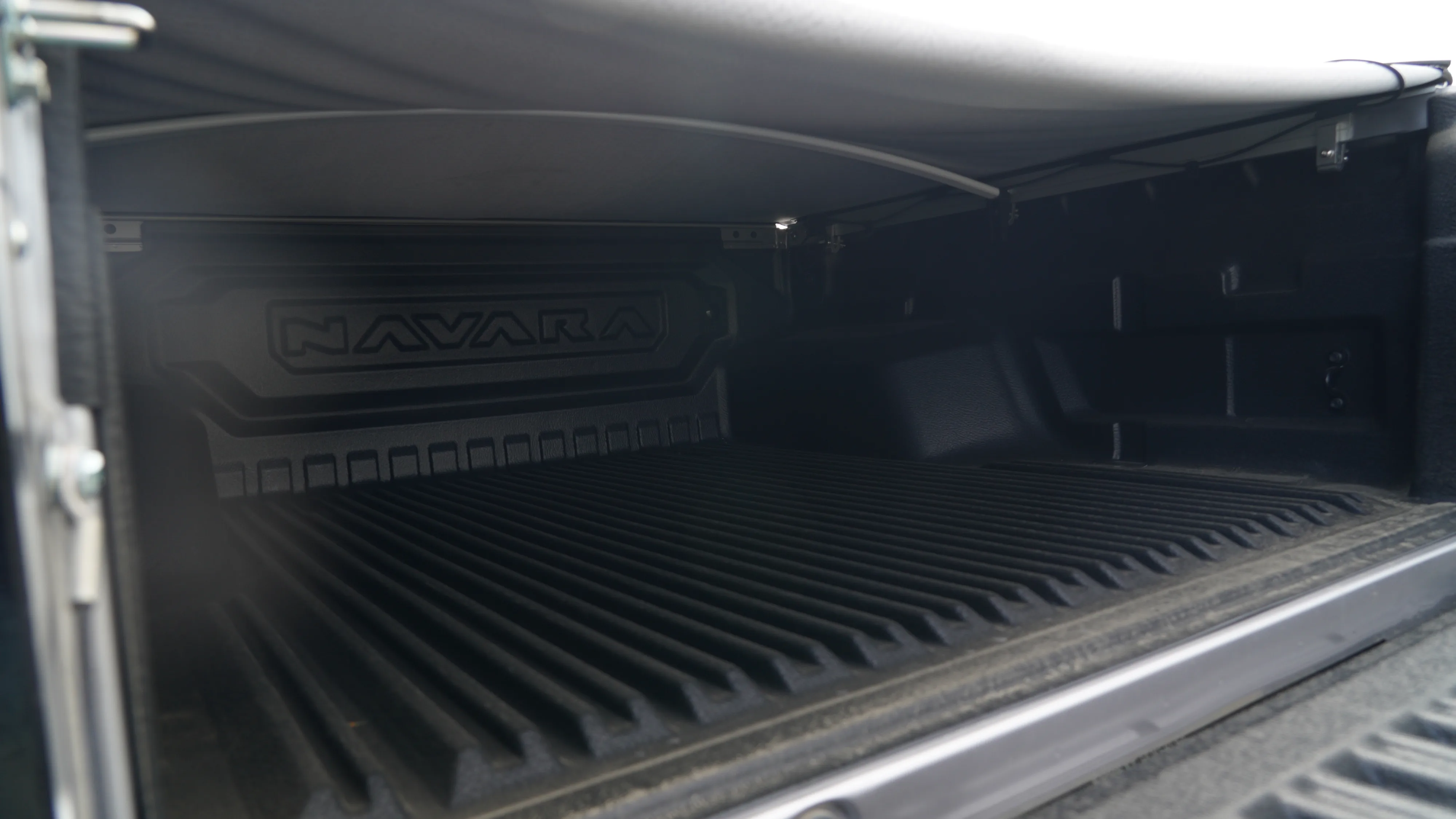
It can even be jarring at times, but it is the price to be paid for such a versatile setup, capable of serious 3.5 tonne towing and proper, heavy ute use. And it’s when the tarmac ends that this architecture and tuning pay even more dividends. My driving involved around 60km of gravel roads thanks to the floods around Taranaki, and I couldn’t be happier to have had the Navara as the tool for the job.
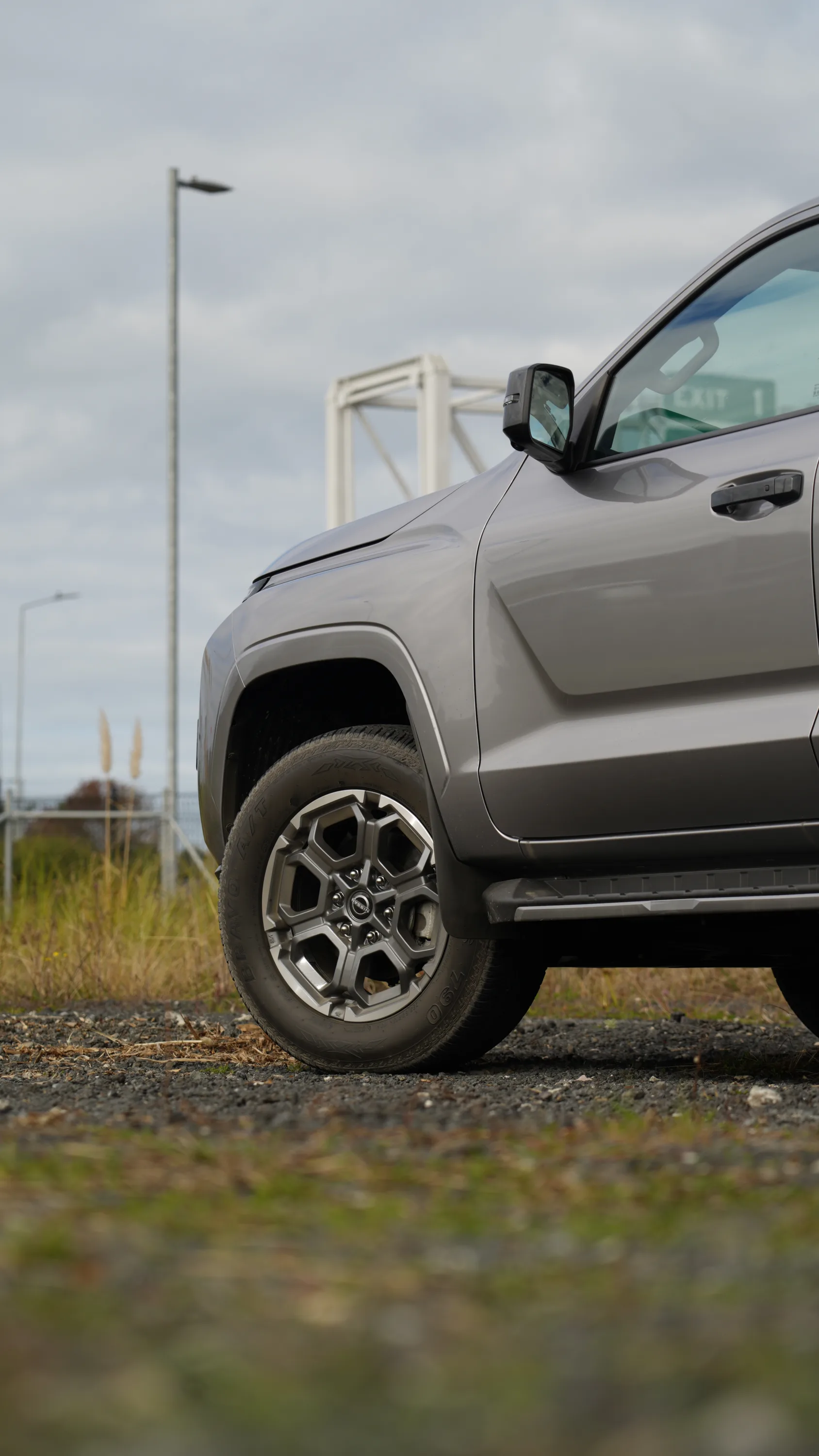
With steering that remains predictable, natural chassis flow, and confidence through either 2 or 4 wheel drive, it was delightful to drive in those conditions. The hardware doesn’t stop there, with both top trim giving you additional capability through low range and a locking rear diff with many off-road modes, but everywhere I tested them, I swear I could hear the ute scoffing at me.
Of course, there’s now another factor worth discussing. Through the badge engineering, the Mitsubishi is similar enough, and cheaper. That inevitably raises questions around differentiation, pricing, and long term ownership. Nissan appears to be banking on badge equity, brand perception, and an incredible warranty experience to justify its position, making it possible for both products to coexist and still feel appealing.
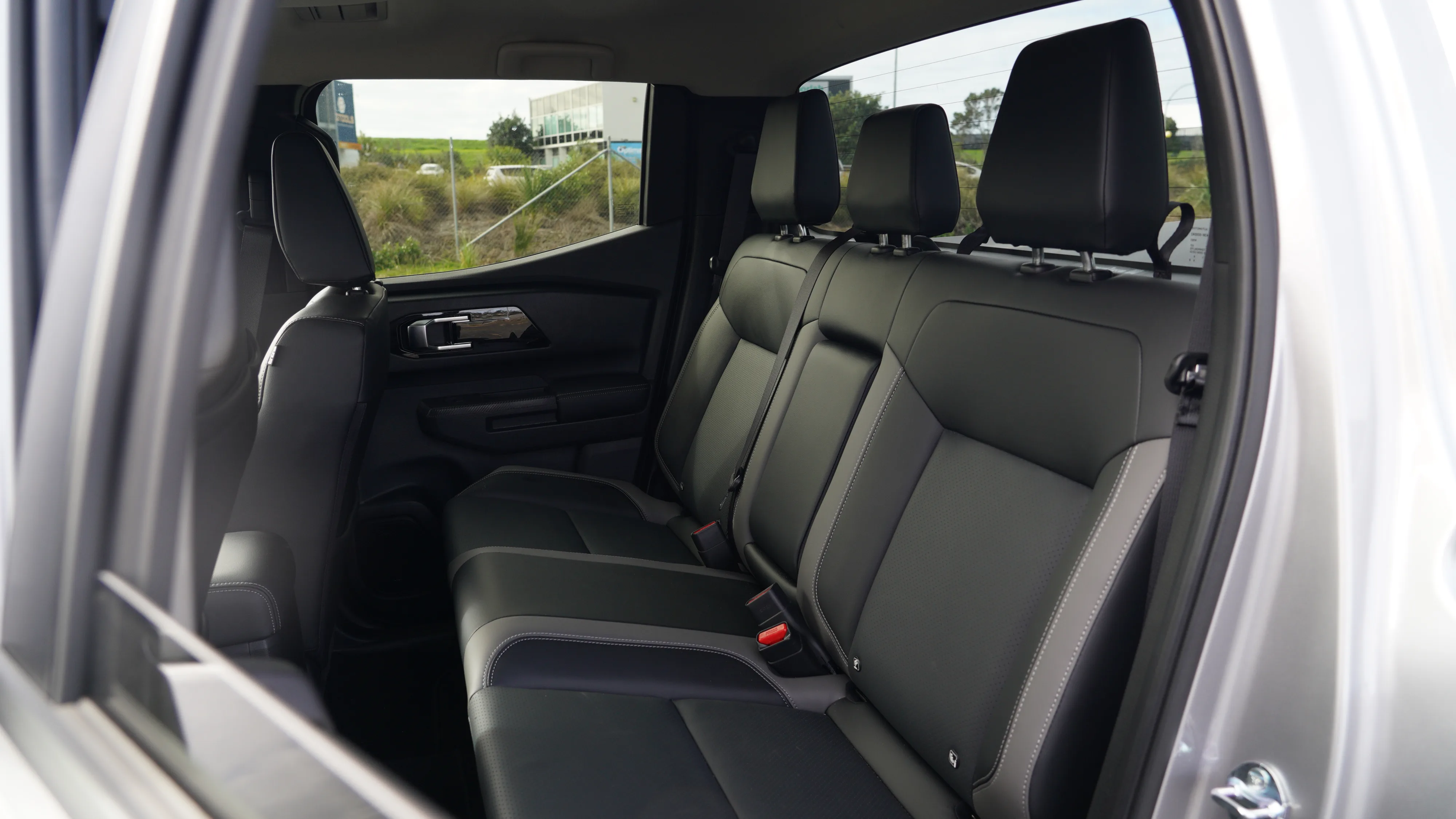
Either way, the more kilometres I put on the Navara, the more its character became apparent, and the more it grew on me. It is much better as the sum of its parts than as a spec sheet. Unapologetically a truck, it stands for what the fans want, I keep developing soft spots for vehicles that do that, as you can probably tell. It is a page out of Nissan’s playbook, and a vehicle that forces you to be honest about your actual list of requirements for a new ute. If it fits yours, the new Navara is a no-frills, no-nonsense companion