Long before a Tourbillon prototype turns a wheel in anger, Bugatti’s engineers already have a detailed picture of how it should behave. The brand has outlined the multi-stage simulation process underpinning the car’s development, and it is a more methodical (and more revealing) approach than the usual “we tested it at the Nürburgring” press release.
From Computer Model to Simulator Rig
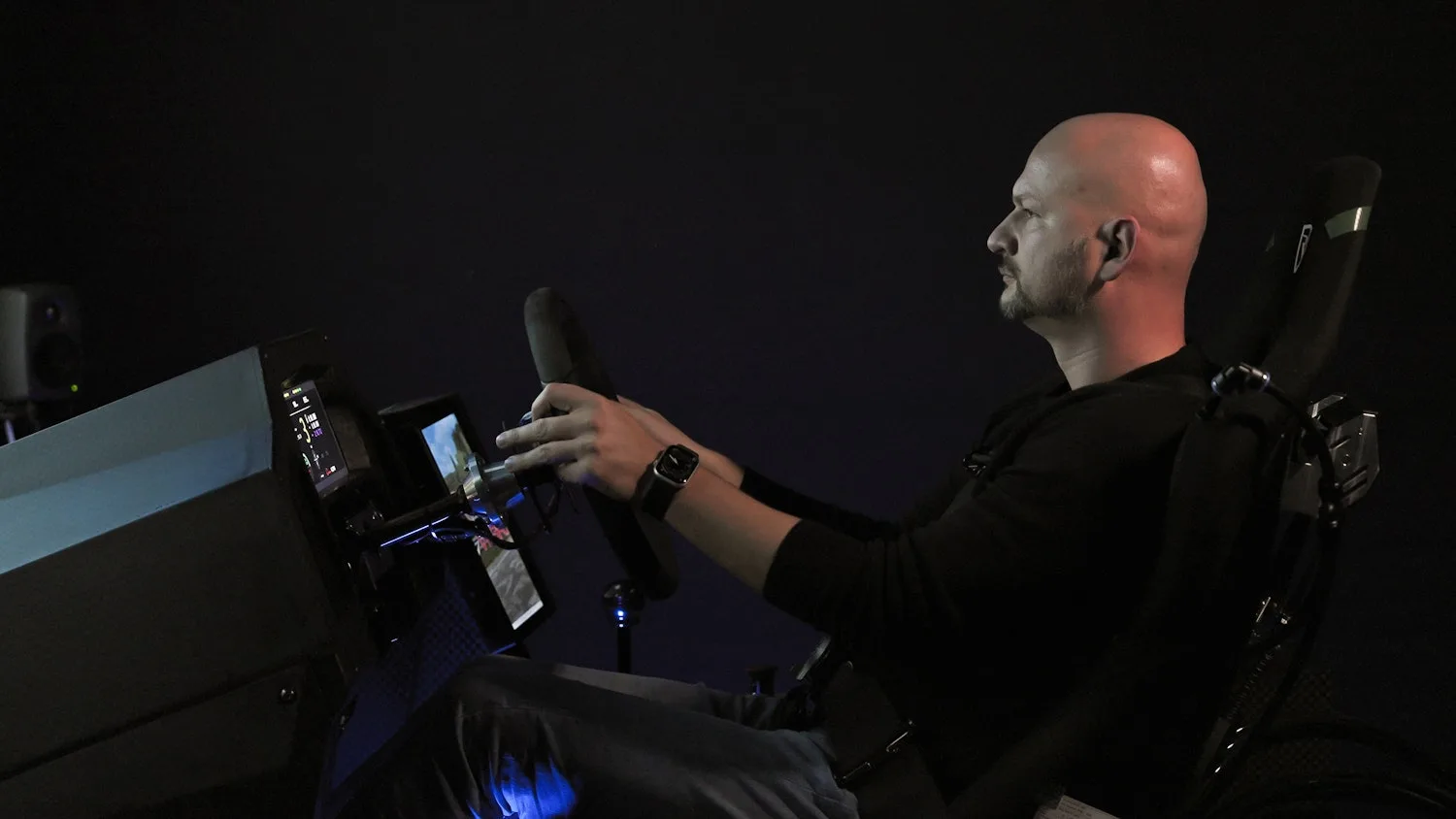
Development begins with computer-based simulation, where early data is generated and analysed before any physical hardware is involved. That data then moves to Bugatti’s own in-house driving simulator, where engineers can explore and refine setup options in a fraction of the time that physical testing would require.
The advantages are considerable. The simulator is unaffected by weather, track availability, or tyre wear, and every run produces fully repeatable data. As one engineer put it, the team can effectively travel between the Nürburgring Nordschleife and the Nardò high-speed circuit in southern Italy within minutes, something no logistics budget could match.
Real-World Testing as a Feedback Loop
Virtual work alone is not enough, and Bugatti is clear on that point. The team uses Nardò for physical testing, gathering experimental data to correlate and validate the virtual models. Engineers then return to the simulator to confirm whether those models have improved and to plan the next development steps.
This back-and-forth between real and virtual is central to the process. Data flows in both directions: real-world results sharpen the virtual models, and simulator findings shape what engineers focus on once they are back in the physical car. Neither replaces the other.
Given the Tourbillon’s performance envelope (a top speed of 445 km/h) the stakes for getting this right are high. Stability across every conceivable condition is, as Bugatti puts it, non-negotiable.
Full-Motion Simulation for the Extreme Scenarios
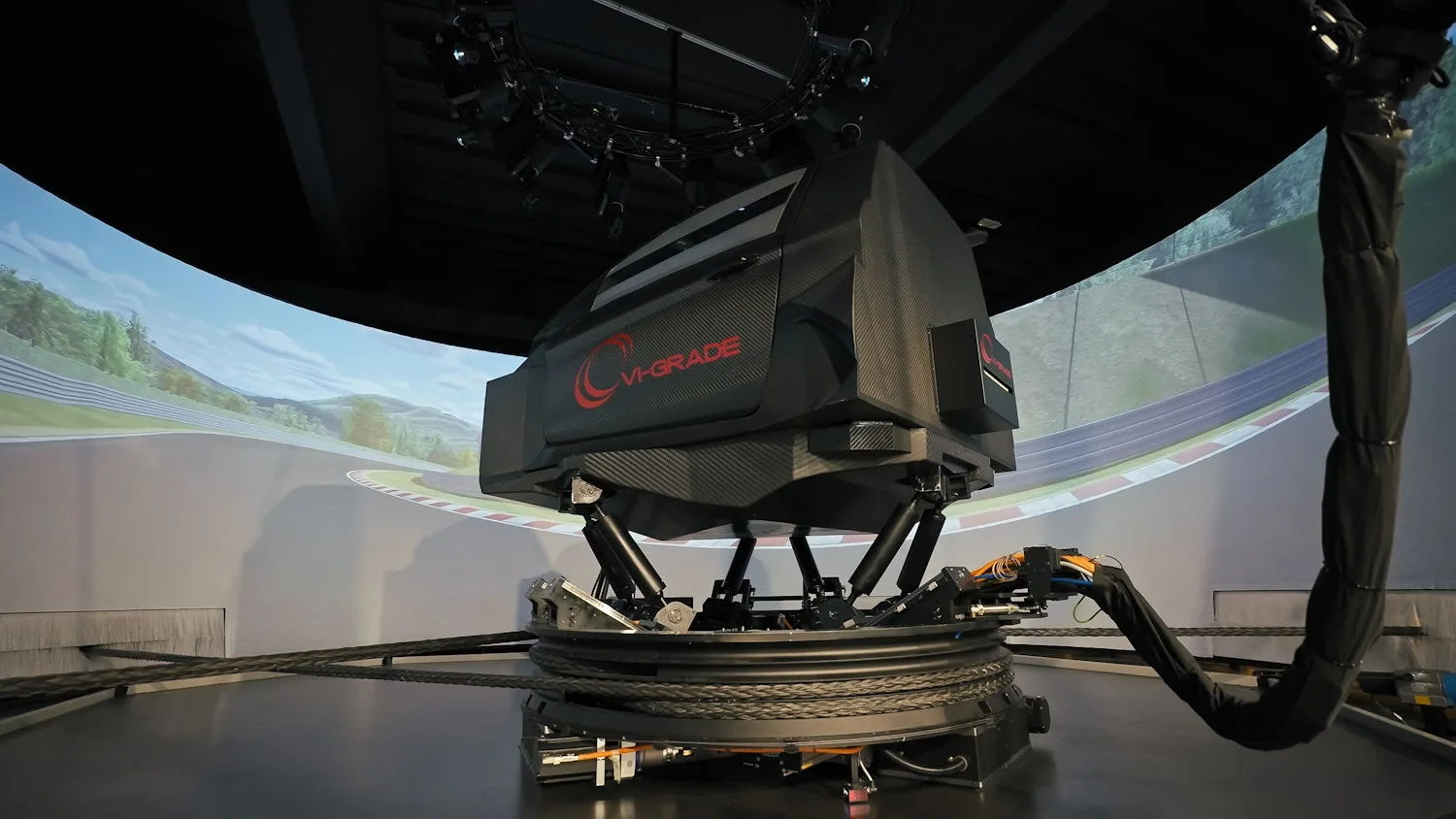
For the most demanding scenarios, Bugatti works with a larger, full-motion simulator supplied by Italian specialist VI-grade. This rig is used to replicate the Nürburgring Nordschleife in full, allowing engineers to study how elastic kinematics and suspension bushings influence the car through corner entry, and how it reacts when bumps unsettle it mid-turn.
The immersion of a full-motion rig matters here. Drivers can commit to scenarios that would be impractical (or simply too risky) to repeat on a real circuit. The goal is to find the calmest, most connected behaviour possible before those setups are ever tested on tarmac.
Attributes evaluated across the various simulator environments include highway stability, lane-change response, country-road ride quality, torque vectoring, steering, and ABS performance.
Why This Approach Makes Sense for a Car Like the Tourbillon
The economics are straightforward. Bugatti’s vehicles are expensive, and even development prototypes carry enormous cost. Maximising the value of limited physical testing time is essential.
By arriving at the physical testing phase with virtual models already well-correlated to real-world behaviour, the team can focus on refinement rather than discovery. Simulation accelerates the process; it does not shortcut it.
Bugatti has released this detail as part of its ongoing A New Era documentary series. The latest episode, titled Immersive Dynamics, is available on the brand’s YouTube channel. For anyone curious about how a 445 km/h hypercar actually gets developed, it is worth the time.