Motorsport crowds are rarely a passive bunch, but WRC fans take spectating to another level entirely. Across each round of the World Rally Championship, local culture shapes the atmosphere as much as the cars do, and some of the traditions are genuinely unlike anything else in sport.
Portugal: Where Chainsaws Replace Vuvuzelas
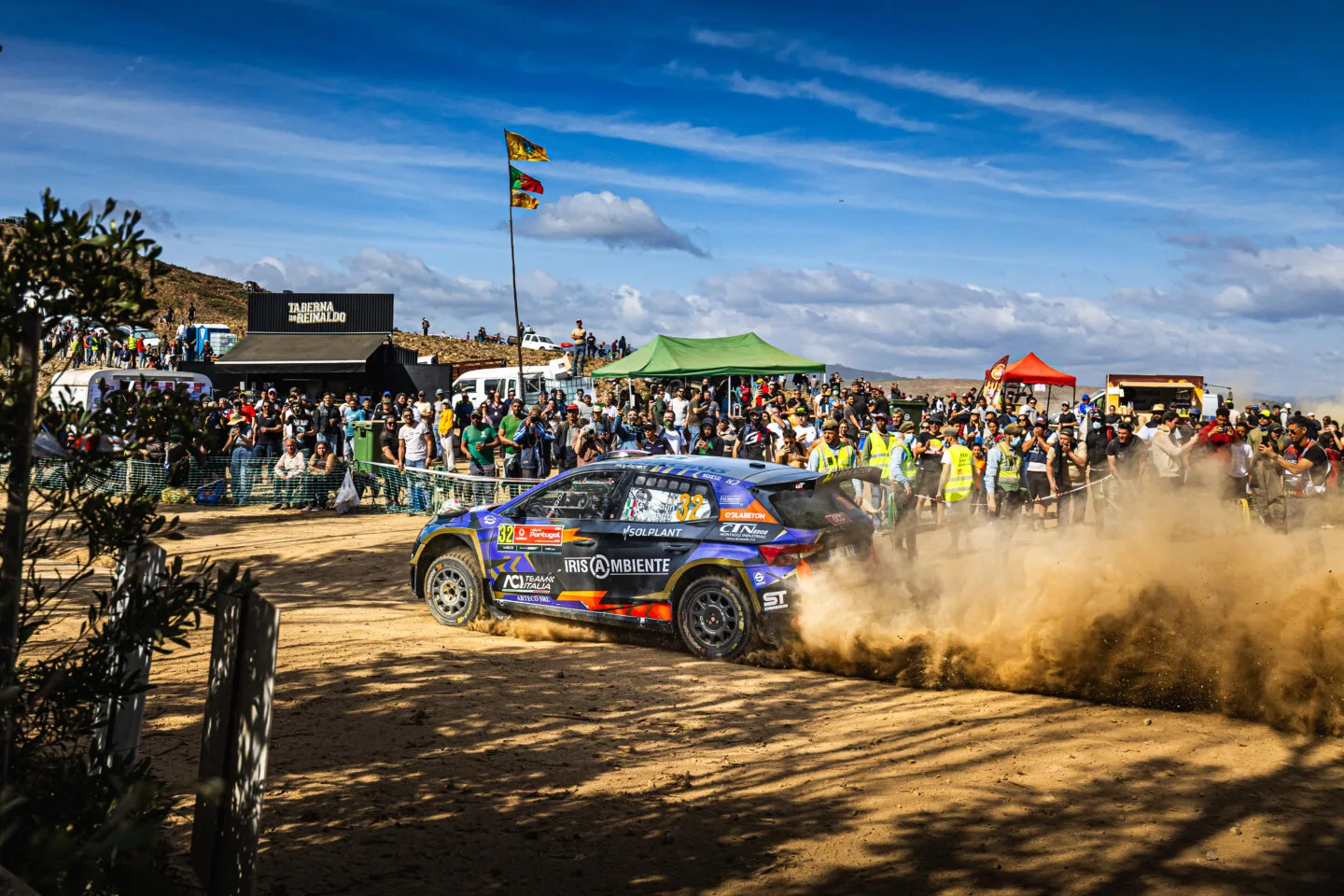
The Rally of Portugal has been a fixture on the WRC calendar since 1973, and its most famous moment arrives at the jump near the town of Fafe. Cars launch through the air for tens of metres while enormous crowds cheer from the hillsides.
The soundtrack, however, is what sets this event apart. Portuguese fans rev chainsaws (stripped of their guide bars and chains for safety) as a form of mechanical celebration. The result is a wall of noise that smells faintly of petrol and oil. It is, by any measure, a deeply committed way to support a rally team.
Typical Portuguese snacks sold trackside complete the atmosphere, making Fafe feel more like a festival than a spectator sport.
Monte Carlo and Sweden: Fire, Ice, and Extreme Conditions
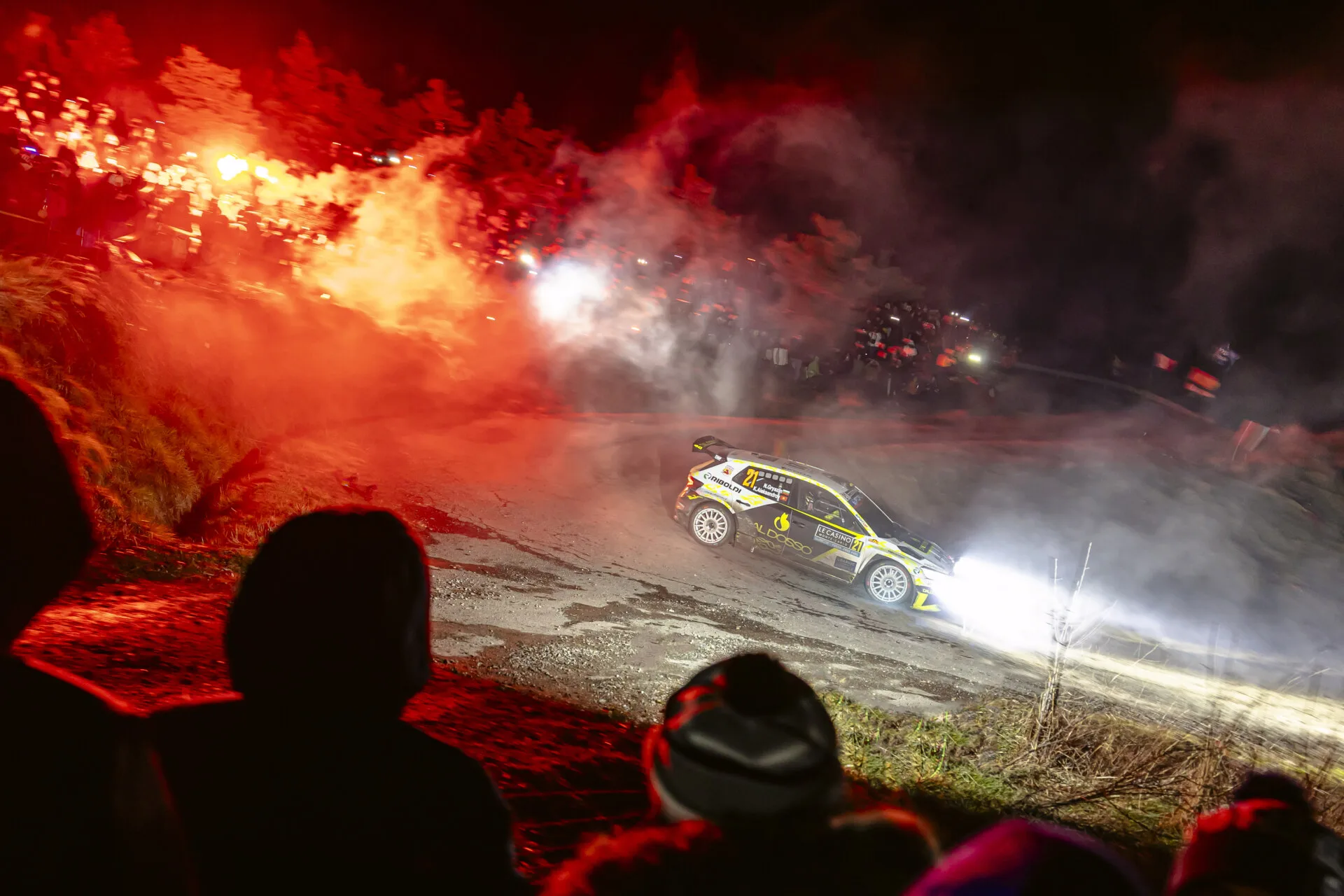
The Monte Carlo Rally in January is widely regarded as the most prestigious round on the calendar. Its evening practice stages have produced some of the most striking imagery in rallying: fans lining the Col de Turini with lit flares, their coloured flames cutting through darkness, snow, and occasional fog.
Drivers describe the effect as looking like they are heading into fire. For the crews, it is intense. For the fans, it is tradition.
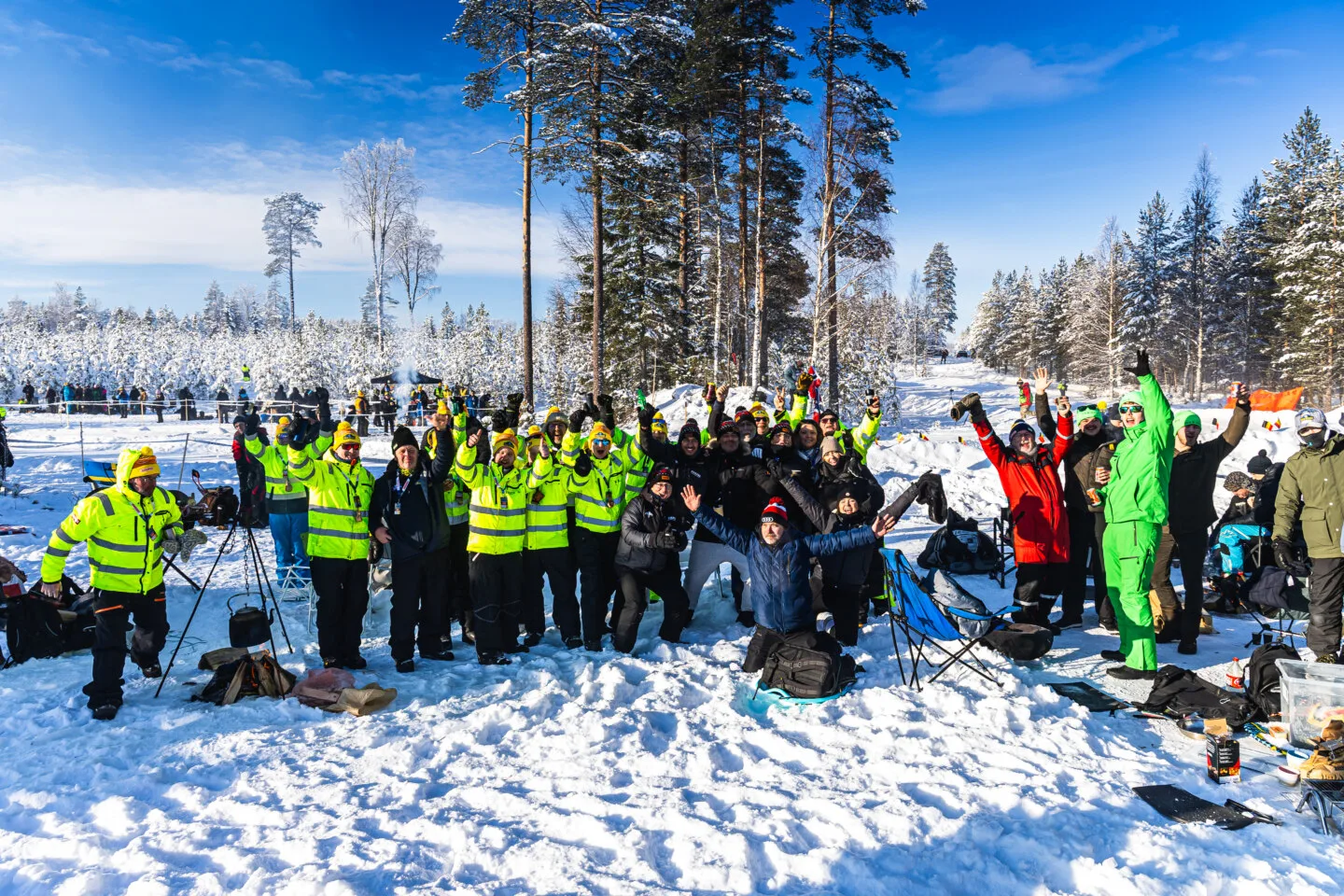
Sweden offers a very different kind of extreme. The only round held entirely on snow and ice, it demands studded tyres and considerable nerve from drivers navigating between snow barriers. Spectators face temperatures as low as minus 25 degrees Celsius. The organisers actively warn fans to dress accordingly, though few seem deterred. A common sight is fans grilling Nordic sausages over open fires, in both designated fan zones and snow pits dug out in the wilderness.
Finland: Forests, Frequencies, and Flying Cars
Originally called the 1,000 Lakes Rally, the Finnish round is among the most technically demanding events in the championship. Cars run flat-out through forest gravel roads with near-constant jumps, and approach speeds at the famous Ouninpohja stage (specifically the Yellow House Jump) exceed 150 km/h.
Finland has produced more rally world champions than almost any other country, and motorsport is genuinely woven into the culture. Fans camp deep in the forests and carry portable radios tuned to 99.3 FM, where live commentary continues even where mobile signals fail.
Some spectators combine the rally with a visit to a sauna, which, in Finland, is less a luxury than a basic social ritual.
Why It Matters
What these traditions collectively illustrate is that the WRC is a series of distinct cultural events that happen to share a rulebook. The fans are not incidental to the spectacle; in many cases, they are the spectacle.
For a championship that competes across continents and surfaces, that local identity is one of its most compelling and underappreciated qualities.