Electric vehicles dominated the headlines in ANCAP’s latest safety assessment, with three battery-electric models securing the organisation’s top five-star rating. The results are a useful reminder that strong safety performance and alternative powertrains are no longer mutually exclusive, particularly in the ute segment, where that argument once felt far less settled.
Hilux BEV Matches Its Diesel Stablemates
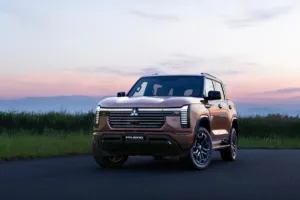
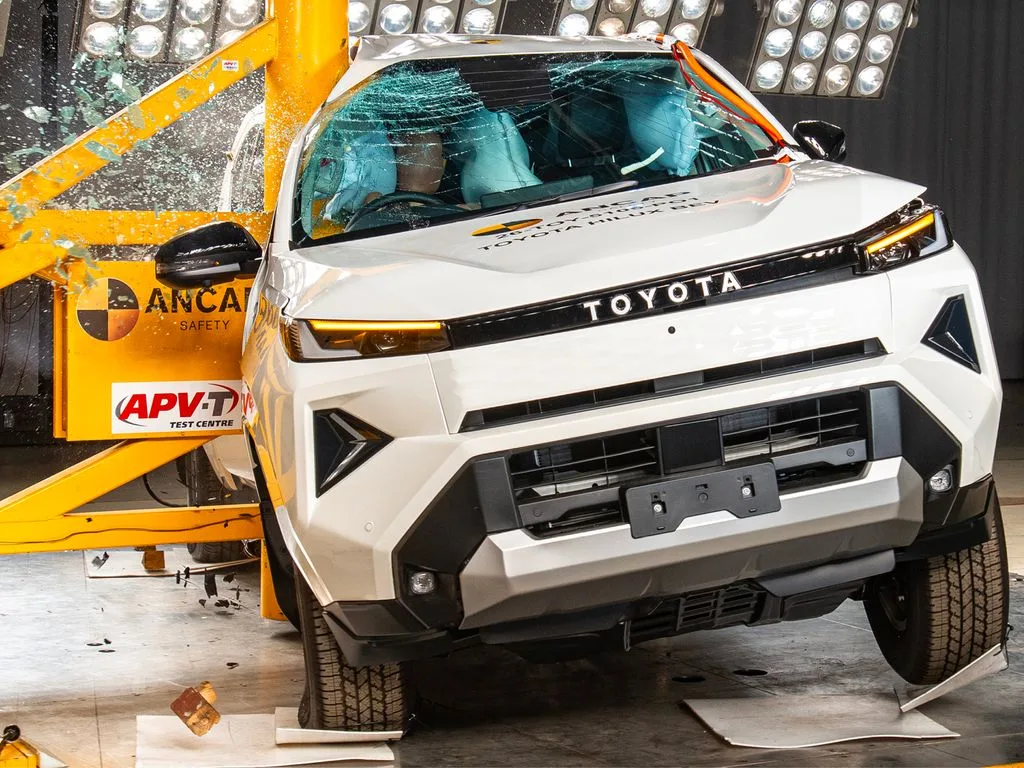
The Toyota Hilux BEV has achieved a five-star ANCAP rating, bringing it into line with the diesel Hilux variants that earned the same result in December 2025. Because the battery-electric version introduces high-voltage electrical systems, ANCAP conducted additional frontal offset (MPDB) and oblique pole crash tests specifically to assess battery integrity under severe impact conditions.
Those supplementary tests confirmed that the Hilux BEV delivers comparable safety performance to its diesel equivalents. As a result, all Toyota Hilux variants (with the exception of the Rugged X) now carry a five-star rating. ANCAP chief executive Carla Hoorweg noted that business and private buyers now have another option that balances safety with powertrain choice, a meaningful point as electric utes gradually enter the mainstream fleet market.
Two New Subaru Nameplates Enter With Five Stars
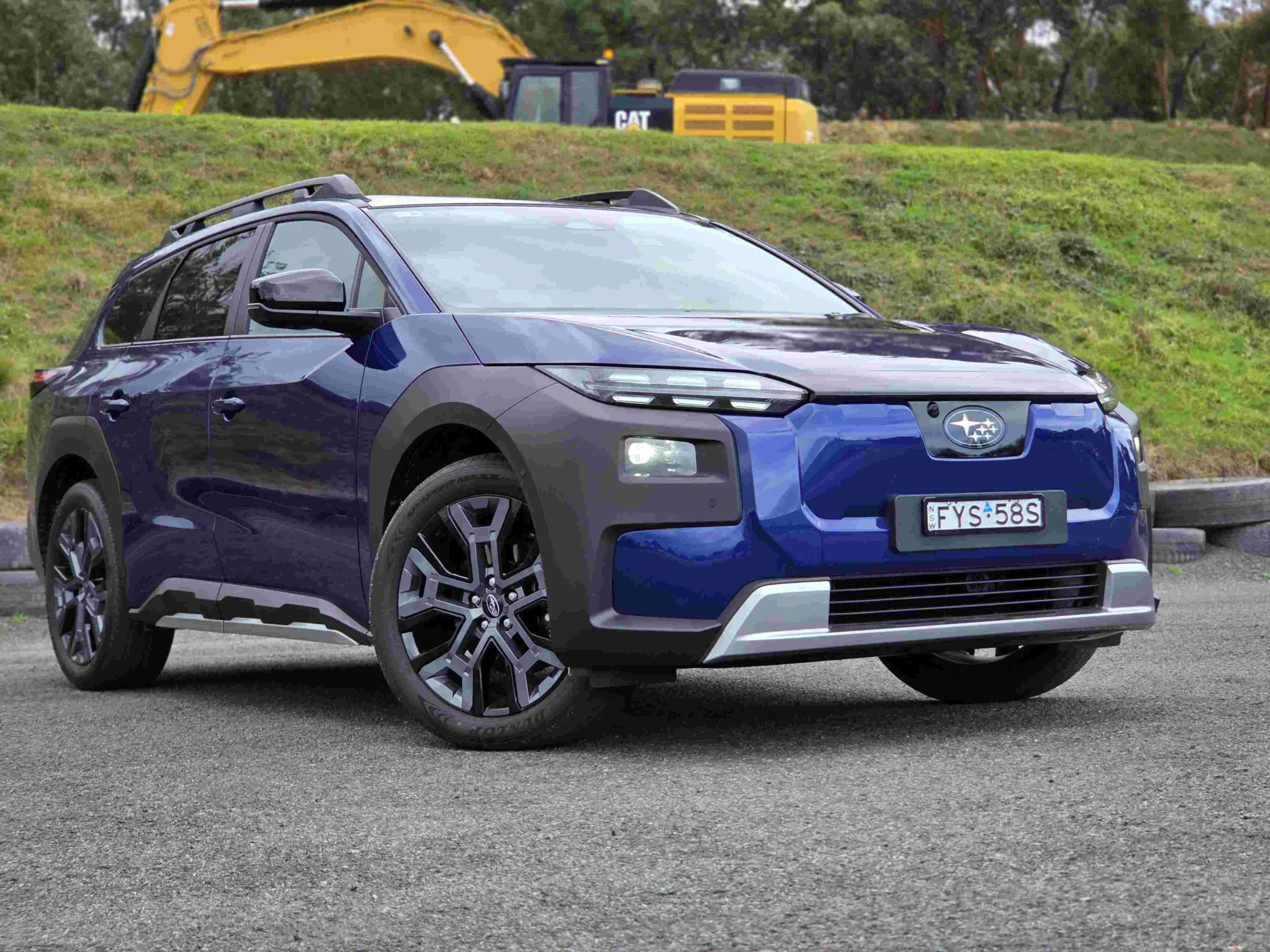
The Subaru Trailseeker and Subaru Uncharted (both electric SUVs and both new nameplates for the brand) have also achieved five-star ratings. ANCAP based the assessments largely on testing of the related Toyota bZ4X, then conducted additional crash tests and evaluations to confirm that the Subaru models perform at a comparable level.
The approach reflects an increasingly common practice in safety certification, where platform-sharing between manufacturers allows assessors to build on existing data rather than starting from scratch. Additional testing still takes place to account for structural or system differences, so the ratings carry genuine weight rather than simply being inherited.
BMW Pair Narrowly Miss the Top Tier
The BMW 1 Series and BMW 2 Series Gran Coupé each received four-star ratings, respectable results, but notable for how close they came to missing out on five. Both models scored an Adult Occupant Protection result of 78%, just two percentage points below the 80% threshold required for a fifth star.
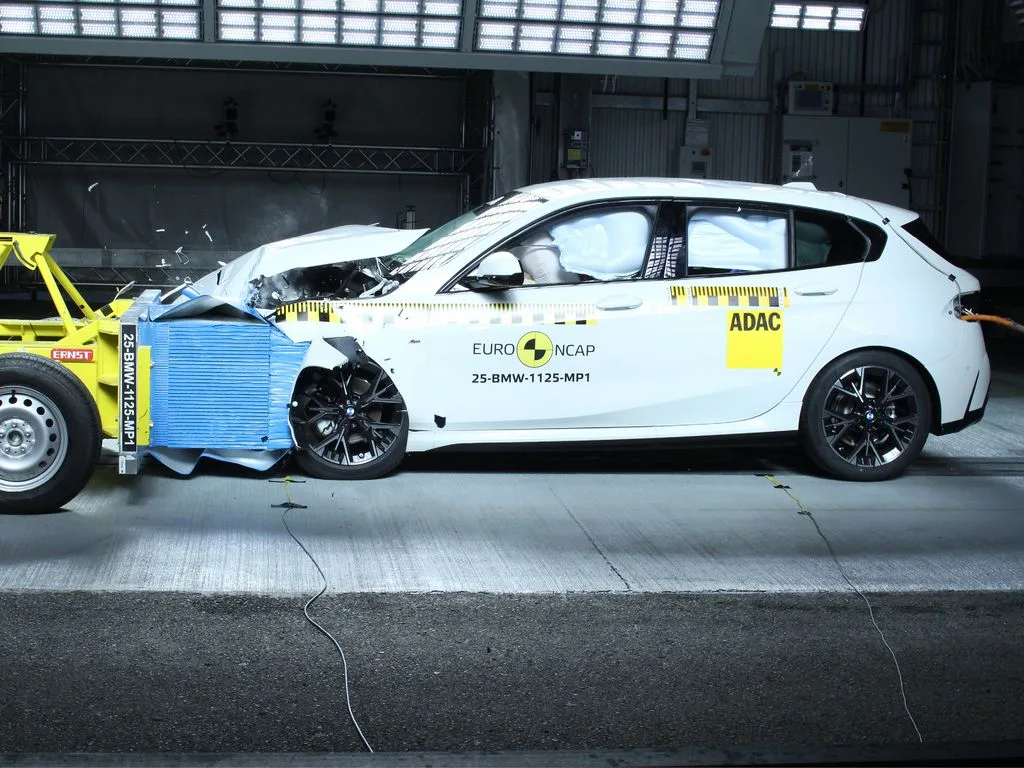
The shortfall came down to specific injury risks identified during frontal crash testing. In the MPDB test, there was an elevated risk of chest injury for the driver. In the full-width frontal test, both the driver and a rear passenger faced similar chest injury concerns. Dashboard structures also presented a potential upper leg injury risk to front occupants in the MPDB test.
Both BMWs performed well in crash avoidance assessments, which evaluates active safety technology rather than passive structural protection. That distinction matters: the cars are capable of helping drivers avoid incidents, but once a serious collision occurs, the structural protection falls marginally short of the best in class.
The 2 Series Gran Coupé rating is based on 1 Series testing, with an additional side impact test conducted to account for differences in the side structure between the two body styles.
What the Results Mean for You
For fleet operators and private buyers weighing up electric options, this round of results strengthens the case that newer EV platforms are being engineered with safety as a genuine priority. The Hilux BEV result is particularly significant for commercial buyers, removing one potential objection to switching from diesel.
The BMW results, meanwhile, suggest that strong active safety technology alone is not enough to secure five stars under ANCAP’s current protocols. Passive protection (how well the structure shields occupants during impact) remains equally important, and two percentage points can make a meaningful difference to a model’s public perception.
Source: ANCAP Safety