The iconic Polo nameplate goes electric, promising to democratise EV ownership with a low starting price
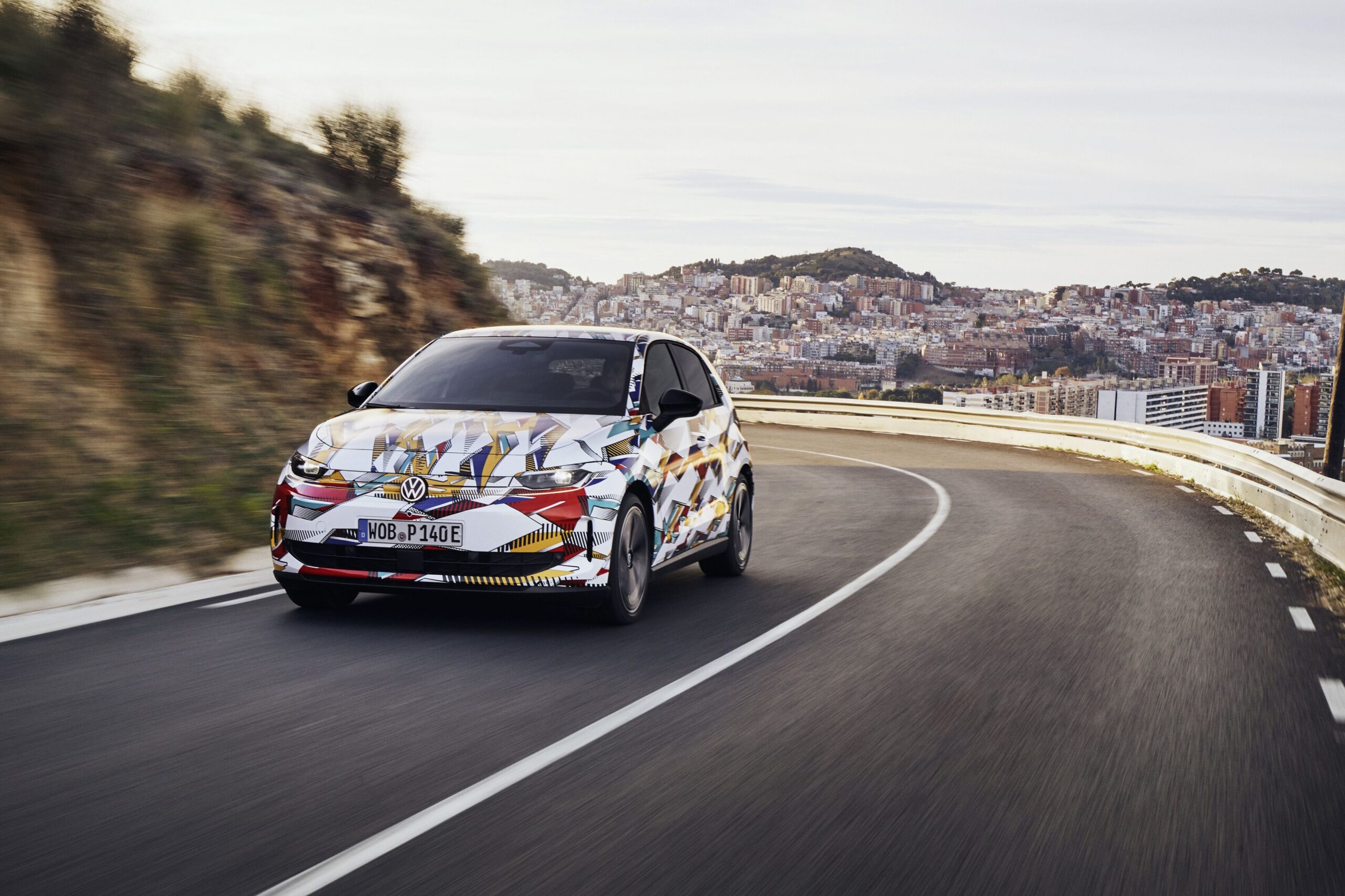
Fifty years after the original Polo revolutionised the small car segment, Volkswagen is preparing to do it all over again, this time with electrons instead of petrol. The German automotive giant has just pulled back the curtain on its upcoming ID. Polo, an electric vehicle that promises to make zero-emissions motoring genuinely accessible to the masses. With production-ready prototypes currently racking up test kilometres across the globe, the ID. Polo represents Volkswagen’s bold statement about the future of affordable electric mobility.
A Proper Name for a Proper Car
Thomas Schäfer, CEO of the Volkswagen brand, wasn’t mincing words when he declared that the ID. Polo “marks the beginning of a new generation of Volkswagen.” What makes this particularly significant is the return to traditional Volkswagen nomenclature. After years of alphanumeric anonymity in the ID. range, the Polo name returns, bringing with it decades of heritage and customer recognition. It’s a clever move that bridges past and future, wrapping cutting-edge electric technology in the familiar comfort of a beloved nameplate.
The ID. Polo will spearhead an ambitious product offensive, being the first of four new electric models in the small car and compact segments launching from 2026 onwards. But 2026 won’t just be about the Polo—Volkswagen plans to unleash six new electric models that year alone, signalling an unprecedented acceleration in their electrification strategy.
Power and Performance – Options for Every Driver
Volkswagen understands that one size doesn’t fit all, which is why the ID. Polo arrives with a comprehensive powertrain lineup. At launch, customers will choose from three power outputs: an efficient 85 kW (116 PS), a balanced 99 kW (135 PS), and a spirited 155 kW (211 PS). But enthusiasts needn’t despair—a full-blooded ID. Polo GTI with 166 kW (226 PS) will follow later in the year, ensuring the legendary three-letter badge makes the electric transition.
Battery options are equally pragmatic. The entry-level 85 kW and 99 kW variants feature a 37 kWh LFP (lithium iron phosphate) battery, capable of DC fast-charging at up to 90 kW. Meanwhile, the more powerful 155 kW and 166 kW versions utilise a 52 kWh NMC (nickel manganese cobalt) battery from PowerCo’s unified cell range, offering up to 450 kilometres of range and 130 kW DC charging capability.
The MEB+ Advantage: Space, Efficiency, Innovation
Underneath its compact dimensions, the ID. Polo rides on Volkswagen’s evolved MEB+ platform, featuring an all-new front-wheel-drive architecture. This isn’t just engineering for engineering’s sake—the new layout delivers tangible benefits. The highly efficient APP 290 electric motor, combined with PowerCo’s unified cell technology using cell-to-pack construction, eliminates unnecessary module housings. The result? Reduced weight, improved energy density by approximately 10 per cent, and ultimately, more range from less battery.
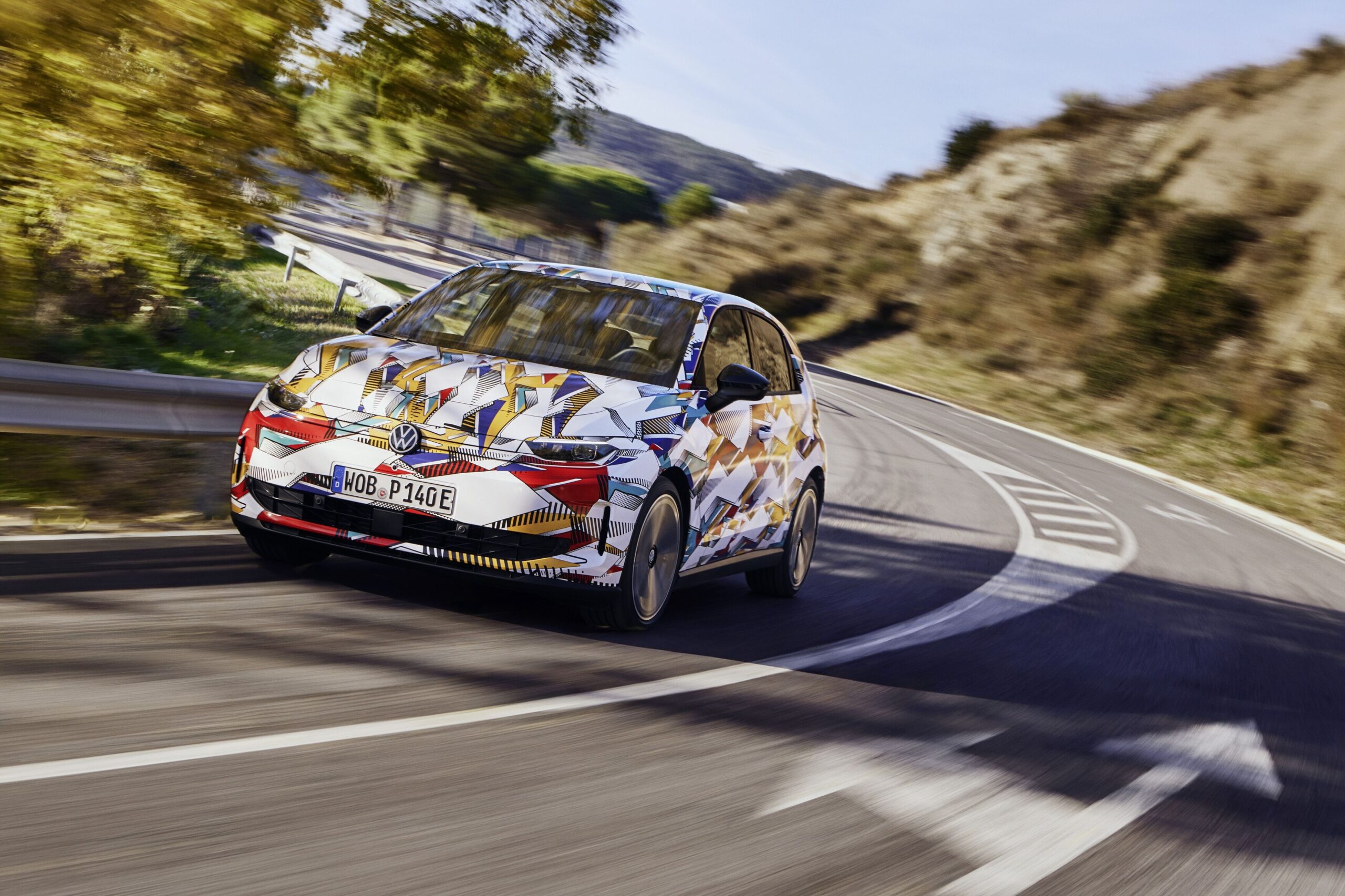
Despite measuring just 4,053 mm long (comparable to the conventional Polo) the ID. Polo’s packaging efficiency is remarkable. Passengers enjoy an extra 19 mm of interior length, particularly noticeable in the rear, whilst interior width and headroom have also expanded. The boot has grown even more impressively: 435 litres with the seats up represents a 24 per cent increase over the classic Polo’s 351 litres. Fold the rear seats, and you’re looking at 1,243 litres of cargo capacity.
Technology That Thinks Ahead
The ID. Polo democratises advanced driver assistance systems that were recently exclusive to premium models. The significantly enhanced Travel Assist now enables assisted lateral and longitudinal guidance, plus assisted lane changes on motorways. Crucially, it introduces traffic light and stop sign recognition for the first time in a Volkswagen at this price point, features that genuinely enhance daily driving rather than merely serving as marketing bullet points.
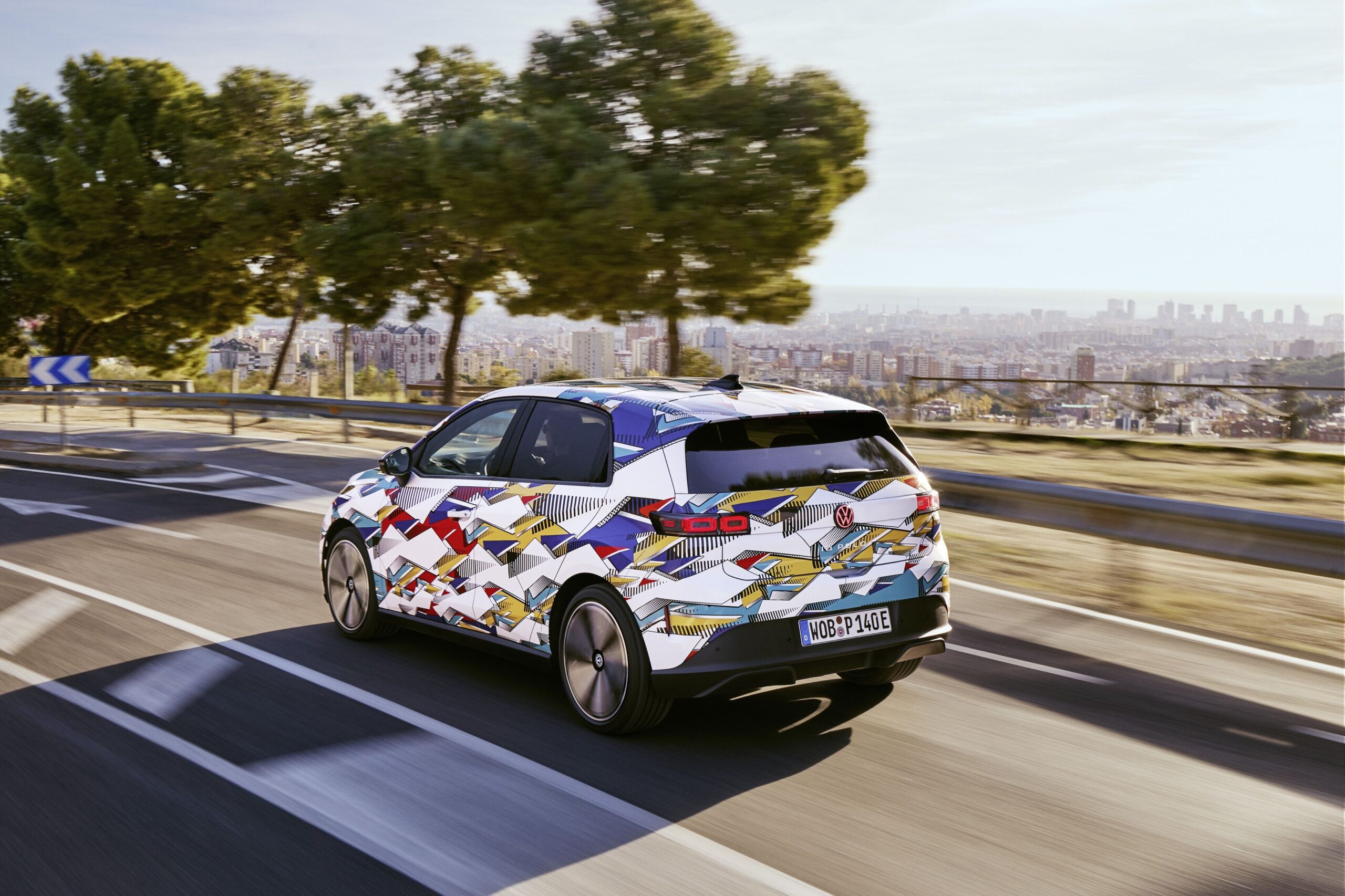
The car also debuts Volkswagen’s ‘Pure Positive’ design language, courtesy of Head of Design Andreas Mindt. While we’ll have to wait for the official unveiling to see the full aesthetic vision, early indications suggest a fresh, modern approach that distinguishes the ID. Polo from its combustion-engined predecessor whilst maintaining Volkswagen’s design DNA.
European Collaboration, Spanish Production
The ID. Polo’s development exemplifies Volkswagen’s Brand Group Core strategy. SEAT and CUPRA led the project, design came from Wolfsburg, and the car will be manufactured at the Martorell plant in Spain. Production at this facility leverages existing infrastructure whilst creating new opportunities for the Spanish automotive industry in the electric era.
Tarmac Takeaway
With an expected low entry price, the ID. Polo aims to be the EV that finally brings electric mobility within reach of mainstream European buyers. It’s not trying to out-Tesla Tesla or out-luxury the premium brands, instead, it’s doing what Volkswagen does best, creating practical, well-engineered vehicles that prioritise useability and value. As the countdown to its spring 2026 debut continues, the ID. Polo could well prove to be the electric vehicle that finally convinces the masses that the future of motoring is genuinely desirable