Suzuki NZ has offered an in-depth look at the current automotive landscape, its recent performance, and its strategic direction for the years ahead, and their views are quite the eye-opener.
Gary Collins (Suzuki NZ CEO) began the discussion with a reflection on the broader economic environment. While 2025 had been anticipated as a year of strong recovery, the reality proved more complex. Economic improvement was slower than expected, though the overall automotive market still recorded a 7% increase compared to 2024. However, this growth was largely driven by rental vehicle demand, fueled by a rebound in tourism. For Suzuki, which maintains a strong presence in the compact vehicle segment rather than rental fleets, this growth did not translate directly into significant gains.

Looking ahead to 2026, cautious optimism prevails. Market growth is continuing, but uncertainties remain. Rising fuel prices, fluctuating interest rates, and global geopolitical tensions are all influencing consumer confidence. Among these, the sharp increase in fuel costs (particularly diesel) has become a major concern. While Suzuki noted that vehicle sourcing has not yet been directly impacted, logistics costs have surged dramatically. Higher diesel prices are affecting shipping, container transport, motorcycle and marine parts distribution, and domestic delivery networks. These pressures inevitably place strain on margins and may lead to price increases across the industry.

Despite these challenges, Suzuki sees opportunity in shifting consumer behavior. High fuel prices are accelerating interest in fuel-efficient vehicles and alternative powertrains. Collins highlighted Suzuki’s strong positioning in this space, emphasizing its upcoming fully electric vehicle (e Vitara) and a range of affordable hybrid models. Notably, Suzuki continues to offer one of the most economical vehicles on the market, priced under $26,000, reinforcing its appeal in a cost-conscious environment. At the same time, the company is promoting the benefits of its mild-hybrid technology, which offers a balance between affordability and efficiency.
Suzuki’s performance in the New Zealand market remains a point of pride. The company secured the number five position overall (its best result to date) despite competing in only about a quarter of the total market. In the passenger vehicle segment, Suzuki narrowly trailed Mazda, missing a higher ranking by only a small margin. Within the light passenger and small SUV categories (its core focus areas) the brand continues to perform strongly, holding a competitive position against key rivals.
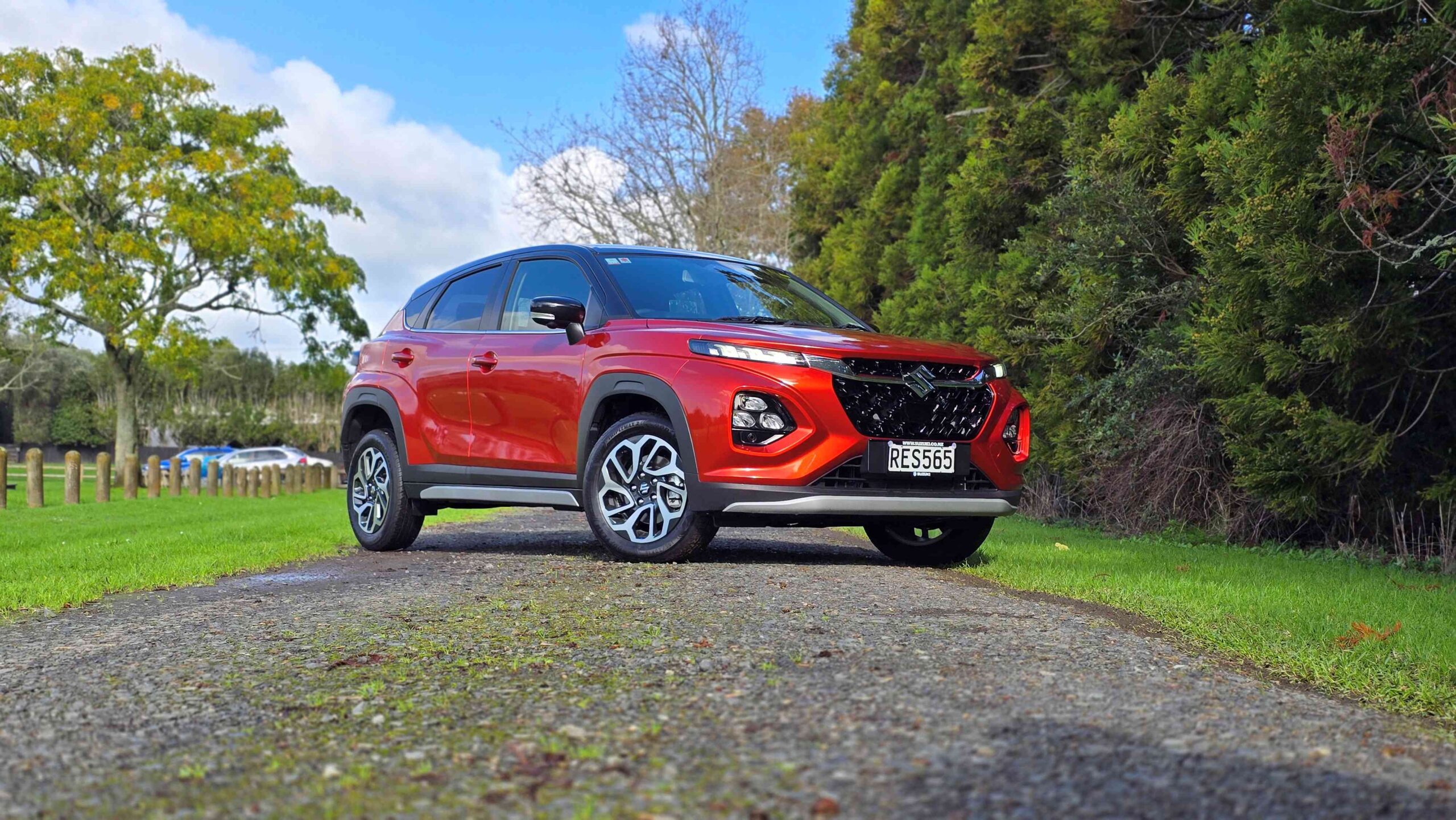
Several models have driven this success. The Swift remains a cornerstone of Suzuki’s lineup, with the latest hybrid generation gaining significant traction and accounting for the majority of sales. The Fronx, a newer addition, has quickly risen through the ranks to become one of the brand’s top-selling vehicles, achieving close to 1,000 units within a short period. Meanwhile, established models such as the Jimny, S-Cross, and Ignis continue to contribute consistent volume, supported by targeted marketing initiatives and strong finance offerings.
The compact SUV segment, in particular, has become increasingly competitive, with new entrants and evolving consumer preferences reshaping the landscape. However, Suzuki remains confident in its position, citing its strong product lineup and the global trend toward smaller, more efficient vehicles. This shift aligns closely with Suzuki’s long-standing focus on compact mobility.
From a global perspective, Suzuki Motor Corporation reported strong and steady growth. Over the past five financial years, global unit sales have increased consistently, with projections indicating a record 3.3 million units. Revenue has followed a similar trajectory, expected to reach approximately $67 billion. These figures place Suzuki among the top automotive brands globally, even surpassing some traditional competitors in total unit sales.
Looking forward, Suzuki has set ambitious targets as part of its midterm plan leading up to 2030. The company aims to achieve global sales of 4.2 million units and increase revenue to $87 billion. Central to this strategy is a commitment to sustainability and carbon neutrality, particularly in regions such as Oceania.
A key pillar of Suzuki’s approach is its “multi-pathway” strategy to emissions reduction. Rather than relying solely on battery electric vehicles, the company is investing in a diverse range of powertrains, including hybrids and other fuel-efficient technologies. This approach reflects the varying regulatory environments and consumer needs across different markets. It is guided by Suzuki’s philosophy of “Sho-Sho-Kei-Tan-Bi,” which emphasizes smaller, fewer, lighter, shorter, and more efficient products. The goal is to minimize environmental impact across the entire lifecycle of a vehicle, from production to recycling.
This flexible strategy is particularly important given the rapidly changing regulatory landscape. In New Zealand, the Clean Car Standard continues to evolve, presenting both challenges and opportunities for manufacturers. Emissions targets are becoming increasingly stringent, and while electric vehicles were initially expected to dominate, actual consumer demand has been more moderate. Instead, many buyers are gravitating toward hybrid models as a more practical and cost-effective solution.
The imbalance between supply and demand for low-emission vehicles has created additional complications. With fewer electric vehicles being sold than anticipated, the industry is generating fewer emissions credits, leading to higher costs. These costs are often passed on to consumers, contributing to rising vehicle prices. Recognizing this issue, the government recently intervened by reducing emission penalties significantly, providing short-term relief for the industry.
However, this policy shift has had mixed effects. While it reduces immediate financial pressure on distributors, it also devalues existing emissions credits held by some brands. As a result, the policy has not been universally welcomed. A comprehensive review of the Clean Car Standard is now underway, with input from across the automotive sector. The outcome of this review is expected to shape the future regulatory environment and could lead to more balanced and practical policies.
Suzuki is actively preparing for multiple scenarios, working closely with its parent company to ensure compliance with evolving standards. One key consideration is the introduction of stricter emissions regulations, such as the Euro 6d standard, which will limit the range of models available for import. Despite these constraints, Suzuki remains confident in its product pipeline and its ability to adapt.
Changes to the model lineup are already underway. As certain models reach the end of their lifecycle, new vehicles will be introduced to fill the gaps. The transition includes the gradual phase-out of some long-standing models and the introduction of new electric and hybrid options. The company is also exploring concept vehicles that could address future market needs.
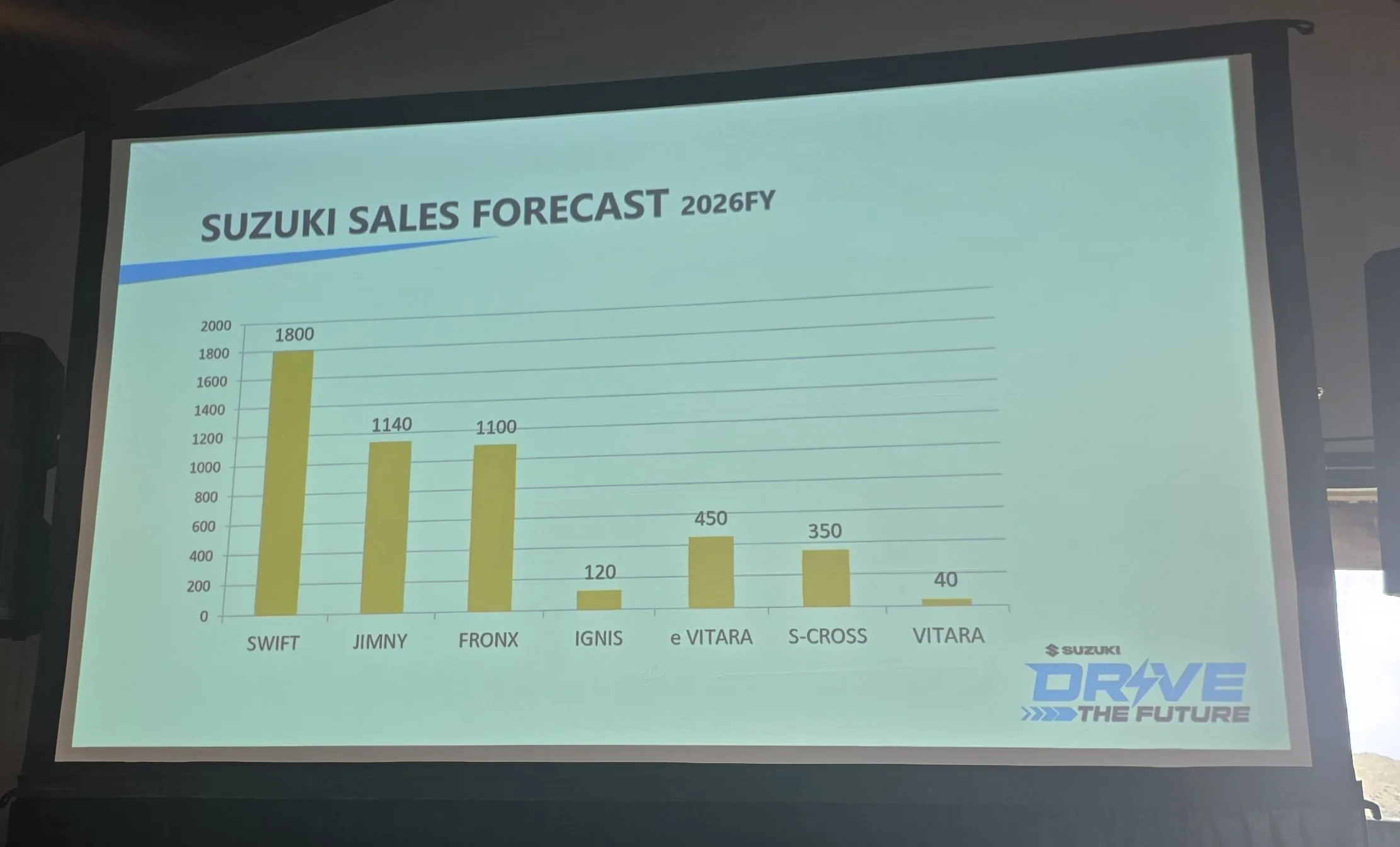
In terms of sales targets, Suzuki is aiming high in the upcoming financial year. This goal is supported by a streamlined model range, allowing for more focused marketing efforts and better allocation of resources. The company also retains flexibility to adjust its product mix in response to external factors such as fuel prices and economic conditions.
Customer satisfaction remains a cornerstone of Suzuki’s strategy. The brand has consistently performed well in customer satisfaction surveys, earning top ratings across multiple categories, including value for money, reliability, and after-sales service. This strong reputation is supported by a dedicated dealer network and a loyal customer base.
To further enhance its value proposition, Suzuki announced the introduction of an extended warranty program. The new package offers up to eight years of coverage, combining a standard three-year comprehensive warranty with an additional five-year powertrain warranty. This initiative is designed to provide greater peace of mind for customers, improve service retention, and support long-term resale values.
In addition, Suzuki will continue to offer five years of unlimited-kilometre roadside assistance, reinforcing its commitment to customer support. These initiatives reflect the company’s broader strategy of delivering not only affordable vehicles but also a comprehensive ownership experience.
There is a strong sense of optimism about Suzuki’s future. Despite the challenges posed by economic uncertainty, regulatory changes, and rising costs, the company is well-positioned to navigate the evolving automotive landscape. Its focus on compact, efficient vehicles, combined with a flexible approach to electrification and a strong commitment to customer satisfaction, provides a solid foundation for continued success.