Nissan’s recent strategy in Oceania is less about flashy launches and more about surgical portfolio management, fewer variants, bigger scale, and a concentrated push into e-Power hybrids while keeping core ICE (internal combustion engine) fans happy with Patrol and Navara. That, in short, is Andrew Humberstone’s brief during his near-two-year run as Managing Director of Nissan Oceania. “The brief was very much around securing longevity,” he says, reflecting on the tough, changeable market he inherited when he arrived almost two years ago.
Revealed during an intimate interview, Humberstone paints a picture of a market that has been volatile, with sudden regulatory shifts, changing subsidies and supply-chain shocks that landed cars “on the water” with new rules and goalposts changing as they traveled. He remembers arriving to find policy surprises that upended plans within days, which is why the company moved to simplify its market offering.
“So the whole idea is making sure that we support in scale with fewer variants, bring simplicity to market,” he explains. Humberstone highlights a commercial reality, low-volume complexity burns cash. When cars are expensive to bring to market and exchange rates swing, maintaining a broad range of niche variants becomes untenable.
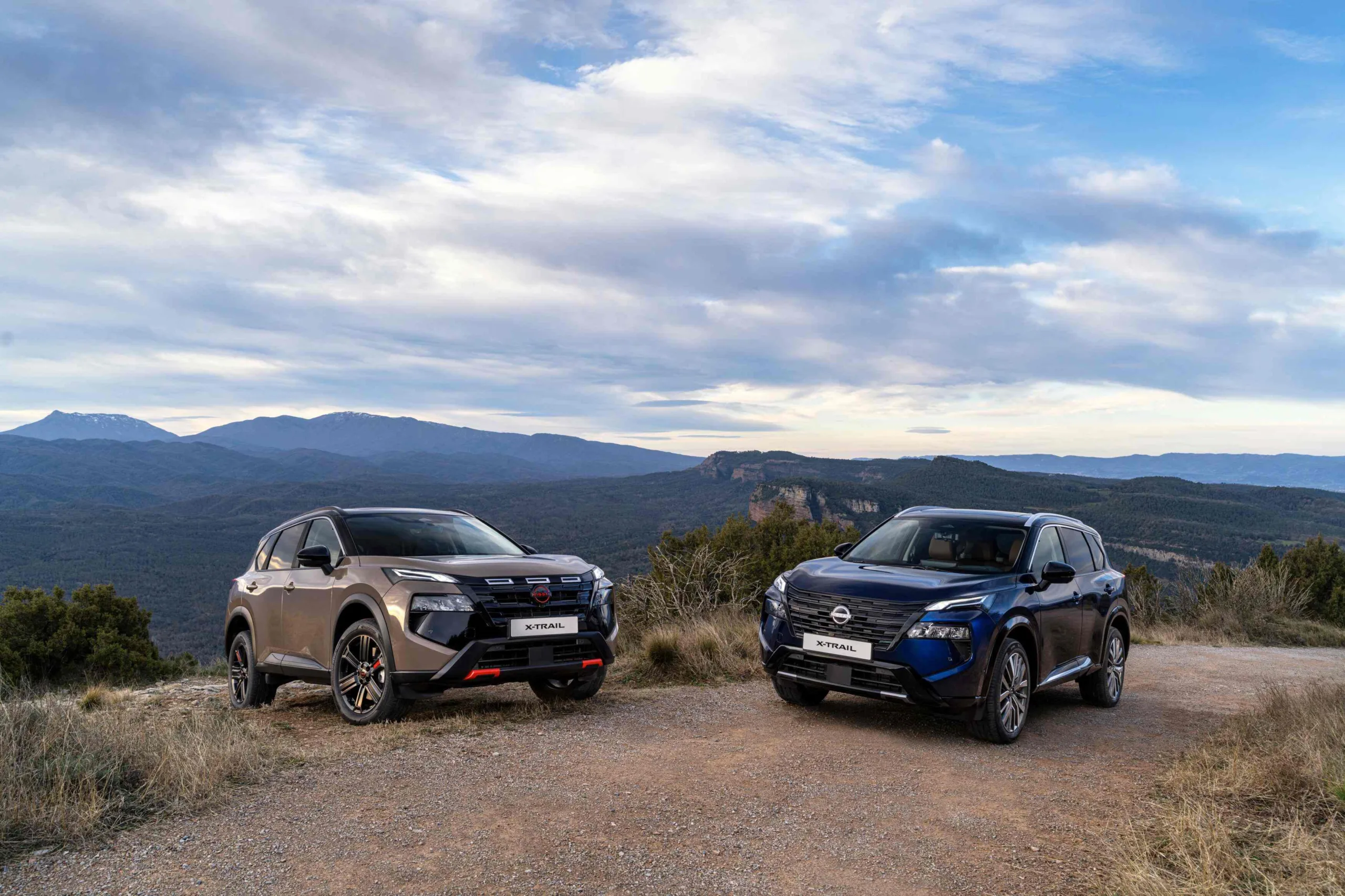
The e-Power bet – pragmatic, not utopian
Nissan is focusing on e-Power, a hybrid technology that keeps a petrol engine but lets the battery and electric motor do much of the driving feel, because Humberstone’s market research suggests that the majority of Kiwi buyers will sit in the hybrid band in the near term.
“Based on current data, around 70–75% of all registrations will be very much in the e-Power space,” he reports, and that is where Nissan intends to concentrate its critical mass and margin. This is a deliberate middle-road strategy, serve the mainstream household that wants electrification benefits (fuel efficiency, reduced emissions) without asking buyers to wholly commit to BEVs and the charging ecosystem. It’s also commercially savvy, reaching scale on fewer powertrain options helps margins and dealer confidence. “So that’s where we’re going to focus because we need to have critical mass and the scale,” Humberstone says.
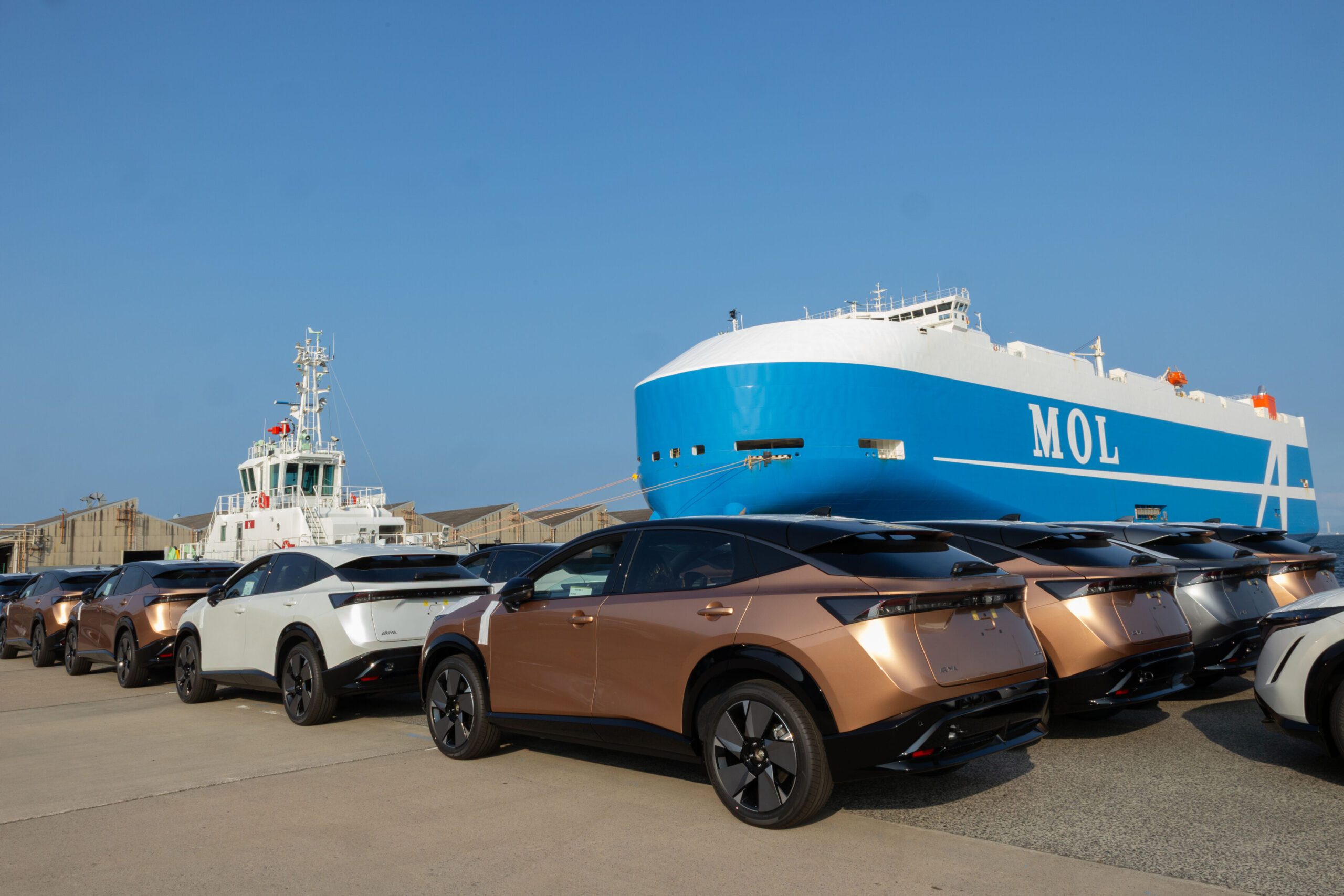
What’s leaving (and why): Ariya, Leaf, Pathfinder and Juke
Nissan hasn’t hesitated to make hard calls on product that hasn’t proved commercially viable under current conditions. Humberstone confirms the Ariya is “gone” for New Zealand, a dealer-led decision driven by the commercial realities and sudden policy changes that cut the legs out from under that launch. “For New Zealand, that was a dealer decision,” he says bluntly. Similarly, Leaf is on “indefinite hold”, while Pathfinder and Juke are also at the end of their product life in the Oceania market.
Humberstone explains the calculus plainly, without a compelling hybrid variant or a viable return profile in a competitive market, keeping low-volume models isn’t sustainable. “We looked at Leaf and we said, we’re going to put that on indefinite hold for the moment. We looked at Juke and said, probably end of its life, same goes with the Pathfinder, this is the end of its life in NZ too.”
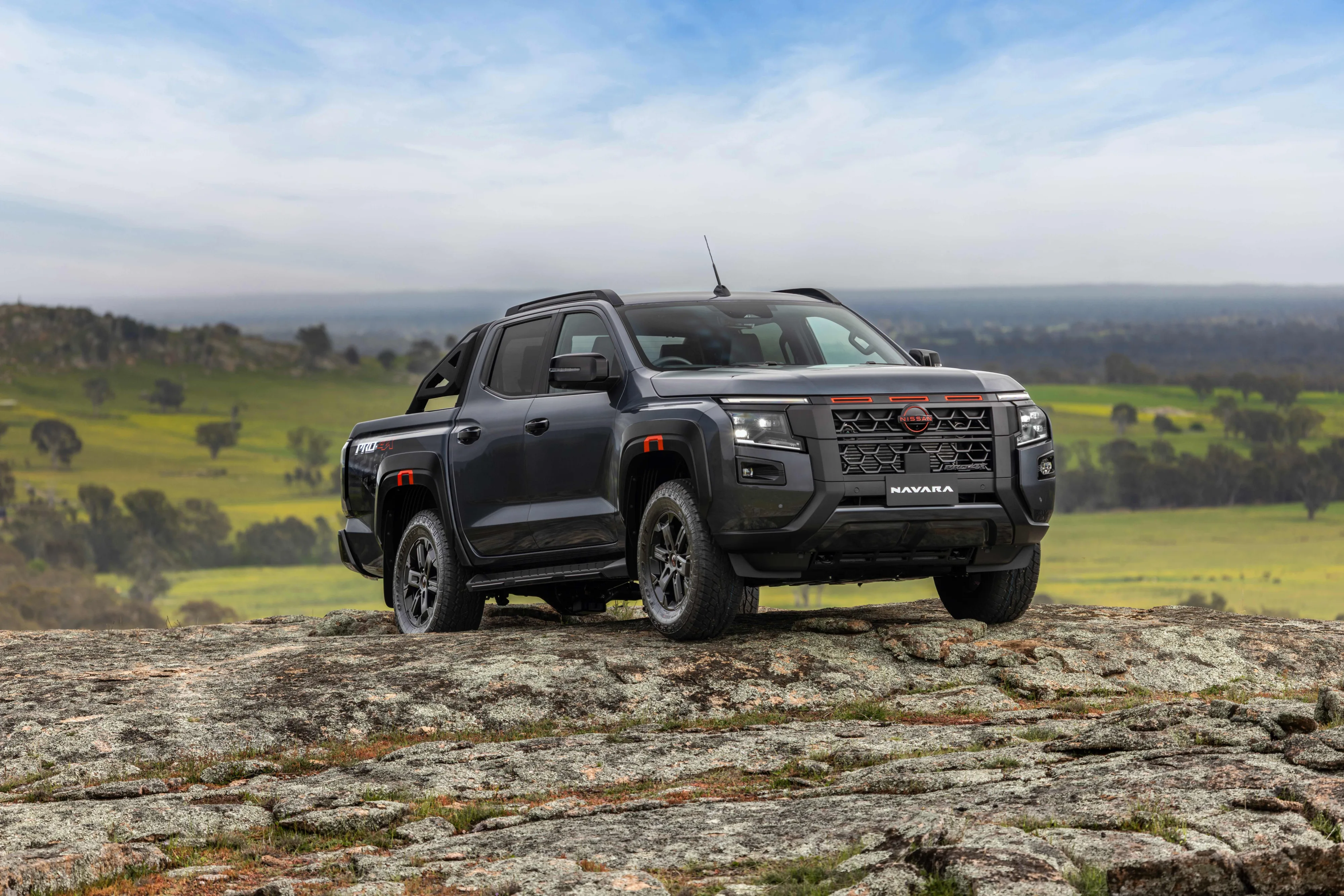
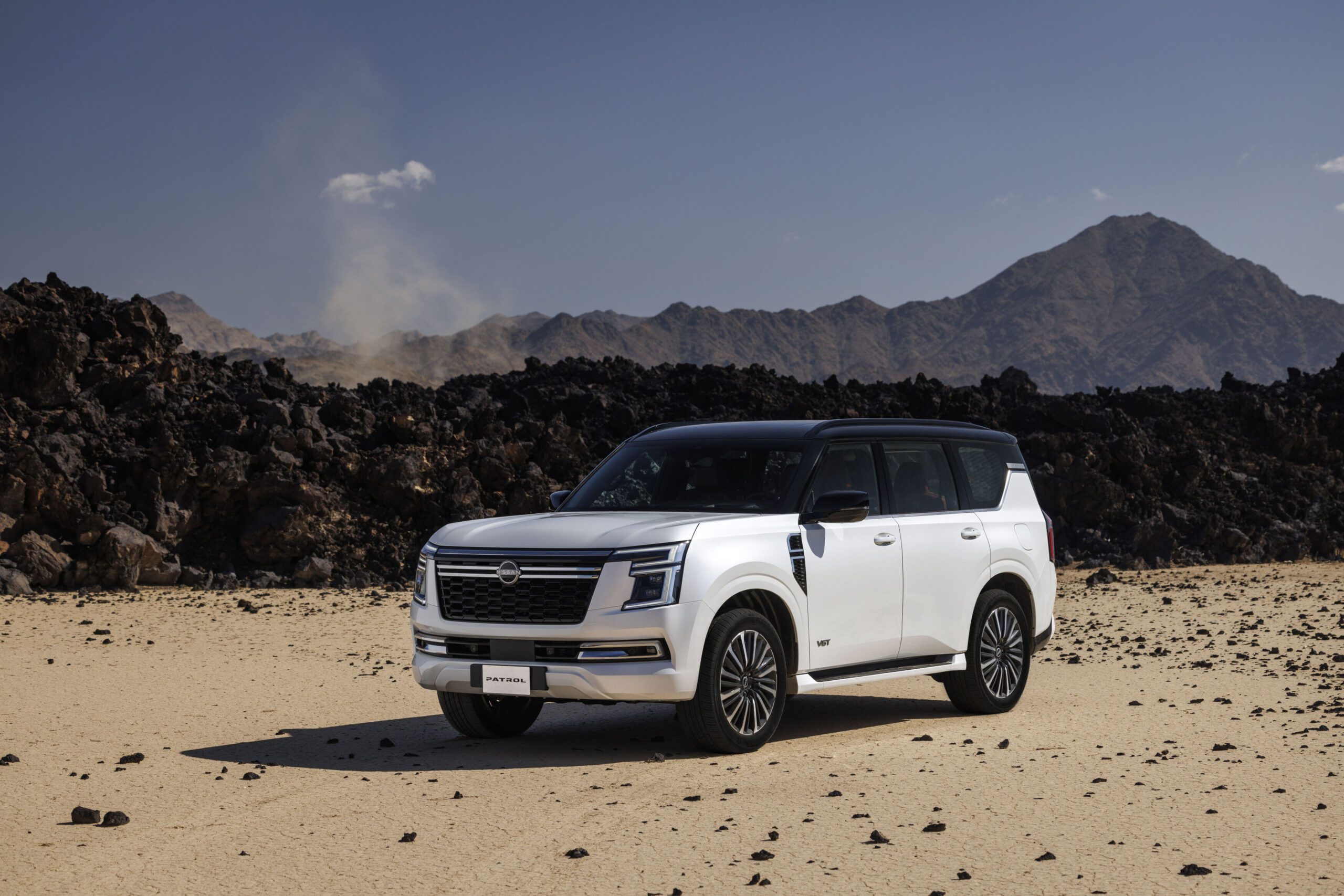
That said, Nissan isn’t abandoning its identity in New Zealand where large body-on-frame models still matter. Patrol and Navara remain strategic: “customers that are passionate about Patrols and the Navara, which is a big driver in New Zealand,” Humberstone notes, and Nissan is ensuring their new iterations are more NVES compatible than before. “We’re moving in the right direction,” he adds. He also teases future product that will plug gaps in the lineup including electrified ute offerings and a refreshed Patrol in the next 12–18 months, underpinning Nissan’s attempt to balance mass-market electrification with NZ’s appetite for rugged, practical vehicles.
“By the end of the year, you’re going to be hearing about a new Patrol, and then very soon after that you’ll get production availability,” Humberstone promises.
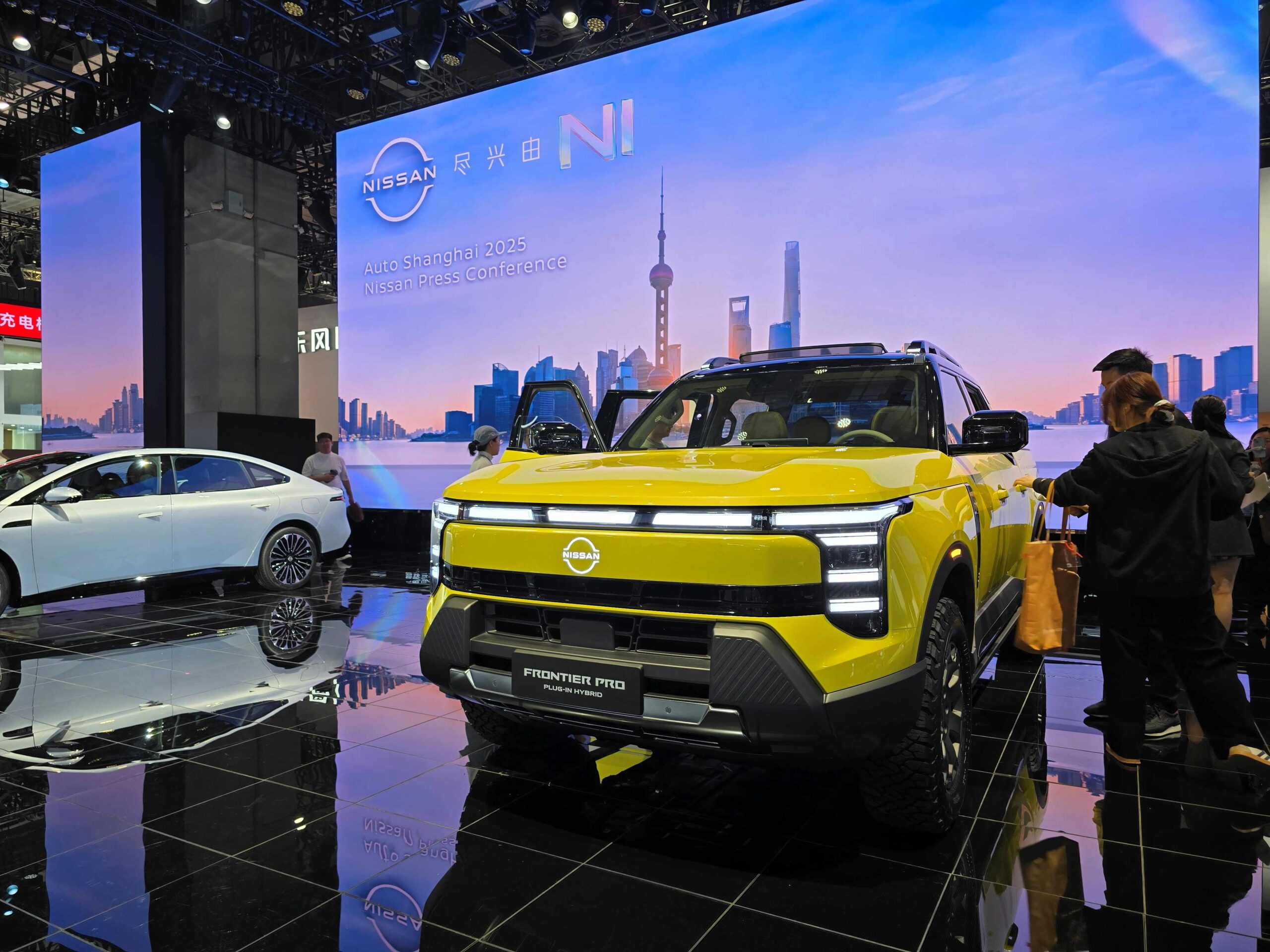
Sourcing, JV partnerships and the pragmatic pursuit of scale
Where Nissan sees gaps it can’t fill profitably on its own, it’s open to joint ventures. Humberstone mentions active discussions with Dongfeng and other Renault–Nissan–Mitsubishi alliance partners to source products that make sense for Oceania. “The alternatives could be through any of our joint ventures. We’re doing a lot of work and having a lot of conversations with DongFeng at the moment,” he confirms. That’s Nissan acknowledging that the race to scale will be fought across borders and partnerships, not just in national marketing campaigns.
Navigating policy whiplash — the new normal?
Beyond product, Humberstone flags a macro challenge that any OEM operating in NZ must contend with: inconsistent policy signals. He notes parallels with other markets where incentives can flip into penalties, mentioning concerns about places that are even starting to think about charging EV owners in some situations.
“In London, [I hear] they want to start charging people for having EV, going from incentivizing to now charging them? It’s just crazy,” he says, capturing the bewilderment industry leaders feel as governments reassess the fiscal impacts of electrification. This unpredictable policy backdrop informs Nissan’s preference for flexible, hybrid-forward strategies that can weather changes in incentives and consumer adoption rates.
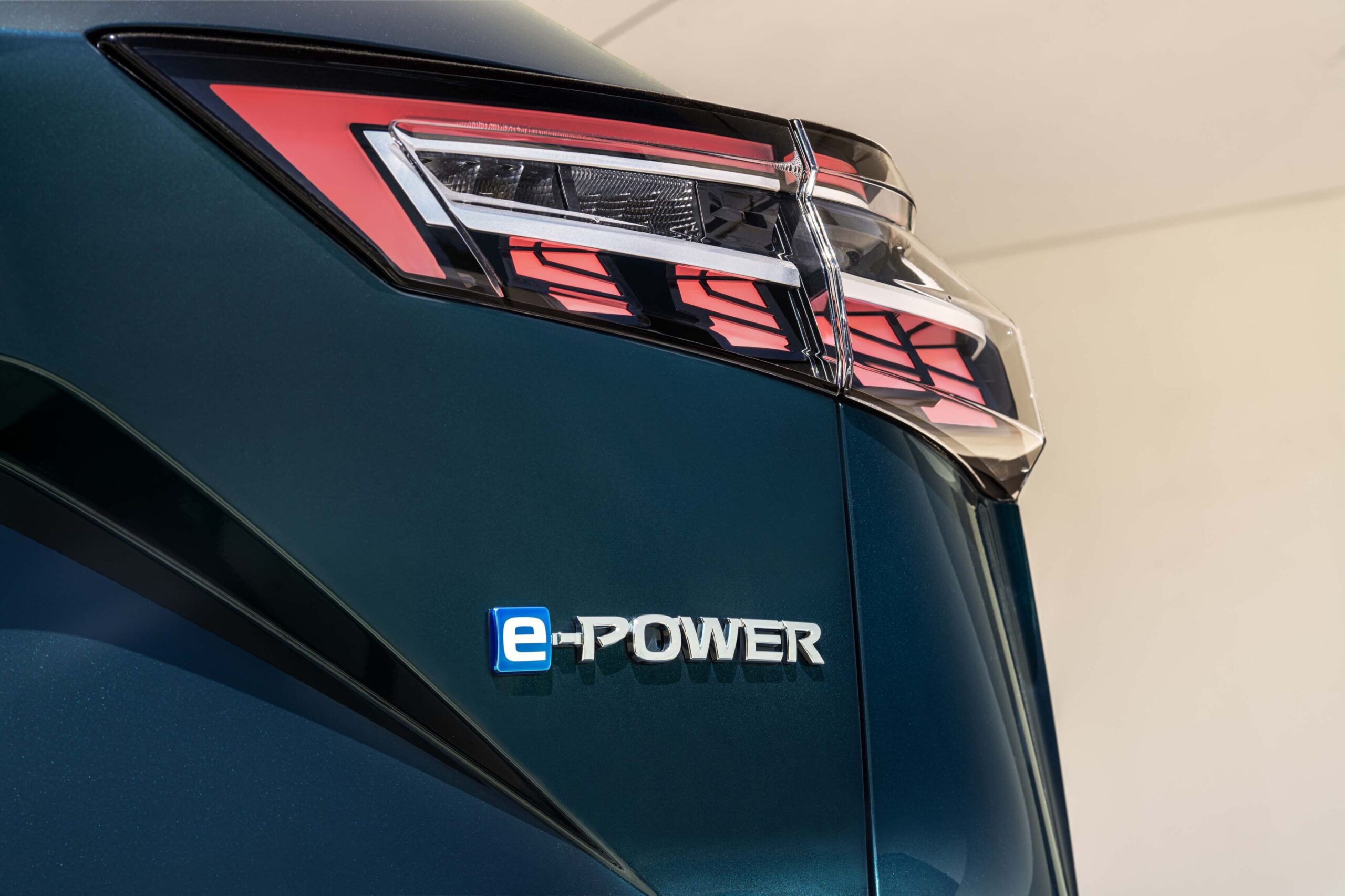
A cleaner portfolio, a clearer plan
The outcome of all this triage is a “very clean portfolio” and a signed-off regional plan that Humberstone says will provide clarity for dealers and customers. The aim is to manage gaps strategically, add a 2WD X-Trail to increase segment coverage, reintroduce Navara and Patrol in updated forms, and (if the recent Chinese car show reveal is anything to go by) roll out electrified utes and bespoke models where they make sense. “So now we have a very clean Portfolio across both markets, and we have a very clear plan that’s signed off,” he states.
What it means for Kiwi buyers
Practically, Kiwi buyers should expect fewer (but more consistent) choices from Nissan: family SUVs and workhorses with e-Power hybrid options where demand is highest, plus a continued supply of Patrol and Navara for those who need traditional capability. Humberstone’s message is a common-sense one for 2026, survive the chaos, focus on what scales, and be honest with customers and dealers about what the future product mix will look like. “It was about long-term commitment,” he says.
Tarmac Takeaway
Nissan Oceania’s reset under Humberstone is the kind of pragmatic repositioning that follows a period of noise and disruption. It’s not a story of dramatic pivots to full EVs overnight, nor is it a retreat to nostalgia. Rather, it’s a carefully measured strategy, fewer variants, bigger scale, and a bet on hybrid electrification that fits the market reality, at least for now. “We see a big opportunity here,” Humberstone says of the new plan, and Nissan appears determined to seize it.