Wolfgang Porsche, 81, chairman of Porsche’s supervisory board, has driven himself directly into the crossfire of local fury and political mud-wrestling with his audacious plan to build a 500-metre tunnel under Salzburg’s historic Kapuzinerberg. Dubbed as a solution to navigate the cramped, tourist-packed trails to his €8.4 million estate, this subterranean scheme has raised eyebrows, legal questions, and one collective middle finger from Salzburg’s opposition parties.
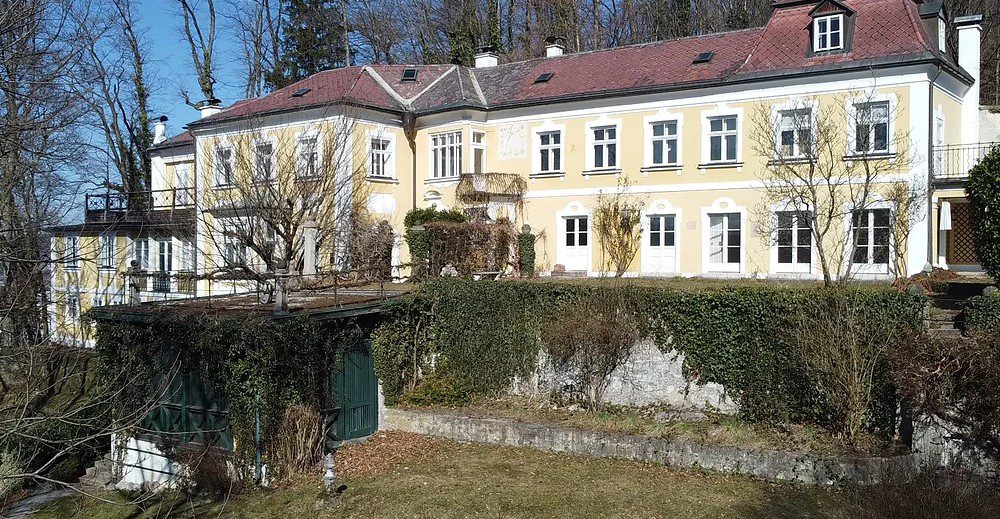
The mansion in question is the historic Paschinger Schlössl, famously inhabited by author Stefan Zweig, who presumably used it to craft literature and not as a luxury garage for 12 cars. Wolfgang, however, envisions a very different legacy: a high-tech petrolhead lair accessible via a James Bond-style tunnel that will whisk his fleet under Salzburg’s forested hill like carriages on an underground railway for the filthy rich.
And how did this automotive daydream come to life? Enter Harald Preuner, Salzburg’s former mayor, and an under-the-table agreement. For the bargain-basement price of €40,000, Porsche secured access rights to public land for his project—the kind of sweetheart deal that left Green party leaders shaking their heads and local residents sharpening their pitchforks. Of course, this juicy tidbit didn’t emerge until a municipal election dethroned the conservatives, making way for a mayor who tactfully admitted the deal “could have been handled more transparently”.
The proposed tunnel has sparked universal outrage, as though Wolfgang had personally planted exhaust pipes in Salzburg’s treasured Mozart statue. The Greens have launched legal reviews, branding it privileged excess disguised as urban planning. Even the communist party has called for full disclosure of the secretive files, proving that billionaires digging tunnels beneath sacred hills can unite enemies faster than an Avengers plot twist.
Legally, the project leans on the Austrian concept of “Kellerrecht,” which loosely translates as the right to dig into your own property, a dream come true for megalomaniacs with power tools. But experts are questioning whether this law applies to a €40,000 driveway that burrows across public land. If it doesn’t, Porsche’s tunnel could collapse faster than his PR team.
Critics have even added historical salt to the wound. Zweig, who once owned the Paschinger Schlössl, fled Nazi Germany for a life of exile. Turning his legacy into a subterranean Porsche parking lot stings like cultural vandalism. Salzburg policymakers had once dreamed of turning the site into a museum, a far cry from today’s turbocharged ambitions.
As it stands, Wolfgang Porsche’s ultimate electric extravaganza sits in limbo as the legal and moral debate drags on. The billion-dollar question remains: will he soon zoom triumphantly down his alpine autobahn, or will local officials pull the brakes harder than a GT3 at full throttle? For now, Salzburg waits with a mix of curiosity and seething resentment, proving there’s nothing like a billionaire’s tunnel project to get a city talking, plotting, and possibly barricading.