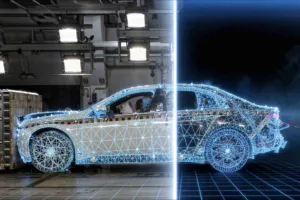
Automotive performance has always been expressed in numbers: power, acceleration, lap times. But one element has consistently resisted quantification, and that’s the visceral thrill of driving itself. Polestar and the SDG Impact Lab at the University of Oxford want to change that.
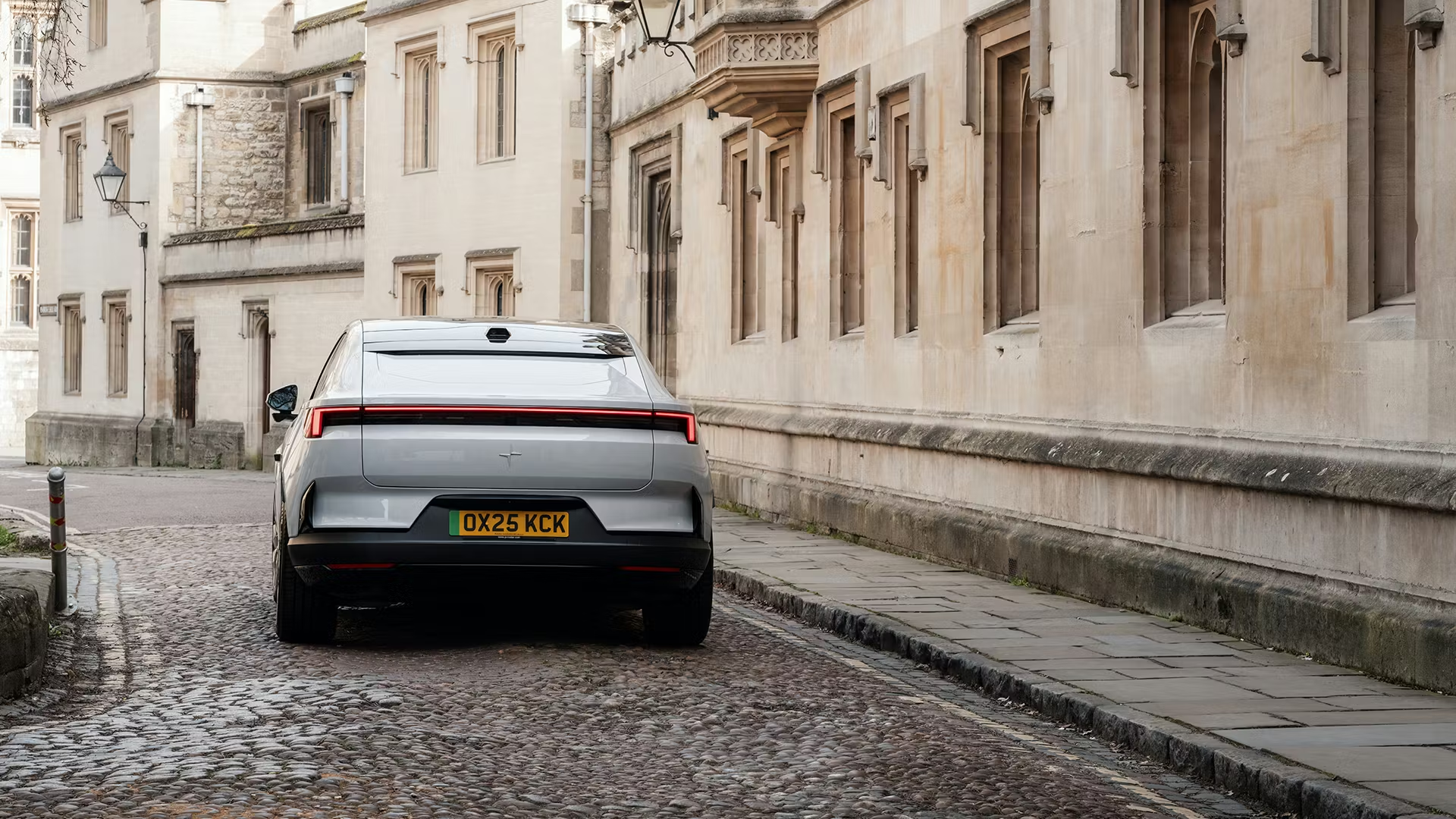
The two organisations have announced a joint research initiative, aimed at studying what actually happens in the brain and body of a driver behind the wheel. It is, as far as either party is aware, the first attempt to build a scientific framework for measuring driving excitement. Testing will take place at Gotland Ring in Sweden, where researchers drawn from Oxford’s Engineering Science and Experimental Psychology departments will monitor participants while driving, collecting data on brain activity, heart rate, and eye movement.
The goal is to determine whether the subjective sensation of driving thrill produces consistent, observable physiological and neurological signals, and whether those signals can be decoded into something measurable and repeatable.
It is worth noting that this is a research initiative, not a product announcement. No specific findings have been published yet, and the framework Polestar and Oxford are pursuing remains a work in progress. The SDG Impact Lab sits at the intersection of academic research and real-world application: Professor Alexander Betts, Pro-Vice Chancellor of the University of Oxford and Co-Founder of the Lab, described the project as an example of academic research creating impact beyond the university itself.
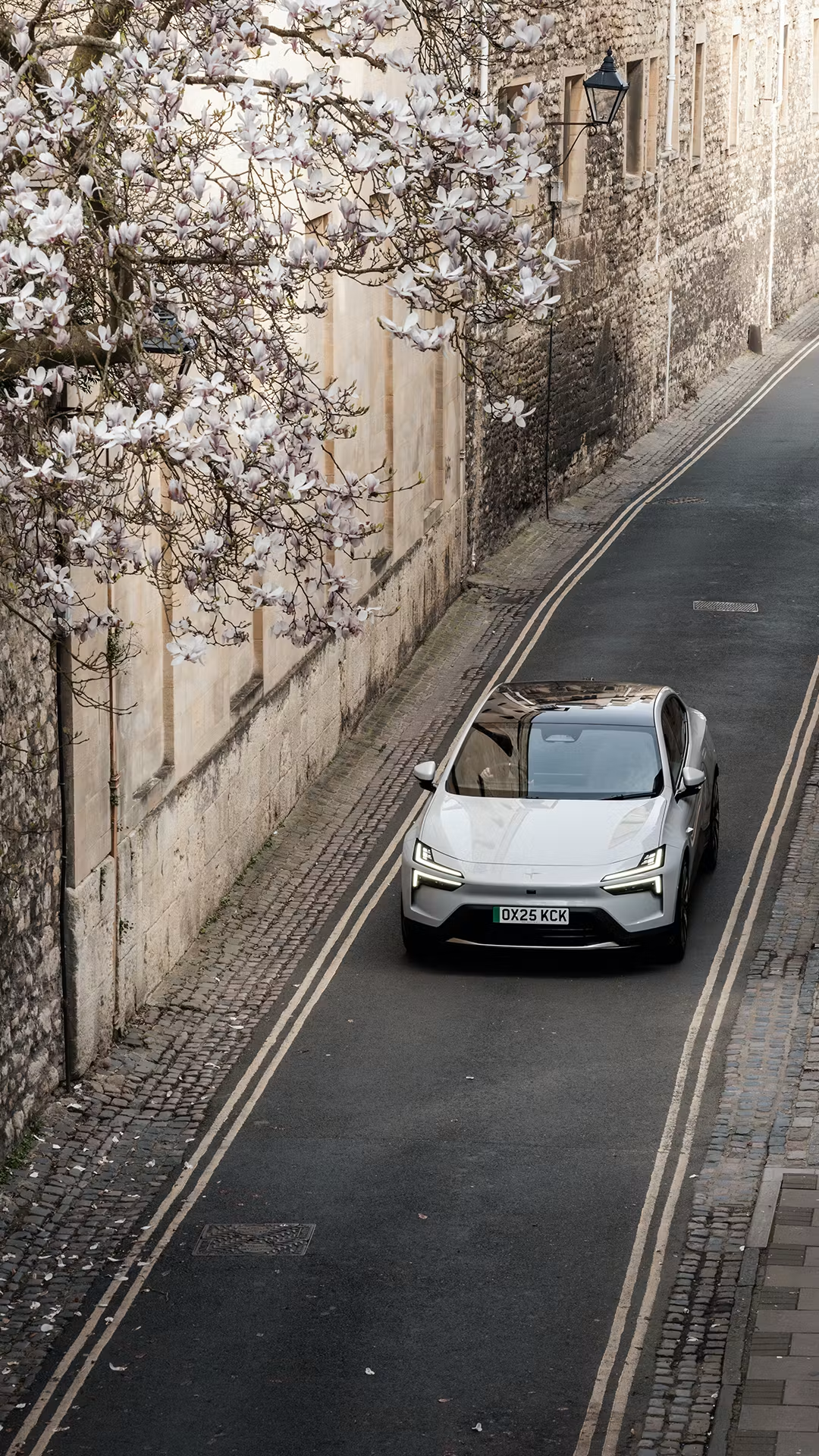
For an EV manufacturer, the question of driving thrill carries particular weight. Electric vehicles have largely won the performance argument on paper, with instant torque and rapid acceleration, but the emotional texture of the driving experience remains a harder case to make.
If Polestar can demonstrate that its cars produce measurable physiological responses associated with excitement and engagement, that data could inform everything from chassis tuning to how the brand communicates its products to buyers. The research process will be documented in an upcoming series covering the tests, the researchers, and the broader pursuit of a thrill-measurement framework. Further details are expected later this summer.