The hum of the future is getting louder, and it sounds a lot like a Nissan Serena minivan navigating the bustling streets of Yokohama, Japan. Forget concept sketches and tech-show demos; Nissan, in a major collaboration, has officially kicked off a real-world pilot program for an autonomous mobility service, representing a huge stride towards a commercial, driverless future. But before you book a flight to Japan to hail a robo-taxi, there are a few things you need to know.
The Yokohama Project: Who, What, and When
At its core, this is a joint effort between four major players: Nissan, BOLDLY Inc., Premier Aid Inc., and Keikyu Corporation. This isn’t just Nissan testing a car; it’s a consortium building an entire ecosystem. The trial, which runs from late November 2025 to the end of January 2026, will see a fleet of five specially equipped Nissan Serena minivans operating in urban hotspots like Minato Mirai, Sakuragi-cho, and Kannai.
Each partner has a crucial role to play. Nissan, naturally, is leading the charge, providing the autonomous vehicles and managing the project’s execution. BOLDLY Inc. is supplying the high-tech backbone, a remote monitoring system that keeps a digital eye on the fleet from a dedicated control center named ‘PLOT48’. Premier Aid Inc. is handling the human element on board, providing passenger support and monitoring, while transportation giant Keikyu Corporation lends its expertise to develop the operational frameworks needed to make this a viable public service. This collaborative approach is vital, as launching an autonomous service is as much a logistical and regulatory challenge as it is a technological one.
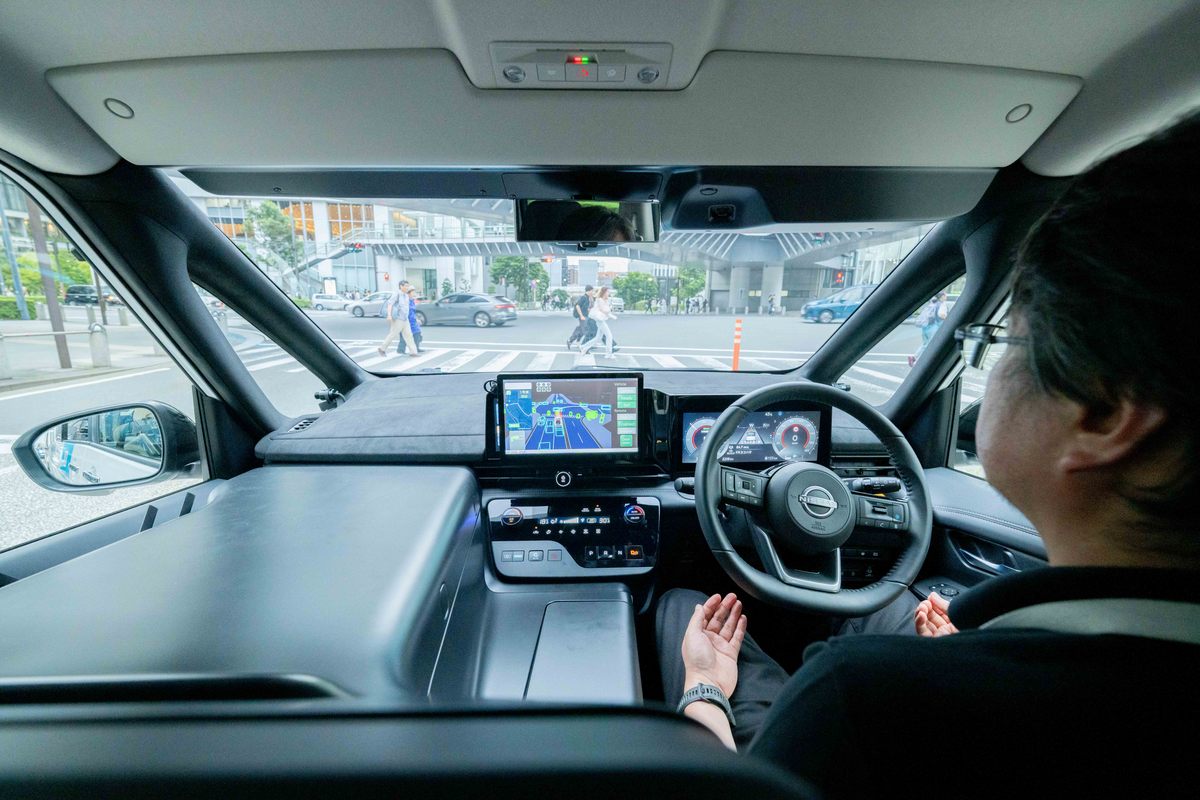
Not Quite Driverless… Yet. The Reality of Level 2
Here’s the first crucial detail you might have missed: these Serenas are not fully self-driving. For this pilot phase, the vehicles are operating at SAE Level 2 autonomy. In simple terms, this is an advanced driver-assistance system, similar to Nissan’s own ProPILOT 2.0. The car can manage steering, acceleration, and braking in certain conditions, but (and this is the important part) a human safety driver remains in the driver’s seat, alert and ready to take control at a moment’s notice.
So why not jump straight to full autonomy? The answer is safety, data, and public trust. This staged approach allows Nissan and its partners to gather immense amounts of real-world data on how the vehicles interact with unpredictable urban environments, from rogue cyclists to jaywalking pedestrians. It allows them to fine-tune the system, identify operational challenges, and build a robust safety case before removing the human backup. The ultimate prize they’re aiming for is SAE Level 4, where the vehicle is fully autonomous within a specific operational area without needing a driver, which they hope to launch commercially starting from the 2027 fiscal year.
Want a Ride? Here’s the Catch
If you were picturing an Uber-style service where anyone can summon a ride, you’ll have to wait a little longer. Access to this trial is exclusive. The program is recruiting approximately 300 members of the public to act as “general monitors”. These lucky few won’t just be passengers; they’ll be active participants in the research.
To join, applicants must go through a formal process on the official website, attend a pre-briefing session, and agree to provide detailed feedback on their experience through surveys and questionnaires. In return for their valuable insights, they get to experience the future of mobility for free, with the service covering 26 designated boarding and drop-off locations throughout the service area. This feedback loop is essential for refining everything from the user interface of the booking app to the comfort of the ride itself.
The Nuts and Bolts of the Operation
For the car enthusiasts and tech nerds who love the details, here’s how the service will function. The fleet of five Serenas, each with a capacity for three passengers, will run from Tuesday to Friday between 8:30 a.m. and 4:00 p.m. The service will take a brief hiatus for the year-end and New Year holidays, from December 20 to January 6.
This trial isn’t just about the ‘driving’ part of autonomous driving; it’s about testing the viability of a ‘service’. By setting specific operating hours, passenger limits, and a network of 26 stops, the companies are simulating the demands of a real-world transport service. They’ll be measuring vehicle uptime, passenger wait times, route efficiency, and how the remote team at PLOT48 manages the fleet in real-time.
The Bigger Picture: A Glimpse of Our Mobility Future
While this trial is confined to a few districts in Yokohama, its implications are global. The project aims to do more than just prove the technology works; it seeks to create a blueprint for a new kind of mobility that enables “easy and accessible movement for all”. By 2027, the goal is to have a fully driverless, remotely monitored SAE Level 4 service running commercially, helping to solve local transportation challenges like driver shortages and providing mobility for elderly or underserved populations.
For us here in New Zealand, where Nissan has a strong presence, projects like this are a fascinating window into the future of our own urban transport. The lessons learned on the streets of Yokohama (about technology, regulation, public acceptance, and business models) will undoubtedly shape how and when autonomous services eventually arrive on our shores. This isn’t just a Japanese experiment; it’s a vital step in a global automotive revolution.