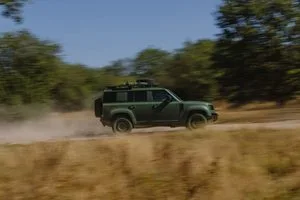
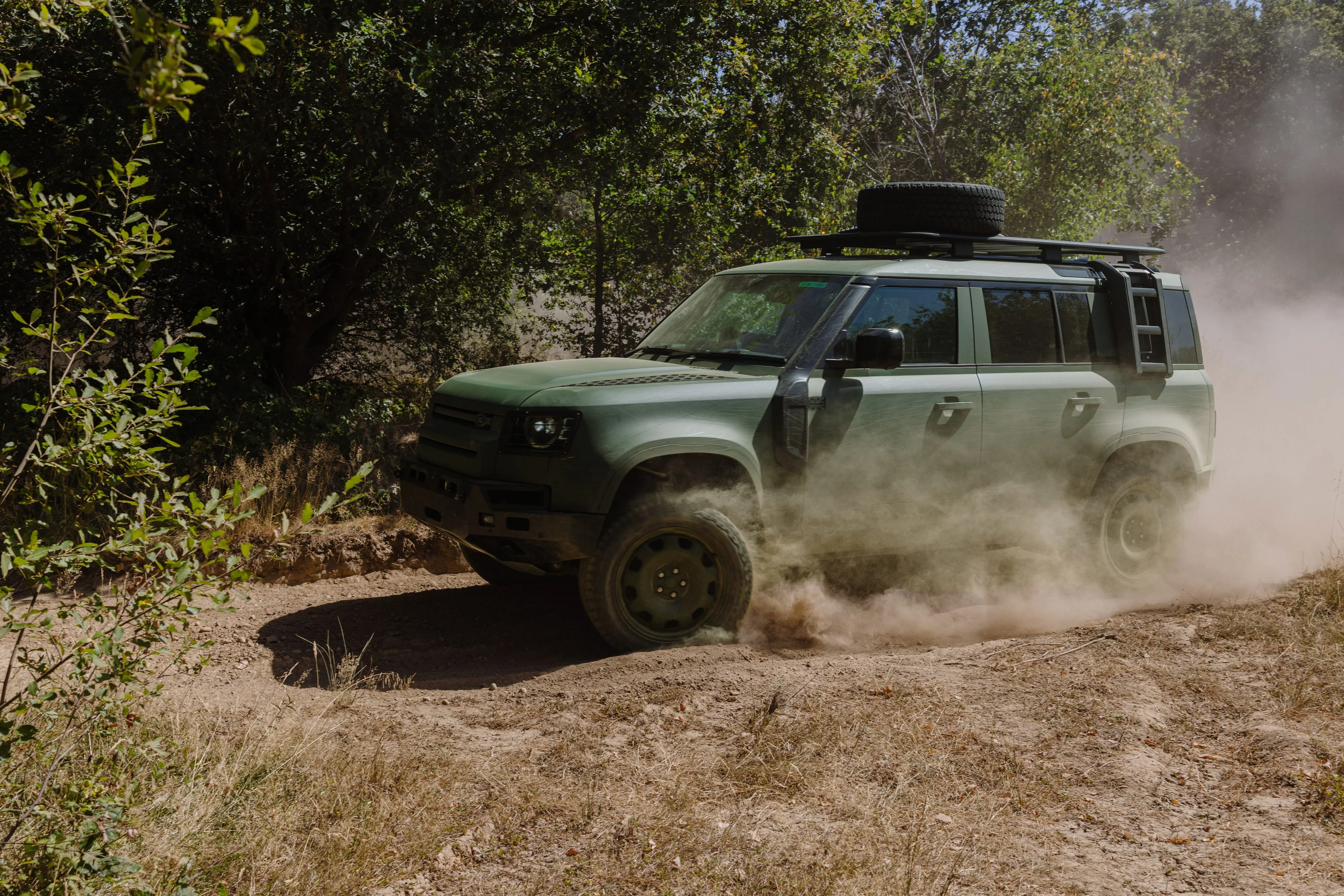
The original Defender Wolf had a remarkable run, with more than seven decades in British Armed Forces service, not something many vehicles can claim. Now Land Rover is making its case for the next chapter, revealing the Defender Wolf Series II as its bid for the Ministry of Defence’s Light Mobility Vehicle tender.
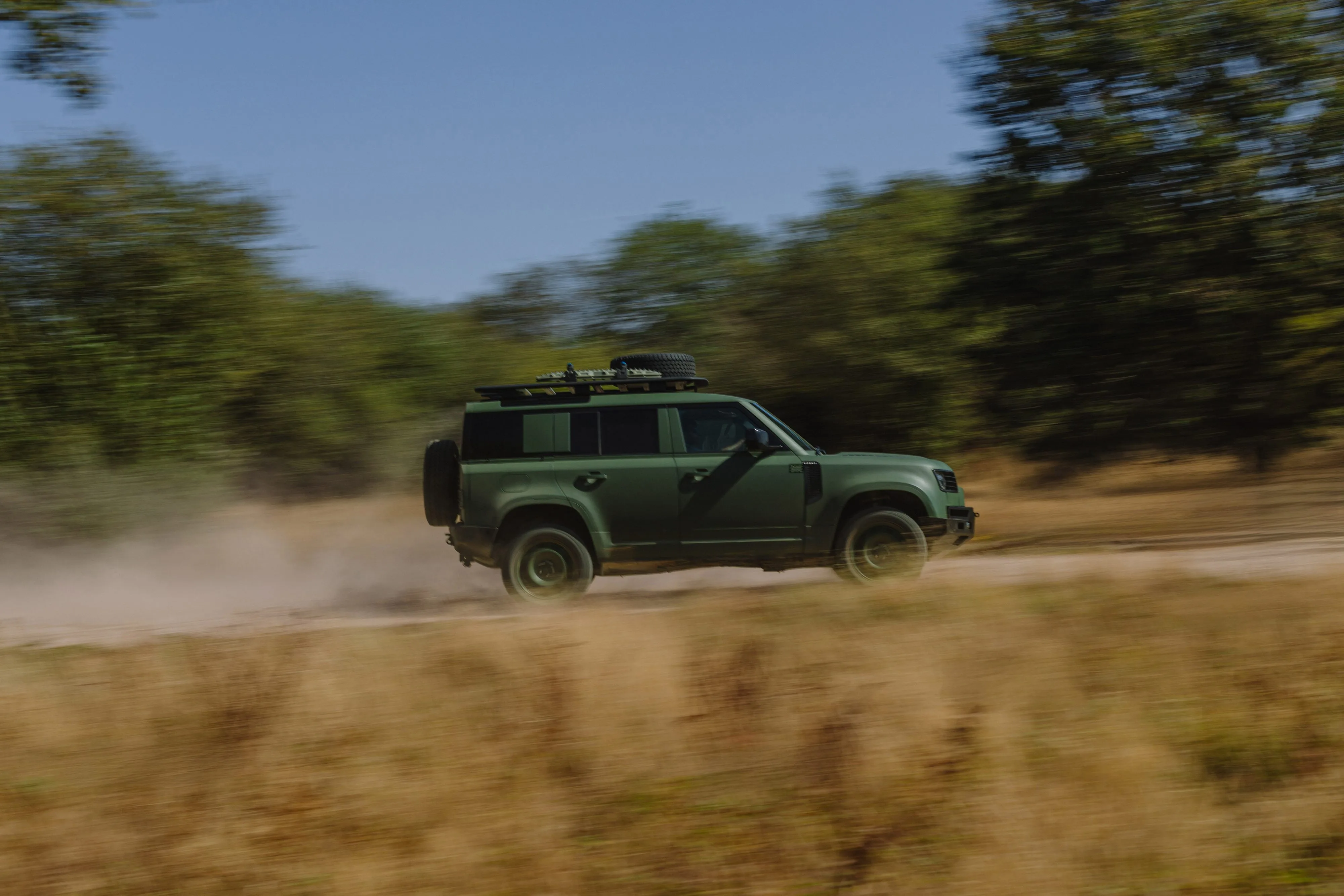
It is the brand’s first military vehicle launch since that long serving original, and the stakes are quite high: JLR has also established a dedicated Defender Defence Division to pursue contracts with other defence organisations beyond the UK.
Built on Proven Architecture
The Wolf Series II is based on Defender’s purpose engineered D7x monocoque architecture, the same platform underpinning the civilian Defender range we all know and love. That structure offers a torsional rigidity of 29kNm per degree, roughly three times stiffer than traditional body-on-frame designs, which matters considerably when a vehicle needs to absorb punishment in demanding operational environments.
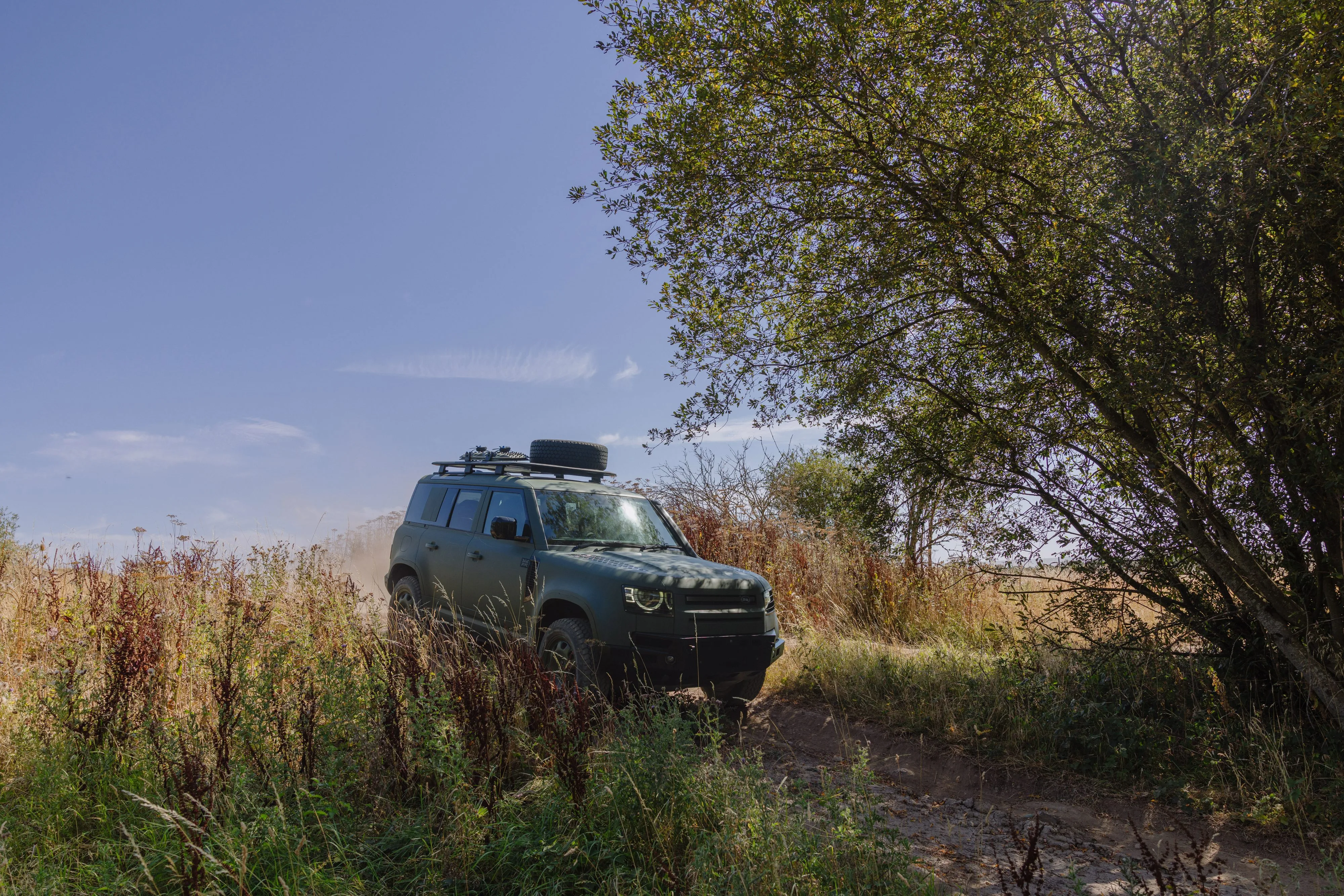
The engine is built in Wolverhampton, keeping the powertrain’s origins firmly on British soil. JLR says it has end-to-end control of the engineering process, removing reliance on third-party manufacturers. In defence procurement terms, owning the whole process is a meaningful selling point. Development involved more than 62,000 engineering sign-off tests, with the chassis and body validated against JLR’s Extreme Event Test procedure. Testing covered millions of kilometres across deserts, Arctic conditions, and high altitude terrain.
Four Variants for Different Roles
The Wolf Series II will be offered in four configurations, each targeting a specific military function: Tactical Mobility Vehicle, General Mobility Vehicle, Ambulance and Utility Vehicle. All four variants are set to make their public debut at the British Army DVD 2026 event, held at Millbrook Proving Ground in Bedfordshire on 16–17 September. That event will be the first opportunity for defence decision makers to see the full range together.
Winning the MoD Light Mobility Vehicle contract would be a significant commercial and symbolic achievement for JLR. The original Wolf’s longevity set a high bar, and the British Armed Forces will be looking for a replacement that can match that durability over a similarly long service life.
The formation of a dedicated Defence Division signals that JLR sees military and emergency services work as a sustained business area, not a one-off bid. The platform’s engineering foundations and the brand’s existing relationships with emergency organisations give it a credible starting position.
Full details across all four variants are expected when the vehicle makes its formal public appearance at Millbrook later this month.