What happens when you invite the world’s top engineers, data scientists, and thrill-seeking AI algorithms to throw caution (and their comfort zones) to the wind on a Grand Prix track? You get the second season of the Abu Dhabi Autonomous Racing League (A2RL)—the globe’s most ambitious, high-octane, and unapologetically nerdy motorsport spectacle. For those who ever looked at a Formula One pit crew and thought, “That’s cool, but what if the only thing sweating was the server room?”—welcome home.
Racing for Glory, Bragging Rights, and $2.25 Million
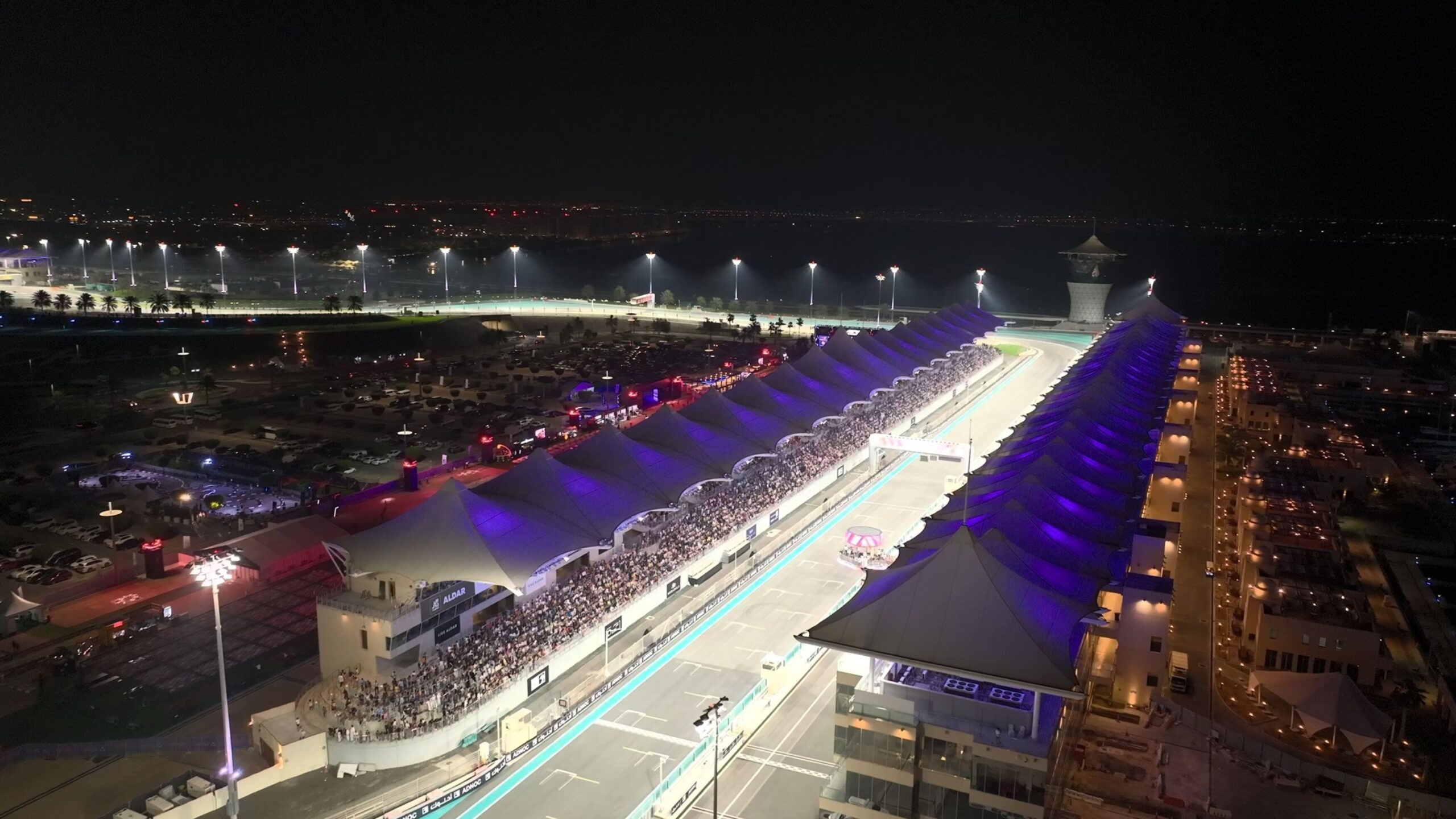
On November 15th, 2025, the Yas Marina Circuit will transform into ground zero for the world’s largest autonomous racing showdown with a prize pool hefty enough to make even Wall Street algorithms blush. The event serves as ASPIRE’s (the innovation arm of the Advanced Technology Research Council, ATRC) not-so-subtle way of saying, “Yes, we build that kind of future here.” And with over 10,000 live spectators last year and a global streaming audience north of a million, someone’s clearly watching—presumably with popcorn and the lingering hope that the bots don’t unionise mid-race.
Meet the Racecars: More Sensors Than a Smartphone Store
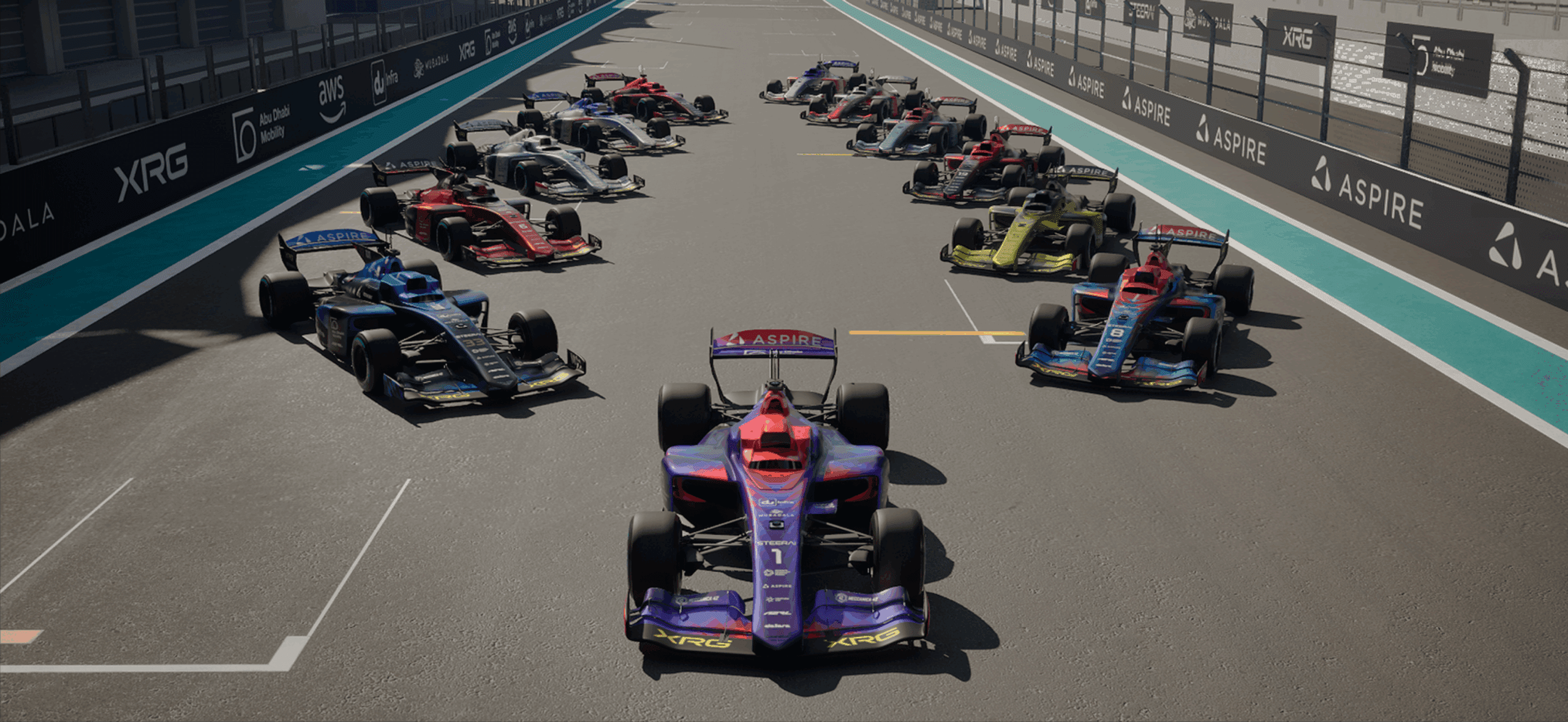
The vehicular star of the show? The Emirates Autonomous Vehicle (EAV-24), an upgraded AI beast built atop the Super Formula SF23 platform. This isn’t your cousin’s RC car—the EAV-24 comes loaded with enhanced sensor arrays, top-shelf compute systems, and refined control logic geared for split-second AI decisions at 300 km/h, meaning the only thing faster than the cars is the pace at which someone says “machine learning” on the start line . The SF23 itself is no slack-off: weighing just 690 kg and made largely from bio-composites, it’s the fastest open-wheel race car on earth that doesn’t require a five-point harness—because, well, there’s technically nobody inside.
New Contenders, New Countries, New Level of Mayhem
This season, the globe-trotting rivalry revs up with teams from ten countries, France and Japan making their pit lane debuts alongside familiar powerhouses from the USA, Germany, China, Singapore, Italy, and the UAE. If the United Nations hosted its own “AI Olympics,” it might look a lot like A2RL—except with more carbon fiber and, blessedly, fewer speeches.
The ‘SIM-Sprint’—Where Virtual Rubber Meets the Road
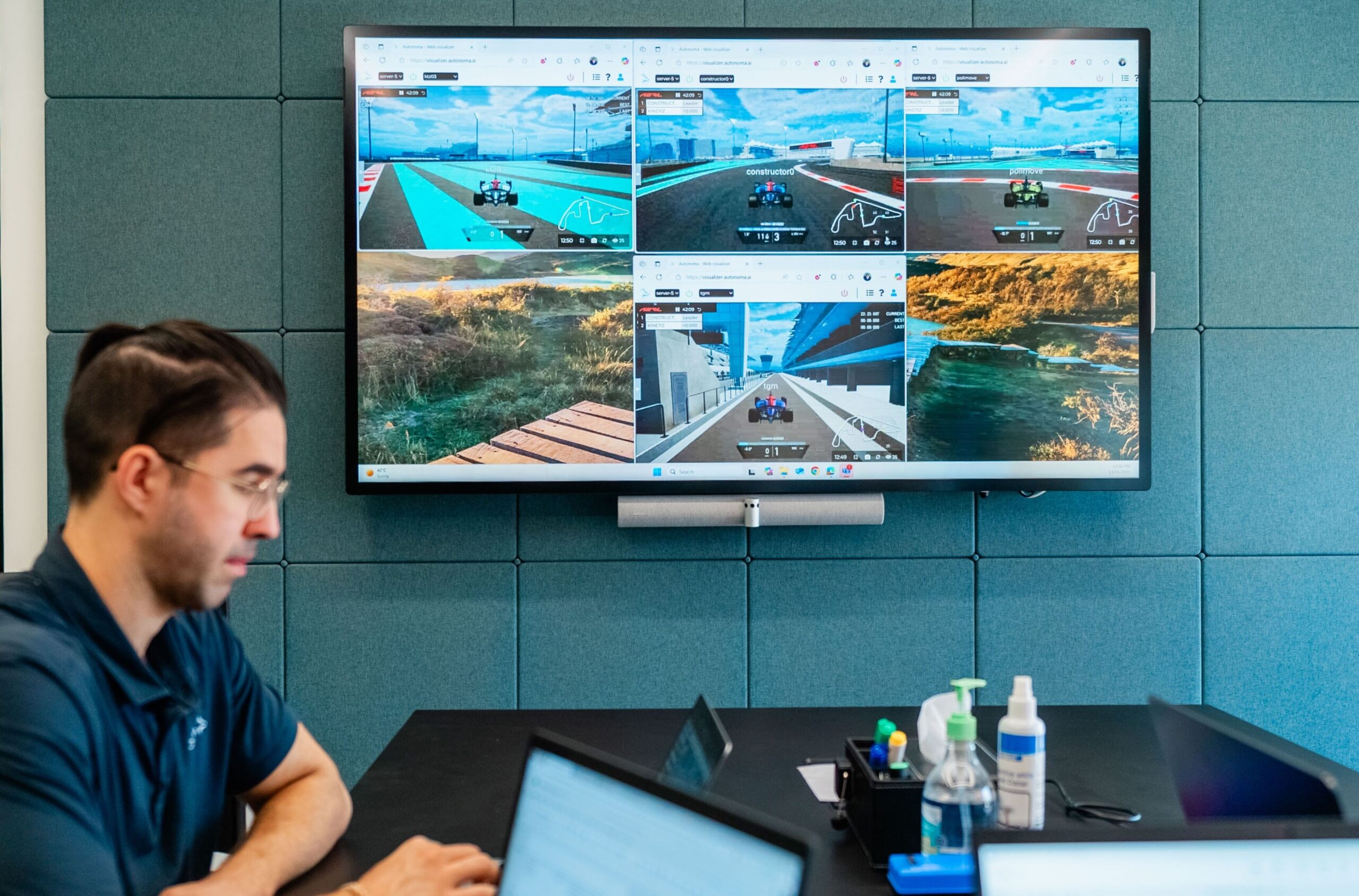
But before you picture rogue cars skidding through the metaverse, let’s talk innovation. A2RL’s newest feature, the SIM-Sprint, is a series of virtual races designed to turbocharge AI development by letting teams crash (digitally), burn (safely), and learn (quickly) in a simulation before risking any real fenders. The SIM-Sprint ecosystem will soon open its virtual garages to fans, indie developers, and rookie teams everywhere via a structured three-step pipeline: Sim Academy → Sim Pro → Real Track A2RL. So, your neighbor’s genius kid with a gaming PC? Give them a few years, and they might be running the show.
A League Built for the Future (And for Serious STEM Street Cred)
Beyond the spectacle, A2RL is a strategic play to put Abu Dhabi on the global R&D map for autonomous vehicle technology—while inspiring the next gen of STEM talent and creating a new playground for the world’s most competitive algorithms. From drones and buggies to high-speed racecars, it’s not just about going fast; it’s about evolving smarter systems that could one day drive your taxi or—let’s be honest—dominate your robo-soccer team.
In Summary (because every race needs a finish line):
A2RL is where AI, engineering, and adrenaline-fueled ambition collide under the Emirati sun, proving that the future of racing doesn’t just drive itself—it reprograms the rules with every lap. Gentlemen, start your servers.