Autumn 1955, a windswept corner of Hamamatsu, Japan. Dr. Pedals-a-lot, formerly famous for his house calls by bicycle, receives a shiny, humming contraption from none other than Michio Suzuki himself. This, is no ordinary delivery—it’s the birth of Suzuki’s first car, the Suzulight, and the starting horn of a small car legacy that refuses to stay in neutral.
Let’s rewind. Suzuki, who found his industrial dopamine hit in textile looms since 1920, saw the writing on the factory wall when the global cotton industry unraveled in the early 1950s. Never one to stall at a red light, Michio powered into motorcycles in 1953, quickly revving up to car production by 1955—spurred on by the true spirit of ‘Yaramaika’ (“Let’s do it!”), a philosophy as woven into Suzuki’s DNA as textile threads once were.
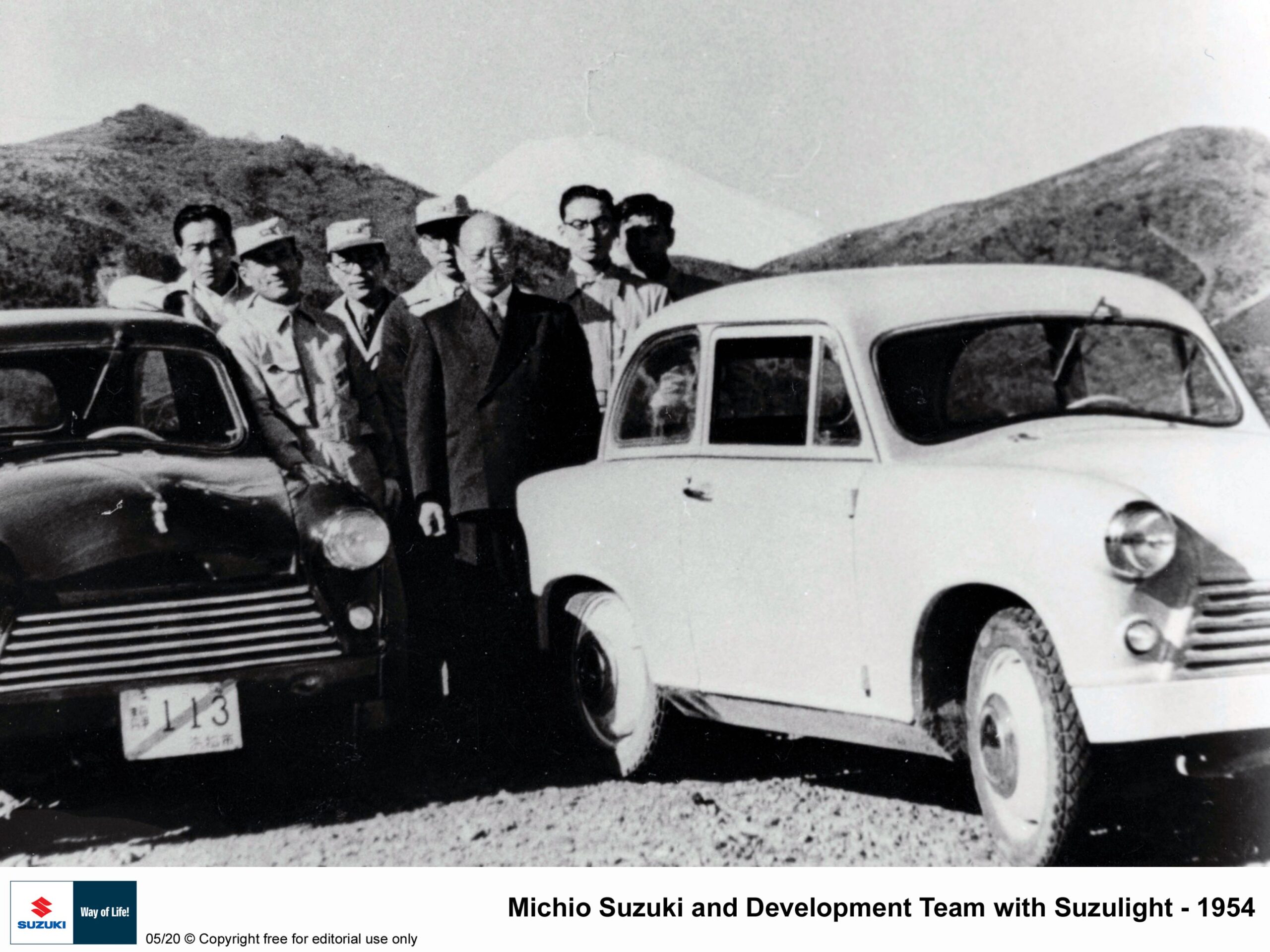
But this innovation was no overnight pit stop. The Suzulight’s blueprints began all the way back in 1937, only to be garaged by global conflict. It wasn’t until World War II’s dust had (almost) settled, and Suzuki Motor Co Limited was formed in 1954, that the project screeched back to life. And screech it did—powered by a pint-sized 360cc, 15PS two-cylinder, two-stroke engine, the first of its kind ever shoehorned into a car. To this, Suzuki added a heady cocktail of firsts: it was the first Japanese car to feature a front-wheel drive and front engine layout, independent coil spring suspension, and rack and pinion steering—a chassis fit for small-car aristocracy .
Suzulight wasn’t just small; it was strategic, slipping easily into Japan’s stringent ‘Keijidosha’ (Kei light car) regulations. For its prototype’s baptism of fire, the development team tackled a 300km trek across the unpaved Hakone mountains to Tokyo, a journey as bumpy as the path of any big idea. The adventure paid off: Japan’s leading automobile authority, Yanase Auto’s president, was so impressed after an impromptu test drive he practically handed Suzuki a blank check for production.
Production revved from a humble 3-4 Suzulights per month in late 1955 to a brisk 30 units a month by early 1956. The rest, as they say, is Suzuki history—today, the company is a global titan and the veritable Einstein of small cars, turning out over three million units a year, with an eye on four million by 2030.
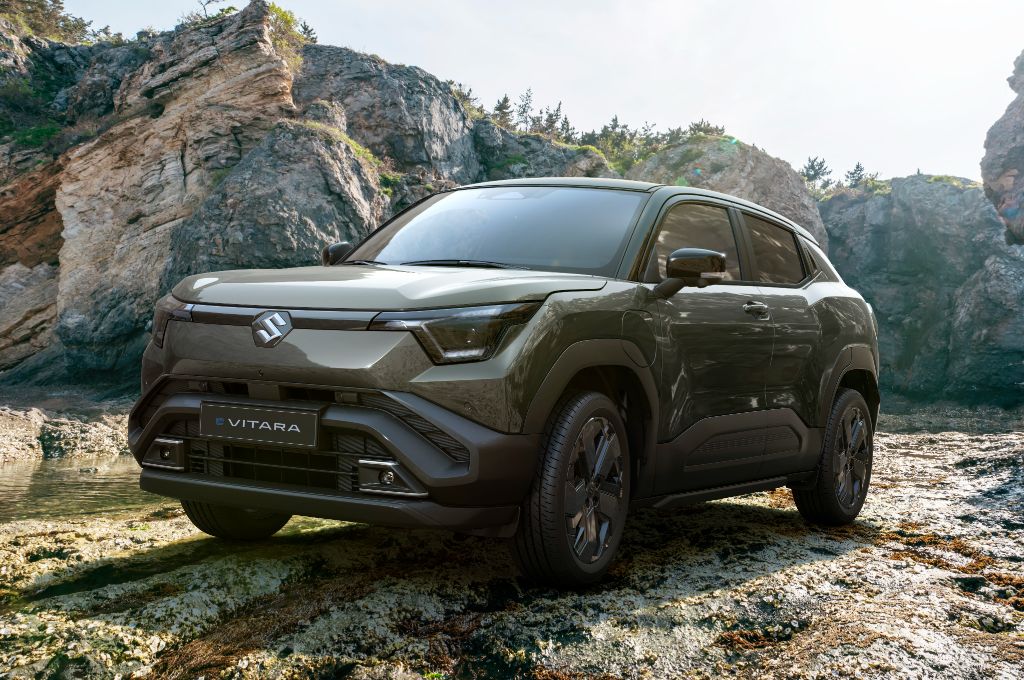
Yet, Suzuki’s true secret weapon isn’t just in the specs—it’s in an unwavering commitment to lightweight innovation. The Heartect platform, a spiritual descendant of that first Suzulight chassis, now underpins modern icons like the Swift, Vitara, S-Cross, and, fittingly, the all-electric e Vitara. From hand-delivering compact marvels to rural doctors, to plugging in for the electric age, Suzuki’s journey is proof that good things—not just come in small packages—but in ones that keep evolving without ever losing heart (or Heartect).
So, as the e Vitara preps to roll off the line this Autumn, remember: every car has a backstory, but Suzuki’s might just be the quirkiest, most spirited drive in automotive history. Here’s to the next 70 years of lightweight legends.