In Detroit’s latest mechanical soap opera, General Motors has issued a recall that has owners of nearly 600,000 premium American gas-guzzlers clutching their pearls and their wallets simultaneously. The automotive giant is recalling a staggering 721,000 vehicles worldwide—597,630 in the United States alone—because apparently, their mighty 6.2L V8 engines might decide to catastrophically self-destruct while you’re cruising down the highway or picking up your oat milk latte.
The Cast of Vehicular Victims
The automotive equivalent of “The Expendables” includes an all-star lineup of GM’s most profitable status symbols:
- Cadillac Escalade and Escalade ESV (2021-2024)
- Chevrolet Silverado 1500 (2021-2024)
- Chevrolet Suburban (2021-2024)
- Chevrolet Tahoe (2021-2024)
- GMC Sierra 1500 (2021-2024)
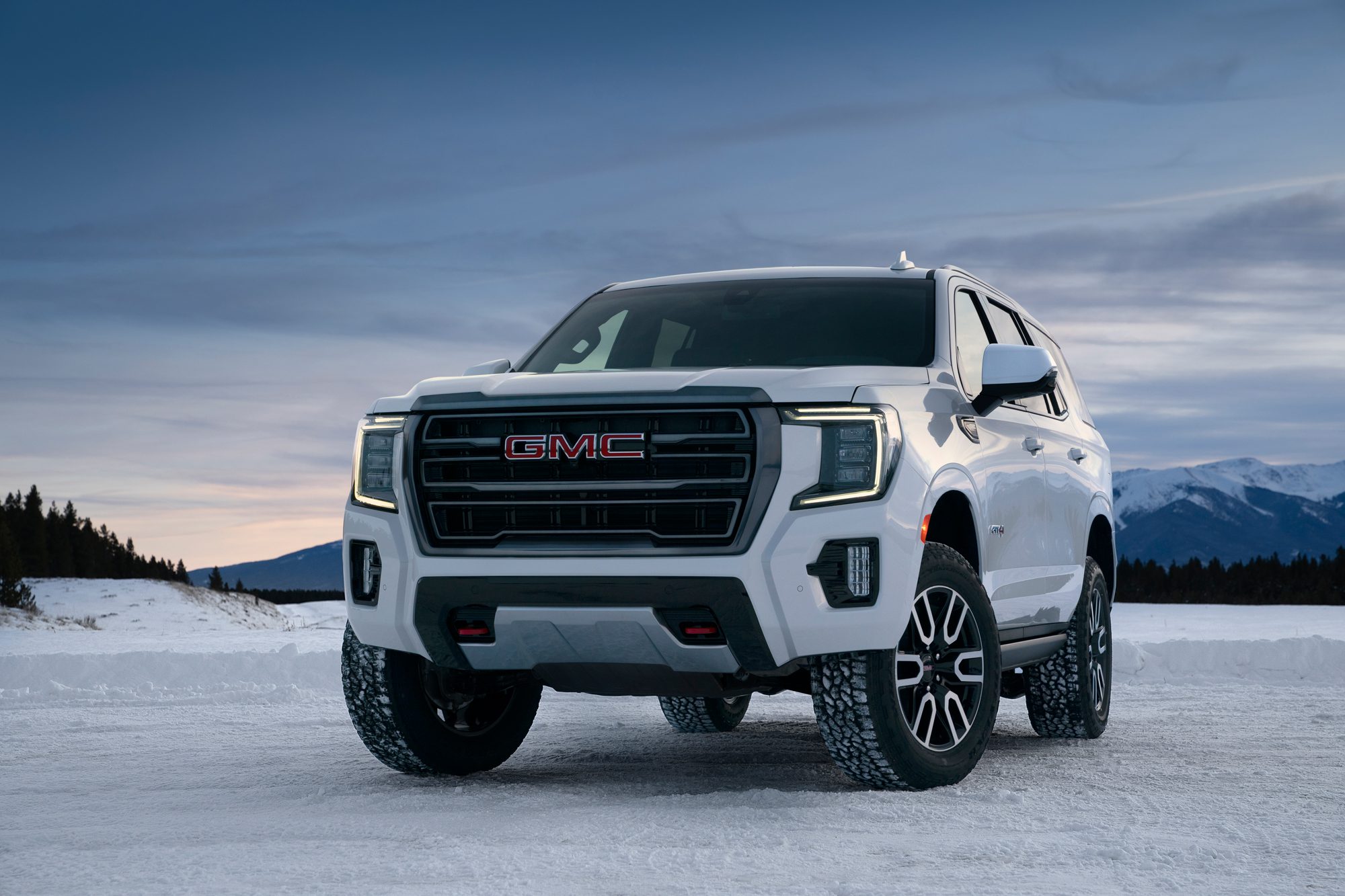
- GMC Yukon and Yukon XL (2021-2024)
All these vehicles share the common thread of housing the 6.2L V8 gas engine, which apparently was assembled with the precision of a blindfolded toddler stacking Legos.
“Knock, Knock” – It’s Not a Joke, It’s Your Engine Failing
According to GM’s reluctant admission to the National Highway Traffic Safety Administration (NHTSA), the issue involves defective connecting rods and crankshaft components that may lead to engine damage or total failure. If you’ve ever wondered what a $70,000+ vehicle sounds like when its internal components are engaged in mortal combat, owners might be treated to “a knocking or banging sound from the engine” before everything goes catastrophically silent.
Other warning signs include the check engine light joining the party, or your premium vehicle suddenly developing “performance issues” like “abnormal shifting, hesitation, or reduced propulsion.” Translation: Your massive tank-like SUV might transform into an immobile, very expensive lawn ornament with little to no warning.
The Numbers Game: Not In Your Favour
GM’s statistical confession reveals a horror story buried in bureaucratic language. The company has identified a jaw-dropping 28,102 field complaints or incidents potentially related to this engine failure in the United States. Of those, 14,332 involve allegations of loss of propulsion—automotive speak for “your vehicle suddenly becomes a useless ton of metal while you’re driving it.”
Even more concerning, GM acknowledged 12 crashes and 12 injuries in the United States that may be related to the recall issue. One might wonder if those numbers would be higher had GM acted on the problem earlier, considering they “previously closed three prior investigations into the issue since 2022.”
The Fix Is In (Eventually)
If you own one of these automotive time bombs, GM is graciously offering to inspect your engine and, if needed, repair or replace it free of charge. The vehicles that manage to pass inspection will receive a consolation prize of sorts: a new oil fill cap, “higher viscosity oil” (thicker goo to keep the failing parts from grinding each other to dust), an oil filter replacement, and an update to the owner’s manual—presumably to include a new section titled “What To Do When Your Engine Explodes.”
Owner notification letters are expected to be mailed on June 9, 2025, giving owners over a full year to anxiously listen for any concerning noises coming from under their hood. In the meantime, they can contact Cadillac, Chevrolet, or GMC customer service directly if they’re feeling particularly worried about their six-figure investment spontaneously grenading itself.
The Bigger Picture: Detroit’s Déjà Vu
This recall is just the latest chapter in the ongoing saga of American automotive quality control issues. The NHTSA had actually opened an investigation into 877,710 GM vehicles in January over reports of the same engine failures, suggesting this problem has been brewing longer than GM might care to admit.
It’s worth noting that this crisis comes at a particularly awkward time for GM, which recently reported “lower first-quarter profit after production hurdles hit full-size pickups, SUVs.” Coincidentally (or not), these are precisely the same vehicles now being recalled en masse.
The American Dream, Now With Complimentary Tow Service
If there’s a silver lining to this metal-on-metal nightmare, it’s that owners of these premium vehicles are getting a crash course in automotive anxiety absolutely free of charge. While waiting for their June 2025 notification letters, they’ll experience the authentic American driving experience: wondering if every little noise, vibration, or hesitation is the precursor to a catastrophic engine failure.
In the meantime, GM executives are presumably hoping that the stock market doesn’t notice the nearly three-quarters of a million vehicles that might need new engines—surely just a small hiccup in the grand scheme of automotive manufacturing.
For concerned owners, the company helpfully reminds you that you can check your vehicle’s status in the NHTSA recall database. Or you could just wait for the unmistakable sound of connecting rods attempting to escape your engine block—either approach will let you know if you’re affected.