Jeremy Clarkson Trades Horsepower for Humble Harvest: A Look Ahead at Clarkson’s Farm Season 4
It’s finally time to stow away our tyre smoke and testosterone-drenched car reviews, because Jeremy Clarkson (Jezza), the ex-Top Gear host and legendary motoring provocateur, is preparing to once again plow metaphorically and literally headlong into the muddy fields of UK agriculture. His hit Prime Video documentary series Clarkson’s Farm has taken fans on an ironically unpolished journey of farmerly incompetence since its 2021 debut, and fans now ready their wellies for season four, slated to drop in May this year, though the exact date remains as elusive as a sunny Bank Holiday in Britain.
Clarkson’s transformation from automotive aficionado to accidental agrarian has been nothing short of comedic genius. Starting in 2008 with his purchase of the then-innocently named Diddly Squat Farm, Clarkson’s transition to farming life (broadcast for all to see) has offered an unvarnished (and often unhinged) window into the trials and tribulations that plague real farmers. From navigating yield-destroying weather and government red tape to fending off ridiculously belligerent sheep, the show doesn’t just showcase farming—it lays it bare in a way that only Clarkson could deliver: full of ego, self-deprecation, and a splash of profanity for good measure .
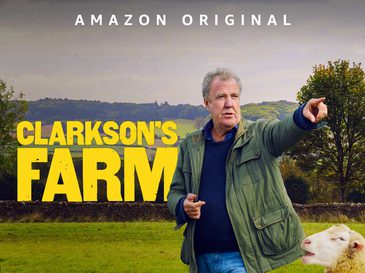
If past seasons are any indication, season four promises more chaos dressed up as charm. The third season, aired in May 2024, was arguably the series’ most emotionally charged to date, going from the laughter of mushroom-growing disasters to the heartbreak of losing a beloved pig, which reportedly left viewers both crying and contemplating veganism . However, the upcoming season threatens to outdo that rollercoaster ride, armed with new plot twists that blend pub politics, pint glass pilfering, and what Clarkson himself dubs “tricky renovations” in his continued quest to expand Diddly Squat’s footprint. A foray into his health scare, which reportedly resulted in a stent being fitted, adds an existential layer to this otherwise haphazard narrative. It’s very on-brand Clarkson to sprinkle a dash of mortality over fertilizer-themed antics.
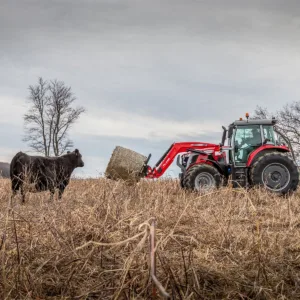
Recently, Clarkson scattered breadcrumbs of season 4 teasers to his social media followers on X (or, as boomers and loyalists still call it, Twitter). When directly asked if he’d be adding tractors to his repertoire of vehicle reviews—a suggestion he took with both sarcasm and intrigue, Clarkson enigmatically replied, “See season 4” . Does this mean we’ll see him test-driving a farmer’s Lamborghini? More details on that will presumably be aired once the series does, but one thing is certain: Clarkson doesn’t need much prompting to fuse his two opposing passions—motoring and muck-spreading—together for our entertainment.
Of course, Jeremy Clarkson’s side forays into running a rural pub add a layer of wonderful absurdity to the show. The man who once called Greta Thunberg “mad and dangerous” is now ranting about stolen pint glasses and debating the merits of chestnut-wood panelling in his Cotswold drinking hole. (One can only hope the place comes with a tractor jammed into the parking lot for authenticity.) Fans are already speculating whether these pub-based antics will end in success, or if it’ll devolve into an over-the-top soap opera with Clarkson yelling at disgruntled locals in the beer garden .
Another dimension of season four dips into his farming health woes, because if Clarkson can give us insights on pickling onions, there’s no reason he can’t also pontificate on keeping one’s arteries unblocked. If anything, it makes you wonder whether lambing season will now come with heart monitor subplots .
But why has Clarkson’s Farm resonated so deeply with audiences? Part of the answer lies in the fact that it isn’t just a laugh-a-minute sketch parodying bumbling farmer antics (though it does this with aplomb). It’s an honest look into the challenges of British agriculture in the 21st century. While Clarkson himself is often the butt of the joke, the broader depiction highlights the very real struggles UK farmers face: volatile crop yields, shifting regulations, and the incessant pressure of making ends meet in an industry that increasingly relies on subsidies and diversification .
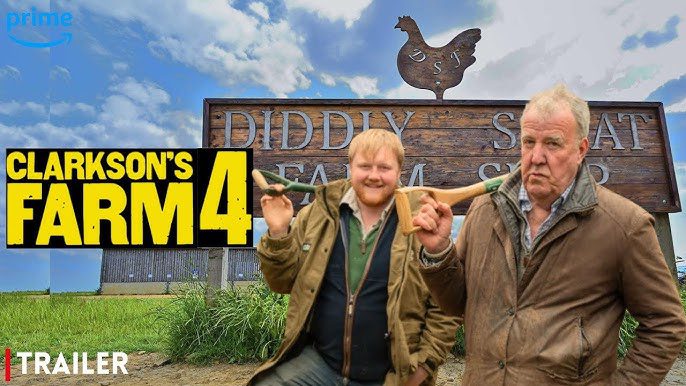
Clarkson has undoubtedly benefited from his fame and financial cushion, though the show never fails to hammer home that farming, for all its pastoral beauty, is about as relaxing as running a high-stakes hedge fund during a recession. Maybe it’s this juxtaposition that keeps audiences hooked—seeing a man privileged by years of fame and fortune stumble and flounder in such a relatable profession. And therein lies the core success of the program: Clarkson unwittingly becomes a surrogate for every out-of-their-depth dreamer who’s ever dared to turn a hobby into a full-blown livelihood, usually with disastrous (and hilarious) results .
Fans of Clarkson’s Farm might also be wondering how much longer the show can keep this formula fresh. If season four delivers the mix of irreverent humor and poignant lessons that previous seasons have, it’ll secure its place in the pantheon of oddly mesmerizing celebrity-driven documentaries. Then again, Clarkson’s penchant for reinvention (and, let’s face it, a few PR disasters) means there’s little chance the series will stagnate. Whether Diddly Squat becomes a fully-fledged agritourism empire or collapses under the weight of too many novelty sausages on sale, the journey alone is guaranteed to be an absolute hoot .
As we count down to May (not the James kind), one thing’s clear: Clarkson’s Farm isn’t just about farming—it’s a microcosmic exploration of human endeavor, ambition, and failure. Doused, of course, in an ironic layer of Jeremy Clarkson’s larger-than-life ego and his very public, very profitable tendency to turn every misstep into great television. If agricultural enlightenment happens along the way, it’s merely a bonus.