Thursday, 23 July 2026, and we’re back with another instalment of Cardle of the Day — the series where we work through each morning’s puzzle at cardle.uk and then spend a little time with whatever car the game has decided to throw at us.
If you haven’t played Cardle before, the premise is beautifully simple: one car, five progressively less-cropped photographs, and the challenge of naming it before the image gives too much away. You can guess at any point or skip a clue and wait for a clearer look. Most days that’s a reasonable trade-off. Today, it turned out to be necessary.
How Today’s Puzzle Played Out

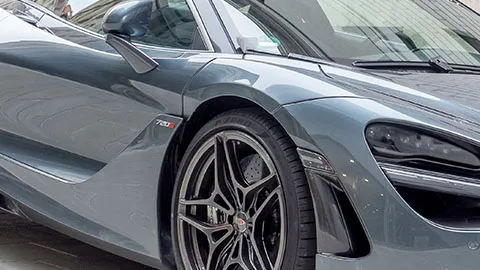
Today was another one of those infuriating puzzles, where you know from the first crop what the car is, and yet the game makes you second guess yourself by telling you’re wrong. And, when it comes to McLarens, I most often am, which adds insult to injury.
But this time I really knew it, so I basically skipped all guesses once the game threw me off. Enough of the car’s silhouette came into view to make the answer unmistakable: those dihedral doors, that sculpted rear haunch.. It was, indeed, the 720S.

Yep, another McLaren!
The McLaren 720S arrived in 2017 as the replacement for the 650S, and it raised the bar considerably. Its twin turbo 4.0-litre V8 produces 720 PS, hence the name, and McLaren quoted a 0–100 km/h time of 2.9 seconds. Those numbers were striking at launch and remain serious today.
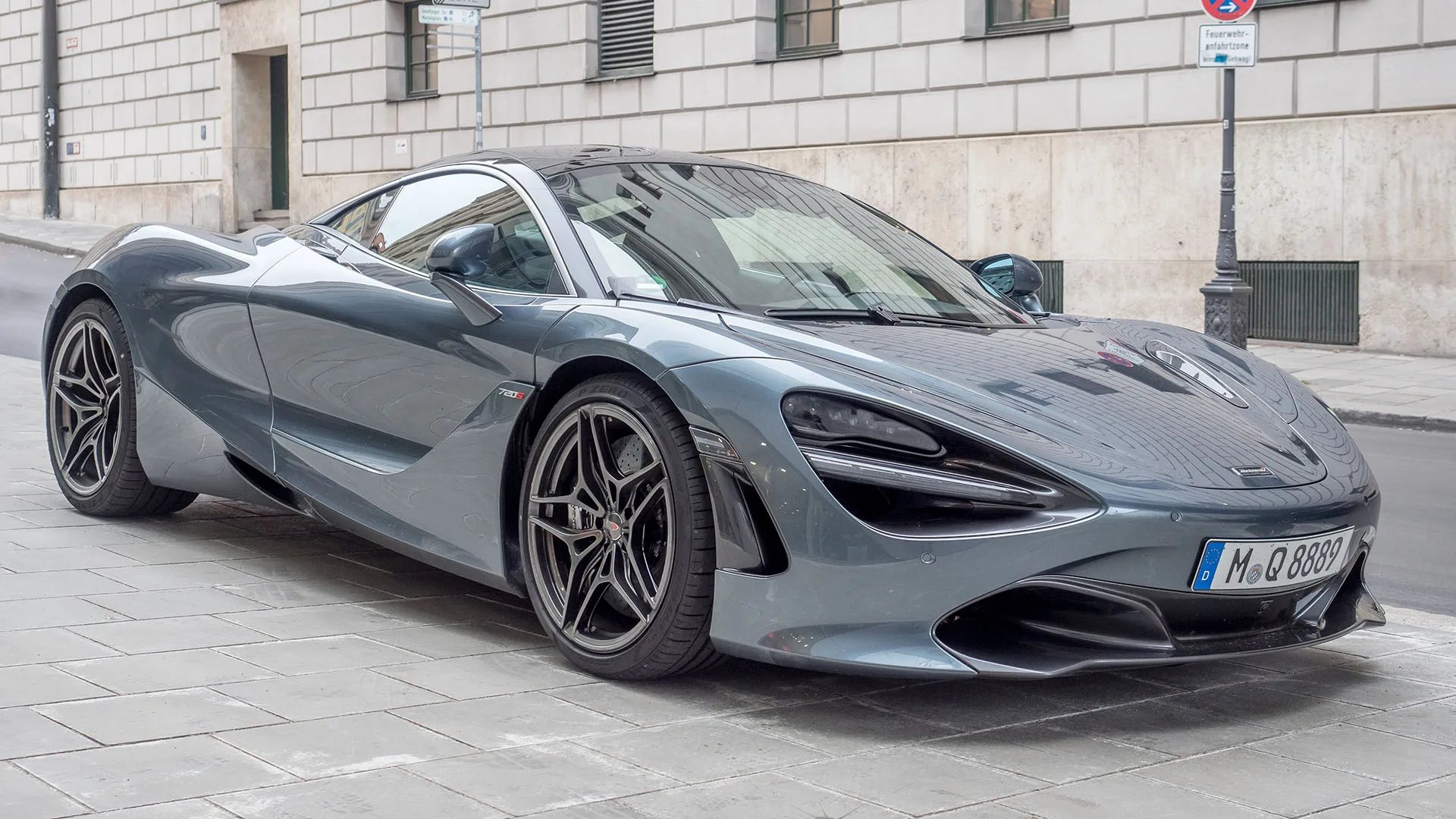
What made the 720S interesting beyond these headline numbers was its structure. The car is built around McLaren’s carbon fibre MonoCell II tub, which keeps the kerb weight to around 1,283 kg in lightest trim. That combination of power and relative lightness is what gives the 720S its particular character, where it manages to feel svelte but also friendly.
The 720S was the first McLaren to feature this II tub, an evolution of the architecture introduced with the MP4-12C. Its active suspension system uses interconnected hydraulics rather than conventional anti-roll bars, contributing to both ride quality and handling precision. It was then succeeded by the 750S in 2023, which pushed output to 750 PS while retaining much of the same fundamental architecture.
It’s not just the numbers
The 720S also did something that not every supercar manages: it earned genuine respect from people who drive cars for a living. Its interior, once criticised as sparse in earlier McLarens, felt more refined, still minimal, but purposefully so.
Visually, it remains one of the more striking shapes to come out of Woking. The way the front intakes flow into the bodywork, and the manner in which the rear diffuser and quad exhausts are integrated rather than bolted on, gives it a coherence that rewards a longer look, despite the brand signature look sometimes seeming a bit samey-samey (there, I said it).
Yeah, another one of those puzzles that Cardle insists on getting wrong, but at least the car, they got right. Cardle, please fix this, and see you tomorrow!