Welcome back to another installment of Cardle of the Day, the series where we play the daily puzzle over at Cardle and then spend a few words celebrating whichever car the algorithm decided to throw at us. Today’s answer was one of those that validated my knowledge, giving me the pleasure of having a one-hint guess!
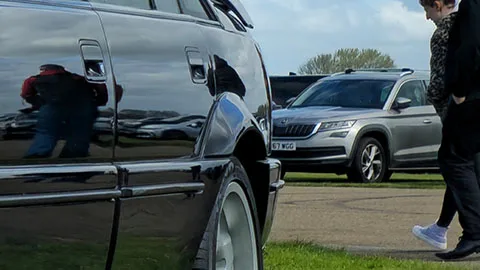
If you haven’t played Cardle before, the premise is simple. Each day a single car is hidden behind a heavily cropped photograph. Five clues are available, each one pulling back a little further to reveal more of the car. You can guess at any point or skip a clue if it isn’t giving you enough to work with. Get it in one, like I did today, and you’re a legend; need all five and you’re in good company.
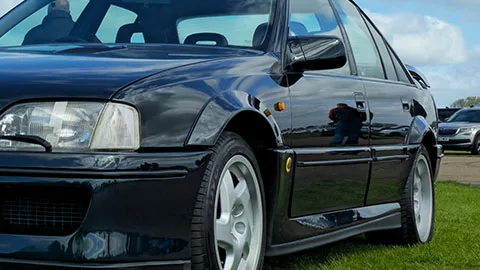
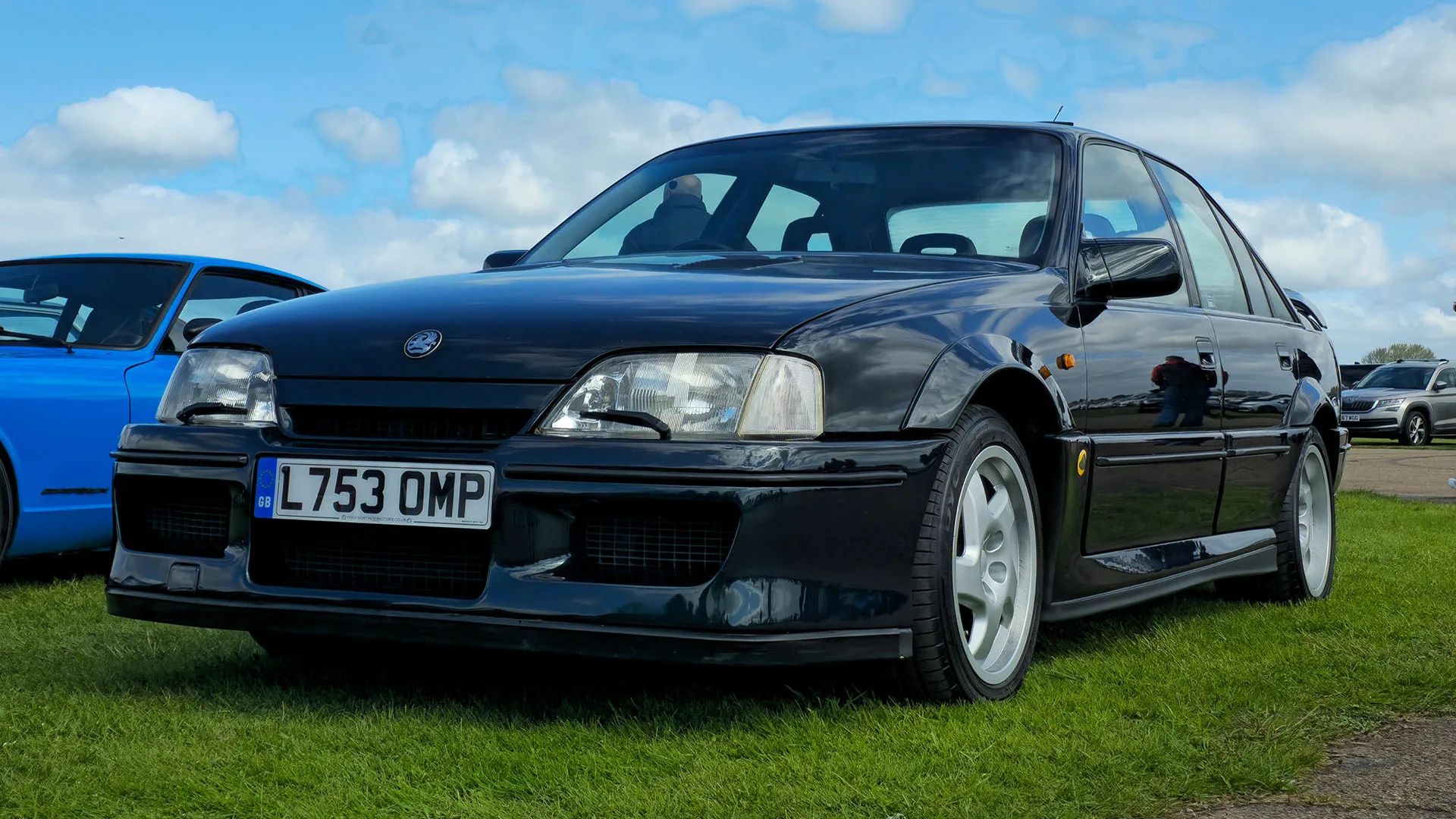
The early crops showed abstract shapes, a sliver of bodywork, a hint of glasshouse, the details that could belong to half a dozen large European saloons from the early 1990s. Back home, this shape of car was sold as the Chevrolet Omega, but back there we used to have “cut” rear wheel arches. Seeing the blistered rear haunches was everything I needed: the proportions, the subtle body modifications, and the overall stance finally locked it in: Vauxhall Lotus Carlton. Submitted, accepted.
Worth noting that the puzzle also accepts Lotus Carlton and Vauxhall Carlton as valid answers, which reflects the car’s slightly split identity. The Vauxhall Lotus Carlton arrived in 1990 and immediately caused a minor moral panic in the British press. Here was a four-door family saloon, the sort of thing a regional sales manager might drive, capable of reaching 176 mph, making it the fastest production saloon in the world at the time of its launch. Tabloids were not pleased. Enthusiasts absolutely were.
The engineering behind it was genuinely serious. Lotus took a standard Carlton bodyshell and fitted a twin-turbocharged 3.6-litre straight-six engine producing 377 bhp, paired with a six-speed ZF gearbox. The suspension, brakes, and aerodynamics were all reworked to match. In Europe the same car was sold as the Opel Lotus Omega, sharing identical mechanicals under a different badge.
Production ran from 1990 to 1992, with just 950 right-hand-drive examples built for the UK market. The 0–60 mph time was quoted at around 5.1 seconds, remarkable for a large saloon of that era. The Lotus Carlton occupies a peculiar and rather wonderful corner of British automotive history. It came from an era when manufacturers occasionally did something genuinely eccentric, not for a marketing campaign, but because the engineering argument was there and someone said yes (whoever they are, you have our thanks). A mainstream Vauxhall dealer network selling a near-200 mph saloon alongside Astras and Cavaliers remains one of the more surreal retail propositions the industry has ever produced.

Values have climbed steadily over the past decade as the cars have aged into proper classic status, and the enthusiast community around them remains devoted. It’s this kind of nerdery that got me a one-hint guess, especially for a car that carries such a nice story with it. See you tomorrow!