From the land of lederhosen and luxury vehicles comes a bizarre yet fascinating story. In what can only be described as a sci-fi thriller plot ready for Netflix adaptation, the BMW Group is dabbling in the future—humanoid robots in production. Yes, you heard that right. Forget autonomous cars for a minute; BMW is tossing metal humans into the mix, courtesy of Figure AI, a Silicon Valley company seemingly bent on turning “Artificial Intelligence with a body” into a full-blown factory revolution.
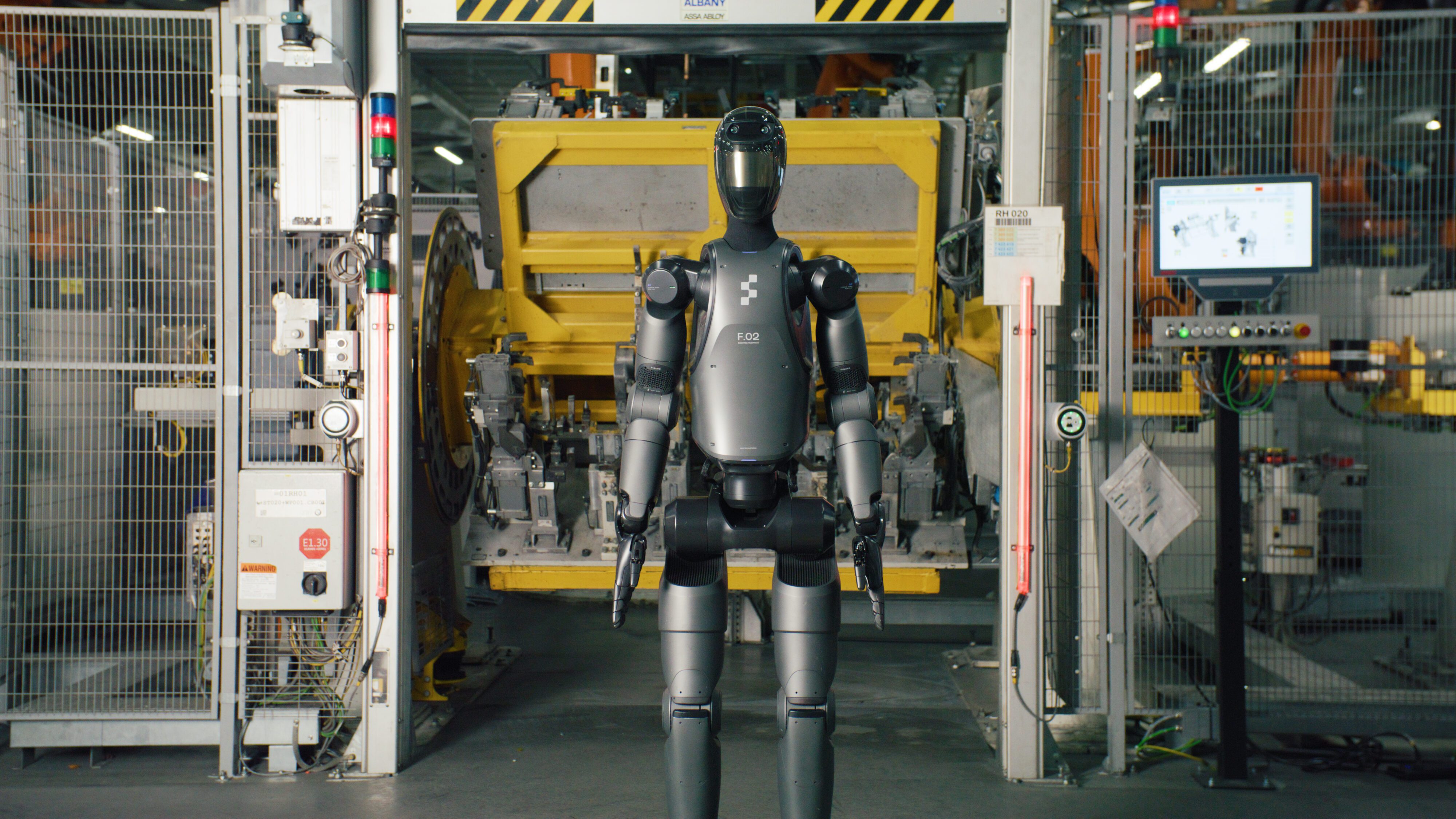
The Spartanburg plant in South Carolina recently played host to Figure’s second-generation humanoid robot, ingeniously (yet uncreatively) named Figure 02. This mechanical prodigy can insert sheet metal into assembly fixtures with more precision than a Swiss watchmaker. The irony of a machine outperforming humans on tasks humans invented (and no doubt cursed at) is apparently lost on no one except BMW’s production board member Milan Nedeljković, who claimed, “We want to accompany this technology from development to industrialisation” while probably doodling robot sketches on a napkin.
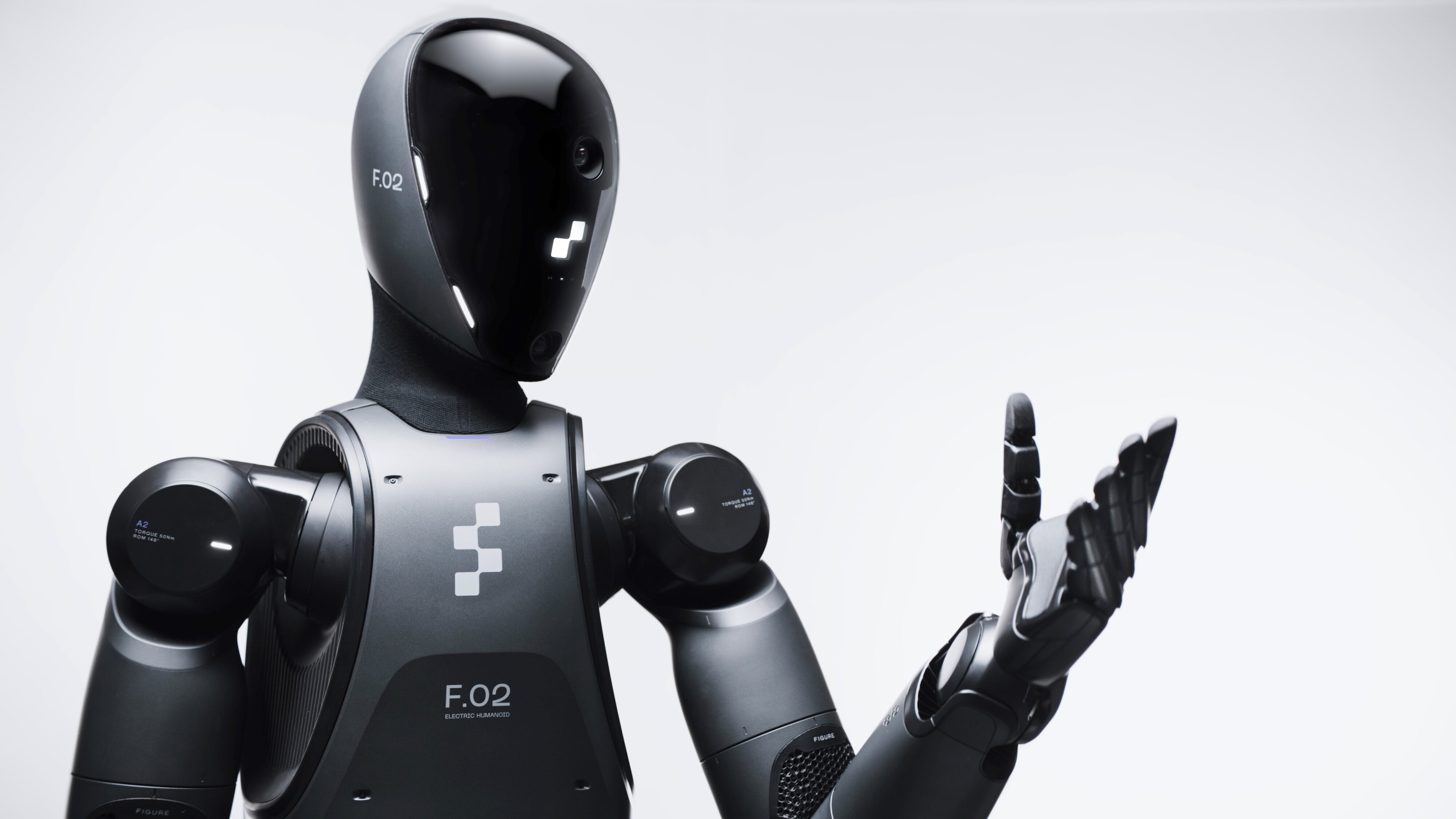
Despite its decidedly alien vibe, Figure 02 promises some very human benefits: taking over physically awkward and exhausting tasks currently ruining workers’ postures worldwide. Its abilities aren’t just fancy mechanics, though—it has human-like hands with 16 dexterous degrees of freedom, capable of grasping and manipulating objects with millimeter accuracy. Oh, and it’s powered by a high-performance battery, making it a superhero amongst humanoids, complete with better cameras, voice-command recognition, and more raw processing power than a small country’s IT department.
But we’re not stopping there! Figure AI’s founder Brett Adcock is dreaming big: “We believe humanoids will revolutionise industries from manufacturing to helping in the home, and even building new worlds on other planets.” BMW appears ecstatic to ride that bandwagon, having already spent a year testing Figure bots to cope with the global labor crisis. Here’s hoping these robots aren’t programmed to unionise.
For the skeptics keeping score at home, though, it’s not all flawless execution yet. BMW emphasizes that Figure is still in testing phases. While its trial fleet in Spartanburg impressed with speeds 400% faster than previous robotics and seven times more efficiency, no permanent integration plan has been confirmed. Translation: BMW might just ghost Figure 02 when it starts asking for health benefits or overtime pay.
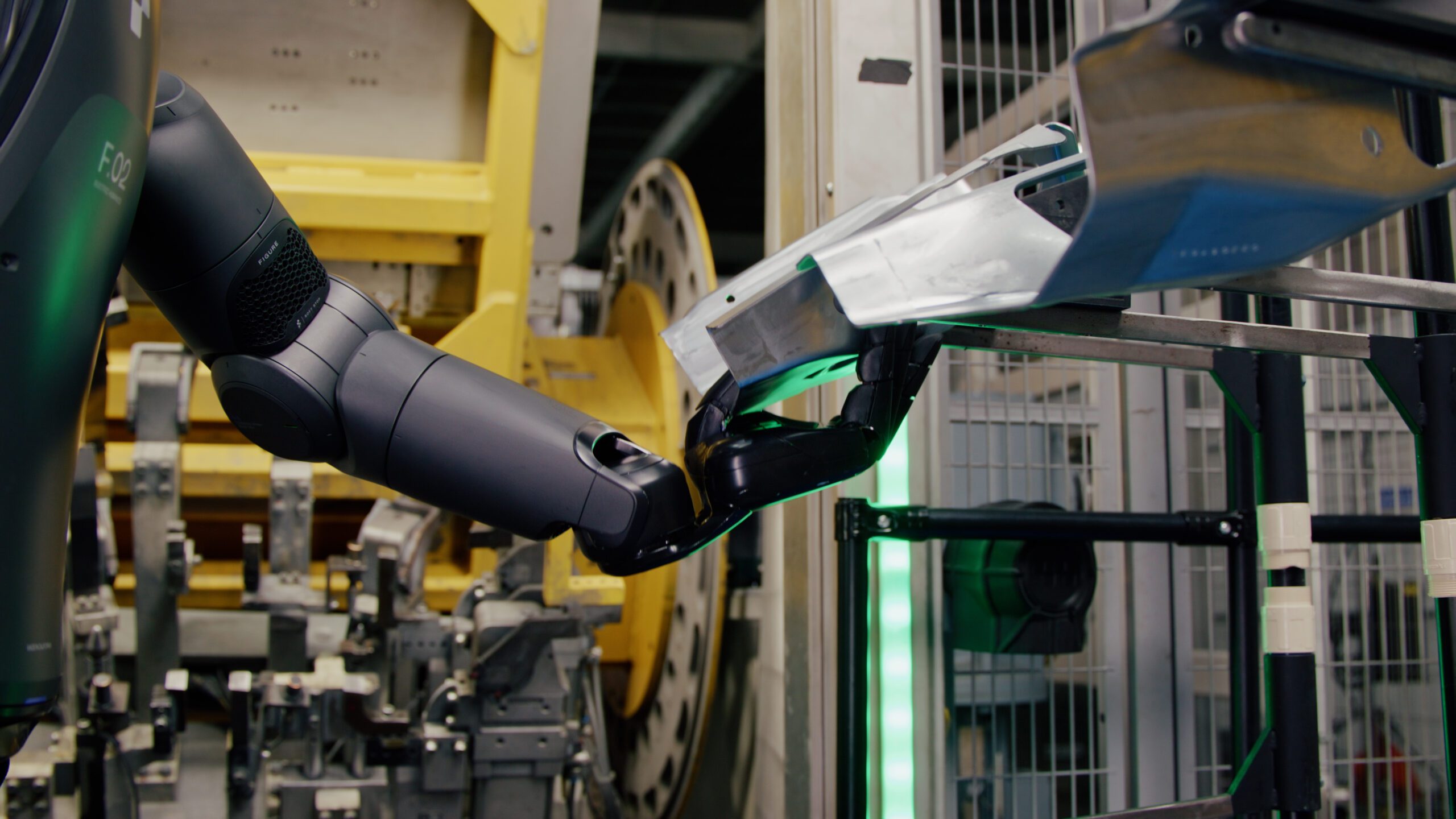
Figure AI, however, is playing offense with its ambition. Aiming to ship (an army of) 100,000 humanoid robots in the next four years, it already snagged a second commercial customer, a mysterious “major US company” (cue ominous music). The company has lofty dreams but insists on one rule: no military use. Forget killer robots, they say; we’re here for sorting boxes, wielding welding tools, and, apparently, making coffee while spilling less than your intern.
So, how are we really supposed to feel about this ball-bearing invasion into BMW’s factories? On one hand, robots like Figure 02 could significantly improve workplace safety and efficiency, liberating humans from dull and dangerous jobs. On the other hand, if robots keep “learning” and evolving capabilities, will humans find themselves shuffled out of the factory, staring wistfully from the parking lot while robots clock in and out at breakneck speed?
The road ahead remains unclear, but one thing is certain: Figure AI and BMW are steering into uncharted territory, revving up a future where metal humanoids walk side-by-side with humans and maybe, just maybe, laugh at our lame watercooler jokes. Until then, the Spartanburg plant is the testing ground for what could be the most disruptive industrial revolution yet. We don’t know whether to be excited or simply scared!