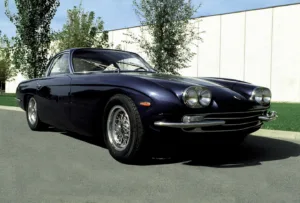
Lamborghini is marking six decades of the 400 GT, the 1966 grand tourer that added rear seats, a larger V12 and an in-house gearbox to the 350 GT.
Today, Lamborghini means scissor doors, wedge shapes and a lot of noise. Sixty years ago, the company had more civilised plans. The 400 GT made its debut at the 1966 Geneva Motor Show, and Lamborghini is now marking its 60th anniversary.
The 400 GT was based on the 350 GT and became the brand’s first true 2+2. According to Lamborghini, it helped build the company’s reputation in international markets as a maker of serious grand tourers.
More Room, Same Elegance
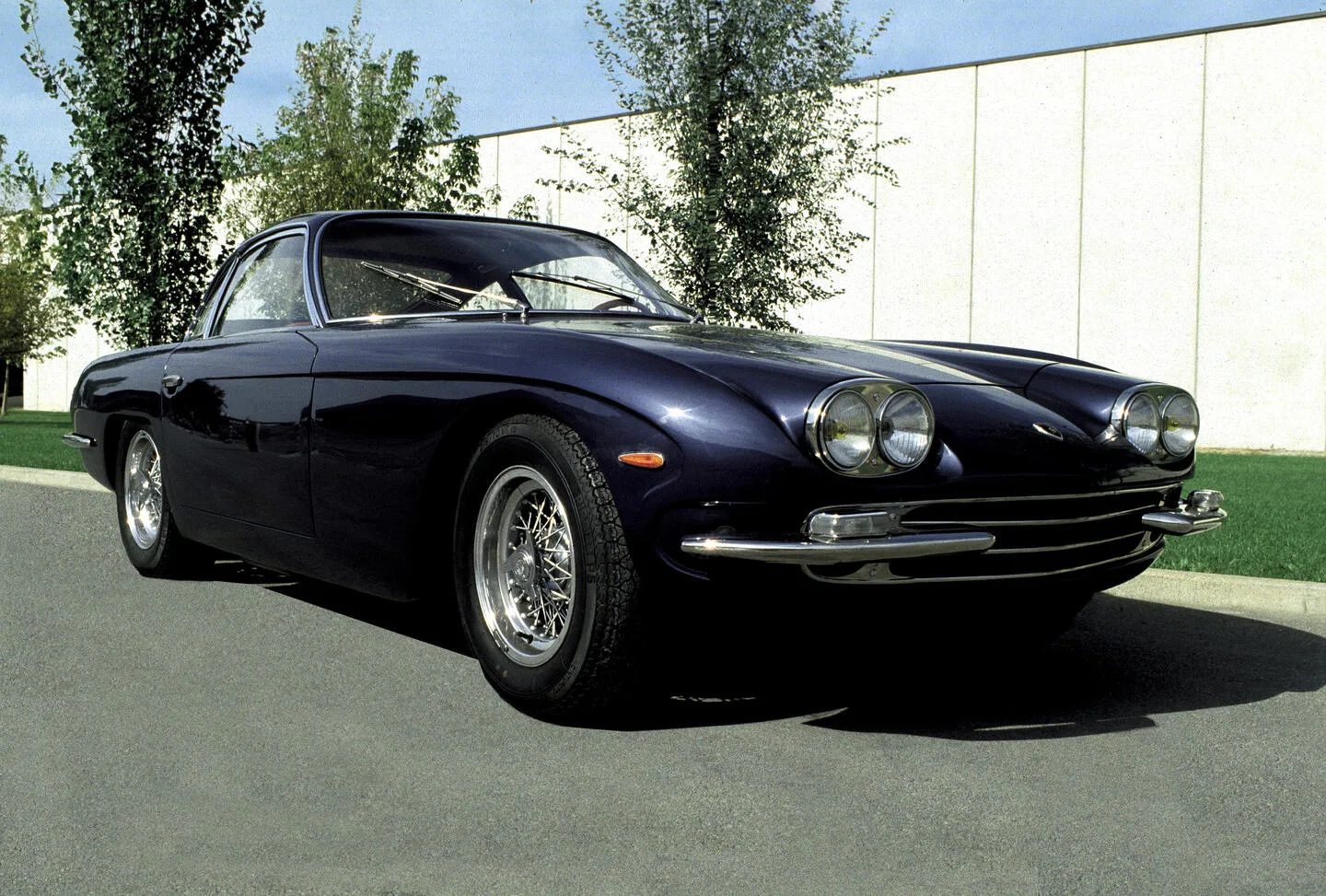
The 400 GT arrived in March 1966 and kept the graceful look of its predecessor. Under that familiar shape, however, a revised body made room for two rear passengers. It also gave more headroom and a bigger luggage compartment.
That made it better suited to long journeys, which is the whole point of a grand tourer. Chairman and CEO Stephan Winkelmann calls the car a fundamental chapter in Lamborghini’s history. He also credits it with shaping a customer-focused approach that he says the brand still follows.
A Bigger V12 and an In-House Gearbox
The bigger changes were mechanical. The V12 grew to 3,929cc, just under four litres, and made 320CV. Peak torque was 374Nm at 4,500rpm.
The 60-degree engine had twin overhead camshafts on each bank and two valves per cylinder. Six Weber 40 DCOE twin-throat carburettors fed it fuel. Six of them. Keeping that lot in sync takes real dedication.
Drive went through a new five-speed manual gearbox that Lamborghini built itself. A revised rear suspension came with it, and together they improved how the car drove. The V12 layout went on to define the brand for decades.
Film Sets, Jet Set and a London Rooftop
The 400 GT found buyers in entertainment, culture and jet-set circles, and it appeared in films of the period. Its most famous appearance, however, was on a London street.
On 30 January 1969, a Rosso Alfa car with a black interior was parked on Savile Row. Up on the roof of the Apple Corps headquarters, the Beatles were playing their last public live performance. Not a bad spot to park.
Keeping the Survivors Authentic
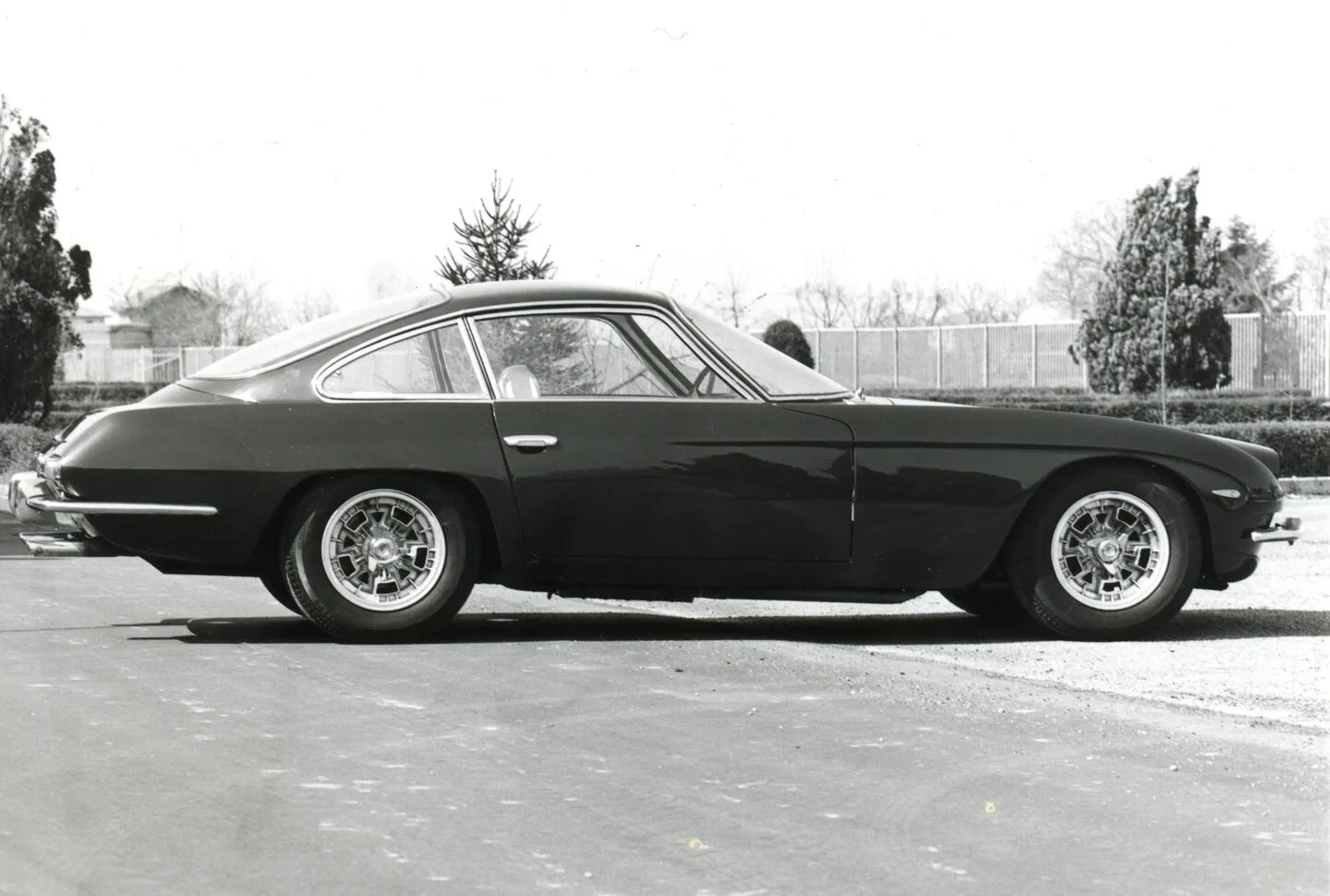
Many 400 GTs survive in collections around the world and still appear at concours and heritage events. Better still, many are driven rather than just displayed.
Polo Storico, Lamborghini’s heritage division, supports these cars through archival research, certification and restoration. Giuliano Cassataro, Head of Aftersales, says the work involves researching each car’s history in detail so its authenticity can be protected.
Why It Still Matters
Anniversaries like this are partly a brand tidying its own history. Still, the 400 GT is a useful reminder that Lamborghini’s early identity rested on comfort and long-distance ability, not just theatre. The in-house gearbox and the V12 it brought in became habits the company never really gave up.