The Audi Q3 has received a meaningful mid-cycle update for the 2027 model year, bringing features that previously sat behind an options list into standard specification.
Standard Equipment Gets a Genuine Upgrade
For 2027, Audi has moved several previously optional items into the standard specification. Every Q3 now comes with heated front seats, dual-zone automatic climate control, a convenience key, and a reversing camera from the outset.
That is a practical improvement for buyers who previously had to tick boxes (and pay accordingly) to get what most rivals already include as standard. Audi has also restructured its three equipment packages, Tech, Tech Plus, and Tech Pro, to offer more individual options within each tier. These include acoustic glazing, a Sonos sound system, lumbar support, suspension upgrades, and hold assist for the electromechanical parking brake.
New Technology Inside and Out
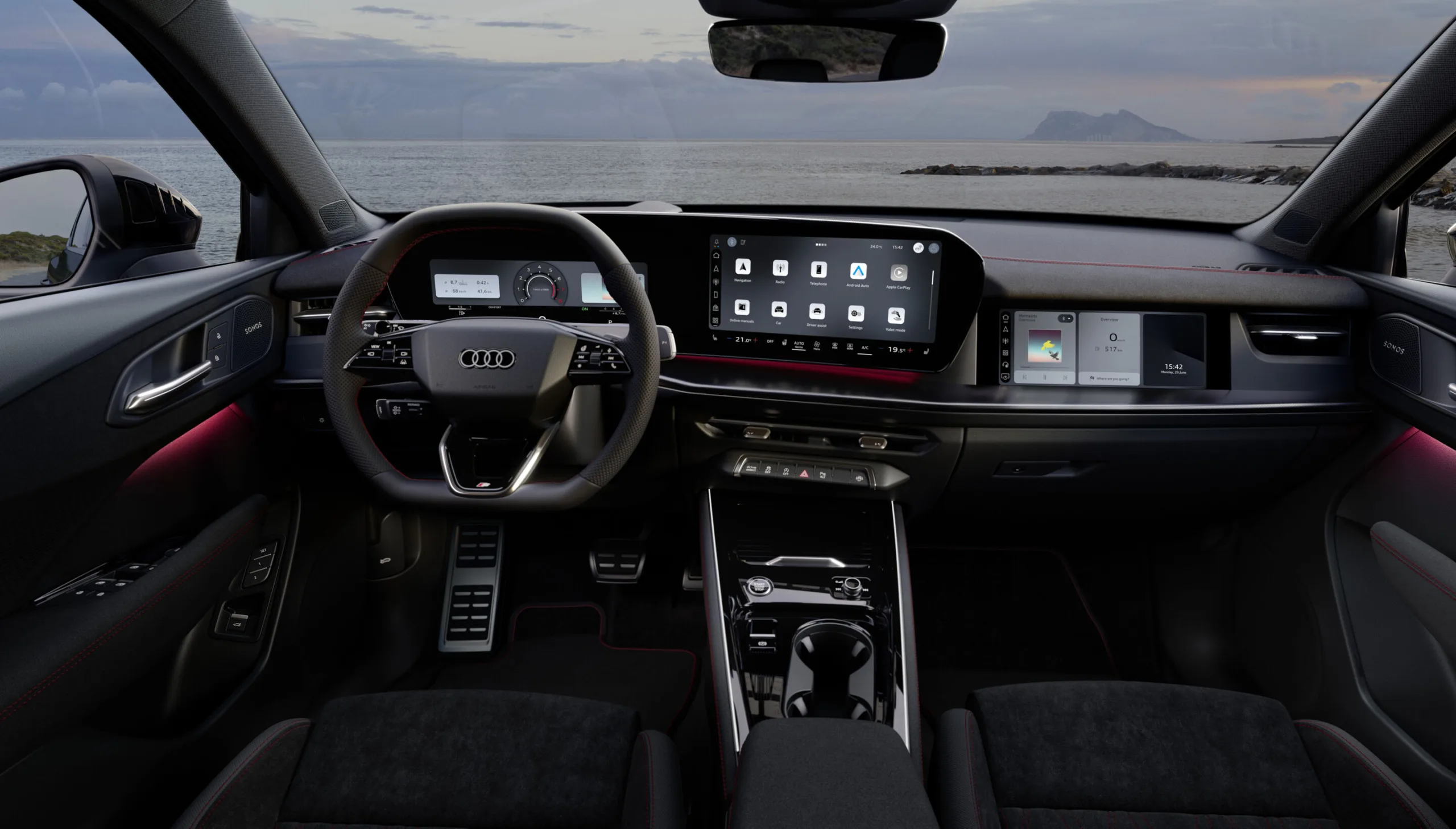
The infotainment system is now based on Android Automotive, meaning apps such as Microsoft Teams run directly on the MMI display without requiring a connected smartphone. An integrated Audi voice assistant handles a wide range of vehicle functions through natural language commands.
A 10.9-inch passenger display is available in the Q3 for the first time. The redesigned steering wheel combines touch-sensitive buttons with haptic rollers, and rear passengers now have access to three USB-C ports offering up to 100 watts of combined charging capacity. The wireless charger in the centre console has also been upgraded, now supporting the Magnetic Power Profile standard and delivering 25 watts, up from 15 watts previously.
The digital Matrix LED headlights use micro-LED technology to adapt light distribution dynamically and allow drivers to personalise their light signature. A new Valet Mode locks the screen and controls when handing the car to a third party, keeping personal data secure.
Smarter Driver Assistance and a More Capable PHEV
The adaptive cruise assist has been updated to draw on online swarm data, using the average speeds recorded by other vehicles on a given route to inform longitudinal and lane guidance. It is a subtle but useful refinement for motorway driving.
Park Assist Pro and the trained parking feature can now be operated remotely via the myAudi app. These additions bring the Q3’s driver assistance suite closer to what is available in larger Audi models.
Perhaps the most significant single change is the plug-in hybrid’s towing capacity. The Q3 e-hybrid can now pull up to 2,000 kilograms, a 600-kilogram increase over its predecessor. That puts it in genuinely useful territory for owners who need to tow a caravan, boat, or horse trailer, a task the previous PHEV handled with considerably less confidence.
A Compact SUV That Keeps Its Footing
The Q3 was voted the top compact SUV in the 2026 Auto Motor und Sport Best Car Awards by reader ballot, which gives Audi a reasonable platform to build on. This update does not reinvent the car, but it does address some of the more obvious gaps in its standard specification while adding genuinely useful technology. For buyers in a competitive segment, the combination of improved everyday kit and a stronger PHEV towing rating makes a reasonable case for the updated model.