GWM has been on a roll lately, not just in New Zealand, but across our whole neck of the woods. The brand is long past that phase of proving the market it’s here for the long run and, more and more, they feel the time is right to double down where they can win.
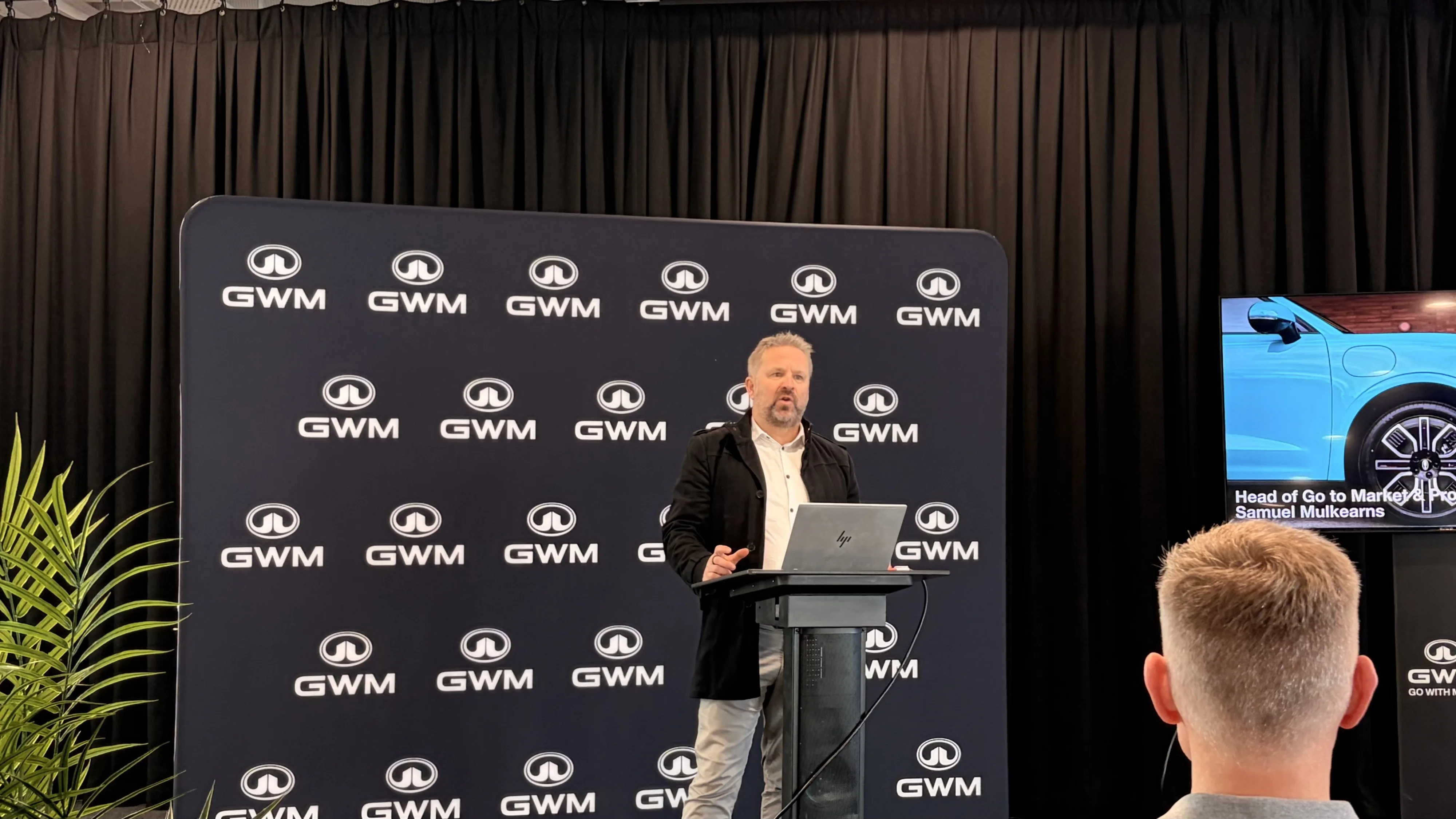
After spending time with the GWM Australia and New Zealand go-to-market team recently, the clearest message was not just about one new model, one sharper price point, or one clever bit of new tech, it was about positioning and market approach. GWM knows exactly where it wants to sit, who it wants to speak to, and perhaps most importantly, how it wants to stand apart from the growing number of Chinese brands arriving in our market.
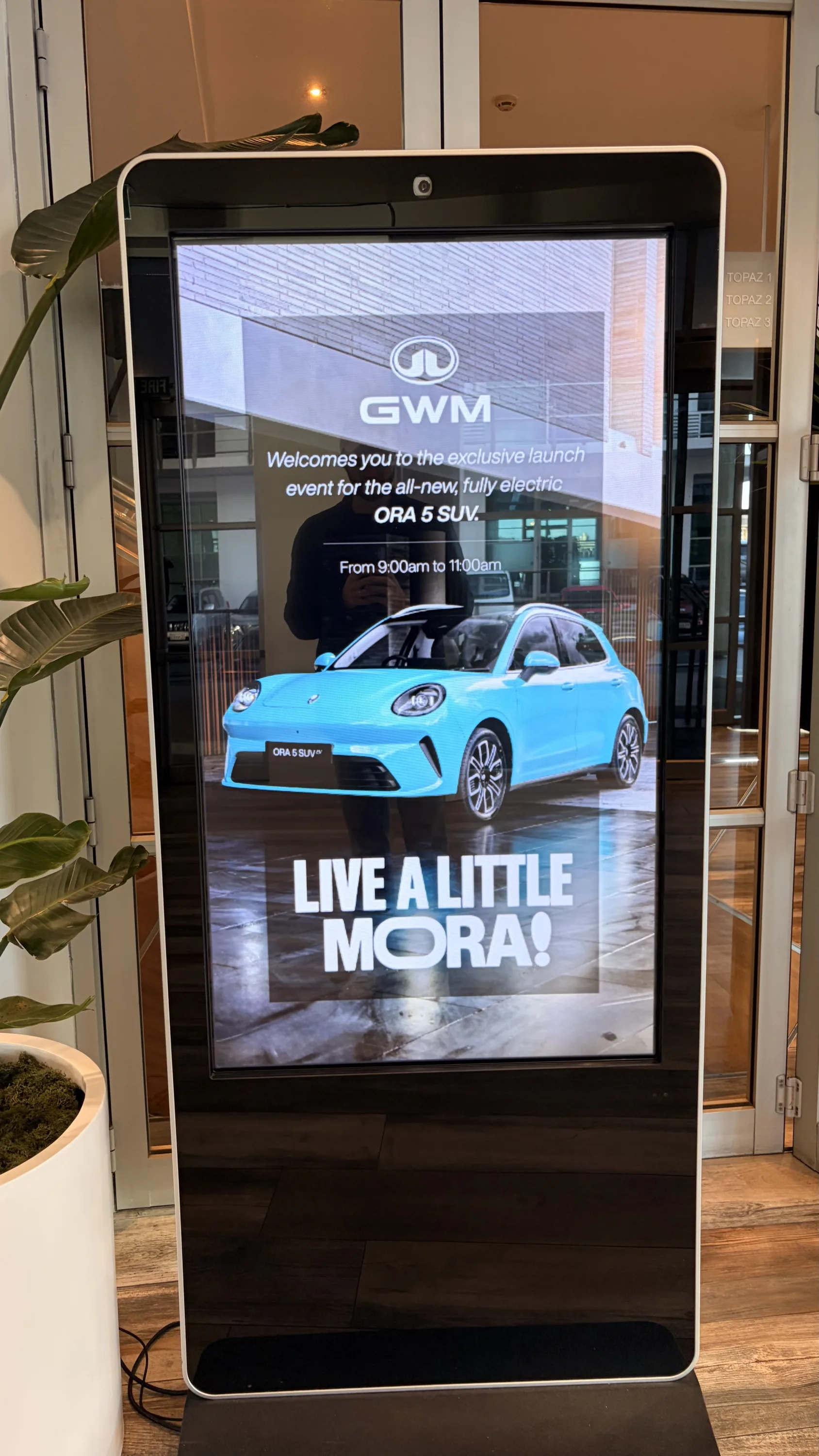
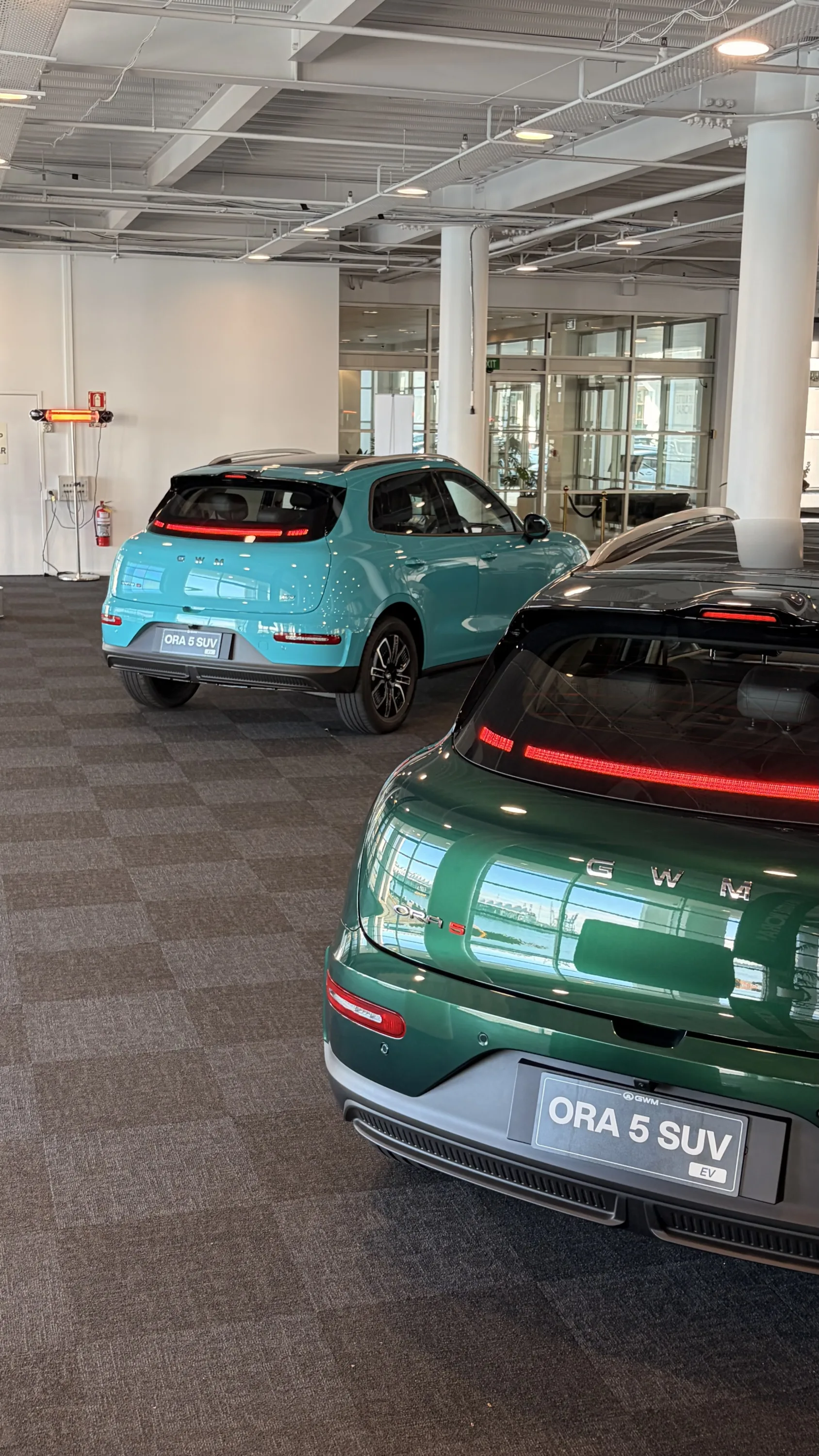
The new Ora 5, which I have on loan right now, is a good example of that. It lands in one of the (if not THE) most important emerging spaces in the market: the small electric SUV segment. But It also feels like more than just another value-led EV: its design still carries some of the quirky charm that made the original Ora memorable, but it has matured. But it’s also broader in appeal, more palatable for everyday buyers, and less like a niche product that only exists to propel a (sub?)brand.
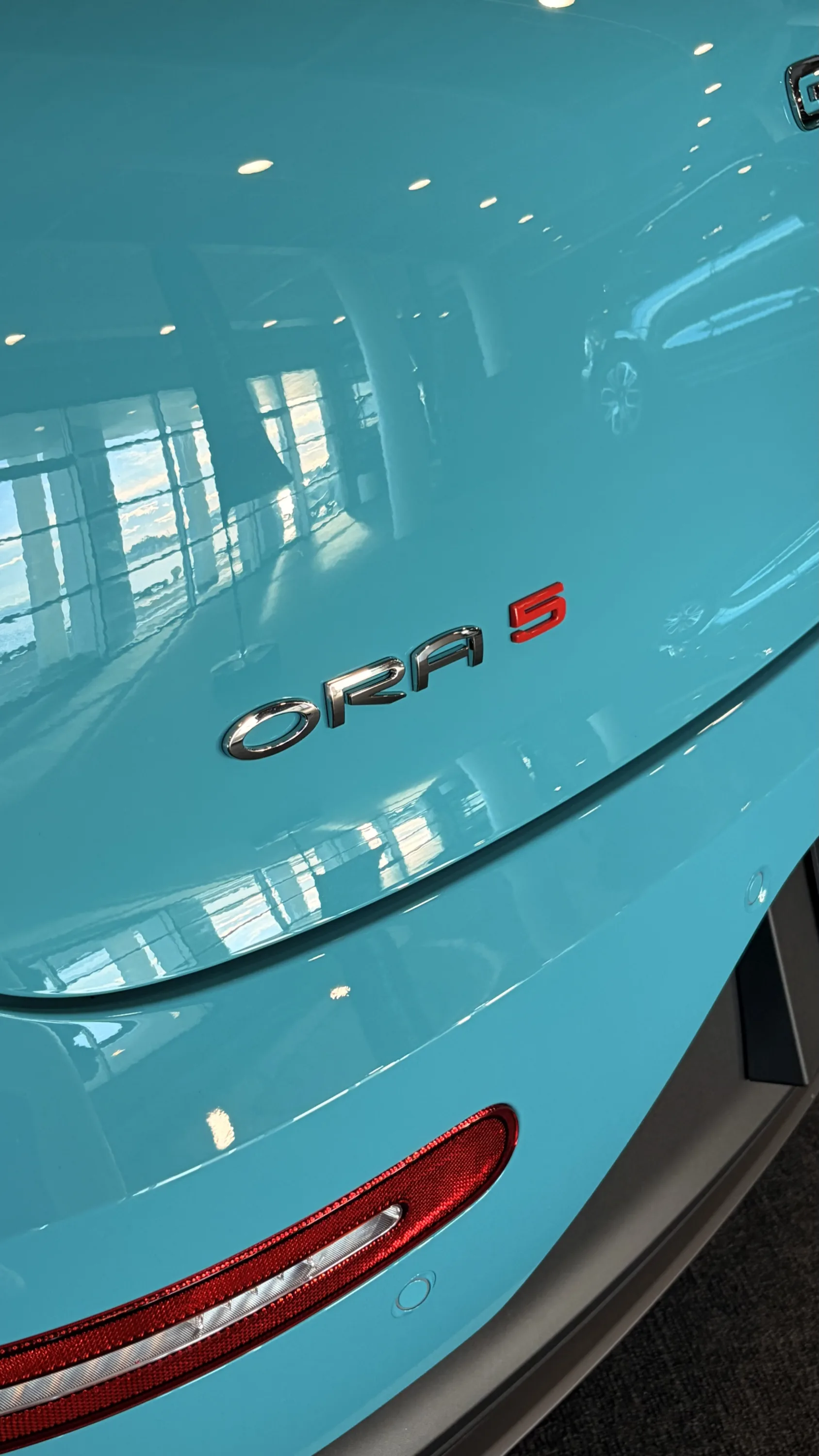
But the more interesting conversation goes beyond the Ora 5 itself. GWM’s biggest strength may be that it is not betting the house on a single powertrain strategy. Rather than forcing customers into battery electric vehicles, or clinging only to petrol and diesel, GWM is spreading its portfolio across petrol, diesel, hybrid, plug-in hybrid and full electric options.
And that matters significantly in our New Zealand and Australia markets. Our buyers are not all using cars in the same way: a city-based EV buyer, a rural diesel ute owner, a family looking at a hybrid SUV, and someone wanting genuine off-road capability all have different priorities. GWM’s view is that the powertrain decision should come later in the buying process, not right at the beginning. First, choose the vehicle that suits your lifestyle, and then choose whether petrol, diesel, hybrid, PHEV or EV makes the most sense.
It is a smart approach, and it appears to be working. GWM says it has been seeing strong year-on-year growth, with June potentially representing its highest ever month for the brand locally. That kind of momentum is the result of a widening portfolio, sharper positioning, and a product strategy that gives buyers options without making them feel like they are being pushed into one particular future.
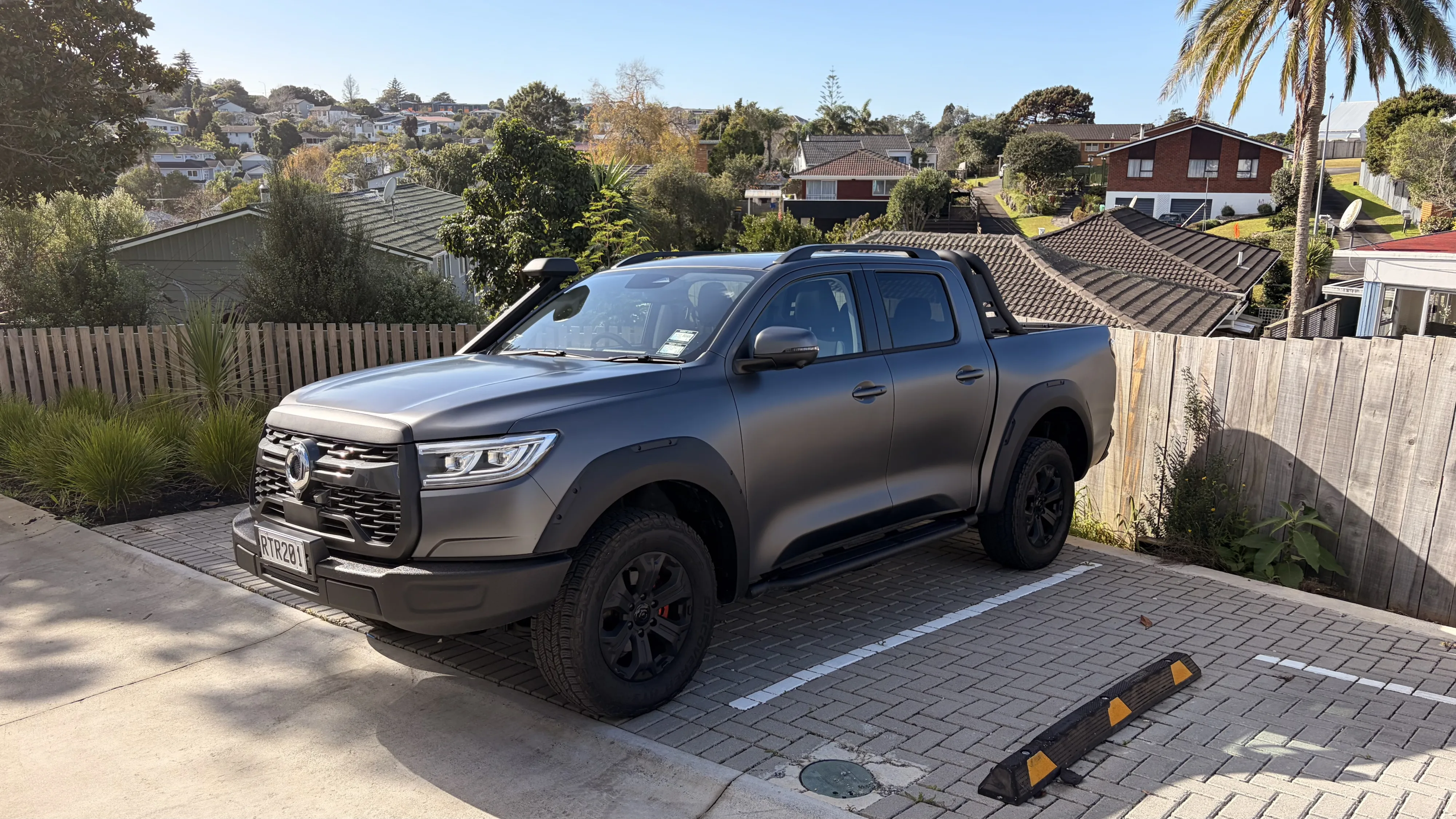
Localisation also plays a massive role, and this is where GWM has a stronger story to tell than many realise. The company is leaning heavily on local tuning and development, including the work of Rob Trubiani, whose remit has expanded beyond ride and handling into areas like ADAS calibration, refinement, squeaks and rattles, and broader vehicle evaluation. Ours are not generic markets: our roads, buyers and expectations are specific, and GWM understands that if it wants to be taken seriously here, it cannot simply ship a car from China and hope it works. The product needs to feel like it has been considered for our conditions.
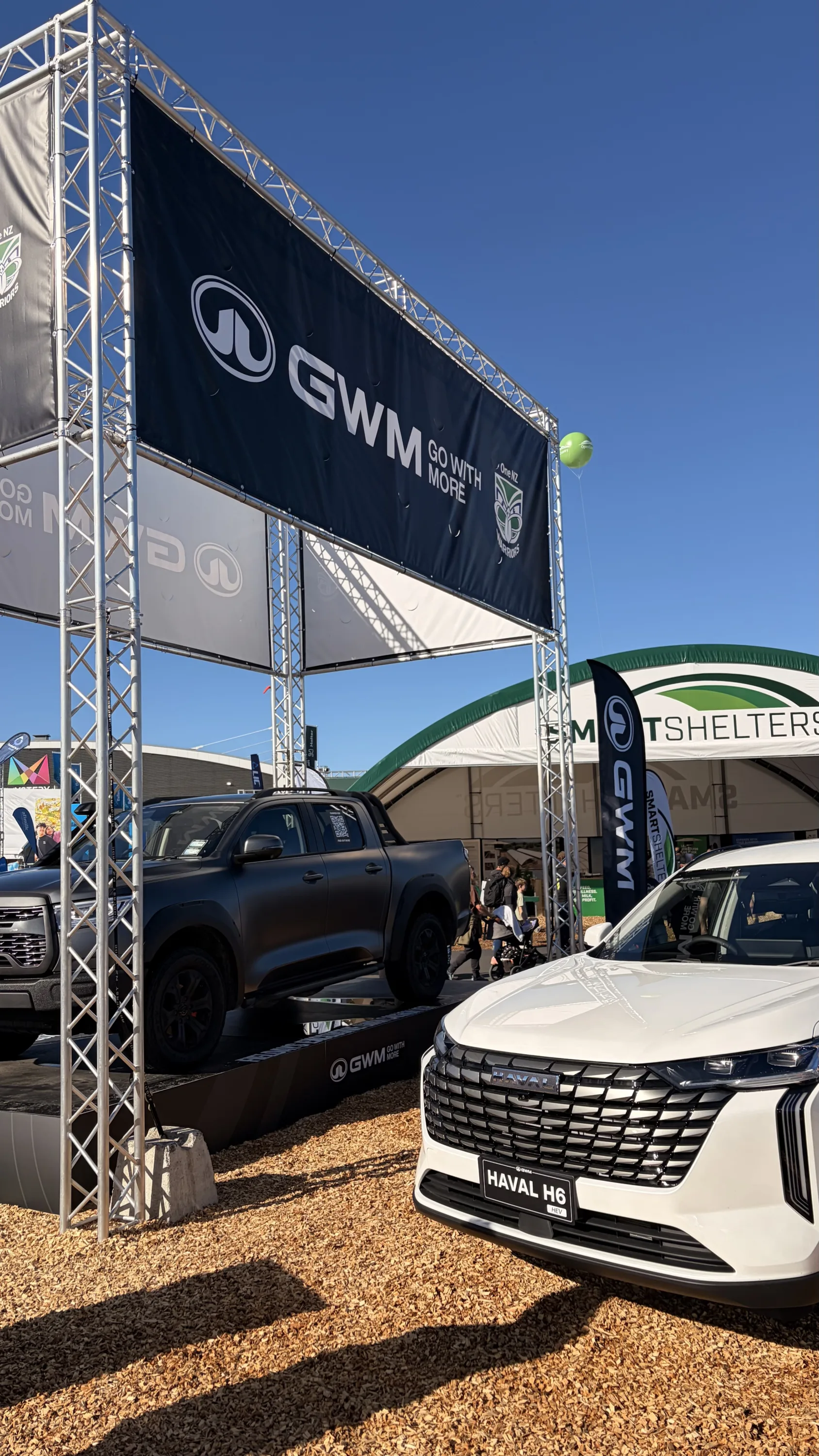
There is more coming too. GWM is looking to bring Hi4T plug-in hybrid technology further down into the Cannon range, giving more buyers access to electrified ute capability at a lower price point than the Cannon Alpha. A 3.0 litre turbo diesel, that we got the opportunity to check out in China, is also on the cards for models such as Tank 500 and Cannon Alpha, responding directly to buyers who still want diesel torque and bigger outputs.
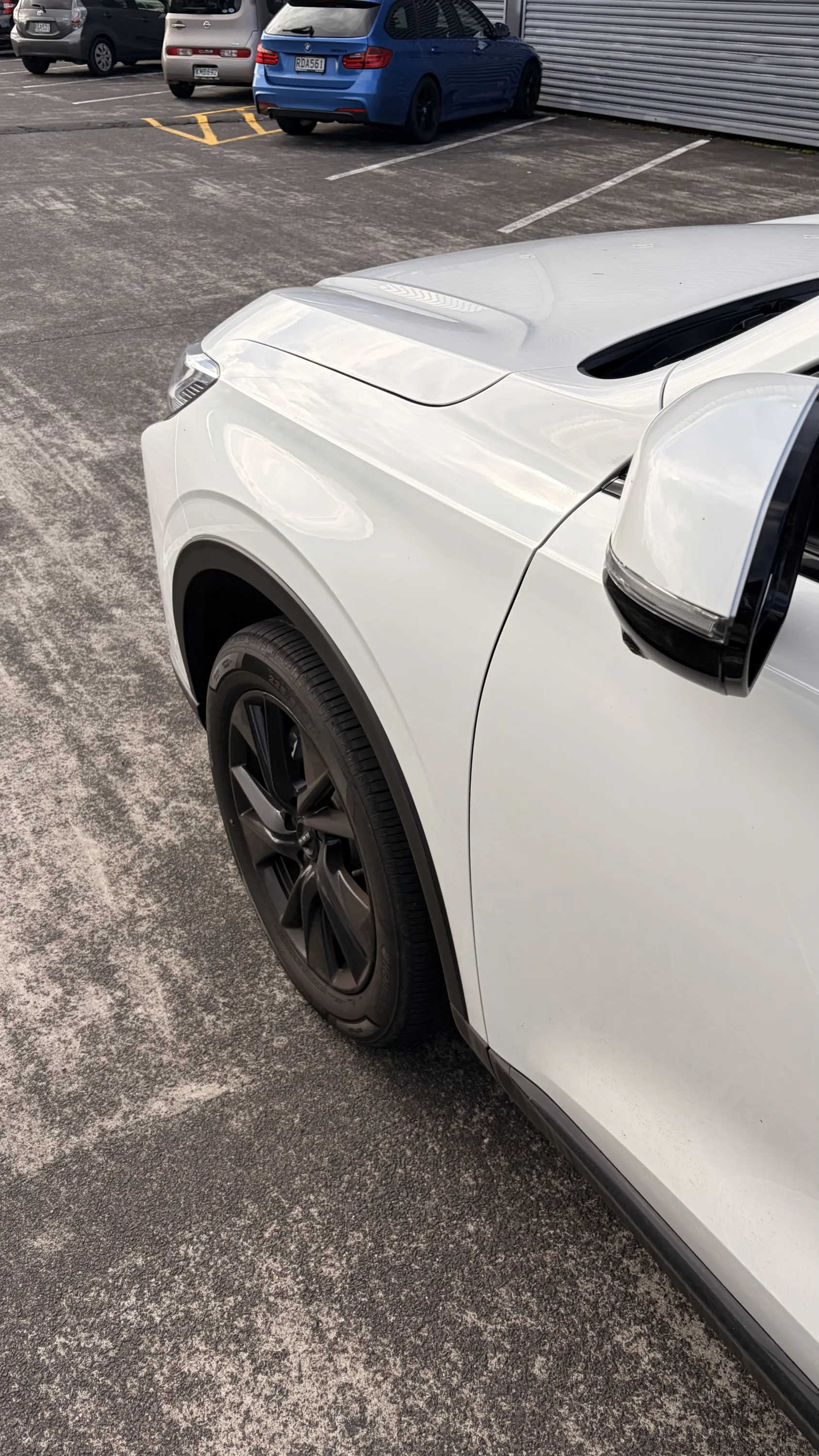
Beyond that, the product pipeline looks busy. The next-generation Haval H7 is under consideration for New Zealand, with hybrid and plug-in hybrid options, a tougher design direction, all-wheel drive and serious performance potential. The Jolion Max EV is also being assessed, potentially giving GWM a more conventional electric SUV option to sit alongside the more characterful Ora. And there’s even more coming, but GWM want to keep some cards close to their chest to give each vehicle their fair share of the limelight.
And if you want to know about the V8 they have showcase (I certainly asked about it), GWM is not confirming exactly where it will land, but the message is clear enough: a V8 is very much being considered for Australia and New Zealand, likely in the more premium end of the portfolio. There is also discussion around GWM’s fifth brand and how that could help the company move further into premium territory.
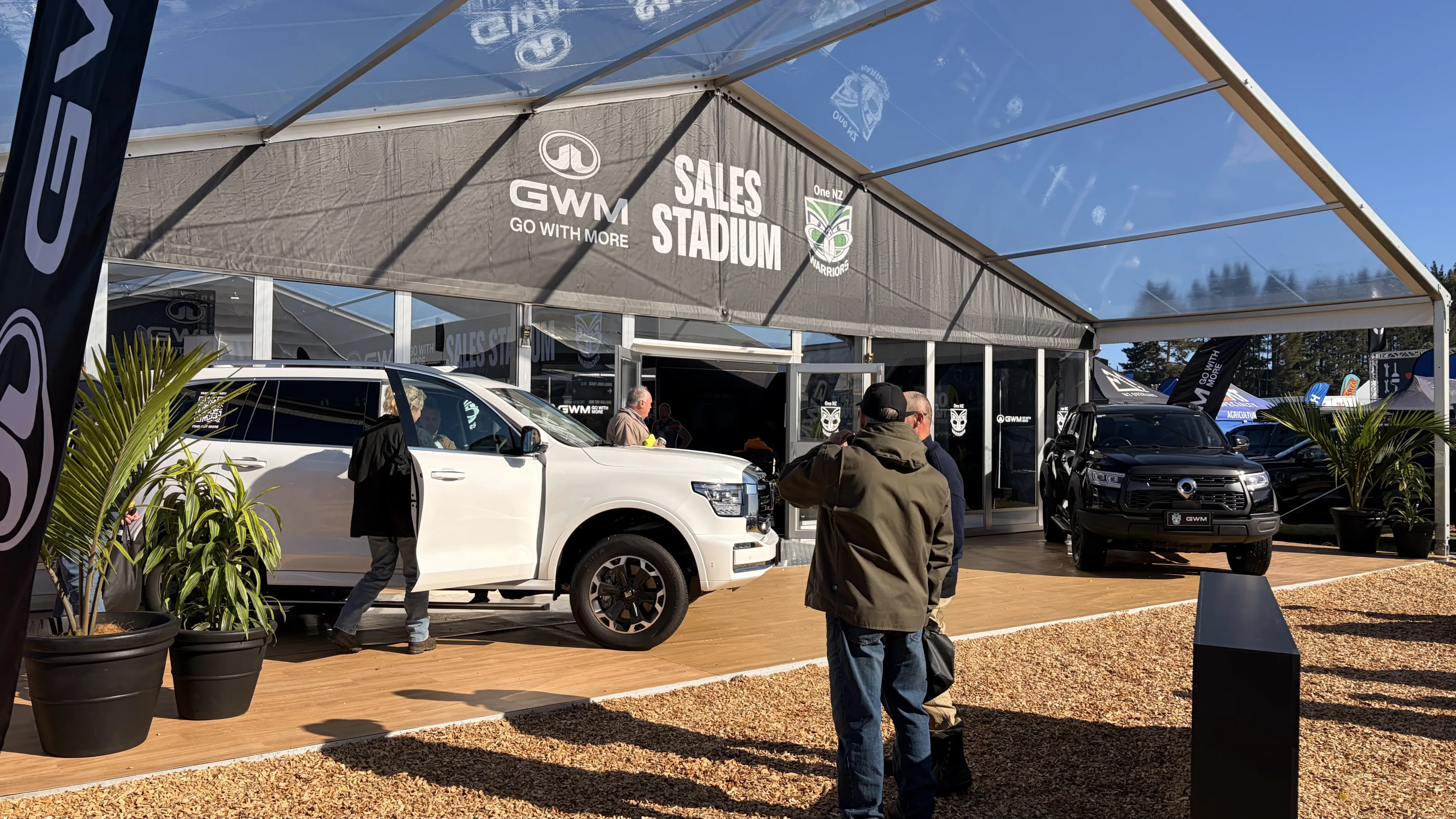
All in all, what stands out is not just the number of products, it is the apparent discipline behind the portfolio, and how it contributes to the overall story. GWM says it is being careful to ensure each model fills a specific role rather than simply piling similar cars on top of one another, which is essential in a market that’s becoming crowded quickly. Buyers are seeing more brands, more badges, more platforms and more promises than ever before.
GWM’s challenge is to prove that it is not just another name in that rush, and it is doubling down on local tuning, broad powertrain choice and aggressive value to get a growing presence on our roads. It is clearly working, and the next phase is to do more of that while still telling that story clearly.