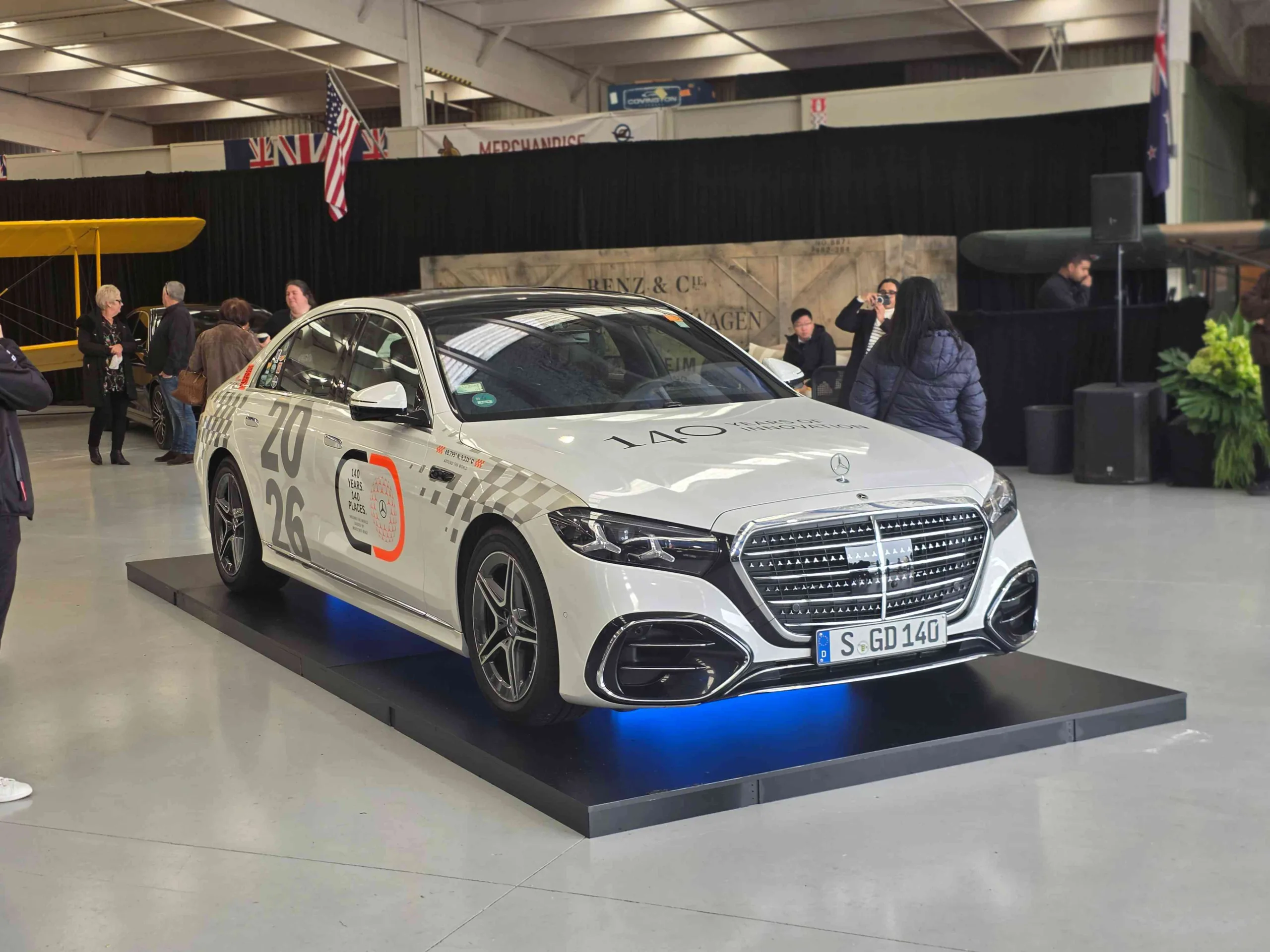
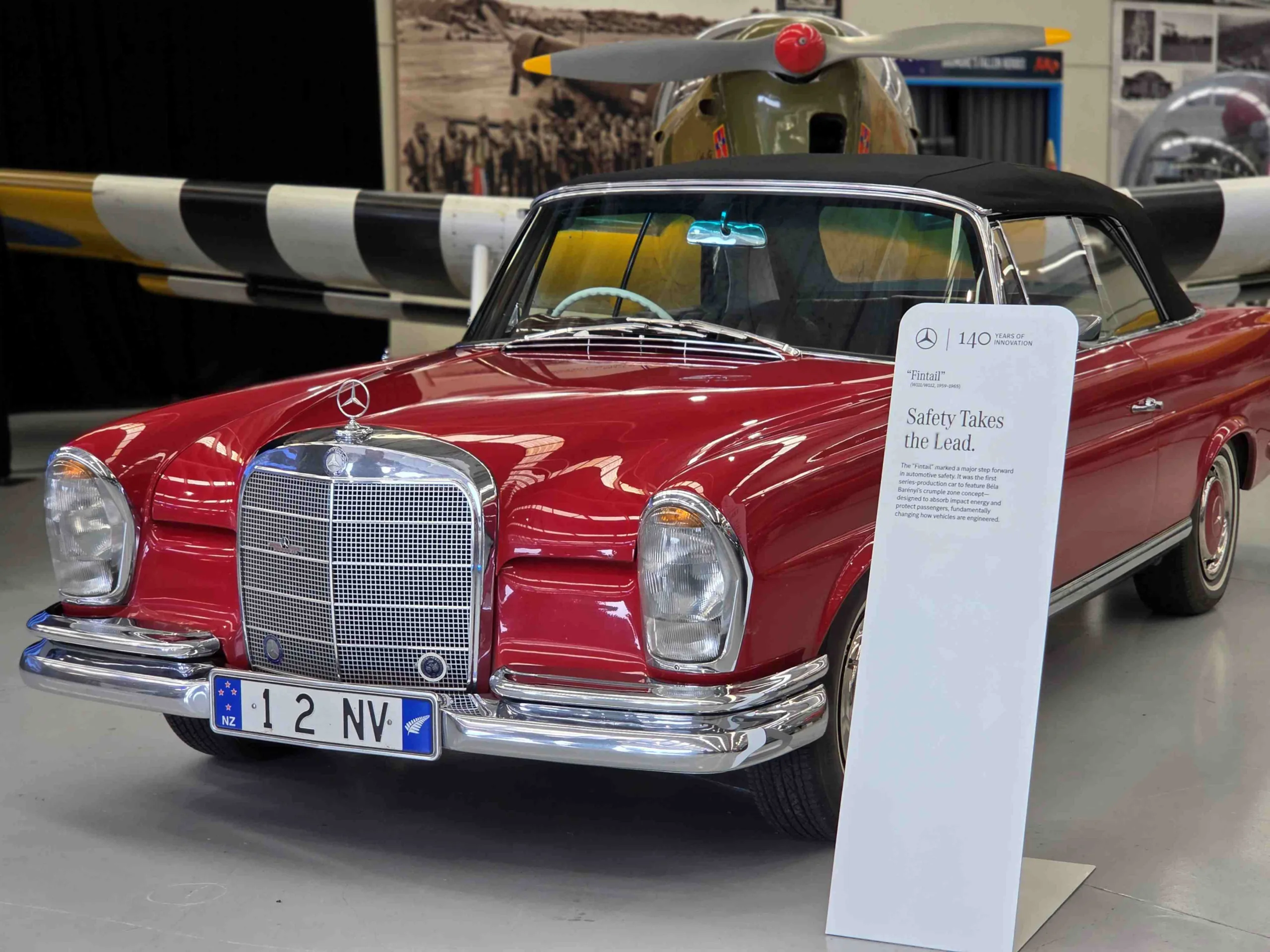
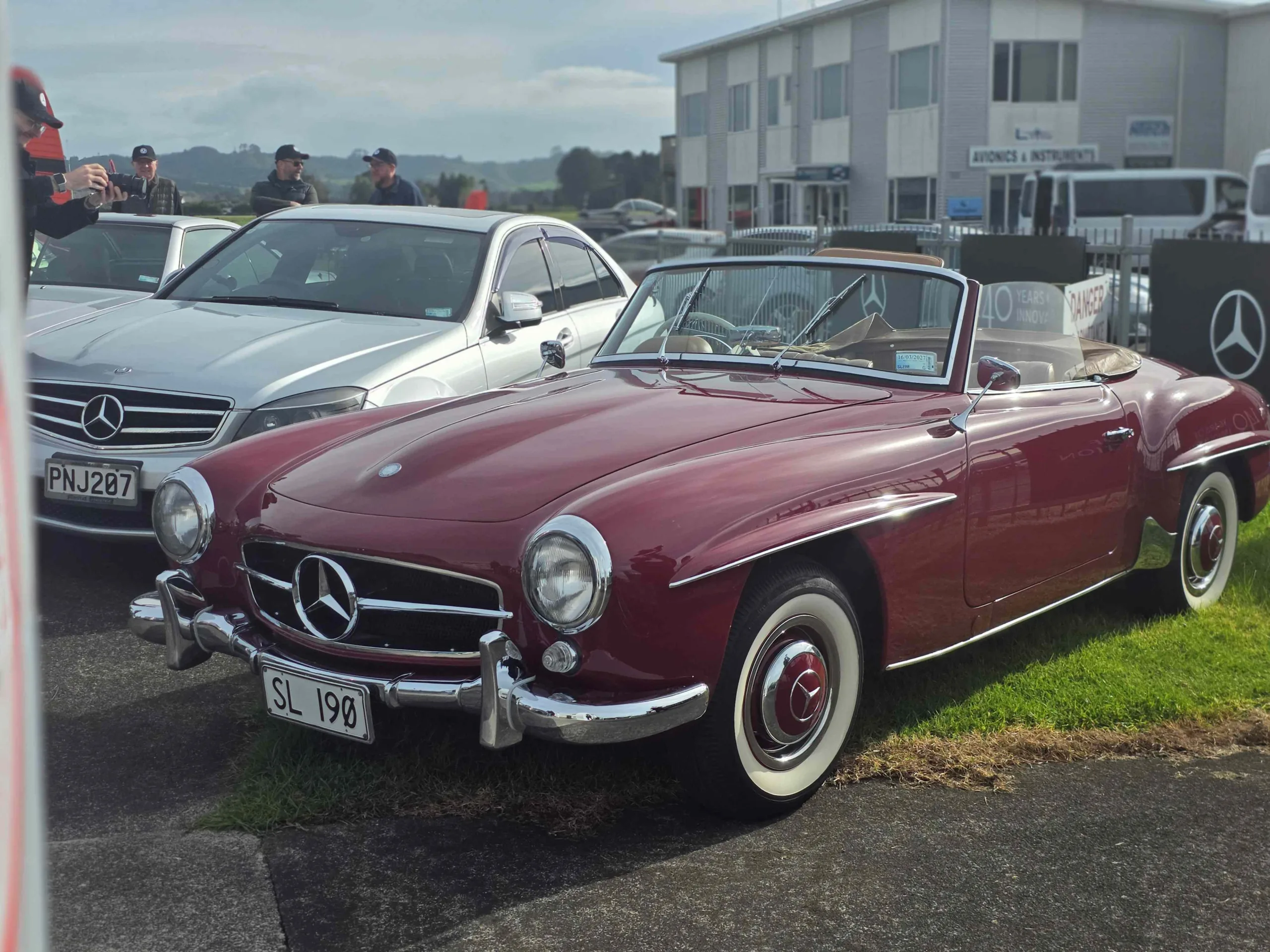
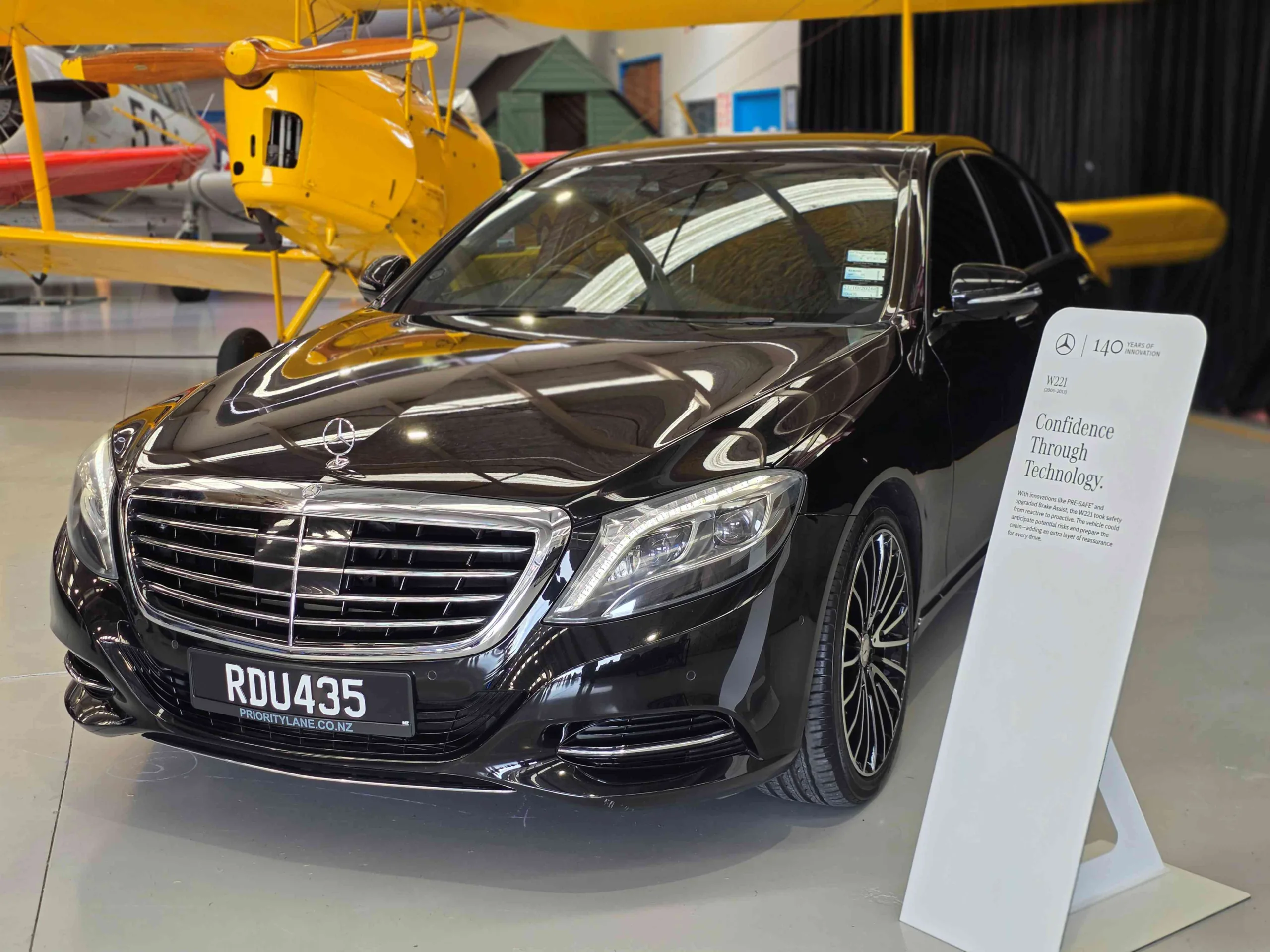
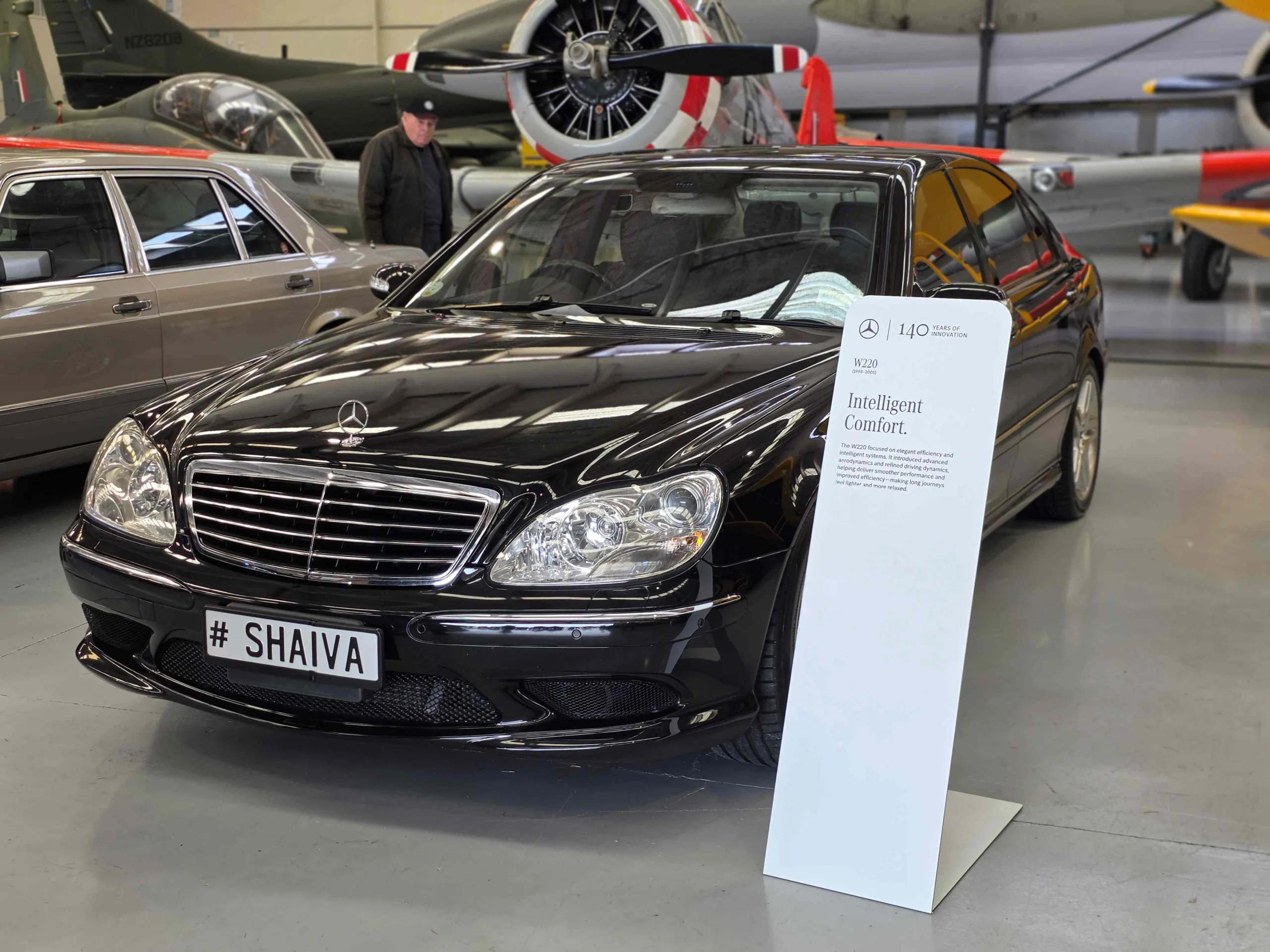
When Mercedes-Benz recently celebrated 140 years of automotive innovation, it wasn’t simply marking the anniversary of a luxury car manufacturer. It was celebrating a little-known fact that many Kiwis have never heard: New Zealand’s motoring History began with a Mercedes-Benz.
Long before Ford, Chevrolet, Austin or Morris became household names, before traffic lights, driver’s licences and even speed limits existed, two Benz motor cars arrived in Wellington and forever changed how New Zealand moved. Their owner was businessman and politician William McLean, and with the arrival of those pioneering machines in 1898, the age of the automobile officially began in New Zealand.
Before Cars, There Were Horses
To appreciate the significance of McLean’s purchase, you need to imagine New Zealand at the end of the nineteenth century. Roads were largely designed for horses, carts and pedestrians. Most long-distance travel was by ship or rail, while towns echoed with the sounds of hooves rather than engines. The idea of a self-propelled vehicle powered by an internal combustion engine seemed more science fiction than reality. Yet on the other side of the world, German engineer Karl Benz had already changed history.
In 1886, Benz received a patent for what is widely regarded as the world’s first practical automobile. Within a few years, Benz & Cie. had become the world’s leading motor vehicle manufacturer, and by 1894 the company introduced the Benz Velo (short for Velocipede), considered the world’s first series-production passenger car. Thousands would eventually be built, making it one of the earliest truly mass-produced automobiles.
Little did Benz know that one of his creations would soon find its way to the farthest reaches of the British Empire.
William McLean’s Revolutionary Purchase
William McLean was no ordinary politician. A successful businessman and Wellington Member of Parliament, McLean had a keen interest in technology and innovation. During a visit overseas he encountered the latest automotive developments and decided New Zealand needed to experience them too.
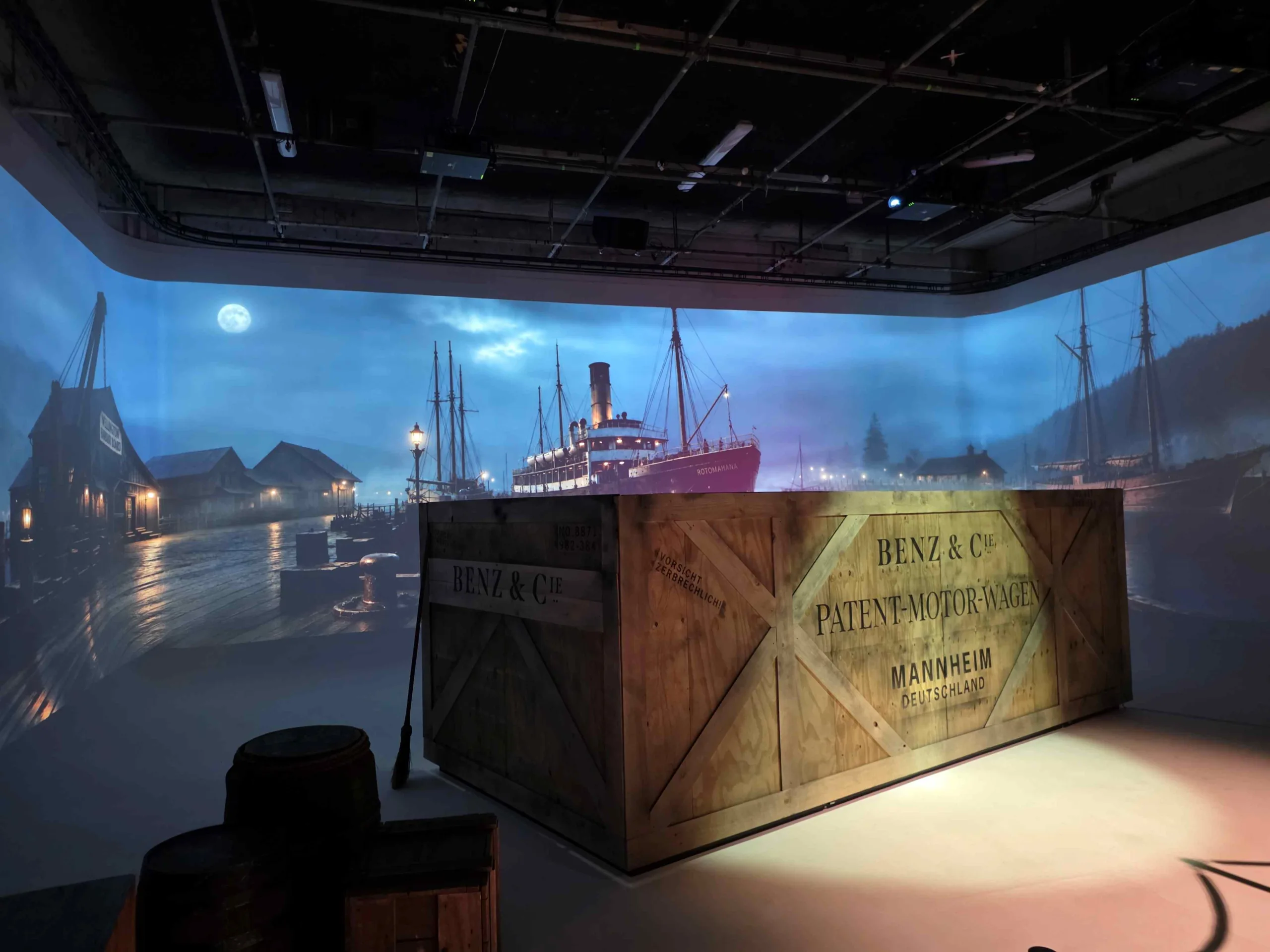
In 1898, he imported two Benz motor cars from Paris, making them the first recognised motor vehicles to arrive in New Zealand. The cars reportedly arrived aboard the SS Rotomahana after travelling via Sydney. Contemporary accounts and later historical references suggest the pair were nicknamed “Petrolette” and “Lightning”, names that perfectly captured the public fascination with these strange horseless carriages. One was relatively modest, while the faster machine could reportedly approach 50km/h, a breathtaking speed for the era.
The problem was that New Zealand had never seen a motor car before, AND because no one had ever seen a motor car before, there were no laws governing them.
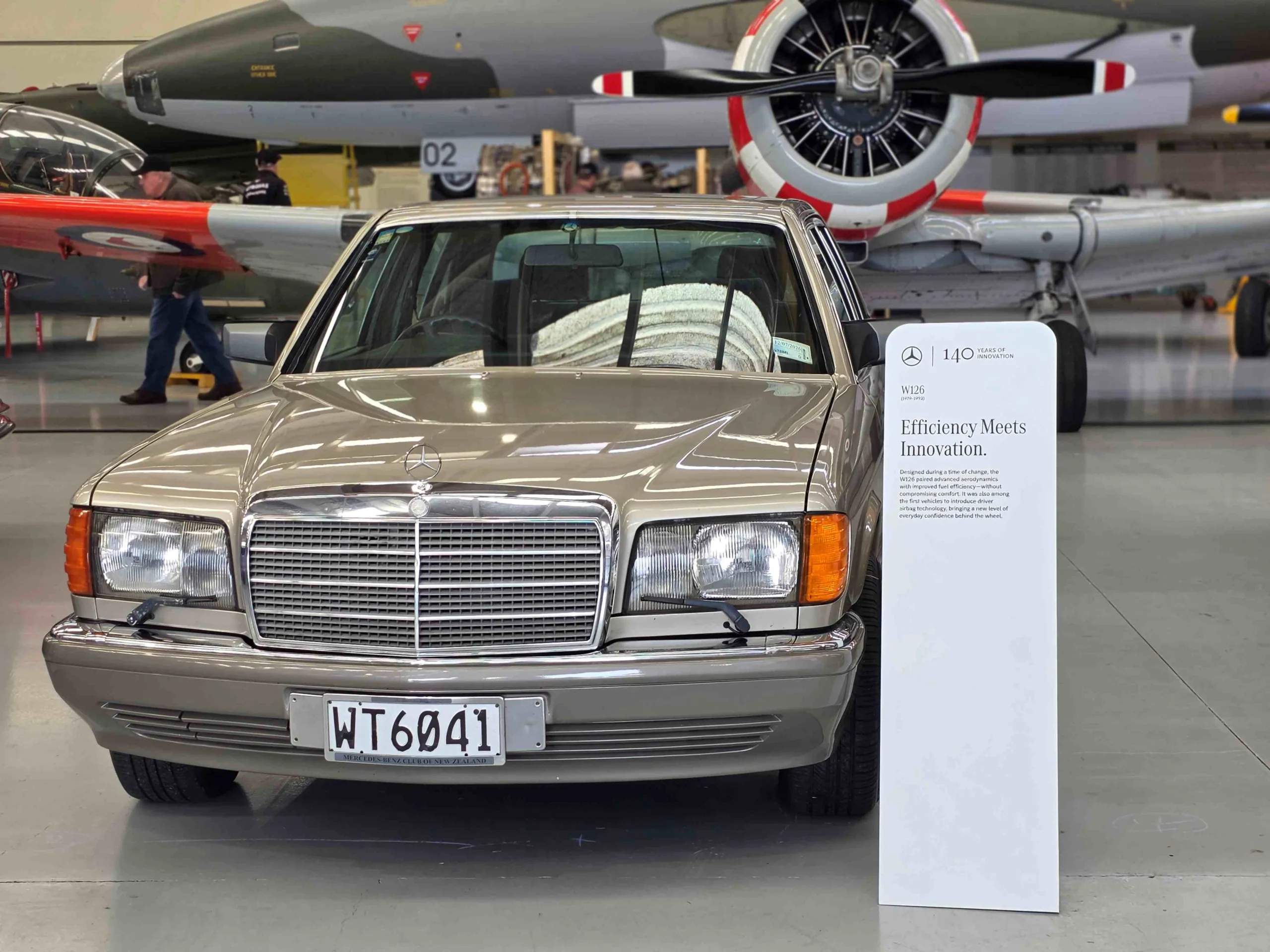
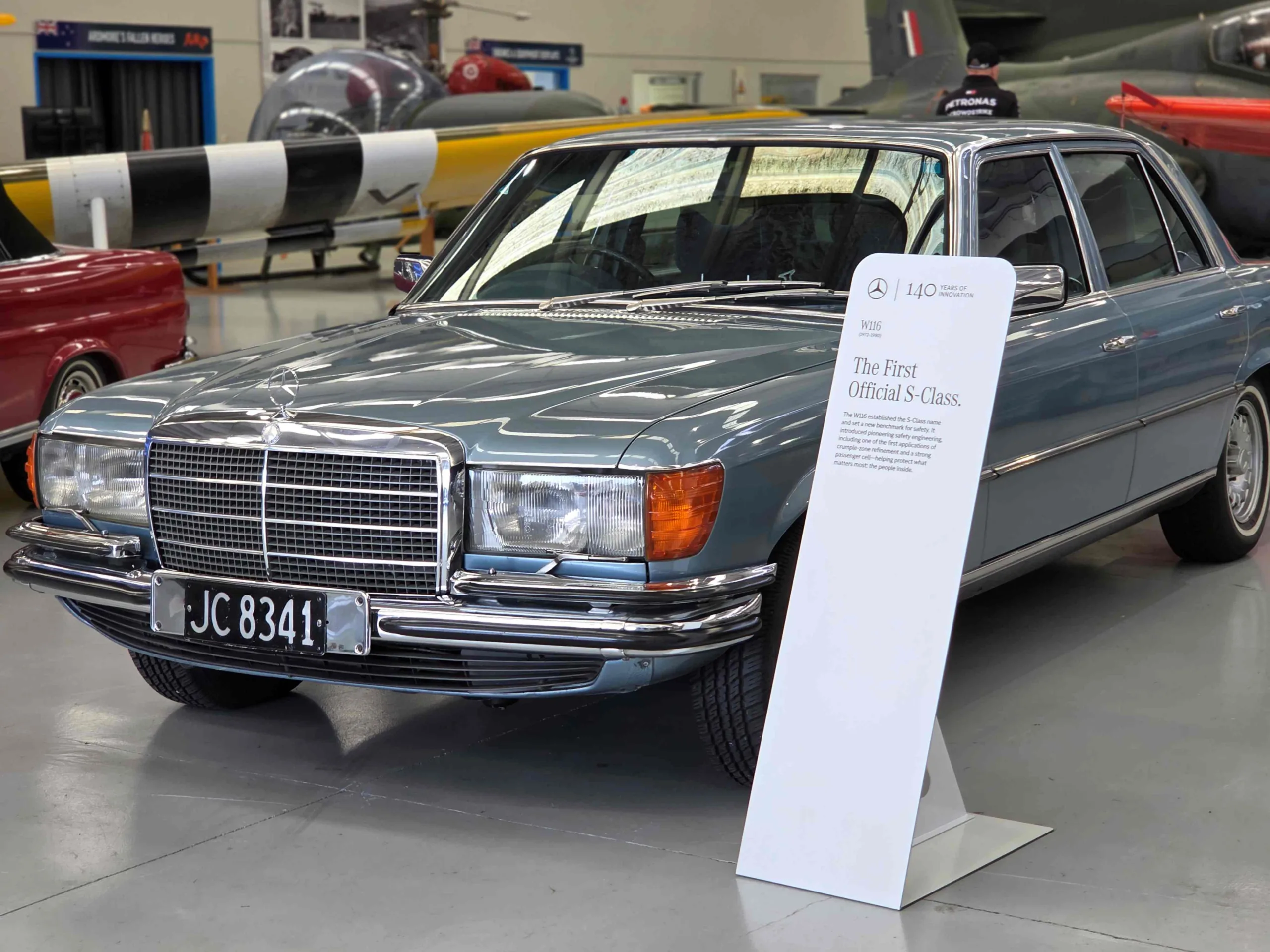
The Law Had To Catch Up
Imagine spending a fortune importing the country’s first cars only to discover you couldn’t legally drive them. That was exactly McLean’s predicament.
Local authorities had no framework for dealing with motor vehicles. Roads were governed under regulations written entirely with horses and carts in mind. There were genuine concerns that these noisy machines would frighten livestock and create chaos on public roads. Fortunately (ahem) for McLean, he happened to be a Member of Parliament.
The result was the McLean Motor Car Act of 1898, legislation specifically introduced to legalise the operation of motor vehicles in New Zealand. The Act effectively became the country’s first motor vehicle law and established conditions for operating automobiles on public roads. Vehicles had to carry lights after dark and were restricted to a maximum speed of 12 miles per hour (around 20km/h).
It’s difficult to overstate the significance of this moment, New Zealand didn’t simply import its first cars. It created its first motoring legislation because those cars existed. So, quite factually, modern New Zealand motoring began with William McLean and his pair of Benz automobiles.
New Zealand’s First Car Crash?
As often happens with new technology, the learning curve was steep. Stories from the period suggest McLean was eager to demonstrate his new acquisition to Wellington’s dignitaries. One early drive reportedly ended with a collision involving a fence and an injured mayor, creating what may have been New Zealand’s first four-wheeled motor vehicle accident.
Whether entirely accurate or slightly embellished through retelling, the tale captures the excitement and uncertainty surrounding the arrival of automobiles. Nobody had ever driven one before, So nobody knew exactly what to expect.
And yet within a few years, motor vehicles would begin transforming New Zealand society.
What Happened To McLean’s Two Benz Cars?
This is where the story becomes something of a mystery. Despite their enormous historical significance, the fate of McLean’s two pioneering Benz automobiles remains unclear.
Motoring historians have documented their arrival and their role in inspiring the McLean Motor Car Act, but there appears to be no confirmed record of either vehicle surviving into the modern era. Unlike many famous historic vehicles that can be traced through ownership records, registrations and museum collections, McLean’s two Benz cars seem to have disappeared from the historical record.
Considering the era, this isn’t entirely surprising. Early motor vehicles were often viewed as practical machinery rather than historical artefacts. As technology rapidly evolved, outdated cars were modified, dismantled, cannibalised for parts or simply scrapped. Few people in the early 1900s imagined that future generations would value these pioneering machines.
Today, no known surviving example has been definitively identified as either of McLean’s original imports. For New Zealand automotive historians, they’re effectively the motoring equivalent of a lost treasure.
The Benz Velo That Survived
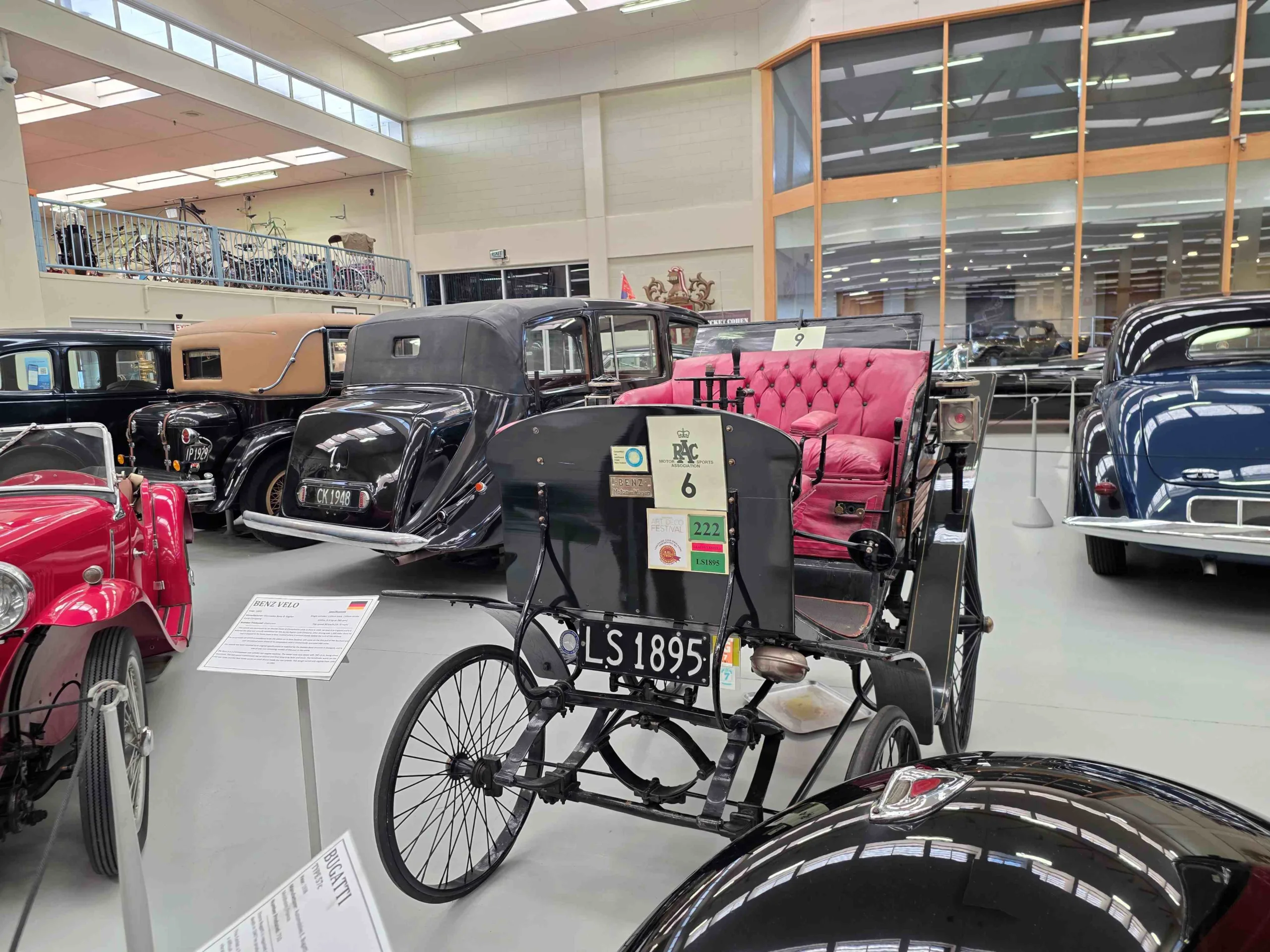
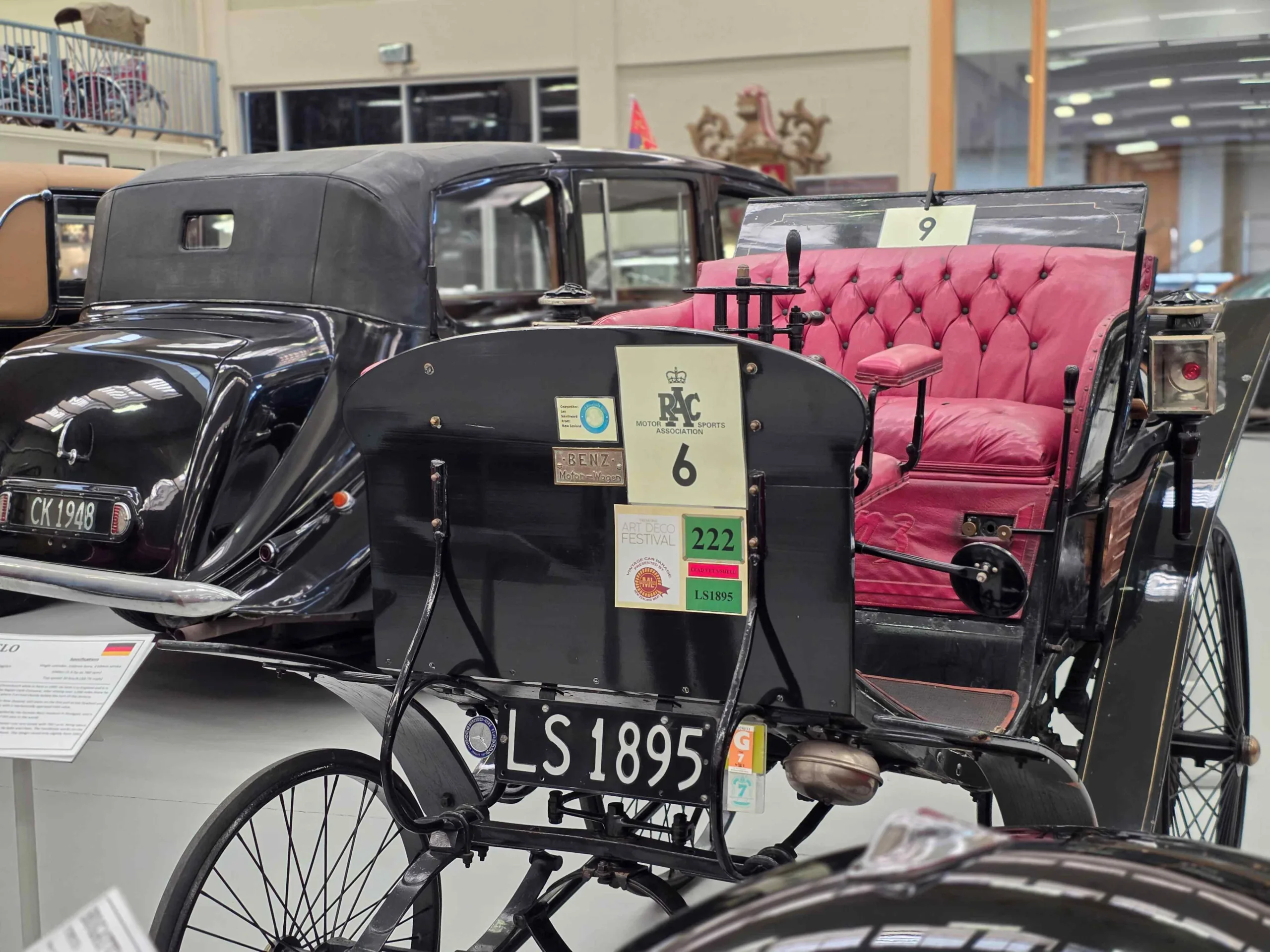
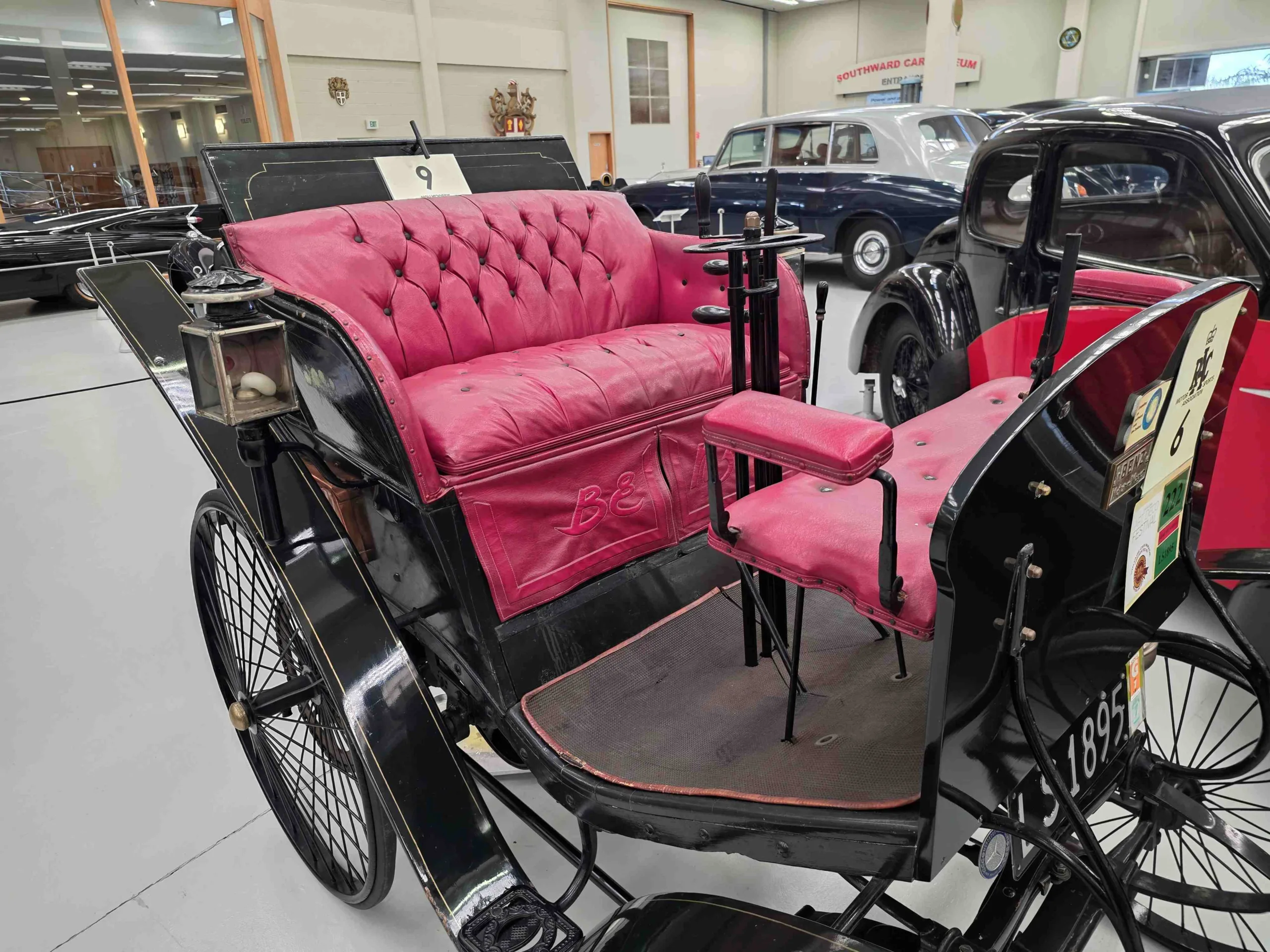
Fortunately, not every early Benz disappeared. One extraordinary survivor resides today at the legendary Southward Car Museum and provides a fascinating glimpse into the dawn of motoring.
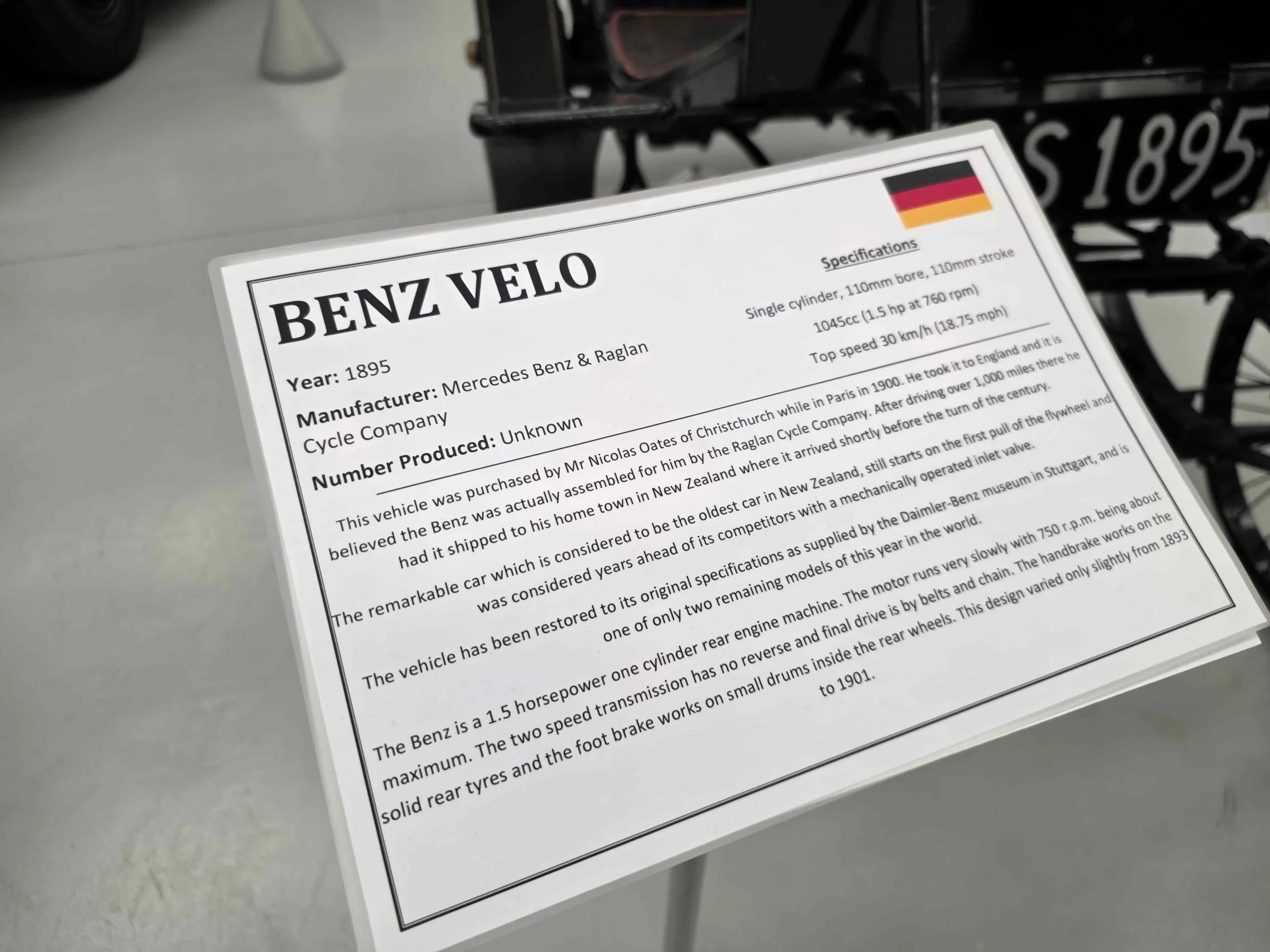
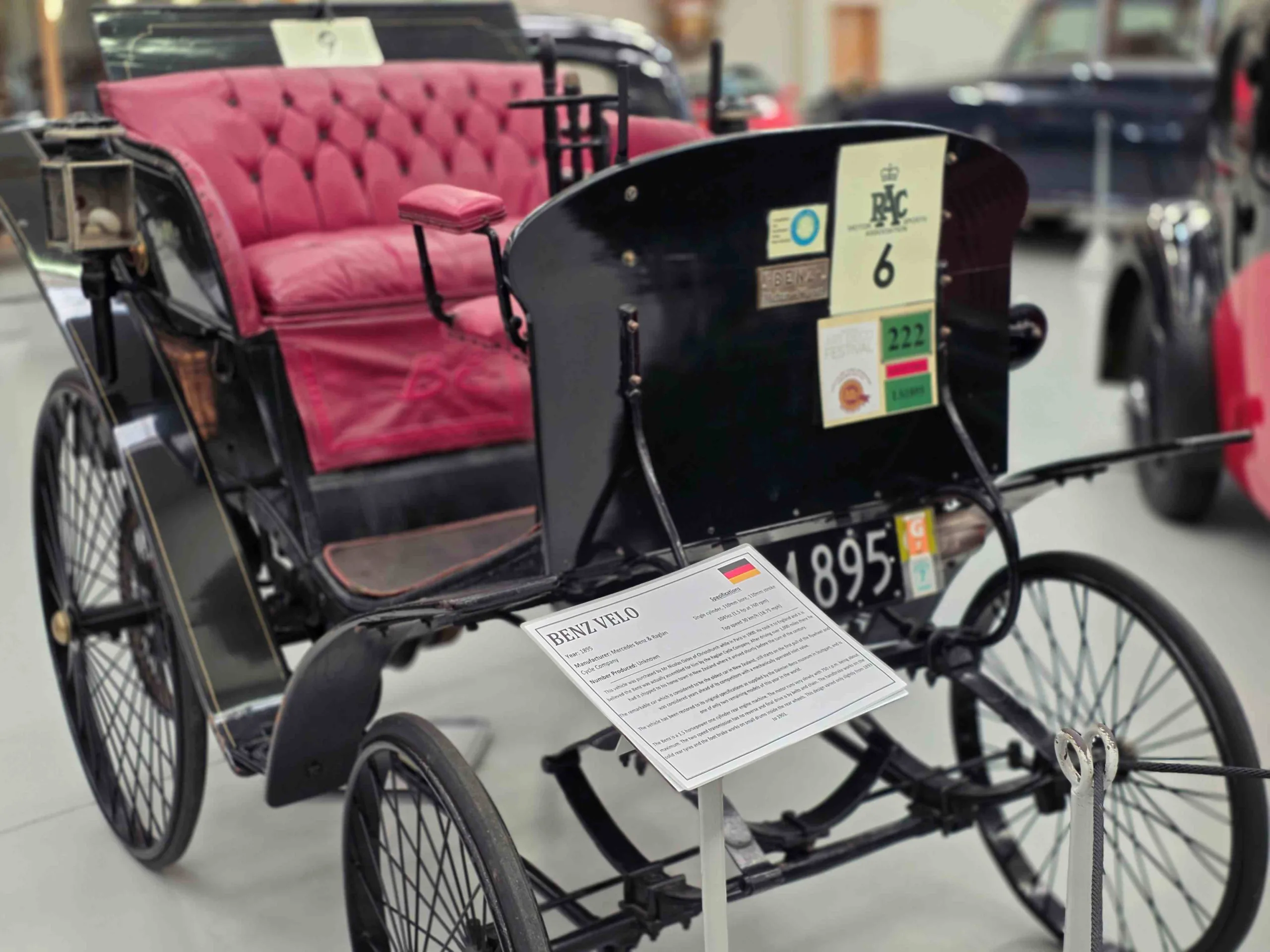
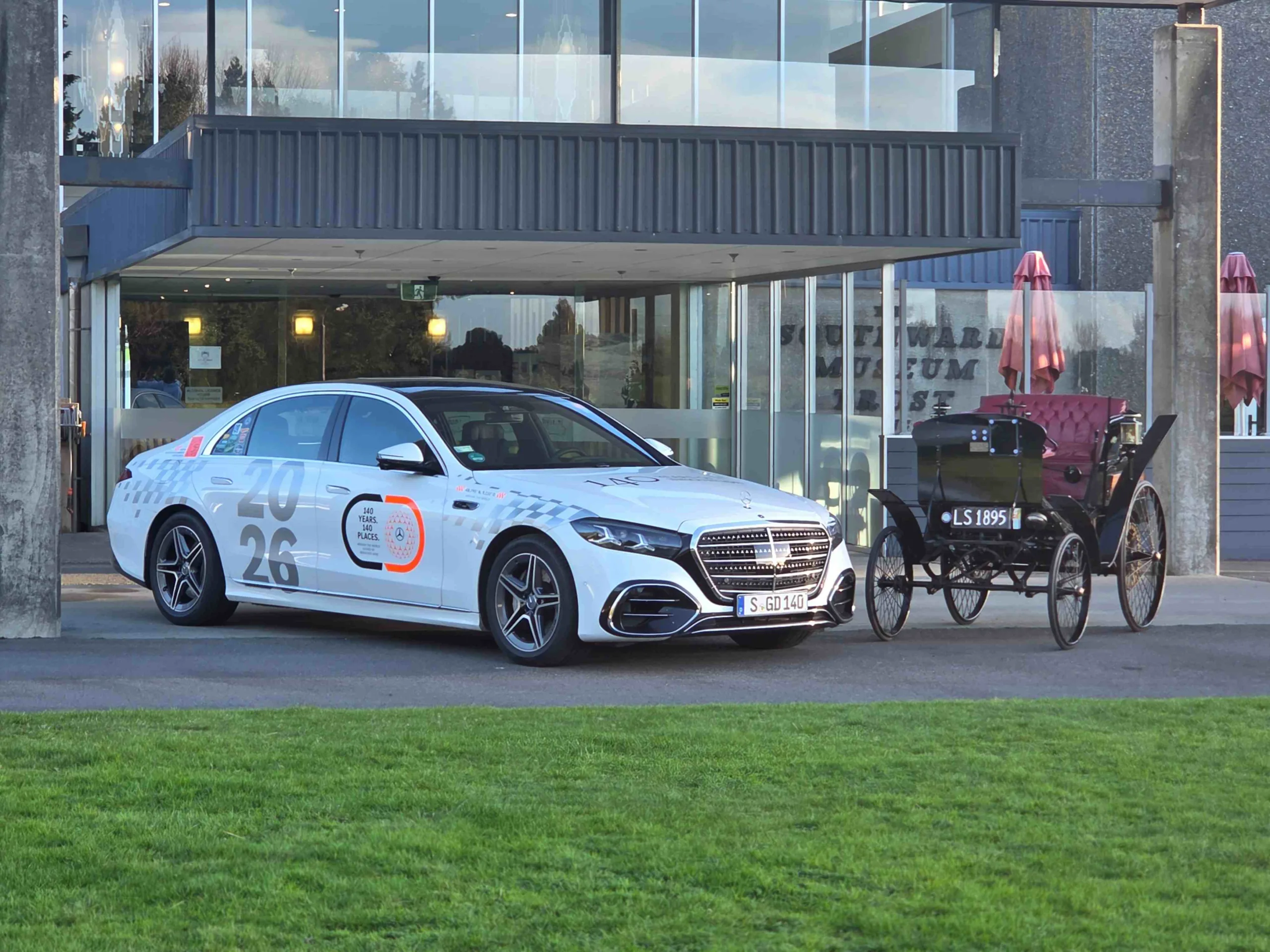
The museum’s 1895 Benz Velo is regarded as the oldest surviving automobile in New Zealand and one of only two known examples of its type remaining in the world. Unlike McLean’s cars, this Benz has a remarkably well-documented history.
The Journey From Europe To Christchurch
The story begins with Christchurch resident Nicolas Oates. While travelling in Europe around 1900, Oates became fascinated by the emerging motor vehicle industry. He acquired a Benz Velo while overseas, spending considerable time driving it in England before arranging shipment back to New Zealand. It is believed the car was assembled for him in Britain by the Raglan Cycle Company before making the long voyage south.
When the vehicle arrived in Christchurch, it would have caused quite a sensation. Imagine being accustomed to horse-drawn transport and suddenly seeing a self-propelled machine rattling down the street. The reaction was predictable: fascination mixed with apprehension.
One story associated with the Benz claims Oates became the recipient of one of New Zealand’s earliest motoring fines after the vehicle startled a horse, causing it to bolt and damage a lamp post. Whether entirely apocryphal or not, it perfectly illustrates the culture shock these early automobiles created.
A Mechanical Marvel
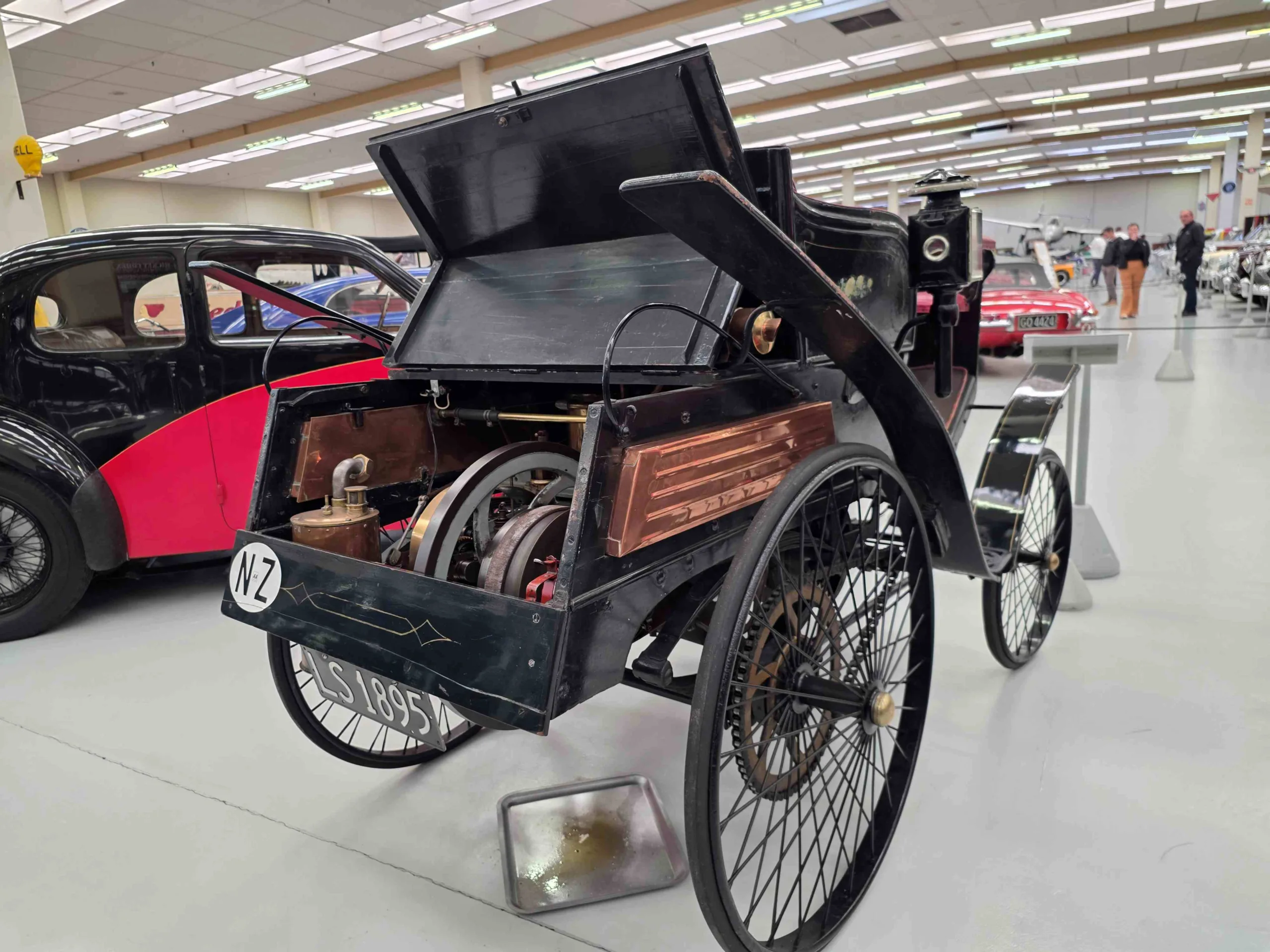
By modern standards, the Benz Velo’s specifications seem almost laughable. The single-cylinder engine displaced just over one litre and produced approximately 1.5 horsepower. Top speed was around 30km/h, and the two-speed transmission offered no reverse gear. Final drive was via belts and chains, while braking relied on systems acting directly on the rear wheels. Yet in 1895 it represented cutting-edge engineering.
The Velo incorporated advanced features including a mechanically operated inlet valve, a design that placed it ahead of many contemporary competitors. More importantly, it proved that reliable personal transport powered by an internal combustion engine was achievable.
In many respects, every modern car on New Zealand roads today owes a debt to machines like this.
Saved For Future Generations
The Benz Velo’s survival is largely thanks to the passion of Sir Len Southward. Southward acquired the vehicle in 1969 and undertook a painstaking restoration using specifications supplied by the Daimler-Benz Museum in Stuttgart. The goal was authenticity rather than modernisation, preserving the car exactly as it would have appeared during its pioneering years.
The result is extraordinary. More than 130 years after it was built, the Benz reportedly still starts with a pull of the flywheel and remains operational. It’s not merely a museum exhibit; it’s a living piece of automotive history.
Today it occupies a place of honour within the Southward collection, serving as a reminder of how far motoring has progressed while showcasing the ingenuity that started it all.
The Legacy Of The First Mercedes-Benzes
When William McLean imported his two Benz cars in 1898, he could hardly have imagined the impact they would have.
Those pioneering vehicles forced lawmakers to create New Zealand’s first motor vehicle legislation. They introduced New Zealanders to an entirely new form of transport. They helped launch a motoring culture that would eventually shape the country’s economy, infrastructure and identity.
Today, millions of journeys are made on New Zealand roads every day. Modern Mercedes-Benz models are packed with artificial intelligence, autonomous safety systems and electrified drivetrains. Yet the lineage stretches directly back to those earliest Benz machines.
McLean’s original cars may have vanished into history, but their influence remains impossible to miss. And while those first two Benzes are lost, the remarkable 1895 Benz Velo at Southward stands as a tangible link to the moment New Zealand first discovered the automobile.
It’s more than just an old car, it’s the closest thing we have to the machine that started it all.