There are automotive events, and then there are automotive events where someone apparently decides that looking at cars, driving cars, getting muddy in cars, visiting pandas and wandering around a 2,000-year-old irrigation system should all happen in the same trip. Welcome to JAC DAY Chengdu.
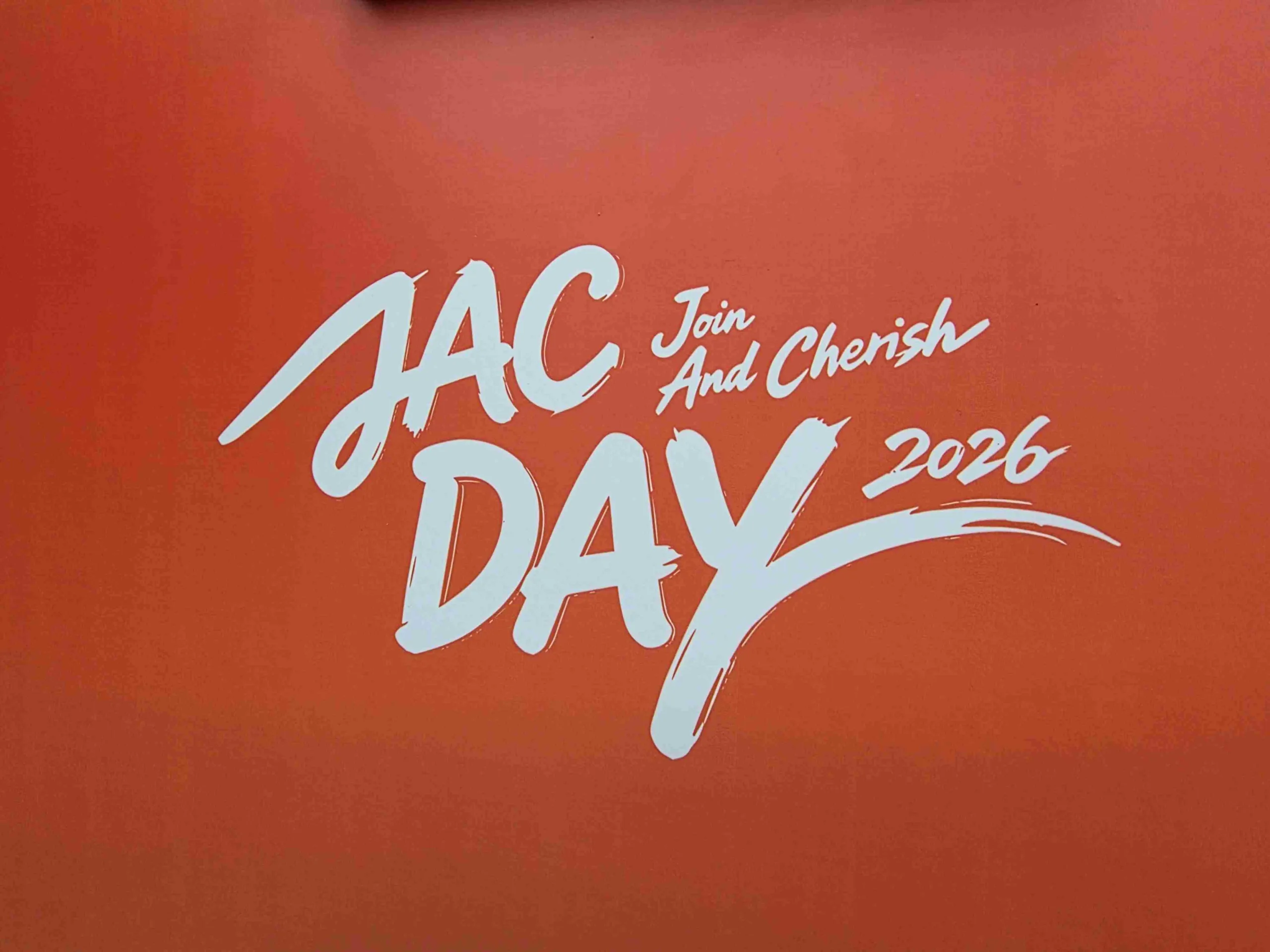
I was invited to China by JAC NZ for JAC DAY 2026, an international gathering built around the rather lovely theme “Join and Cherish”. And while that sounds like something that might appear on a motivational office poster, it actually proved to be a pretty good description of the experience.
The idea was simple enough: bring together JAC’s global partners, media and customers, show us what the company is doing, and give us a taste of Chengdu and the surrounding Sichuan region. But what followed was anything but simple.
There were new cars, old engineering, futuristic technology, spicy food, pandas, mountains, mud and enough automotive stimulation to make my phone’s memory card consider early retirement. And somewhere in amongst all of it, JAC made a pretty compelling case that its future is considerably bigger than simply building affordable commercial vehicles.
Welcome to Chengdu
Chengdu is one of those cities that rather quickly makes you realise just how little you understand about the scale of modern China. Located in Sichuan province in southwest China, it is a huge economic, technological and cultural centre, and increasingly an automotive powerhouse in its own right.
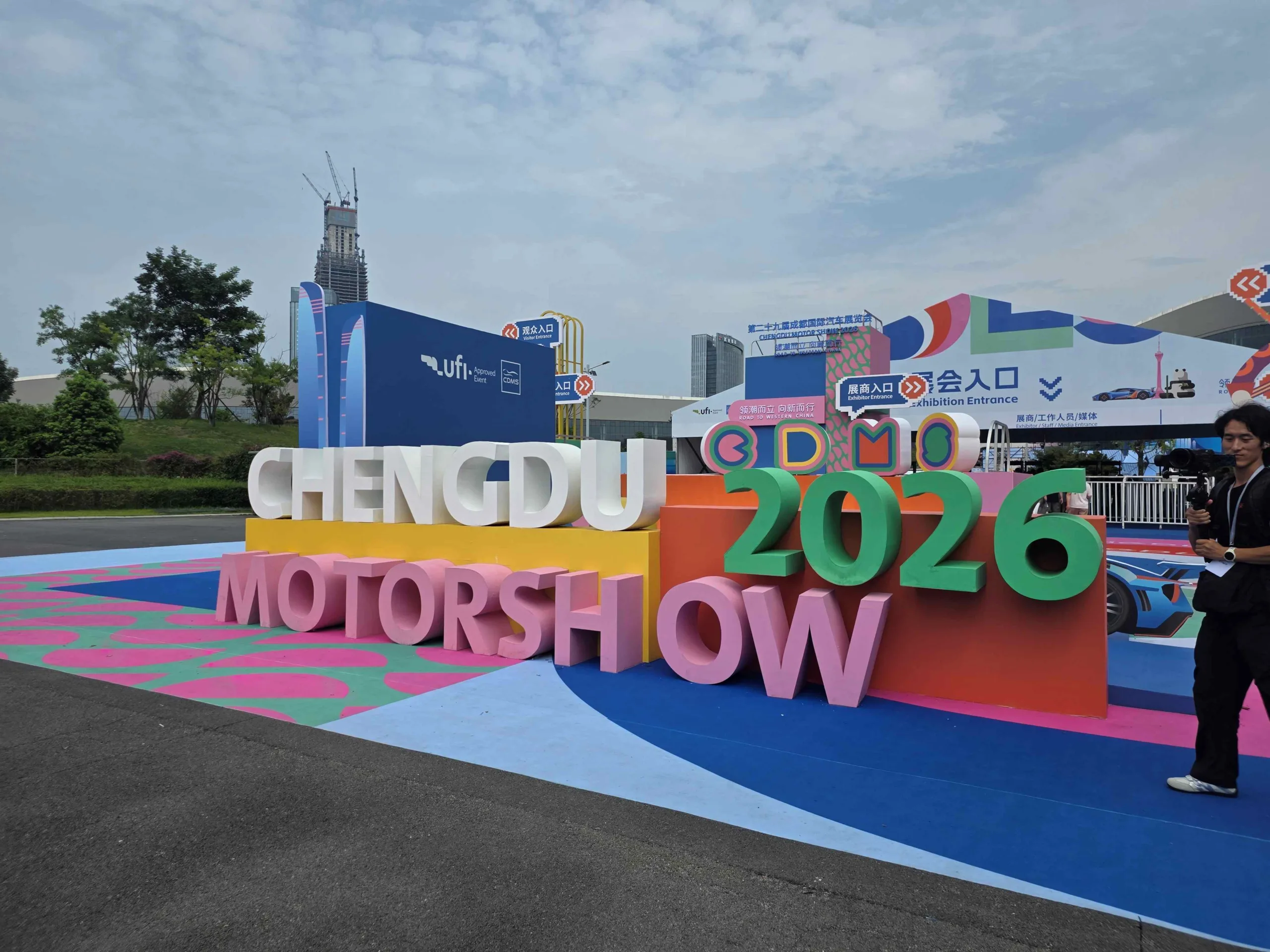
The 2026 Chengdu Motor Show reinforced that point rather spectacularly. Held at the Western China International Expo City, the show covered around 220,000 square metres, bringing together almost 120 domestic and international brands and approximately 1,600 vehicles.
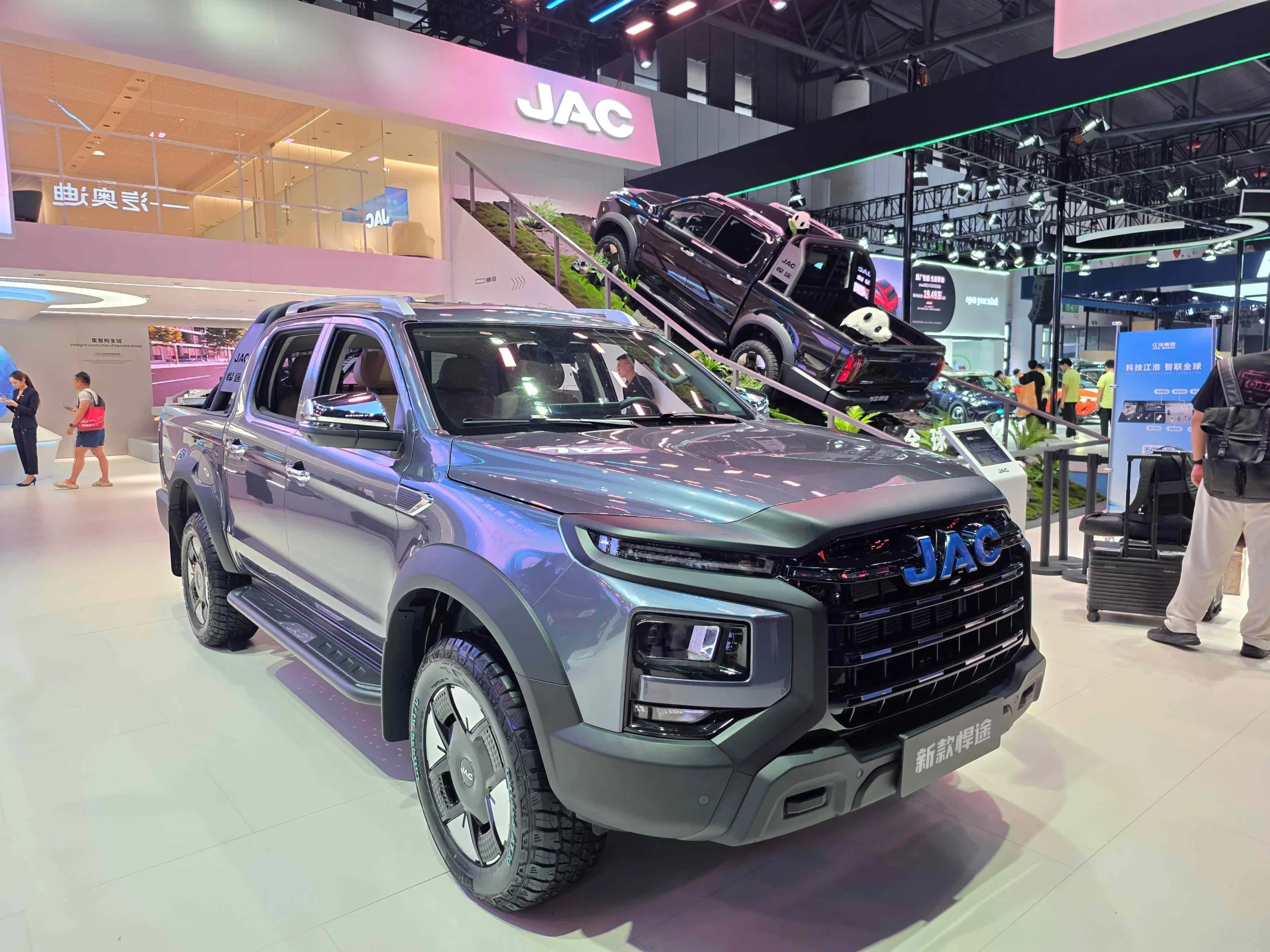
And if you think a New Zealand motor show is a big day out, imagine walking into a hall and discovering that you haven’t even reached the interesting bit yet. The Chengdu show is now one of China’s major A-level automotive exhibitions and has become an important window into what is happening across China’s rapidly changing automotive industry. And change is very much the operative word.
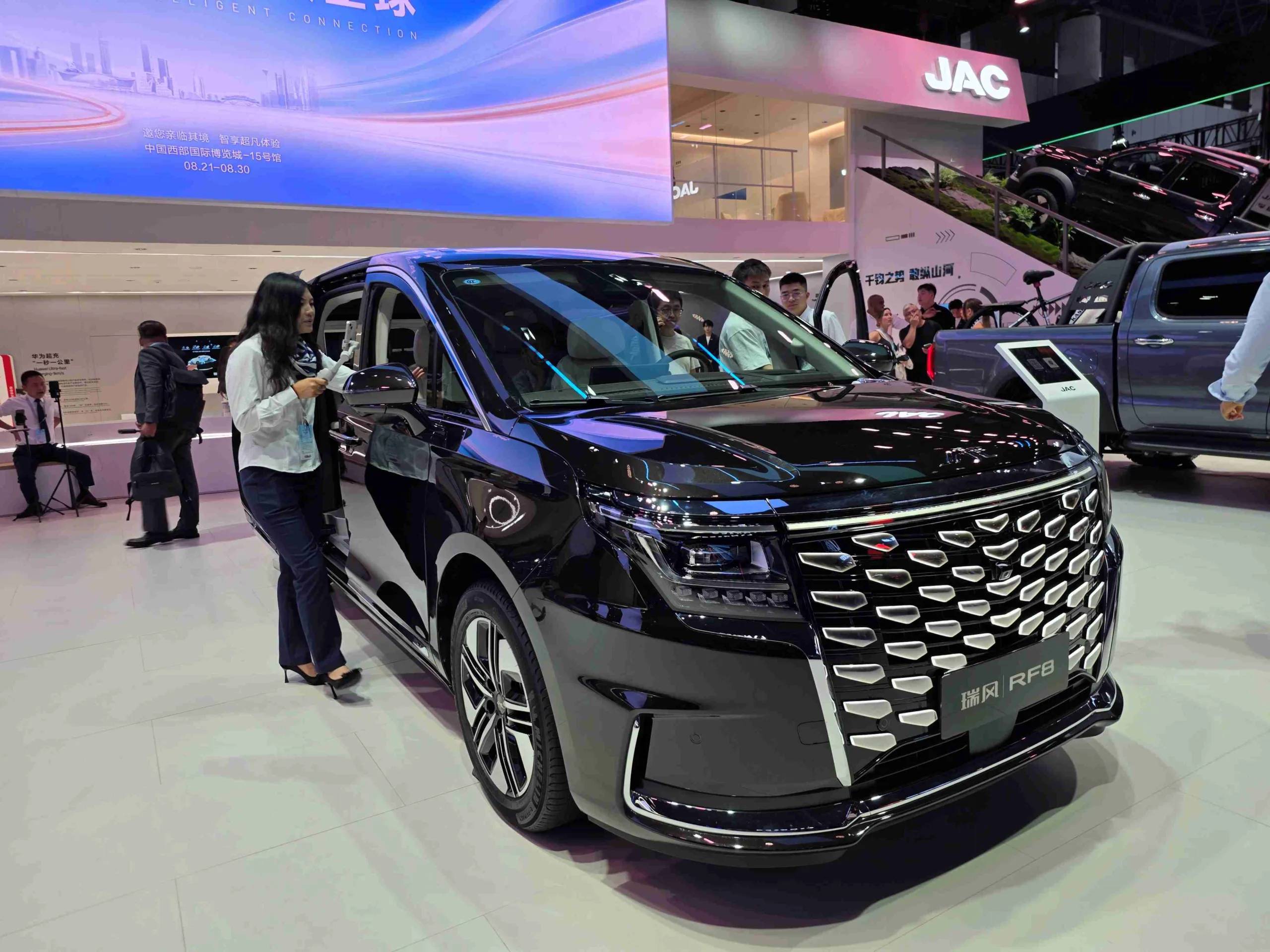
JAC – More Than Just Utes
For Kiwi audiences, JAC is perhaps best known for the T9 ute. That’s understandable. The T9 has already established itself in New Zealand as a genuine alternative in a highly competitive ute market. But wandering around the JAC stand in Chengdu was a reminder that the company is a much bigger operation than the products we currently see in New Zealand.
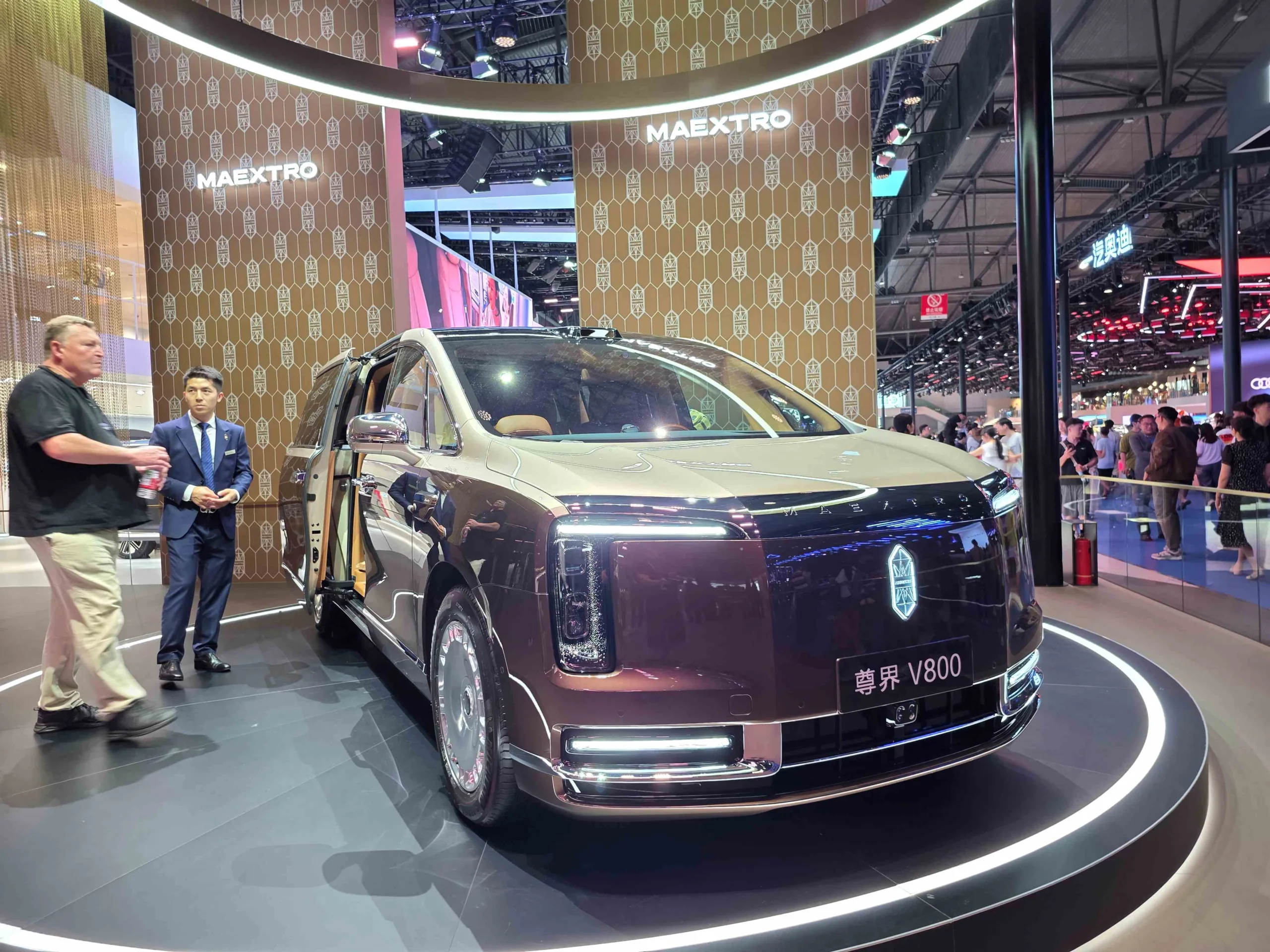
JAC’s 2026 presence included the T9 PHEV, passenger vehicles, Refine and Define products, as well as the more premium Maextro brand developed in conjunction with Huawei. It is quite a portfolio.
And that is really the point of JAC DAY. The company’s international strategy is no longer simply about finding somewhere to sell another ute. JAC says it now has products in more than 130 countries and regions, with more than 5,000 user centres and 31 overseas production bases.
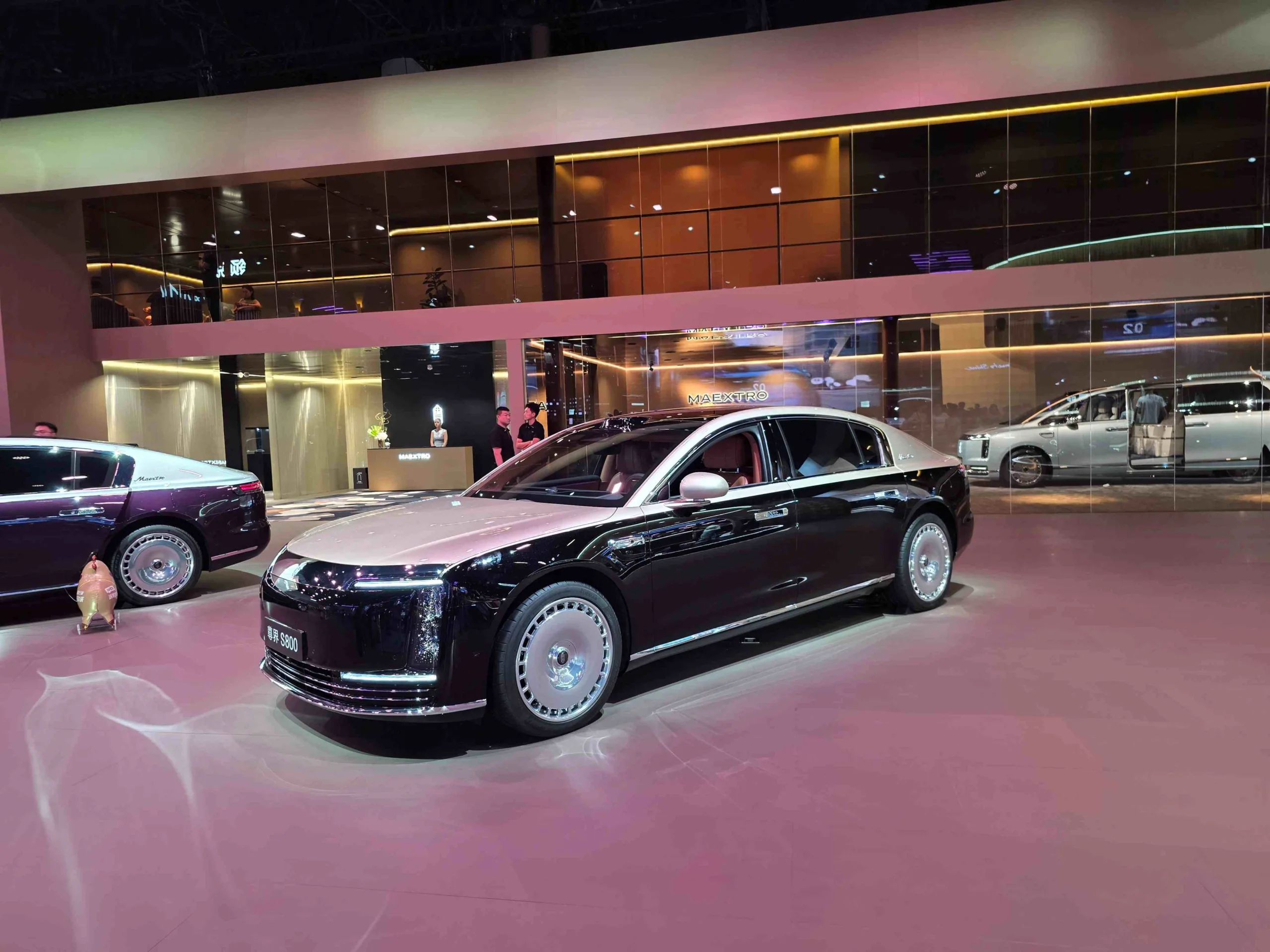
As I said, the 2026 JAC DAY programme brought together more than 100 overseas media and users from more than 20 countries. The theme, Join and Cherish, was intended to represent connection, partnership and the importance of the people around the brand. And, thankfully, it wasn’t at all about speeches and PowerPoint presentations. There was driving to be done.
Passenger Cars – Seeing Another Side of JAC
One of the more interesting aspects of the trip was getting behind the wheel of JAC’s passenger vehicles. For anyone who has only encountered JAC through the T9, this was something of a revelation. The automotive industry in China is moving at an astonishing pace, and the gap between what we traditionally think of as a Chinese car and what is now rolling out of Chinese factories is getting wider by the day.
The focus is increasingly on electrification, connectivity, cabin technology and software, rather than simply offering a cheaper version of something from Europe, Japan or Korea. The Chengdu Motor Show was packed with evidence of this.
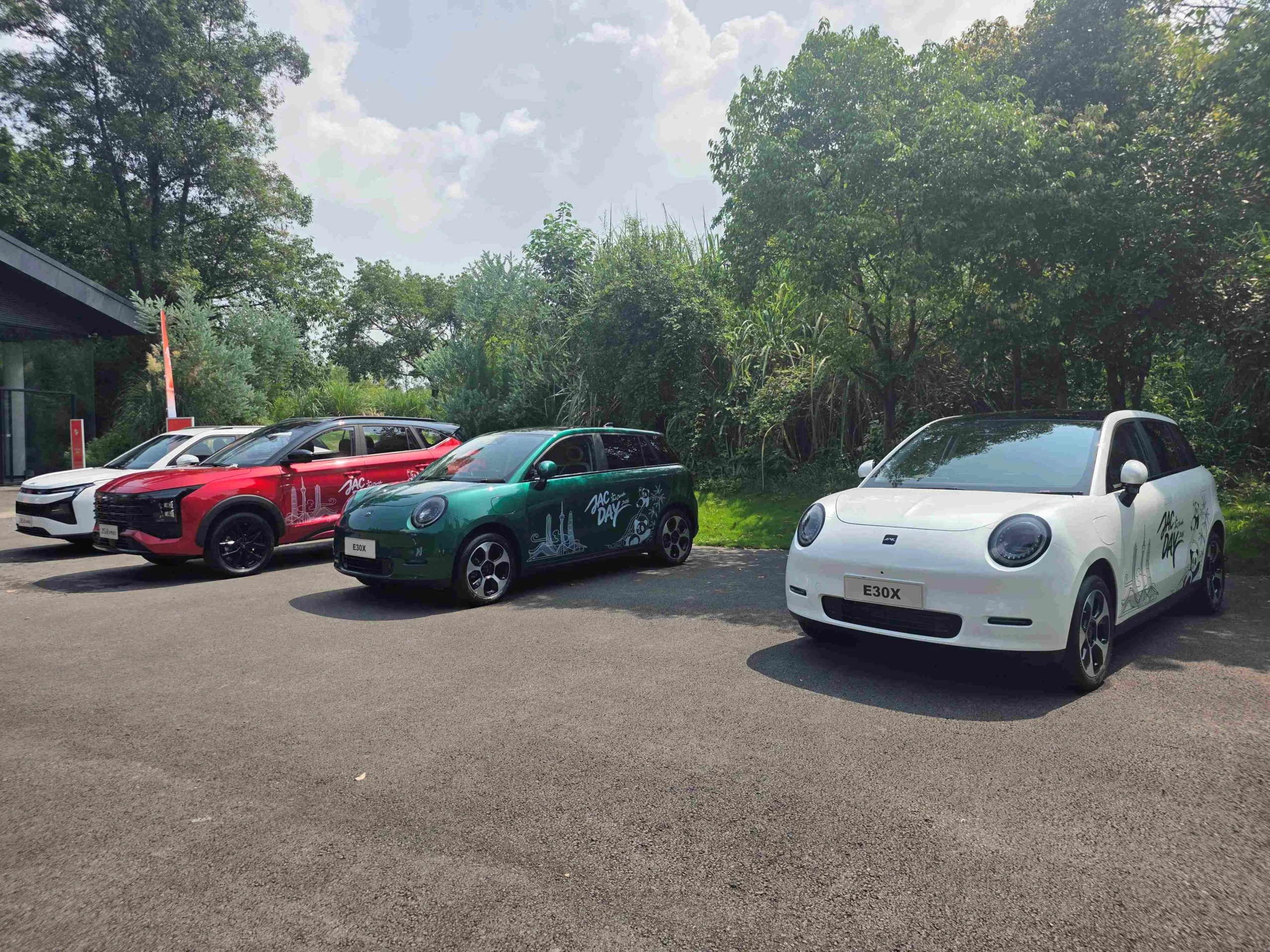
Electric vehicles, plug-in hybrids, range extenders, advanced driver assistance systems, AI-powered cabins and increasingly sophisticated infotainment systems were everywhere. JAC is clearly positioning itself to be part of that transformation.
And if the JAC’s global passenger-vehicle ambitions translate into more products for markets like ours, Kiwi buyers could soon have considerably more JAC choice than simply which T9 variant to put in the driveway.
Then We Got Muddy – JAC T9 PHEV
Of course, there was only one sensible way to test whether JAC’s plug-in hybrid ute was more than a marketing exercise and that was to get it dirty. So that’s exactly what we did.
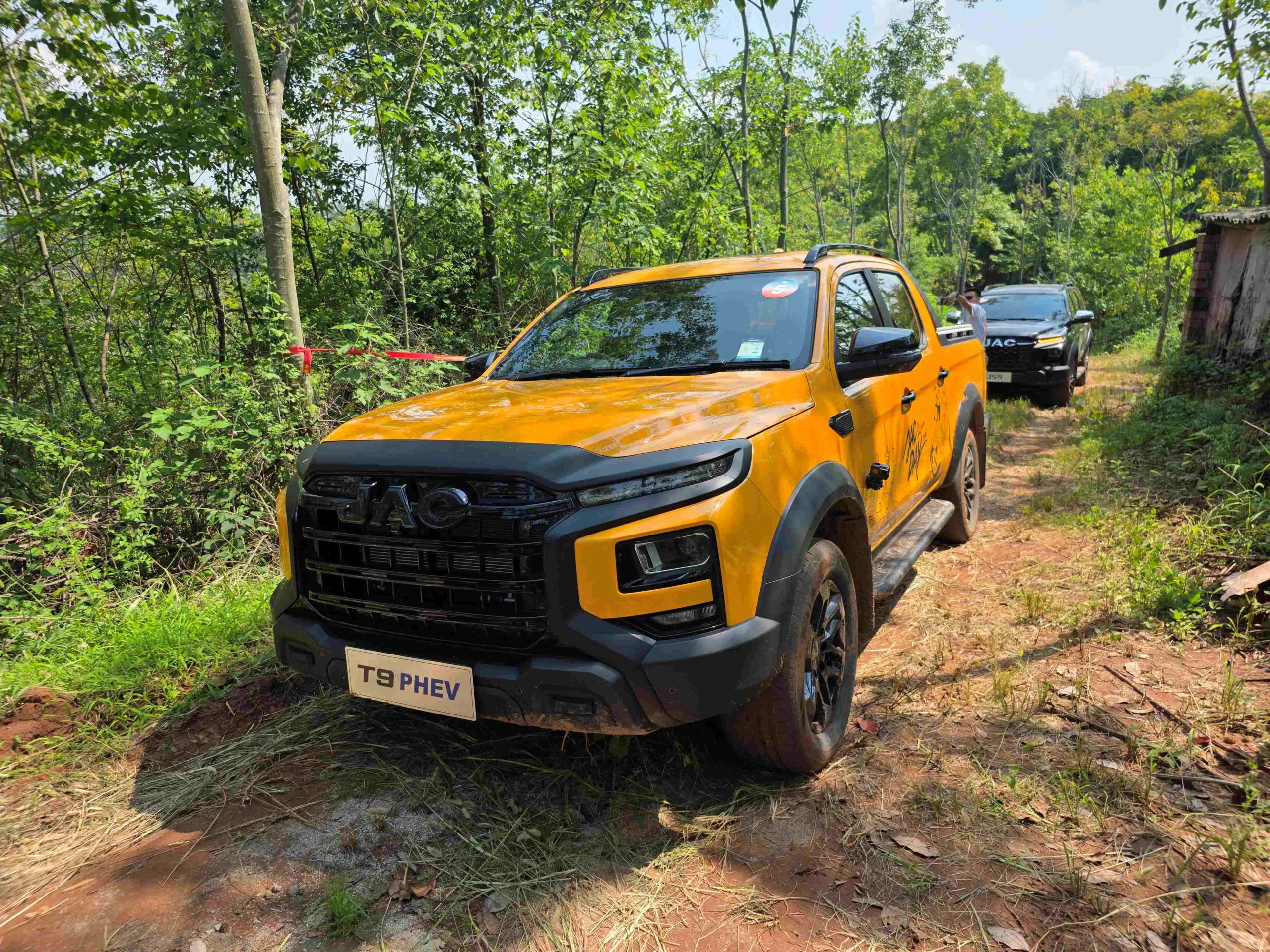
Outside Chengdu, JAC had prepared an off-road course through forested terrain. It had rained, the red clay/mud was wet and slippery and the surface had all the consistency of something that would happily swallow a pair of expensive shoes. Perfect.
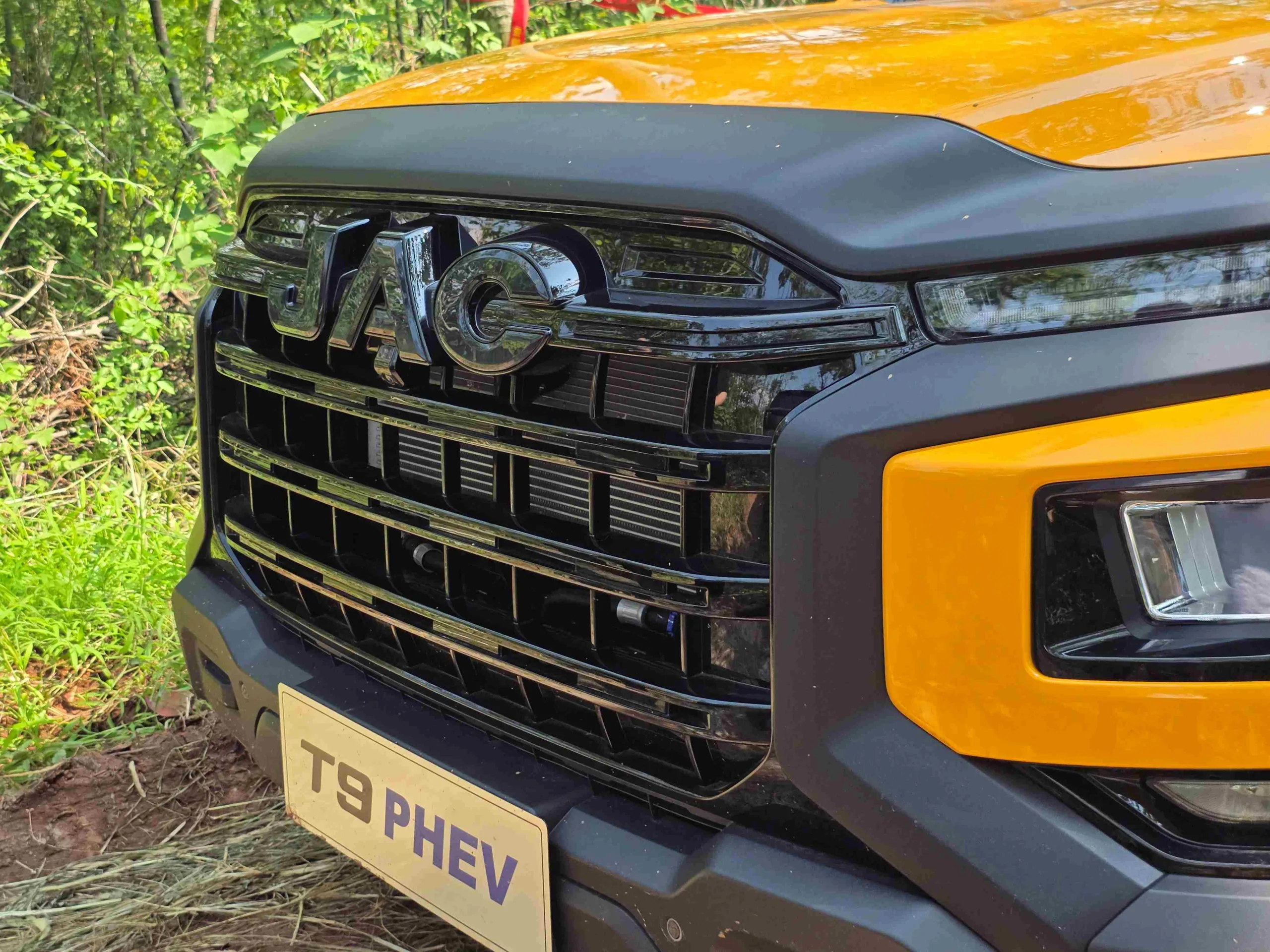
The T9 PHEV looks broadly familiar, retaining the chunky, broad-shouldered design of the conventional T9. But underneath, things get rather more interesting.
The diesel engine is gone, replaced by a 2.0-litre petrol engine working with two electric motors and a 31.2kWh battery. Combined system output is around 360kW, with approximately 674Nm of combined torque. EV driving range is quoted at around 105km, while total hybrid range is claimed at up to 1,005km under NEDC testing.
Those are not insignificant numbers. In fact, 360kW in a ute is enough to make your average traditional diesel workhorse look at the specification sheet and quietly question its life choices. The clever bit is the way the electric motors work within the drivetrain. One motor drives the front axle and another provides drive to the rear, with the system designed to provide four-wheel-drive capability while maintaining the advantages of electric torque.
And off-road, that instant torque makes a difference. The course was wet enough to make things interesting, particularly as the test vehicles were running road-biased tyres rather than some aggressive mud-terrain rubber.
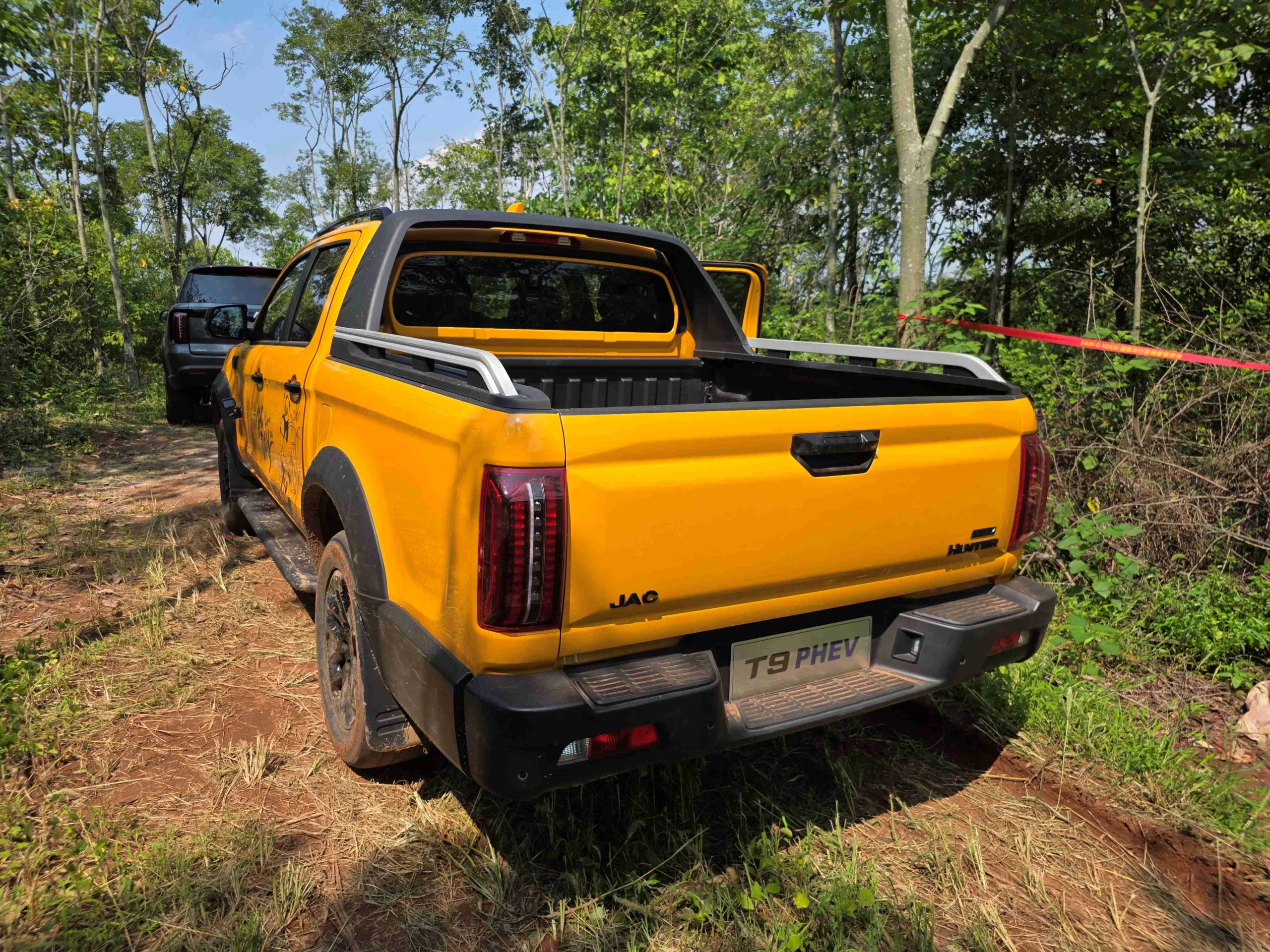
The T9 PHEV simply got on with it. Rather than constantly trying to second-guess which wheel was losing traction, the electronics managed much of the hard work in the background. Pick your line, manage the throttle and keep moving.
It’s an interesting interpretation of the modern ute because it combines the traditional strengths of a ladder-frame workhorse with the increasingly sophisticated world of electrification. And, importantly, JAC hasn’t forgotten what a ute is supposed to do.
The T9 PHEV is designed around serious utility, including a claimed 3.5-tonne towing capacity and more than 900kg of payload capability. So while the electric motors might make it feel rather clever, this isn’t some lifestyle toy wearing a tray, it still wants to work.
Pandas – Because Obviously
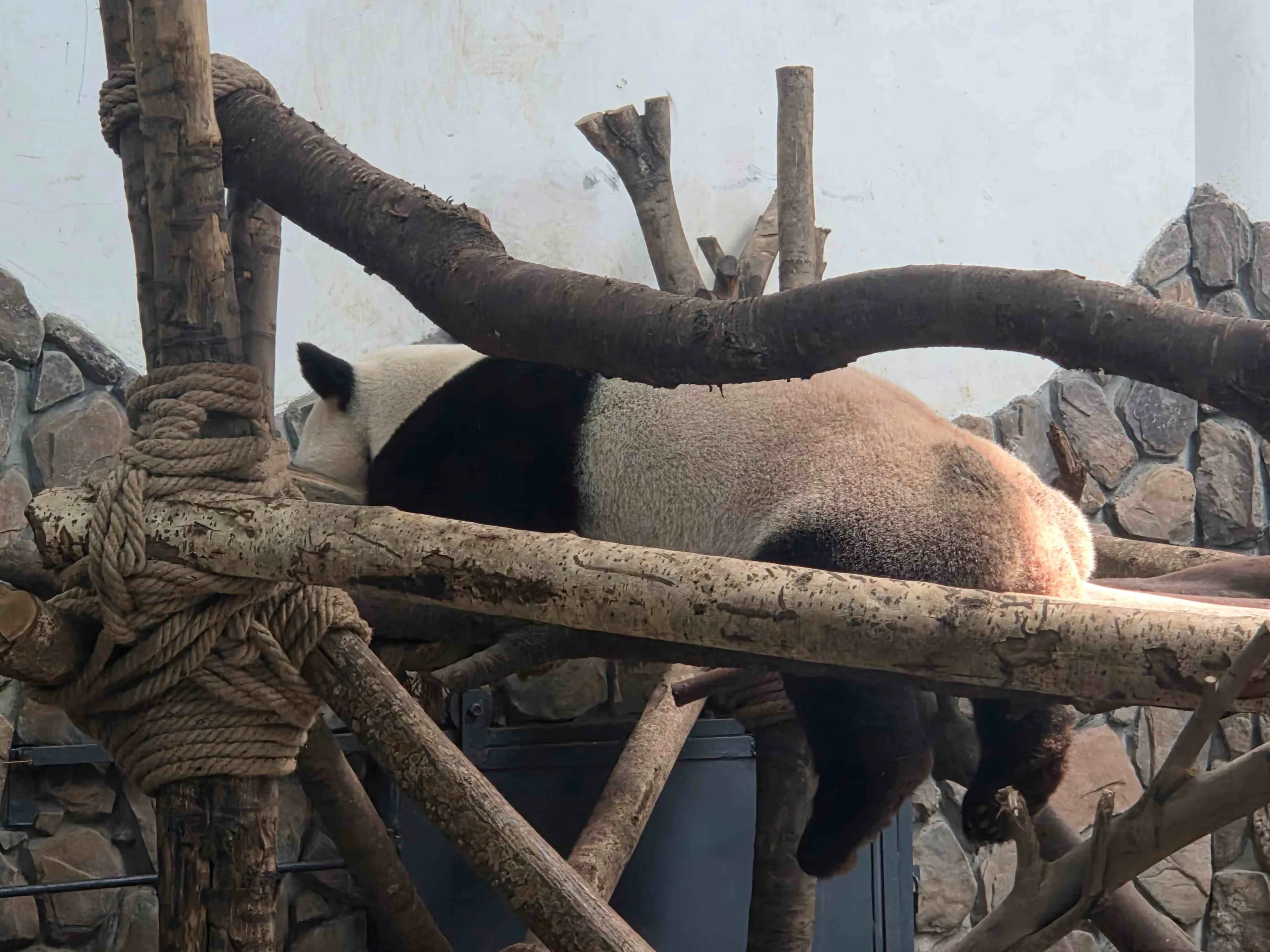
You can’t come to Chengdu and not visit pandas. Well, you can, but you’d probably be arrested by the International Committee for Wasting a Perfectly Good Trip. The Chengdu Research Base of Giant Panda Breeding was established in 1987 and has become one of the world’s best-known centres for giant panda conservation, research, breeding and education. The main site covers around 3,570 mu, or approximately 238 hectares. And yes, the pandas are every bit as ridiculous and adorable as you expect.
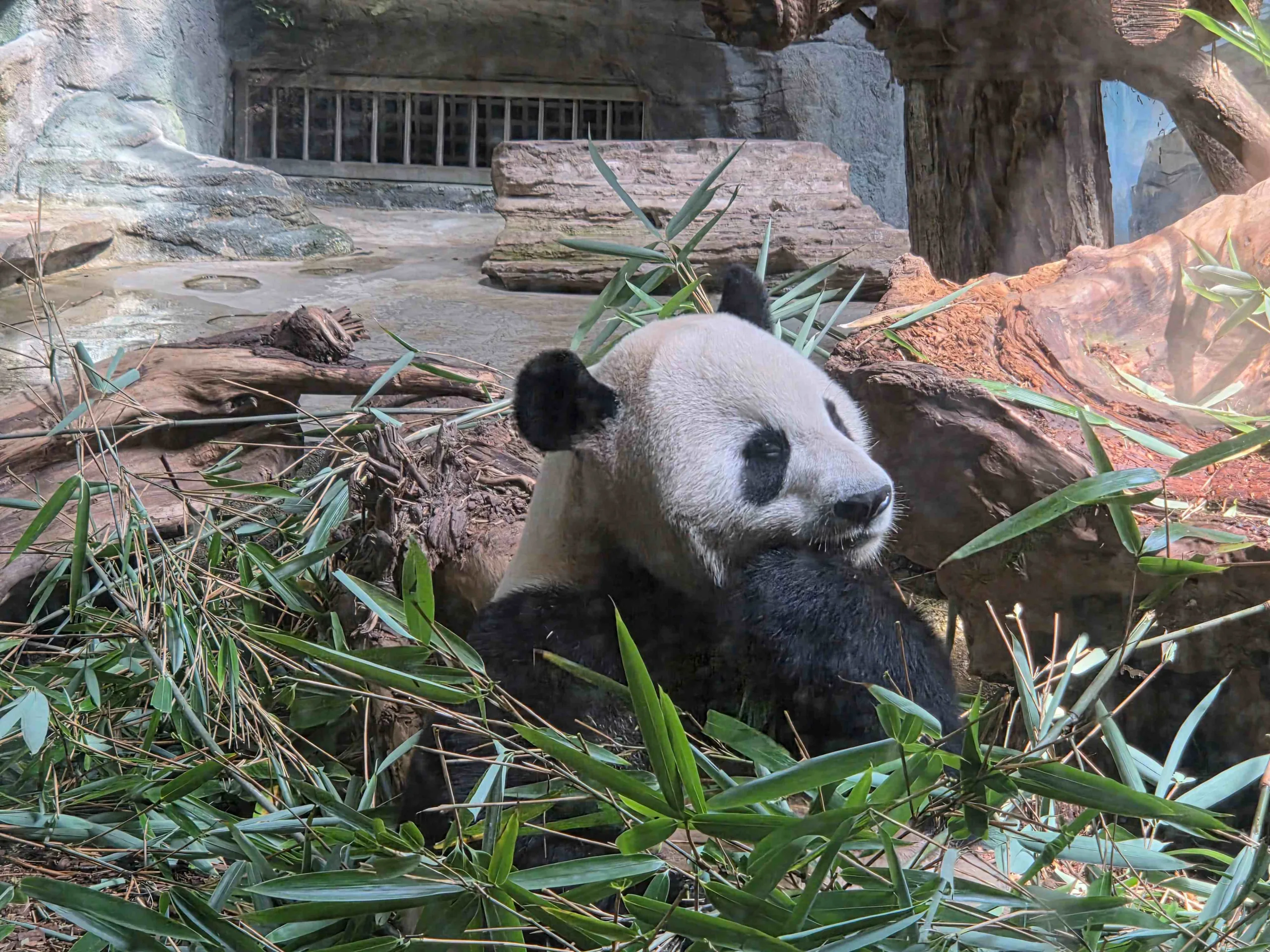
Watching one of these enormous black-and-white balls of fluff casually demolish a pile of bamboo while apparently having absolutely no concerns about deadlines, mortgages or global automotive competition is strangely therapeutic. I suspect there are probably management lessons to be learned here. Eat bamboo, sit down, look adorable. Repeat.
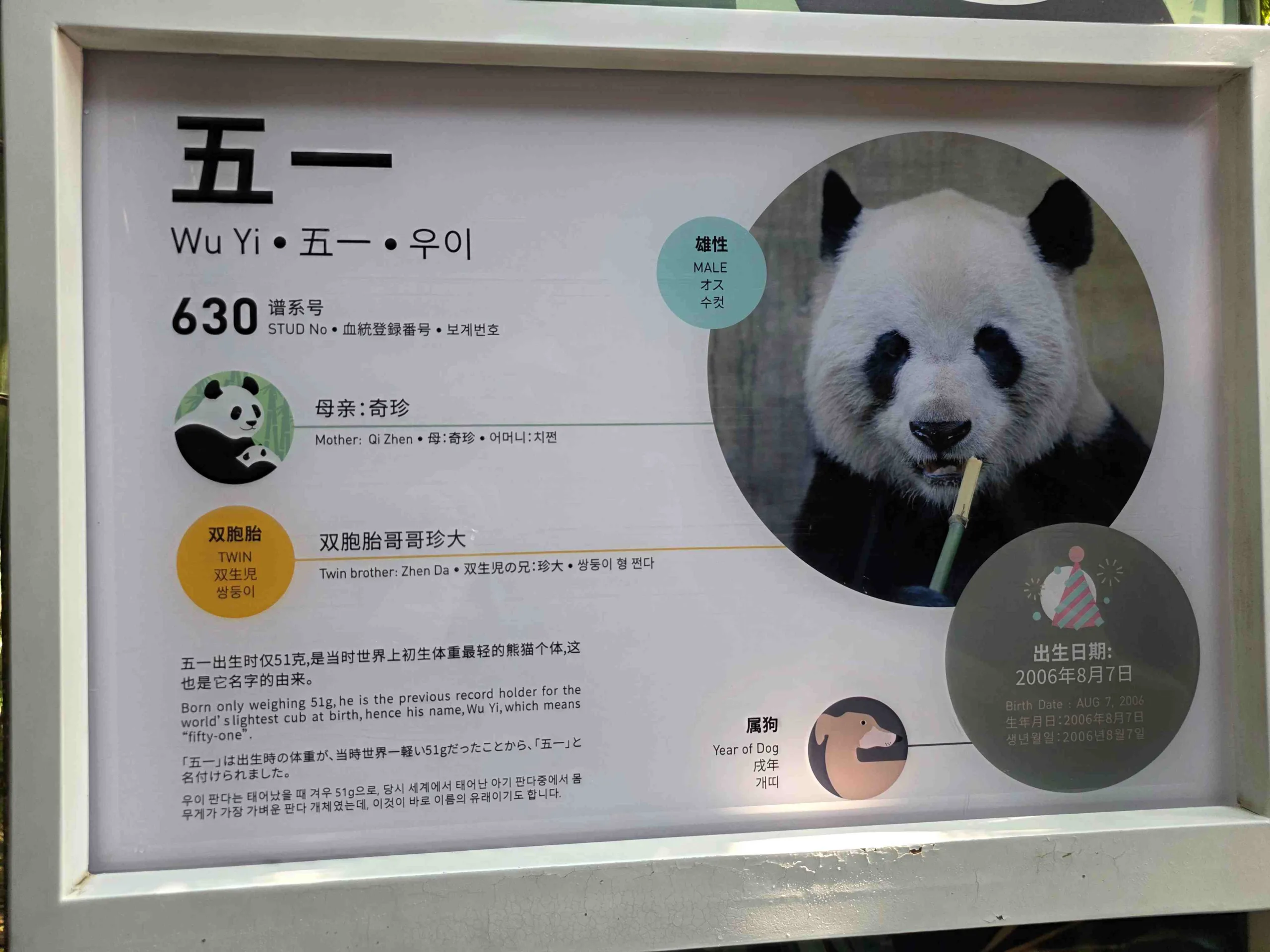
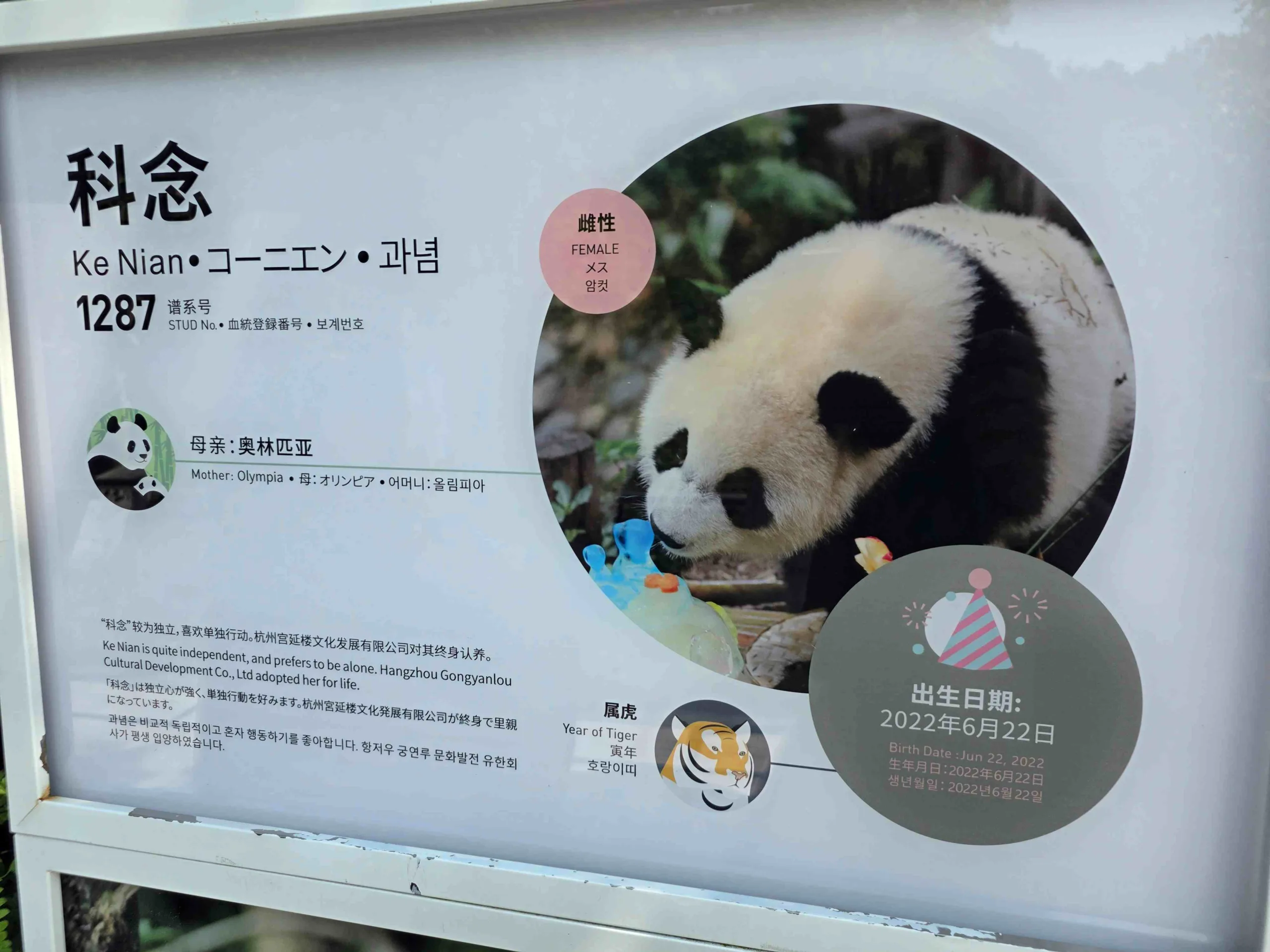
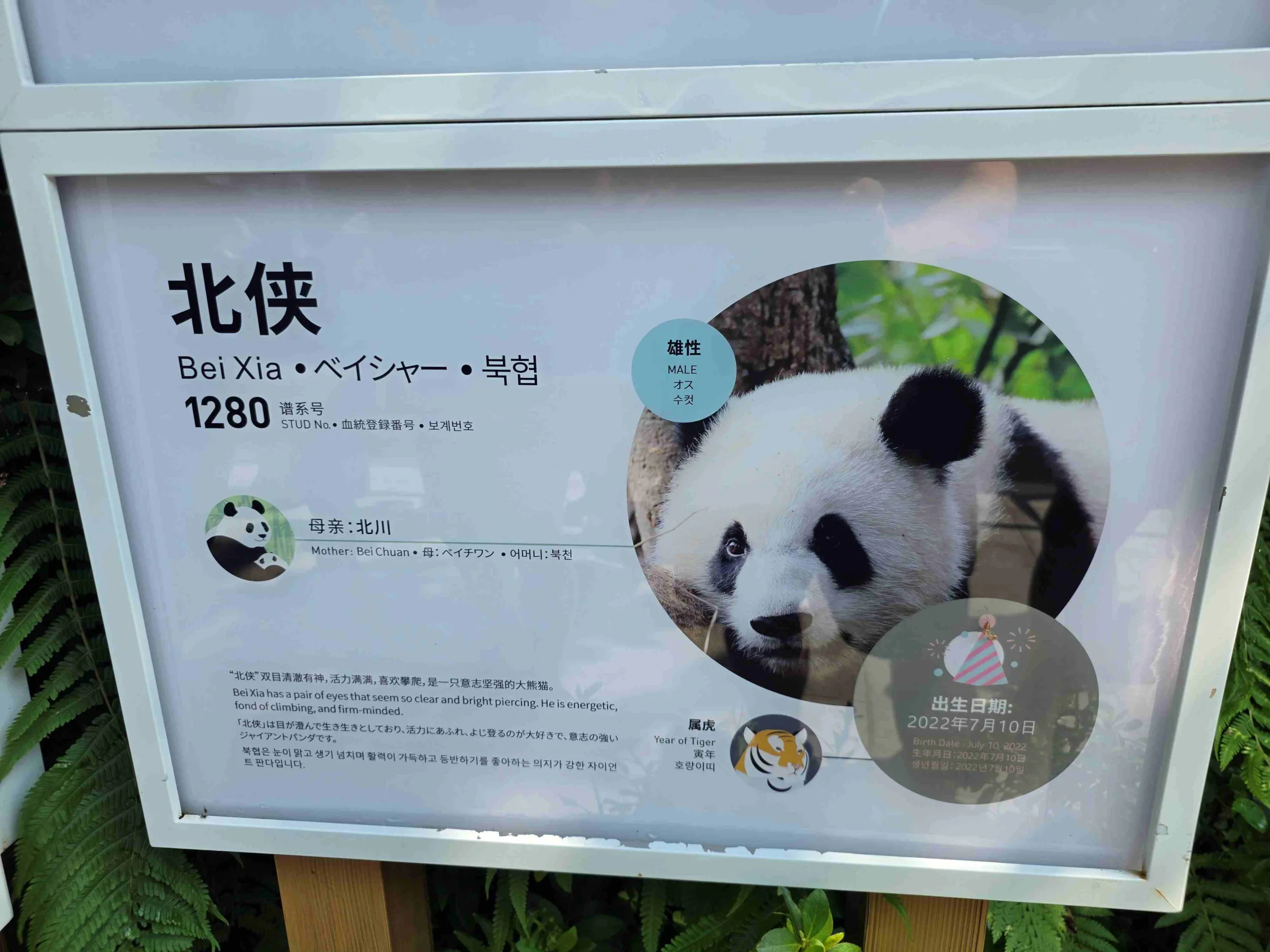
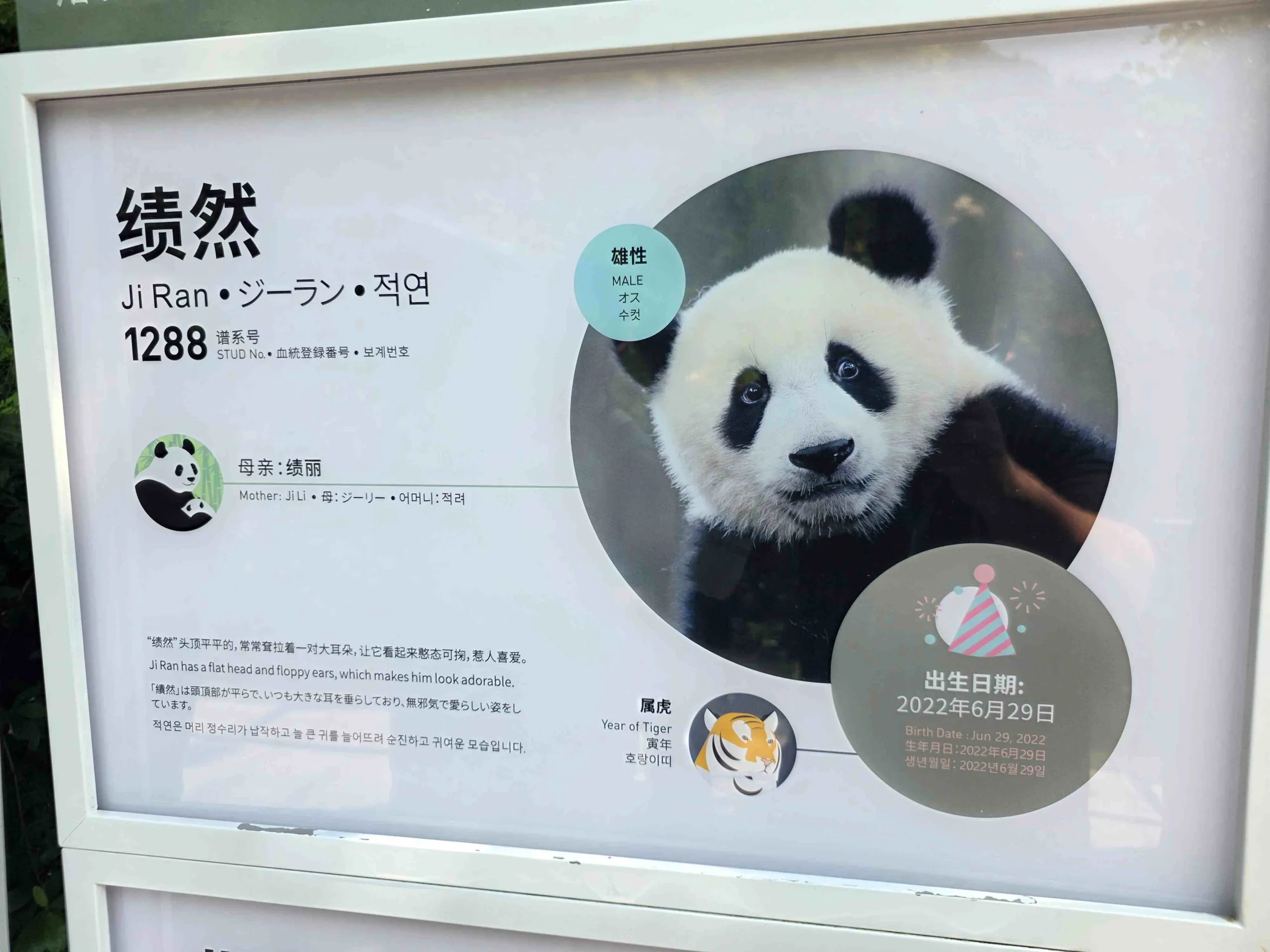
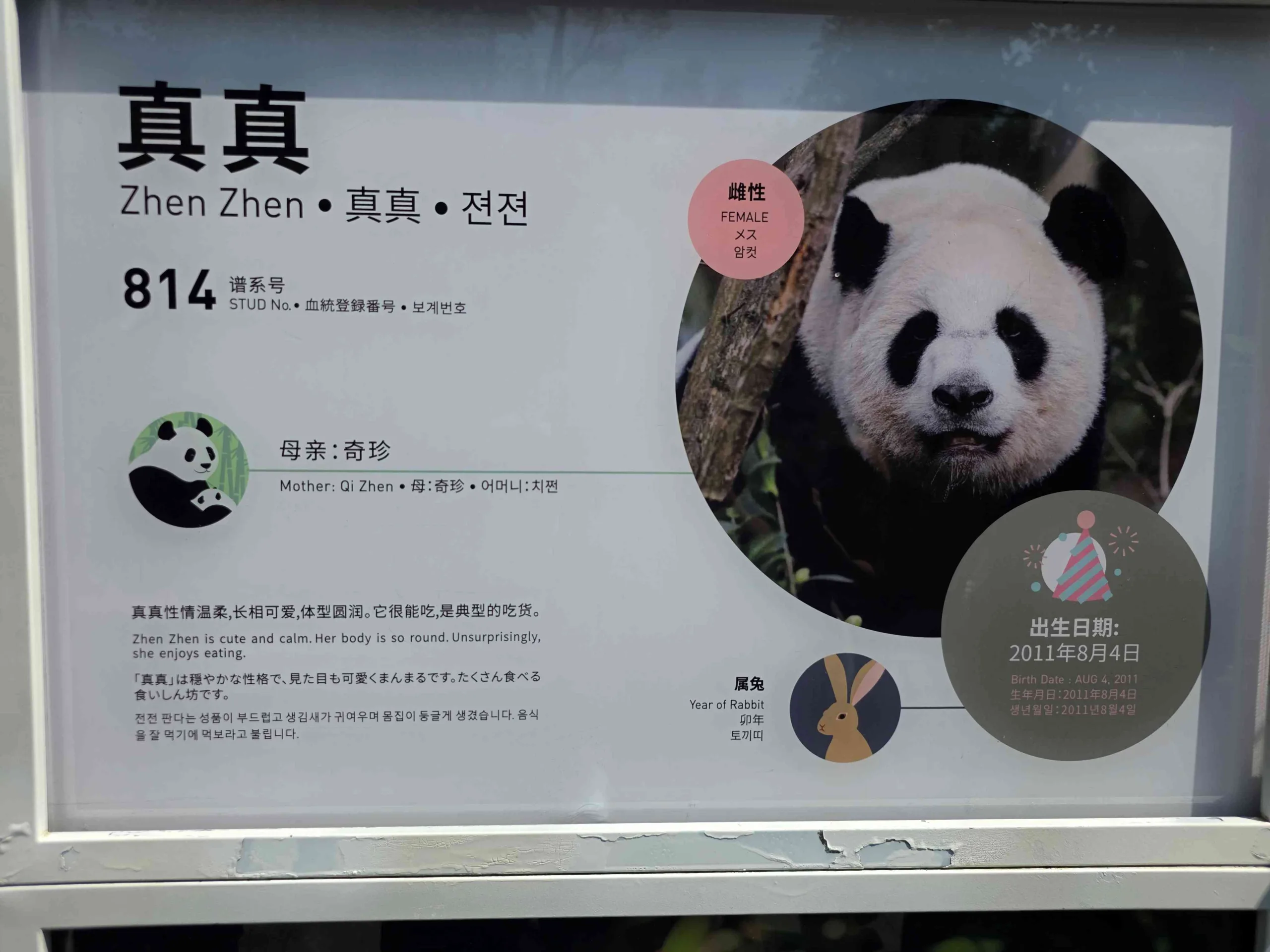
The Panda Base isn’t simply a tourist attraction, though. Its primary role is conservation, research and breeding, with international cooperation forming an important part of its work. For a bunch of automotive journalists normally obsessed with horsepower, torque and battery capacity, it was a welcome reminder that Chengdu’s most famous residents have considerably less interest in any of those things.
From Cutting-Edge Cars to 2,000-Year-Old Engineering
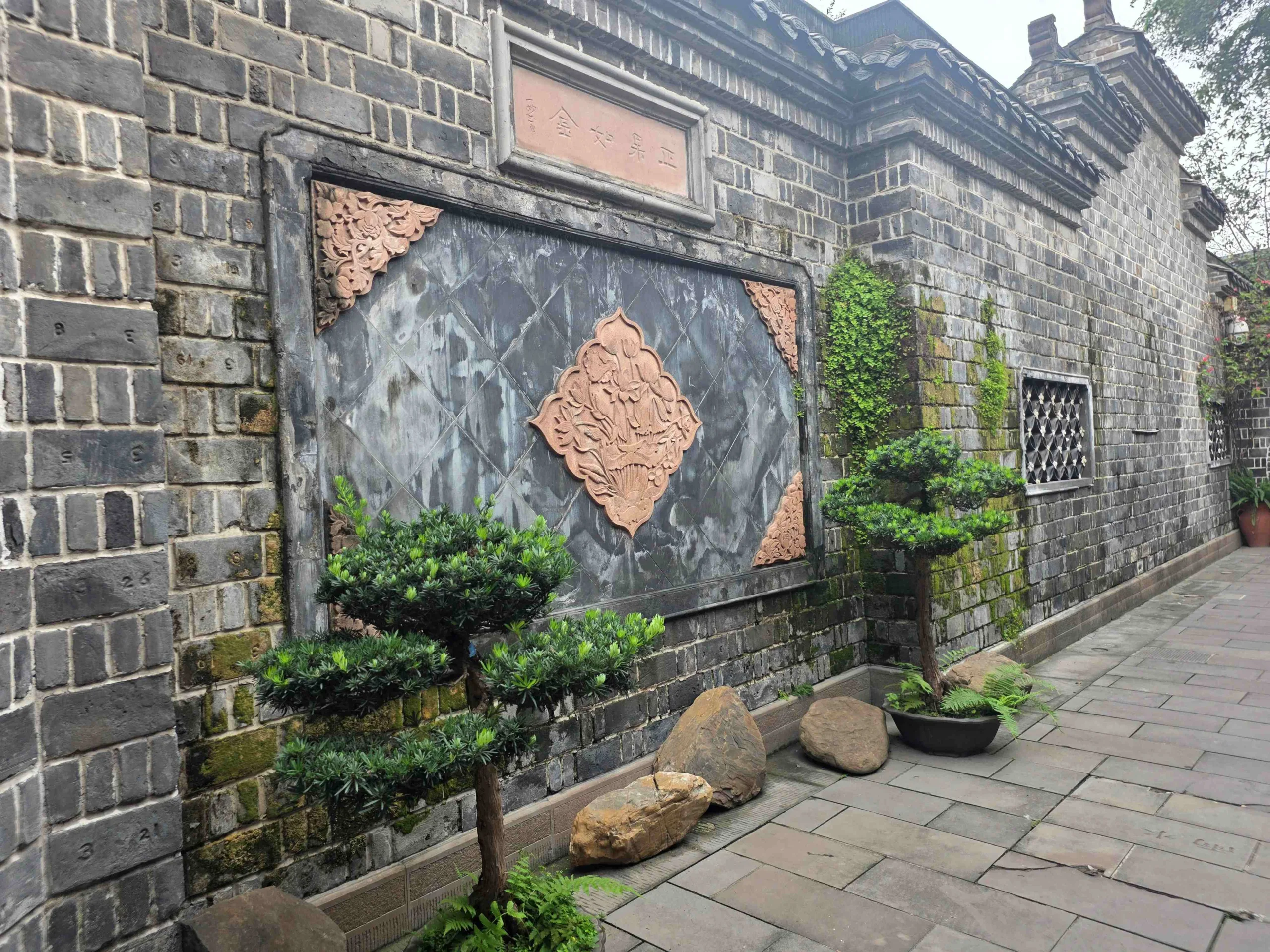
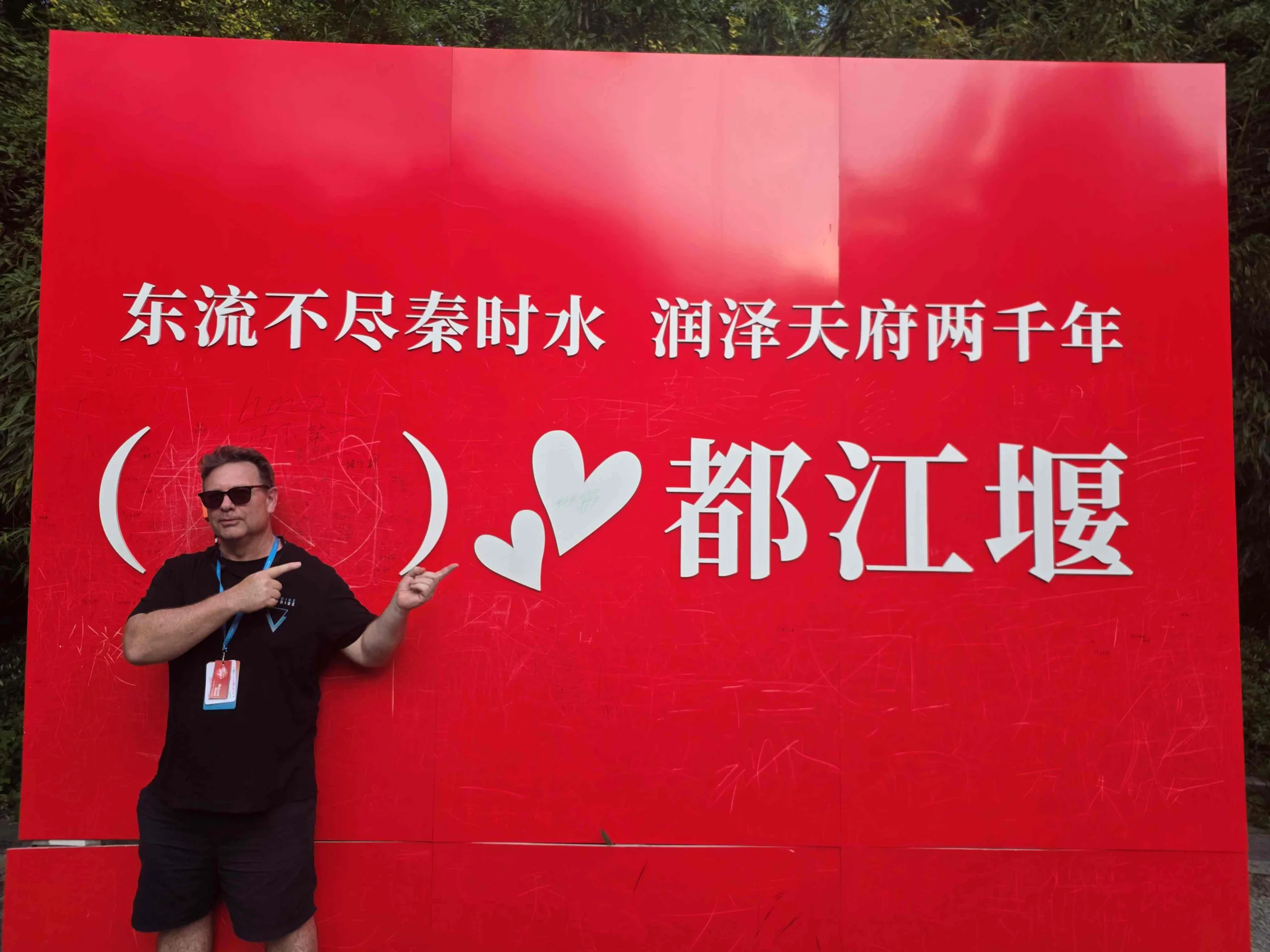
If the Chengdu Motor Show demonstrated where automotive technology is heading, our visit to the Dujiangyan Irrigation System provided a rather humbling look at where engineering has already been. And I mean already.
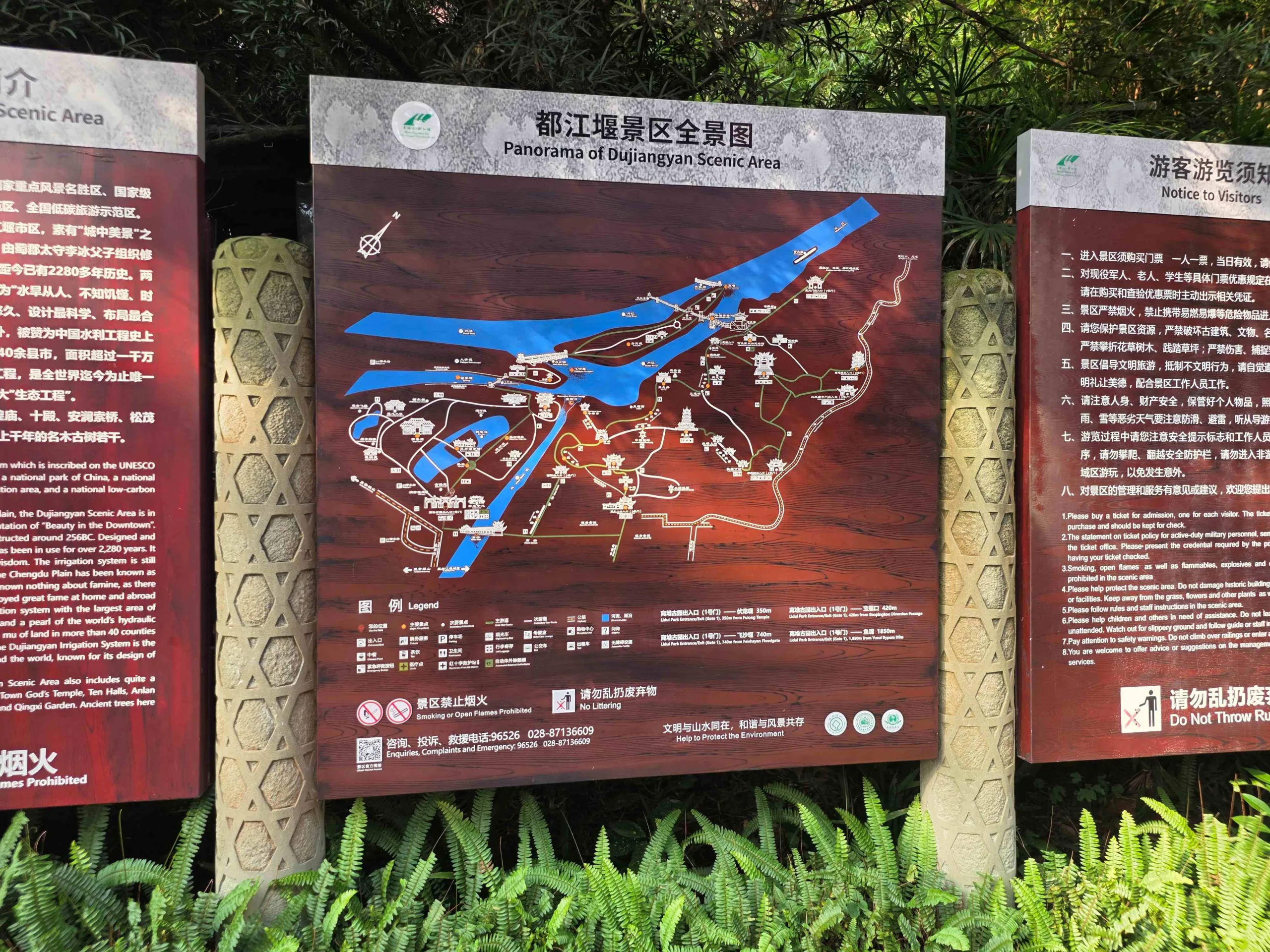
The system was originally constructed around 256 BC, more than 2,250 years ago. Yep, Two thousand two hundred and fifty years. So way before three wise men followed a star to a stable, ancient Chinese engineers were redesigning an entire river system.
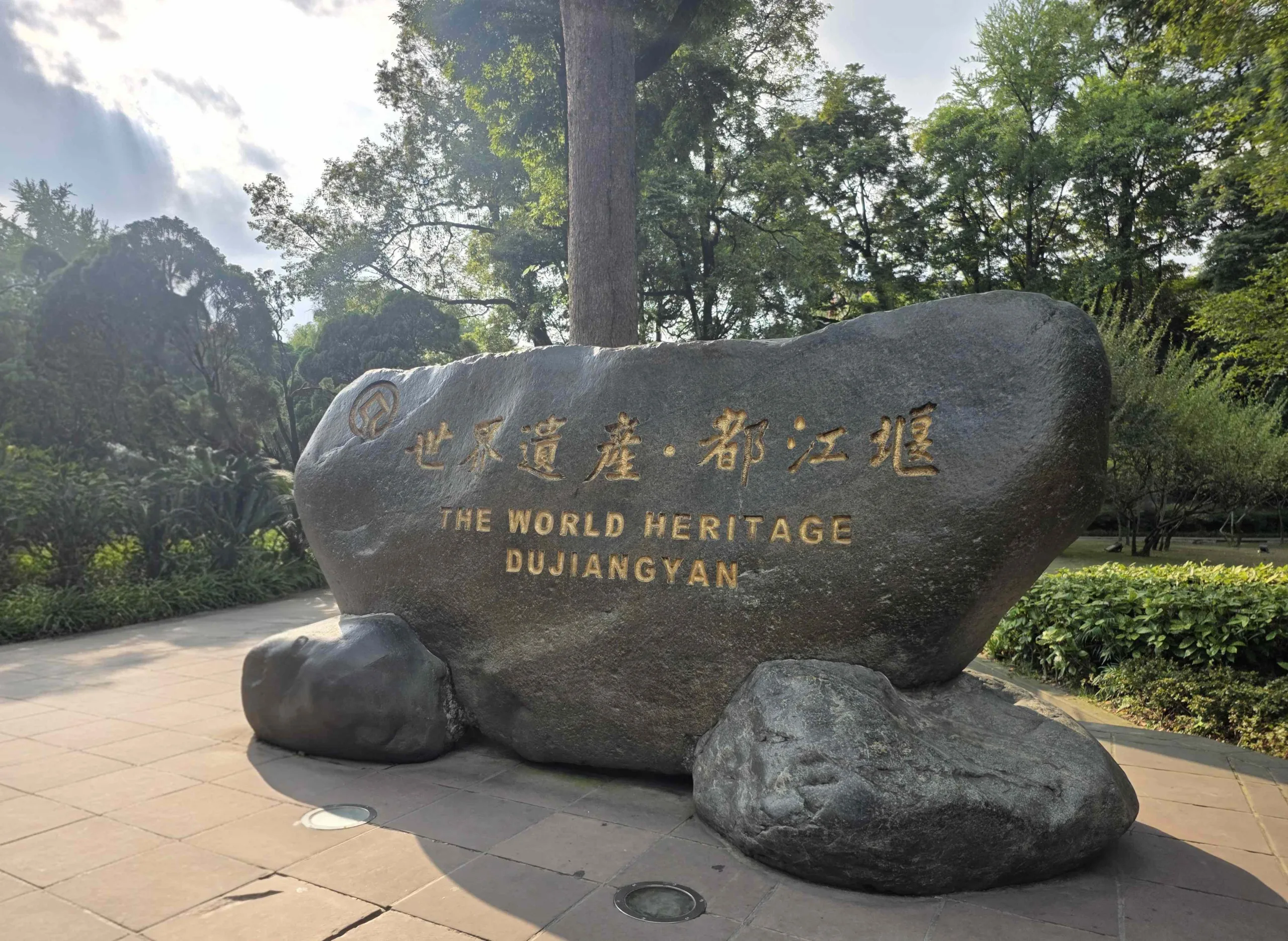
Dujiangyan is recognised by UNESCO as part of the Mount Qingcheng and Dujiangyan Irrigation System World Heritage Site. The genius of the system is that it wasn’t simply a massive dam. In fact, one of its defining characteristics is that it uses the natural geography and flow of the Minjiang River rather than relying on a conventional dam to control the water.
The system diverts water, manages flooding, controls sediment and distributes irrigation water across the Chengdu plains. And it still works today. That’s a pretty decent product lifecycle.
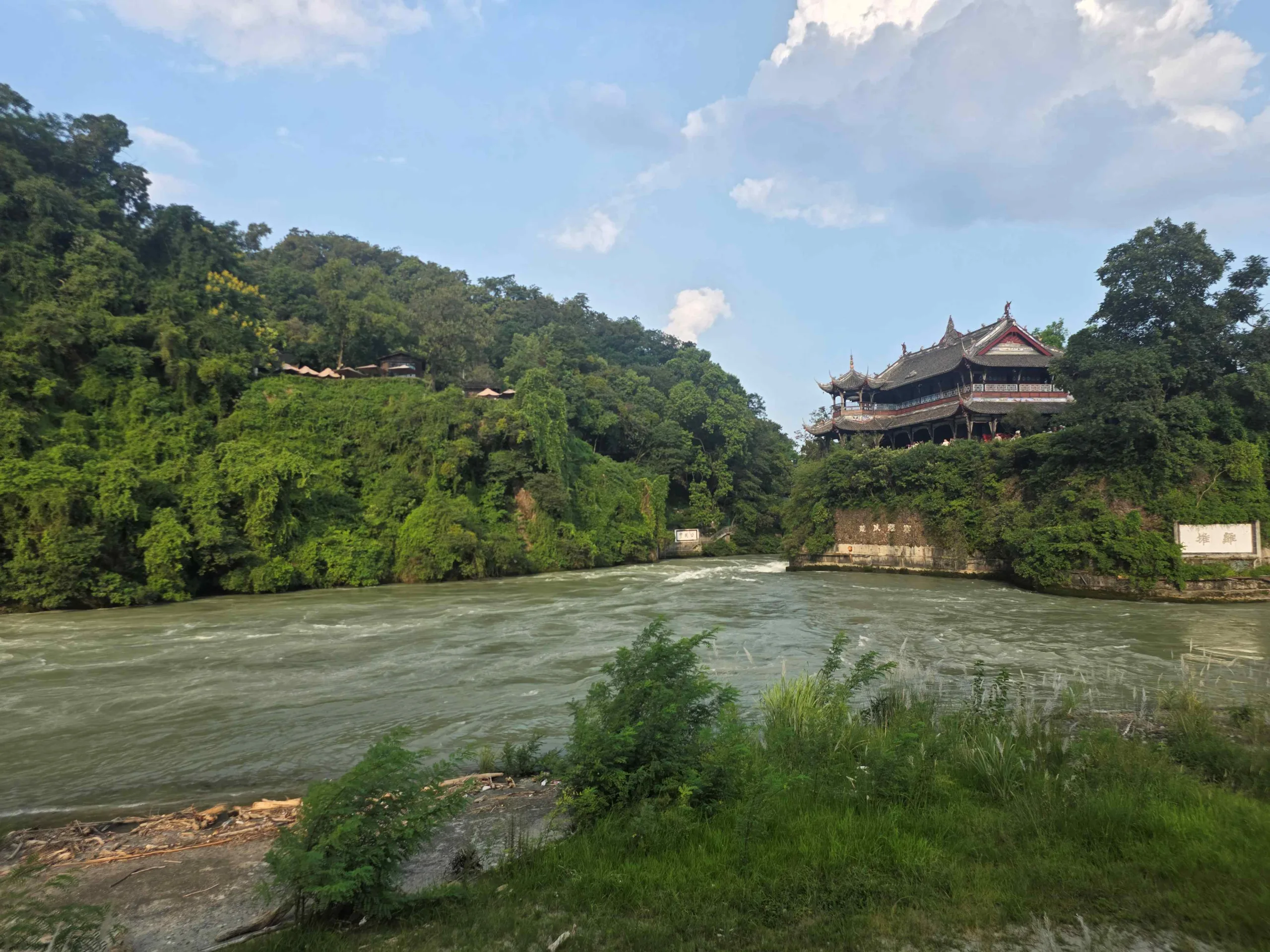
Walking across the site, you begin to appreciate just how clever it is. The key elements include the Yuzui Bypass Dike, Feishayan Floodgate and Baopingkou Diversion Passage, which work together to control and distribute the river’s water. And here’s the bit that’s worth pondering, isn’t merely a historical curiosity.
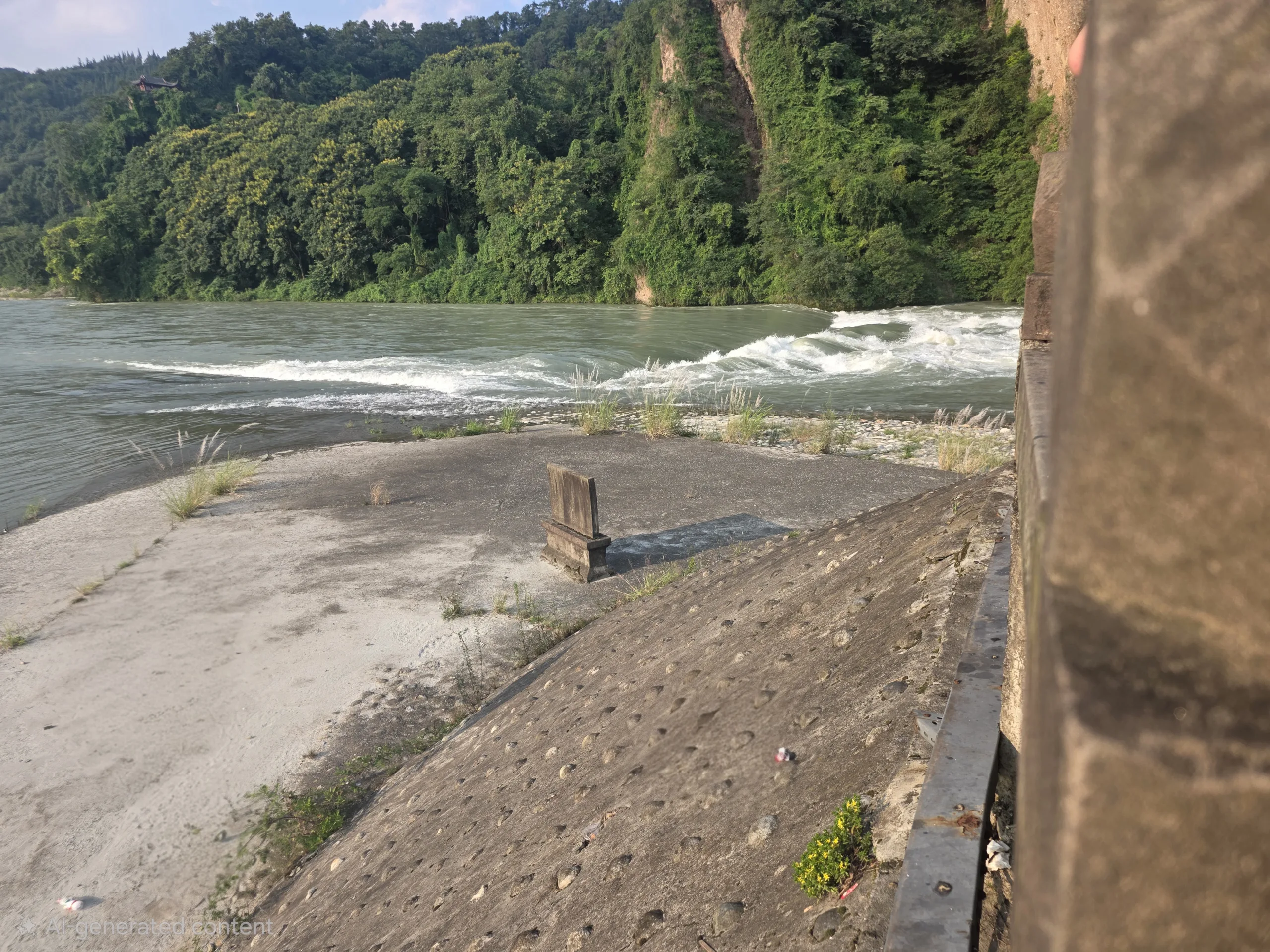
The system remains functional and continues to provide water management and irrigation benefits today. UNESCO notes that it now supports irrigation across approximately 668,700 hectares of farmland.
So while JAC was showing us a 360kW plug-in hybrid ute equipped with multiple electric motors and computer-controlled systems, Dujiangyan was quietly reminding us that good engineering doesn’t necessarily need a screen. Sometimes you just need to understand water (or is that Chi?).
The Chengdu Connection
What made JAC DAY 2026 particularly interesting was the contrast. One moment you’re standing beneath the bright lights of a modern motor show surrounded by electric supercars, luxury SUVs and intelligent driving technology. The next you’re watching a panda eat bamboo.
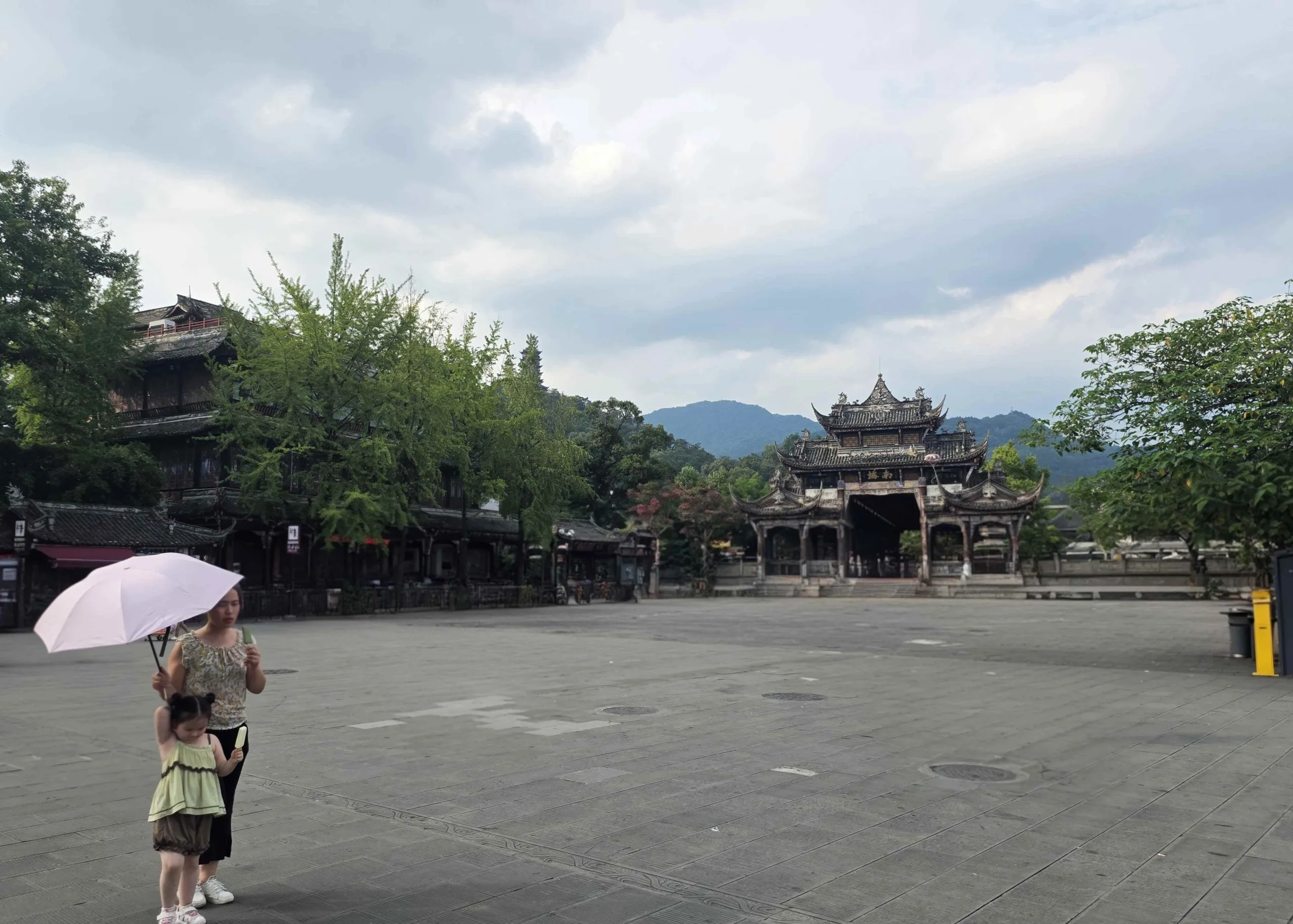
Then you’re standing beside an ancient irrigation system that has been moving water around Sichuan for more than two millennia. Then you’re back behind the wheel of a 360kW PHEV ute getting its tyres covered in red clay.
It sounds like someone designed the itinerary after consuming too much Sichuan hotpot. But actually, it worked. Because it provided a much broader understanding of the place JAC calls home.
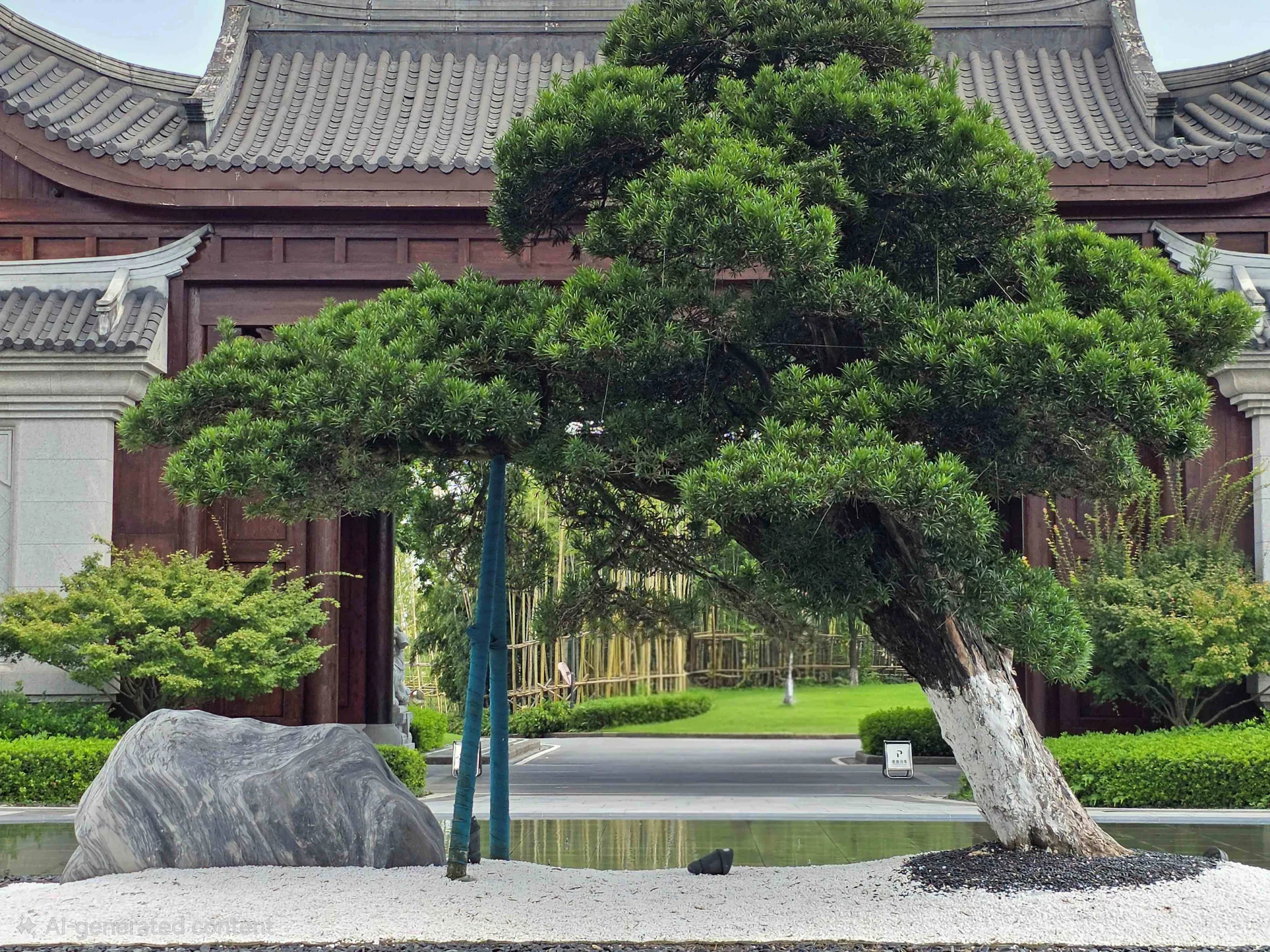
This wasn’t simply a trip to look at cars. It was a look at China’s past, present and future, all packed into a few days. The past was represented by Dujiangyan. The present was Chengdu itself, a huge, vibrant and increasingly sophisticated city.
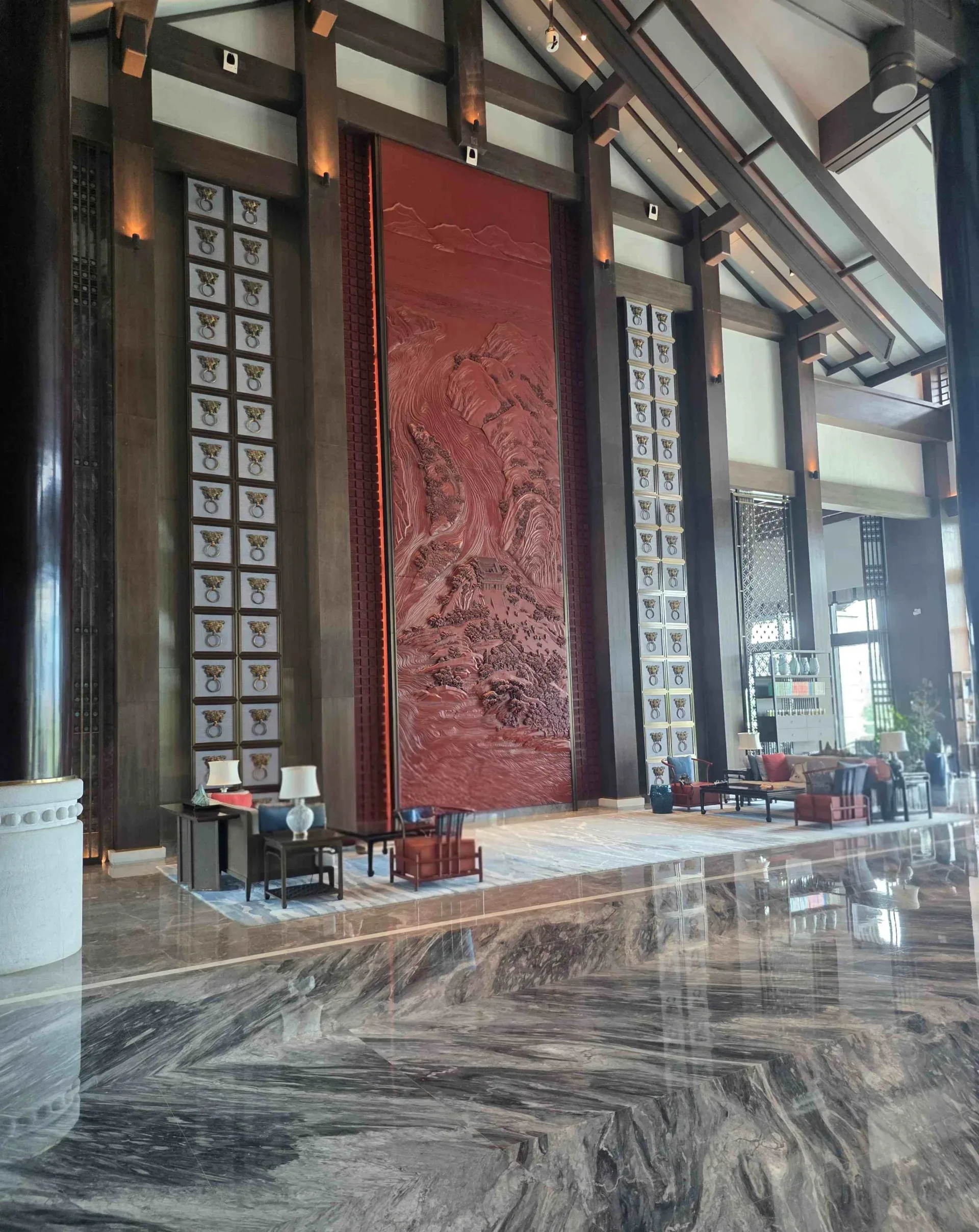
And the future was sitting on the JAC stand, charging silently, or climbing a muddy hill with electric motors doing things that would have been science fiction not that long ago.
Join And Cherish
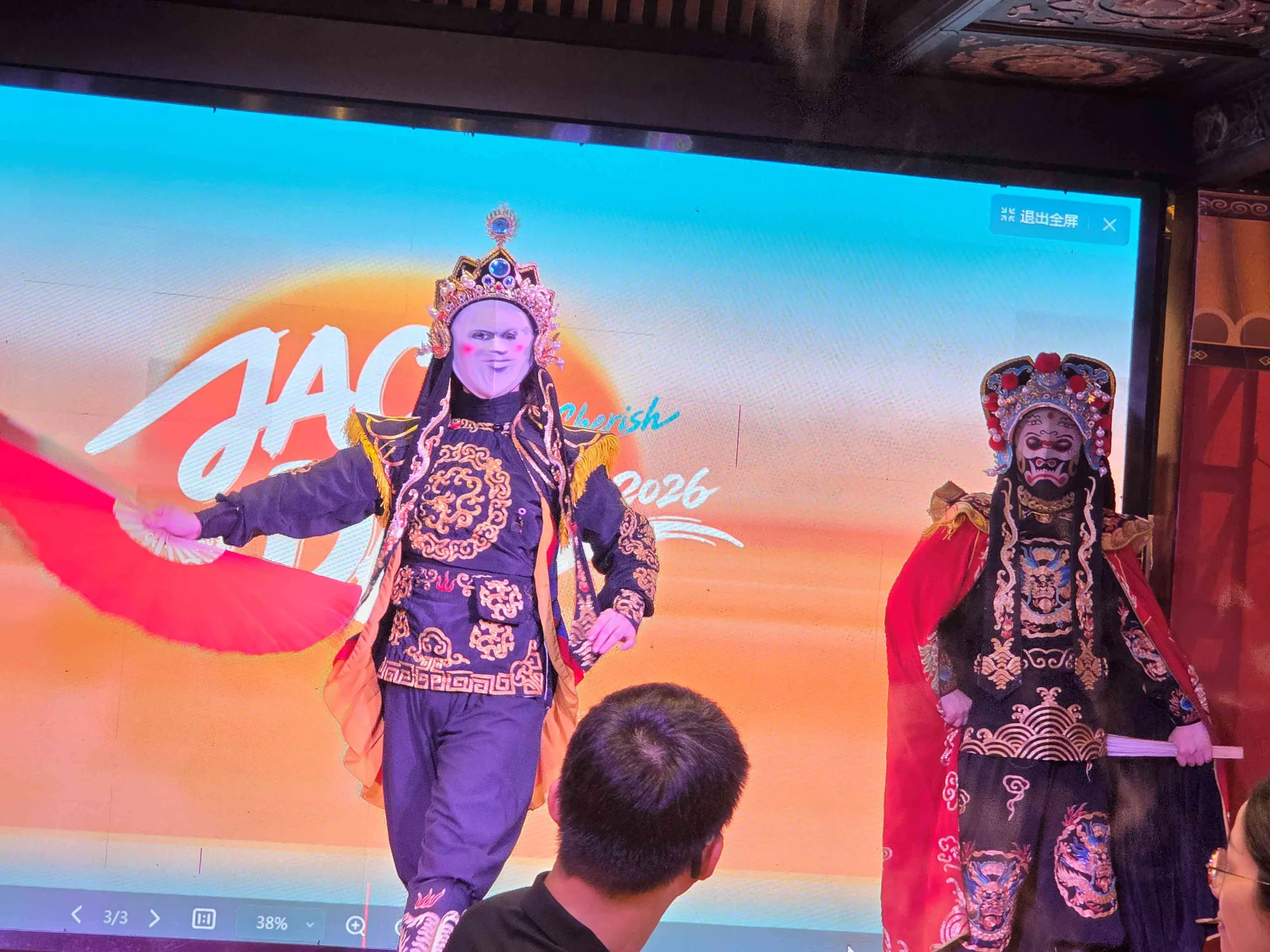
The entire 4 day event culminated in an outdoor bonanza that was designed to bring us all together in an all-singing, all-dancing, multi-cultural evening. Dealers and owners from around the world were to wax lyrically about how JAC has enriched their lives – the scene was set and the stage was ready – then the clouds opened up.
Yep, a torrential rain, thunder and lightening decided to gatecrash the party and although quite the spectacle, it did throw a spanner in the works for an outdoor event. What I was impressed with was JAC’s ability to move the entire event inside and simply adapt – it showed great courage and the how to overcome adversities to the extreme. We all took shelter and the show went on.
Perhaps that is where the title of JAC DAY 2026 makes the most sense. Join and Cherish isn’t just about bringing international media and customers together for a few days. It’s about building relationships.
The automotive industry has changed dramatically. Cars are no longer simply engines, gearboxes, suspension and seats. They’re technology platforms, software systems, energy-storage devices and increasingly important parts of our daily lives.
But underneath all of that, the industry is still about people. The people who design the vehicles. The people who build them. The people who sell them. The people who drive them. And, of course, the people who write about them while trying desperately not to get mud on their trousers.
For New Zealand, the really interesting question is what comes next. JAC has already established itself here with the T9, and the PHEV takes that familiar formula in a dramatically different direction. If the wider passenger-vehicle portfolio begins arriving on our shores, the brand could become considerably more significant in the Kiwi market. And after experiencing JAC’s world in Chengdu, I suspect the T9 is only part of the story.
The Last Word
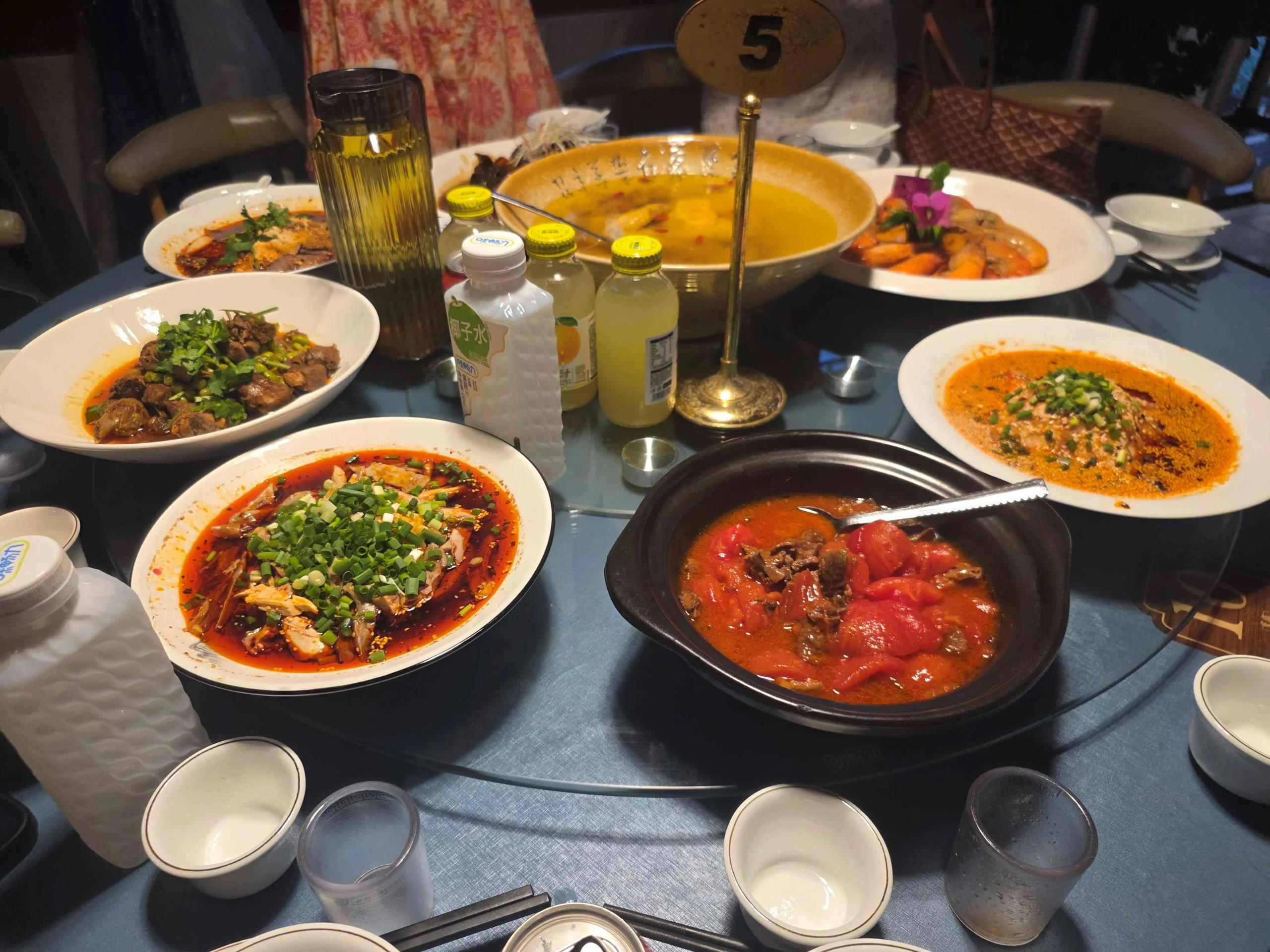
Trips like this are dangerous. Not because of the spicy Sichuan food, although that certainly has its moments. They’re dangerous because they make you realise how quickly the automotive landscape is changing. The 2026 Chengdu Motor Show was a pretty stark demonstration of that.
China isn’t waiting for the rest of the world to decide what the future of motoring looks like. It’s building it, testing it, refining it and putting it on display. JAC is part of that story.
But what I’ll remember most from JAC DAY 2026 probably won’t be a particular specification, horsepower figure or touchscreen. It’ll be the combination of experiences. A motor show packed with the future. A T9 PHEV sliding through wet red clay. A panda ignoring the entire automotive revolution while eating lunch. And an ancient irrigation system still doing its job after more than 2,000 years.
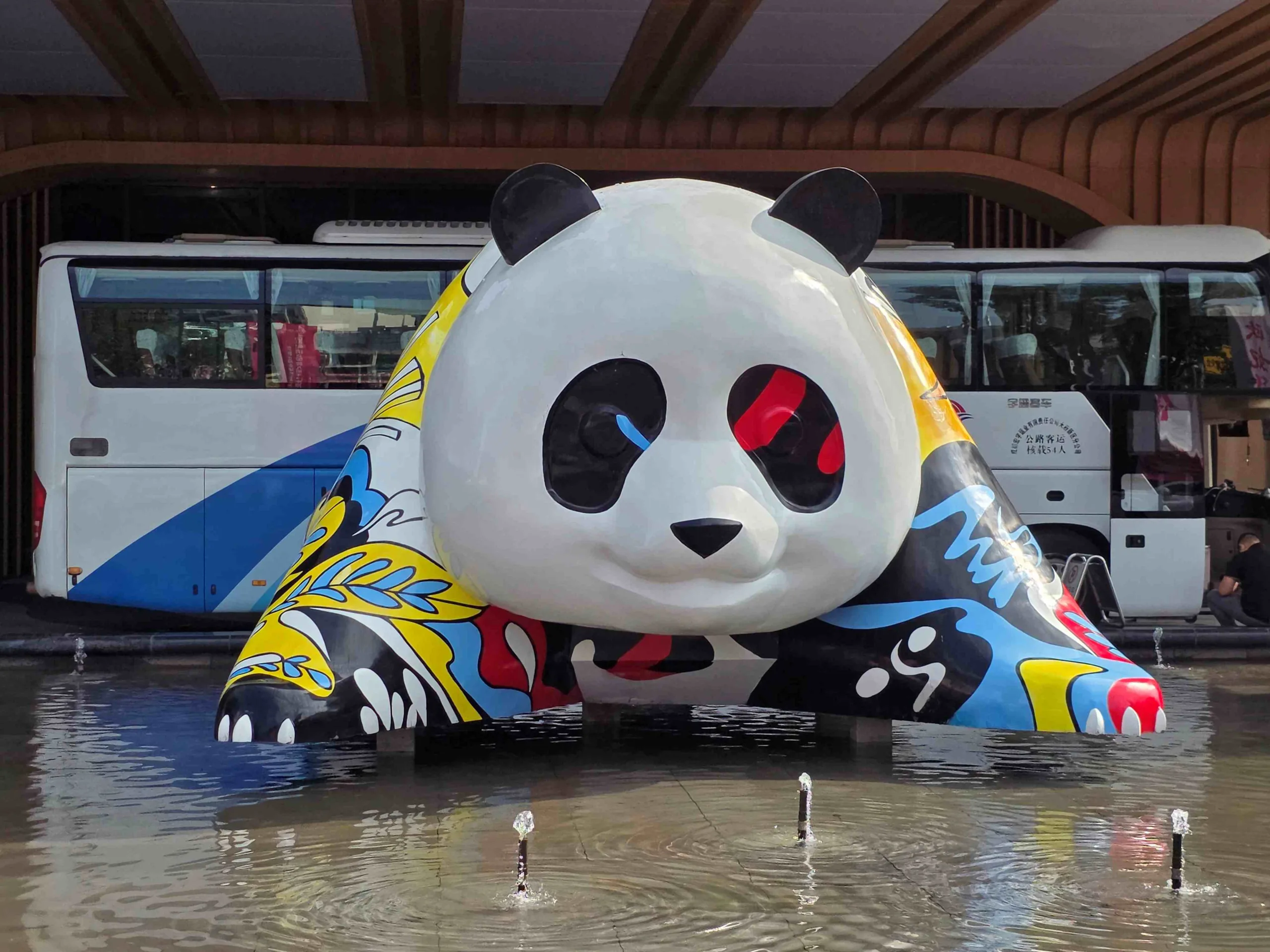
Cars may be changing faster than ever, but Chengdu provides a useful reminder that progress isn’t just about going faster. Sometimes it’s about understanding where you’ve come from. And occasionally, it’s about stopping to watch a panda eat bamboo.
JAC Motors – Join and Cherish indeed.