Let’s be honest, the current electric vehicle market is essentially a sea of beige. It’s a landscape of generic, badge-swappable appliances that feel like they were designed by a committee of accountants rather than car enthusiasts. You could peel the badge off half the EVs on the road today, and you wouldn’t have a clue who built them. But Honda New Zealand is finally saying what we’ve all been thinking.
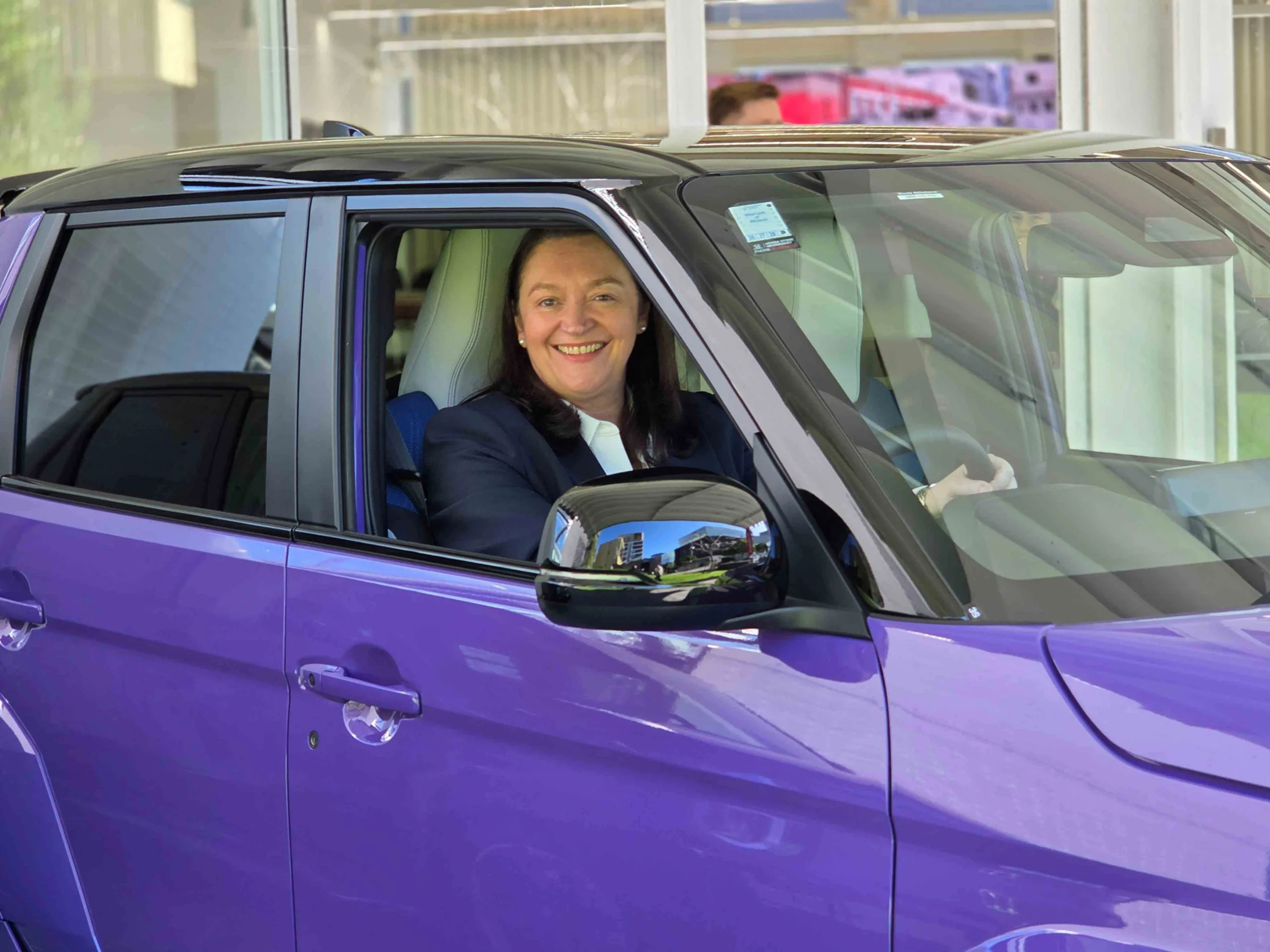
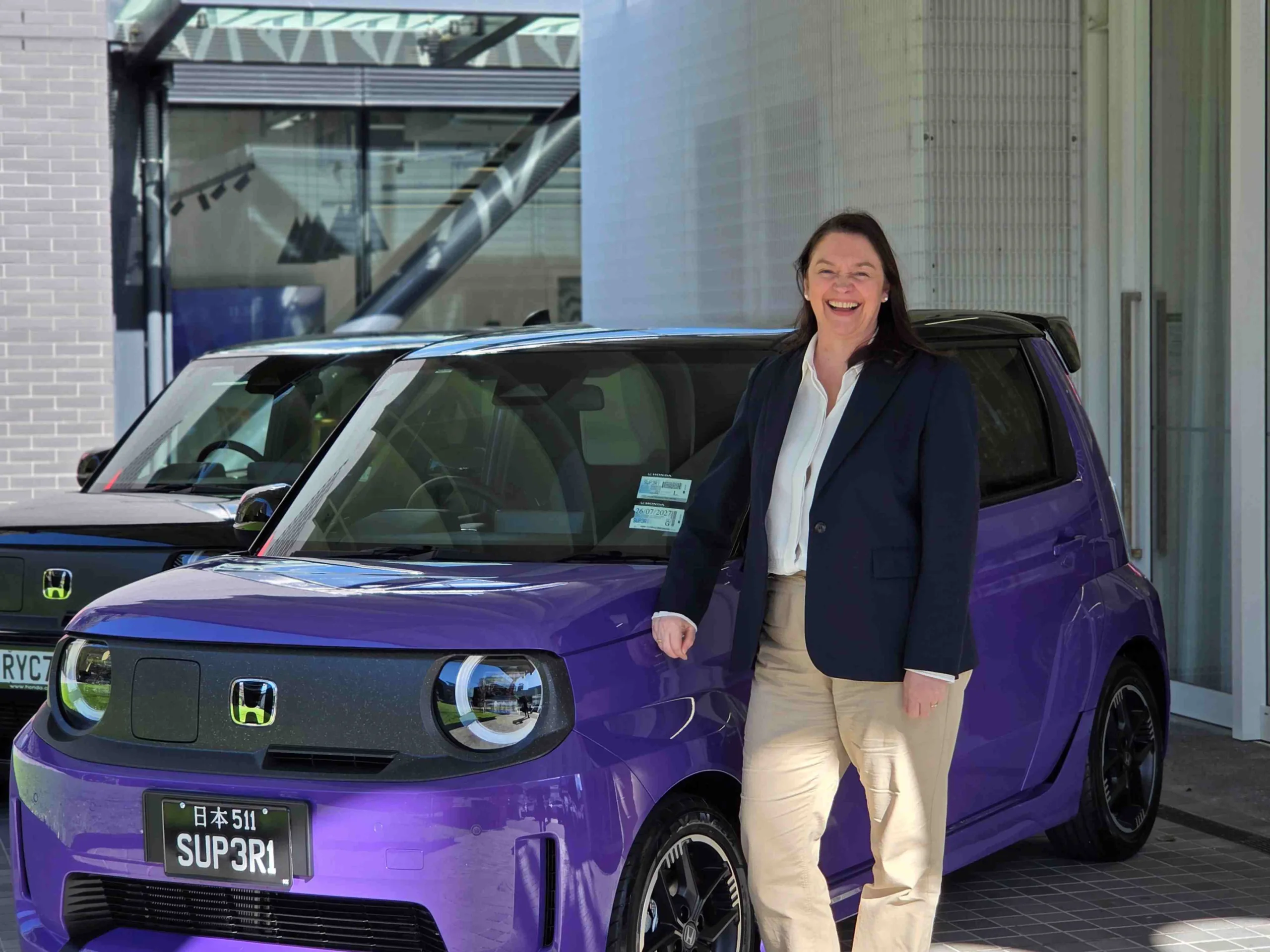
We sat down with Caroline McMahon, Managing Director of Honda New Zealand, in the front seat of the new “Super-ONE”, a car that isn’t just an EV, but a direct middle finger to the bland, utilitarian boxes currently flooding our streets.
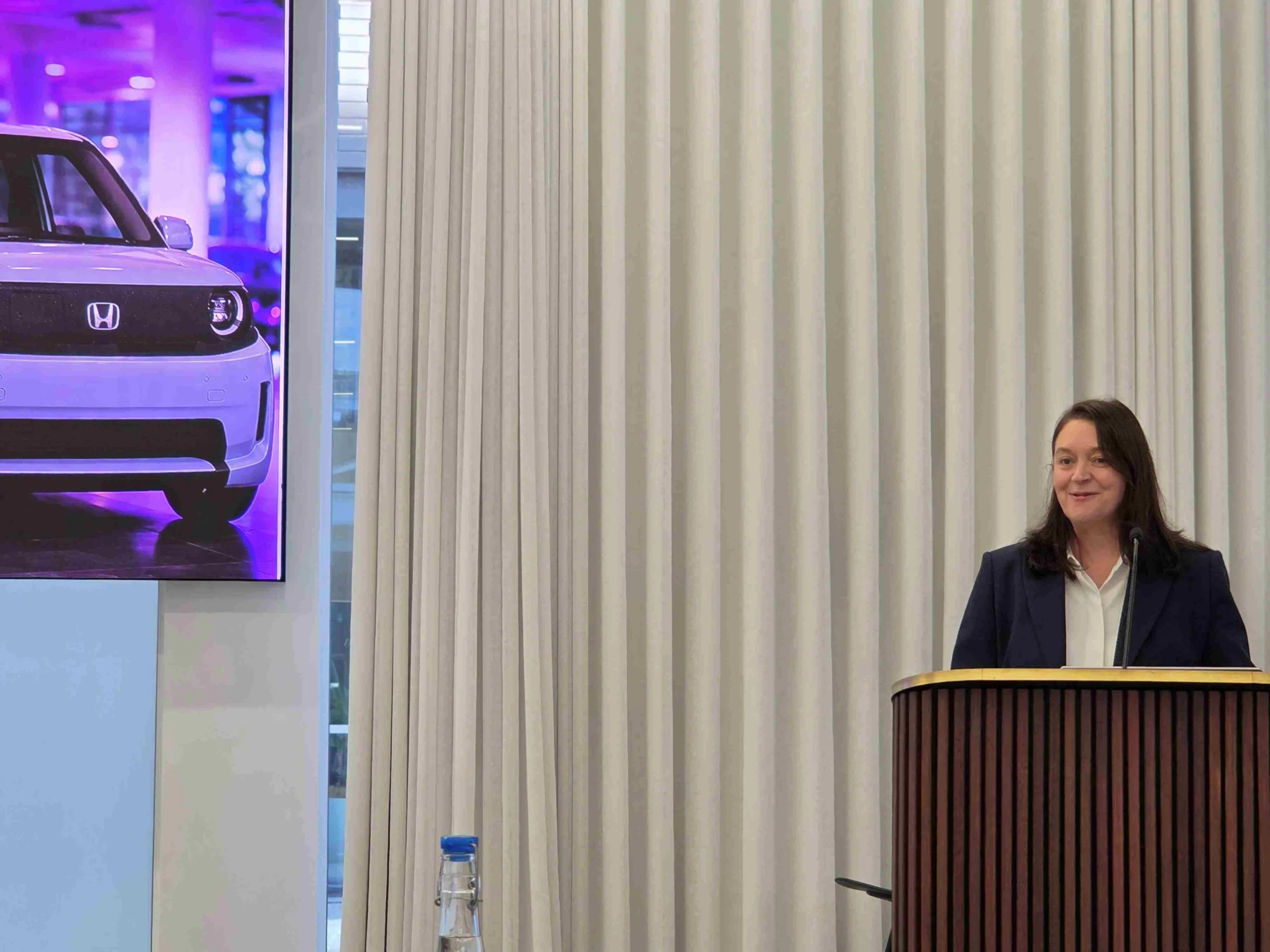
The Appliance Problem
While the market is obsessed with range anxiety and charging infrastructure, [with the launch of the Super-ONE] Honda is focusing on the one thing that actually matters: personality.
“This seems a complete 180-degree shot in the arm,” we told McMahon, contrasting the Super-ONE against the boring EVs out there. And she effectively concurred, believing that the Super-ONE has certainly got character, soul and a road-presence that makes you giggle like a child. “It’s such a fun car, there’s so much about it that brings joy to everybody.”
McMahon admits she’s only been driving it for a short while, but says it’s not just a commuter, it’s an experience. “Lovely little story. I was leaving the office late last week and was thrown the keys. I opened it up and the lights popped on. And by the time I got home I was laughing, and giggling. It was so fun to drive,” she says. Asking “When was the last time you laughed while driving your current EV?” Exactly!
She admits she was in Boost mode and was also impressed with the City ‘one pedal’ drive, as it was the first time she’d driven that type of technology.
The E:N1 Disappointment
McMahon didn’t shy away from our suggestion that the e:N1 would appear to have been ‘disappointing’. “I wouldn’t say disappointing. It was our first EV entry and was good for us to test customer demand and good to create some charging infrastructure partners,” she says.
It’s clear that Honda NZ isn’t pretending the Honda e was a revolution of any kind; but says that they’re treating it as a “test and learn” exercise and they’re using that data to build upon for the future.
Why Honda Global is Hitting the Regen Brakes
While every other manufacturer is scrambling to dump half-baked EVs into the market to chase government mandates, Honda is taking a different path. They’ve paused their “Zero Series” launch and further investment. Is it a retreat? Hardly. It’s a strategic recalibration.
“Honda remains keen to transition from ICE, to Hybrid to EV, and have invested trillions of Yen into its development,” she says, “But globally EV’s haven’t been picked up the same was as say New Zealand and so Honda have the decision to pause, for the moment, further investment and the launch of Zero Series.”
“I don’t think it’s a change to a final destination,” McMahon explains. While the rest of the industry is blindly following the herd, Honda is looking at the global reality, (politics, adoption rates, and the actual needs of the driver) and deciding that maybe, just maybe, the “EV-at-all-costs” strategy is flawed.
Instead, they’re doubling down on their hybrid lineup (the e-HEVs) which remain the backbone of their success. It’s a pragmatic, calculated move that prioritises quality over rushing a product to market just to satisfy a spreadsheet.
“I think there are some other brands doing the same thing, just pulling back on development because the take up globally has not been on the same trajectory as what was envisaged”.
However, she adds that right now, with fuel prices as they are, there is a desire for people to go for EVs, so it’s good timing for the Super-One launch in NZ. “Honda [NZ] still has a strong hybrid line up, so we’ll continue along that line and where we see opportunities to bring other BEVs in, we’ll have a look at it.”
Tarmac Takeaway – Character Over Commodity
It could be said that the New Zealand market is currently being flooded with ‘NEW’ Chinese EVs, but Honda is betting on something else: heritage.
By leveraging their Kei-car history and seven decades of engineering, Honda is banking on the fact that Kiwis are smarter than the average EV consumer. They’re betting that you don’t want a disposable appliance; you want a car with a pedigree.
“We welcome the broader competition,” McMahon says, “but it’s also why we’re very, very confident in our offering.”
The Super-ONE is a clear signal that Honda is done playing the “bland EV” game. They’re bringing the joy of driving back to the electric age. The question is: are you ready to stop driving an appliance and start driving a car again?