No More Boring Fords: Ford’s Bold Drive into the Iconic Lane
Ford is revving its engines in a whole new direction. After decades of playing nice with “get-the-job-done” vehicles that lacked pizzazz, Ford CEO Jim Farley has declared war on mediocrity. In a mic-drop moment at the Detroit Auto Show, Farley boldly announced that Ford is officially “done making boring products”.
Let’s face it: for years, Ford churned out reliable but yawn-inducing sedans, trucks, and crossovers that felt like the automotive equivalent of beige wallpaper. But not anymore. “Rule No. 1 at Ford: no boring products. Our industry is in the midst of a disruption. But one thing remains true: Great products always win,” Farley said, channeling pure, unfiltered confidence.
Mustang Meets Madness
In a bid to shift gears (pun intended), Ford is diving headlong into the “iconic-vehicle business.” Translation? Say goodbye to commodity cars like the Ford Escape and the Ford Edge and hello to bold, brash, and unforgettable Mustangs, Broncos, and trucks that demand your attention like a V8-engine growl at full throttle.
Take, for instance, the Mustang Mach-E, Ford’s electric SUV that’s breaking stereotypes faster than a 0-to-60 sprint. It’s sleek, it’s muscular, it sort of looks like a Mustang on steroids—and its 300-mile range might just convince even the staunchest gas-guzzler loyalists that EVs can deliver both power and pizzazz.
“Ford wants to be the Porsche of off-road vehicles,” Farley said, signaling a clear vision of turning dirt-road dominance into a high-end experience you Instagram about . By leaning into this audacious identity, Ford is positioning itself as a trendsetter in an industry filled with safe bets wrapped in soulless steel.
A Goodbye Wave for Toasters on Wheels
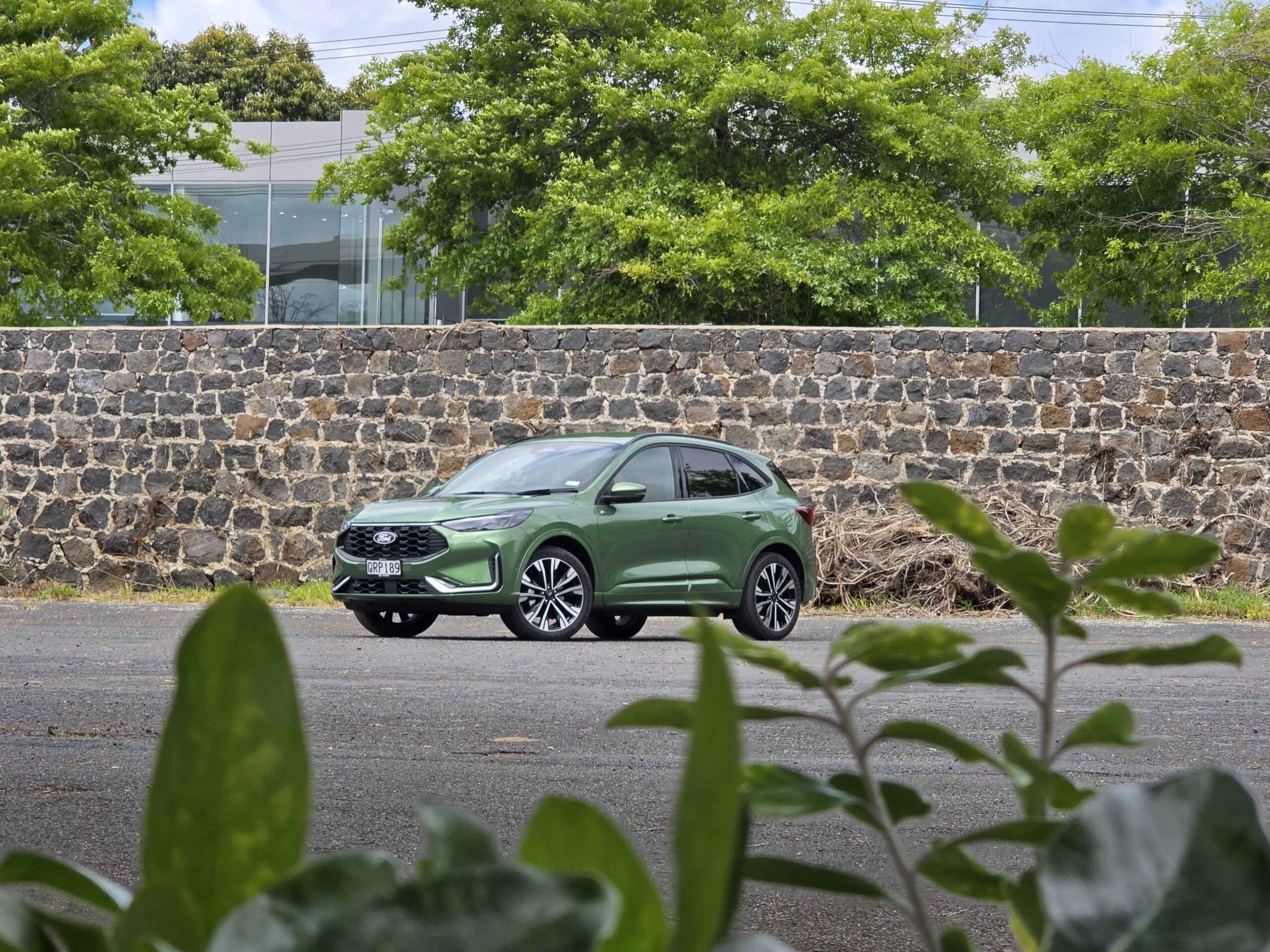
While this shake-up sounds like an adrenaline junkie’s dream come true, it’s bad news if you’re a fan of Ford’s more functional (read: boring) cars. Farley minced no words when he explained that Ford will no longer produce cars just to fill a market gap. “We’re not going to have commodity products like Edges and Escapes,” he said. Ouch, Ford Escape, you didn’t escape this time.
Jim Baumbick, Ford’s VP, echoed this sentiment, saying, “[We aren’t] trying to make toasters on wheels” . Translation? If Ford can’t inject some swagger and passion into a design, it’s better left to someone else.
But it’s not just about shaking up the automotive world with experimental designs. Customers can still expect plenty of V8 power—Farley isn’t ready to trade in all that engine roar just yet. He’s vowed to keep building V8-powered vehicles “as long as possible,” making it clear that Ford’s new ethos blends the best of its roaring past with an electrifying future.
The Ford Escape from Boring
Ford’s transformation wasn’t a spur-of-the-moment epiphany. Over the past few years, the company has quietly retired sedans and smaller models, instead focusing on trucks, SUVs, and performance cars. This reinvention wasn’t just about keeping up with trends—it was about rewriting the rules entirely.
While some automakers chase mass-market appeal with cookie-cutter designs, Ford is leaning into its legacy of passion. “We don’t make shampoo,” Farley quipped, a humorous jab that drives home his disdain for a “commodity-first” mentality. Ford is building vehicles that inspire feelings, whether it’s the call of the open road or the thrill of conquering off-road trails.
Beyond the Metal: A Cultural Shift at Ford
Farley’s quips may grab headlines, but Ford’s transformation goes deeper than marketing slogans. “Great products always win” isn’t just a soundbite—it’s Ford’s rallying cry in an era where companies live or die by their ability to pivot. By betting on bold, niche-friendly vehicles instead of generic options, Ford is carving out a unique identity that can stand up to competitors.
The company’s pursuit of “passion brands” reflects a bigger shift in consumer expectations. In a crowded market of SUVs that all look and perform the same, drivers are looking for cars that make statements. By refusing to settle for bland models, Ford is appealing to the adventurer within all of us.
Even Ford Vice President Jim Baumbick couldn’t resist piling onto the company-wide dunk on mediocrity. “Toasters on wheels,” he said with more disdain than someone finding crumbs in their keyboard.
What’s Next: The Road Ahead
Of course, steering Ford into uncharted territory comes with risks. Can these new, passion-driven designs translate into booming sales? Or will Ford’s abandonment of middle-of-the-road models leave a gap too big to fill?
Early signs are promising, with vehicles like the Bronco and Mach-E generating substantial buzz (and Instagram clout). But Ford is also diving into the electrification revolution, a world where flashy designs must also deliver substance in the form of range, reliability, and value. Gone are the days where a cool-looking car alone could dominate the streets.
Still, Farley’s unapologetic clarity offers a refreshing shift in how automakers approach vehicle design in the 21st century. No blandness. No compromise. Just cutting-edge, thrilling designs that Ford hopes will make Mustang, Bronco, and the rest of the iconic gang household names again.
A Eulogy for Mediocrity
So, goodbye and good riddance to boring Fords, the vehicular equivalent of “meh.” In their place, we welcome a new wave of eye-catching, heart-racing vehicles that scream personality. Love them or hate them, one thing is clear: Ford is shifting into high gear—and there’s no going back.
In the wise words of Jim Farley: “Mustangs and Broncos. Good stuff”.