Ferrari has finally done it. After years of speculation, teaser campaigns, spy shots and plenty of scepticism from enthusiasts, the Italian marque has officially unveiled its first fully electric production car: the Ferrari Luce. And it’s not some low volume science experiment or compliance special, it is a fully fledged, series production Ferrari designed to sit alongside the rest of the brand’s lineup.
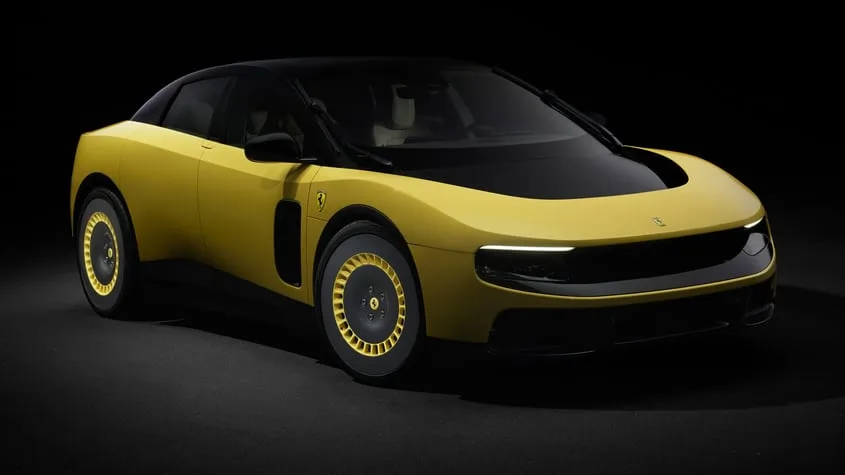
Named “Luce”, Italian for light, the new EV represents one of the biggest philosophical shifts in Ferrari’s modern history. That’s especially true considering the company built its reputation on naturally aspirated V12s, screaming flat-plane crank V8s and the drama that those bearish about electric cars scream sacrilege. Yet here we are: a five seat (a first for them!), four-door Ferrari powered entirely by batteries.
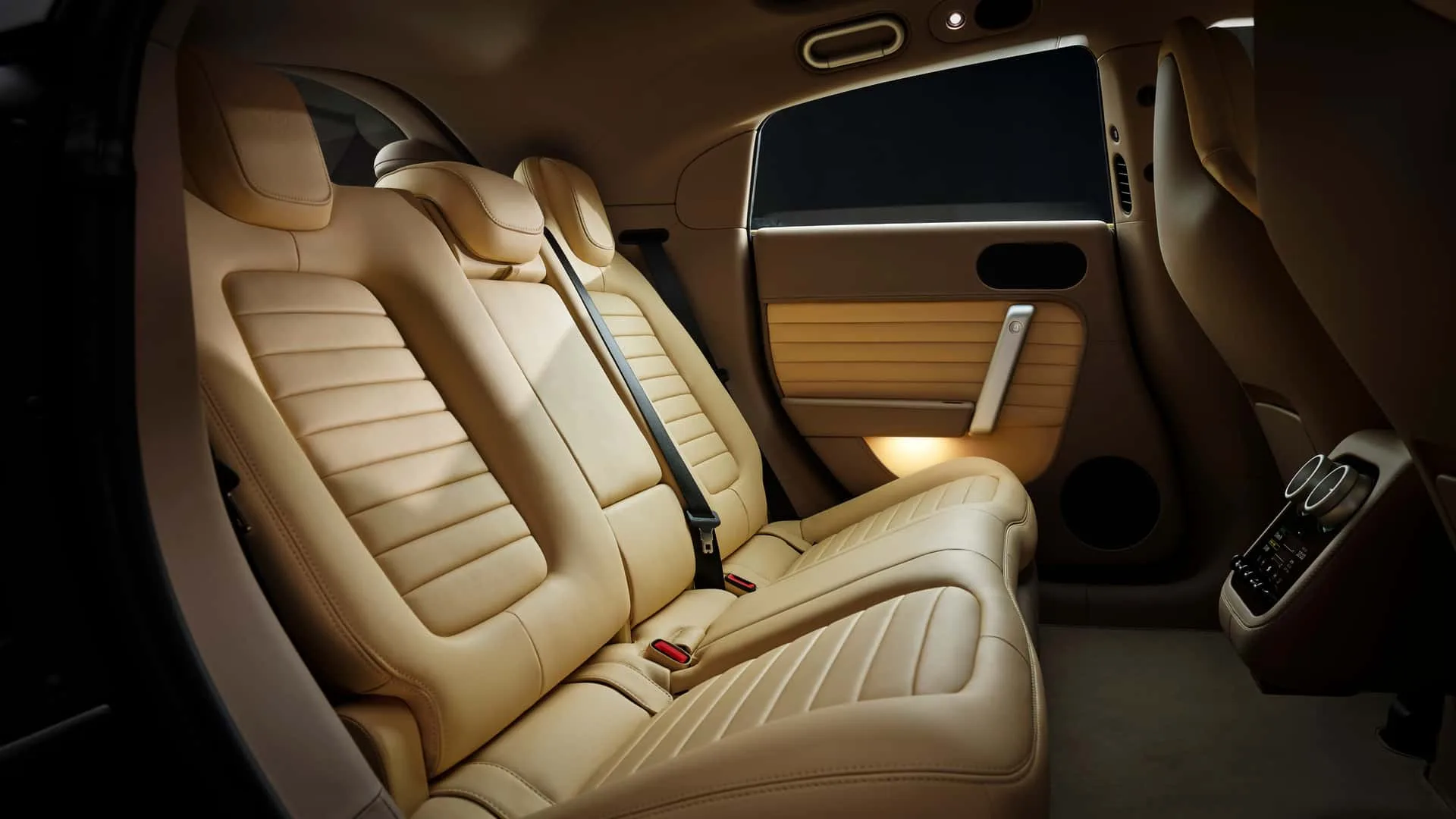
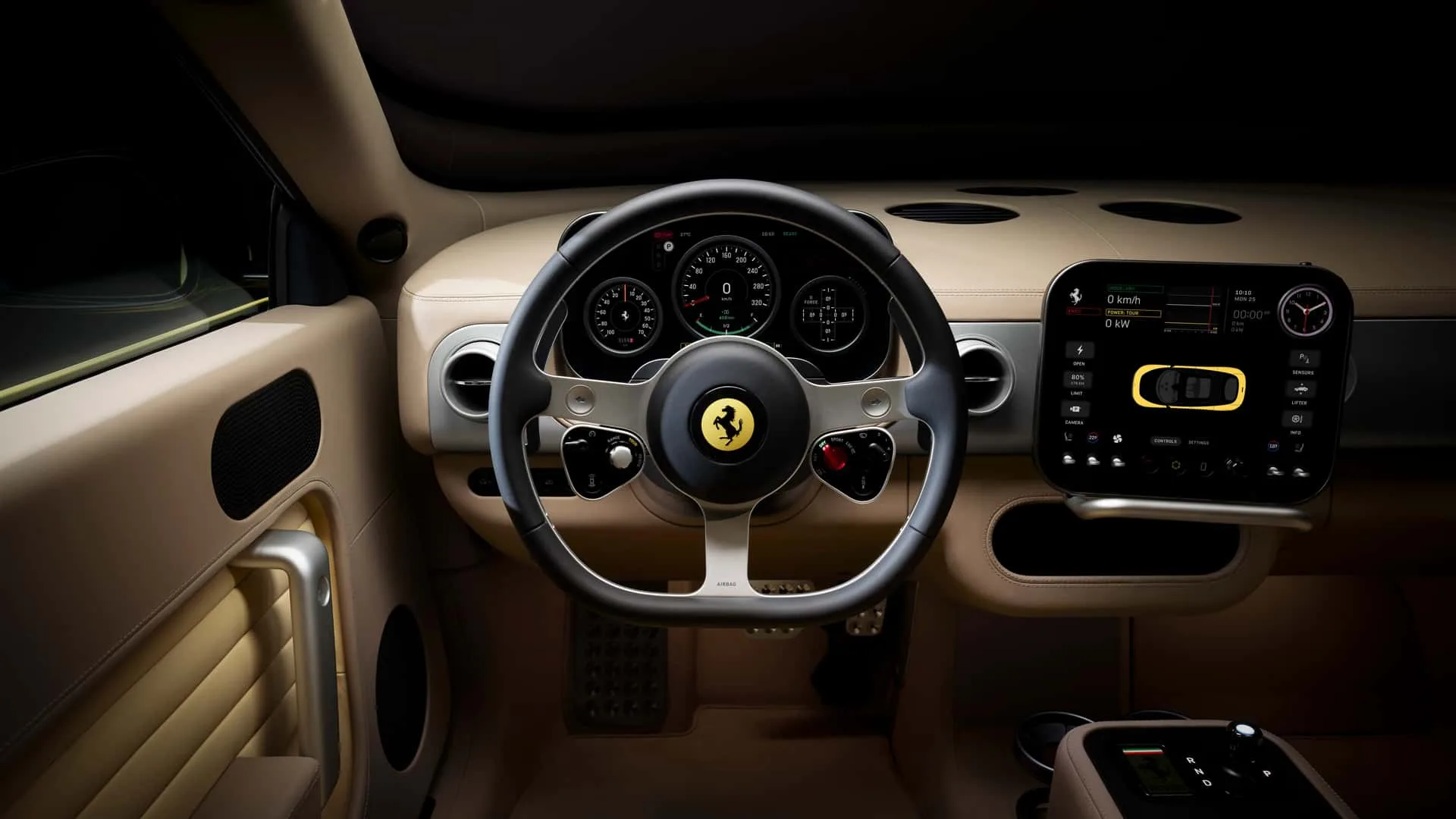
And Ferrari clearly knows this car needed to feel like more than just another luxury EV. Instead of following the increasingly minimalism approach popularised in 2026, Ferrari has gone in the opposite direction. The Luce combines OLED displays with physical switches, tactile steering wheel controls and proper mechanical interfaces. Even former Apple design chief Jony Ive and his LoveFrom design collective were brought in to help shape both the interior and exterior experience.
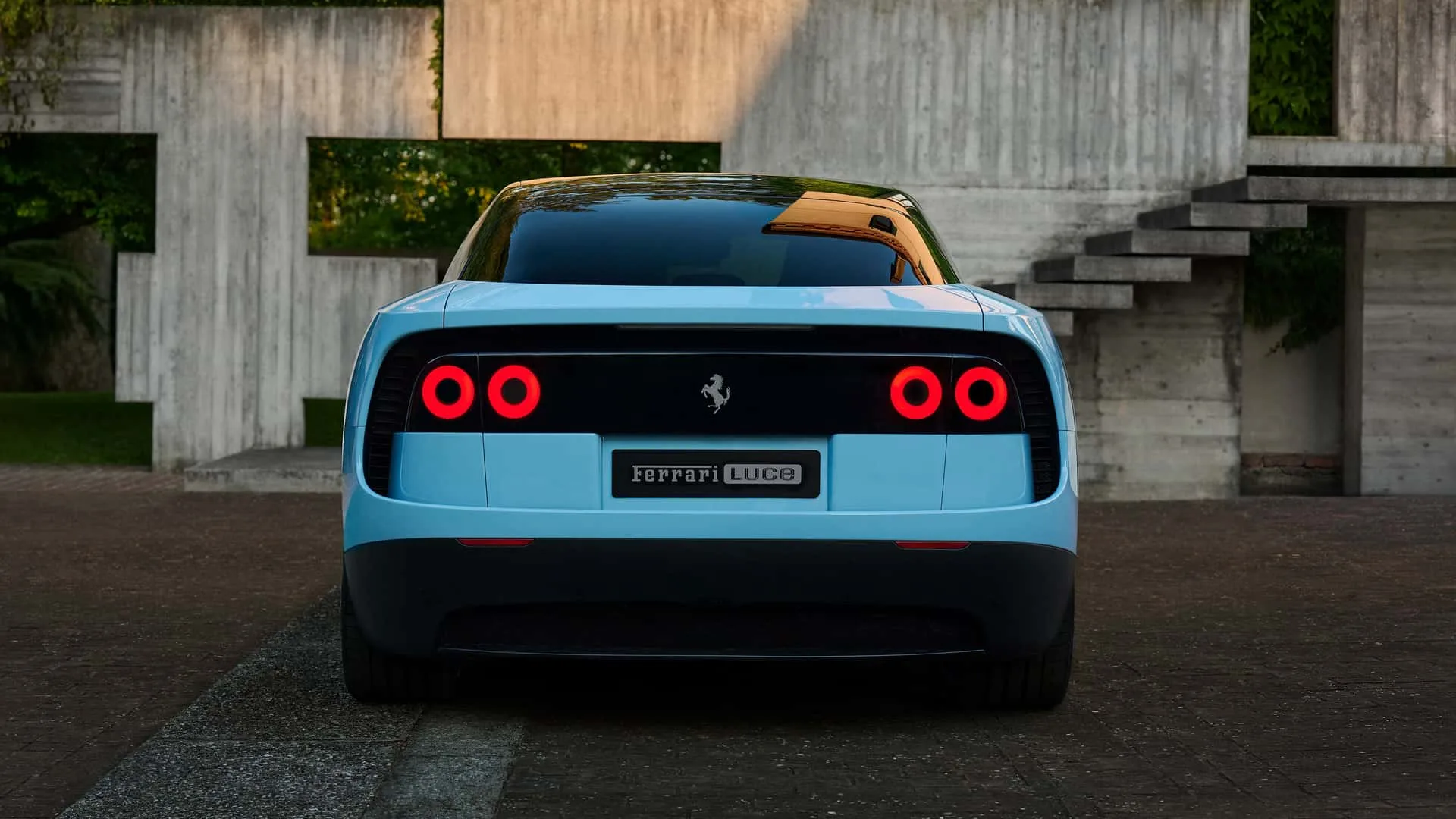
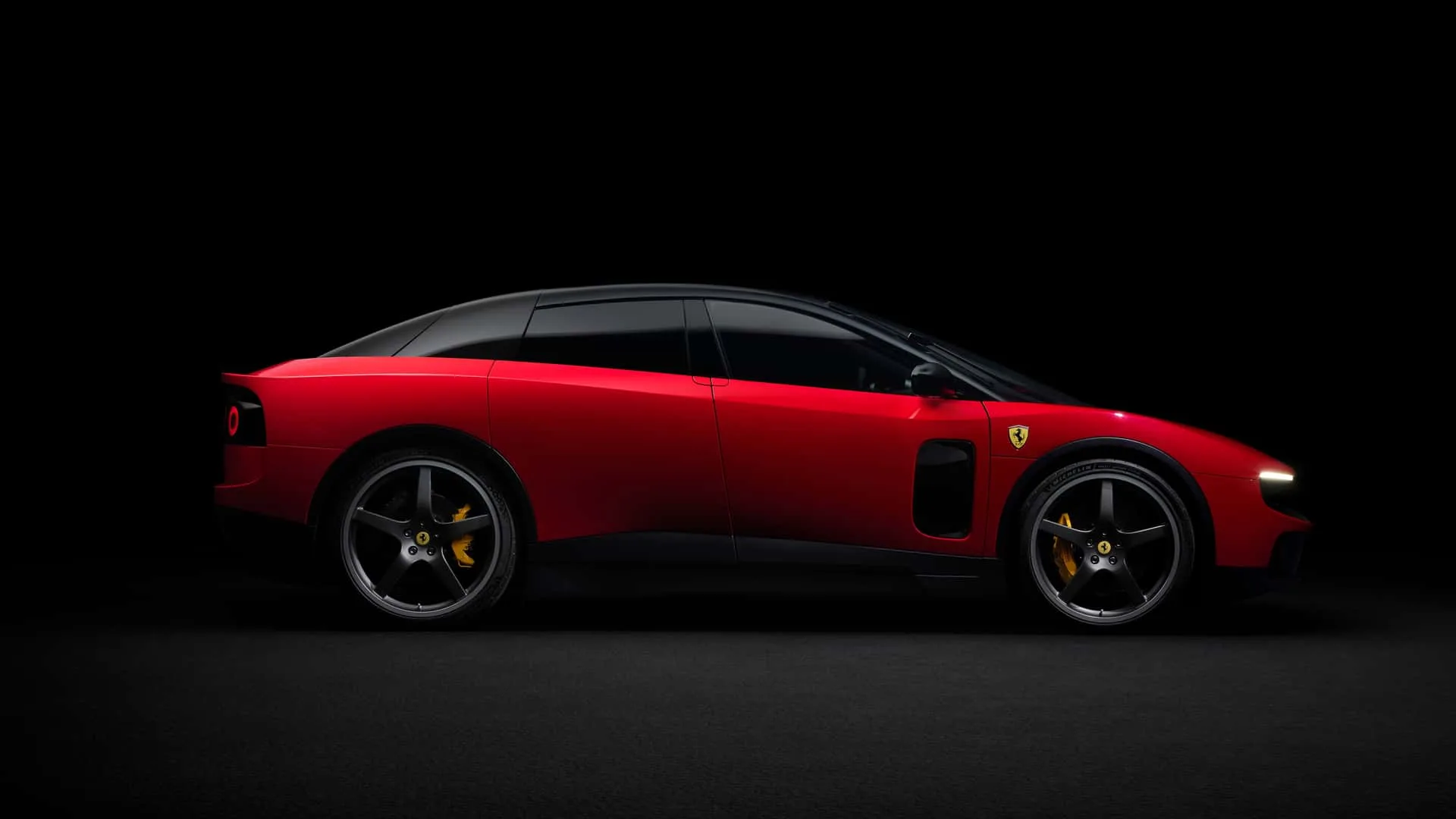
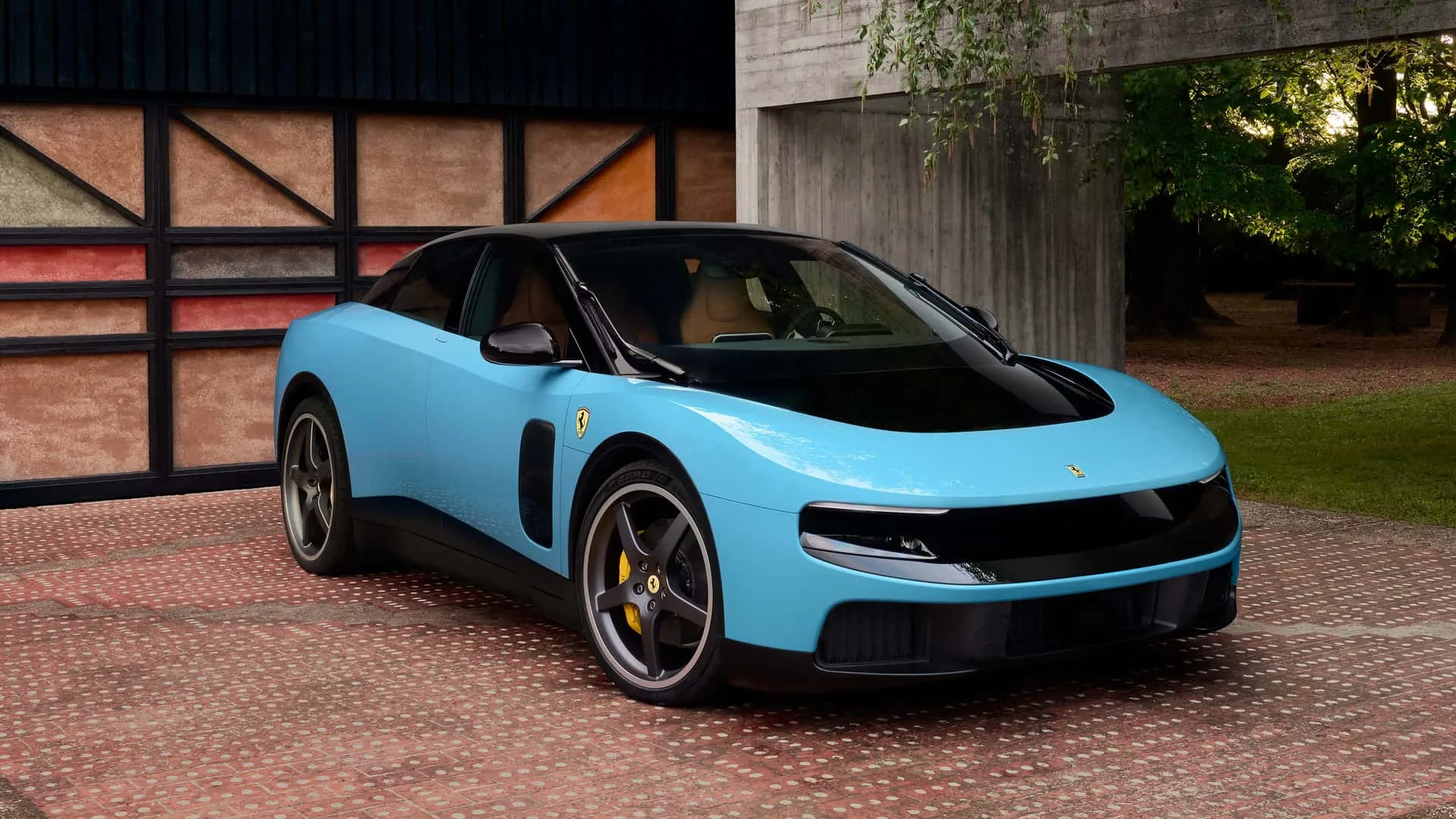
This was the first part we saw about the car, back when the interior was teased ahead of the car. Now, we have the full thing, and the result looks… unlike any Ferrari before it. From some angles, the Luce resembles a futuristic shooting brake. From others, it looks like a hyper-luxury crossover that accidentally wandered into a concept car show – or a Cyberpunk 2077 dealership. Ferrari says the aerodynamic body delivers the lowest drag coefficient the company has ever achieved, while the unusual proportions were only possible because of the dedicated EV platform underneath.
Underneath the controversial styling (intentional understatement) sits an equally outrageous powertrain. The Luce uses four electric motors producing more than 1,000 horsepower combined, launching the roughly 2.2t EV from 0–100 km/h in around 2.5 seconds before eventually topping out beyond 310 km/h. Ferrari also claims over 500 kms of range from its 122kWh battery pack.
But perhaps the most fascinating part is Ferrari’s attempt to preserve emotional engagement in an electric world. The engineers developed a system that amplifies natural drivetrain vibrations and synthesises mechanical sound characteristics in an effort to recreate the theatre traditionally associated with the brand’s combustion engines. It sounds slightly absurd on paper, but then again, Ferrari probably understands better than anyone that emotion is half the product – I’m very curious.
Nobody buys a Ferrari because it was the rational choice, and of course pricing follows suit. The Luce starts at roughly NZD $1.1 million before local taxes and options, with deliveries expected to begin in late 2026. Considering Ferrari buyers routinely spend absurd money on paint colours, carbon fibre trim and custom tailoring, real-world examples will for sure end up costing substantially more.
Another thing that makes the Luce particularly interesting, though, is its timing. While brands like Porsche and Lamborghini have recently softened or delayed parts of their EV ambitions amid slowing demand for high-end electric performance cars, Ferrari is pushing ahead aggressively, possibly because it was too close to completion before the latest flip-flop.
That’s a massive gamble. Because regardless of how fast, advanced or expensive the Luce is, Ferrari now faces the same question every legacy performance brand eventually encounters during electrification: do EV drivers want a Ferrari, and do Ferrari drivers want an EV? Ferrari seems convinced the answer is yes. Whether the traditional Ferrari crowd agrees is another story entirely.