There’s something slightly surreal about seeing hundreds of motorcycles roll through a city, ridden by people dressed like they’re on their way to a black-tie gala. It is certain to turn heads everywhere with the loud theatrics, but if that’s all you take away from the Distinguished Gentleman’s Ride, you might be missing the point.
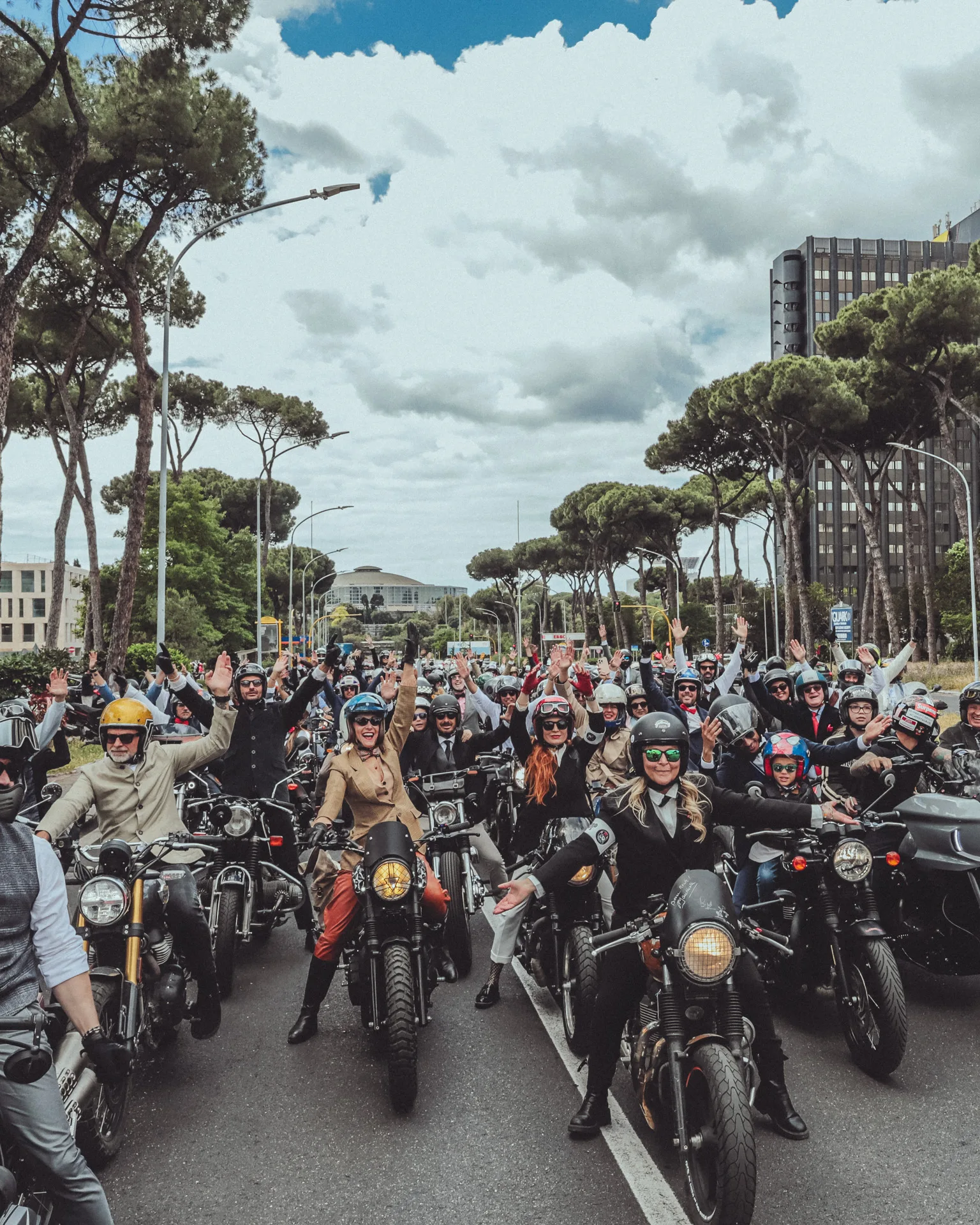
That’s because beneath the suits, the nice bikes, and the curated chaos, there’s a far more serious reason this ride exists, why it continues to matter more every year, and why you might see me there this year.
More Than a Ride
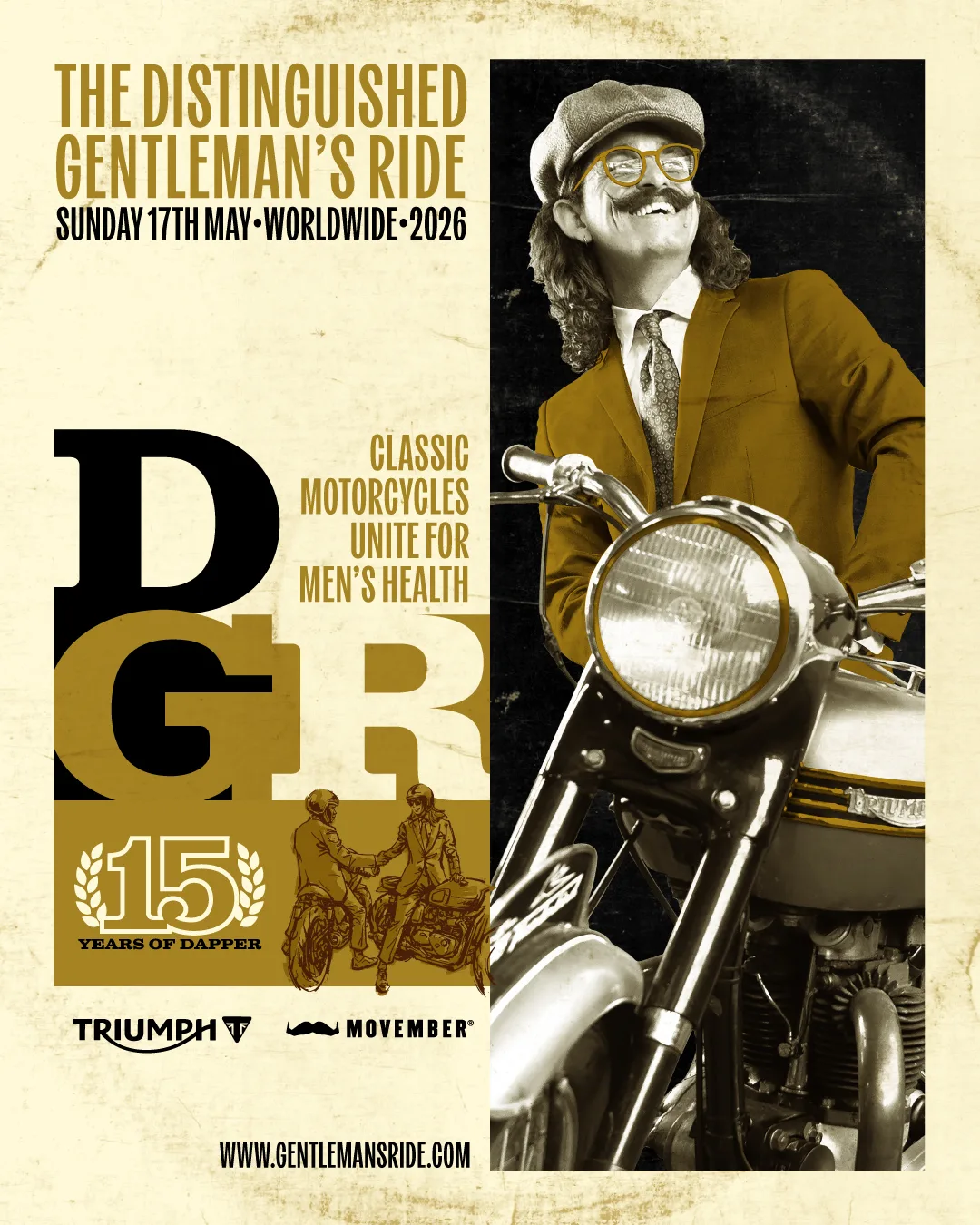
The Distinguished Gentleman’s Ride started in Australia back in 2012 and has since grown into a global movement spanning over 1,000 cities across more than 120 countries. I first heard about it when the first installment of the ride happened in my home city of Curitiba, Brazil, and back then I got interested from the perspective of a “cool event” — which, to be fair, it absolutely is — but it’s also much more than that.
A Local Story with Global Weight
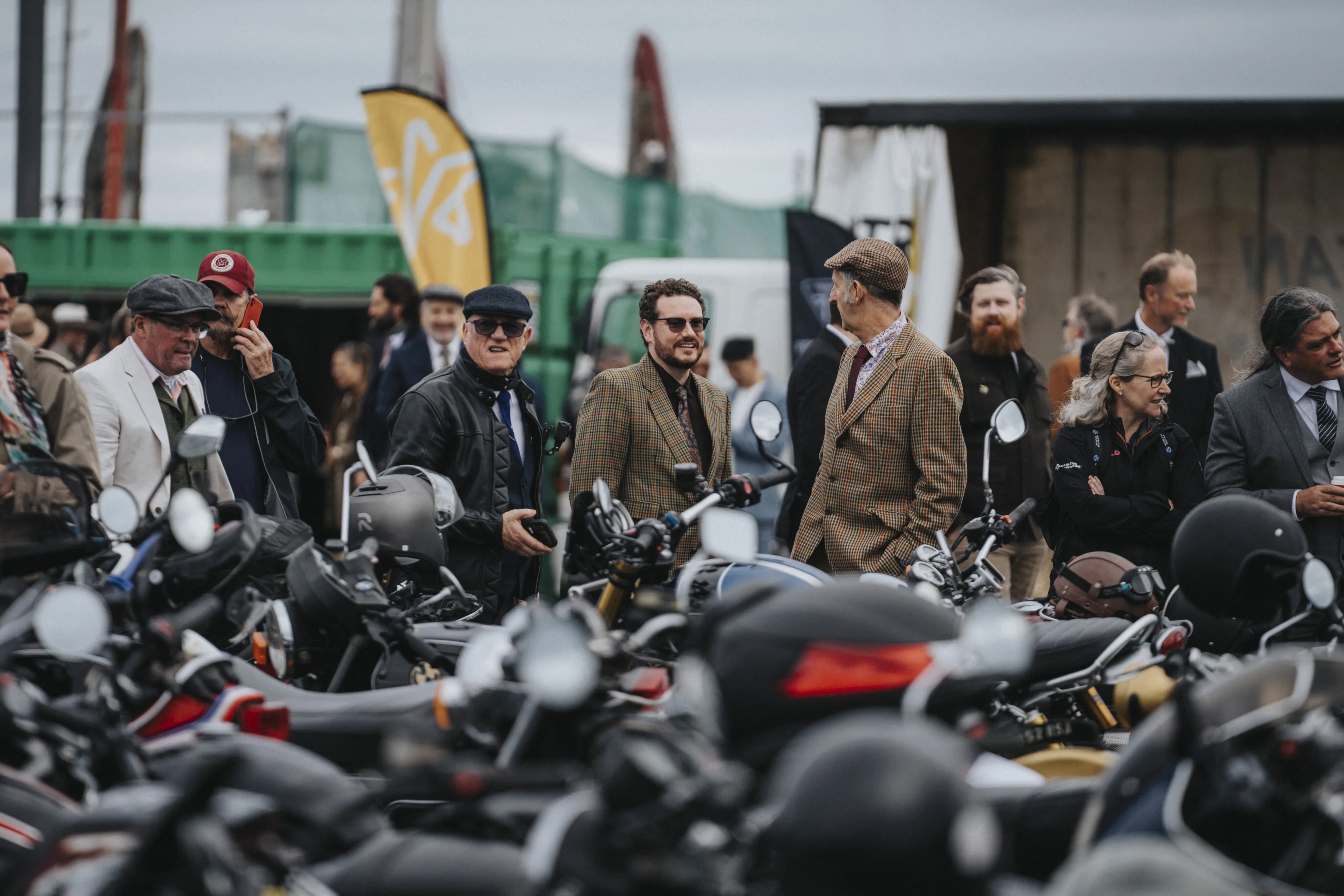
In Auckland, the ride has been running since 2013 and since then, it has raised over $600,000, forming part of a wider network of 14 rides across New Zealand, stretching from Whangarei to Invercargill. That kind of continuity is built on people that are passionate about not only the bikes themselves, but also for what it stands for. At its core, DGR is about two things: men’s mental health and prostate cancer research. Those are topics that are deeply personal, often uncomfortable, and statistically impossible to ignore.
Brad Patten, the lead host for the Auckland ride, is the latest in a long line of hosts, but his passion and story reflect what makes DGR different. First joining in 2020, his participation turned into involvement, and then leadership. Now, he’s coordinating with Auckland Council, managing a growing team, and helping shape an event that brings together 300–400 riders each year.
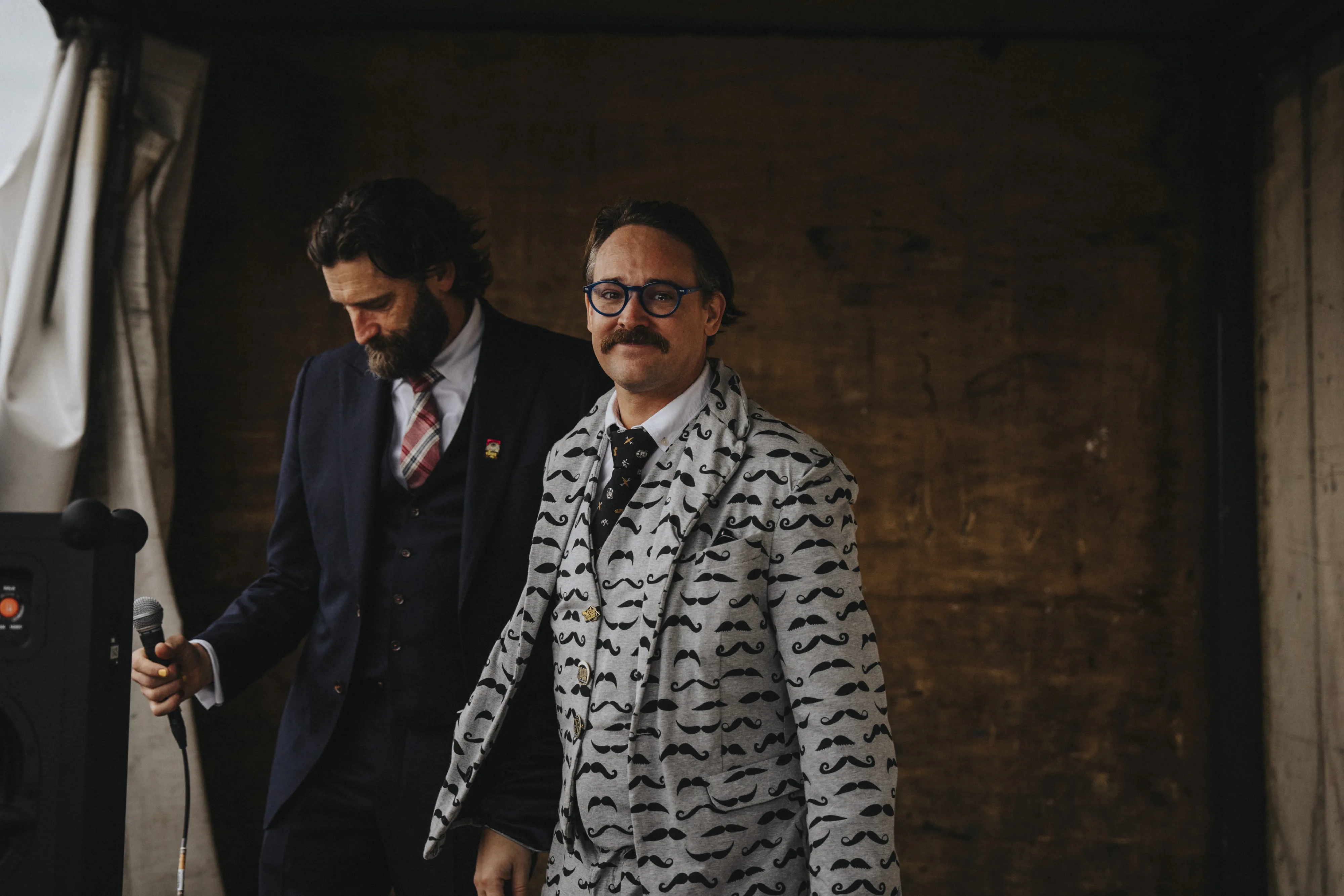
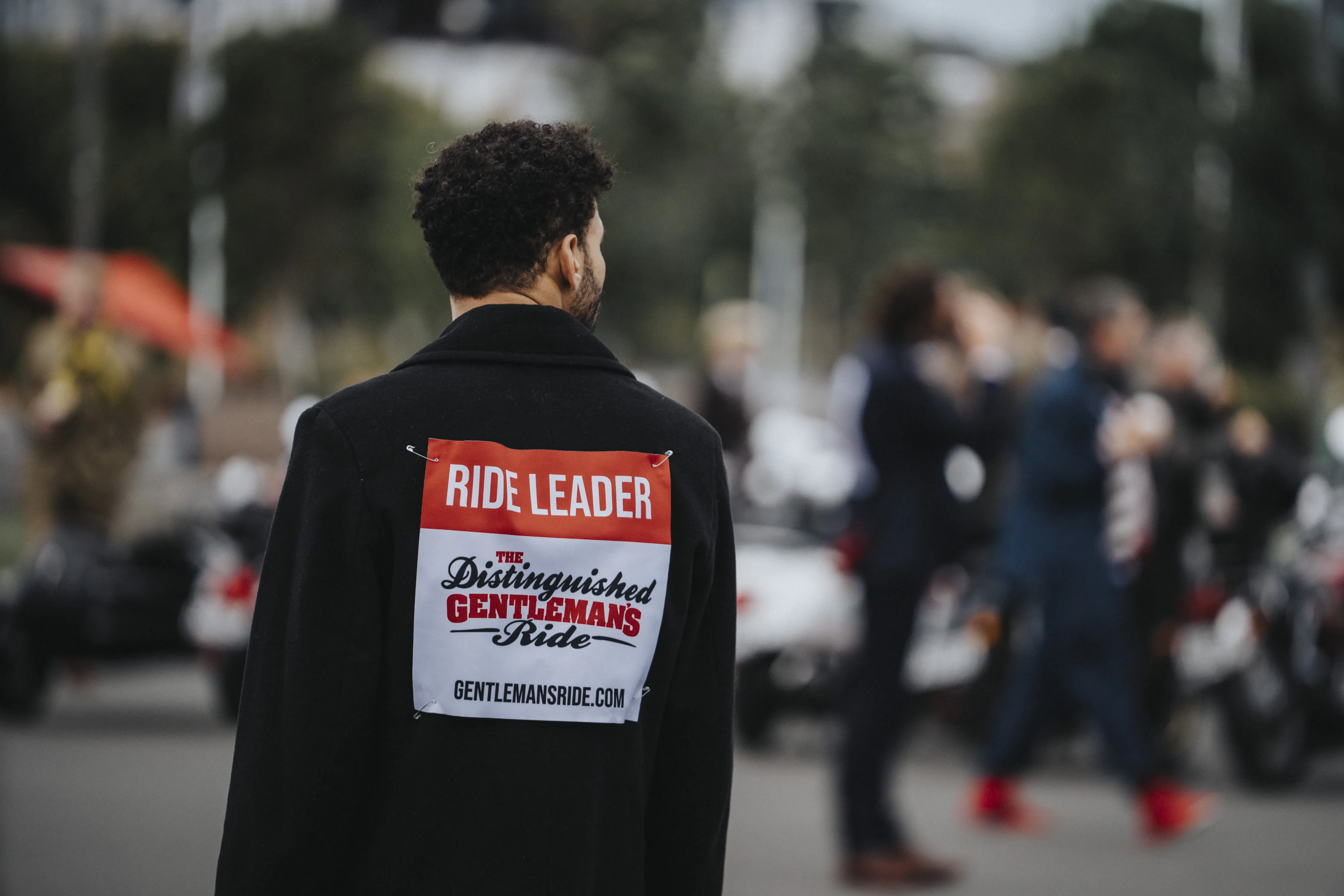
But he’s quick to point out that this isn’t a solo effort. There is a team of hosts and volunteers, each with defined roles to keep everything moving. From logistics to sponsorships, from volunteer coordination to the critical job of managing a car park full of motorcycles, this is a collective effort in the truest sense.
The Statistic That Changes Everything
For Brad, the turning point wasn’t just the ride itself, it was a statistic. Despite holding a PhD in Psychology, what really stuck with him was something not taught in the classroom: the scale of the gender disparity in suicide rates. Roughly three out of every four deaths by suicide are men.
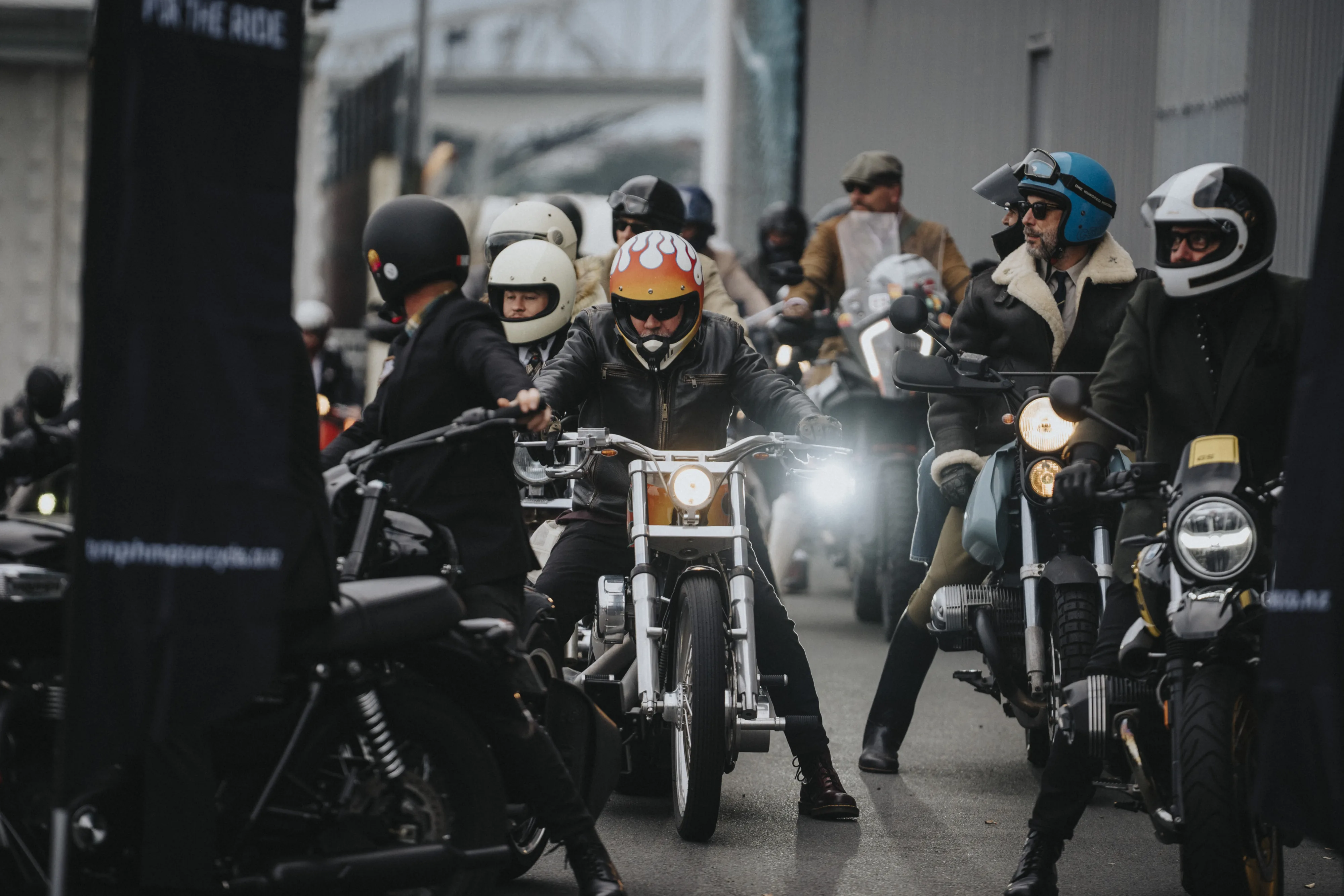
What makes it more confronting is how invisible it can be. Brad describes not knowing anyone personally affected until he started paying attention, or until he became part of communities where those conversations were actually happening. And that’s where DGR stands to separate itself from other charity events.
It doesn’t just raise money. It creates environments where conversations that normally don’t happen… start happening.
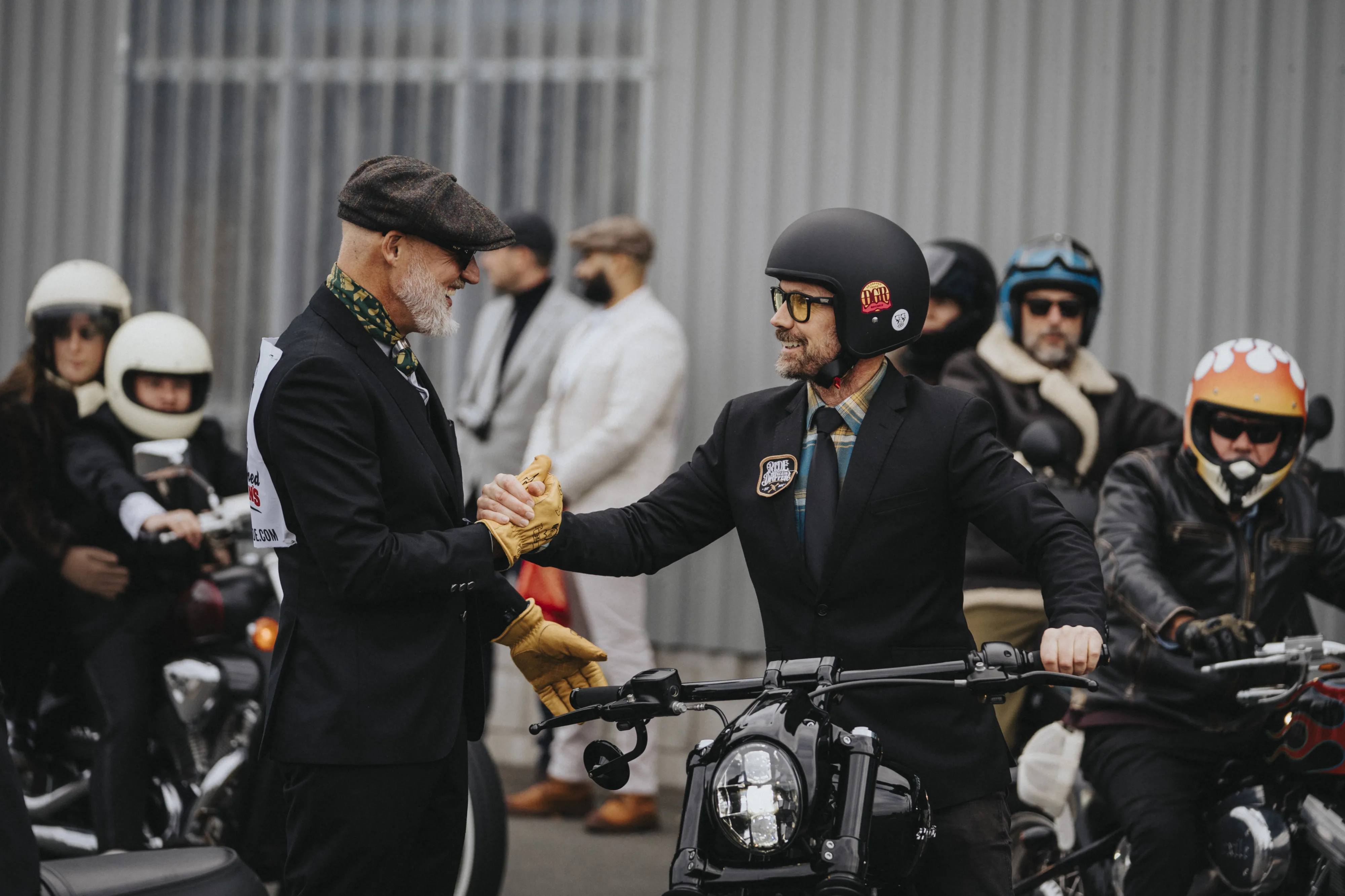
The Role of Movember Foundation
The funds raised through DGR go directly into programs run by Movember, an organisation that has spent years building both awareness and practical support systems around men’s health. Programs like Farmstrong and Ahead of the Game focus on mental wellbeing in specific communities, and Movember Conversations equips people with tools to actually engage in meaningful dialogue.
Initiatives like Men in Mind aim to improve how mental health professionals work with male patients, addressing a gap that has long been overlooked. There’s also highly specialised work, like the Whanaungatanga project with Fire and Emergency NZ, which has already contributed to world-leading research into firefighter mental health.
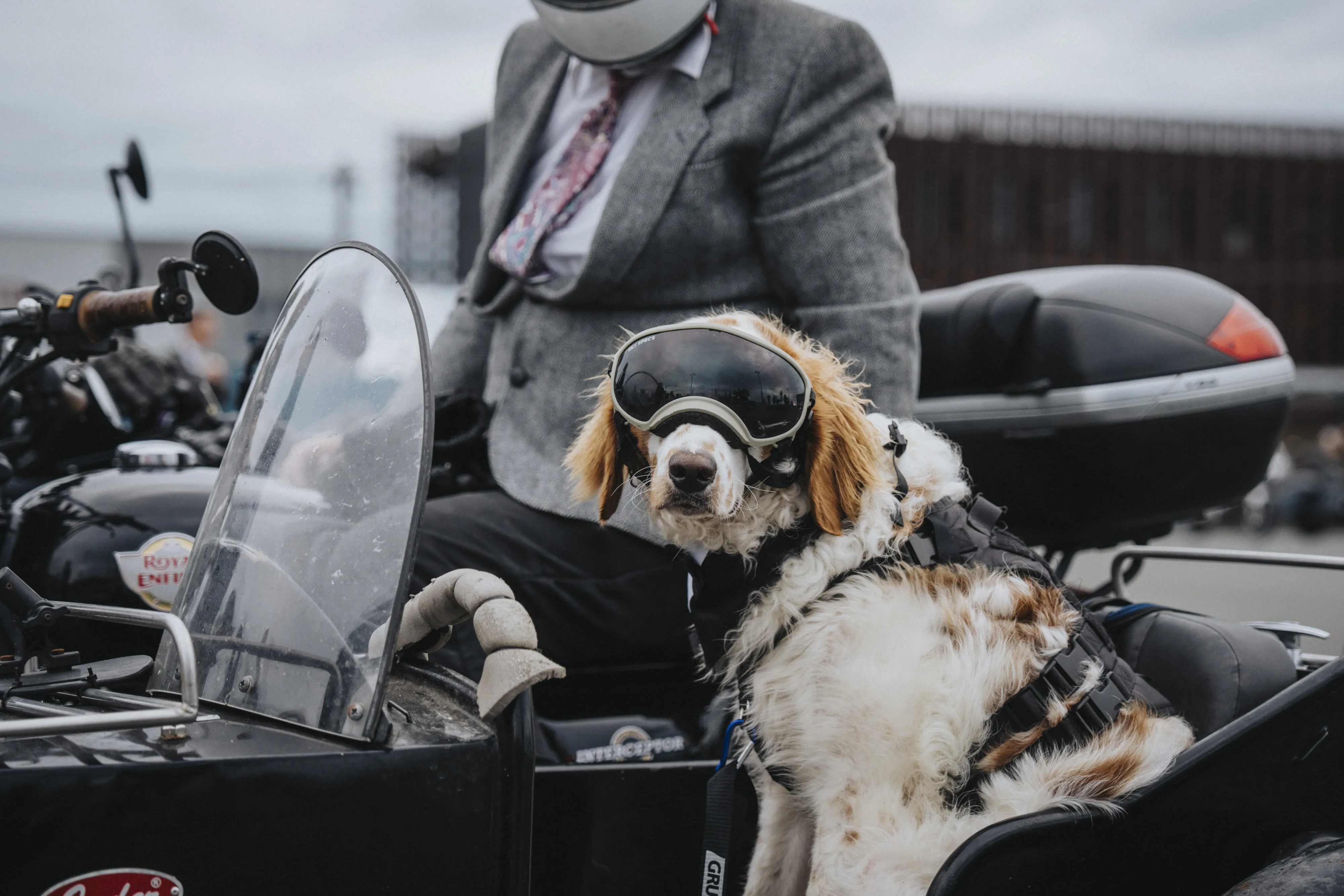
The common thread across all of these? They don’t wait for crisis, instead they aim to nip it in the bud. So it’s natural that one of the most interesting outcomes of DGR isn’t the ride itself, but what happens after, over time.
Something Bigger
We hear about how the connections formed through the event have led to entirely new initiatives. Groups like Every Sunday Motorcycle Collective (ESMC), The Triumphant Man, and UpPsycle are all intertwined through relationships built around DGR.
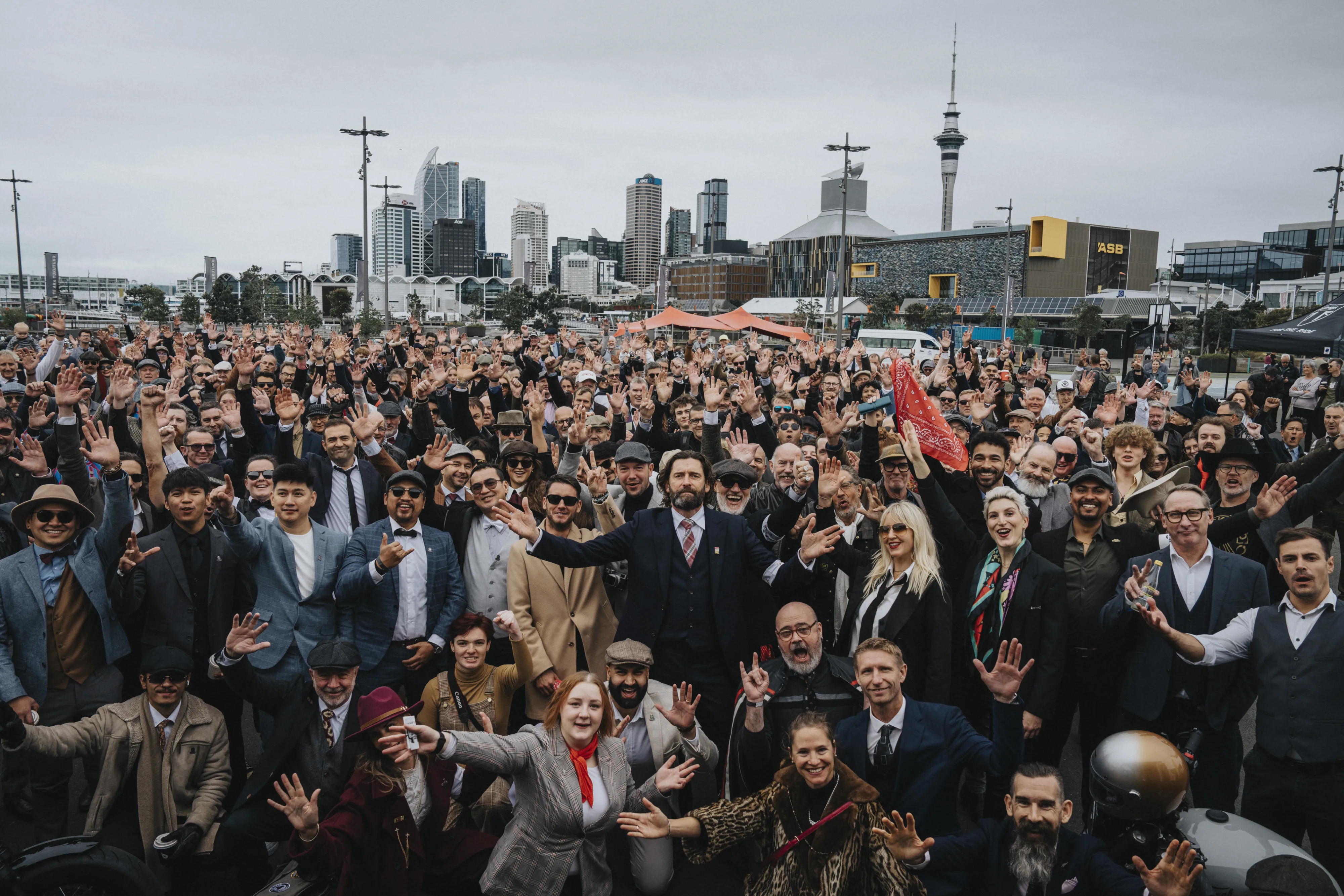
Each of them approaches mental health differently: whether through workshops, community rides, or blending psychological tools with motorcycle culture, but they share the principle that connection matters.
The Power of Showing Up
There’s a line in Brad’s perspective that cuts through everything else: “We don’t need to wait to be personally impacted in order to act.”
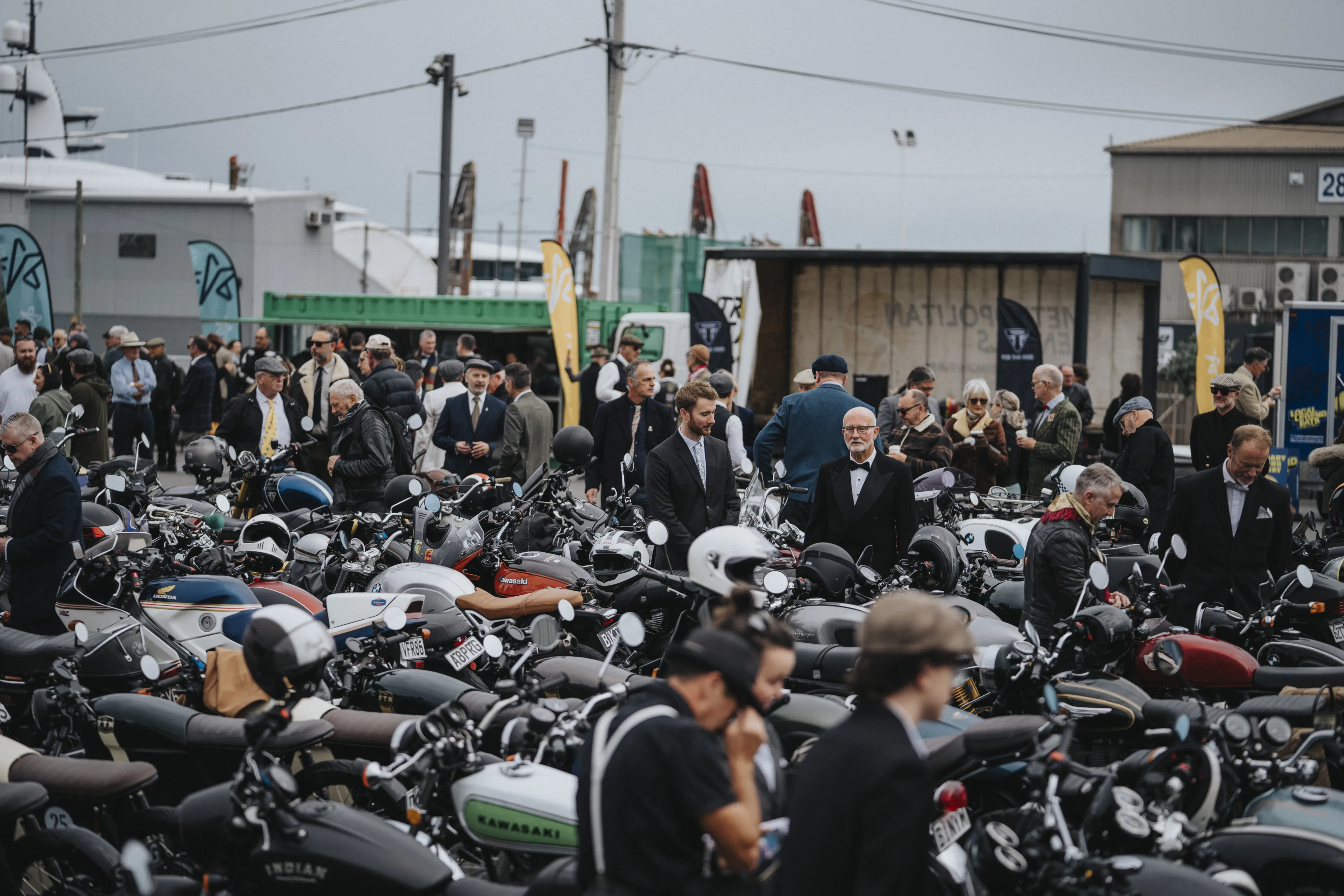
The reality is that many people still associate causes like mental health or suicide prevention with personal tragedy, as if action only becomes valid once you’ve been directly affected. DGR challenges that. “Every rider you talk to will have a connection to at least one of these causes. Our lead fundraiser last year was a prostate cancer survivor. Our Previous host was a suicide survivor. For me, mental health is my primary motivator.”
It creates a space where participation itself is a strong form of contribution. Showing up, whether as a rider, a volunteer, or even just a spectator, helps get the word out there and move the narrative forward. And in doing so, it lowers the barrier to entry for conversations that are otherwise difficult to start.
The DGR in 2026
As the ride for this year approaches, the network grows. What started as a visually striking idea of motorcycles and suits has evolved into something far more meaningful. If you strip everything back (the aesthetic, the scale, the global reach) you’re left with something surprisingly simple: a platform, a community.
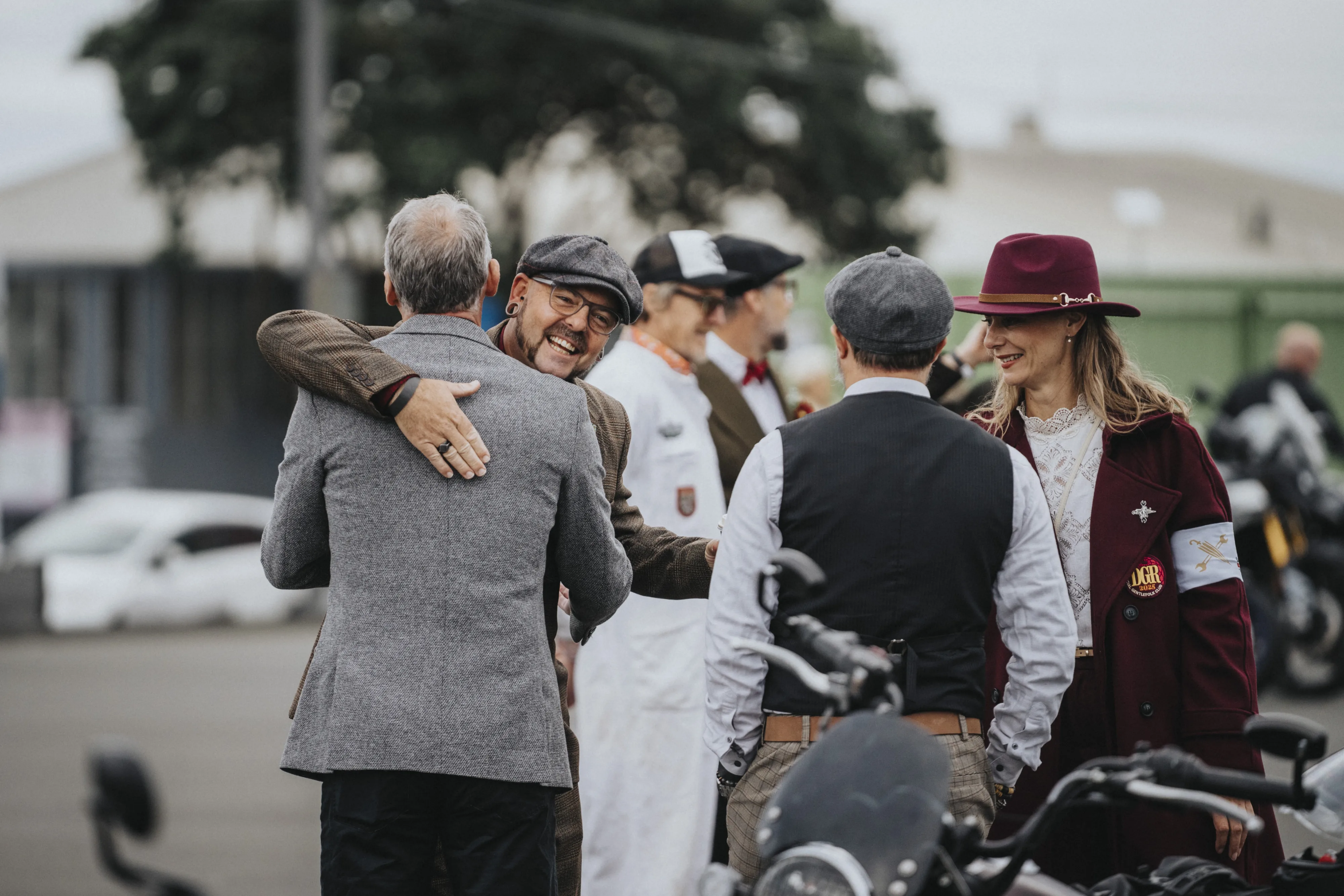
In Brad’s words: “DGR has made these connections and conversations possible. It is more than a day and more than a ride, [it is] something I carry with me every day, and something I’m proud to carry forward with me into the future.” That’s it. It’s people coming together to make it easier for other people to talk. And in a world where too many men still don’t, that might be the most important ride of all.
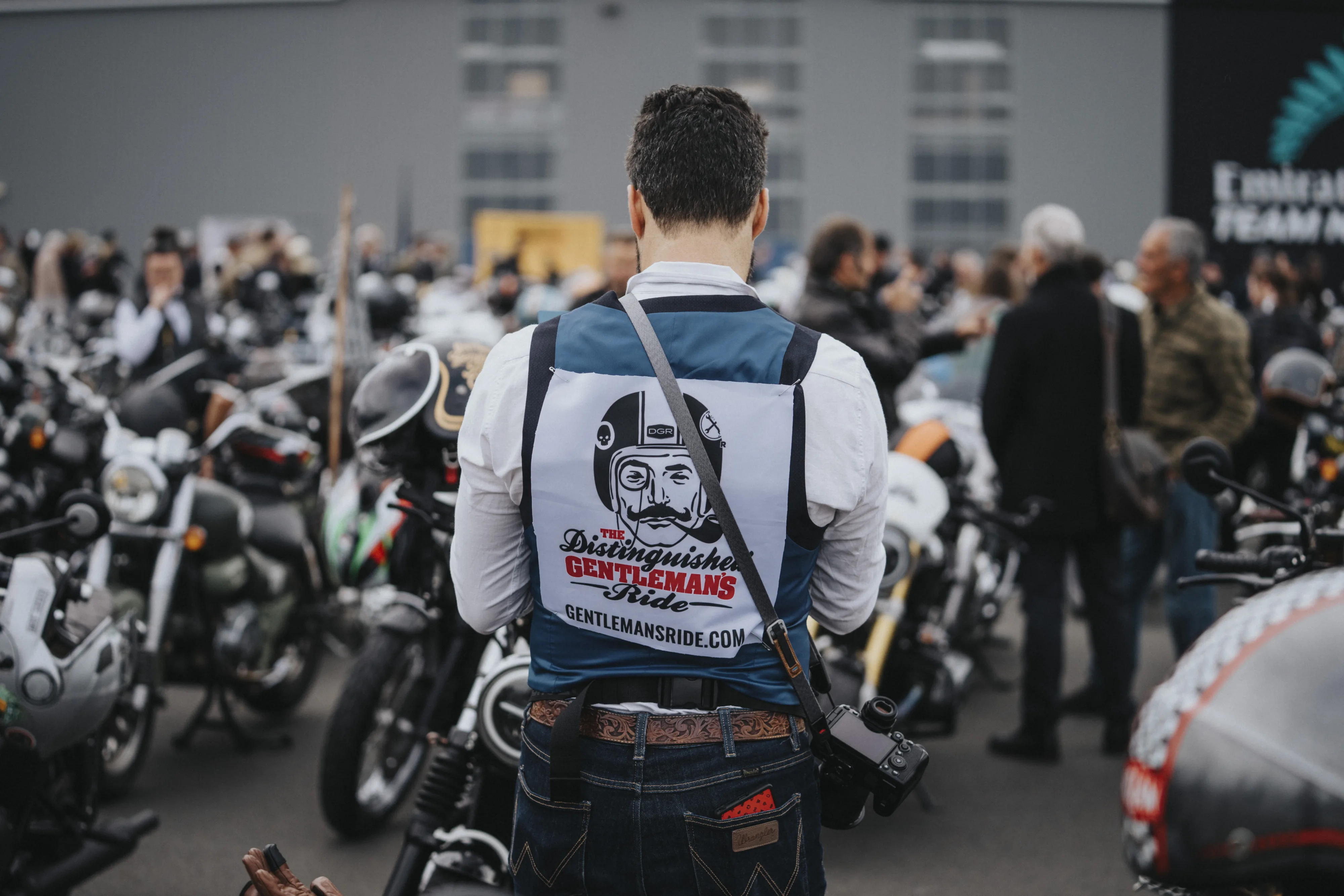
This article is not sponsored. Auckland DGR photos credits to Aaron Staples Photography.