When a brand offers a 7-seater SUV and claims to cover the family, commuting and weekend-escape duties in one package, it’s easy to be skeptical. After spending time with the Chery Tiggo 8, however, I found myself pleasantly surprised by how it delivers on that promise. It may not carry the gloss of premium brands, but it gets the fundamentals right and nails the key brief: smart, spacious, and incredible value.
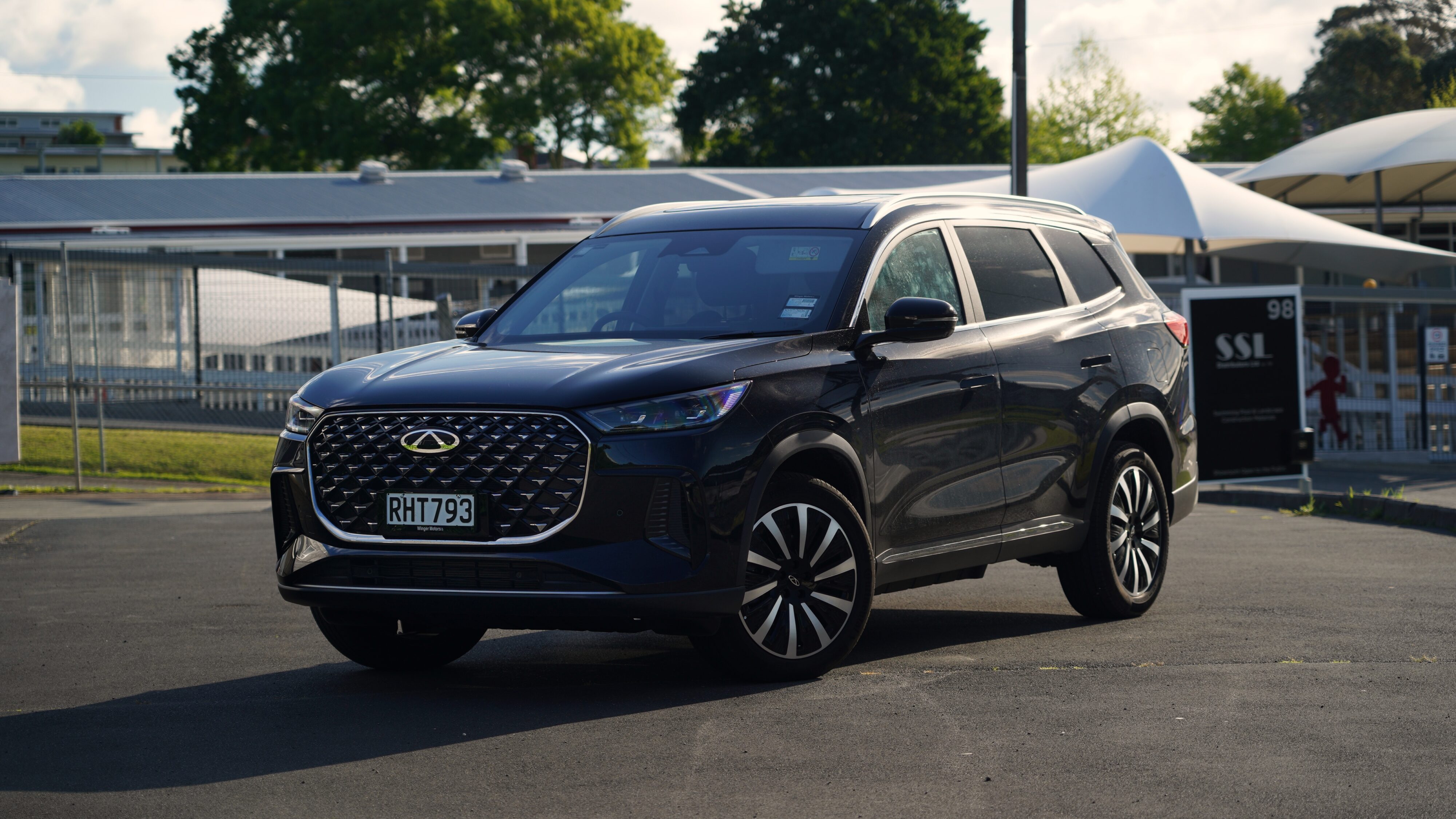
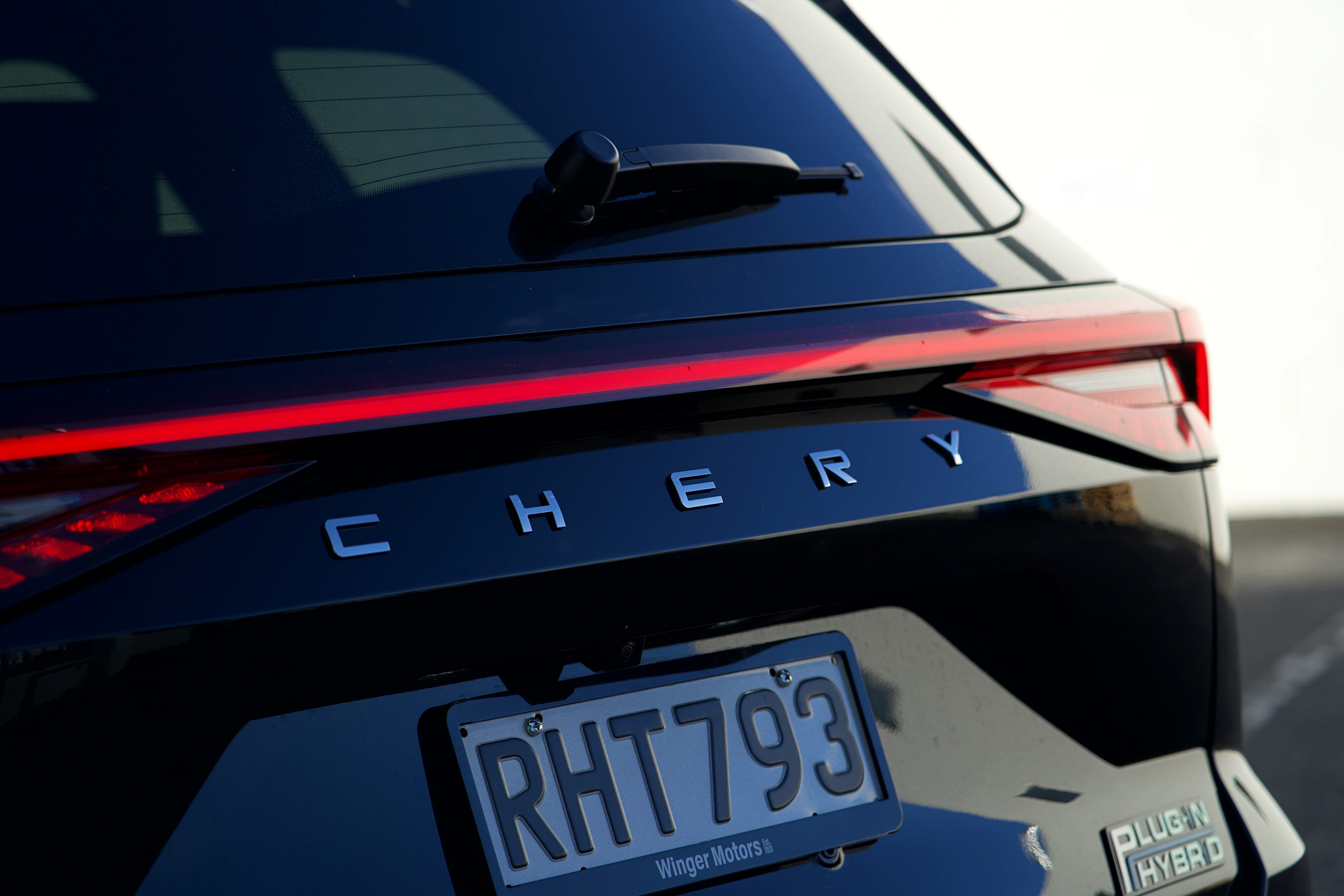
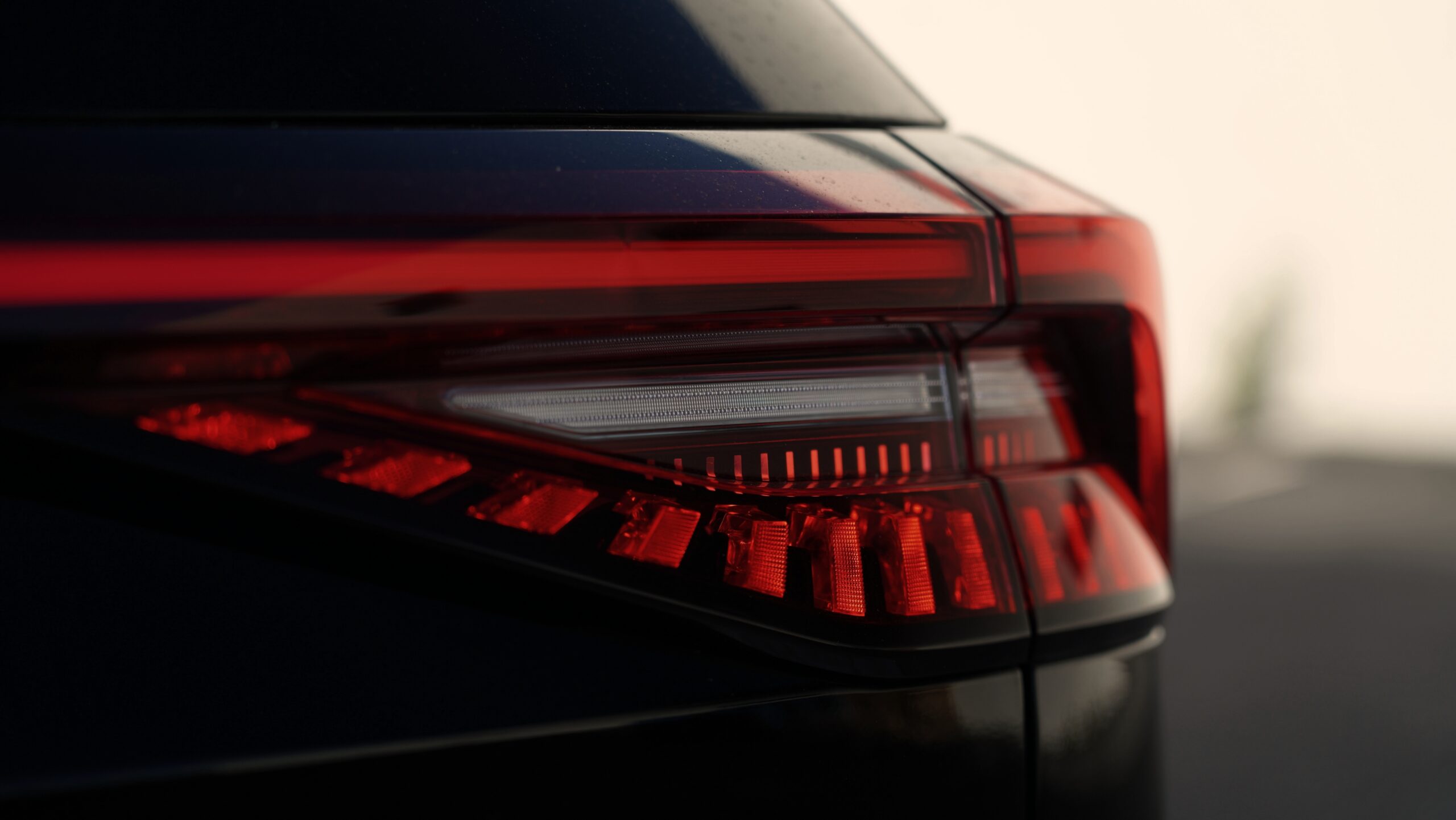
From the outside, the Tiggo 8’s bodywork is clean and contemporary, with the stance you would expect from an SUV of this size and some styling cues that hint at more premium intentions, such as the front grille or the LED elements of the rear fascia. The mix of black plastics, character lines and a familiar design identity make it look like a Chery from a distance, and it is clear that it plays it extremely safe, so you won’t find weird shapes, or offensive lines anywhere. It blends in and disappears around you.
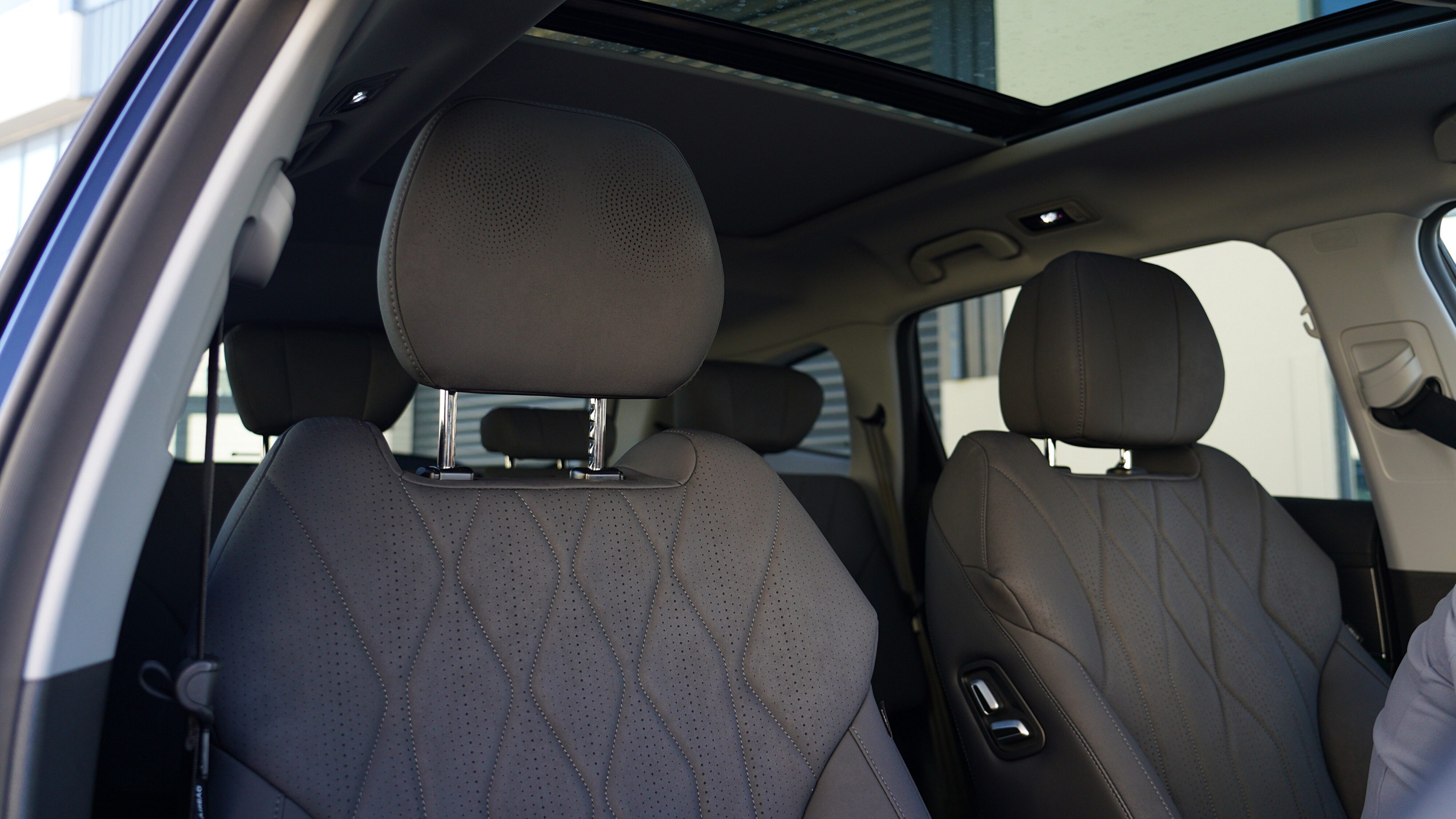
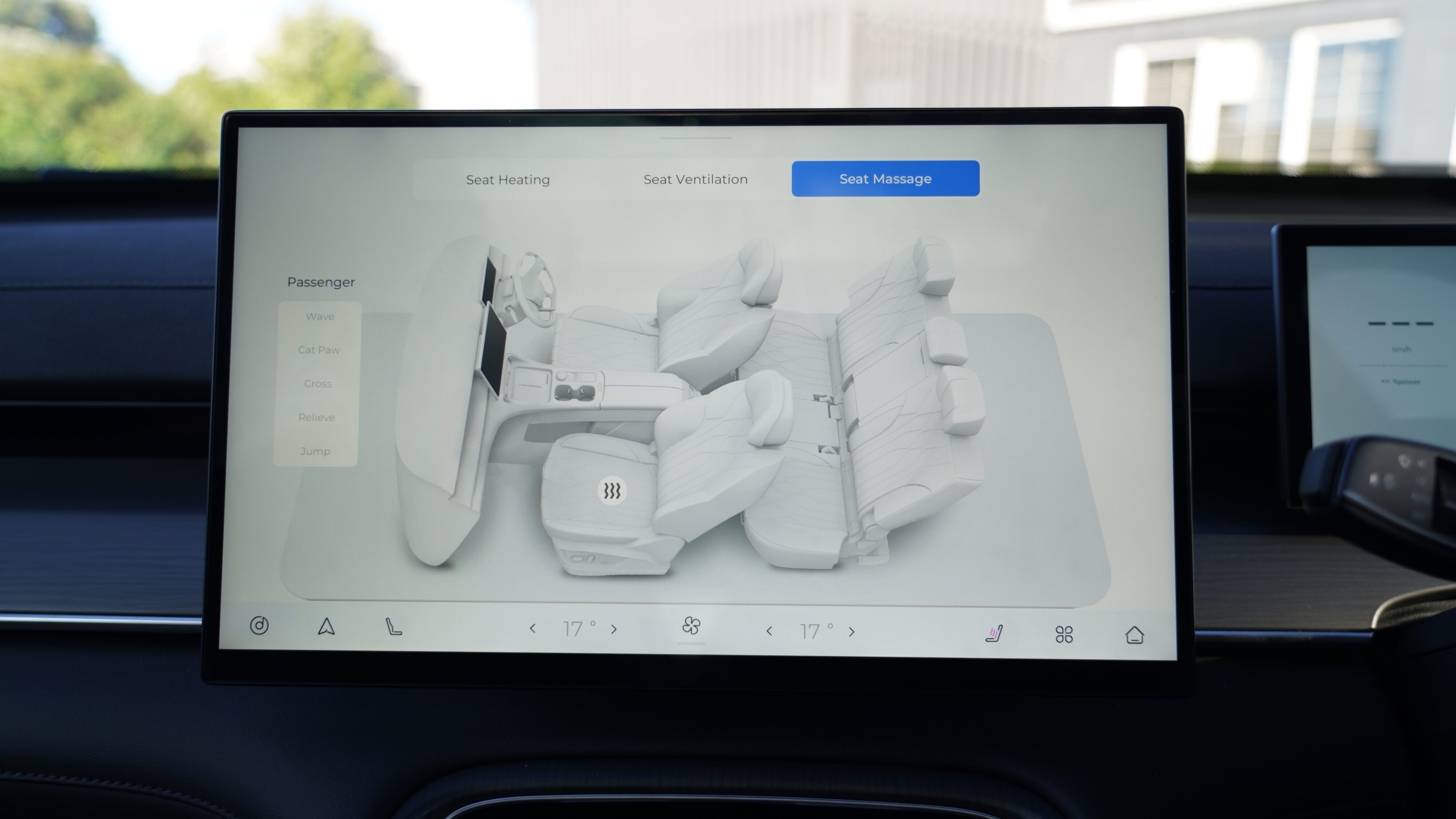
Grab the flush door handles (which pop out as you approach and work wonderfully), and you’ll see that inside, the Tiggo 8 dares a bit more, and is better for it. There is a lot of room and comfort, and the majority of the choices were the right ones. There is a clear effort in material choices and the finish is better than many would expect at this price point. I don’t personally love the suede like texture used on the seats but my passengers did, and what your front passenger will love even more is the fact they alone get to have an ottoman and a massage function for their seat. The driver then gets heating, ventilation, and the most confusing memory setting ever fitted to a car.
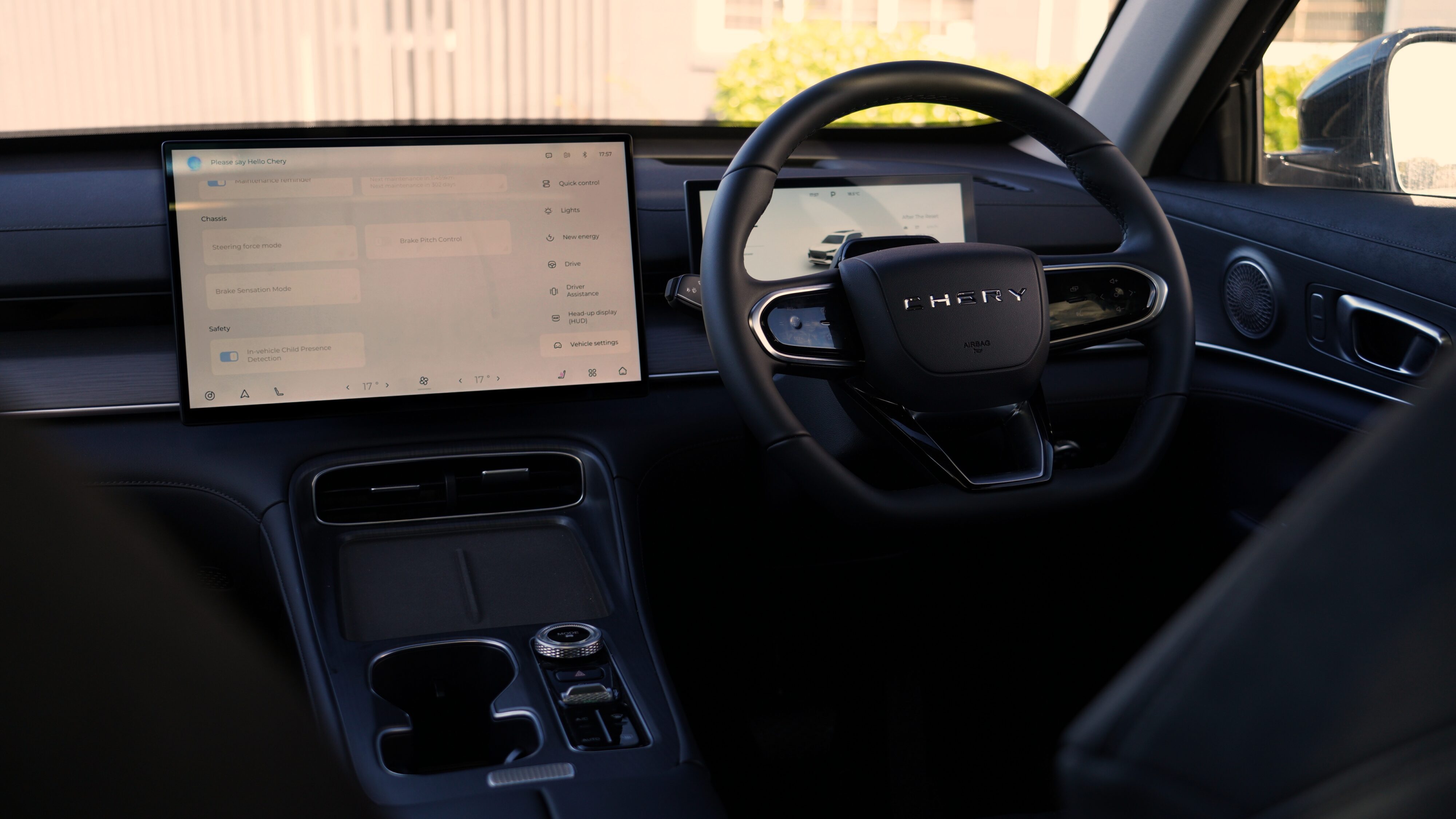
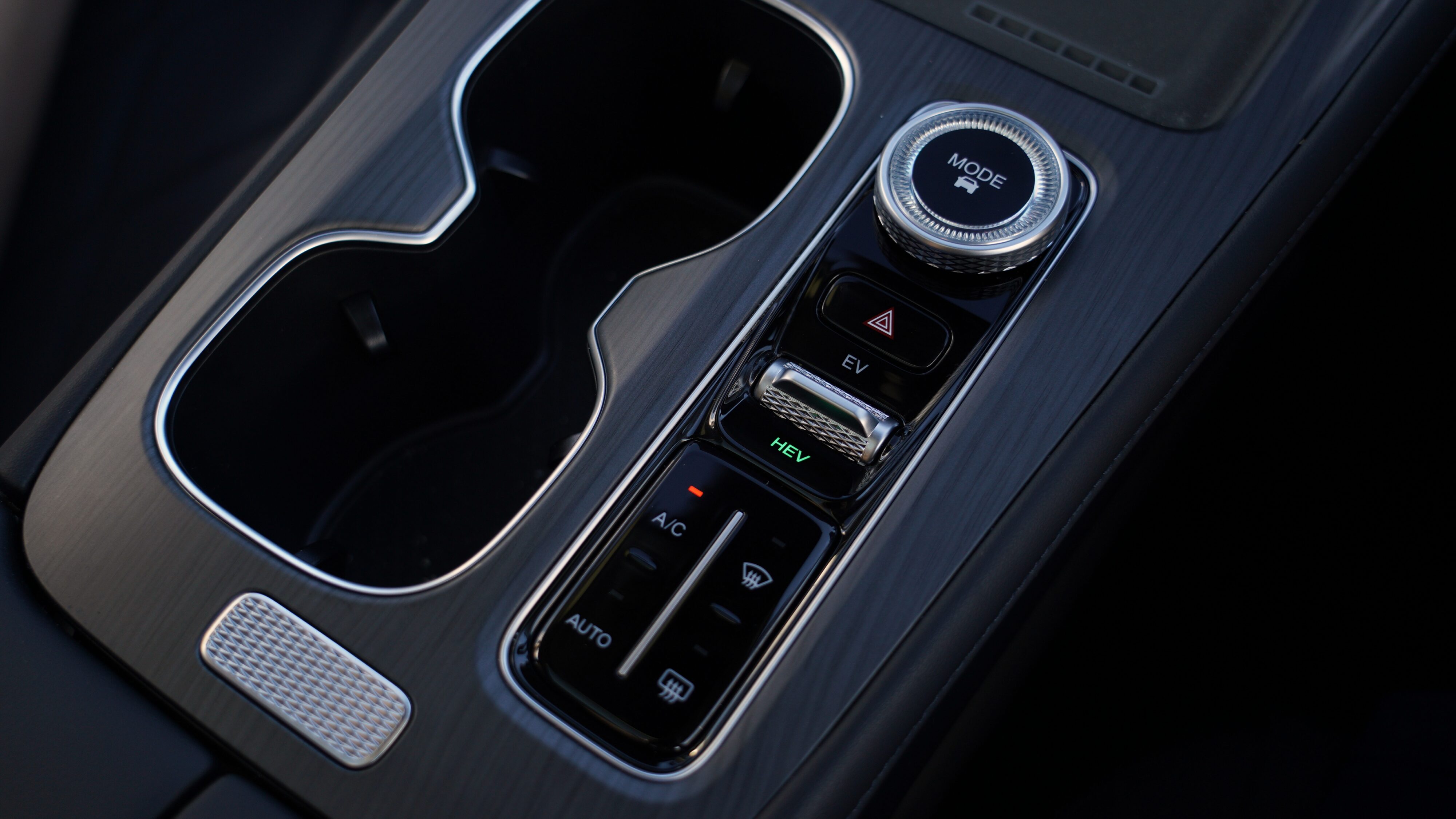
The now common “flying buttress” implementation of the centre console benefits greatly from the gear selector now being moved to the right stalk, leading to a very practical selection of storage solutions. You get cupholders, a climatised cubby under the armrest, two pads for your phone (one with charging) and additional storage underneath all that.
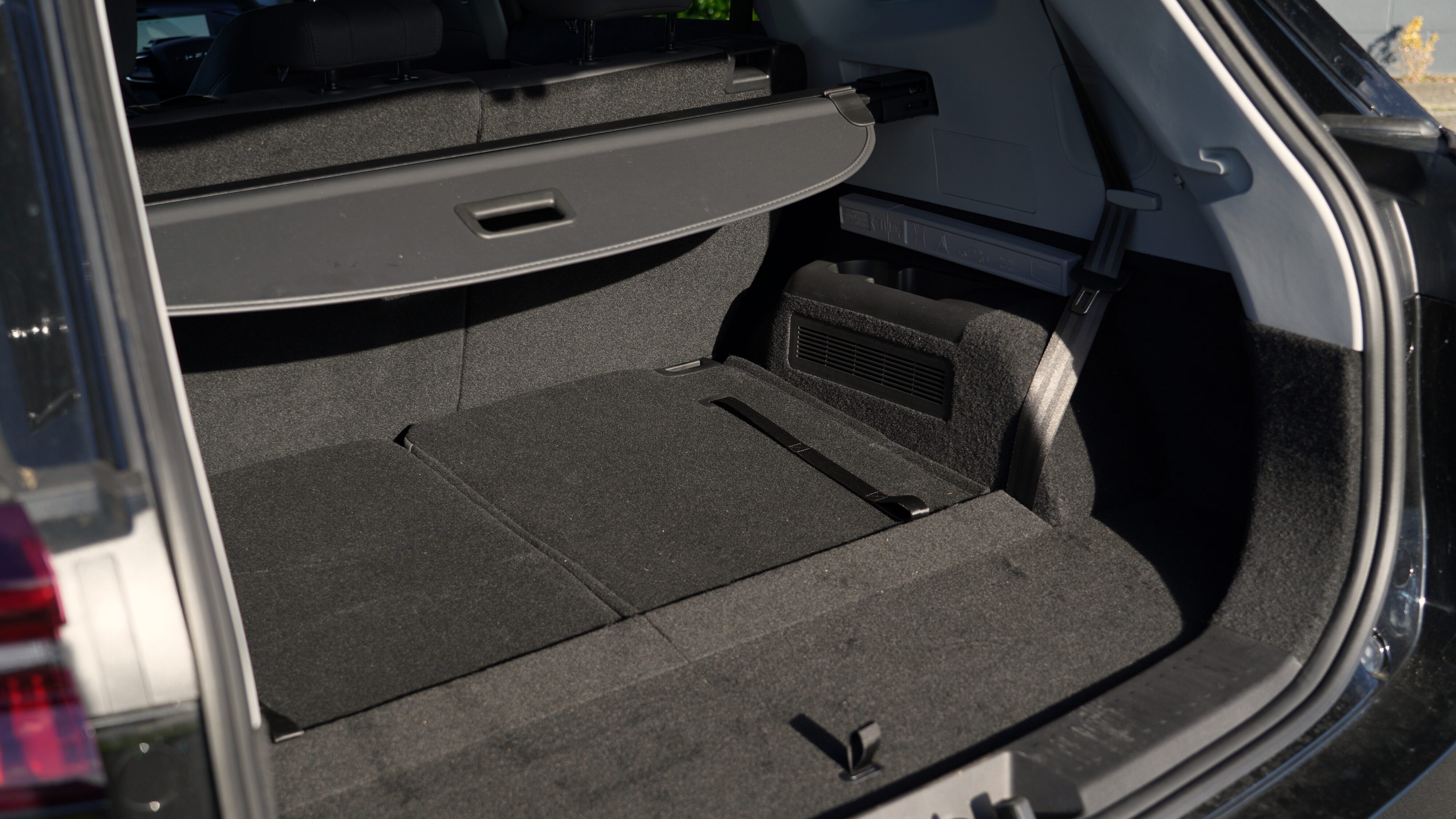
The seven-seat layout is genuinely useable: the second row offers good space and the third will cater well to children or occasional passengers, all while not intruding too much over the boot space, which holds its own with seats up or down. With time, I found myself appreciating just how functional the interior is, which matters day-to-day more than super premium materials or a flashy screen.
On the latter, the tech suite is ambitious, and dominated by the massive screen in the middle. It is large and feature rich, but not without its hiccups. Having a home screen that can only have a handful of widgets while the majority of the screen sits unused, showing an AI generated wallpaper feels like wasted real estate. And then, when you open the app drawer, the menu structure is well presented, but laid out confusingly, without a menu dedicated to charging and some features being hard to recall. Physical commands are basically non-existent, with everything being controlled through the screen, and the driver now gets their revenge over the massaging seat by being the only one able to control media volume.
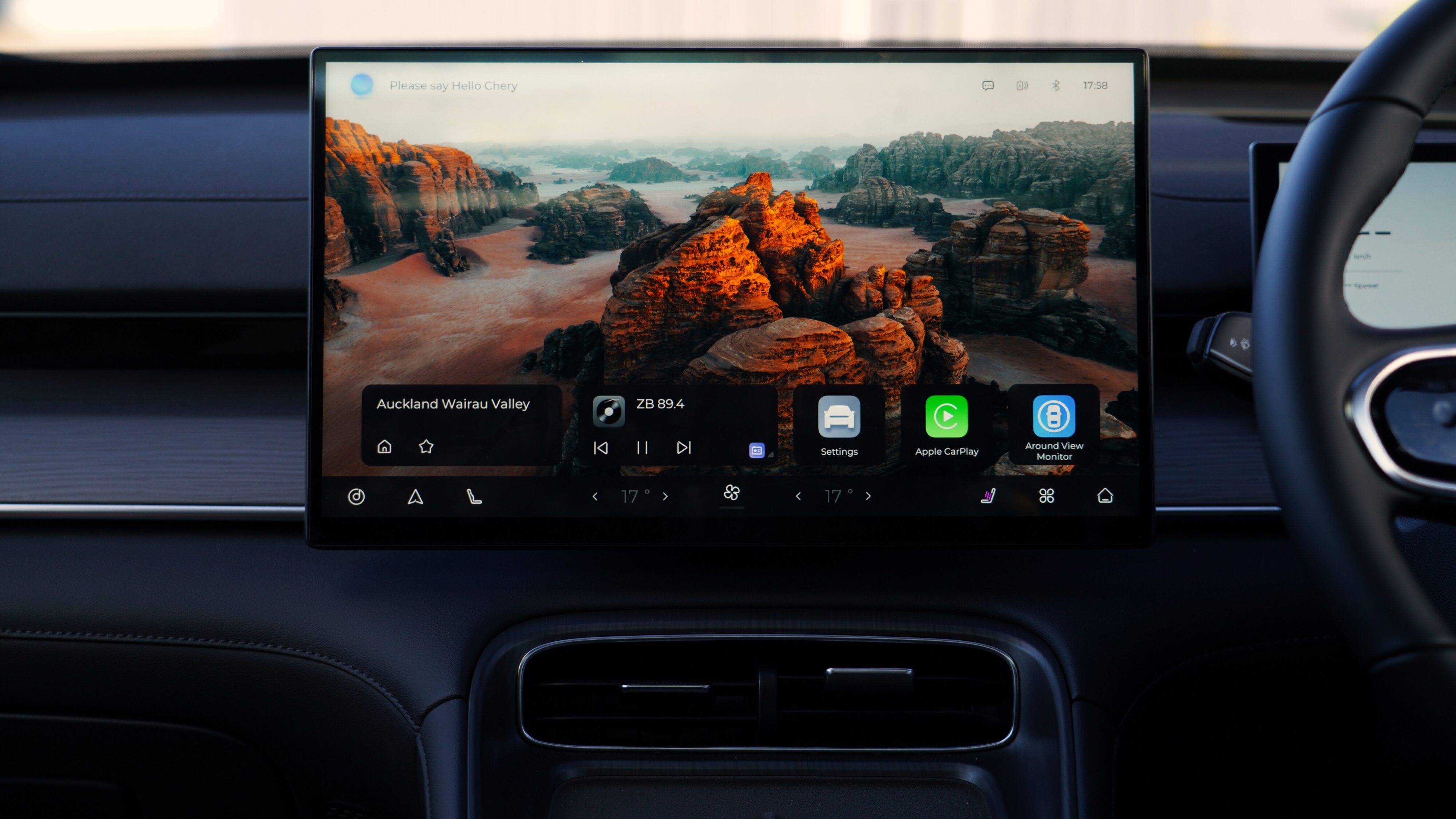
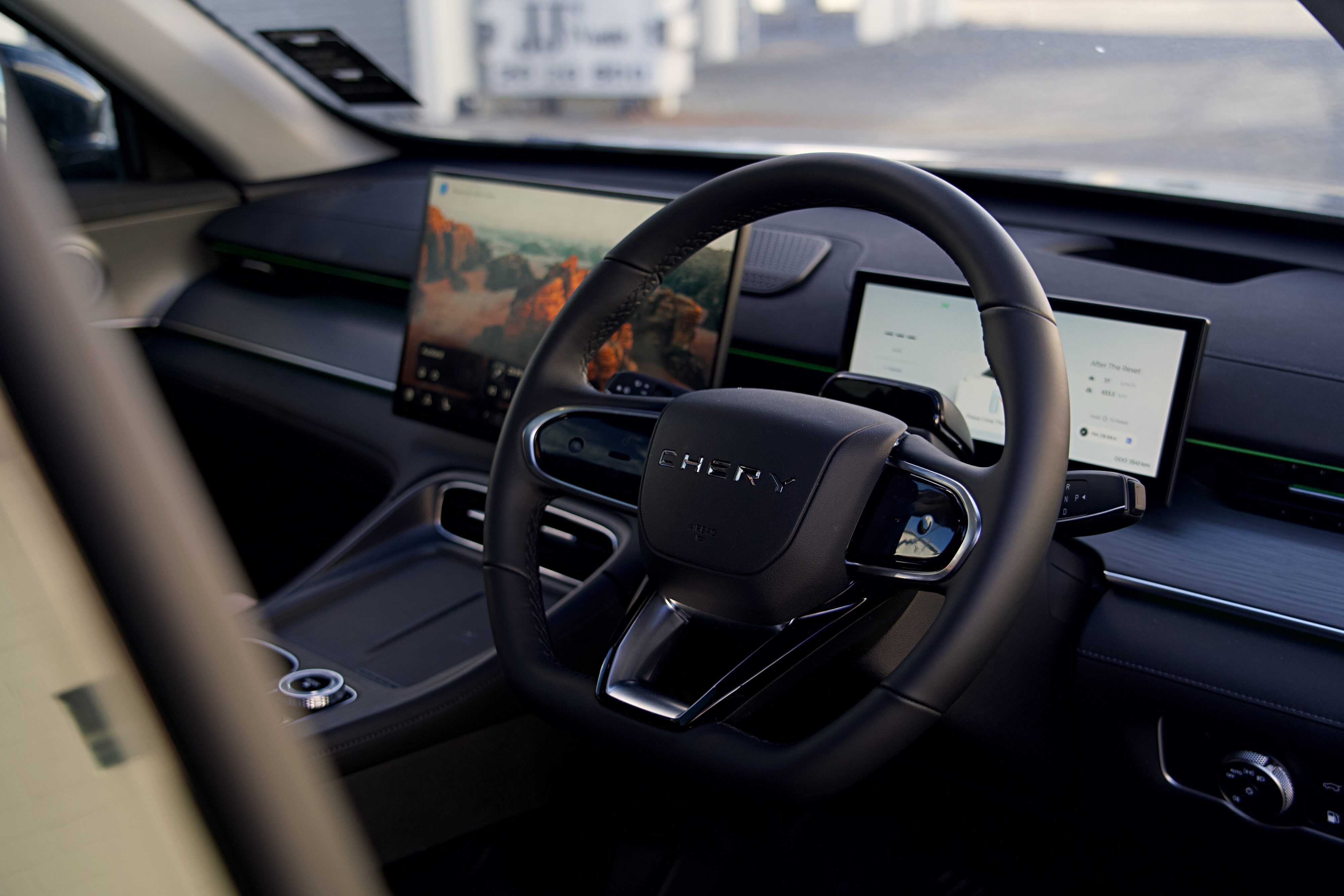
The visuals, on the other hand, are immensely improved from mostly everything I’ve driven from China, but there are still some vestigial aspects, like typos, or the annoying announcement of driving mode changes. Information on the drivers cluster is displayed neatly and accompanied by a helpful HUD, and maneuvering is easier thanks to an intuitive 360 camera and parking sensors.
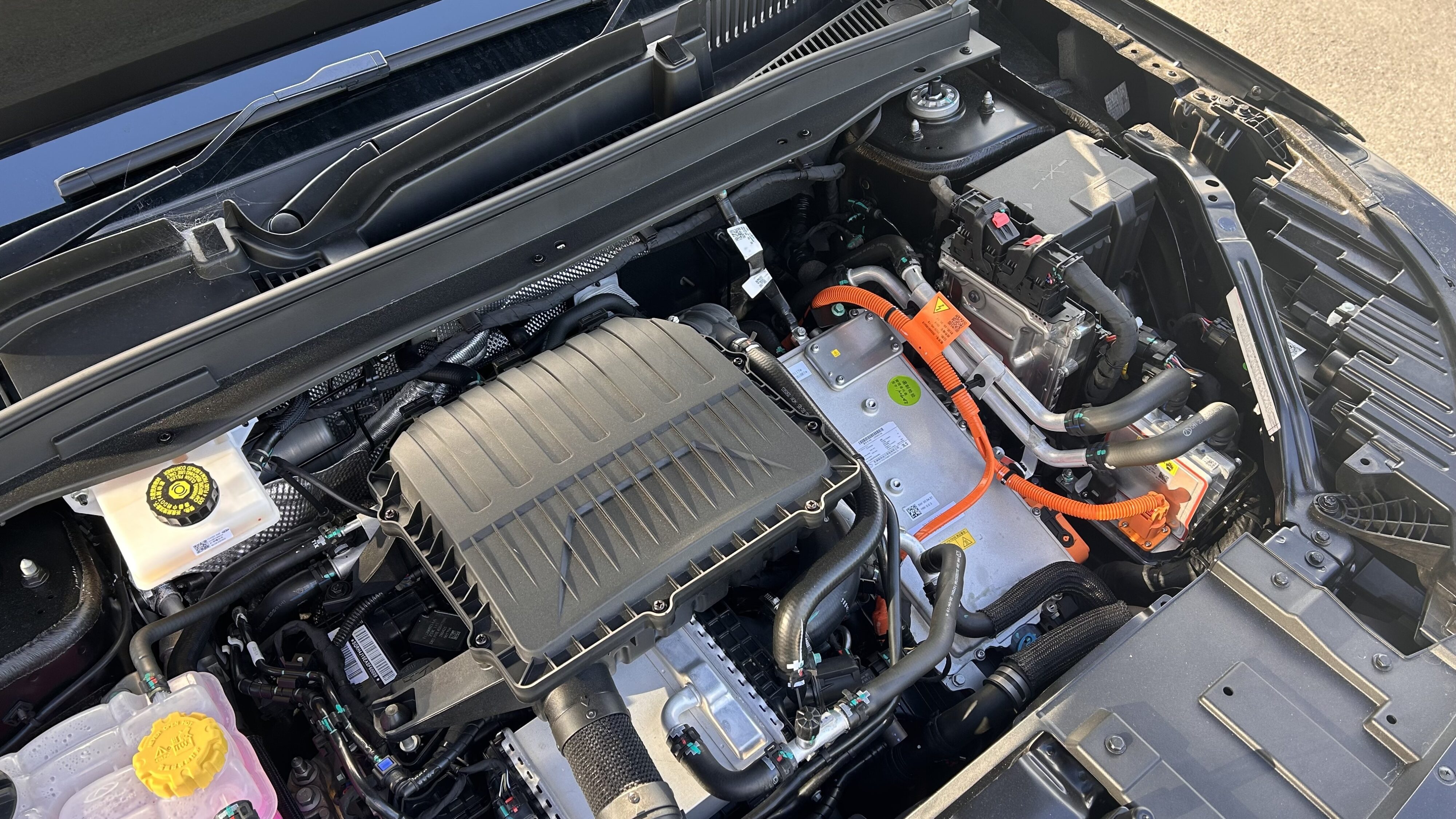
Under the bonnet, the Tiggo 8 uses a powertrain that’s well-matched to its role. The 1.5 turbo four cylinder (105kW/215Nm) is not the light-your-pants-on-fire kind of power plant, but we all knew that. What it has going for it is refinement and efficiency, and when it’s not doing charging duty, it becomes almost imperceptible. The 18.4kWh battery powers a 150kW/310Nm electric motor, that powers the front wheels (no AWD here) and that combined with the petrol mill, leads to a consistent experience that doesn’t feel underpowered.
Inputs are light and effortless, so being able to customise steering weight is great. The suspension has a wafty nature to it, more on the comfortable spectrum than pure boat. The Continental tyres, an upgrade over the ones found on the Tiggo 7 I had earlier get the job done well, but there is a tendency for them to get overwhelmed by the torque during brisk take offs or corners. Assistance systems are plentiful, and in my experience of around 500km of city and motorway driving, I was left very satisfied with its comfortable performance and confidence inspiring feedback.
But the 8 is also a PHEV, where a big part of its appeal has to do with its ability to handle the day to day driving in EV only mode, where Chery promise 95km of zero emission driving. The car will hold around 25% state of charge, and from there on you can drive it as a “normal” hybrid, or a Super Hybrid, as the brand calls them. This means that even in low SOCs, it still drives mostly like an EV, with immediate torque delivery, customisable regeneration settings and that characteristic brake feel. As for the charging, you can use both AC and DC, and while it is very easy to get all of this going, I wished for more control over charging session programming and automatic cabin climatisation.
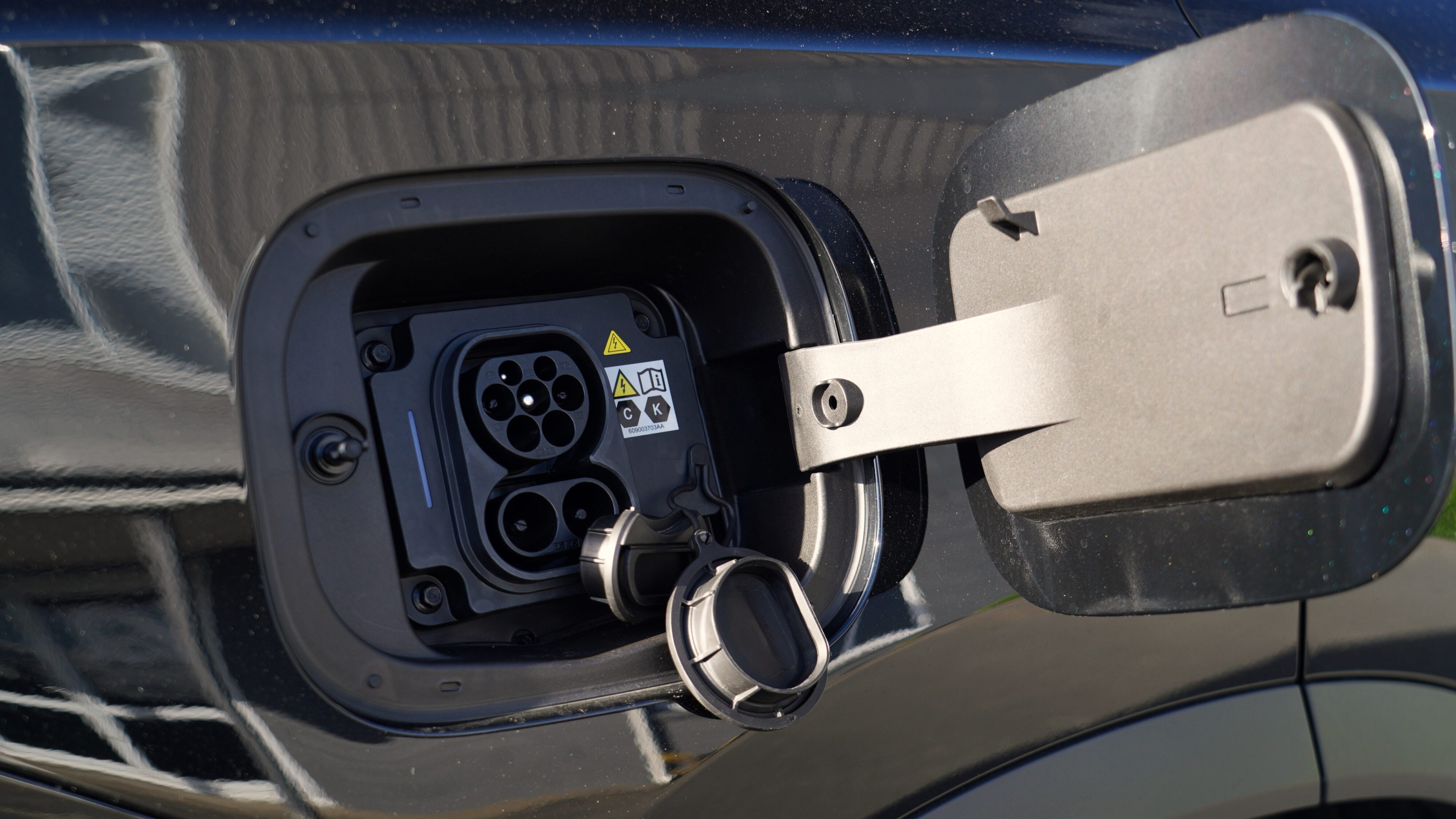
Efficiency is solid for the category, with the more impressive figures (95km EV only range and 1200km overall range) being achievable without uncomfortable hypermiling. It feels like if you’re after a one-car-does-it-all solution, this ticks almost all the boxes.
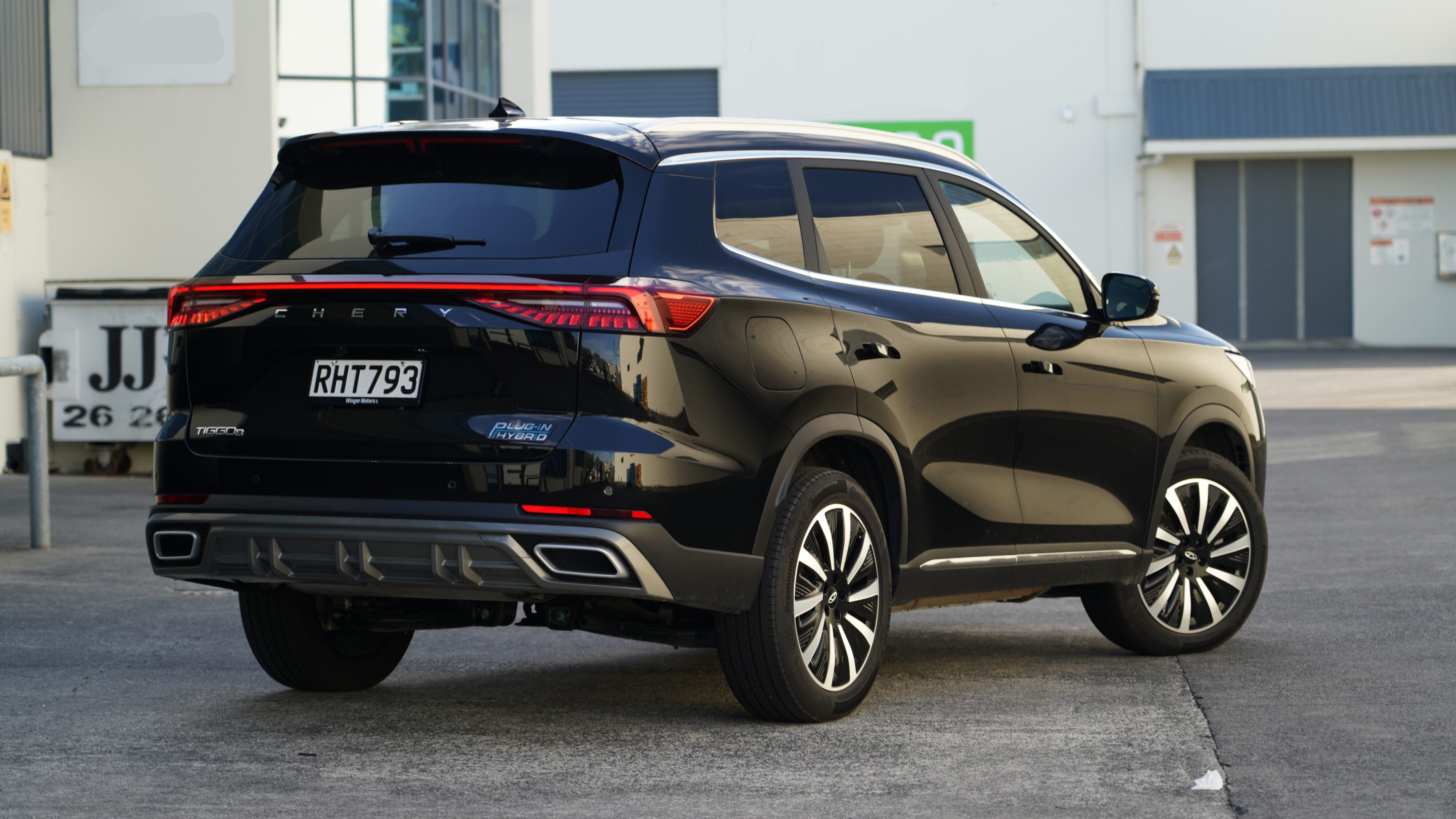
The Chery Tiggo 8 may not carry the badge of a legacy luxury maker, but what it does offer is something many families will value more: practicality, an extensive feature list, and strong value in the segment. If your brief is as straightforward as that, then the Tiggo 8 deserves a serious look. This is very close to being a no-notes 7 seater SUV. It has a few head scratchers, no dealbreakers, and gets so, so much right, especially now that its price starts with a 4. Thanks, Chery, for the opportunity, and thank you for reading this far!