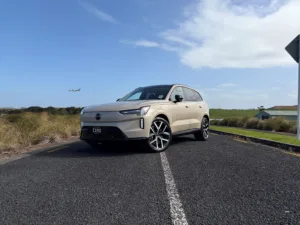
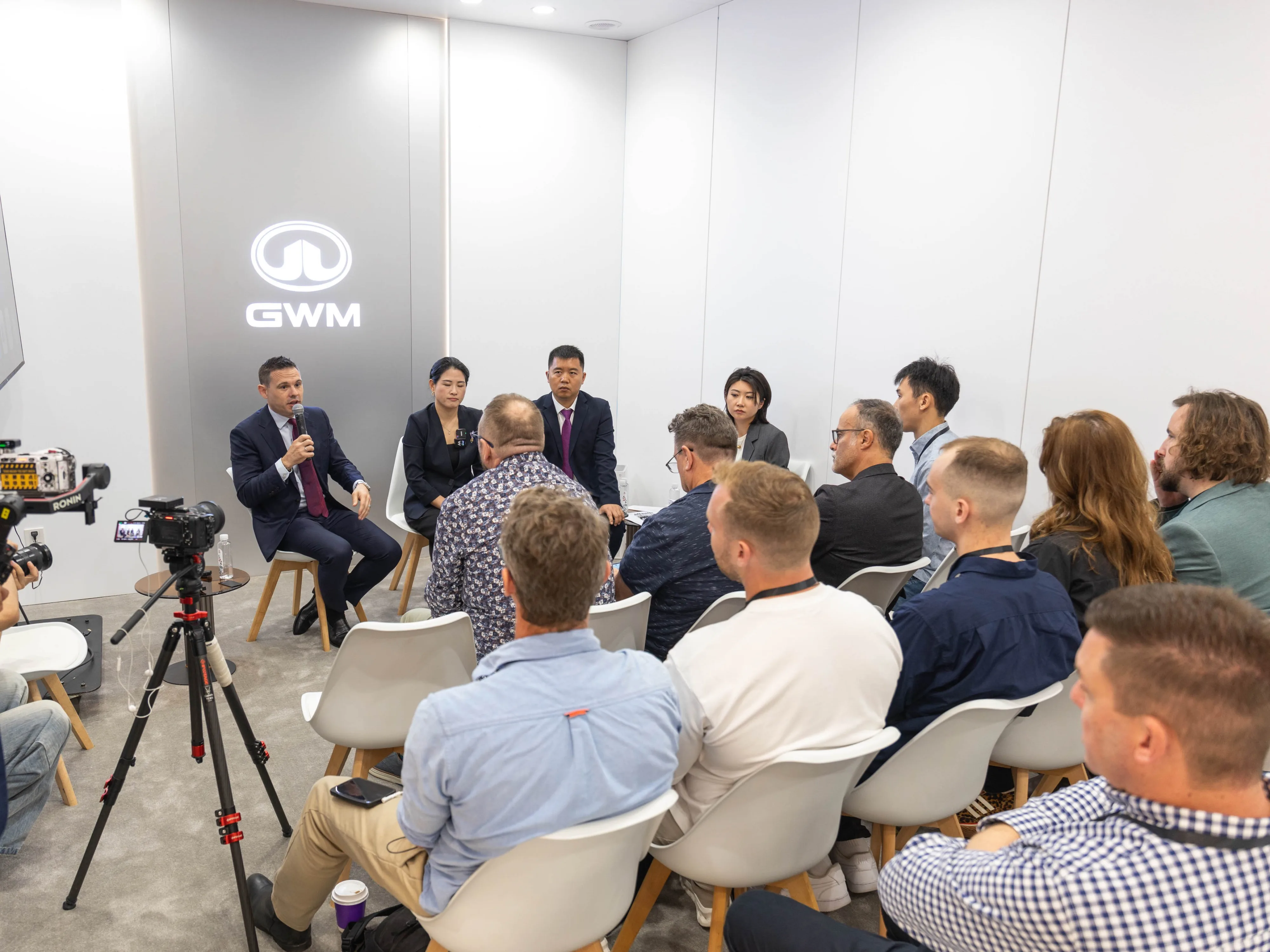
If you thought Great Wall Motors (GWM) was just about affordable pickups and SUVs, think again. Our intimate Q&A session with GWM’s top brass, Nicole Wu Chief Technology Officer (CTO) of Great Wall Motor, their General Manager of Powertrains, and Adam Thompson (Technical Director, Vehicle Integration; Chief Engineer for the GF platform), has peeled back the curtain on a brand with serious global aspirations, blending cutting-edge innovation with a rock-solid commitment to reliability.
Powering Up for a Diverse World
One of the standout takeaways is GWM’s incredibly diverse powertrain strategy. Forget one-size-fits-all; they’re talking V8s, V6s, diesel, diesel hybrids, regular hybrids, plug-in hybrids, and full electrics. Why the smorgasbord? Because the world isn’t homogenous. What works in Beijing might not cut it in the Outback, or on a winding European road. This flexibility is key to adapting to everything from varying fuel availability to different driving demands across the globe.
But it’s not just about what’s under the bonnet. GWM sees the software-defined vehicle as the next frontier. Imagine cars that learn your habits, offer seamless human-machine interaction, boast incredible audio, and pack advanced safety features and intelligent cabin tech. They’re even looking at vehicles with larger batteries that can power your campsite or tools, extending utility far beyond just getting from A to B.
The Next Five Years – A Tech Tsunami
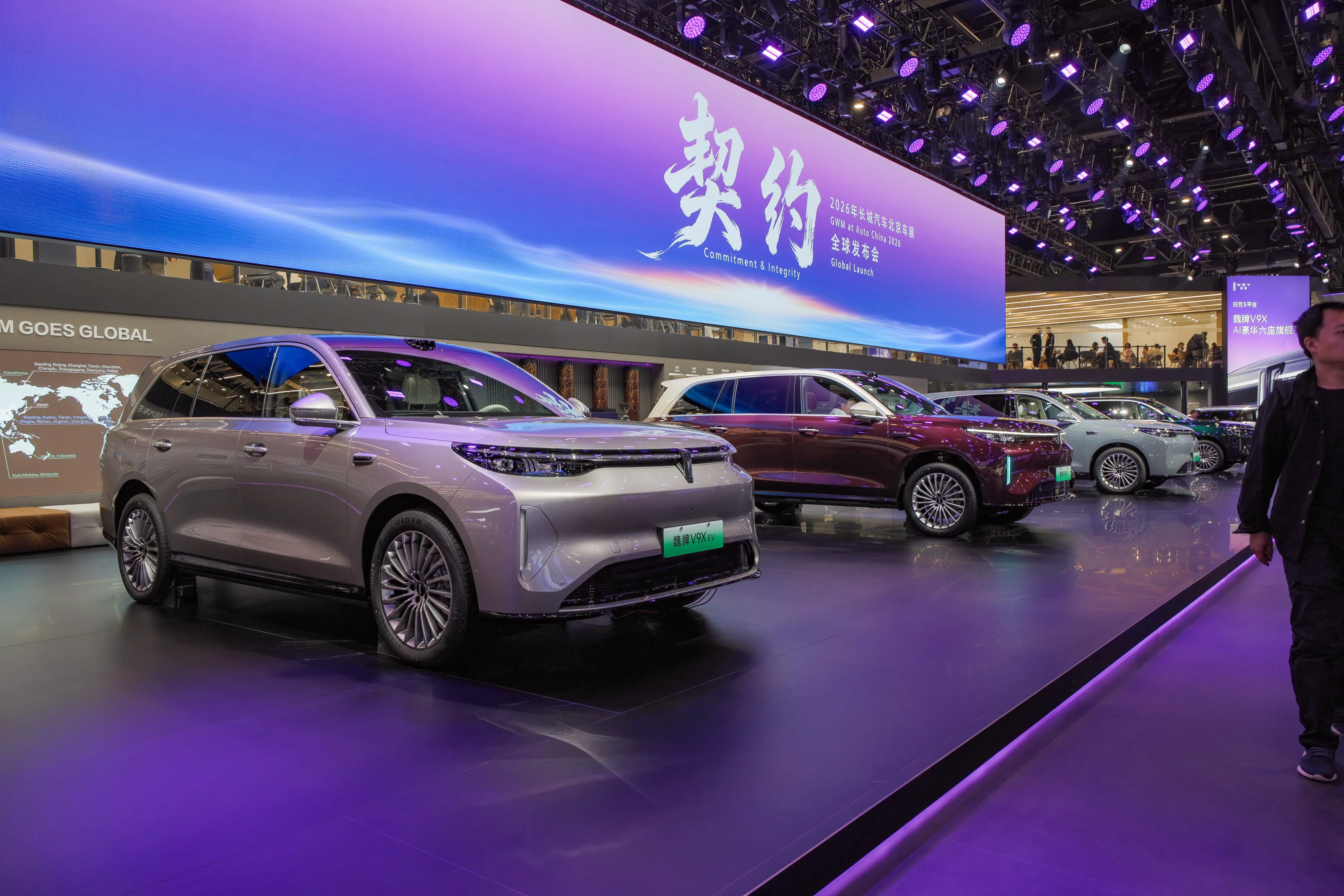
So, what’s on GWM’s immediate horizon? They’ve outlined five major technological shifts they’re gearing up for:
1. Advanced Multi-Powertrains: Expect even more refined engines, transmissions, and motors, all working in harmony for peak thermal efficiency, whether you’re running petrol or diesel – or even Diesel PHEVs.
2. Software-Defined Vehicles with Smart Cabins & ADAS: This is where the magic happens for the driver. Think intuitive smart cabins and advanced driver-assistance systems (ADAS) that make driving safer and more enjoyable. Crucially, GWM is taking a measured, safety-first approach to rolling out these systems, especially for urban environments, acknowledging that every market is different.
3. Bulletproof Reliability & Durability: As cars get smarter, they also get more complex. GWM is pouring resources into its electrical/electronic (EE) architecture to ensure that all this new tech is robust and dependable.
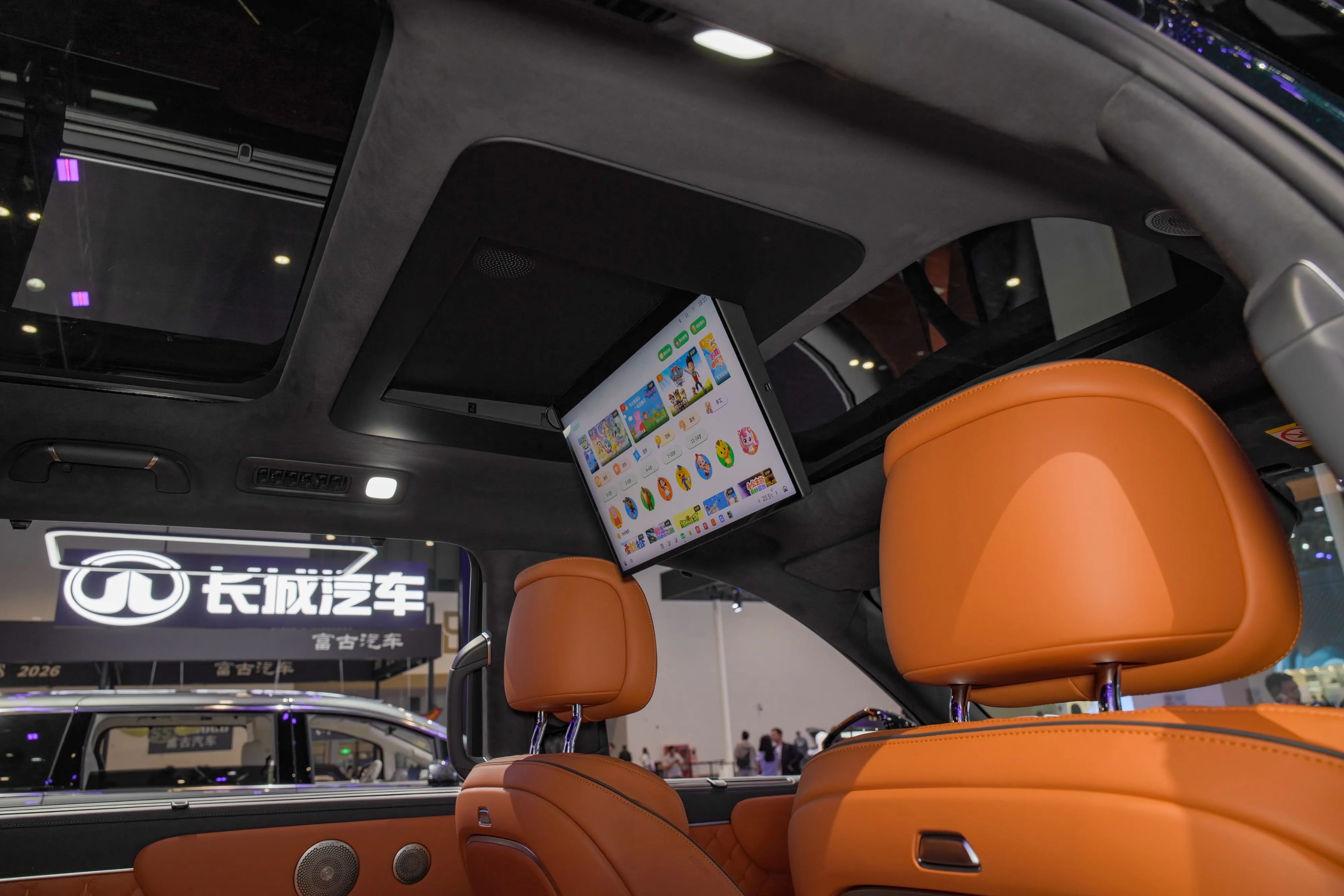
4. Premium Styling & Healthy Cabins: Design isn’t just skin deep. GWM is focusing on materials and aesthetics that create a “healthy cabin” environment, expanding the definition of safety beyond just crash protection.
5. AI Redefining Everything: Artificial Intelligence isn’t just for sci-fi anymore. GWM believes AI will fundamentally change not only how their cars function but also how they’re designed and manufactured, boosting efficiency across the board.
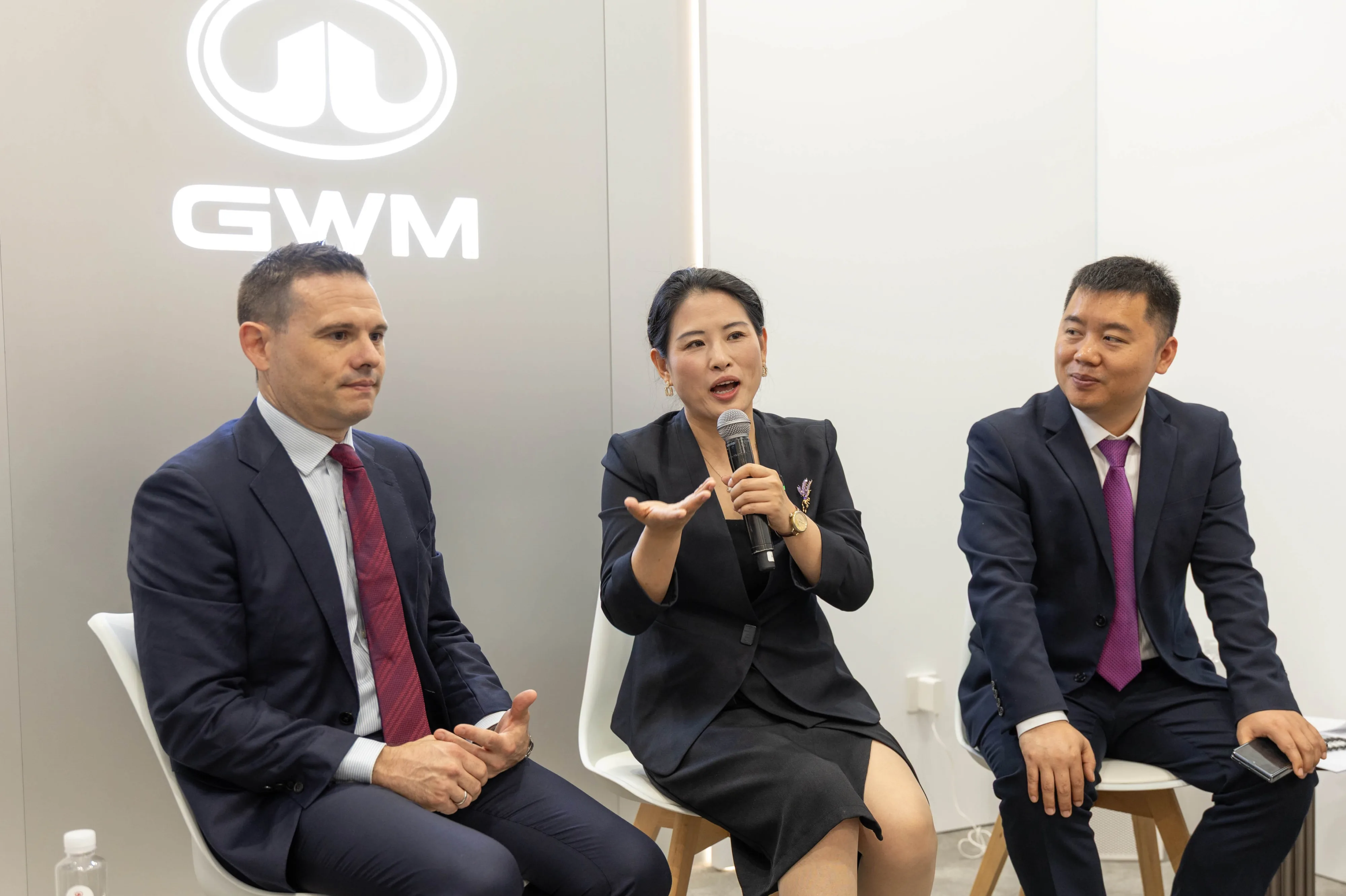
The Balancing Act – Innovation vs. Indestructibility
Here’s the million-dollar question for any carmaker, how do you innovate at breakneck speed without sacrificing the reliability that customers demand? GWM’s answer is multi-pronged:
Common-Platform Philosophy (GWM1): By using shared platforms and components, they minimise the number of new parts, which directly translates to higher quality and faster innovation cycles.
Massive Investment in Testing: We’re talking serious money here, over 10 billion RMB (that’s roughly NZ$2.3 billion!) poured into state-of-the-art testing facilities. This includes a 0.3 billion RMB crash safety centre, an even pricier aerodynamic wind tunnel, and intelligent testing grounds. But it’s not just labs; their engineers are clocking over 10 million kilometres annually in real-world conditions, from the Australian outback to Russian winters, ensuring their vehicles can handle anything.
In-House Facilities: Having their own proving grounds means GWM can rigorously test and correlate digital models with physical results, speeding up development without compromise.
Cutting Through the Hype – What Really Matters to Drivers
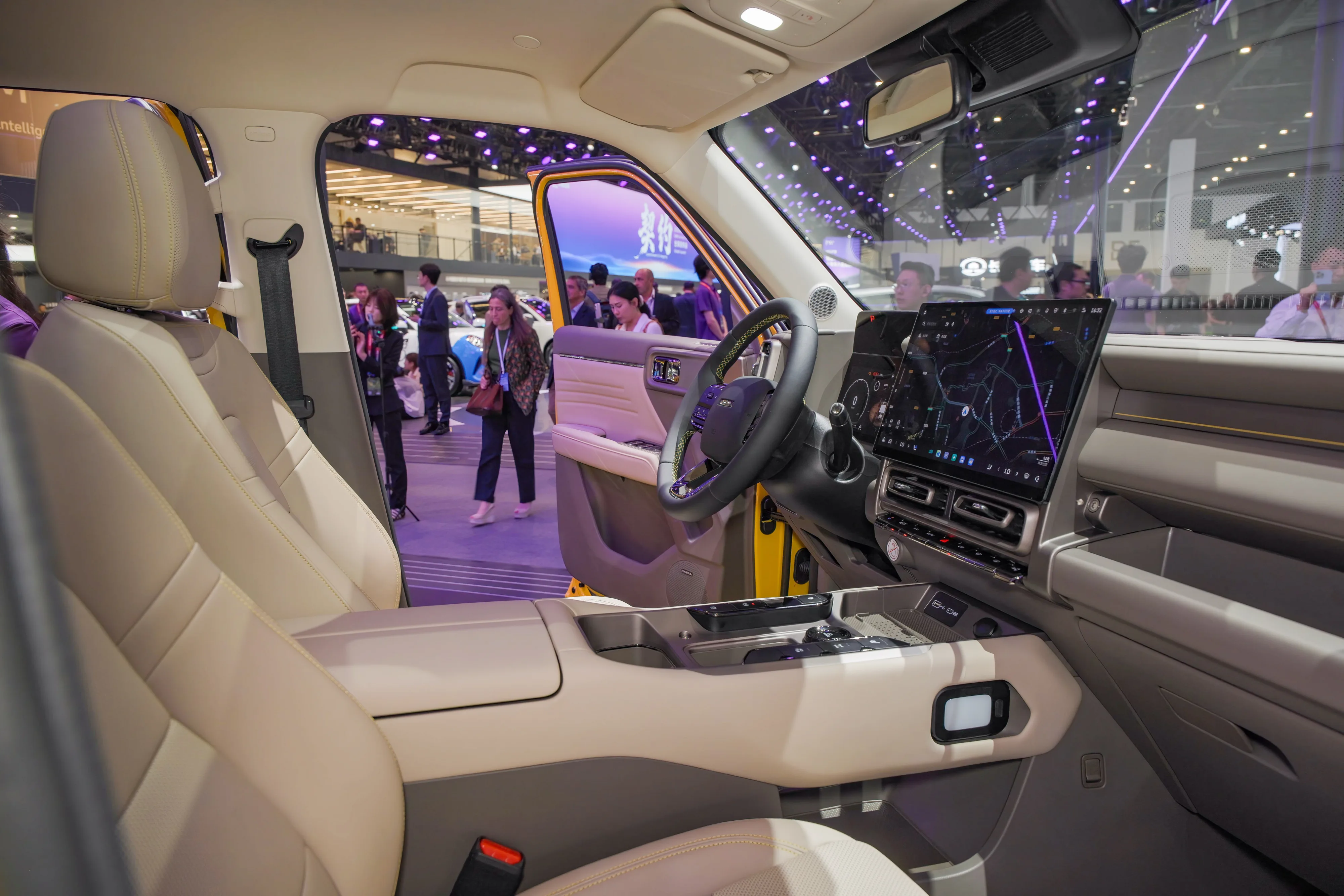
GWM isn’t afraid to call out overhyped tech. Remember the trend of ditching all physical buttons, or those flush-fitting door handles that sometimes freeze shut? GWM acknowledges that sometimes, practicality trumps novelty. Drivers still need tangible controls.
For them, the core remains the powertrain, chassis, and body design, especially when it comes to safety. Intelligent features are there to enhance, not replace, these fundamentals. ADAS, for example, is genuinely valuable for long highway drives, reducing fatigue and boosting active safety. But GWM is cautious about urban ADAS, understanding that city driving conditions vary wildly across the globe and safety must be absolutely paramount.
Automotive First, AI Second (But Still Crucial)
While some might label modern car companies as “AI companies,” GWM sees itself first and foremost as an automotive leader. Reliability and quality are their bedrock. While internet giants might be “natural AI” entities, GWM strategically integrates AI to refine its products and processes. The vast majority of their 23,000-27,000 engineers are still focused on traditional automotive disciplines, with around 3,000 dedicated to software, where AI tools are increasingly boosting efficiency.
Adam Thompson, with his background developing performance vehicles at McLaren, highlighted the fascinating convergence of robotics and vehicle automation. Both fields are essentially trying to create machines that can think and function autonomously. Car companies, however, face the unique challenge of developing products that perform flawlessly in the real world, rain, mud, darkness, you name it.
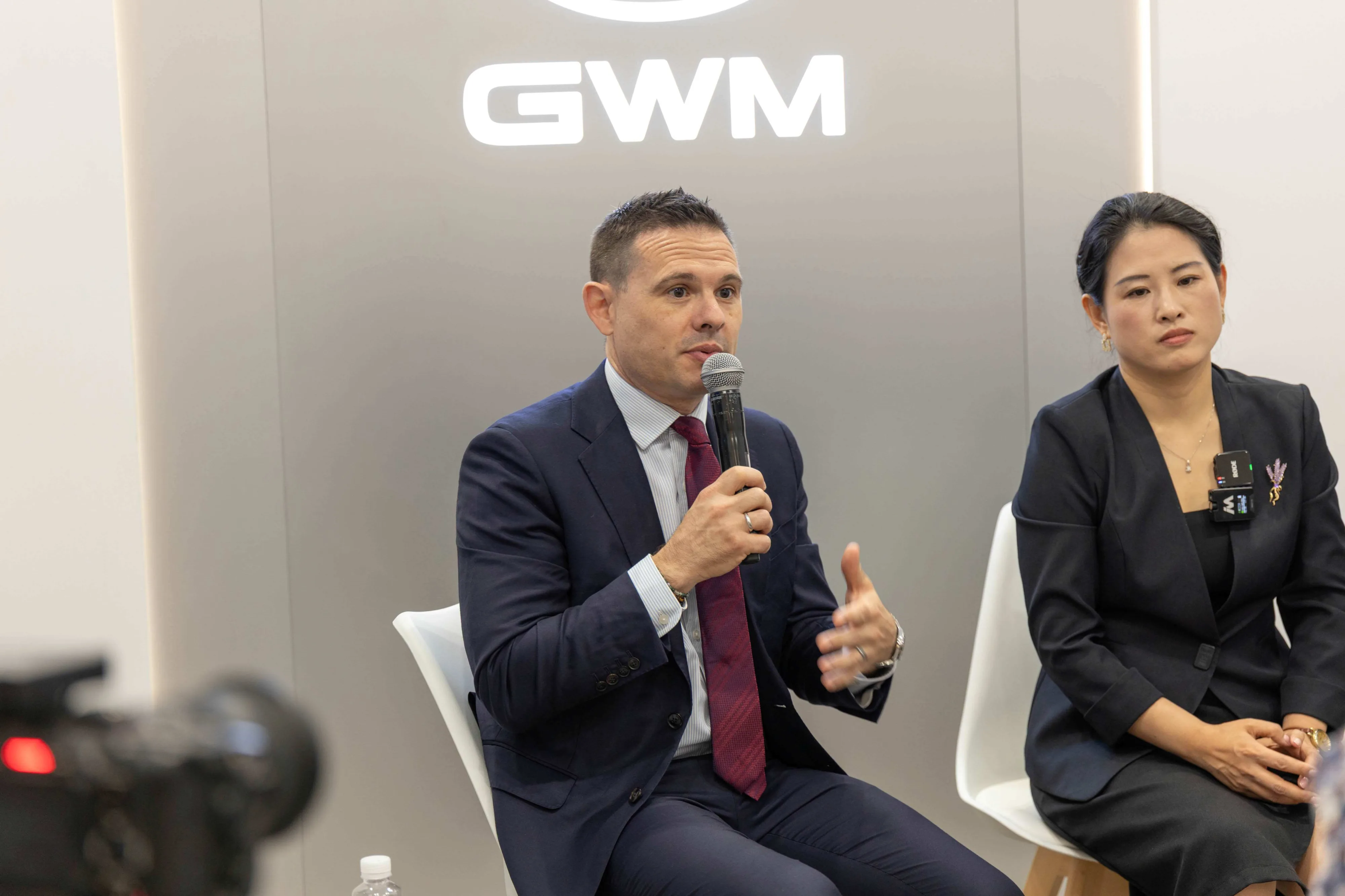
The Kiwi and Aussie Influence – Shaping Global GWM
Here’s where New Zealand and Australia really shine. Our markets, often seen as tough testing grounds, have played a crucial role in shaping GWM’s global products. Initial complaints about suspension and chassis performance from our neck of the woods prompted GWM to send engineers down under. They drove with locals, tested on our roads, and learned a lot.
This feedback didn’t just fix issues for ANZ customers; it led to improvements that benefited other markets with similar conditions, like South Africa, parts of Europe, and Brazil. The Lang Lang and now AT 1 development strategy, honed in Australia, is now being applied globally, proving that local input can have a massive worldwide impact.
Diesel Hybrids and the Future of Power
For markets like ours, GWM’s strategy is particularly interesting, promising diesel hybrid solutions alongside V6 and V8 options. They’re confident in their technical solutions for emissions control (NOx, particulates), noting that hybridisation actually helps reduce particulates and optimise NOx management. Both hybrid and plug-in hybrid diesel options are on the cards, with some markets potentially seeing them as early as next year.
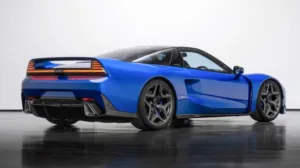
With Adam Thompson’s performance vehicle pedigree now influencing the GF platform and vehicle integration, GWM is clearly serious about delivering advanced, high-quality vehicles. His expertise, evident in the V8 mid-engine and carbon fibre body components showcased at the GF booth, underscores GWM’s commitment to pushing boundaries.
In essence, GWM is charting an ambitious course. By embracing diverse powertrains, intelligent software, and strategic AI integration, all while actively listening to and learning from global markets (especially ours!), they’re poised to deliver advanced, reliable, and genuinely exciting vehicles to the world.