BMW Group Plant Munich has just completed one of the most ambitious industrial pivots of recent years, a complete modernisation to become a high-efficiency, highly digital production site for the Neue Klasse family, starting with series production of the BMW i3 in August 2026. The overhaul positions the 104‑year‑old site to operate as an “iFACTORY”, with a strong focus on automation, AI, and sustainable processes as it transitions to an all‑electric plant from 2027.
Historic site, future focus
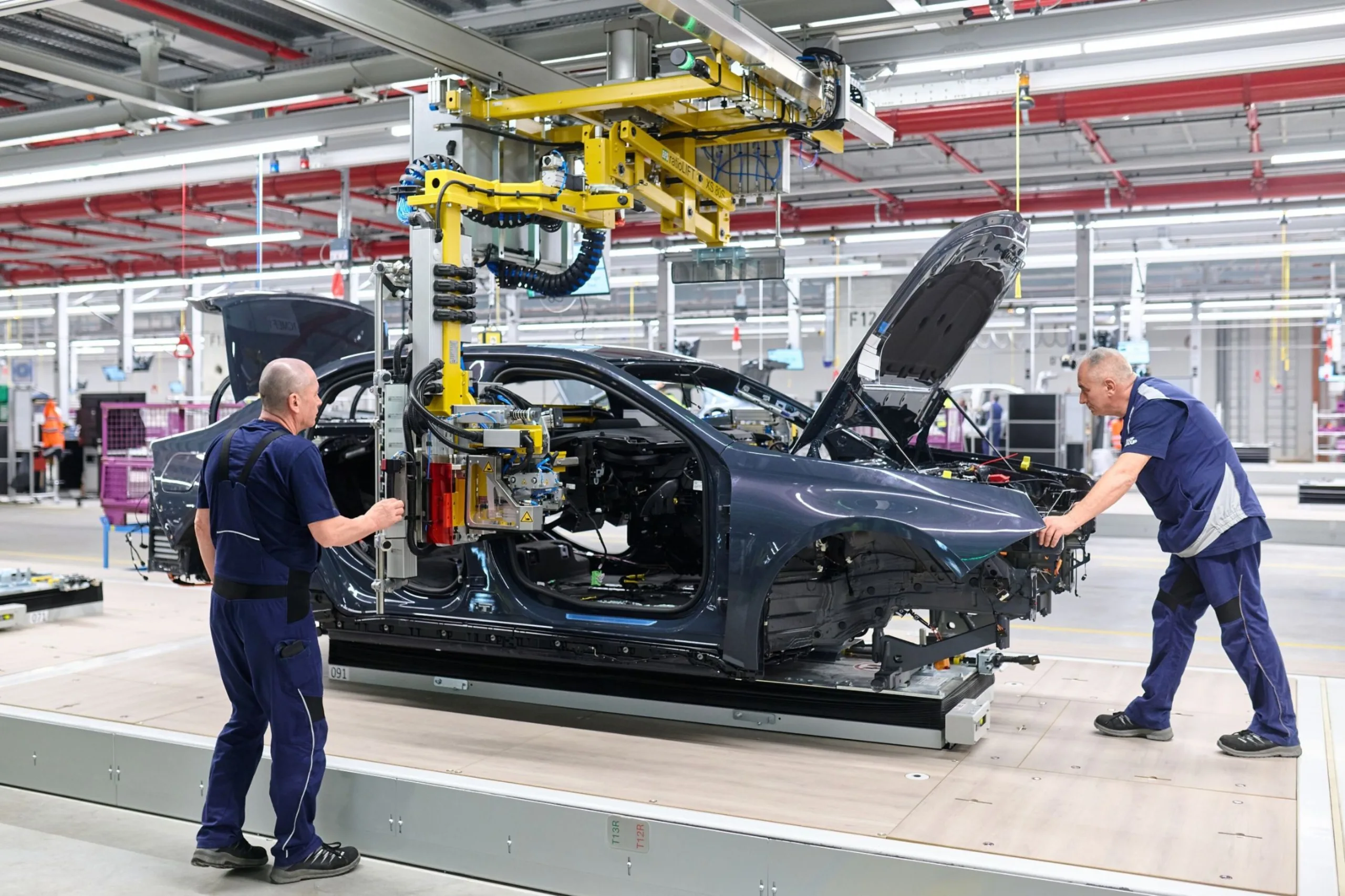
What’s striking about the Munich plant’s transformation is its scale and the constraints it tackled. Nestled within the city, the factory has been reinvented while continuing to produce up to 1,000 vehicles a day, a feat of logistics and planning that required new structures, a refreshed body shop, and updated assembly zones on roughly a third of the site footprint. The result is a production hub that blends century-old industrial tradition with state-of-the-art manufacturing techniques.
A 650 million euro bet on electrification and efficiency
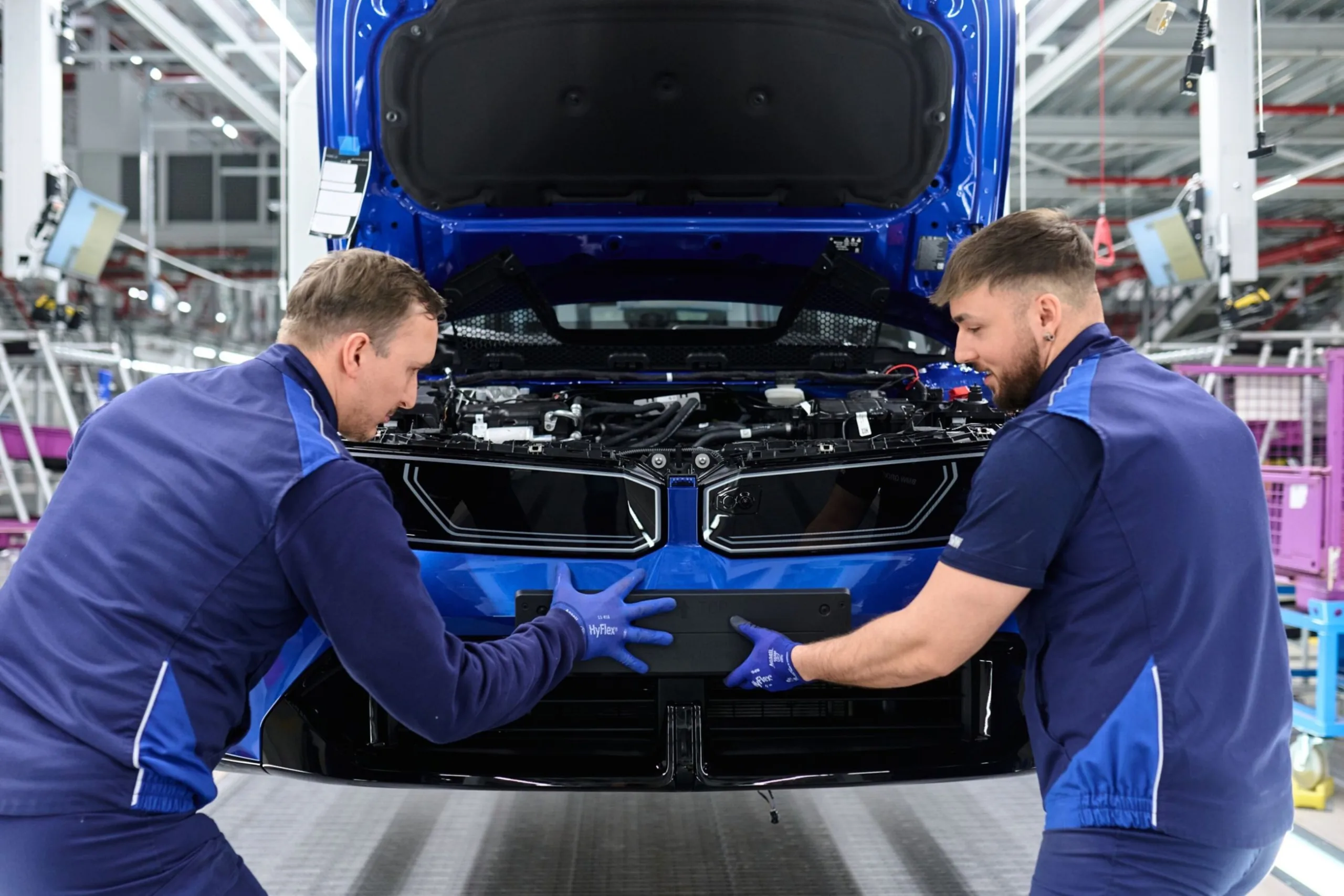
BMW is investing around €650 million to convert Munich into a fully electric production site, with the company promising a further 10% reduction in overall production costs at the plant when BMW i3 series production begins, bringing costs below those of the current vehicle generation. The company attributes savings to streamlined processes, targeted automation and the Neue Klasse vehicle architecture itself.
Automation meets human expertise
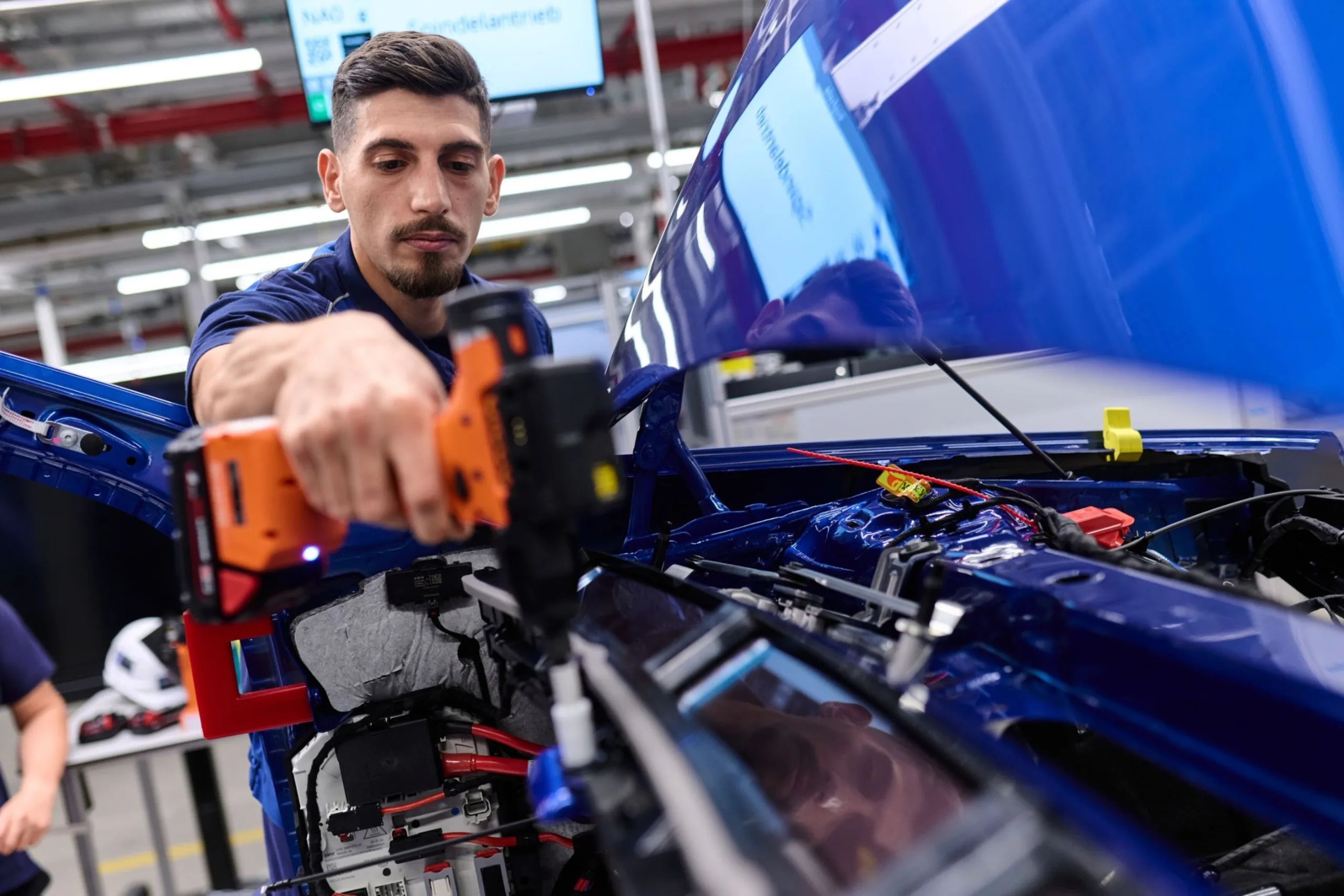
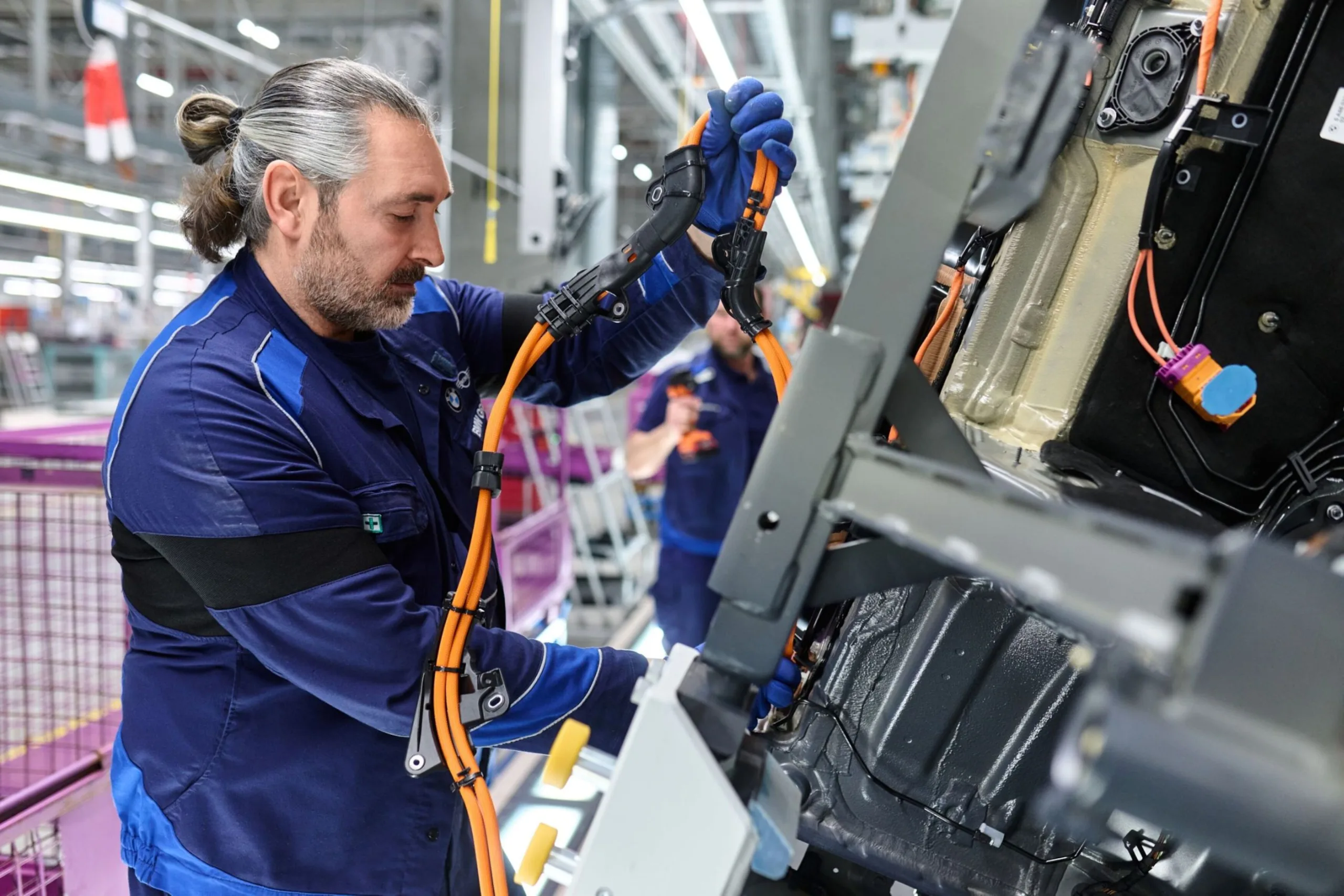
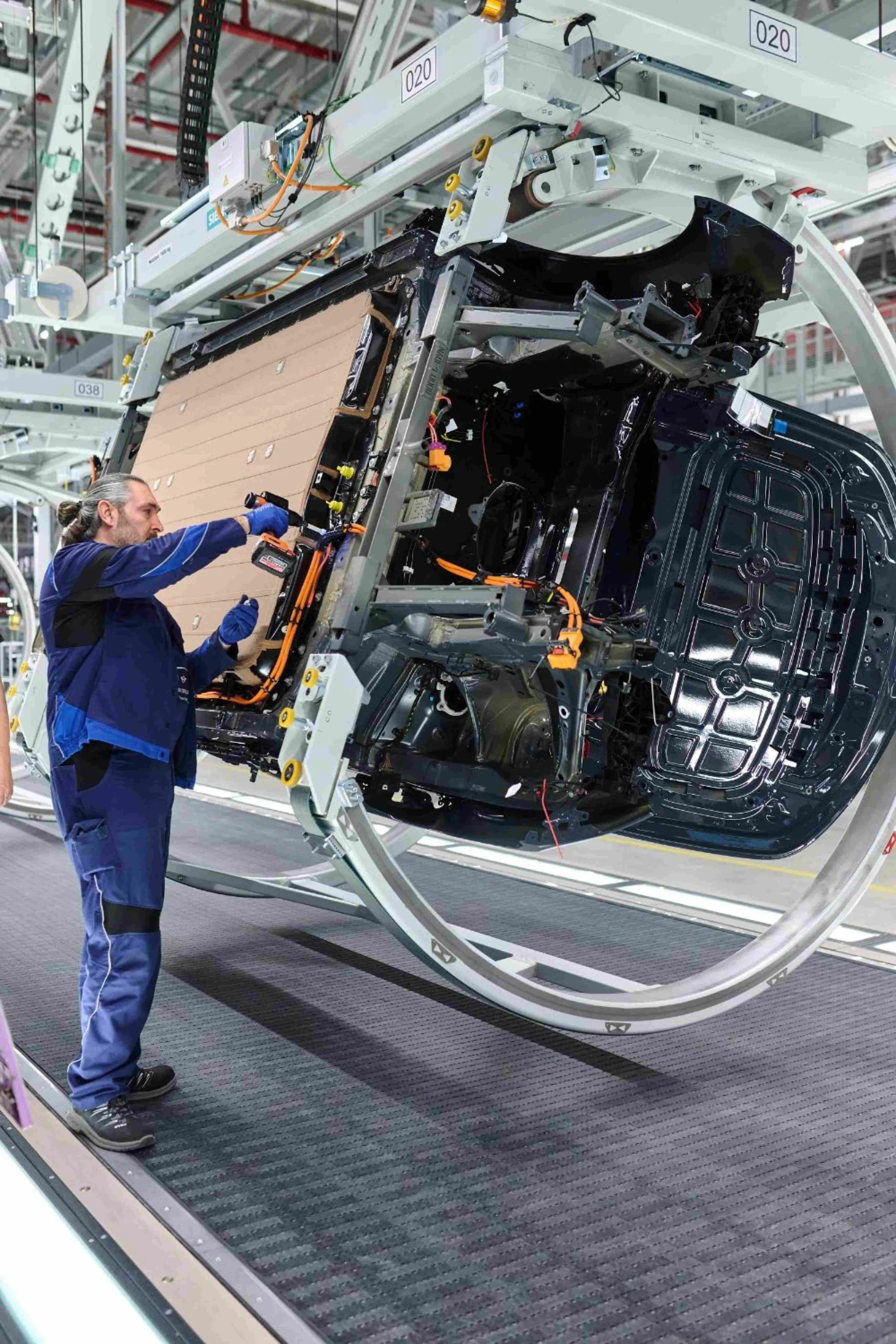
Robots now dominate repetitive joining processes in the new body shop: roughly 800 industrial robots handle joining with an automation rate of about 98%, while automated surface inspection (ASI) and automated surface processing (ASP) ensure high-quality finishes and inline correction where needed. Yet BMW stresses the human factor: employees’ expertise, flexibility and training have been critical in enabling the factory to run at world-class levels under challenging conditions. Ergonomics and digital support tools also ease operator workload on assembly lines.
Digitally connected, AI‑assisted production
The iFACTORY vision underpins the plant’s digital overhaul. From AI-assisted camera systems in quality control to digital live‑tracking of parts and vehicles (which for the BMW i3 includes the transmission of up to 20,000 feature statuses into the production system) Munich’s assembly area is designed around end-to-end digital processes. A virtual twin was used in planning the new body shop, improving precision before physical robots and tooling arrived on site.
Logistics rethought for a city location
Constrained by its urban setting, Plant Munich uses multi-storey logistics to deliver parts efficiently. Ground-level deliveries are routed by conveyors to the correct floor, where parts are distributed directly to assembly stations, enabling ‘just in sequence’ delivery in a multi-level environment. Automation in logistics has been ramped up too: automated supply systems, smart transport robots and driverless transport systems are expected to handle about 60% of supply tasks, while a central digital logistics control station coordinates flows and data-driven optimisation.
A seat of expertise — literally
Unique within the BMW network is Munich’s in-house seat manufacturing “plant inside a plant.” Producing seats for all Munich-produced models, this facility serves as a quality benchmark, innovation hub and competence centre, trialling new materials, manufacturing concepts and testing for safety-critical components. Seats are delivered “just in sequence” to assembly, and fully automated end-of-line checks reinforce the zero-defect ambition.
Local-for-local battery and drivetrain integration
BMW’s regional strategy complements the Munich overhaul: high-voltage Gen6 batteries will be made in Irlbach‑Straßkirchen, roughly 90 minutes away, and supplied to Munich under a “local for local” model, while the Gen6 e-motor comes from Plant Steyr in Austria. Inline quality controls, digital twins and AI form the backbone of battery and e‑motor production, reinforcing a tightly integrated supply chain for electrified powertrains.
Sustainability baked into processes
Sustainability isn’t an afterthought: the paint shop uses an energy-efficient, electrically powered eRTO process with heat and energy recovery and water-saving cycles. Recycling and circular material flows are highlighted in press shop processes, where cuts of steel and aluminium are collected and reprocessed into new coils. This combination of energy efficiency, material recirculation and digital quality monitoring reflects BMW’s broader corporate sustainability strategy.
What this means for drivers and the market
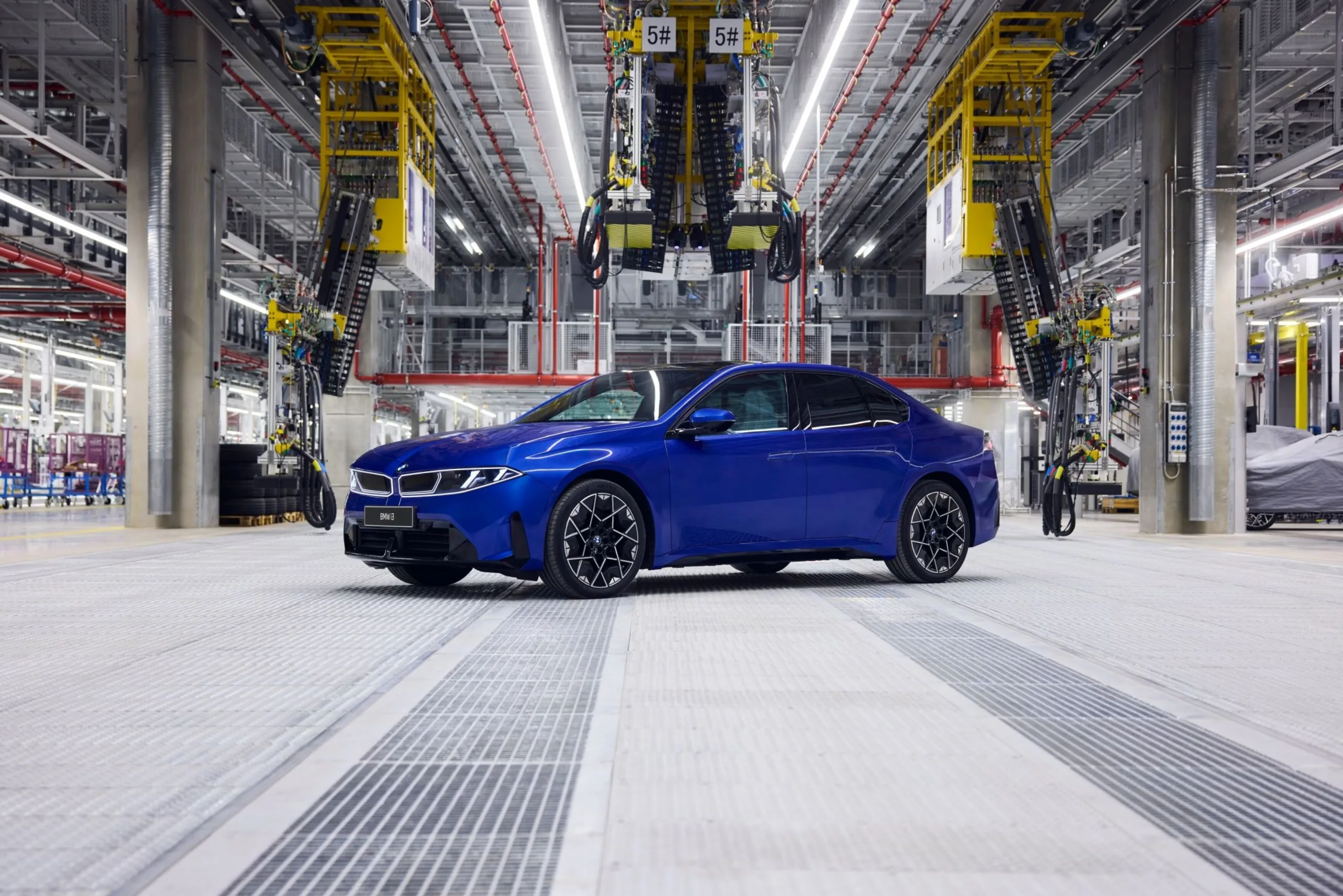
For customers and the market, Munich’s shift signals BMW’s serious push to scale the Neue Klasse and accelerate electrification across flagship production sites. The BMW i3 will act as the second Neue Klasse model to roll out (heralding more models to follow from Munich) and represents both a technological showcase and an operational template for other plants in the BMW global network.
Tarmac Takeaway
Plant Munich’s reinvention is a clear example of how legacy manufacturing sites can modernise without losing production continuity. By combining robotic precision, AI-driven quality assurance, smarter logistics and a tightly coordinated regional supply chain, BMW has created a compact, city-friendly iFACTORY that keeps people at the centre of an increasingly automated process.