Tuesday, 7 July 2026. Welcome back to another instalment of Cardle of the Day, the series where we play the daily puzzle over at Cardle and then spend a few words celebrating whatever car the internet has decided to tease us with today.
If you haven’t played Cardle before, the premise is beautifully simple: one car, five progressively less cropped photographs, and the challenge of naming it before the image gives too much away. You can guess at any point or skip a clue if you’d rather wait for more context. It’s the kind of thing that takes two minutes to solve and then might send you into a day long rabbit hole.
How today’s puzzle played out
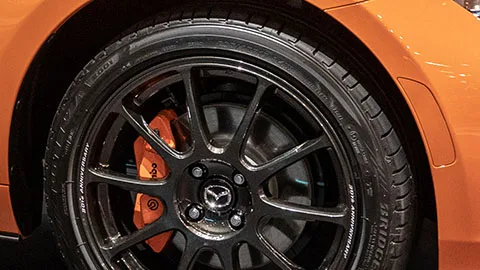
Today’s puzzle was a complicated one, in the sense that for “a normie”, it could be somewhat hard, only having the body colour, the badge and the brakes to go with. But, for someone like myself, it was less than 2 seconds for me to know the brand, the model, the grade and the year of the car in question.
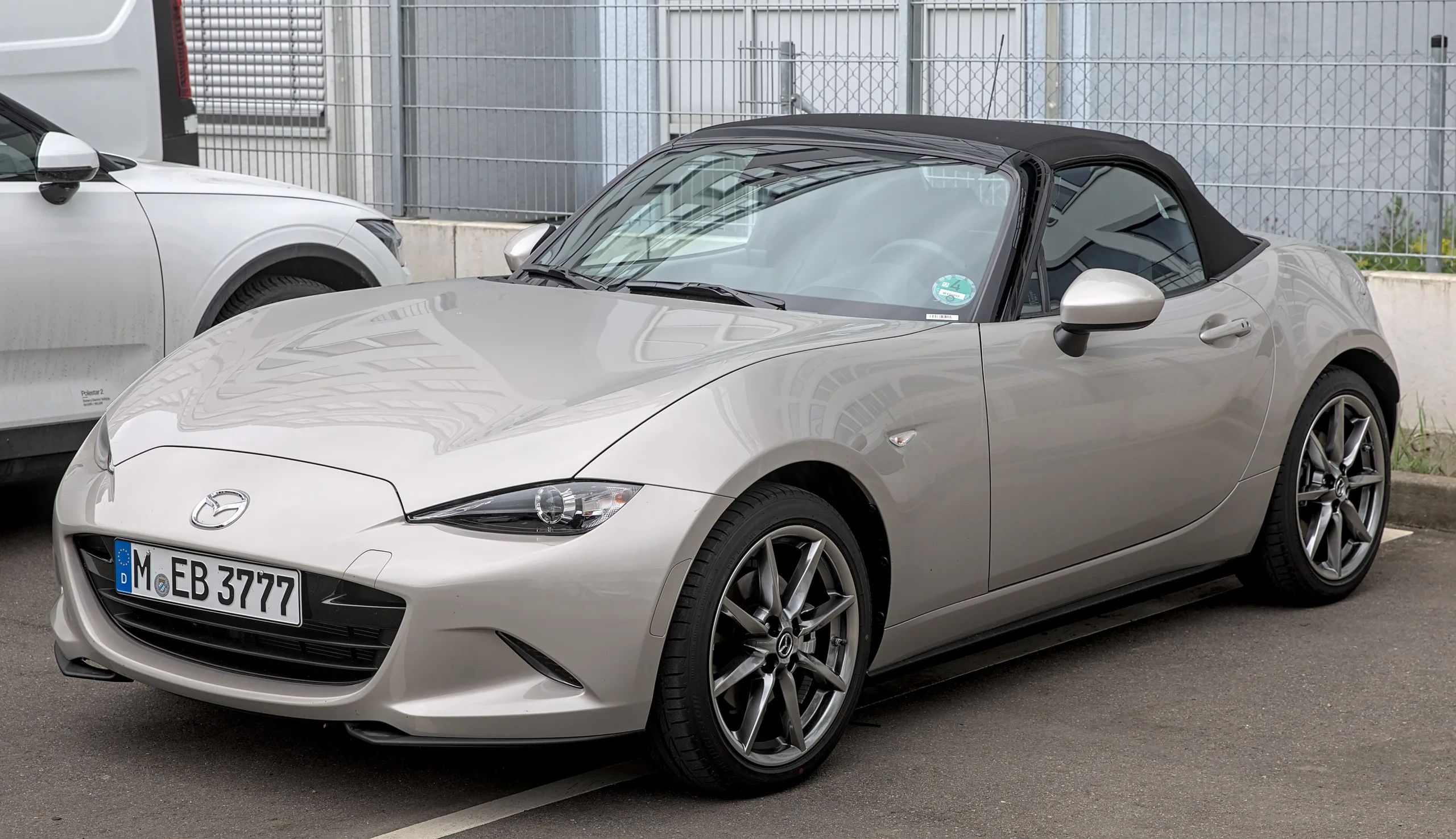
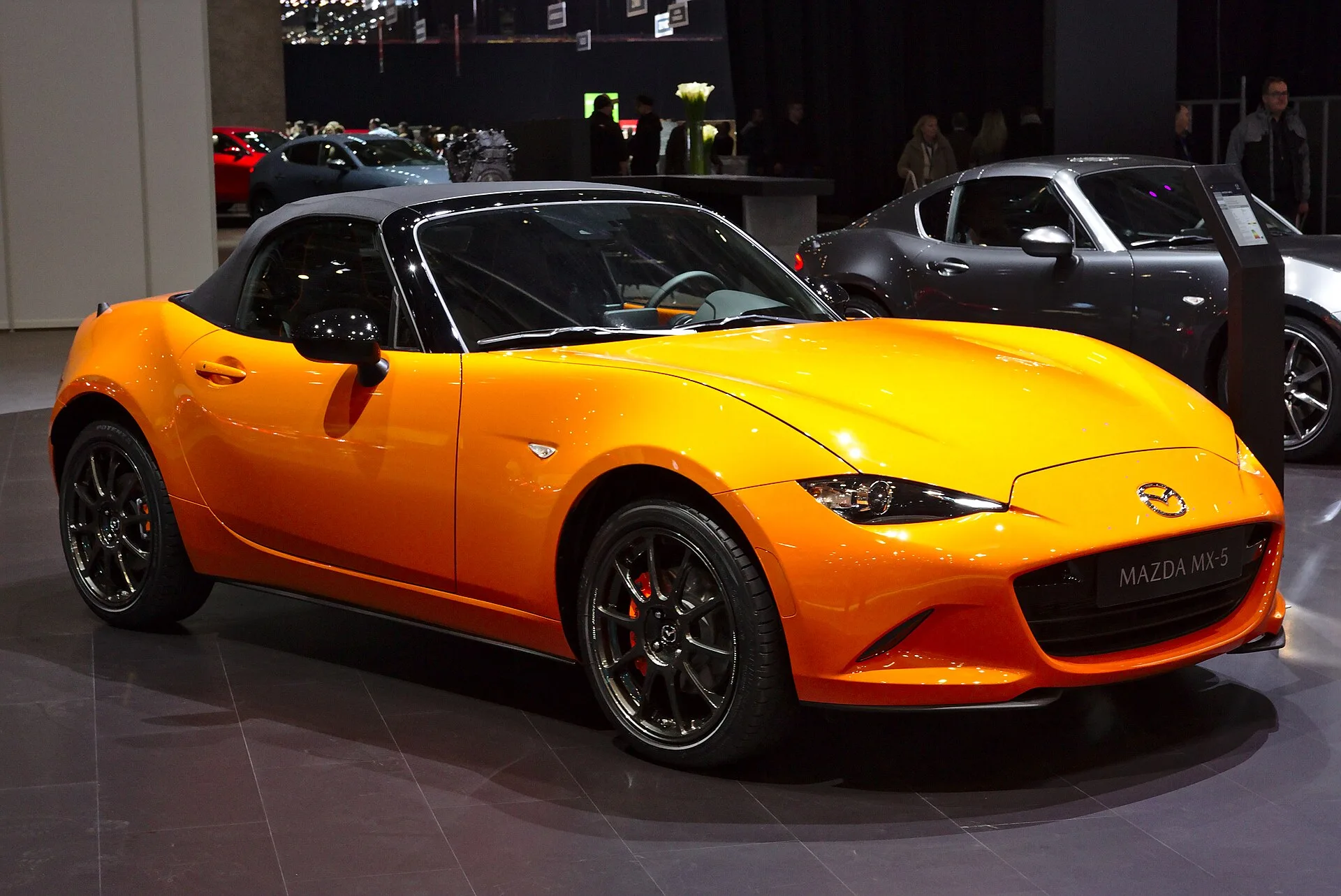
Yeah, I’m very much a MX-5 person, having owned two of them and strongly considering a third one. The body coloured position markers and the four lug wheels let me know this is an ND body, while the orange Brembos, orange colour and Rays ZE40 wheels then guarantee this is the 30th Anniversary Edition that we are seeing.
The most important sports car, ever
Few cars have managed to do what the Roadster has done: define an entire category, keep it alive through decades of shifting tastes, and still feel relevant. When the MX-5 (note how I’m using the names interchangeably. I’ll use any name but Miata, sorry) launched at the 1989 Chicago Auto Show, it essentially revived the affordable two-seat roadster at a time when the segment had all but collapsed.
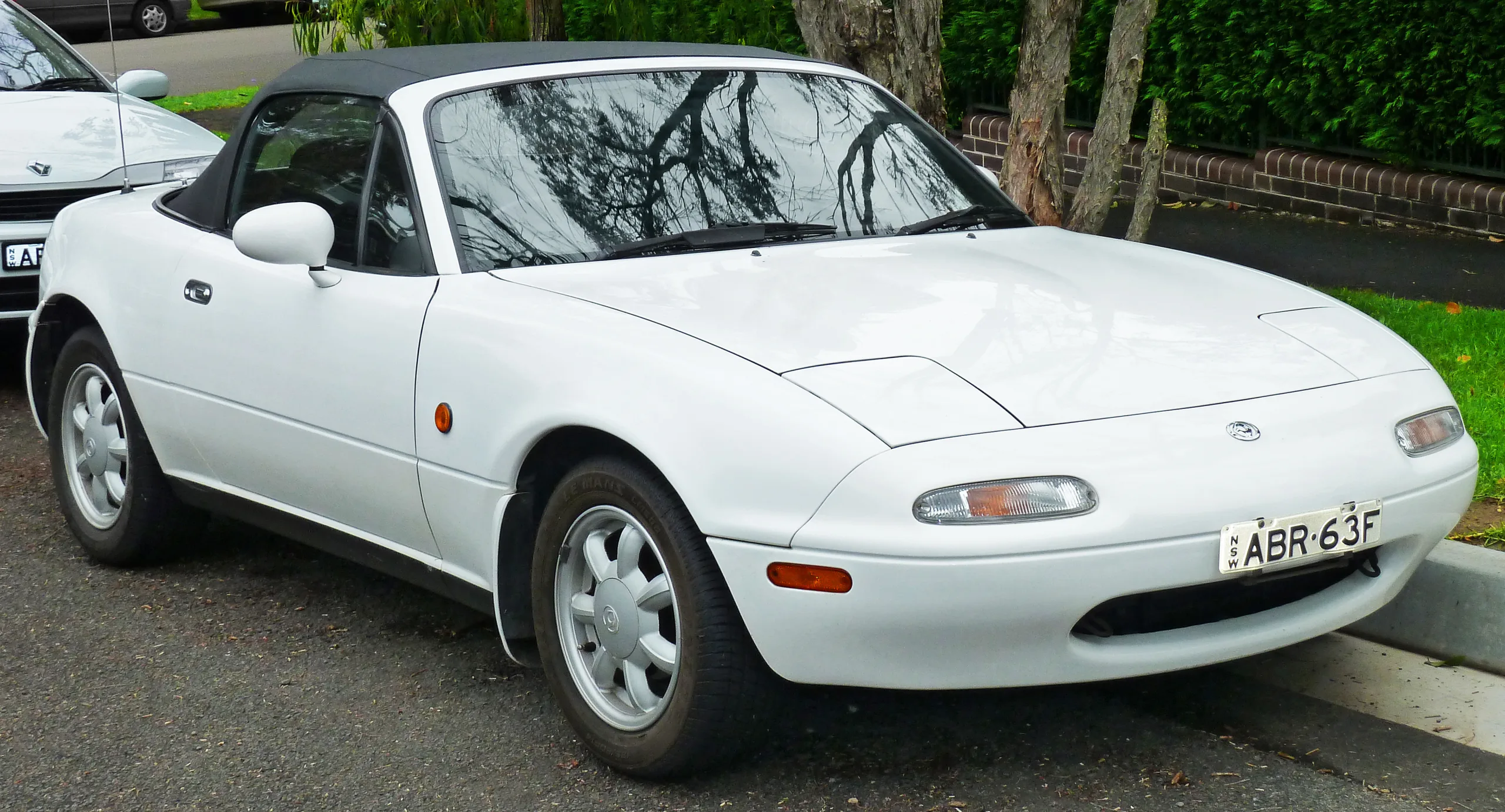
Lotus, Triumph, MG: the British sports car tradition had faded, and Mazda stepped in and filled the gap with something lighter, simpler, and more reliable than most of what had come before. And the numbers back up the affection: the MX5 holds the Guinness World Record as the best selling two-seat sports car of all time, with global production having surpassed one million units, a milestone reached in 2016. That is not a figure you reach by accident, it is the result of a car that keeps convincing new buyers that driving for its own sake is still worth something.
The philosophy behind the fun
Mazda has always described the MX5’s design philosophy as jinba ittai, a Japanese concept meaning “horse and rider as one.” It sounds like marketing language until you actually consider how deliberately the car has been kept light across four generations. The fourth generation ND, which arrived in 2015, came in under 1,000 kg in some configurations, at a time when most cars were gaining weight with every refresh.
The MX5 has been produced across four generations: NA (1989), NB (1998), NC (2005), and ND (2015). It surpassed one million units produced in 2016, as the ND generation saw an uptick in sales thanks to its engineering, including being lighter than its predecessor, reversing a trend common across the industry.
In a moment where very few cars can afford to resist the pressure to grow, to add screens, to become something more complicated than it needs to be, that stubbornness is exactly why the MX-5 continues to MIATA: MX-5 Is Always The Answer. See you tomorrow!