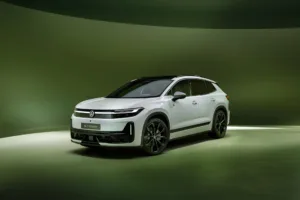
Volkswagen is taking one of its most successful SUVs into the electric age. The ID. Tiguan arrives in New Zealand in 2027, promising familiar practicality, a smarter cabin and a choice that doesn’t involve forcing buyers to abandon petrol just yet.
Some names need little introduction. Golf. Polo. Tiguan. And with more than 8.3 million Tiguans produced worldwide, Volkswagen’s best-selling model has clearly struck a chord with drivers who want an SUV that can handle family life without making a fuss.
Now, it’s going electric. Meet the Volkswagen ID. Tiguan, an all-electric SUV scheduled to reach New Zealand in 2027. But before traditional Tiguan owners start checking the classifieds, there’s good news: the existing combustion-powered range isn’t going anywhere. The ID. Tiguan will join it, giving buyers the choice between familiar fuel and battery power.
The Tiguan Goes Electric
The Tiguan’s success hasn’t happened by accident. Its appeal lies in versatility, comfort and everyday practicality – qualities that matter whether you’re tackling the school run, commuting to work or escaping Auckland for the weekend. Volkswagen now wants to carry that formula into the electric era.
The logic is sound. SUVs remain hugely popular in New Zealand, while EVs offer quieter driving, instant torque and potentially lower running costs for owners who can charge economically, particularly at home.
The challenge is making sure the electric version feels like a proper Tiguan rather than an entirely different proposition wearing a familiar badge. Volkswagen says practicality and versatility remain central to the ID. Tiguan. We’ll find out how successfully it delivers when we get behind the wheel.
Buttons Are Back. Hallelujah!
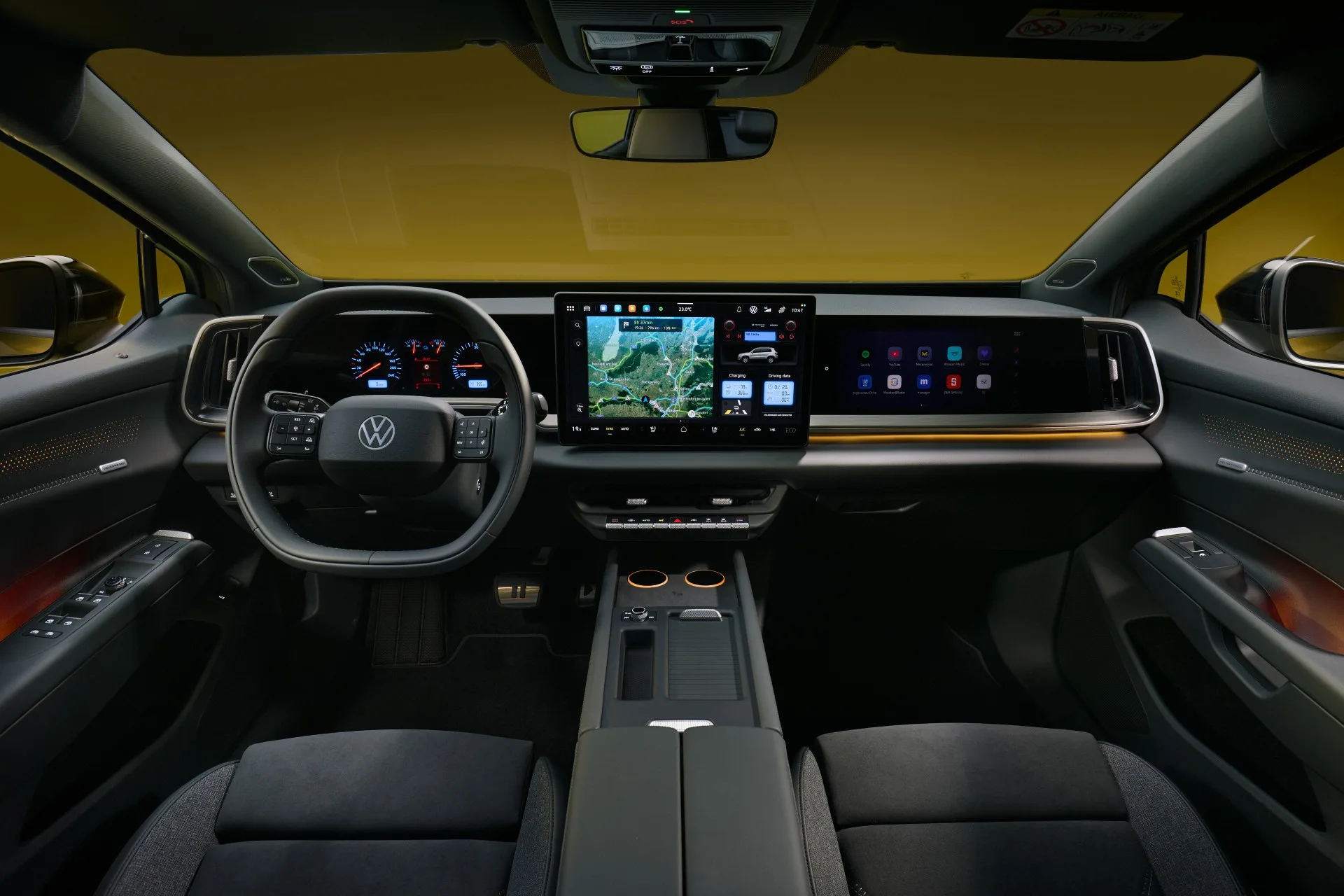
One of the more encouraging details is the ID. Tiguan’s interior, which brings back physical controls for key functions alongside modern technology and a spacious cabin.
The industry’s touchscreen obsession has occasionally made simple tasks feel like navigating a smartphone designed by someone who hates fingers. Adjusting everyday settings shouldn’t require a treasure hunt through three menus while you’re trying to watch the road.
Physical controls for frequently used functions are a welcome reminder that progress doesn’t always mean removing buttons. Of course, the proof will be in the execution. Infotainment usability, material quality, passenger space and luggage capacity will all help determine whether the ID. Tiguan delivers on its family-friendly promise.
For now, Volkswagen’s emphasis on a more intuitive cabin sounds promising. We’ll save the standing ovation until we’ve tried it.
Electric Power, Fewer Fuss Factors
Electric motors deliver torque almost instantly, giving EVs their characteristic smooth, responsive acceleration. There’s no conventional multi-gear transmission shifting through ratios, and the quieter powertrain can make everyday journeys more relaxing. For a family SUV, that sounds like a rather agreeable combination.
But let’s keep our enthusiasm plugged into reality. Volkswagen hasn’t yet confirmed New Zealand-specific figures for battery capacity, driving range, charging speeds or motor output. Those numbers matter. A family EV needs to do more than shuttle people around town; it must also handle longer trips without turning every holiday into a charging-station treasure hunt.
Range, charging performance and price will ultimately determine how the ID. Tiguan stacks up against the growing selection of electric SUVs heading our way. Until the specifications arrive, claims about its competitiveness are little more than educated guesswork.
Petrol Isn’t Dead. Not Yet, Anyway.
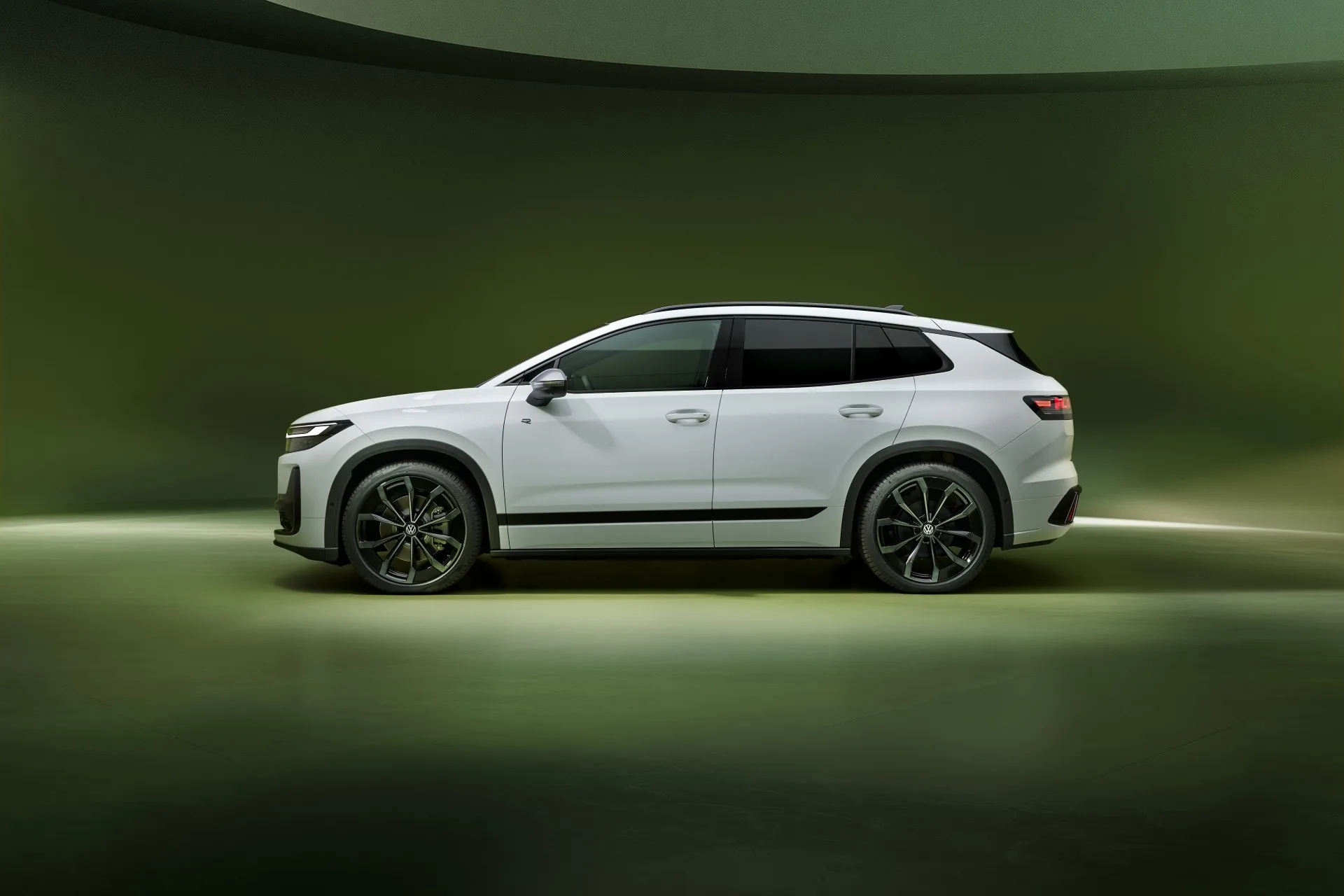
Perhaps the smartest part of Volkswagen’s strategy is that it isn’t forcing customers to choose electric. The existing Tiguan range will continue alongside the ID. Tiguan, recognising that drivers have different budgets, routines and access to charging.
For some, an EV is an easy fit. They can charge at home, cover predictable daily distances and enjoy the convenience of waking up to a full battery. Others regularly travel long distances, lack home charging or simply prefer a conventional engine. They can stick with the existing Tiguan.
There’s no need to turn a vehicle purchase into a philosophical debate about the future of humanity. Buy what suits your life. Volkswagen’s two-pronged approach gives the brand a way to appeal to both camps while the transition to electric motoring continues. It’s a practical strategy in a market where not every driver is ready to make the switch at the same time.
The Real Test – Price, Range and Competition
By 2027, the ID. Tiguan will face an increasingly crowded electric SUV market, with established manufacturers and newer brands competing on range, charging speeds, technology, safety and value. The Tiguan name gives Volkswagen a head start: buyers already know what the badge represents. But brand familiarity only goes so far when customers are comparing dollars, kilometres and charging times.
The important questions are still unanswered. How much will it cost? How far will it travel on a charge? How quickly can it recharge? What warranty will Kiwi buyers receive, and how will its ownership costs compare with a conventional Tiguan?
Volkswagen has yet to announce New Zealand pricing, detailed specifications or a precise local launch date beyond its planned 2027 arrival.
Until those details emerge, it’s too early to declare a winner.
Volkswagen ID. Tiguan: What We Know
- Powertrain: Battery-electric SUV
- New Zealand arrival: Planned for 2027
- Interior: Modern cabin with physical controls for key functions
- Positioning: Electric option alongside the existing Tiguan range
- Pricing, battery range and charging specifications: To be confirmed
Tarmac Takeaway
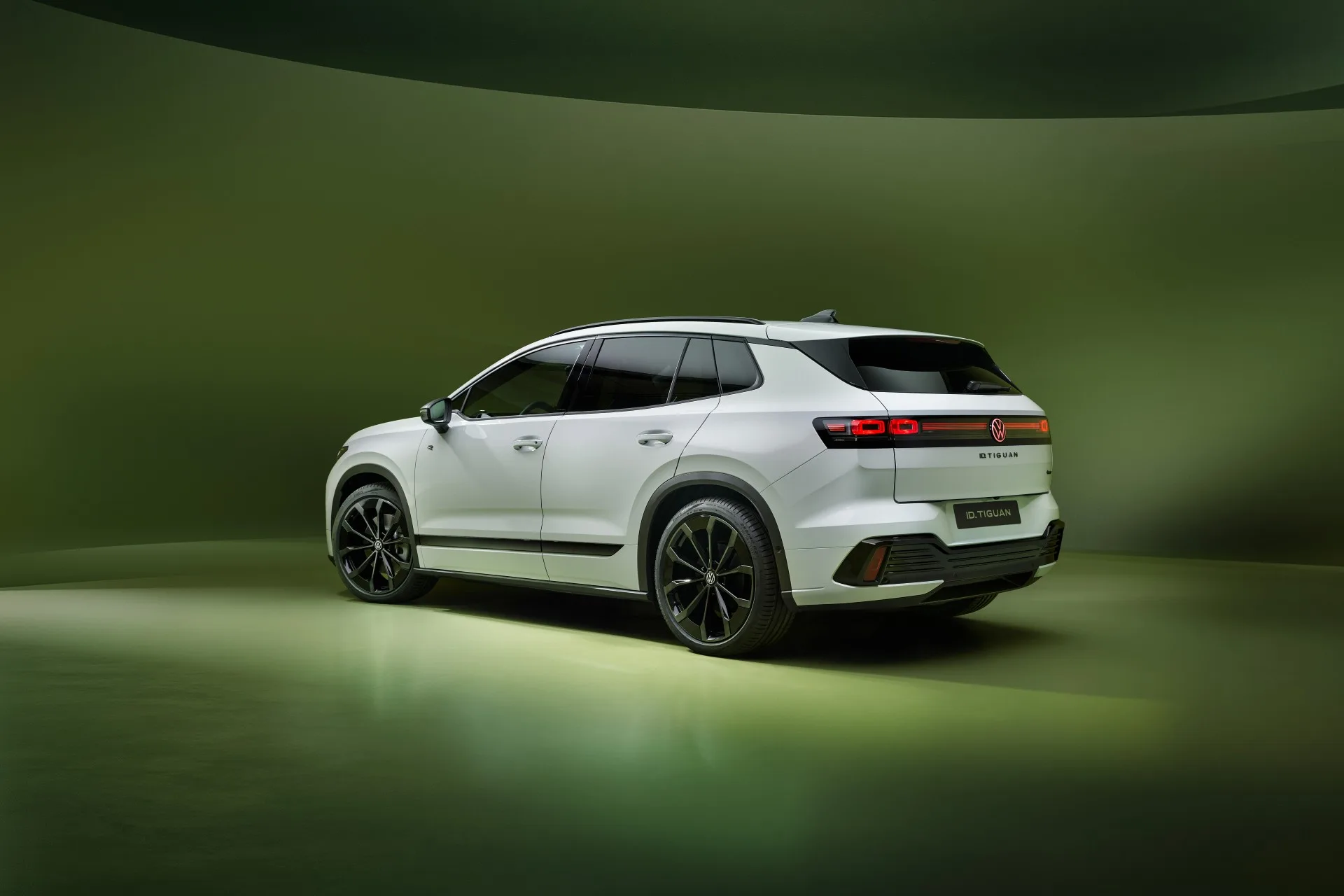
The Volkswagen ID. Tiguan doesn’t need to reinvent the SUV. It needs to take what made the original successful and make it work on electricity. That’s a more interesting challenge than simply bolting a battery into another family hauler. The name is familiar, the market is ready for more choice, and the return of physical controls suggests Volkswagen has been listening to drivers rather than just its software department.
But let’s not hand it the keys to the kingdom just yet. In 2027, the ID. Tiguan will have to prove itself where it counts: on the road, at the charger and on the price tag.