Where China’s Car Industry Shows Its Hand
If you want to understand where the global automotive industry is heading, you could spend your time at Detroit, Geneva or Frankfurt (assuming Geneva was still doing the heavy lifting), or you could head to Chengdu.
The 2026 Chengdu Motor Show has once again turned the capital of Sichuan province into one of the most important automotive stages in China, bringing together almost 120 domestic and international brands and around 1,600 vehicles across a staggering 220,000 square metres of exhibition space. And while the sheer number of cars is impressive, the really interesting story is what those cars represent.
This year’s show was a snapshot of an industry undergoing one of the most dramatic transformations in its history, with electric power, plug-in hybrids, range extenders, artificial intelligence, autonomous driving and increasingly sophisticated Chinese luxury brands all fighting for attention. In other words, Chengdu is showing what China thinks the future of the car should look like.
First, Where Exactly Is Chengdu?
Chengdu is the capital of Sichuan province, in southwest China. For anyone more familiar with China’s eastern megacities, Chengdu sits well away from the traditional automotive powerhouses of Shanghai, Beijing and Guangzhou. But that geographical distance is precisely what makes the show so important.
Chengdu is a huge economic and population centre and acts as a gateway to China’s vast southwestern and western regions. Sichuan itself is one of China’s major provinces, while Chengdu has developed into a technology, manufacturing and consumer powerhouse.
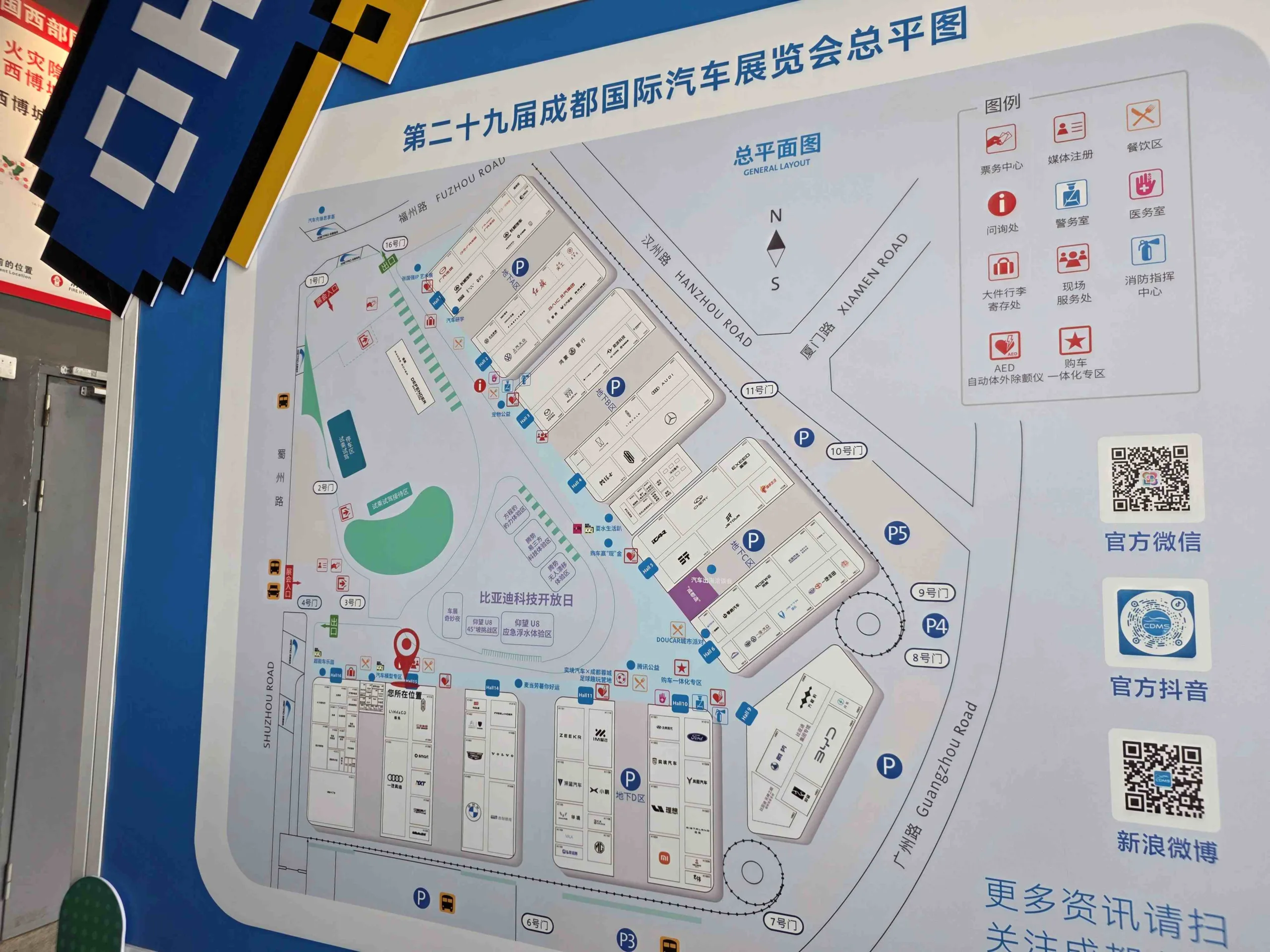
It is also increasingly important to the automotive industry itself. A number of vehicles are manufactured in Chengdu, including models from Volvo, Zeekr and Lynk & Co, while the 2026 show has placed particular emphasis on locally produced vehicles and the technology behind them. That makes Chengdu more than simply another stop on China’s motor-show calendar, it is a window into one of the country’s most important regional markets.
A Show With Nearly Three Decades Behind It
The Chengdu Motor Show was established in 1998, meaning the 2026 event is the 29th edition. Over nearly three decades it has grown from a regional automotive exhibition into one of China’s major A-level motor shows. It is now regarded as one of the country’s four major A-level automotive exhibitions and an important barometer of vehicle demand in central and western China.
The location has evolved along with the event.
Nowadays, the show occupies the Western China International Expo City in Chengdu’s Tianfu New Area, a massive exhibition complex capable of handling the scale of China’s increasingly spectacular motor shows.
So What’s New in 2026?
Quite a lot. The 2026 event has been built around the theme “Leading the Trend, Moving Towards the New”, and there is perhaps no better description of the Chinese automotive industry right now.
The traditional distinction between a car manufacturer and a technology company is becoming increasingly blurred. At Chengdu, manufacturers are selling electric motors, batteries, software, AI assistants, autonomous-driving systems and entertainment technology almost as much as they are selling cars. And some of the products on display are seriously impressive.
Chengdu Made
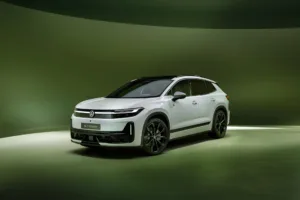
Perhaps the most locally significant part of the 2026 event is the focus on vehicles actually built in Chengdu. The production version of the Dongfeng/Huawei-developed full-size flagship SUV Epicland X9 begins deliveries during the show. Jetta is also displaying its Jetta X concept and electric Jetta M6, while locally produced Volvo EX90, Volvo ES90, Zeekr X and Lynk & Co Z20 models are also being showcased.
For the first time, the show also has a dedicated “Chengdu Made” intelligent connected-vehicle industry-chain area, highlighting technologies including electric powertrains, batteries and intelligent connectivity. That’s an important development.
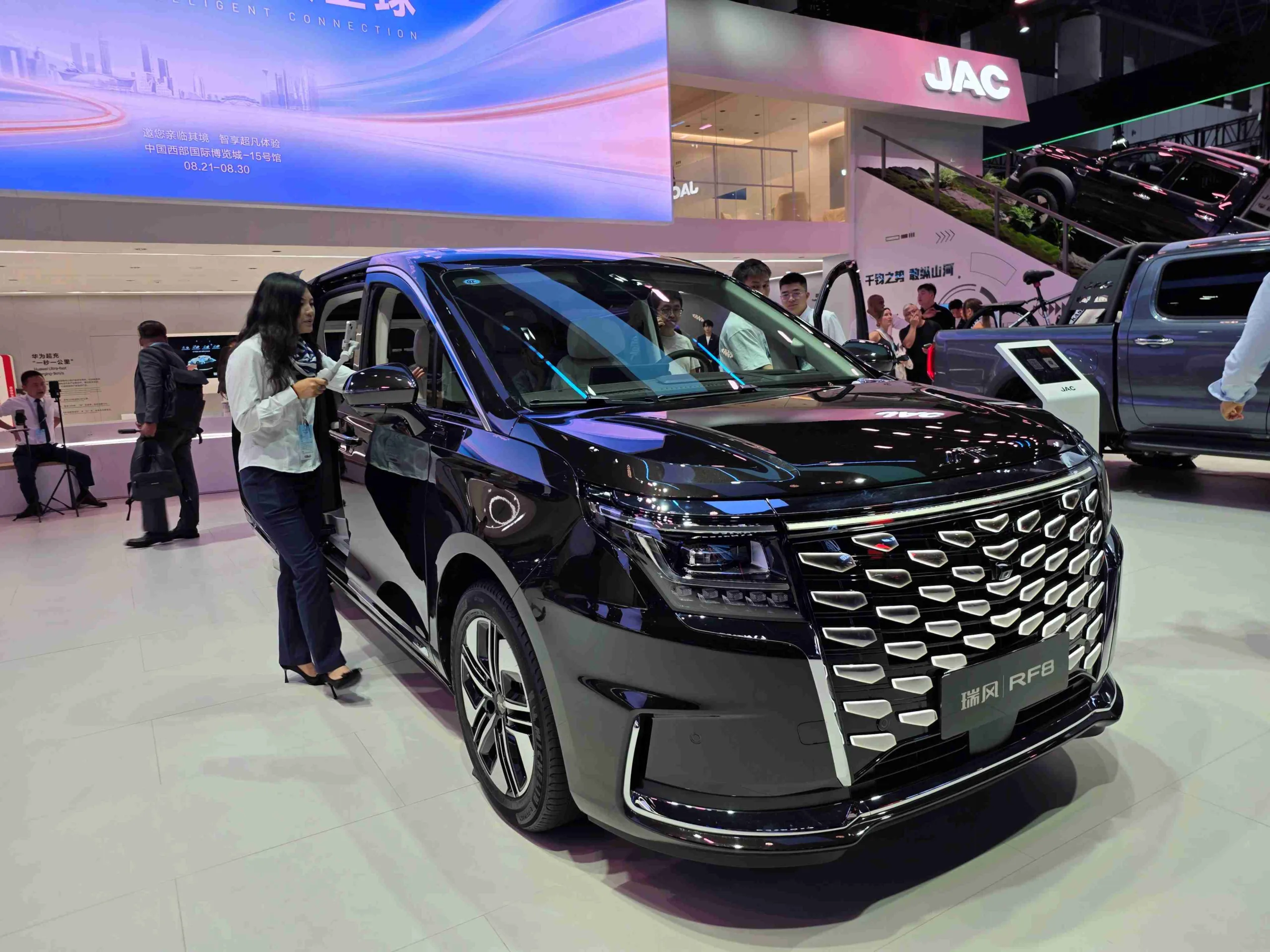
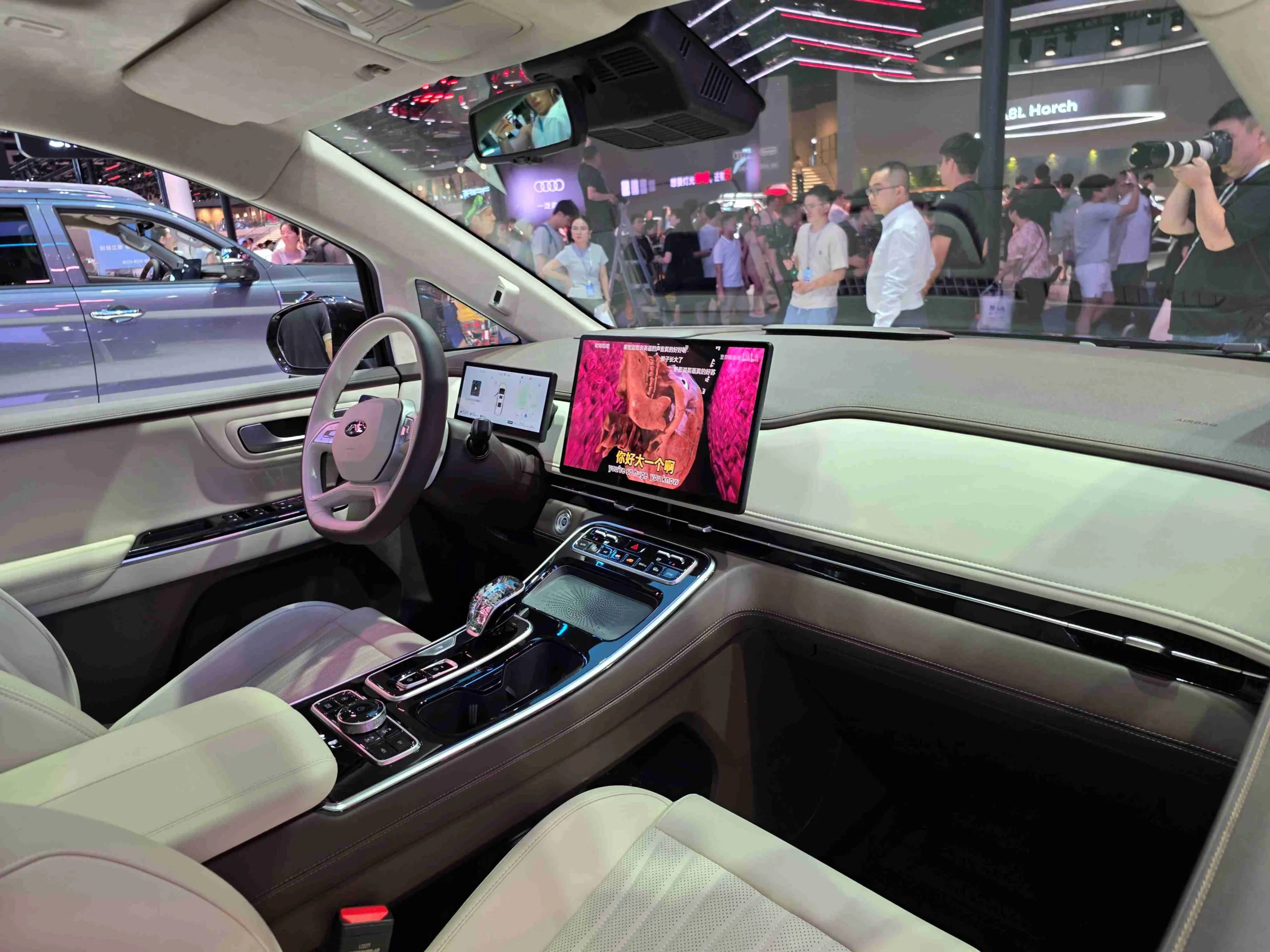
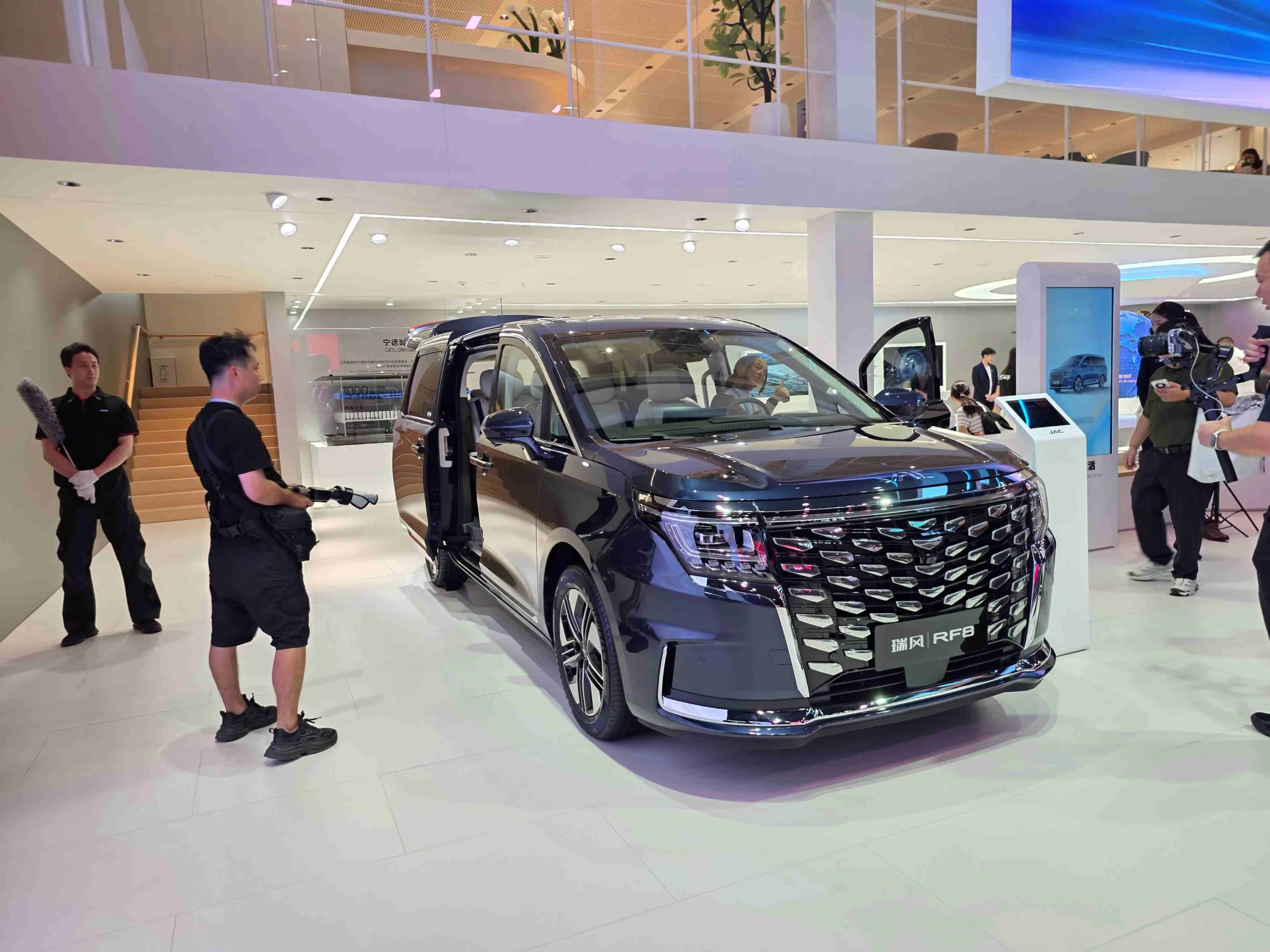
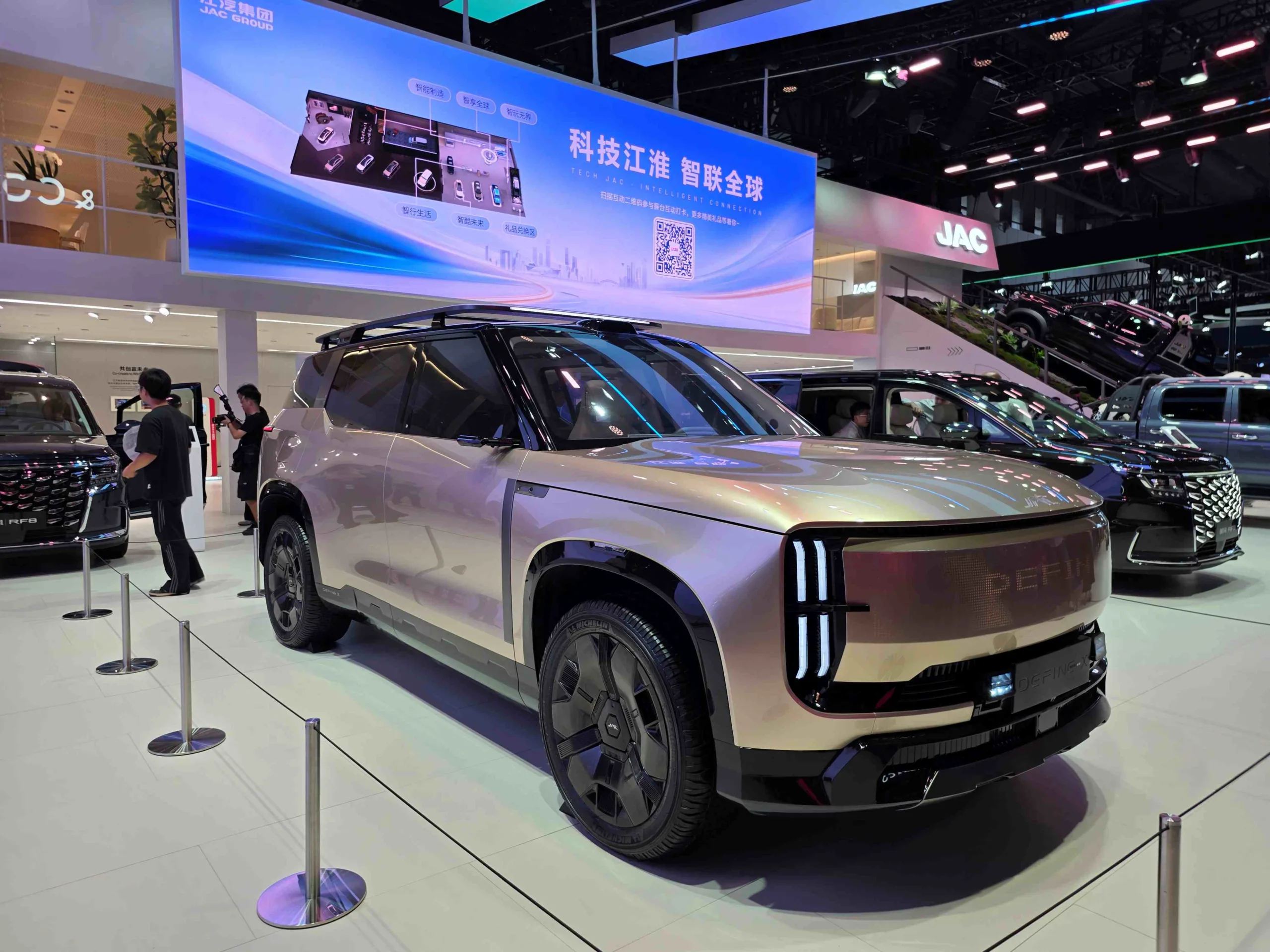
JAC
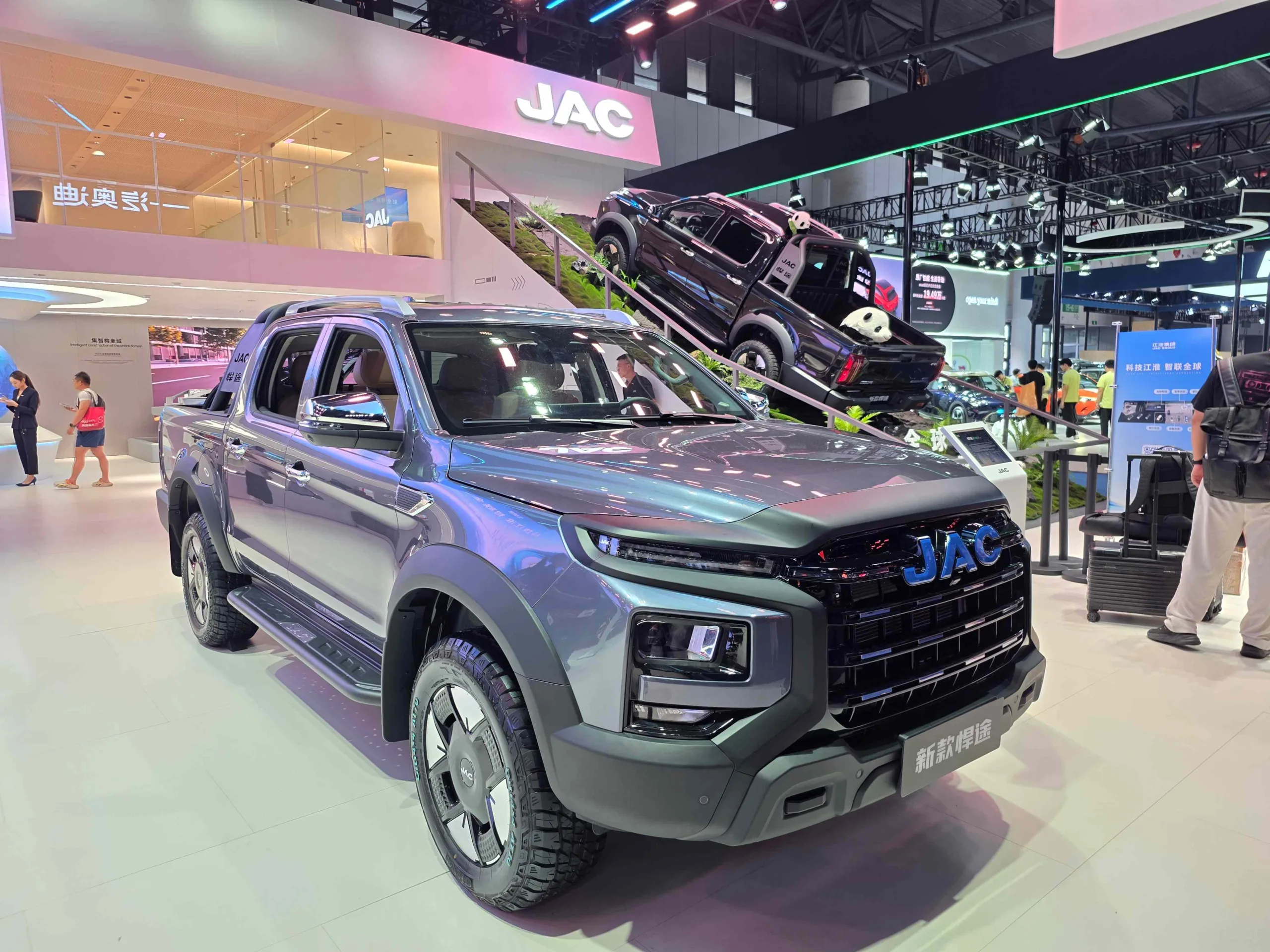
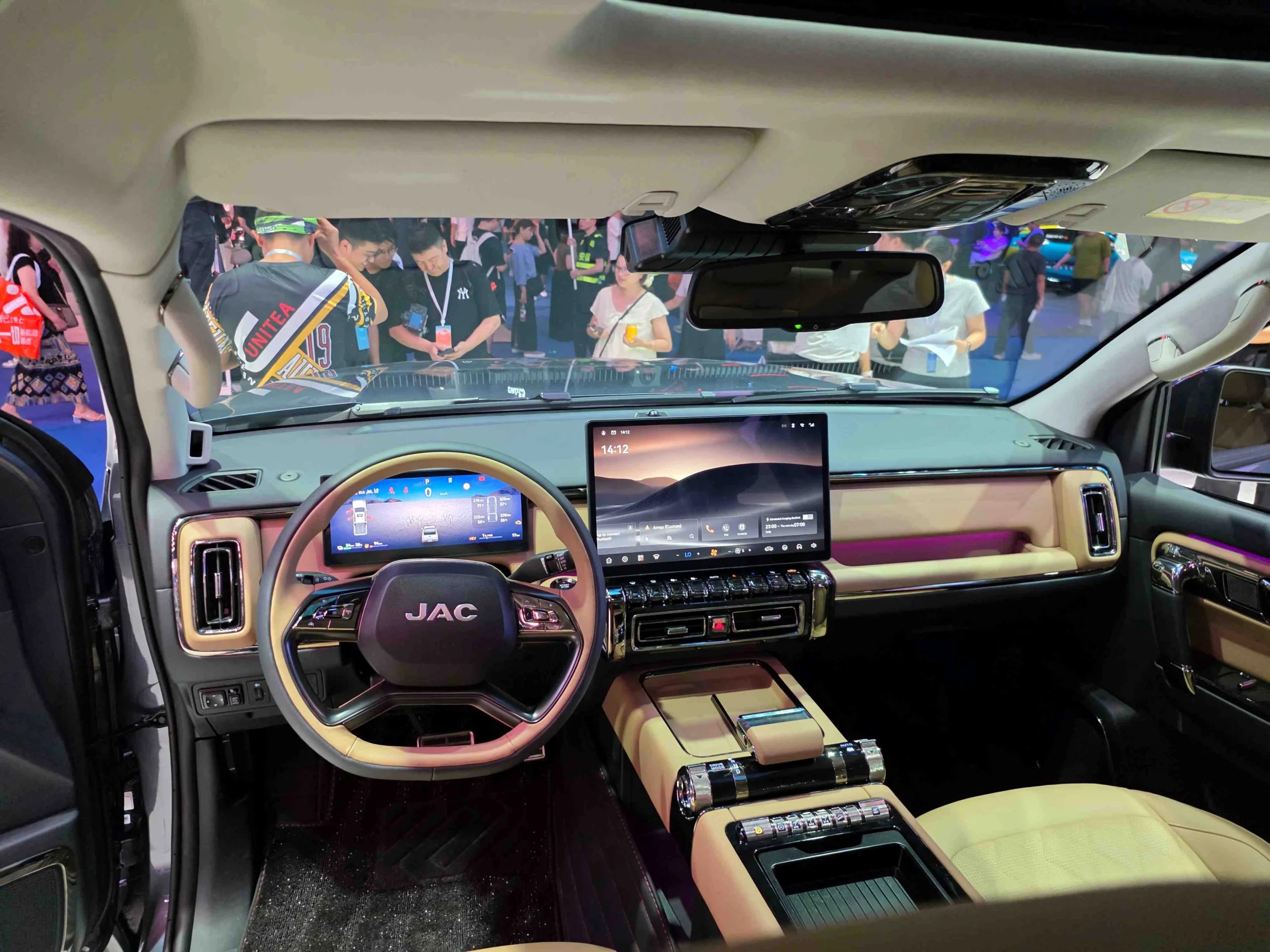
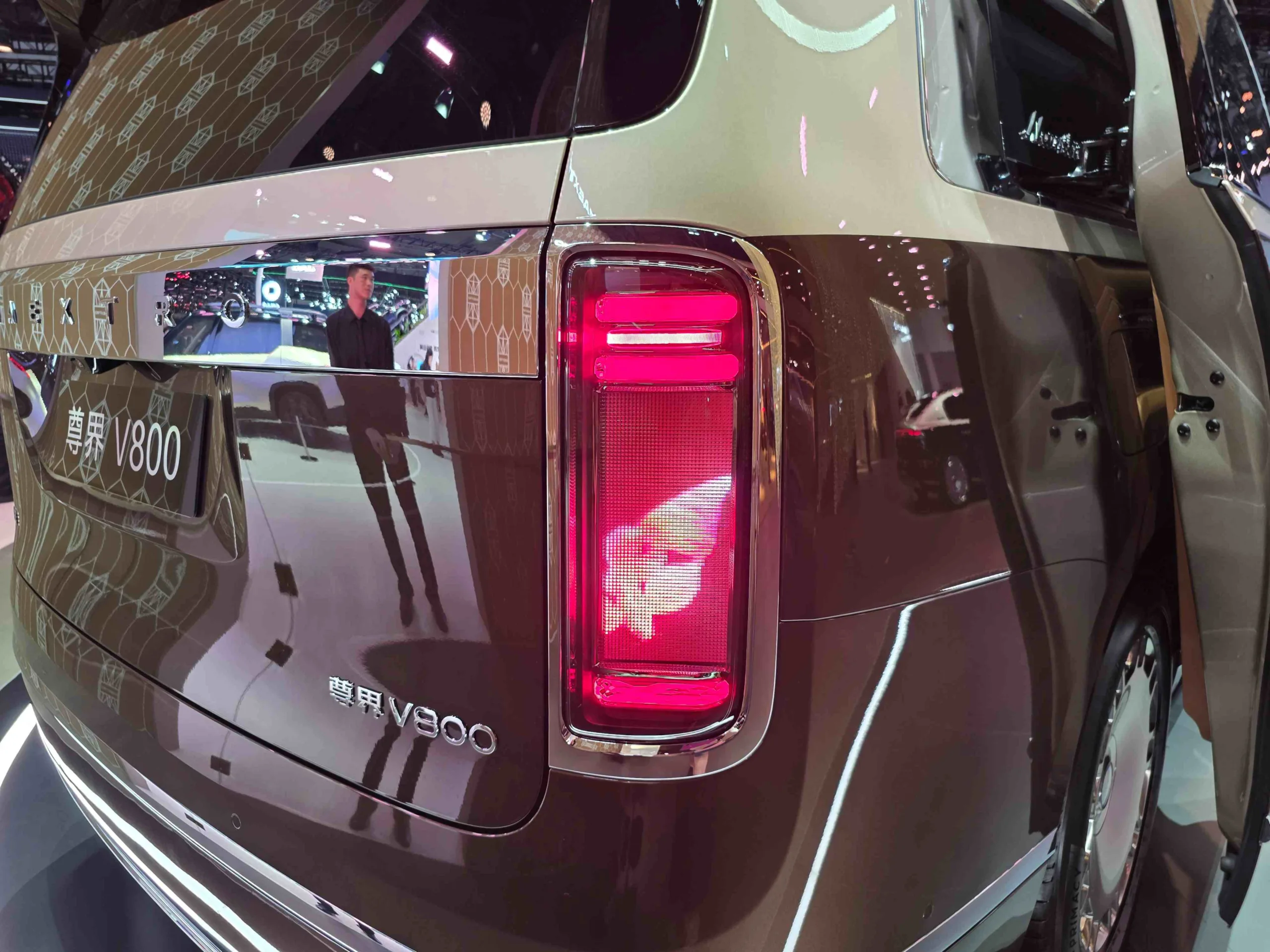
JAC pulled out the big guns with their T9 (Hunter) PHEV, Refine, Define and Maextro product line-up, proving that there’s much more to this brand than commercial trucks.
BYD Goes Big
One of the biggest stories is BYD. Rather than simply occupying a booth, BYD had its own dedicated pavilion, bringing together its increasingly enormous family of brands, including Dynasty, Ocean, Denza, Fang Cheng Bao and Yangwang.
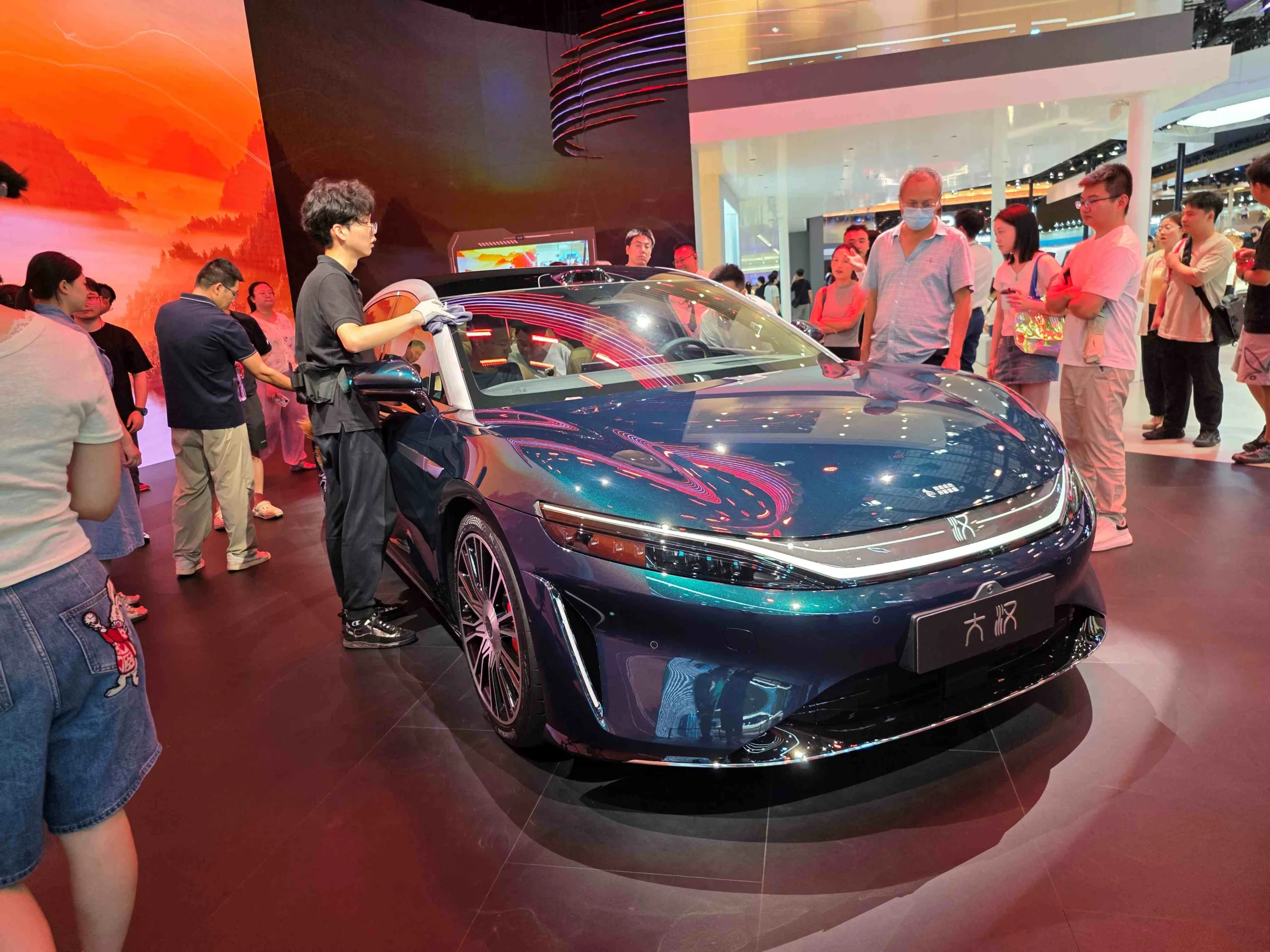
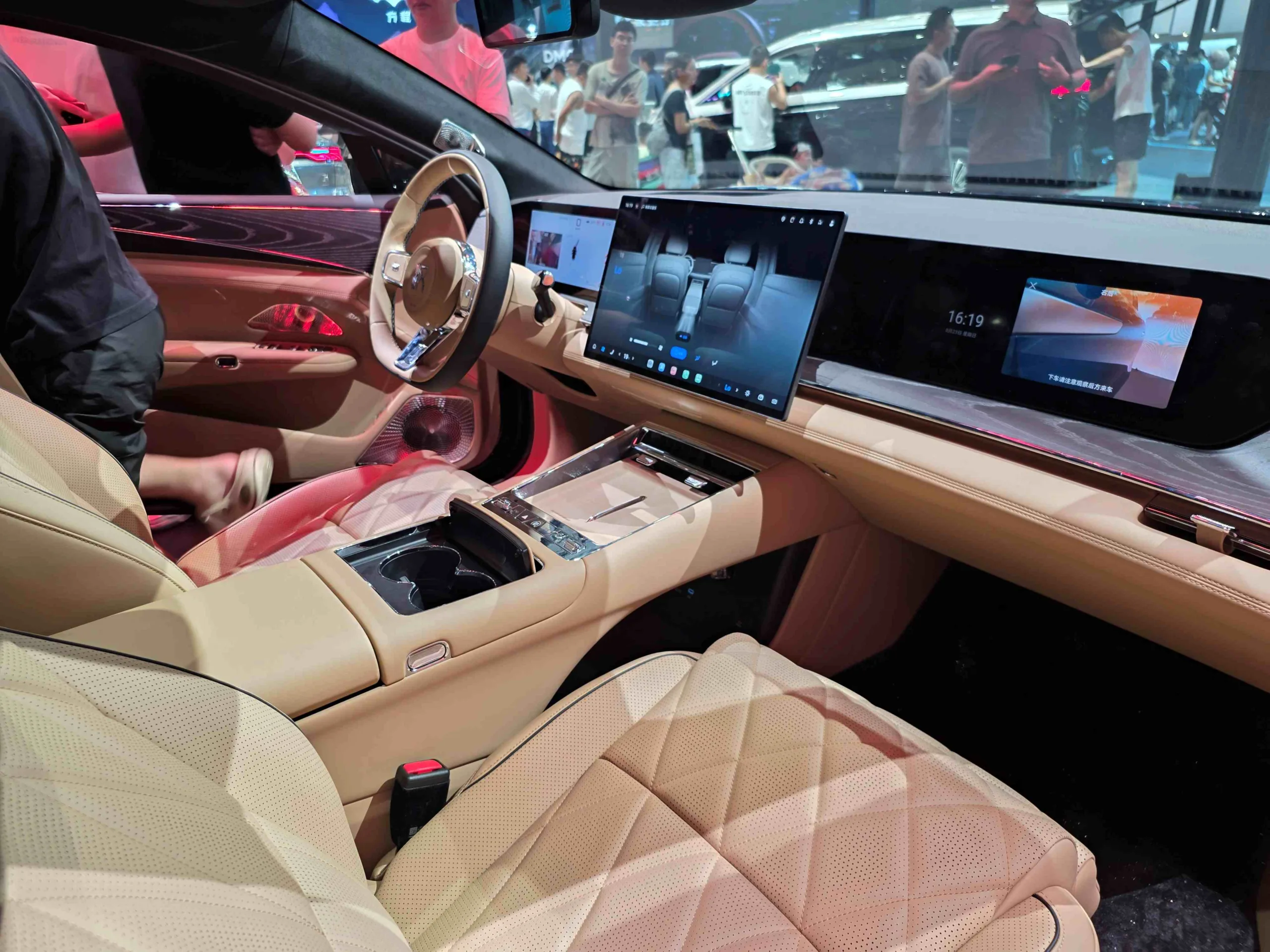
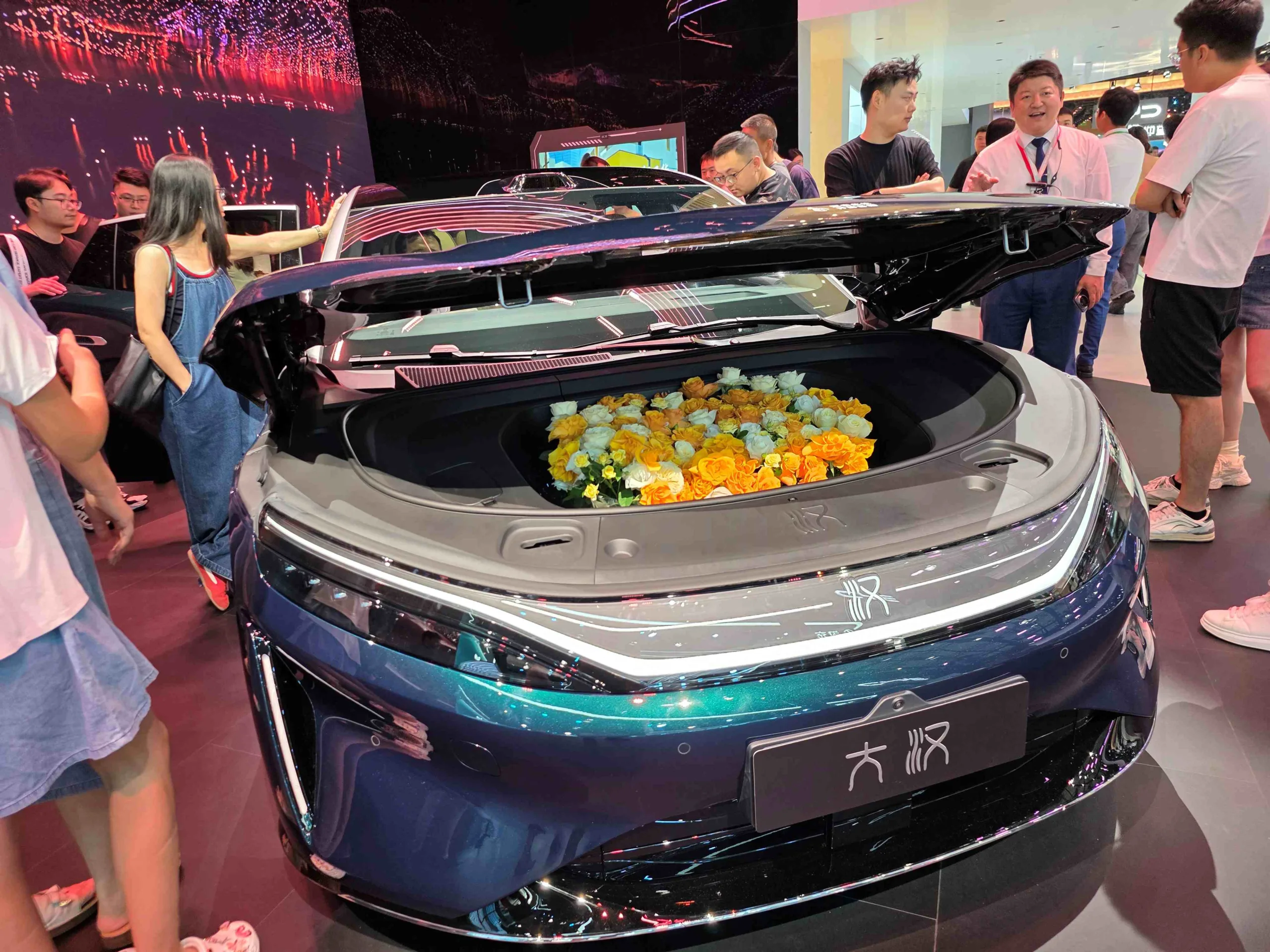
The headline act was the BYD Da Han, the first D-segment luxury flagship sedan from the Dynasty range. It made its global debut in Chengdu and is positioned against established luxury sedans such as the BMW 7 Series and Mercedes-Benz S-Class.
The Da Han represents the company’s ambition to move further upmarket while combining electrification, advanced driver assistance and sophisticated chassis technology.
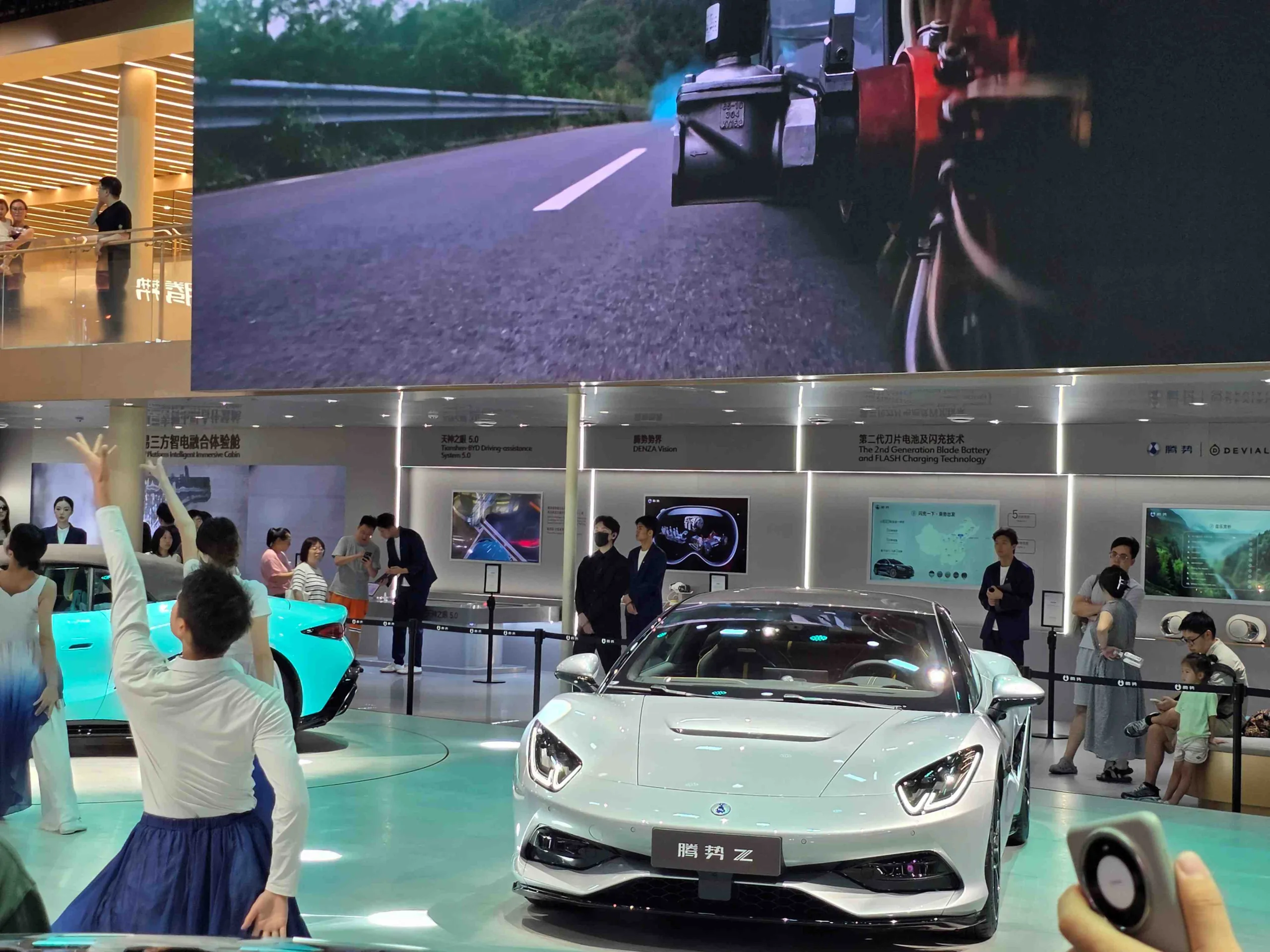
And BYD also demonstrated some of its more extreme technology. The Denza Z9GT showcased (the pointless from a petrol head view) driverless drifting, while Yangwang showed off the remarkable U8’s emergency flotation capability. Because apparently demonstrating that your luxury SUV can float is now a perfectly normal thing to do at a motor show.
Huawei’s Automotive Empire
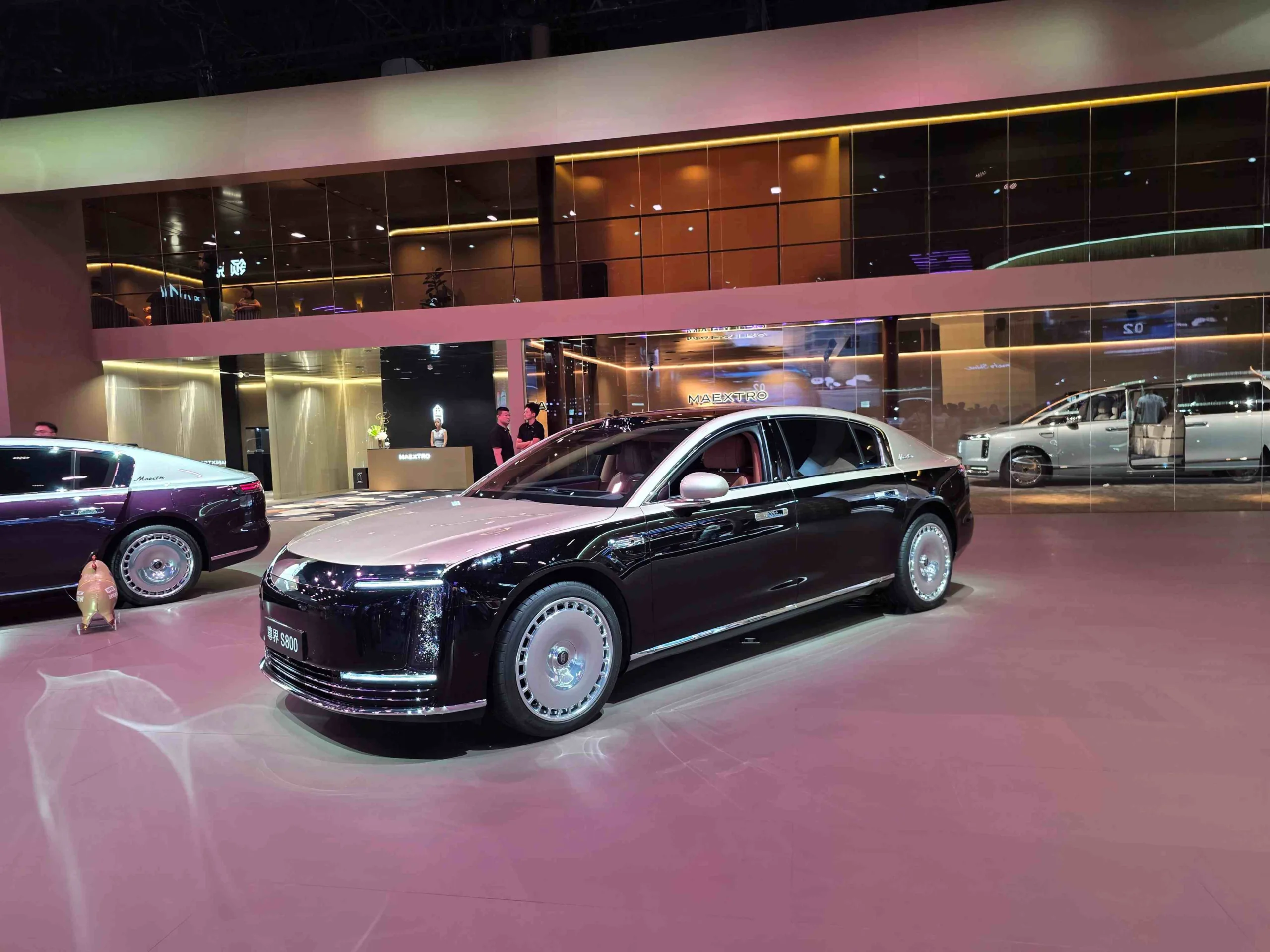
Another major theme is the extraordinary expansion of Huawei’s involvement in the automotive industry. Huawei’s Harmony Intelligent Mobility Alliance (HIMA) brought together all five of its brands at Chengdu: Aito, Luxeed, Stelato, Maextro and Shangjie.
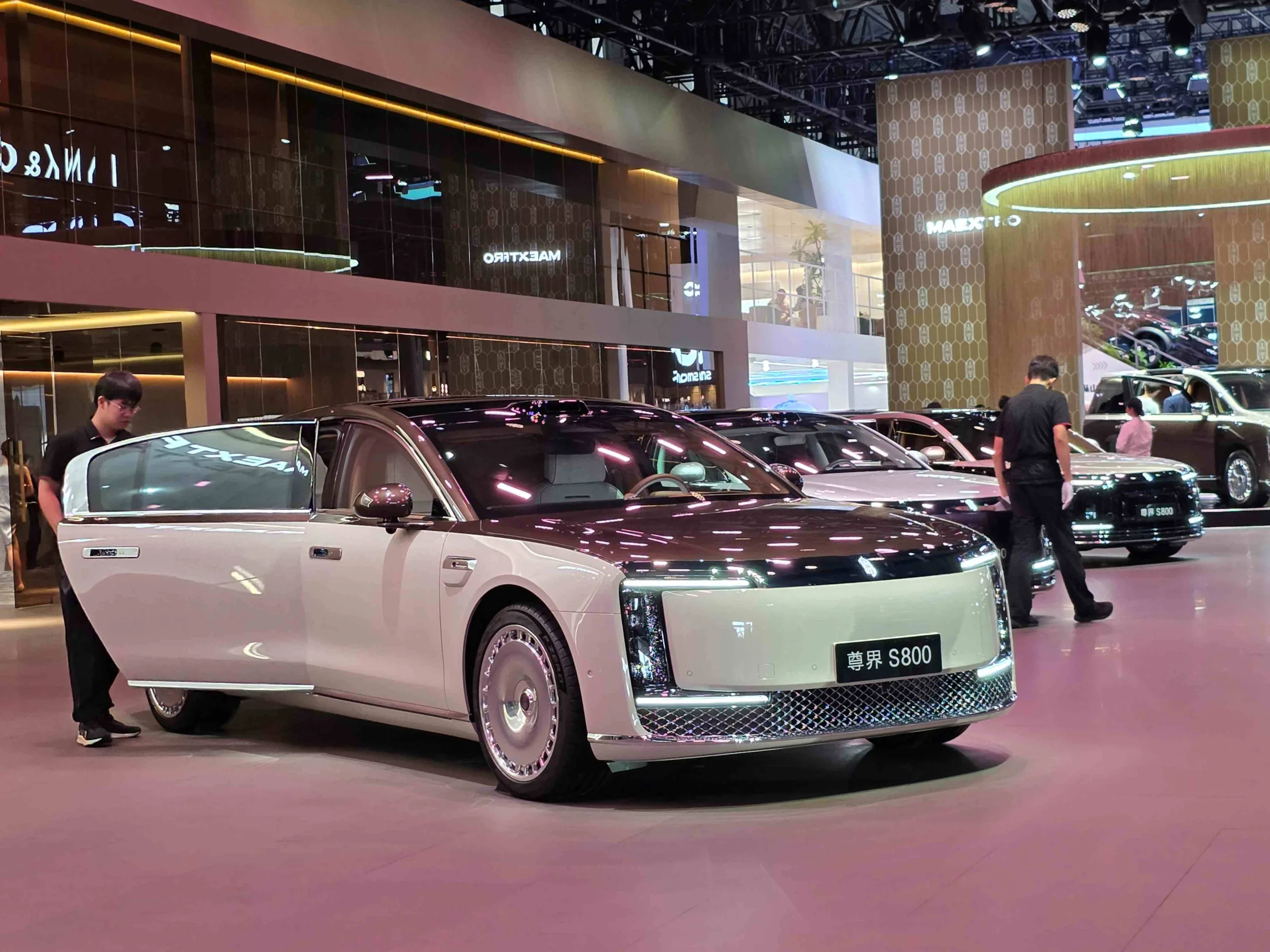
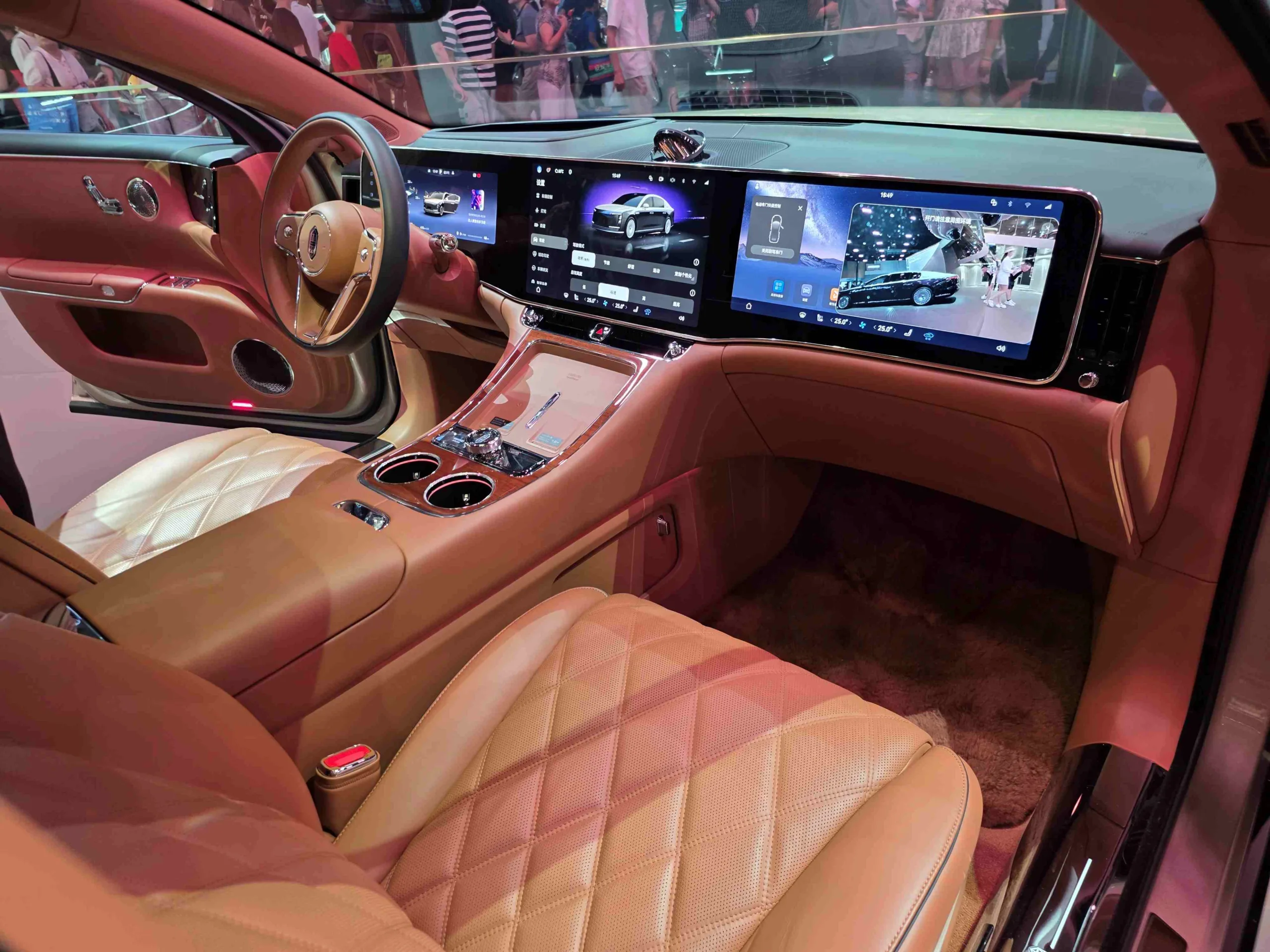
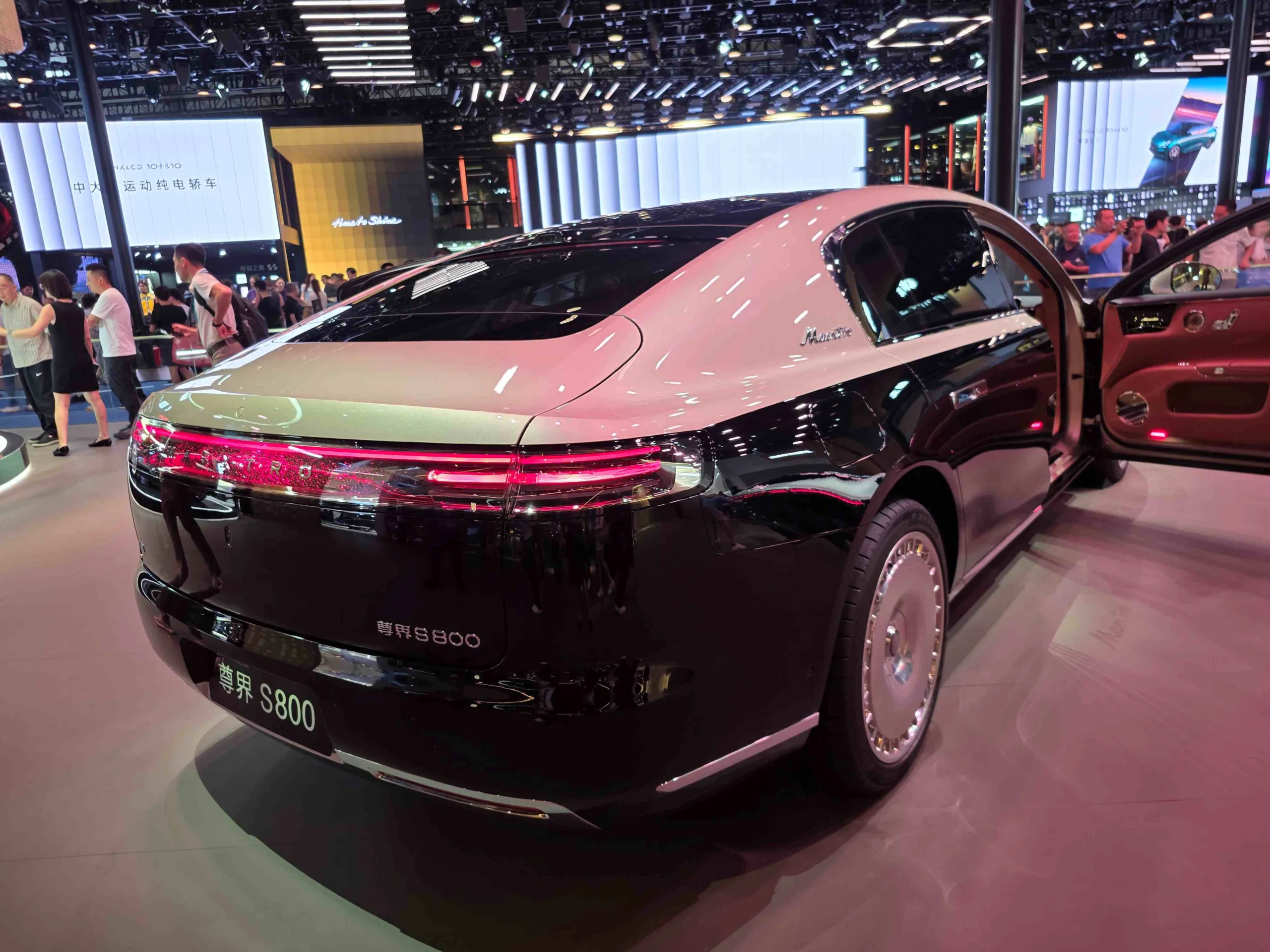
Among the highlights was the enormous Maextro V800 and V680 MPVs, alongside new Luxeed and Stelato models. The significance here goes beyond individual vehicles.
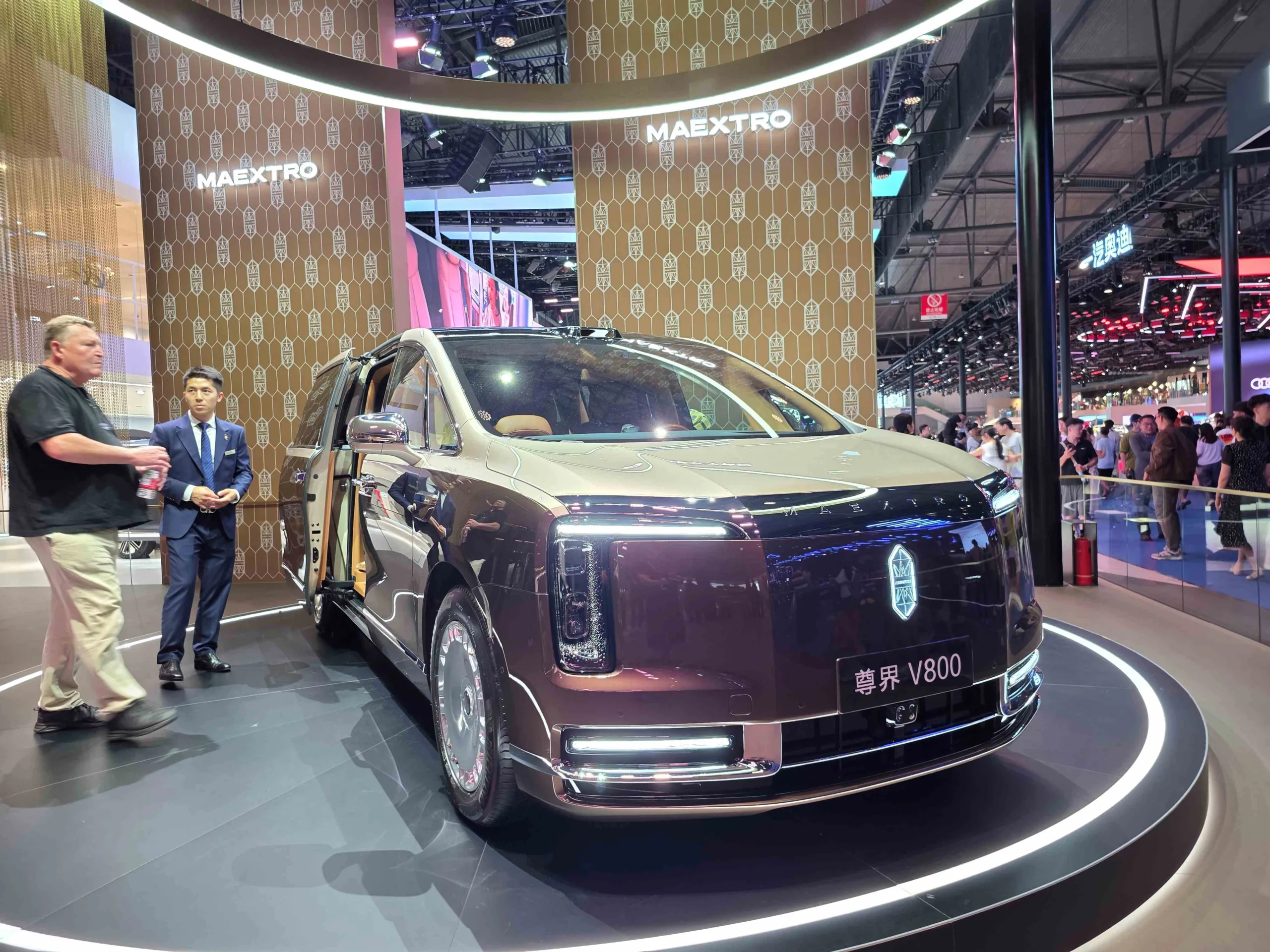
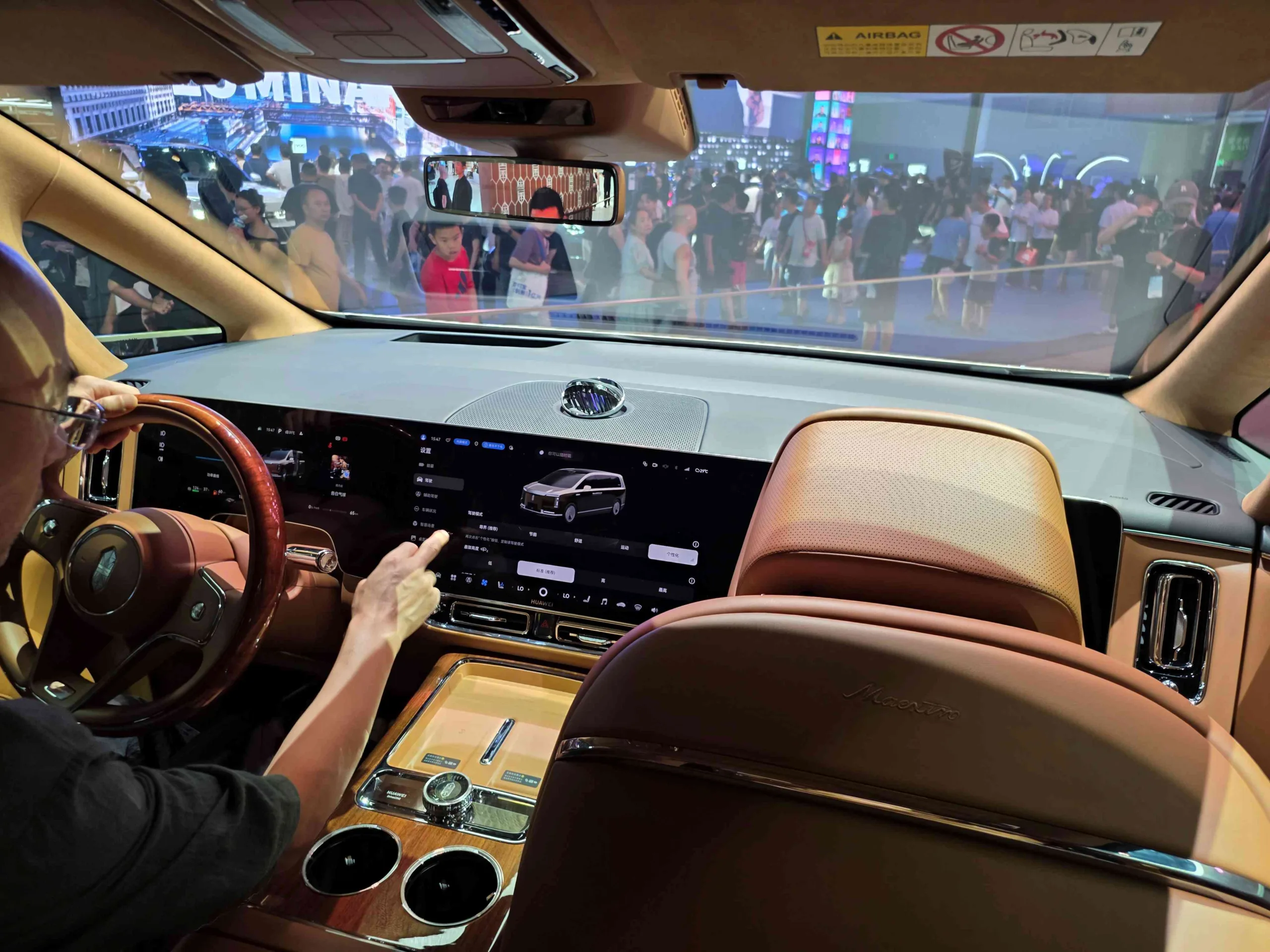
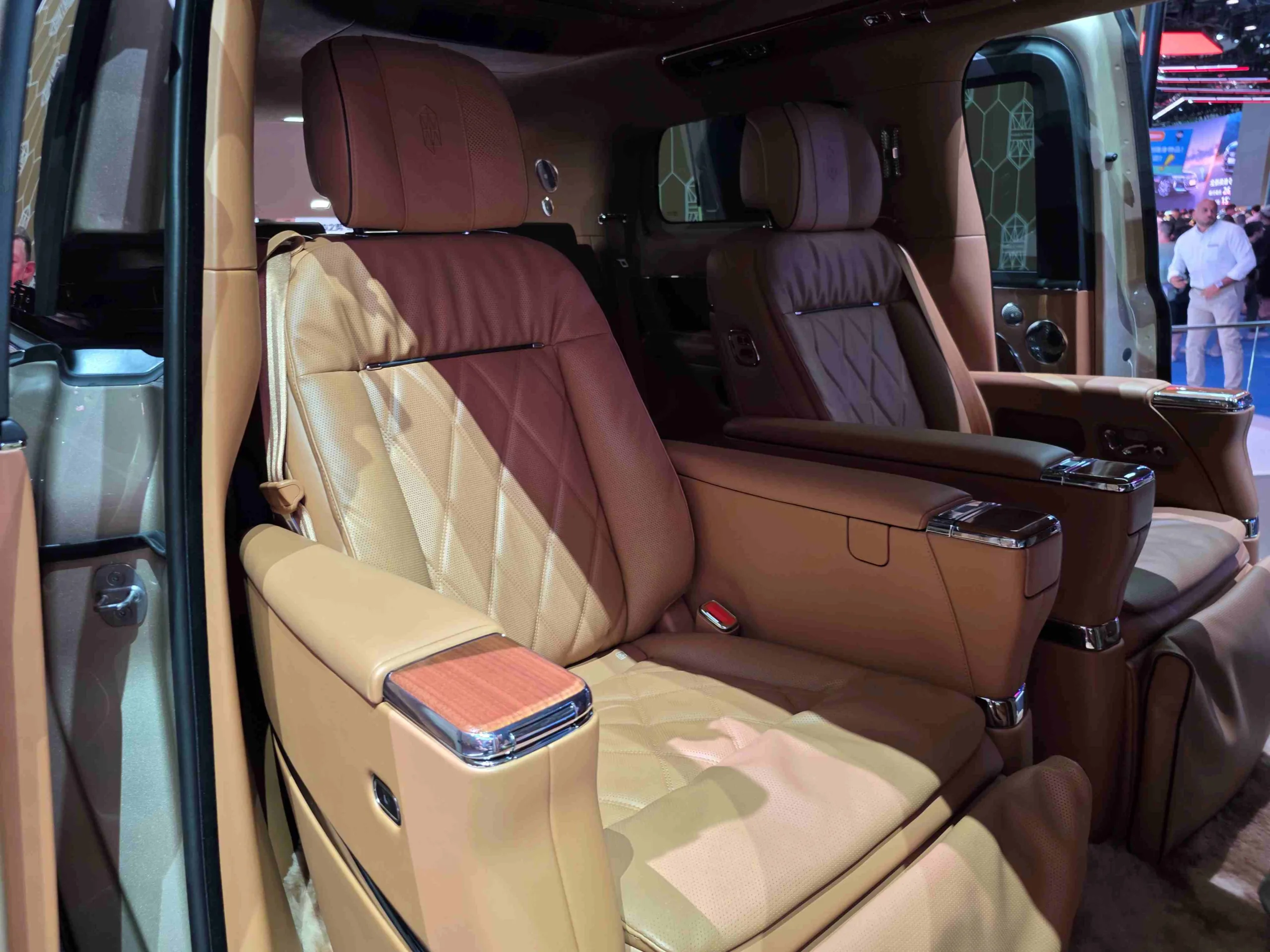
Huawei is increasingly providing the technology architecture, software and intelligent-driving systems behind vehicles produced by multiple manufacturers. That makes the Chinese automotive landscape very different from the traditional model of one company designing, engineering and building virtually everything itself.
At Chengdu, the car is increasingly becoming the hardware wrapped around a software platform.
Xiaomi Gets Even More Interesting
The smartphone and consumer-electronics giant’s involvement in the automotive industry has already caused plenty of headaches for established manufacturers.
Xiaomi displayed its battery-electric and extended-range products side by side for the first time, including the new N90 Max and N70 Max SUVs. This is significant because it demonstrates how quickly the boundaries between technology, mobility and consumer electronics are disappearing.
Your next car is increasingly expected to behave less like a traditional vehicle and more like a very large, very expensive smartphone. And, judging by what was on display in Chengdu, the Chinese industry is perfectly comfortable with that idea.
China’s EV Start-Ups Keep Coming
The established Chinese manufacturers aren’t alone. Xpeng, Nio, Leapmotor, Avatr and IM are all using Chengdu to showcase new products and technology. Xpeng is showed the G9L with both battery-electric and extended-range powertrains, while Leapmotor is displaying its A10 and A05.
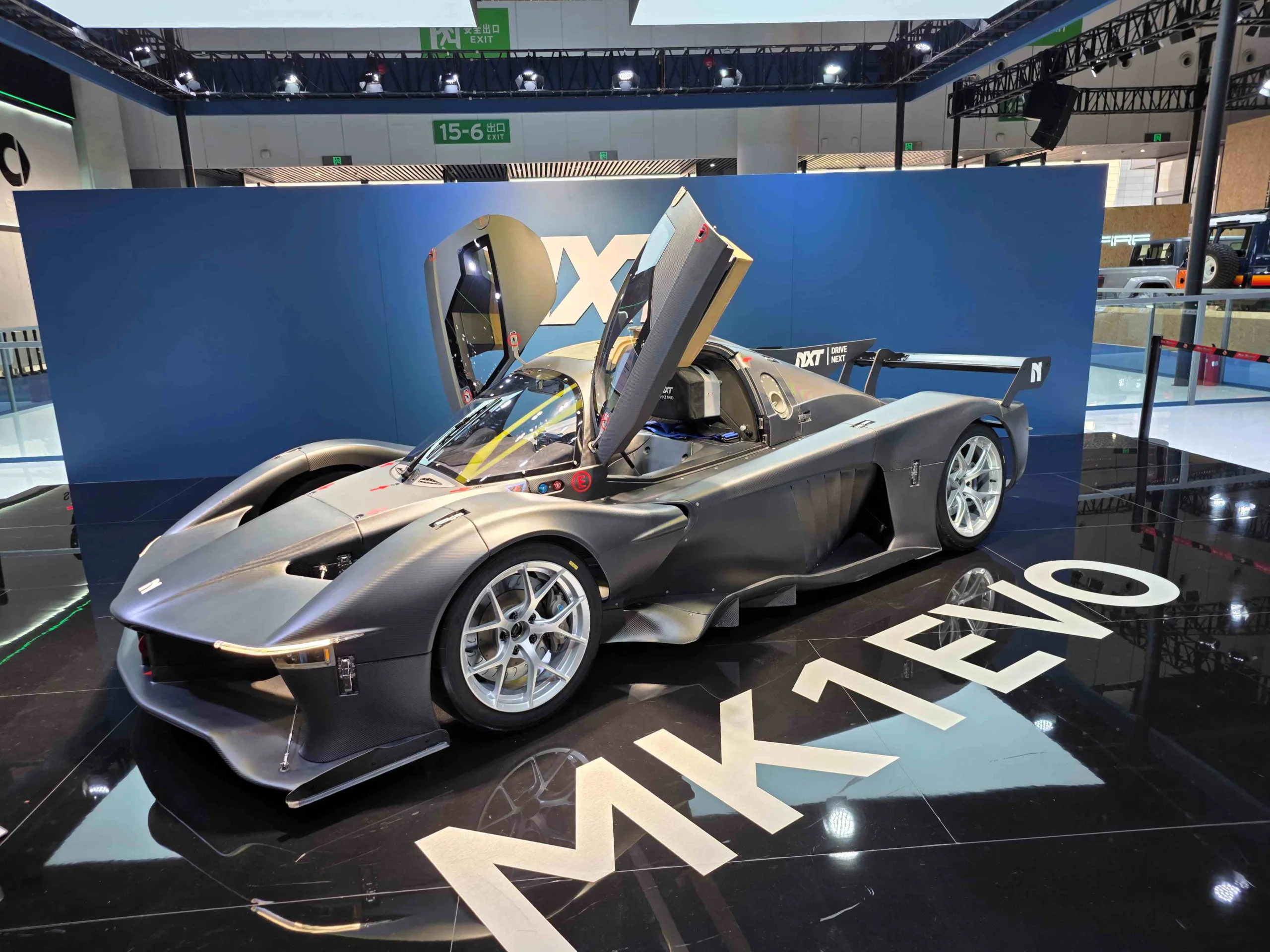
Avatr brought the 07L, while IM is showcasing the new-generation L6. Nio is also doing something particularly interesting by bringing its three brands (Nio, Onvo and Firefly) together on a single stand.
The message is clear: China’s EV market isn’t simply about building more electric cars. It’s about rapidly expanding the number of brands, body styles, price points and technologies available to consumers.
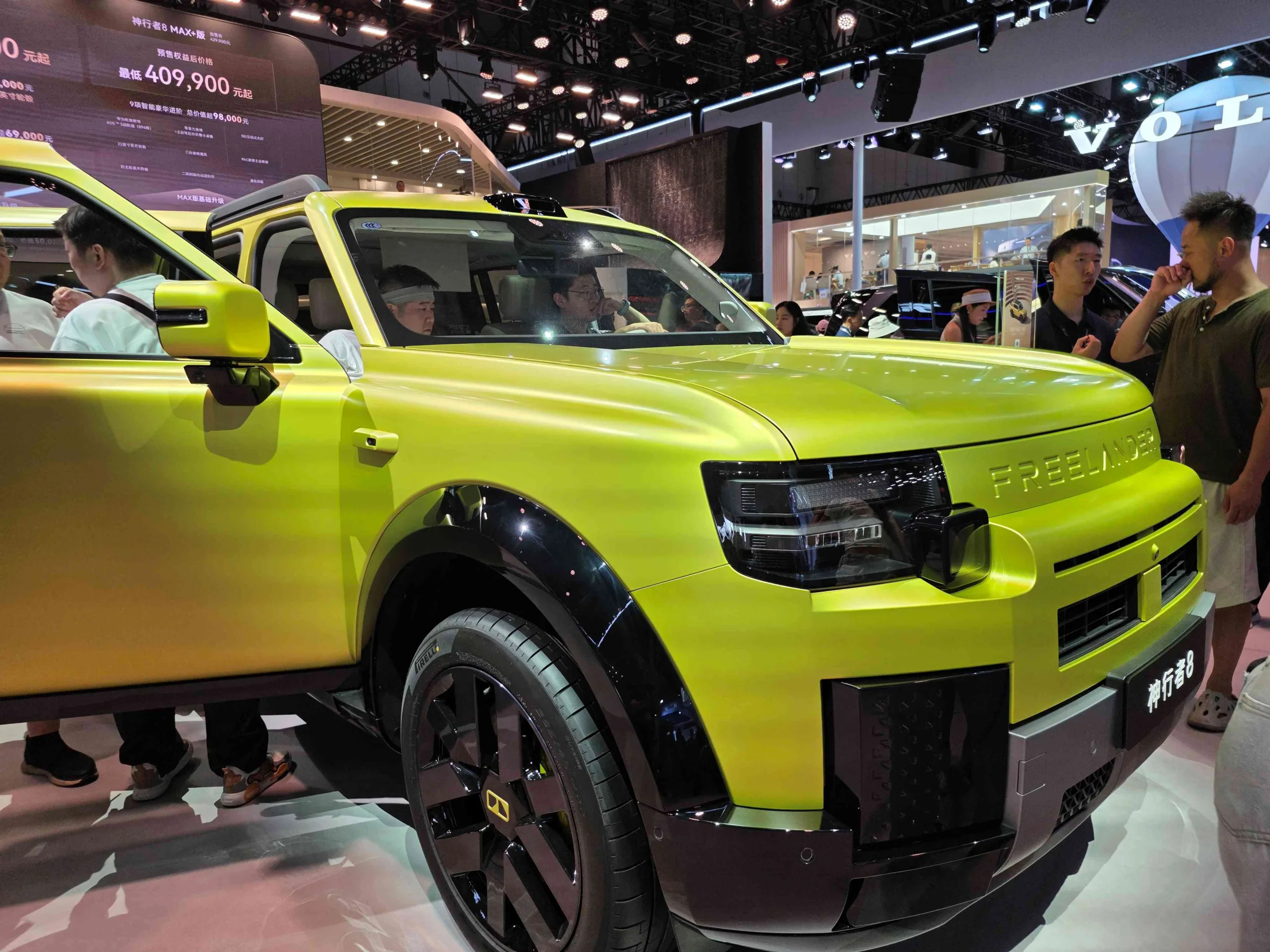
Great Wall, Geely and Chery Bring the Big Guns
China’s more established manufacturers aren’t sitting quietly either. Great Wall Motor had a strong presence, including the latest Tank 300, Wey V8X and GWM H10. Geely’s Galaxy brand is showcasing the Galaxy Cruiser 700 and the all-electric Galaxy TT sedan.
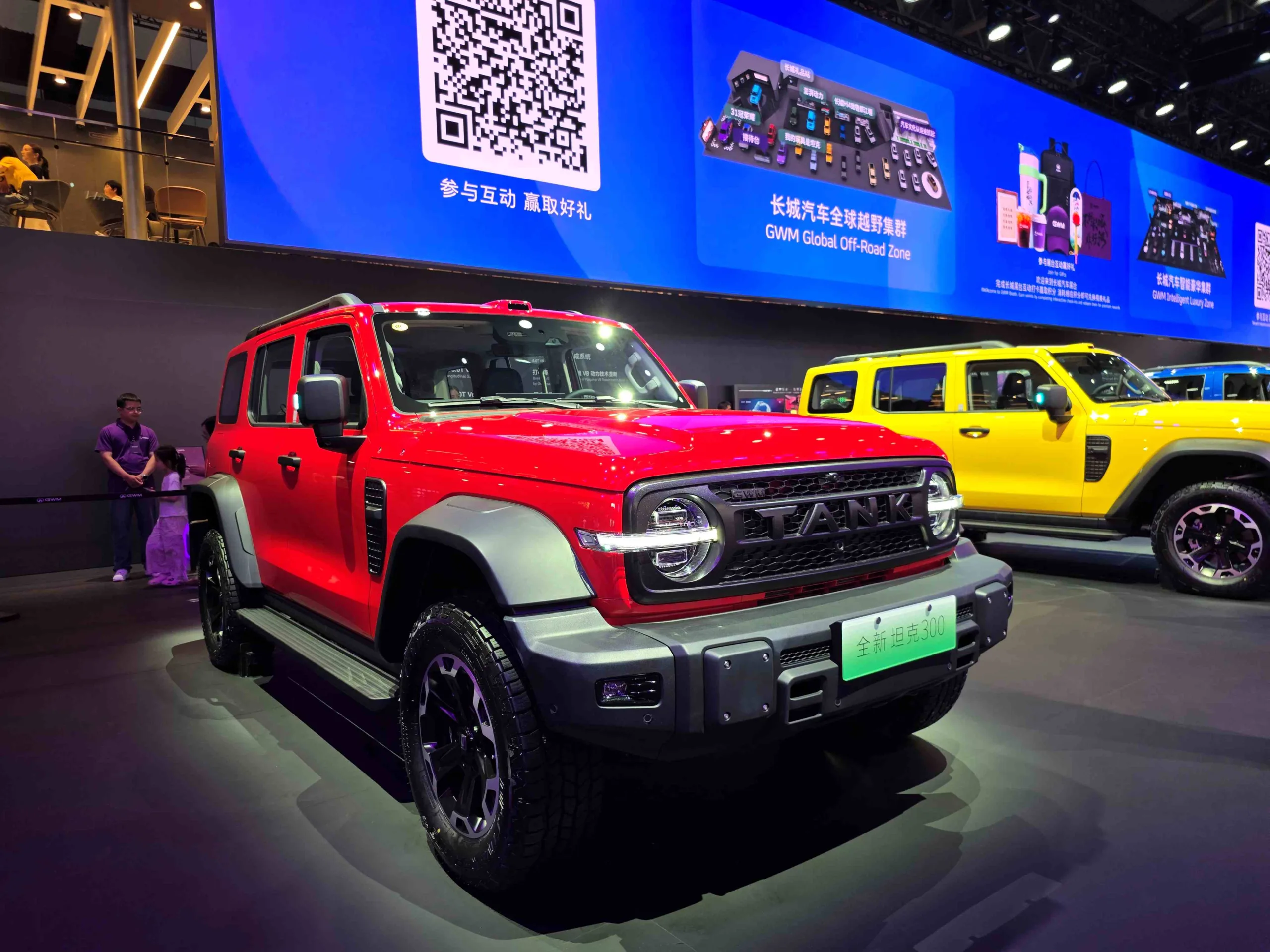
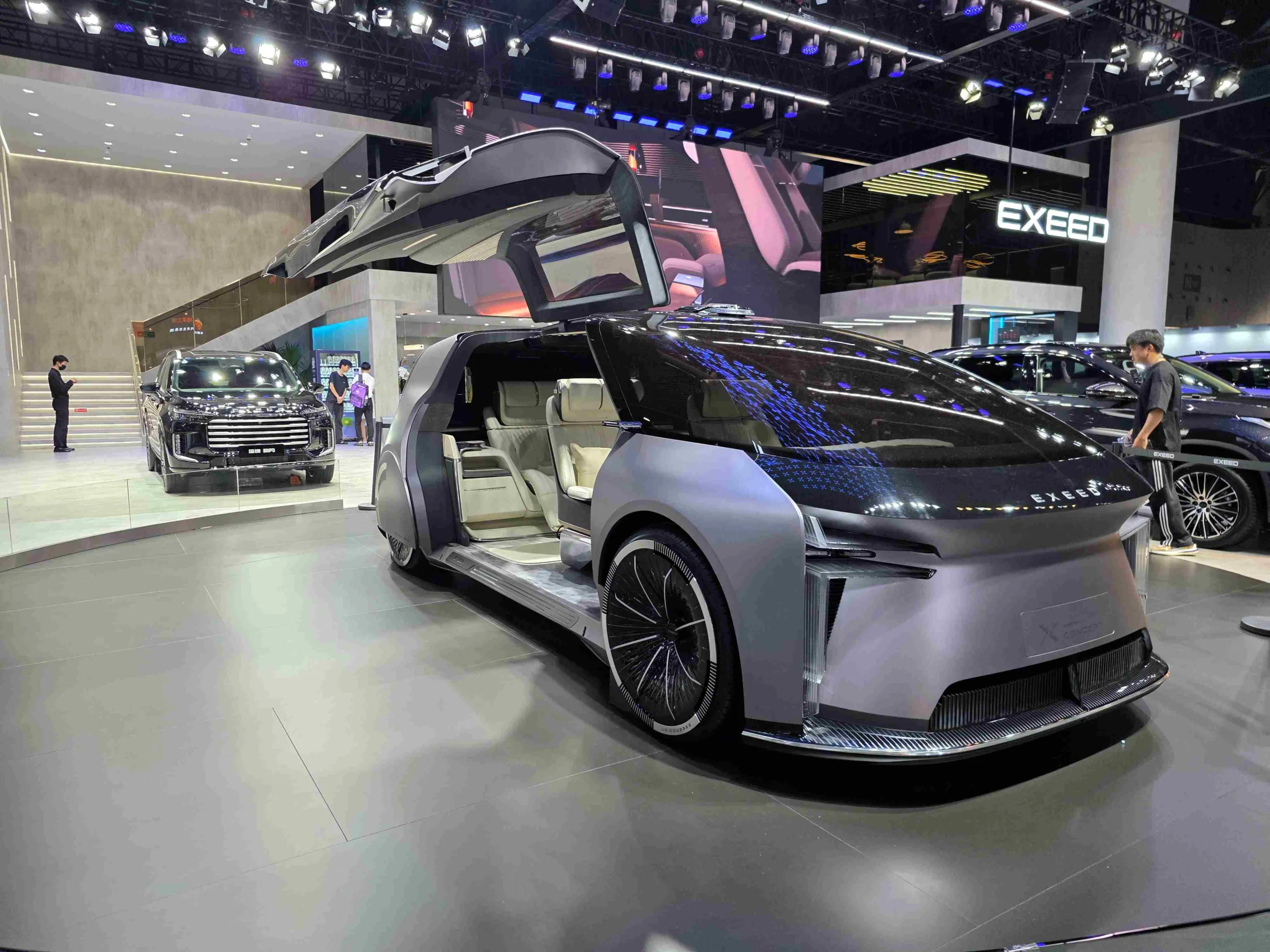
Chery was represented by five brands (Chery, iCar, Zongheng, Exeed and Jetour) with the Exeed EX6 making its global debut.
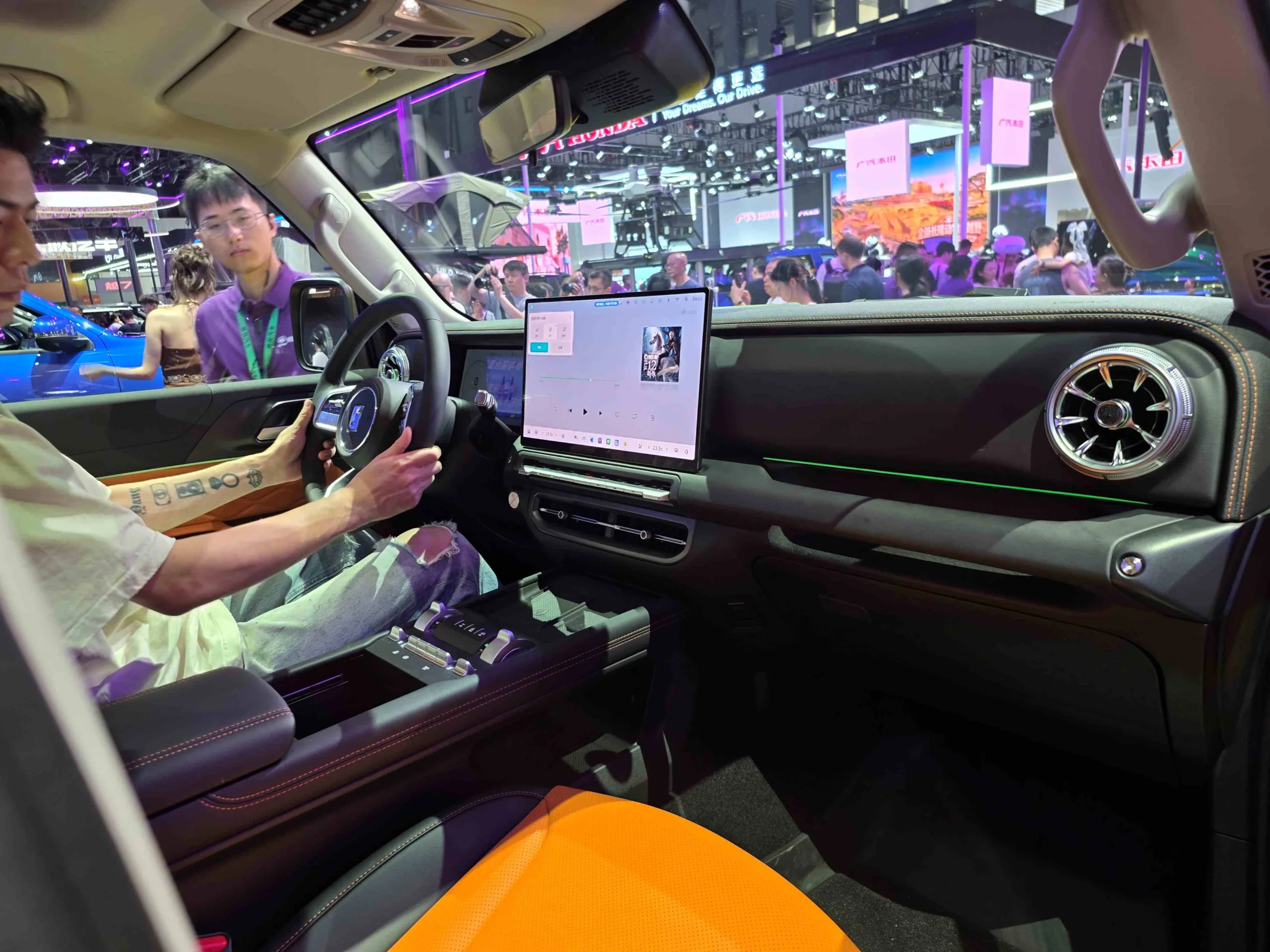
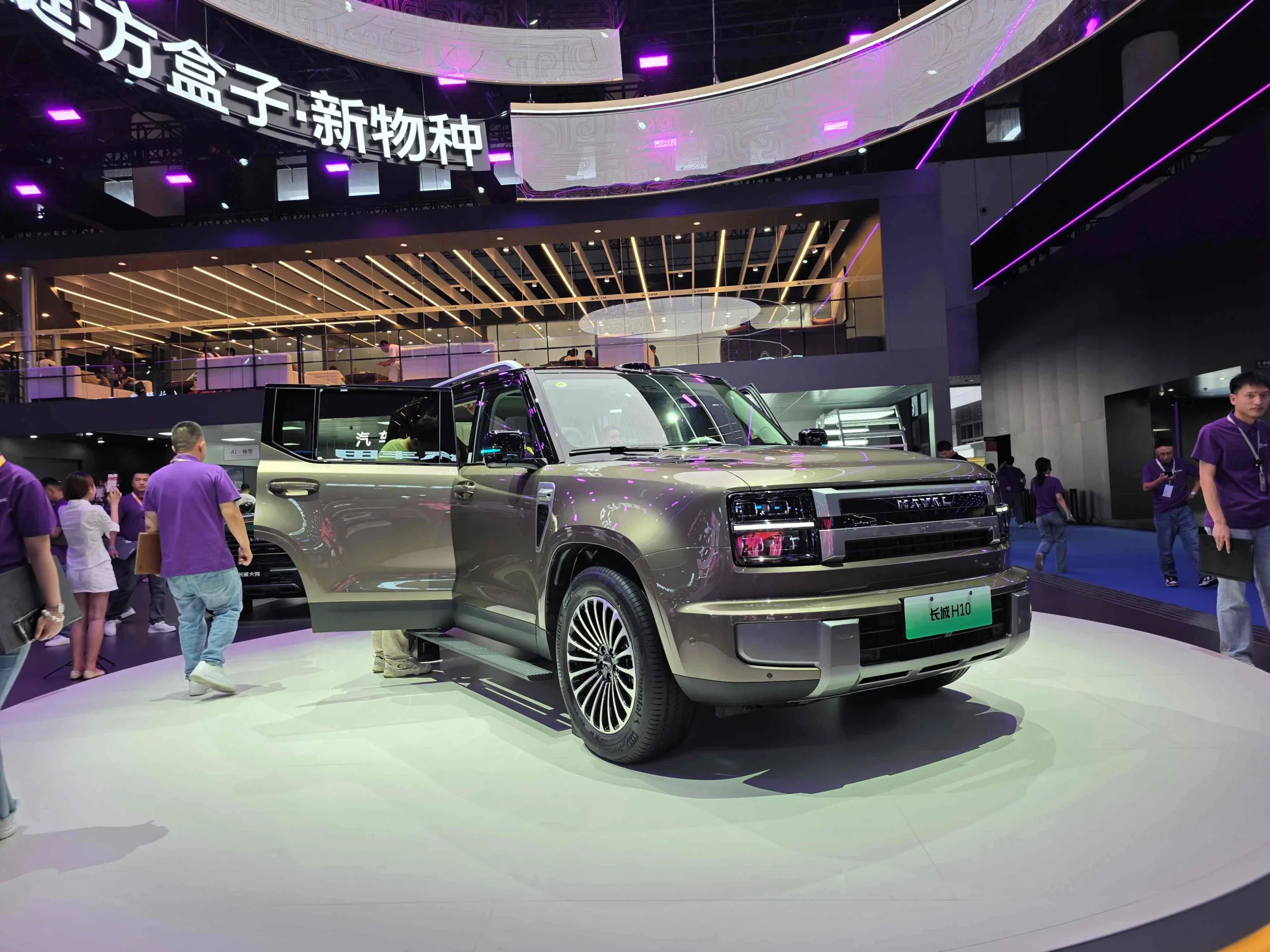
The variety is remarkable. There are rugged off-roaders, family SUVs, luxury sedans, performance cars, MPVs, EVs and plug-in hybrids, and increasingly, vehicles that combine several of those categories.
The Europeans Fight Back
Perhaps one of the most interesting aspects of Chengdu 2026 is that the Chinese brands aren’t operating in isolation. The established European manufacturers are fighting back.
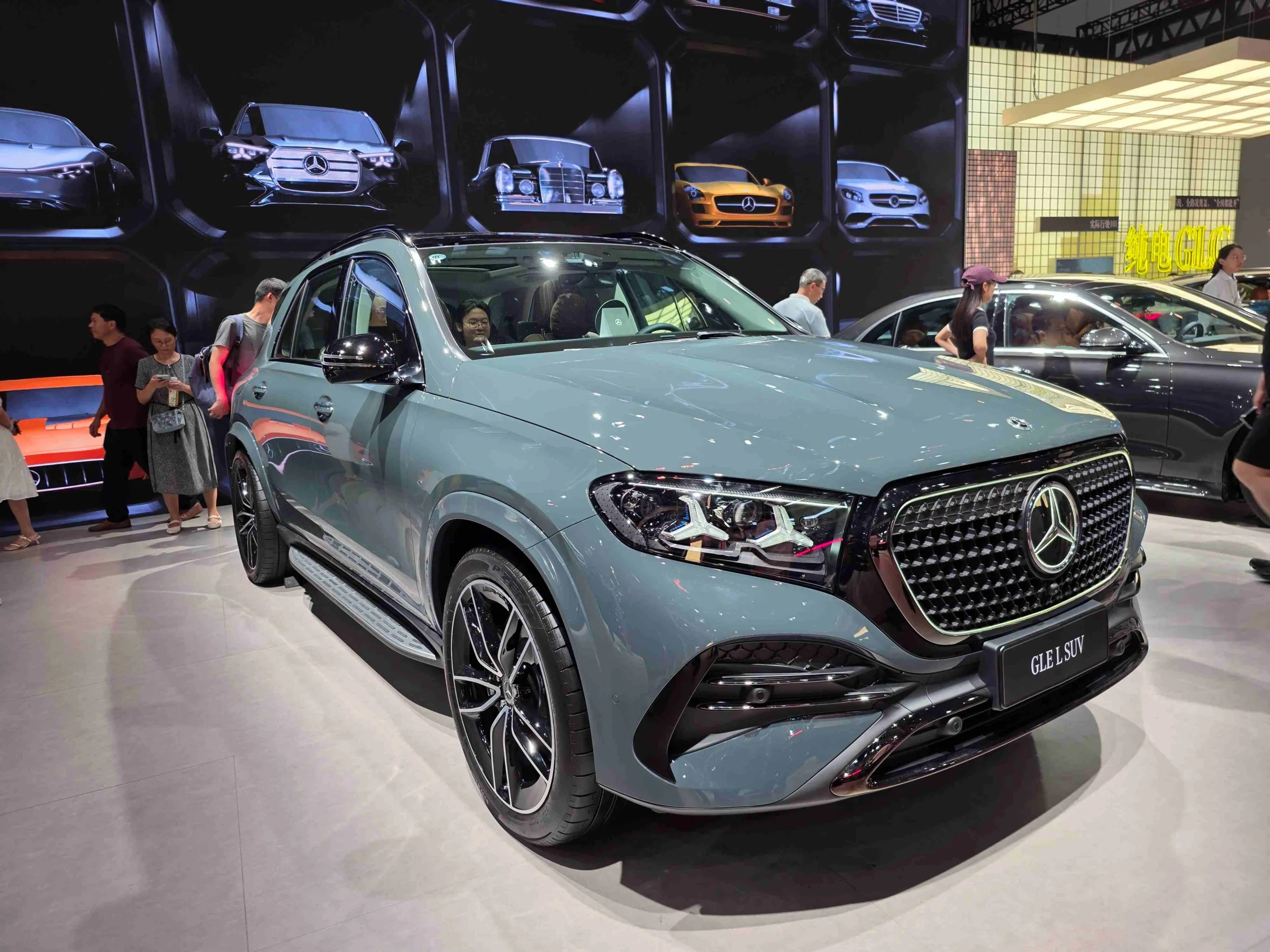
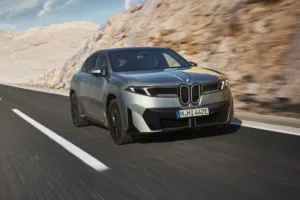
Mercedes-Benz chose Chengdu for the global debut of its new long-wheelbase GLE SUV, which was also opened to public test drives. The BMW Neue Klasse iX3 long-wheelbase version has opened for pre-sales, while Audi is displaying new versions of the E5 Sportback and E7X.
The new Mercedes-Benz GLE is particularly interesting because it demonstrates how European manufacturers are adapting their products specifically for Chinese customers. The long-wheelbase version measures more than five metres long and has a 3,115mm wheelbase, with technology including AI-powered cabin functions and advanced driver assistance.
BMW, meanwhile, is using Chengdu to push its Neue Klasse electric technology into the spotlight. The long-wheelbase iX3 is effectively a statement that BMW intends to compete directly with China’s sophisticated new generation of electric SUVs rather than simply electrifying its existing products.
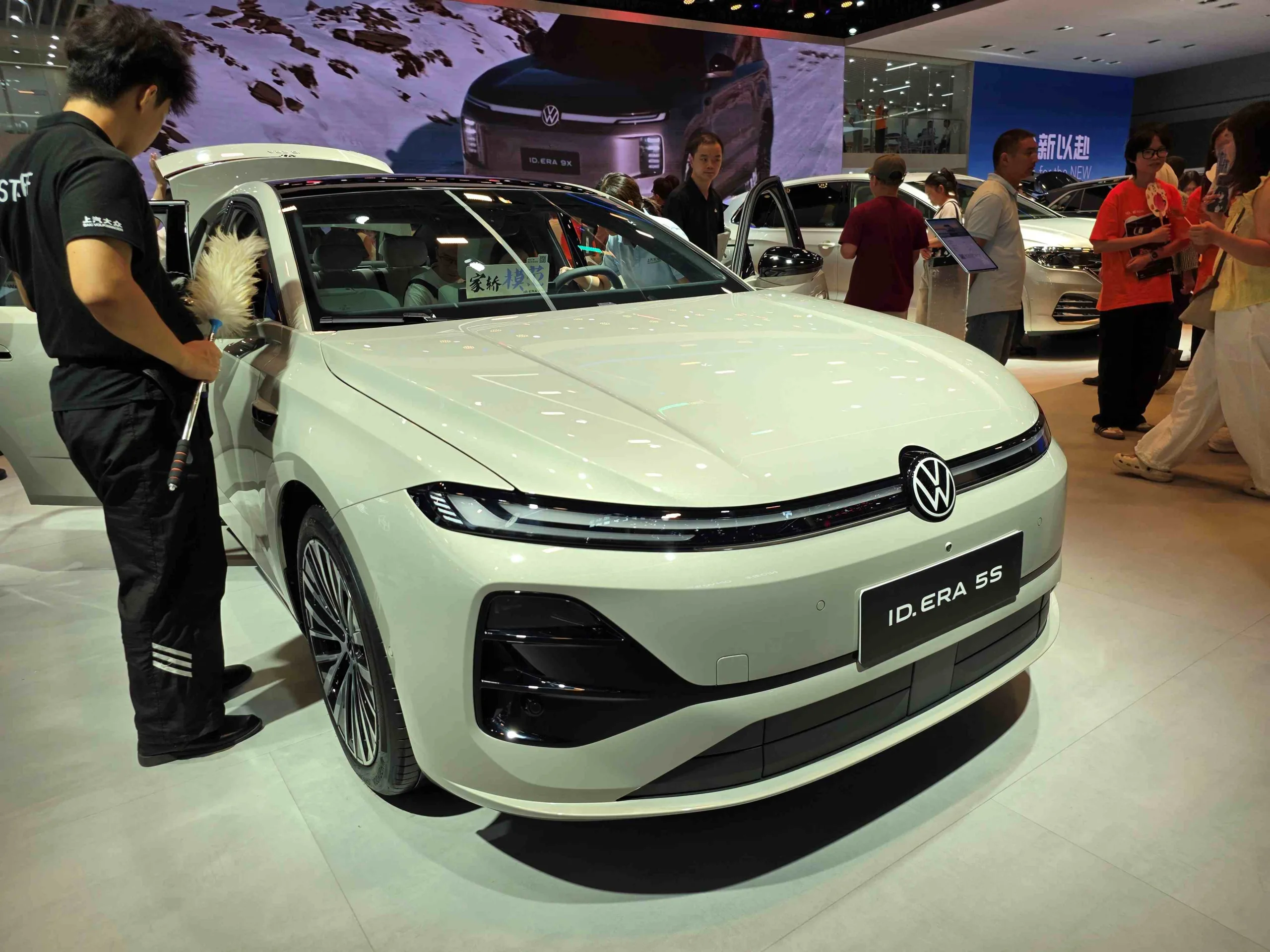
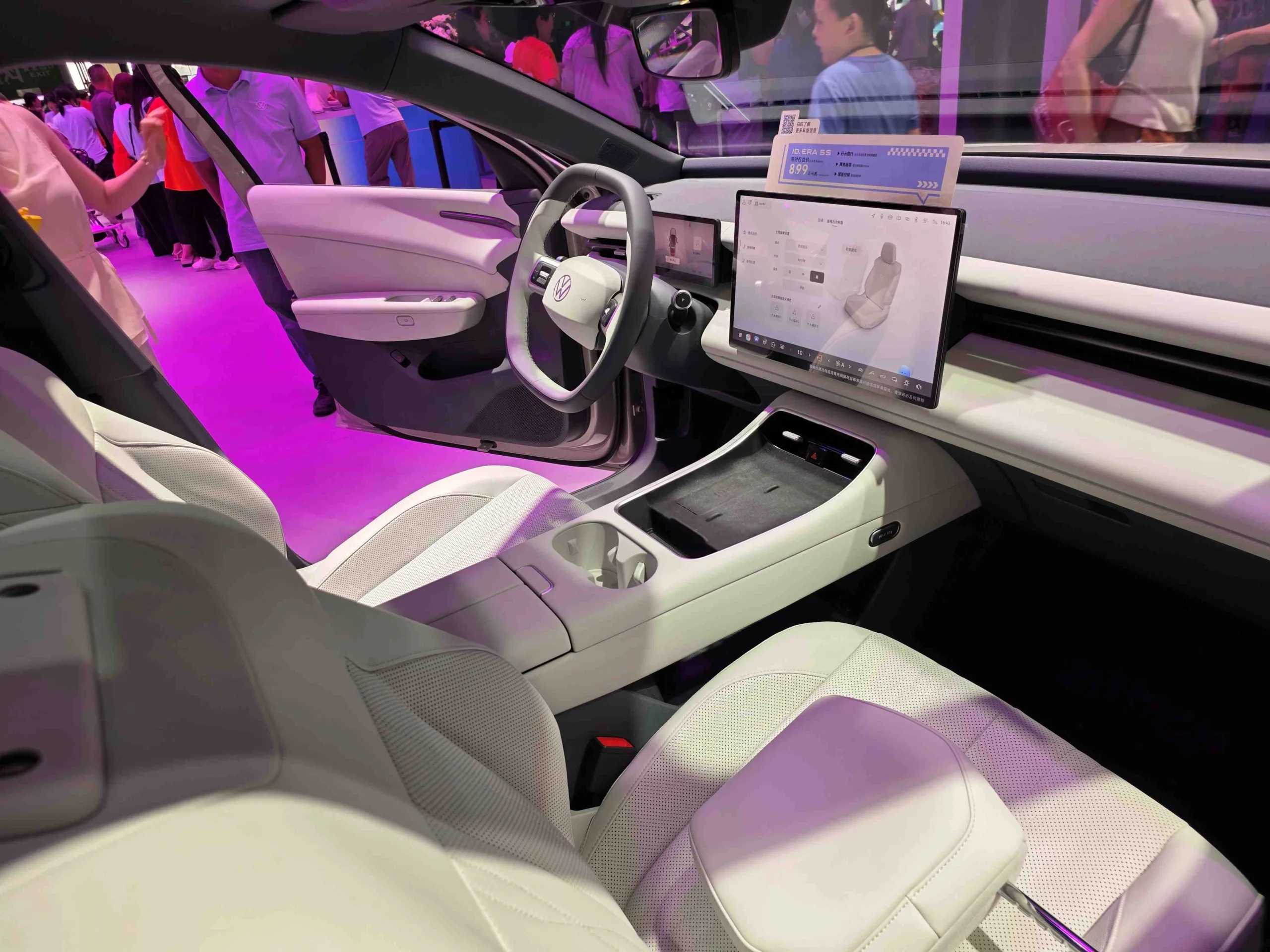
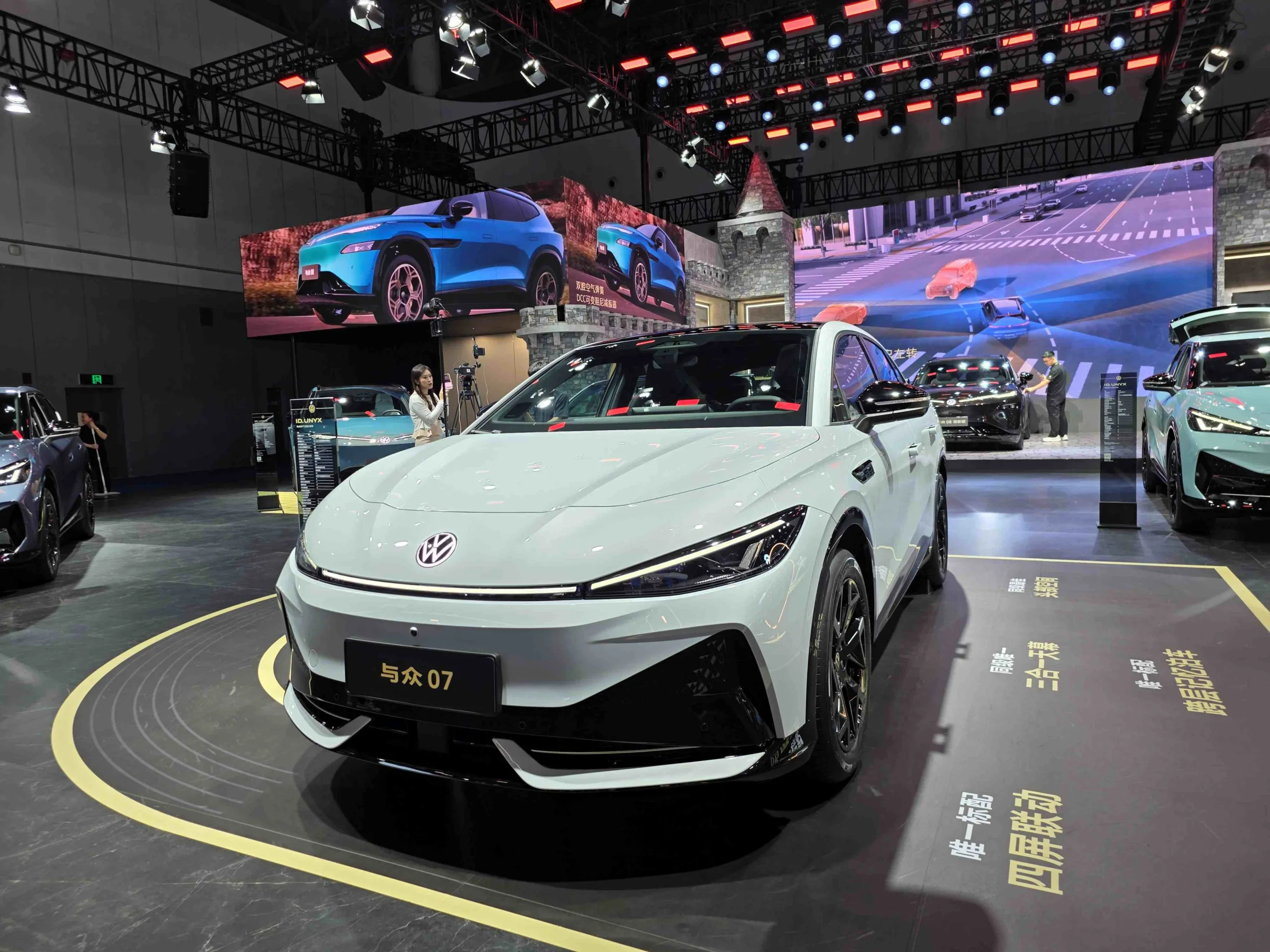
What Does Chengdu Tell Us About the Future?
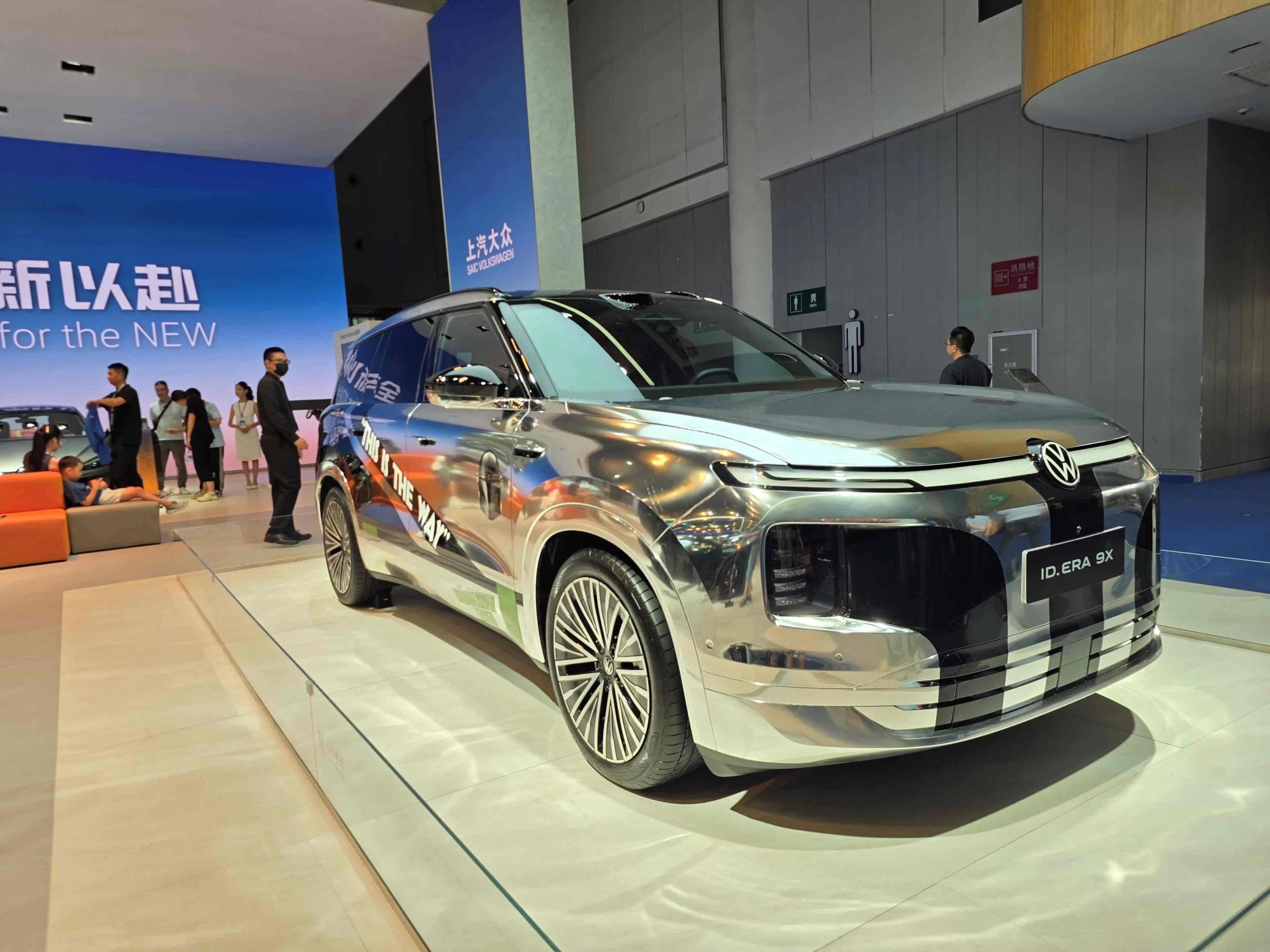
If there is one overriding message from the 2026 Chengdu Motor Show, it’s that the automotive industry is no longer simply transitioning from petrol to electric, it is transitioning from mechanical to digital. Electric propulsion is becoming almost expected.
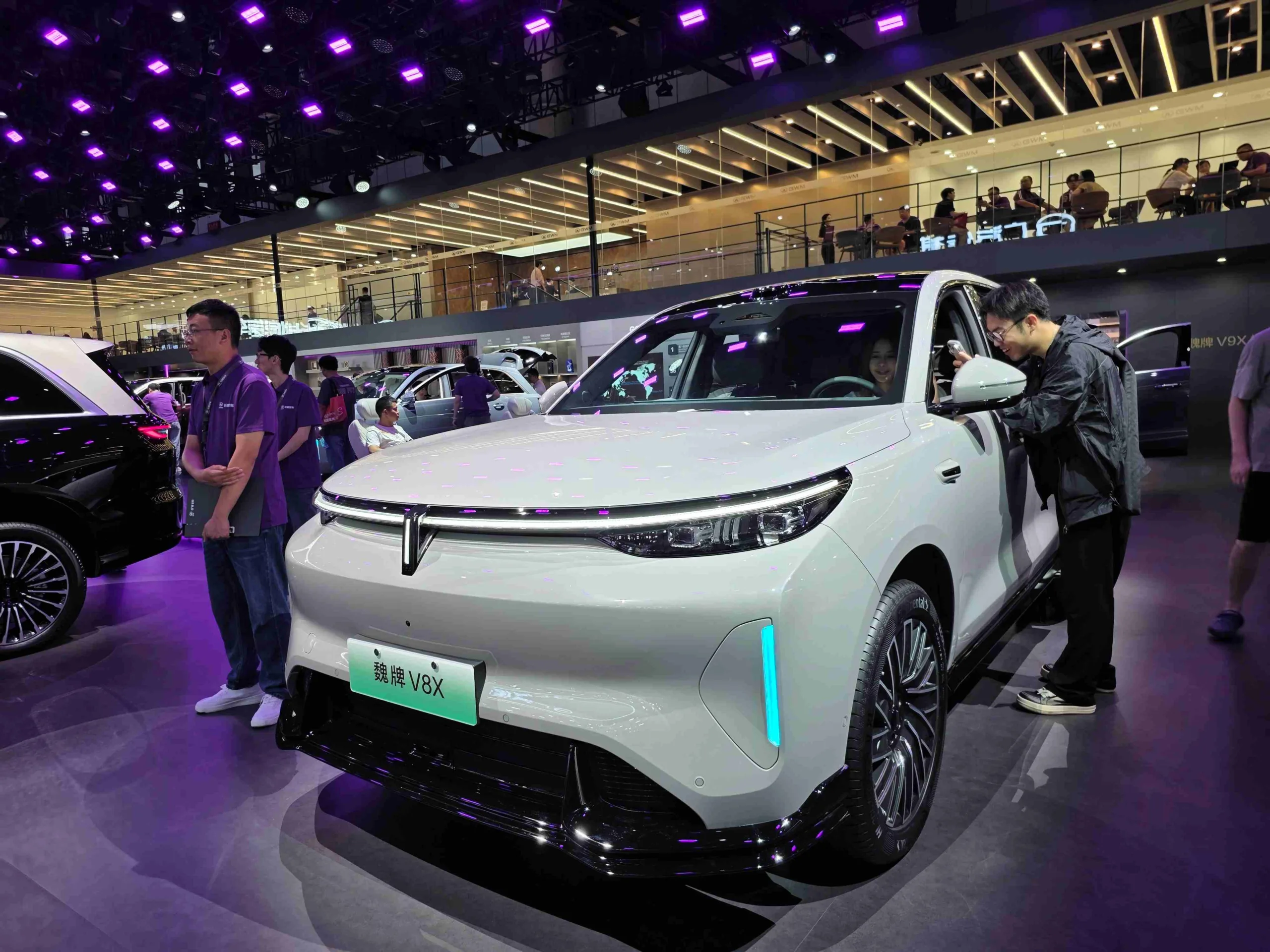
The next battlefield is intelligent driving, AI, software, battery technology, charging speed, connectivity and the overall user experience.
Chinese manufacturers are also becoming increasingly comfortable with premium products. A decade ago, many Chinese manufacturers were primarily competing on price. Today, they are launching vehicles designed to challenge BMW, Mercedes-Benz, Audi and Porsche — while simultaneously offering technology that sometimes goes beyond what those established brands currently provide.
And the European, Japanese and Korean manufacturers are responding with vehicles increasingly designed around Chinese tastes and expectations. That’s a fascinating reversal.
For decades, China was a market where international manufacturers sold cars designed elsewhere. Now China is becoming one of the places where the world’s biggest manufacturers learn what the next generation of cars needs to be.
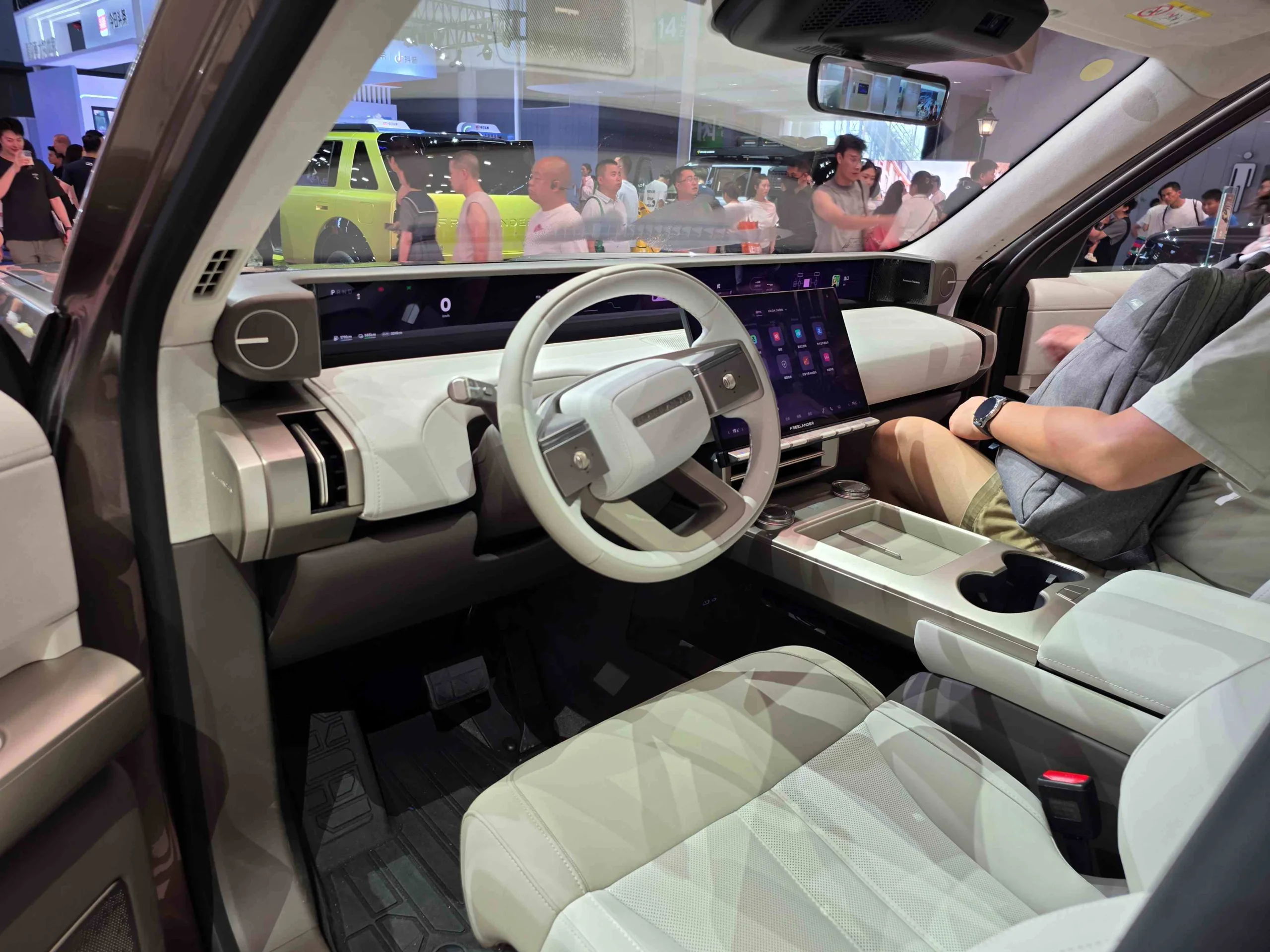
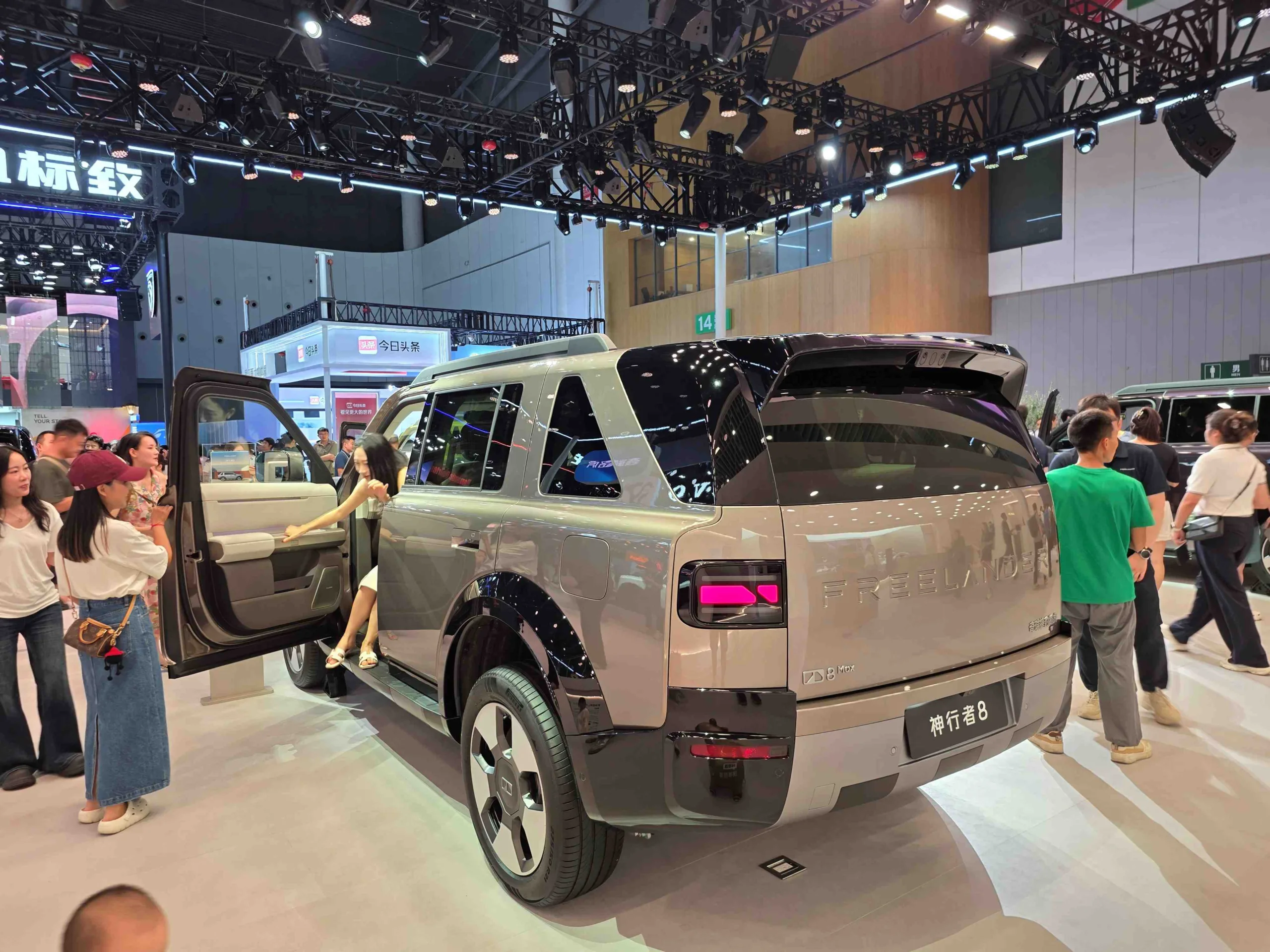
The fascinating part is the mix.
Traditional luxury brands sit alongside Chinese technology giants. EV start-ups share halls with century-old manufacturers. Huge plug-in hybrid SUVs sit next to tiny electric city cars. AI companies are effectively becoming car companies, while car companies are becoming software companies.
And somewhere in the middle of all this is Chengdu, a city that has quietly grown from regional automotive host to one of the most important windows into China’s rapidly changing car industry.