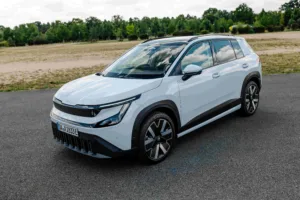
Let’s be honest, if you mention Forthing at a barbecue and you’ll probably be met with blank stares, followed by someone asking if it’s a new type of fishing lure. But for me, its current anonymity is exactly what makes the Forthing Taikon Exclusive interesting.
While many Chinese manufacturers have spent the last few years grabbing headlines, (both positive and less so) Forthing has quietly produced a product that doesn’t rely on outrageous styling, eye-watering performance figures or gimmicks to get your attention. Instead, it simply gets on with the job of being a competent, comfortable and surprisingly polished hybrid SUV.
The Taikon Exclusive isn’t trying to reinvent the family hybrid SUV, it’s trying to make owning one easy. And for plenty of Kiwi buyers, that’s probably the smarter approach.
Sharp Without Shouting
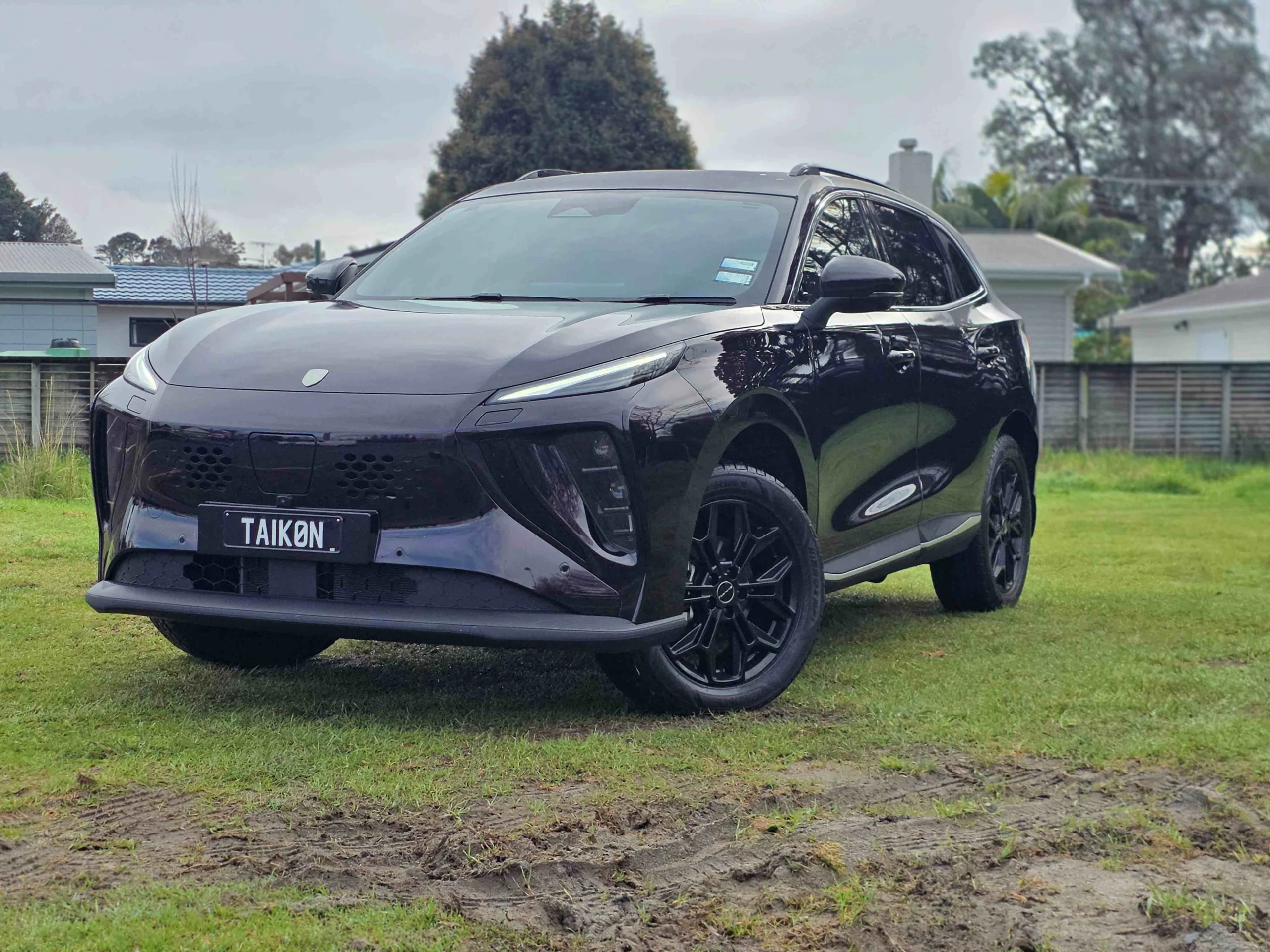
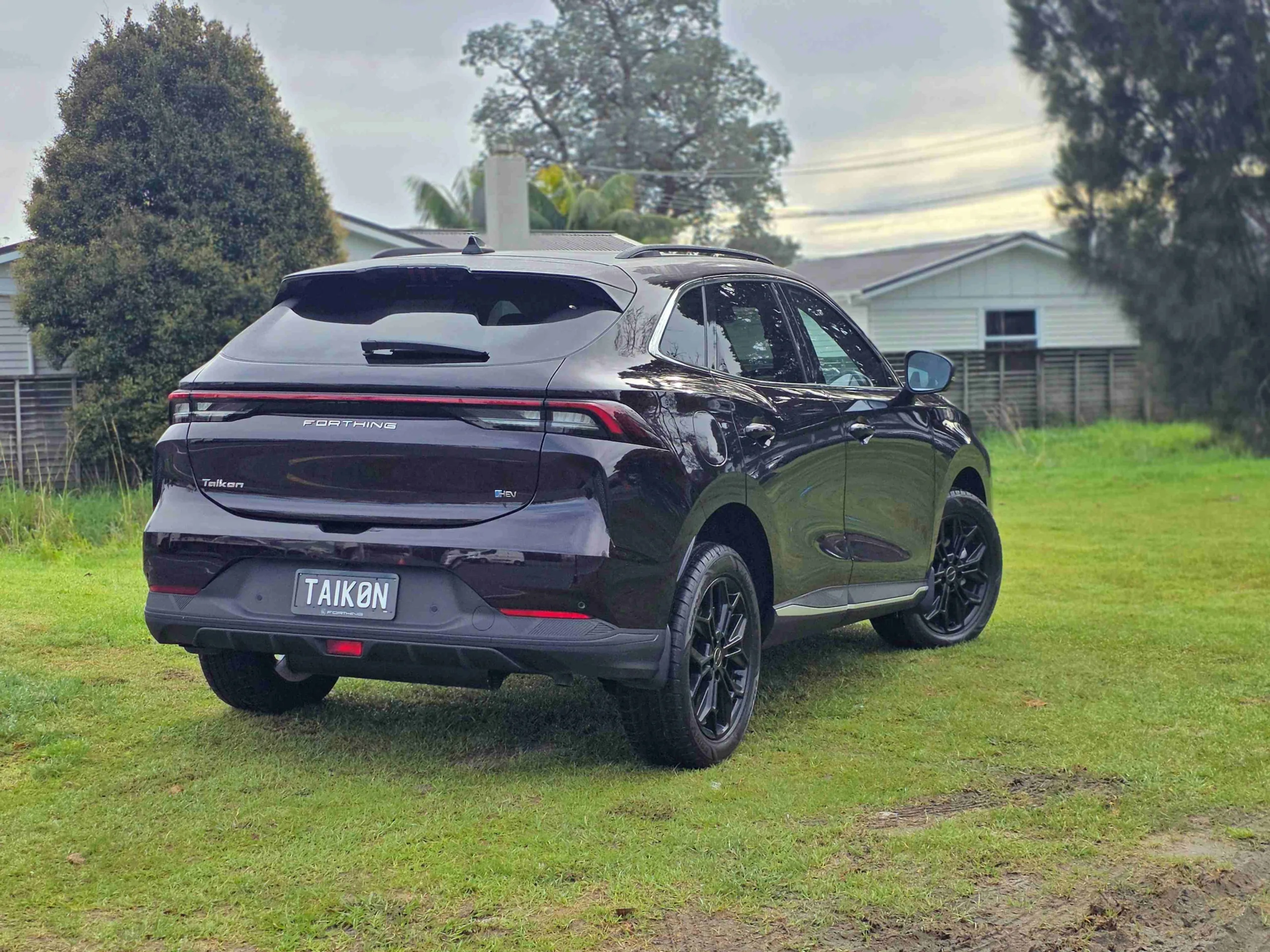
The Taikon Exclusive has clearly been designed with modern tastes in mind. It sits somewhere between a sporty coupe-SUV and traditional family crossover, with flowing body lines, slim LED lighting and a bold front grille giving it enough road presence without polarising the masses.
The sloping roofline gives it a sleeker silhouette than many of its rivals, helping avoid the box-on-wheels look that can plague family SUVs. It certainly catches your eye, but can I suggest ‘in a sophisticated way’ rather than trying too hard.
Around town, the proportions work well. It’s large enough to feel substantial without becoming intimidating to park, and there’s enough character in the design that you may find yourself giving it a second glance when you walk away.
Sensible With A Touch Of Style
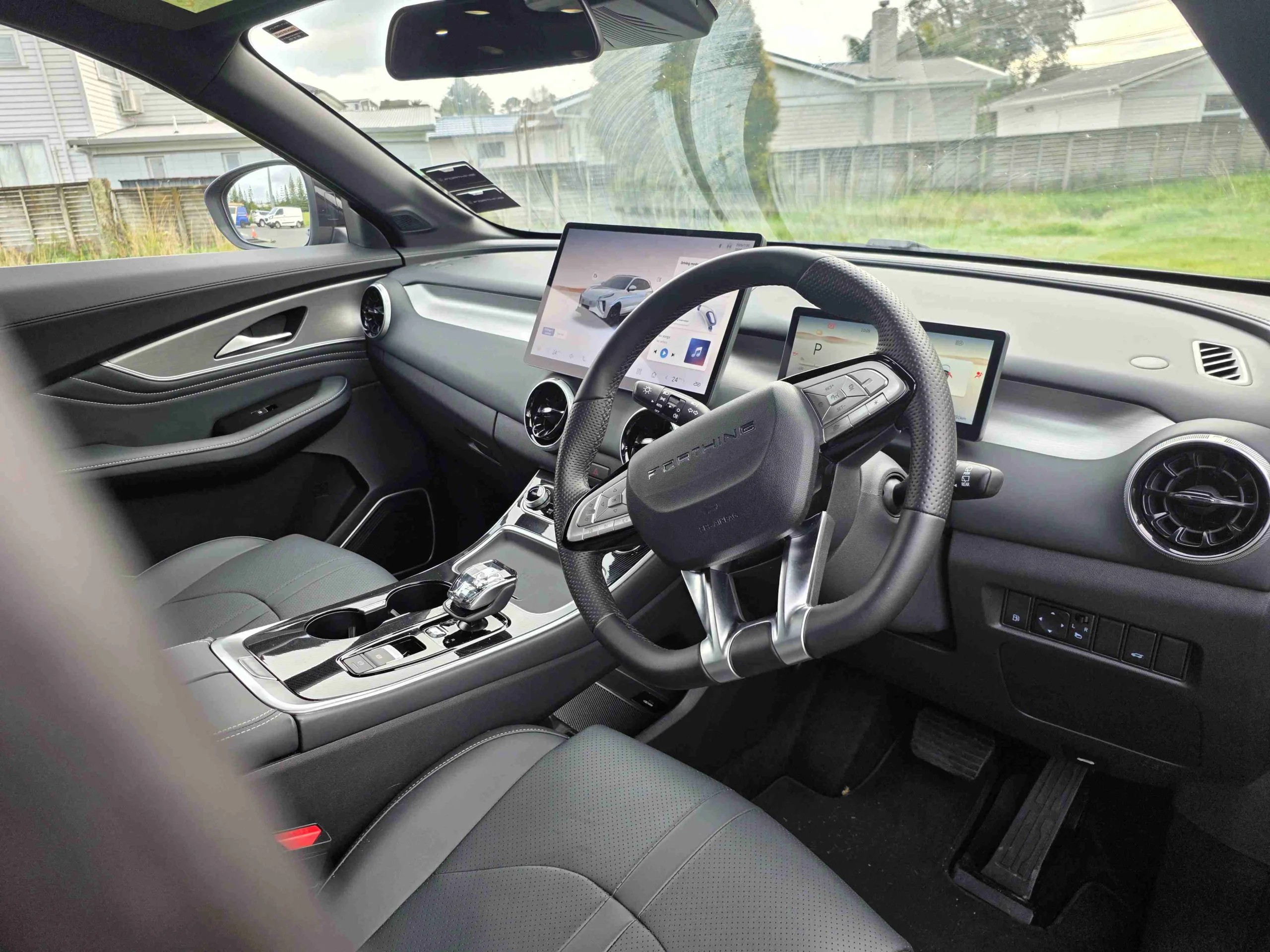
Step inside and you’re greeted by a cabin that’s equally contemporary and first impressionions are ones of cleanliness. The dashboard design is uncluttered, with horizontal lines helping the cabin feel wider than it actually is. No, this isn’t attempting to rival premium European SUVs, but at its price point – should it?
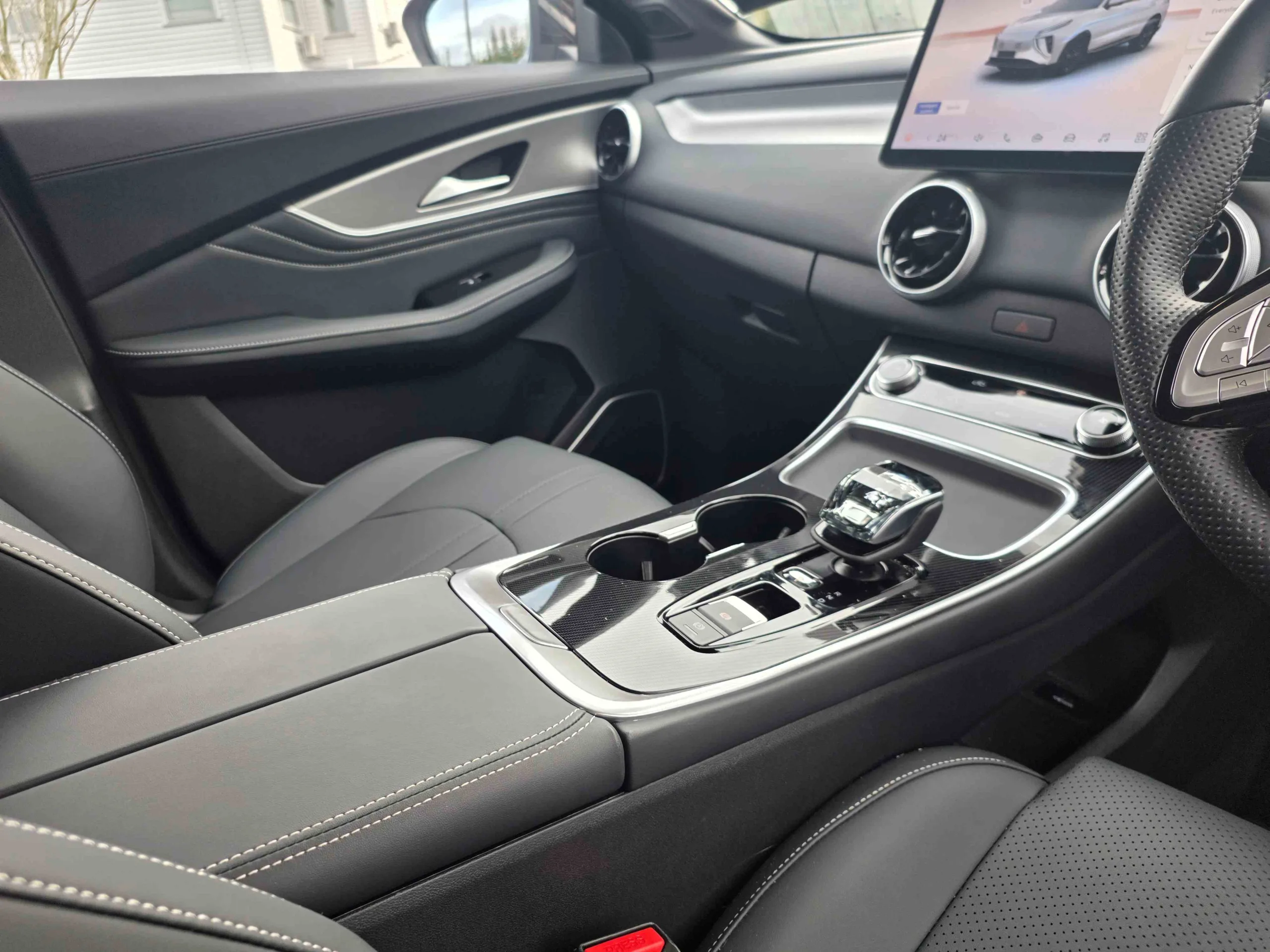
Many of the surfaces feature stitched-look plastics that do an excellent job of lifting the ambience. They’re convincing enough visually (from afar) to give the cabin a more expensive appearance, even if the materials themselves aren’t quite premium. It’s an intelligent use of design rather than expensive materials.
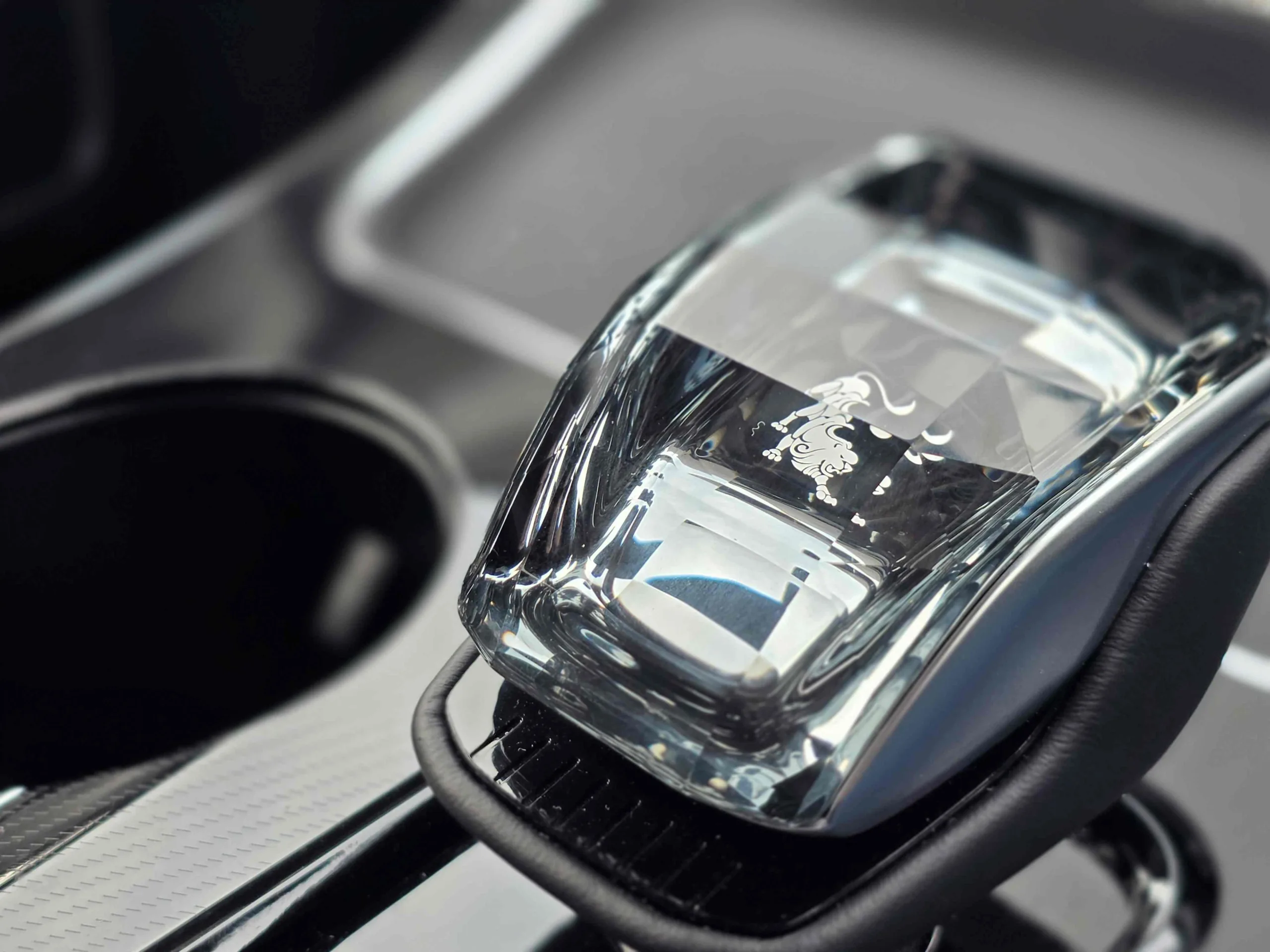
One standout feature is the crystal-look gear selector. With its glass-effect finish and central detailing, it’s easily the most premium-looking element inside the cabin and immediately catches your attention. I’m not sure it’s out of place or a genius way to break from the potential norm.
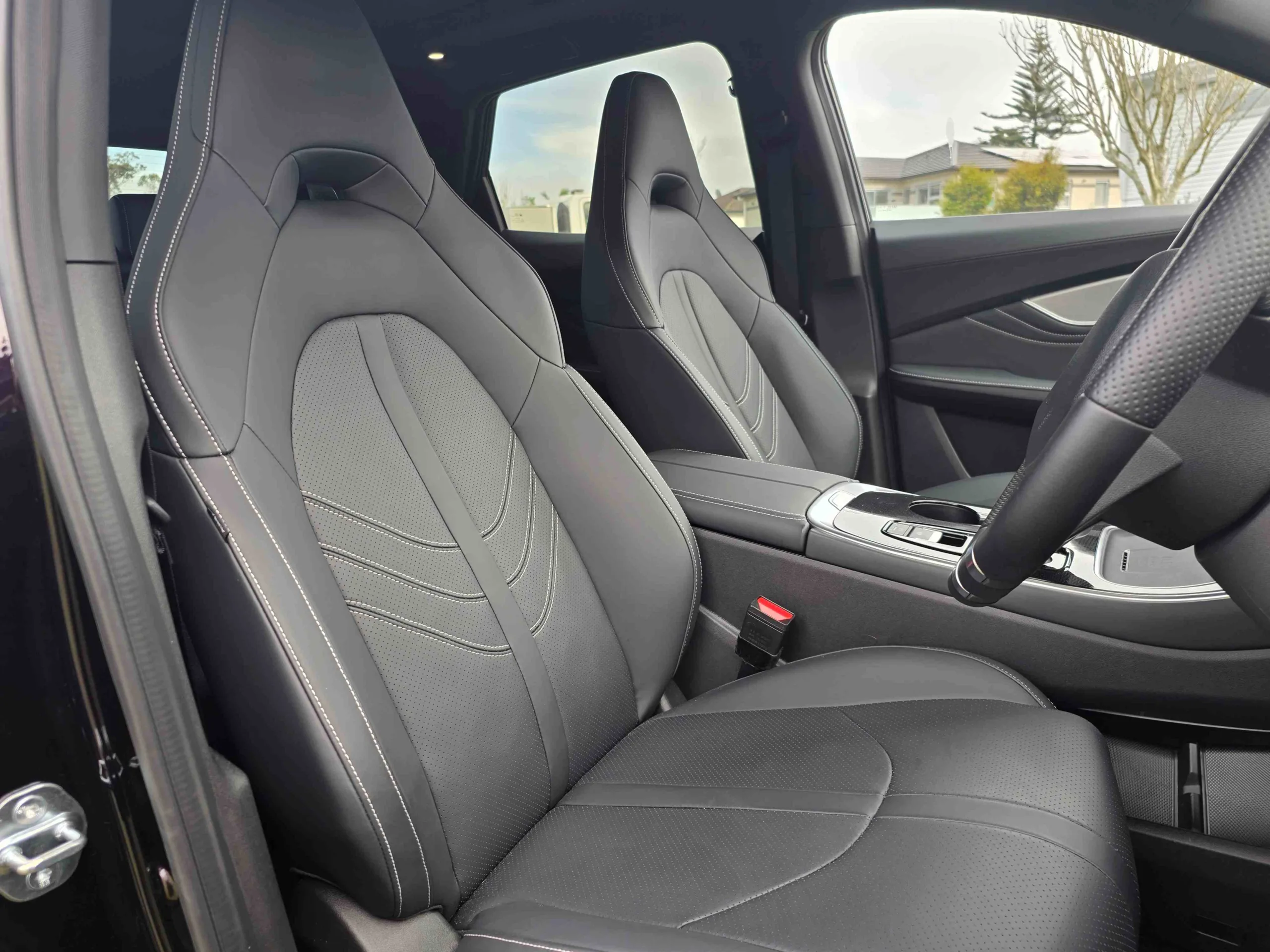
The seats are another pleasant surprise. They’re supportive, nicely bolstered and feature an attractive design that looks more upmarket than the price point might suggest. Whether you’re commuting across Auckland or tackling a weekend road trip through the Waikato, they’re comfortable enough to spend several hours in.
Visibility is generally very good. Forward vision is excellent, helped by a relatively commanding driving position, while the oversized exterior mirrors provide plenty of confidence when changing lanes.
The only compromise comes courtesy of that stylish sloping rear roofline, which slightly restricts rearward visibility. Fortunately, it’s hardly a deal-breaker thanks to an excellent camera system.
‘Taiment – More Helpful Than Flashy
Chinese manufacturers have quickly built a reputation for packing (too much) technology into their vehicles, and the Taikon continues that trend. But one of the highlights is undoubtedly the excellent 360-degree camera system.
Rather than simply being another box ticked on the specification sheet, it genuinely makes manoeuvring effortless. Parking in Malls becomes almost foolproof, and the camera resolution is impressively clear. Combined with the large mirrors, you rarely feel uncertain about what’s happening around the vehicle.
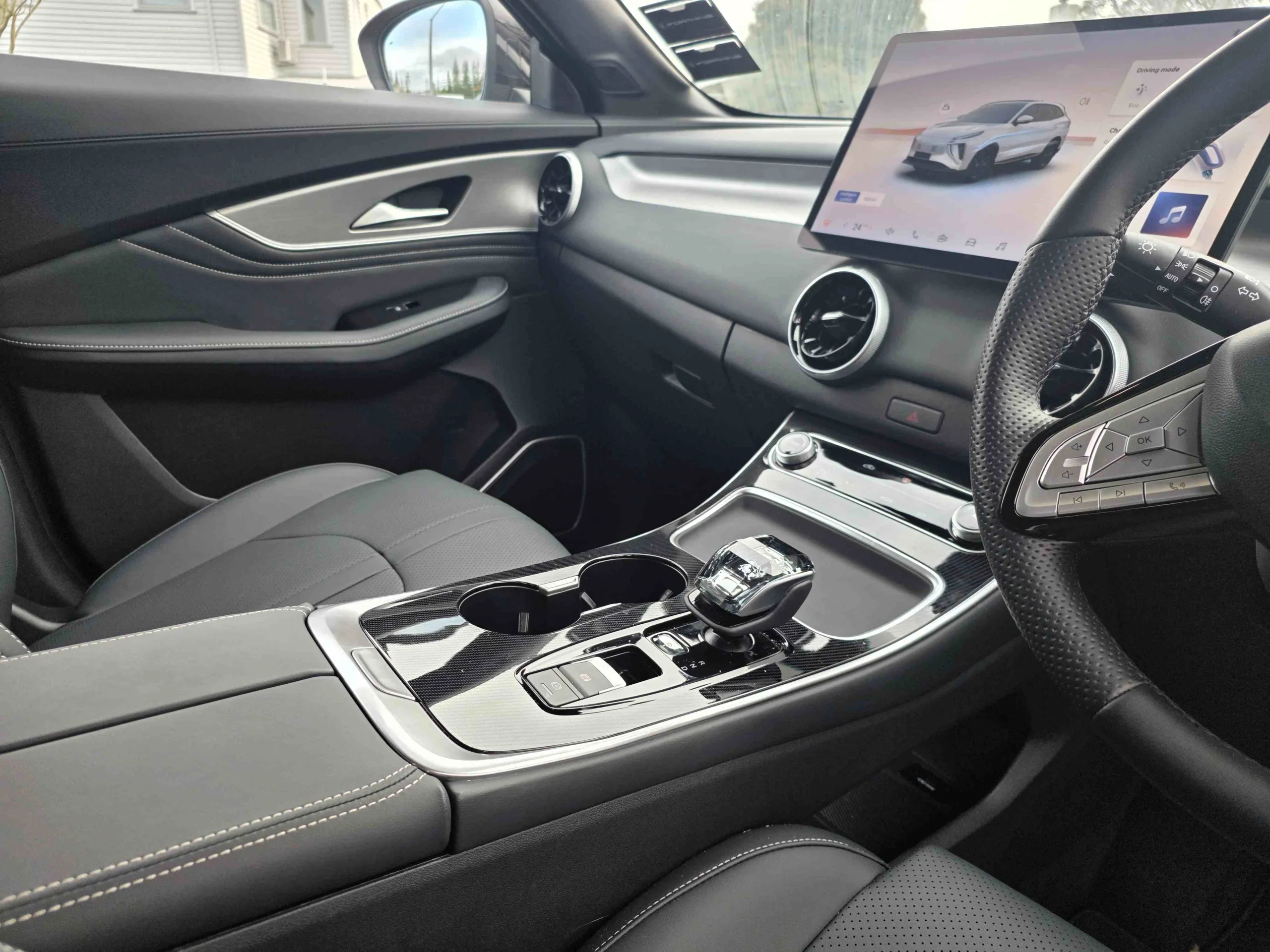
The steering wheel itself deserves a mention too. The silver multifunction buttons are attractively integrated and logically laid out, making it easy to adjust settings without taking your eyes off the road for too long.
That said, not every control feels equally refined. The indicator stalks and some of the switchgear have a firmer, slightly coarser action than you’d find in more expensive competitors. There’s a noticeable brittleness that reminds you this is still positioned as a value-focused SUV.
It’s less about poor quality and more about refinement. Everything works exactly as intended, it simply lacks that softer, damped feel found in premium brands. It’s a minor observation rather than a major criticism.
The Star Of The Show
If there’s one area where the Taikon genuinely exceeds expectations, it’s the powertrain. Hybrid systems can sometimes feel hesitant or overly focused on efficiency, often leaving you wishing for just a little more urgency. Not here. The Taikon’s hybrid setup feels impressively well calibrated.
Around town, it transitions smoothly between electric and petrol power, delivering effortless acceleration from low speeds. Even when pulling away gently from intersections, there’s enough immediate response to make city driving feel relaxed rather than sluggish.
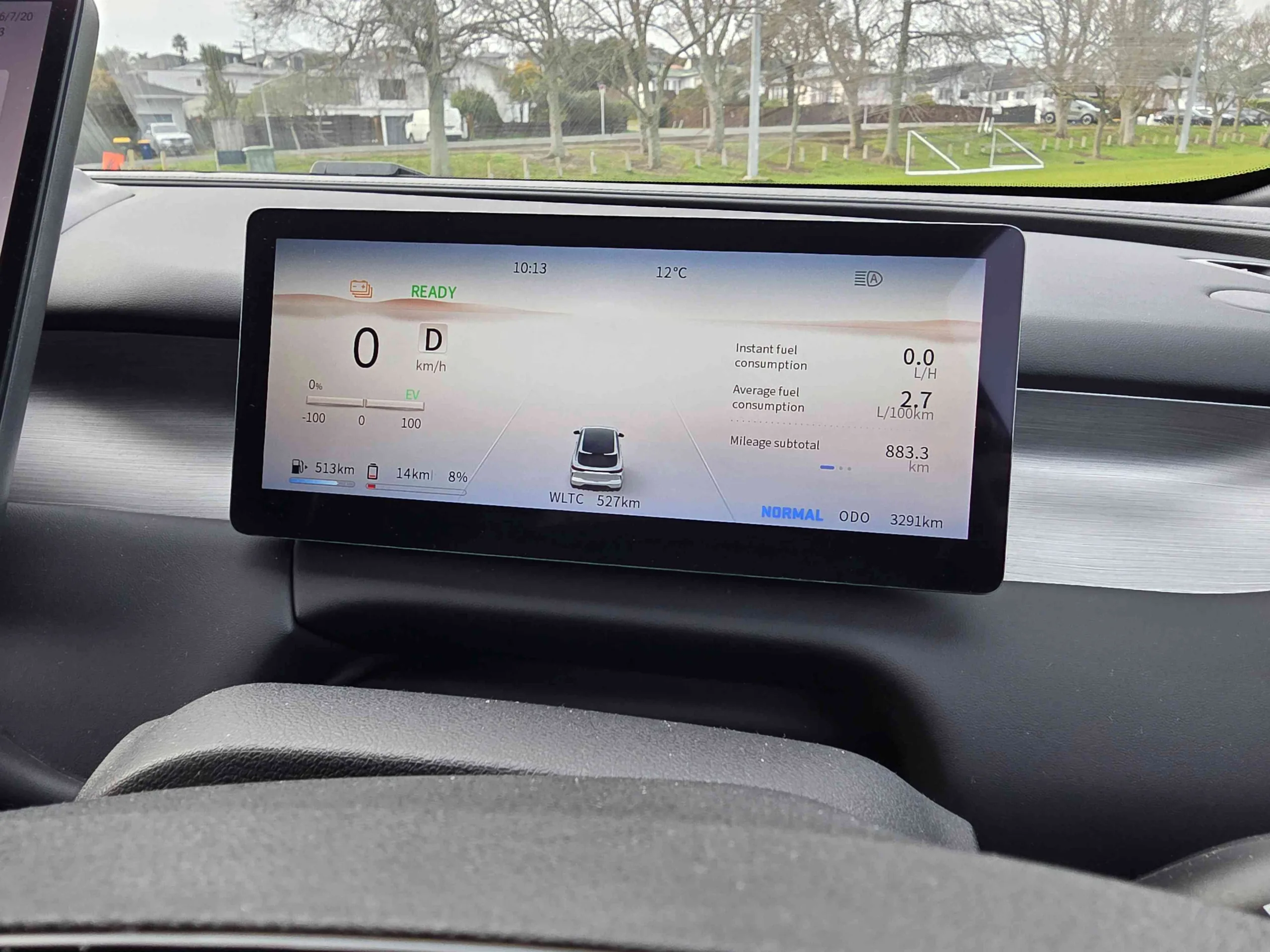
Perhaps most impressive is how naturally everything works together. There’s no obvious tug-of-war between petrol engine and electric motor. Instead, the system quietly goes about its business while maximising efficiency.
Drive modes include Eco, Normal and Sport. Eco clearly prioritises fuel economy, allowing the vehicle to settle into a relaxed rhythm that’s perfectly suited to everyday commuting. Normal strikes an effective balance between efficiency and responsiveness. Sport sharpens things noticeably, making overtaking and motorway merging easier without dramatically altering the vehicle’s personality.
Throughout the drive, the hybrid system consistently felt smooth, refined and remarkably competent. In fact, (and I don’t wish to sound surprised) it’s probably the biggest highlight of the entire vehicle.
Confidence Without Drama
On the road the Taikon isn’t trying to be a sports SUV, rightly it focuses on delivering an easy, confidence-inspiring driving experience that suits exactly what most owners will use it for.
The steering is pleasantly weighted and offers more feel than expected. You never mistake it for a hot hatch, but there’s enough communication coming through the wheel to give you some fun on winding country roads while remaining light enough for city manoeuvres.
Ride comfort is another strength. It absorbs bumps competently without feeling too floaty, striking a sensible balance between comfort and body control. Whether cruising along New Zealand’s open highways or navigating suburban streets riddled with speed humps and patched tarmac, it remains composed.
The hybrid system complements this personality beautifully. Power delivery feels linear and predictable, while the drivetrain remains impressively quiet during normal driving. There’s never any sense that the vehicle is working particularly hard. Instead, everything happens with an easy competence that quickly encourages you to relax behind the wheel.
Practicality For Kiwi Families
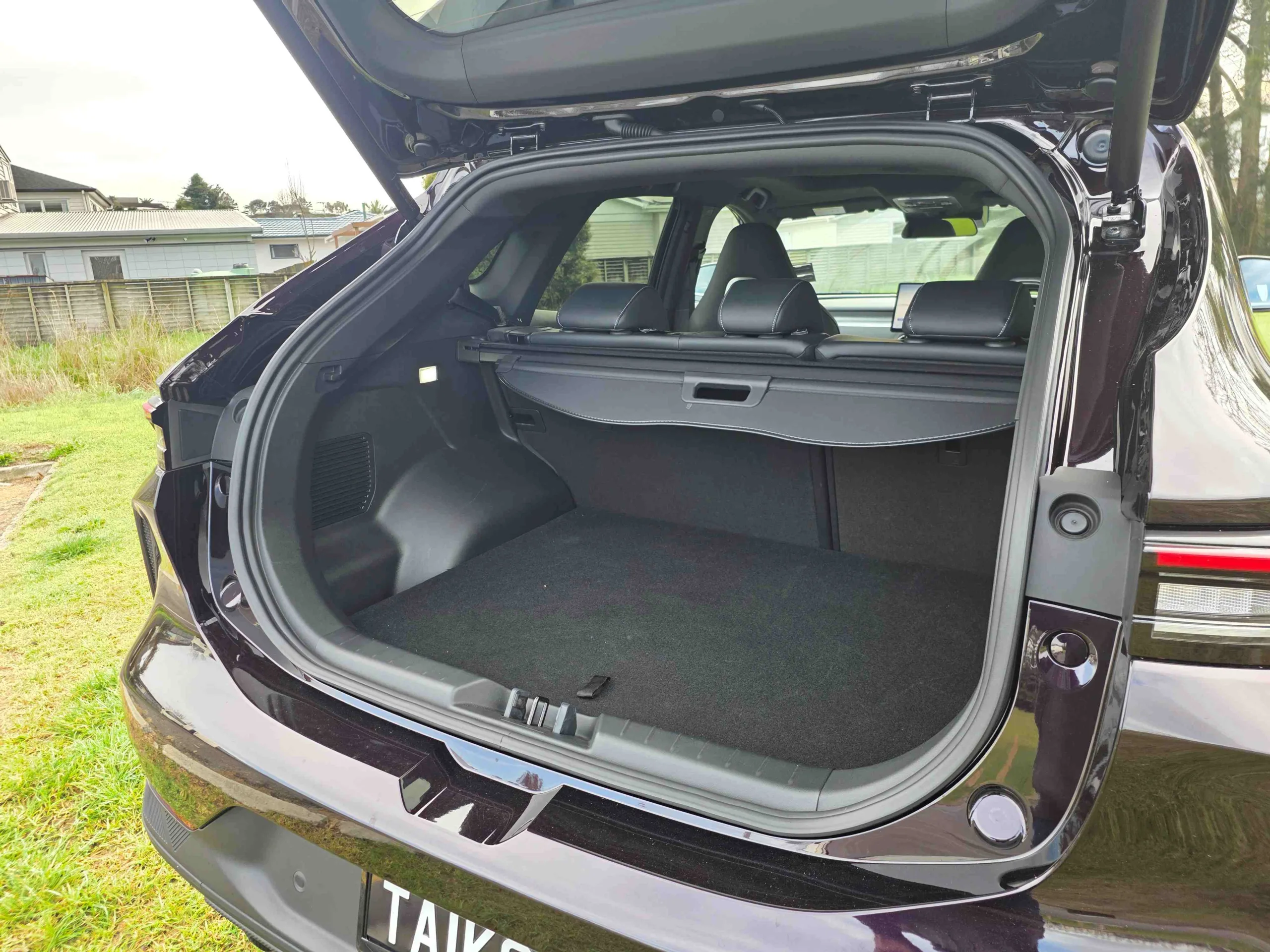
For many buyers, practicality matters more than lap times. The Taikon scores well here. The cabin feels spacious enough for everyday family duties, storage is sensibly arranged and those supportive front seats make longer journeys enjoyable.
The hybrid drivetrain should also help reduce fuel bills during the daily school run, making it an attractive option for budget-conscious households wanting SUV practicality without committing to a fully electric vehicle.
Tarmac Takeaway
The Forthing Taikon Exclusive isn’t trying to out-Tesla Tesla or out-BMW BMW. Instead, it’s quietly proving that Chinese manufacturers have matured considerably.
Sure, there are still reminders that this isn’t a luxury SUV. Some of the switchgear lacks the polish of more expensive rivals, and a few interior plastics reveal the vehicle’s value-focused positioning.
But those compromises are relatively small when viewed against everything else the Taikon delivers. It looks contemporary without being controversial. The cabin is comfortable and thoughtfully designed. Technology is genuinely useful rather than gimmicky. Most importantly, the hybrid powertrain is excellent, smooth, responsive and surprisingly refined.