When the Lexus RZ first arrived, it found itself carrying more baggage than most new EVs. Not because of anything it had done wrong, but because of the controversy surrounding the Toyota bZ4X that came before it. Fast forward to 2026, and with this revised model year for the RZ, and it’s clear that Toyota and Lexus have been listening, and I’m all here for it.
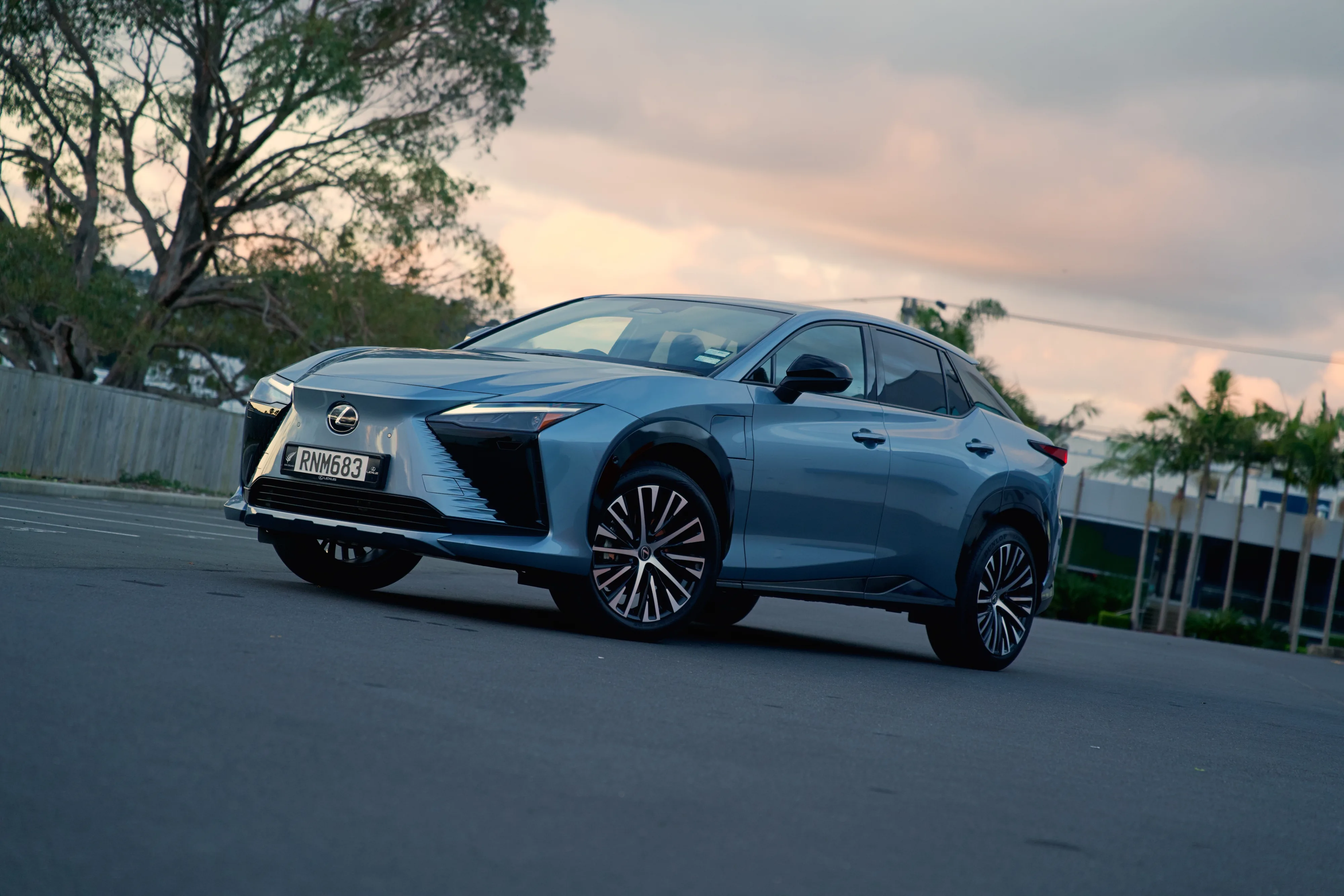
After spending time with both the RZ500e and the flagship RZ550e F Sport, what surprised me most wasn’t how different they looked on paper – there’s not a whole lot you could pick up from a spec sheet alone. It was how differently they approached the exact same mission of daily EV driving. Both are spacious, comfortable, premium electric SUVs built around the same platform. Both offer excellent interior quality, strong practicality and that refinement that Lexus has built its reputation on. The main unique proposition about each is that one is trying to make EV ownership easier, while the other is trying to make EVs more interesting, and it’s not just through what meets the eye.
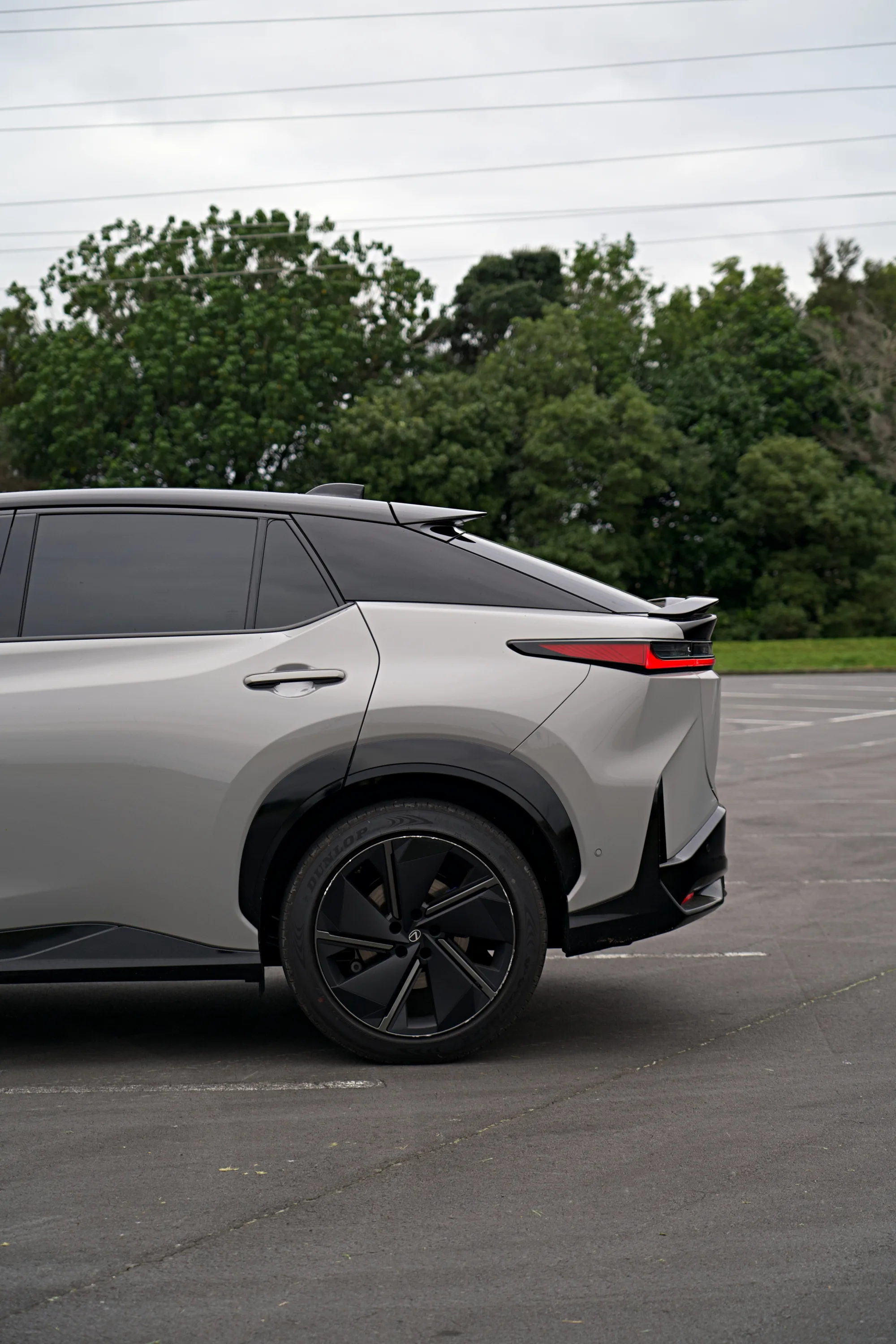
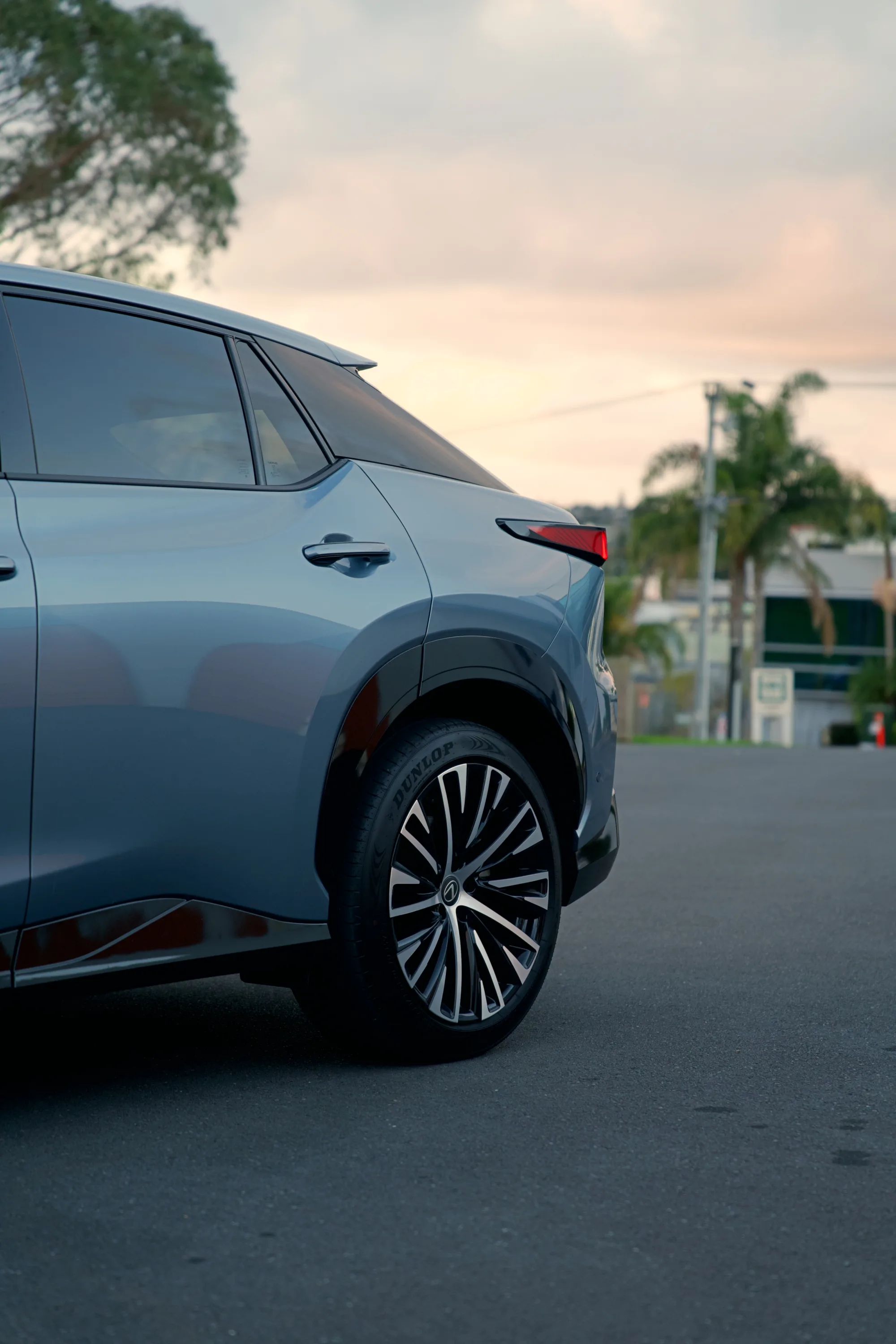
Visually, I actually found myself preferring the standard RZ500e. That’s not something I often say when comparing a standard model to its sportier counterpart, but the cleaner single tone paintwork and more elegant wheel choice suit the design so well that it would be my choice.
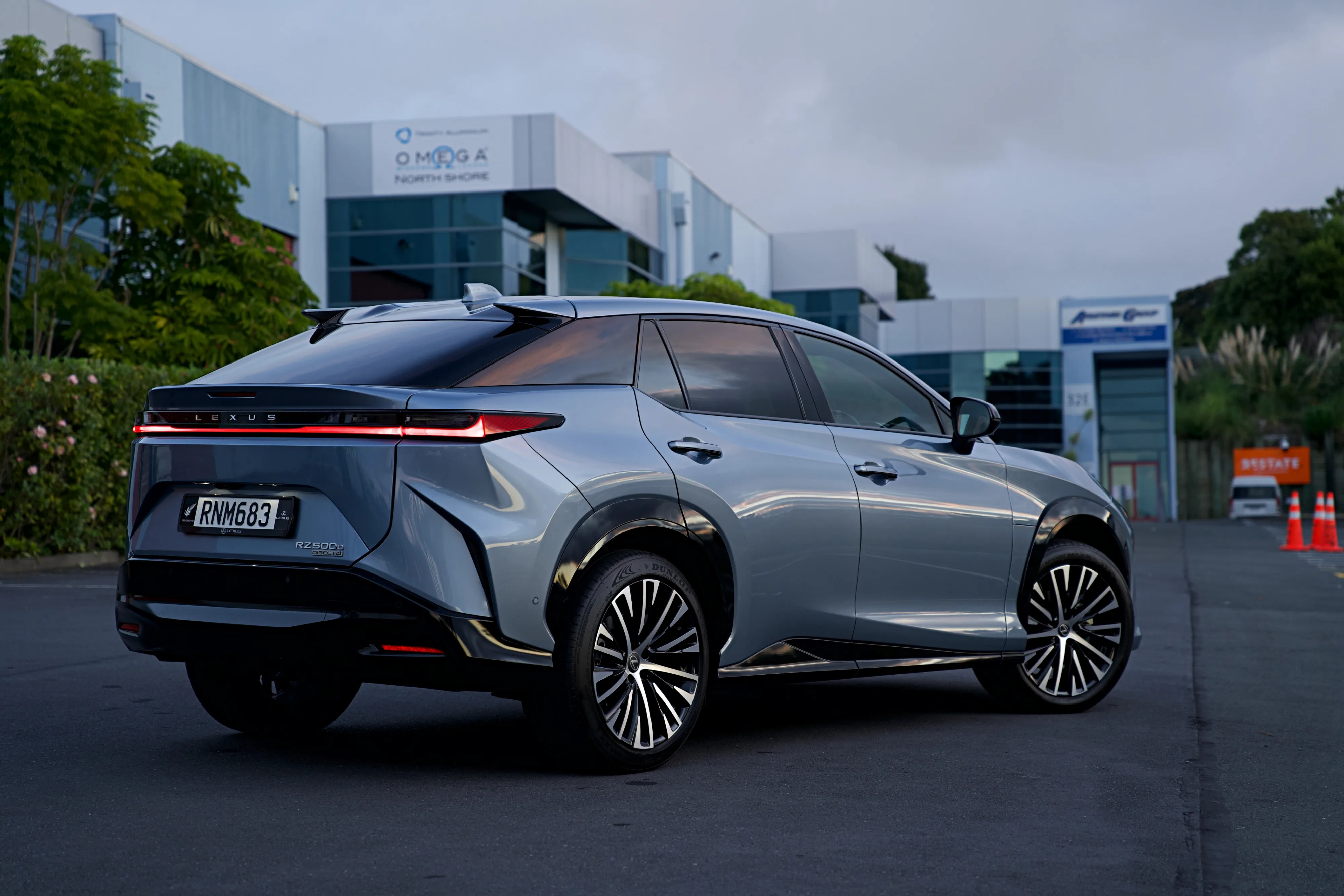
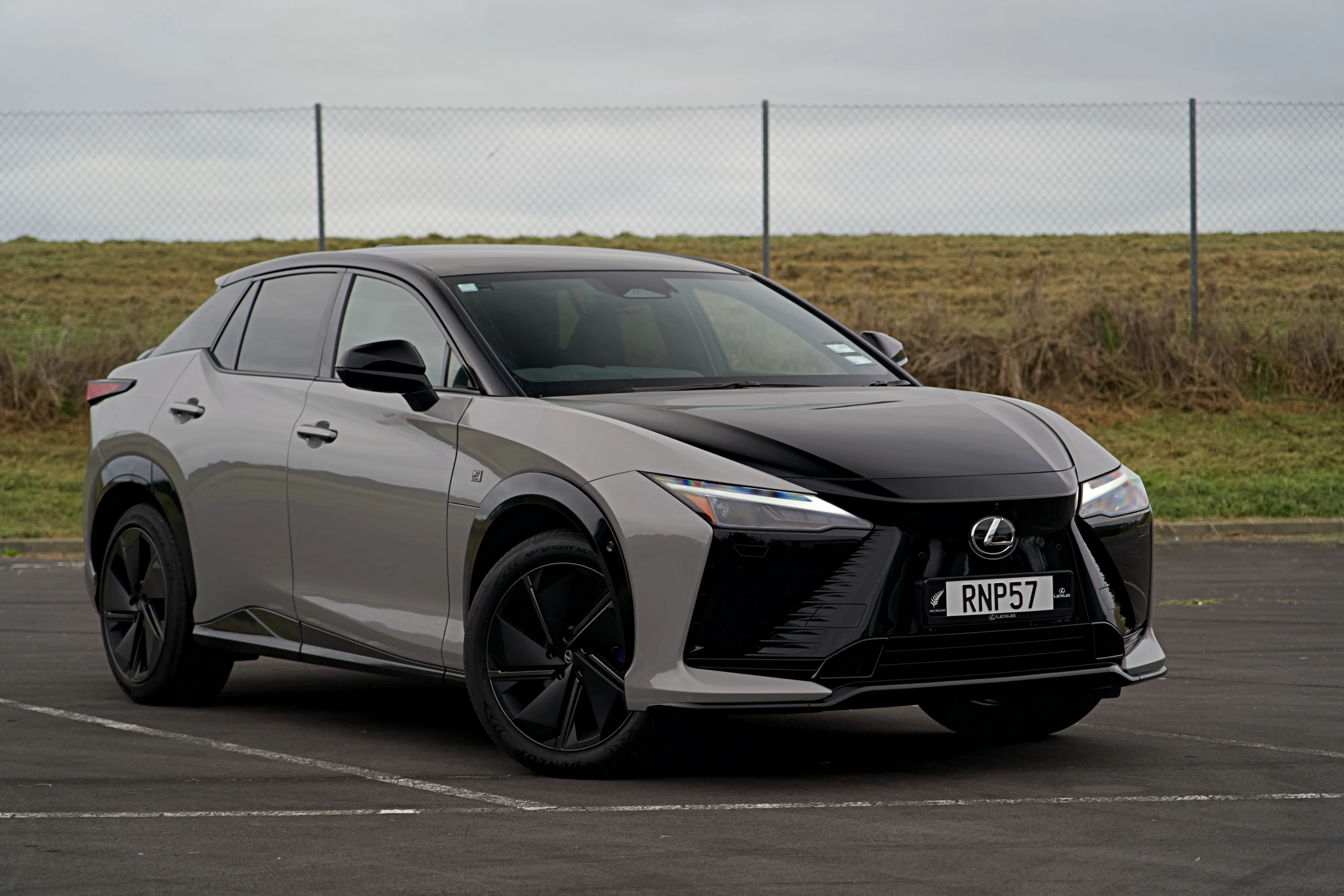
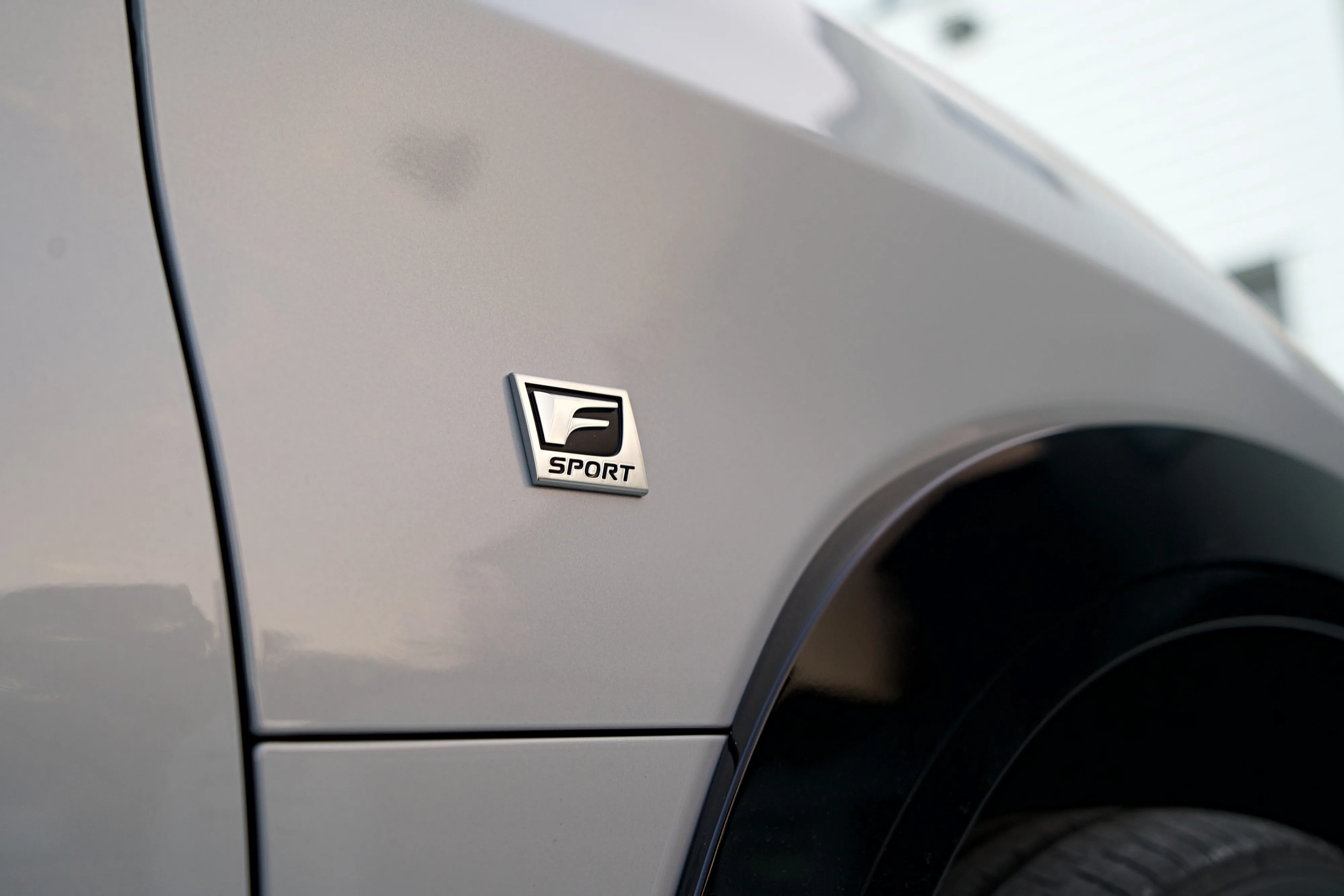
The F Sport undoubtedly looks more aggressive with its larger wheels, dual-tone paint and unique styling elements, making the statement expected from the badge, so it’s great to have that level of variability within the range. But inside, regardless of spec, both continue to impress.
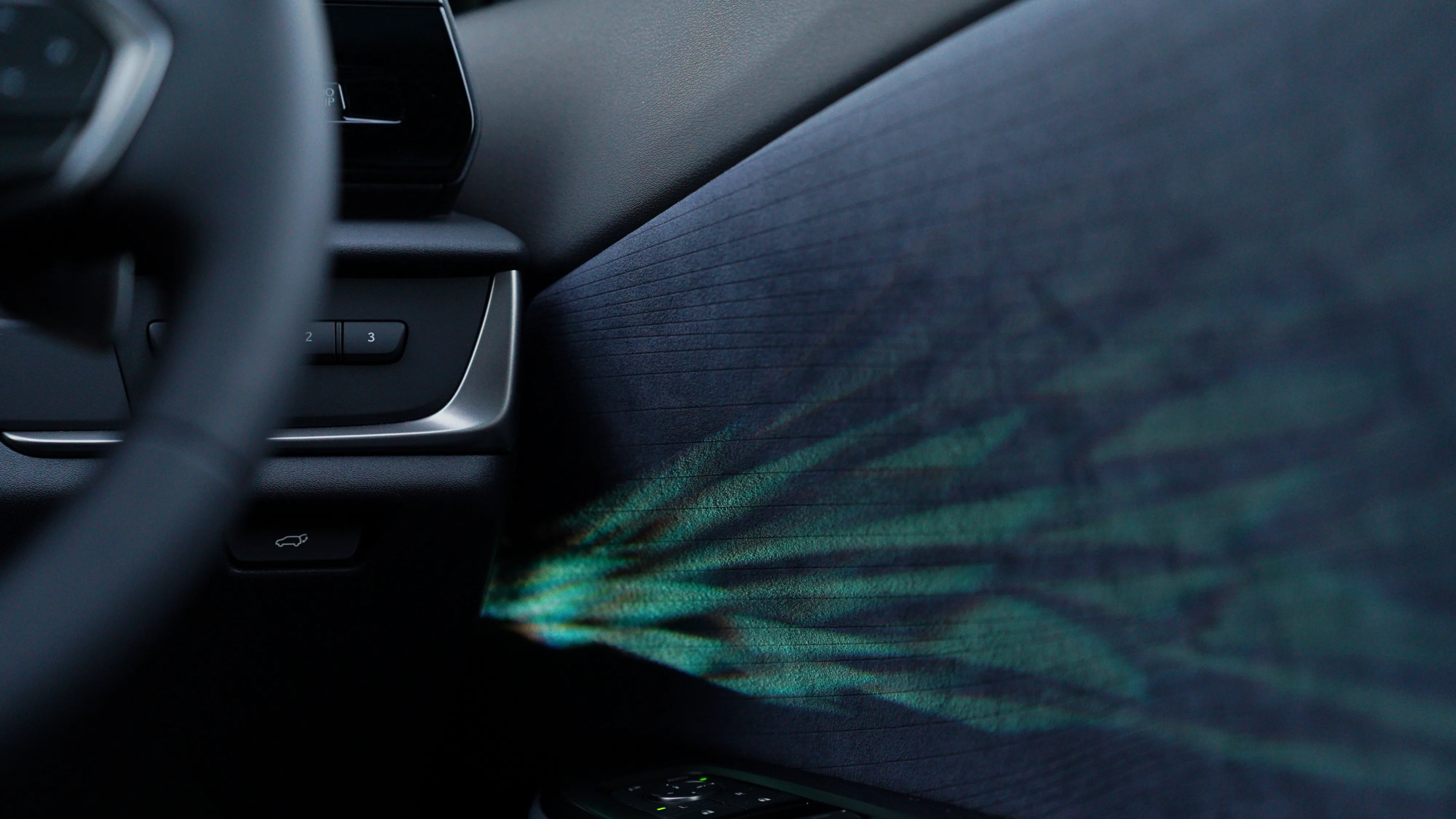
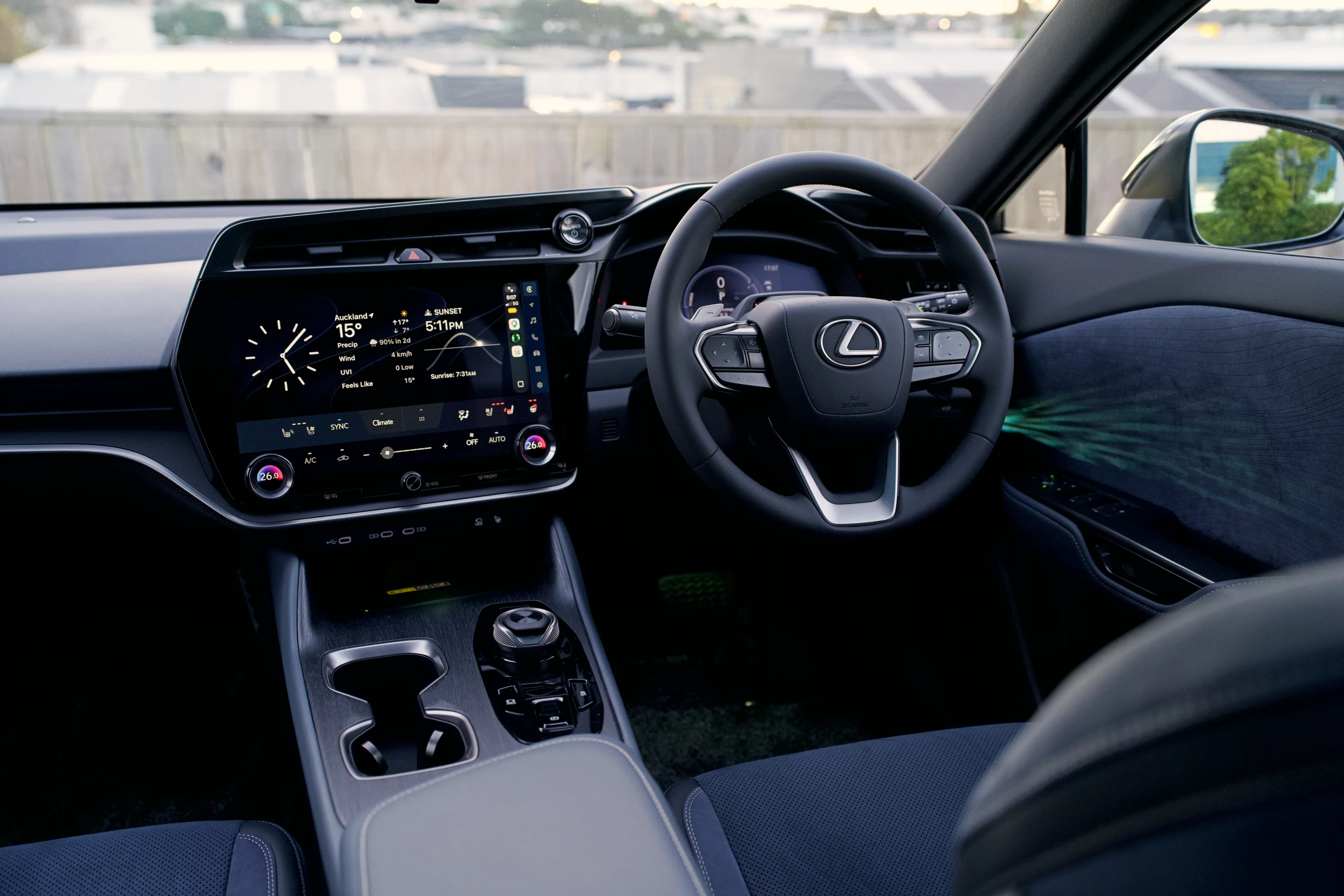
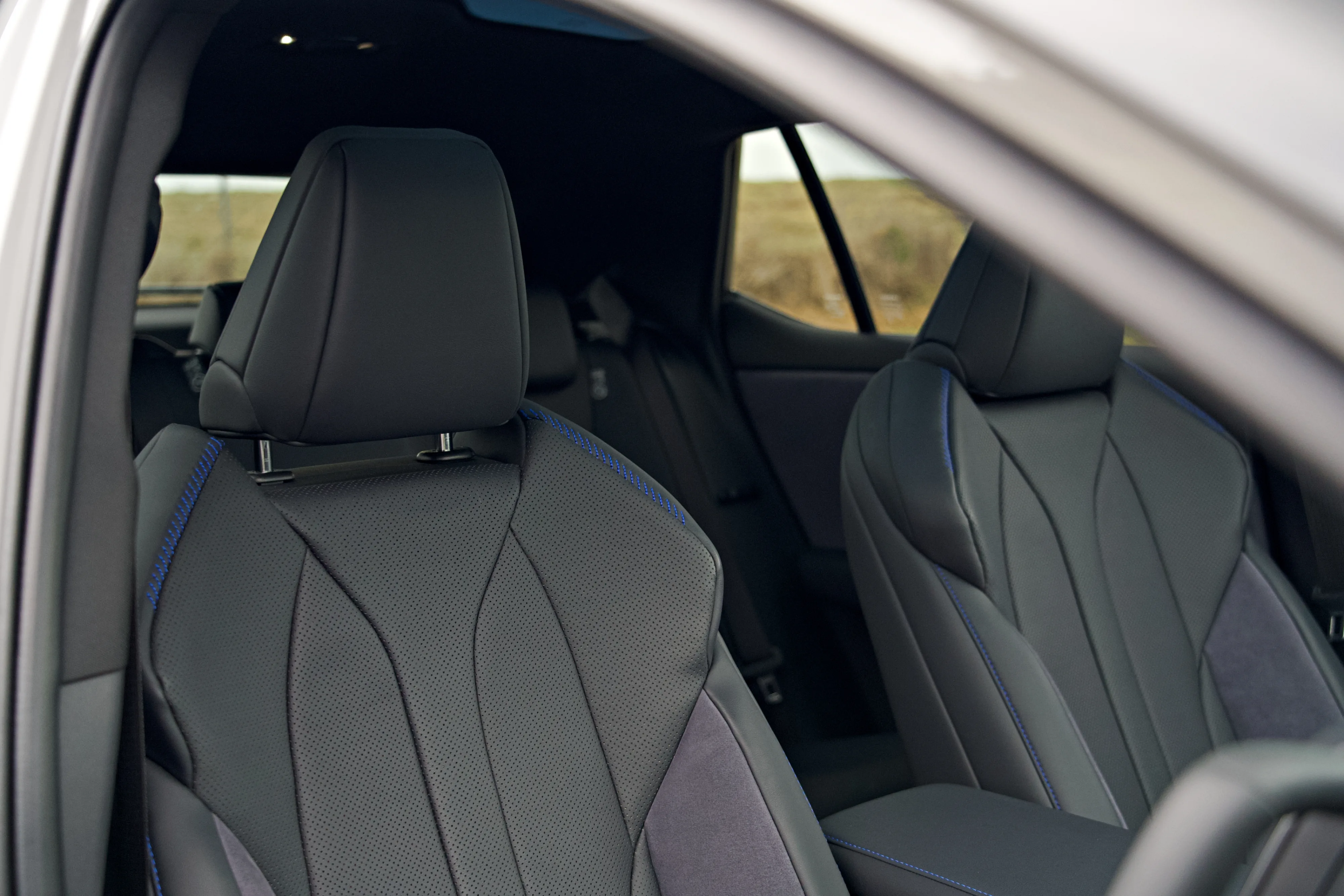
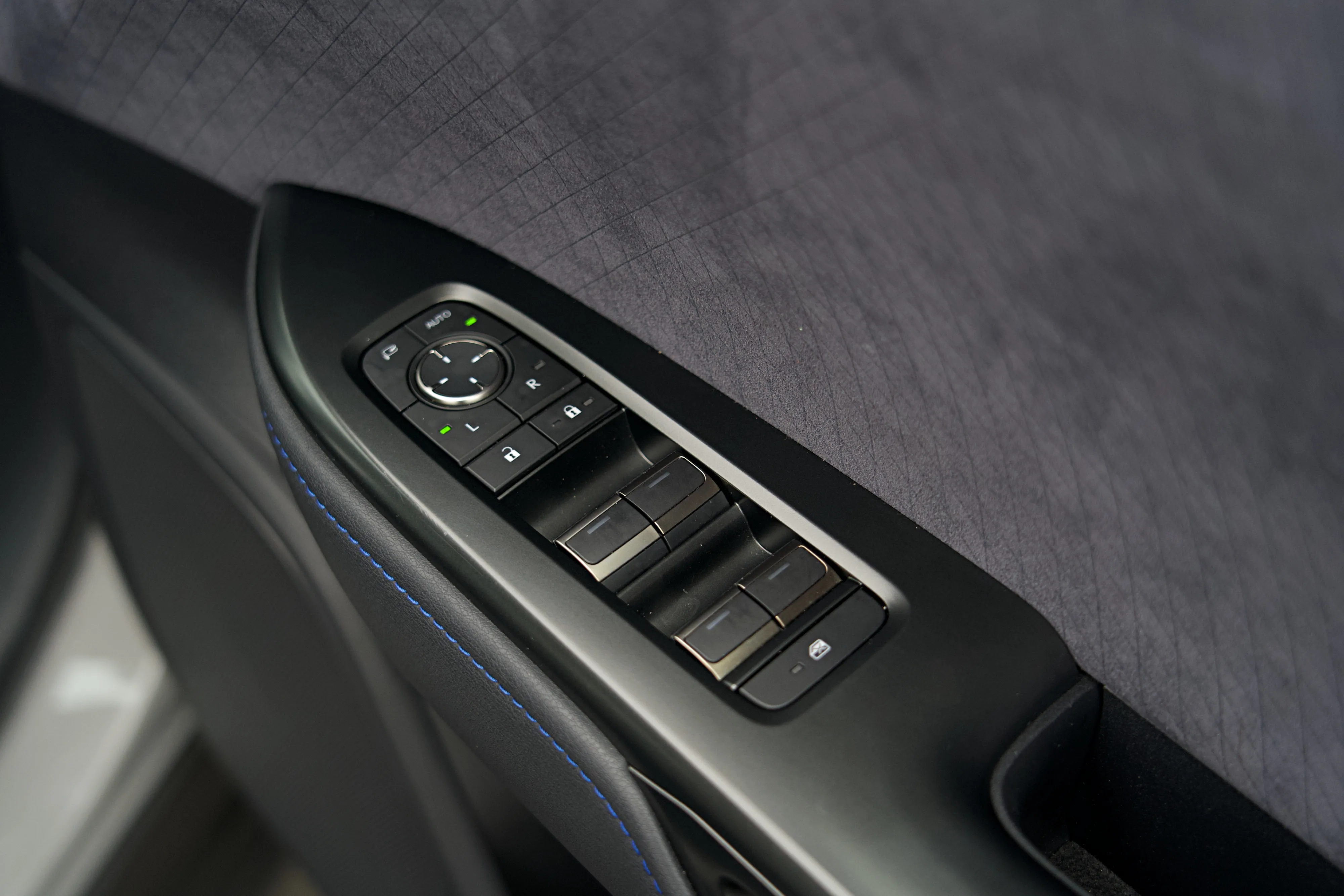
Material quality is excellent, space is generous, and the clever use of sustainable materials gives the cabins a distinctly modern character. The F Sport leans into synthetic leather and performance inspired touches, while the 500e adopts a softer, more luxurious atmosphere with its suede heavy seats and lighter colour palette. The blue on blue combination of the 500 is gorgeous (Lexus knows their blues!), and while I know the projected LED ambient lighting on the doors is a way to do away with the more complex door card finishing they used to have, it still adds some character to it.
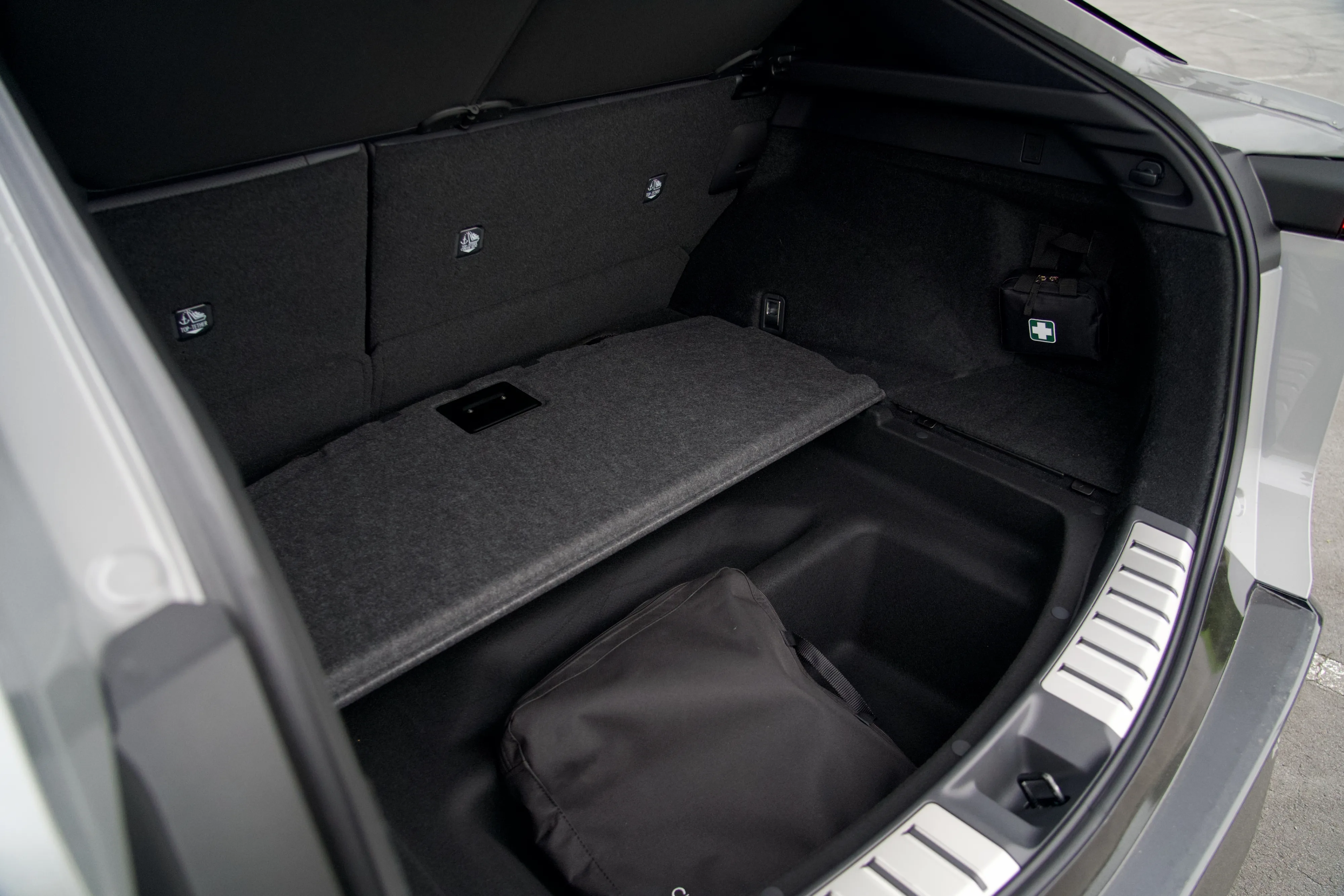
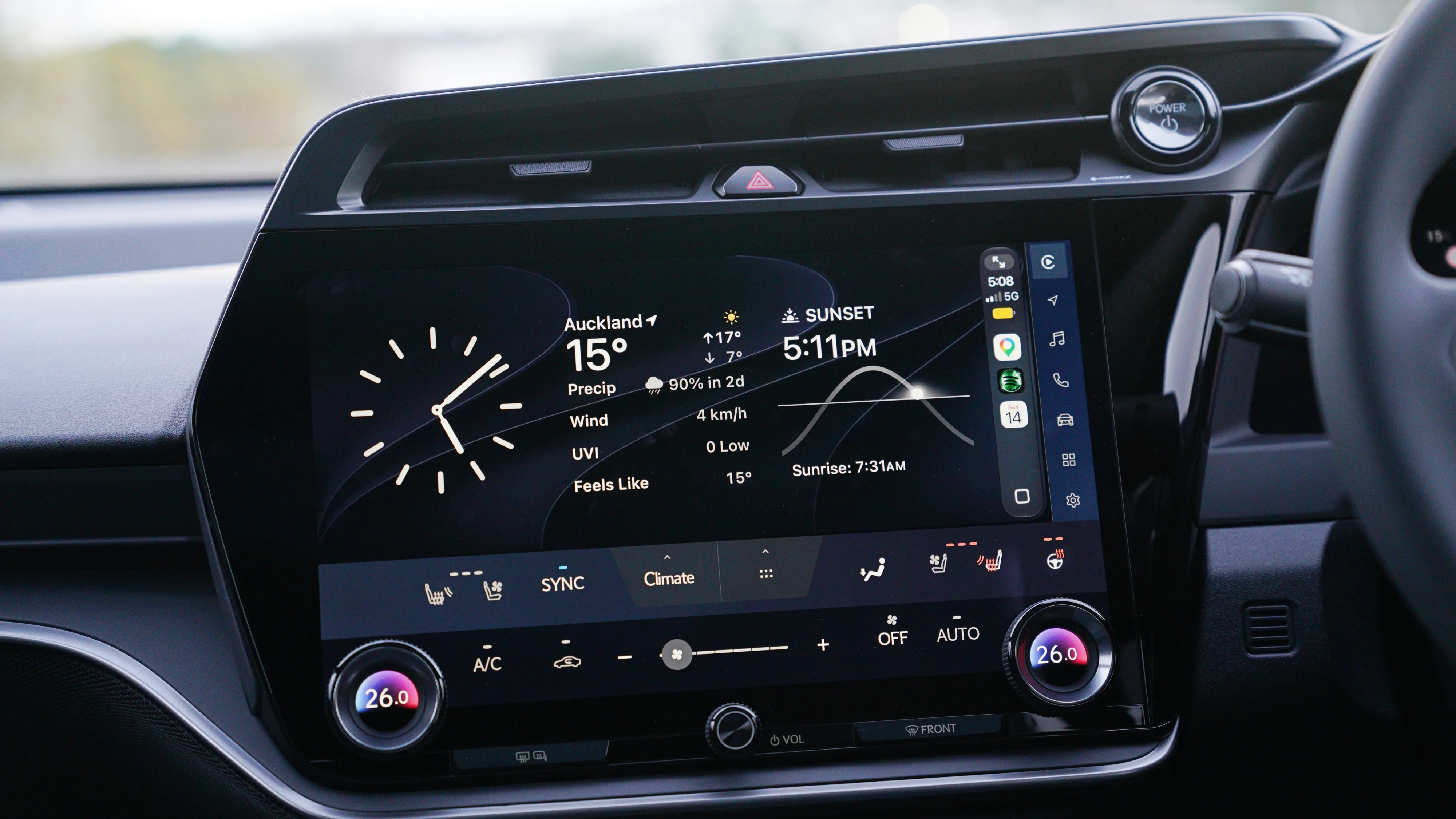
Both are comfortable, practical, and unmistakably Lexus. Loads of space, quietness, a great sound system, and touchpoints and switchgear that feels expensive and well put together. The biggest divergence comes once you sit behind the wheel, which you can only do in one of them.
That’s because the F Sport introduces Lexus’ steer-by-wire system and yoke steering “wheel”, and it is the star of the interior – it’s just impossible to be indifferent to it. And while it initially feels strange, it quickly becomes one of the most fascinating pieces of technology I’ve tried recently. That’s hyperbolic, I know, but I mean it: if all cars were built like this and then someone showed up with a steering wheel, we’d think they’re insane; There’s a reason F1 cars use yokes like these.
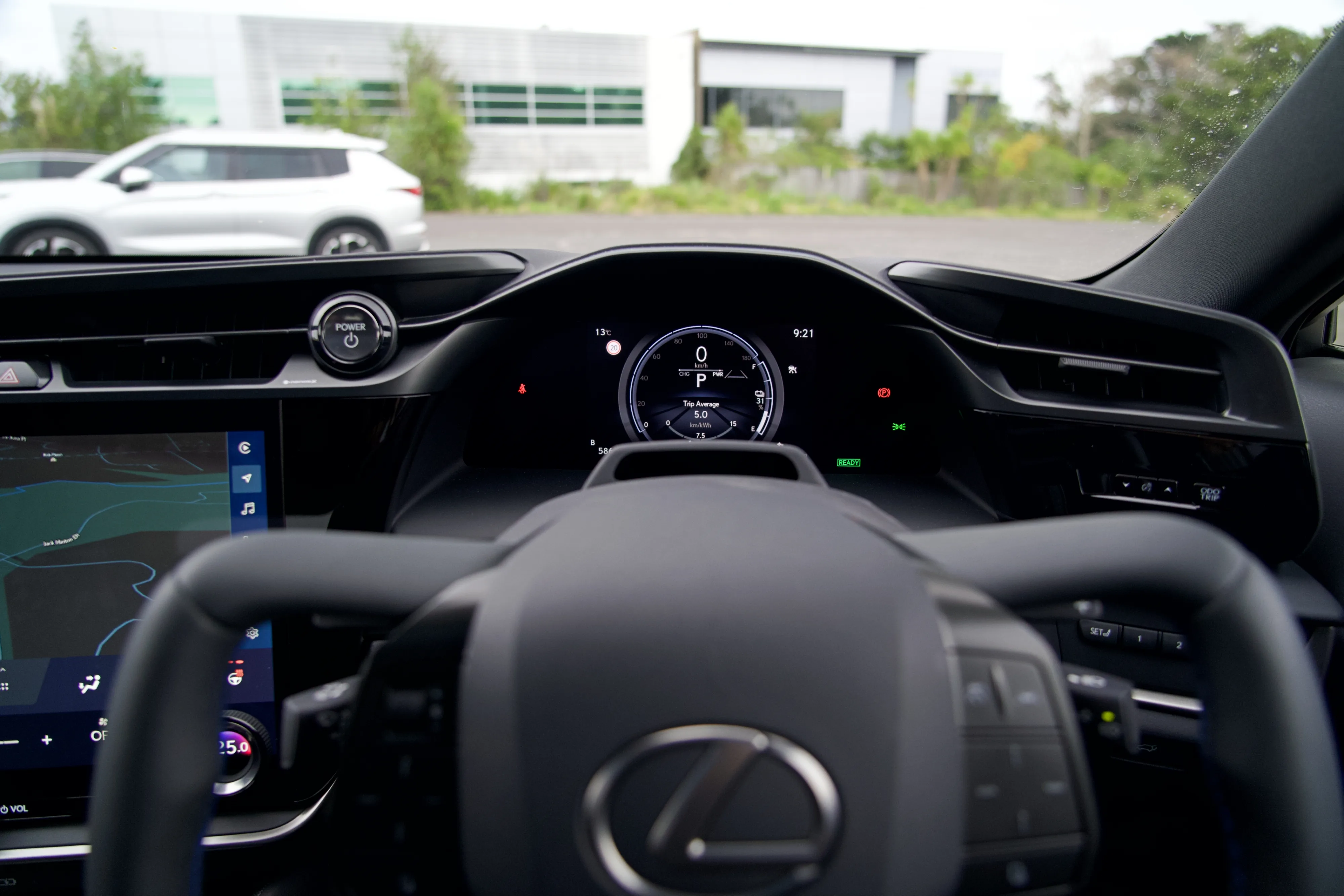
“But F1 cars don’t have to parallel park or take roundabouts”, you might say. And you’d be correct, but Lexus has thought about that, too: the super sensitive variable ratio of the yoke means that in slow speeds, the wheels move so fast that you would be led to think the F Sport has rear wheel steer.
There is no hand-over-hand steering, you are never required to take your hands off 3 and 9 position, regardless of the maneuver. And still under the first day of having the car, it started making conventional steering wheels feel almost oddly outdated. Your mileage here will vastly vary depending on your appetite to literally reinventing the wheel, so make sure you try different scenarios when test driving it. We have gone in a lot more detail about this system, and how revolutionary it is, in our full video review you can find here:
The standard RZ500e, meanwhile, retains a traditional wheel and steering system. It is easier to understand immediately, but after jumping back and forth between the two, I almost found the steering too slow. City manoeuvres require more effort, more steering input and more wheel movement than the yoke-equipped car. Who would have known that I would get used to quickly?
Then there is the F Sport’s simulated manual mode. It’s very artificial and gimmicky (I mean that in the best way possible, and that’s precisely why enjoyed it. Going for the whimsical simulation is the best way to do it, so it immediately disarms any kind of criticism of it not feeling like the real deal.
As I might have said in other articles, I completely get the criticism with sporty EVs, let alone SUVs. Add to that “fake” shifting, and it becomes a pariah for most enthusiasts. Still, I appreciate having more choice, more whimsy, and adding a slice of engagement to your daily commute. The ability to mimic gear shifts, complete with inexistent rev limits and shift timing, adds a layer of interaction that many EVs simply lack. Objectively it doesn’t make the vehicle faster, and in some situations it arguably makes it worse.
But emotionally? It makes it far more interesting. It even has the shifting signature that you get in the automatic GR family, such as the Yaris and Corolla, with a big lurch forward once the new “gear” is ready.
The problem is that all of those additional toys come with a compromise: range. During my time with the RZ550e F Sport, achieving the claimed range figures felt almost impossible. Even though I am usually very efficient when driving EVs (thanks to my Gen 1 Leaf), real world driving consistently pointed toward figures much lower than Lexus’ official numbers.
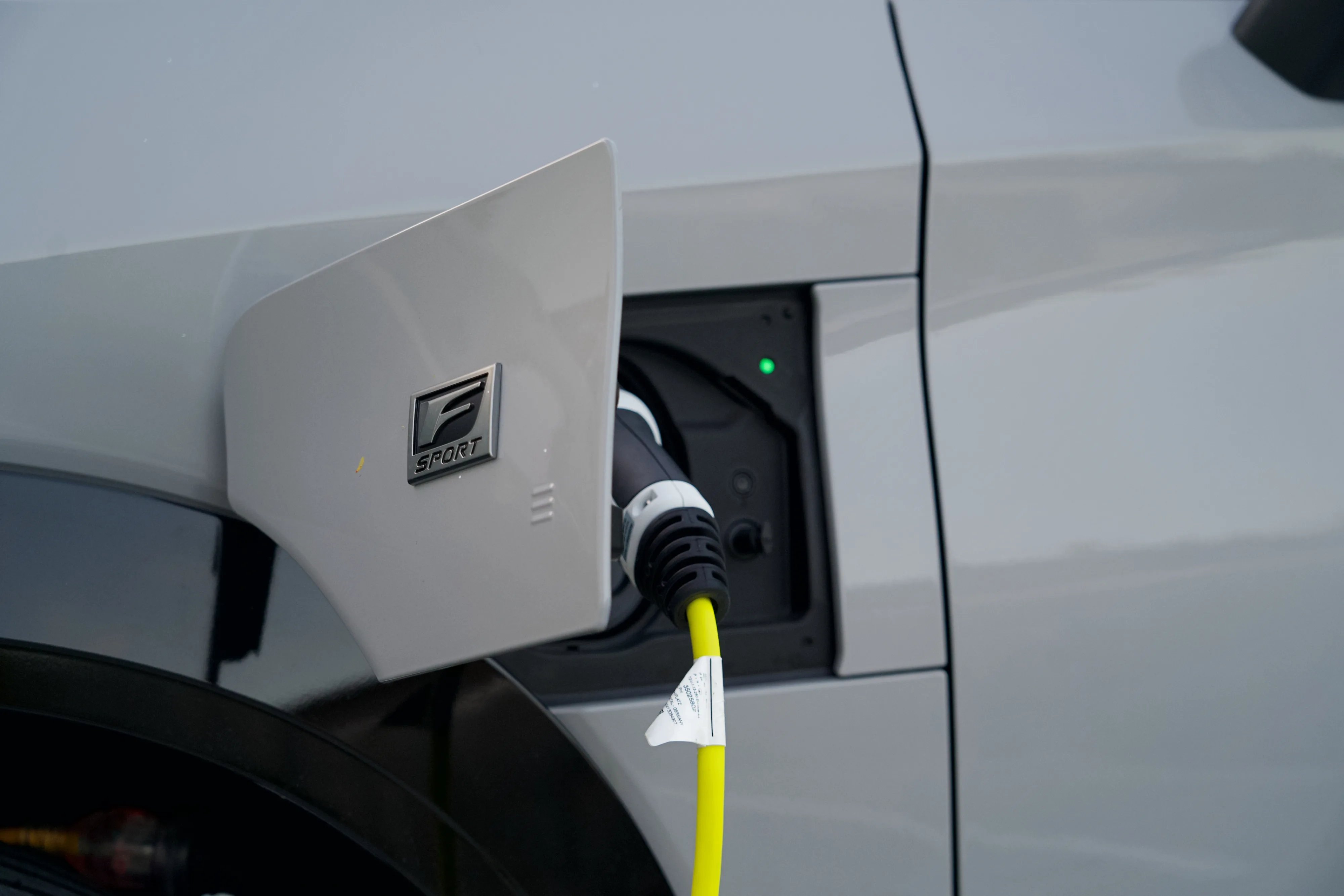
The RZ500e, on the other hand, proved dramatically easier to hypermile. Without making any conscious effort to drive efficiently, it was already tracking very close to its claimed 430 kilometre range.
Both of them are great on the road, with the confidence inspiring, predictable driving signature you’d expect from SUVs from Lexus, especially with batteries mounted down low and powerful motors on both axles. They are calibrated for consistency, smooth delivery of power and relaxed driving even at pace. That said, the RZ550e F Sport is the clear enthusiast’s choice. It is for somebody who wants to experience Lexus experimenting with what the future of EV engagement might look like.
The RZ500e is the rational choice, keeping all the comfort, quality, practicality and refinement that make the RZ appealing in the first place while delivering the experience we normally primarily associate with Lexus, while range figures stay more realistic in day-to-day use.
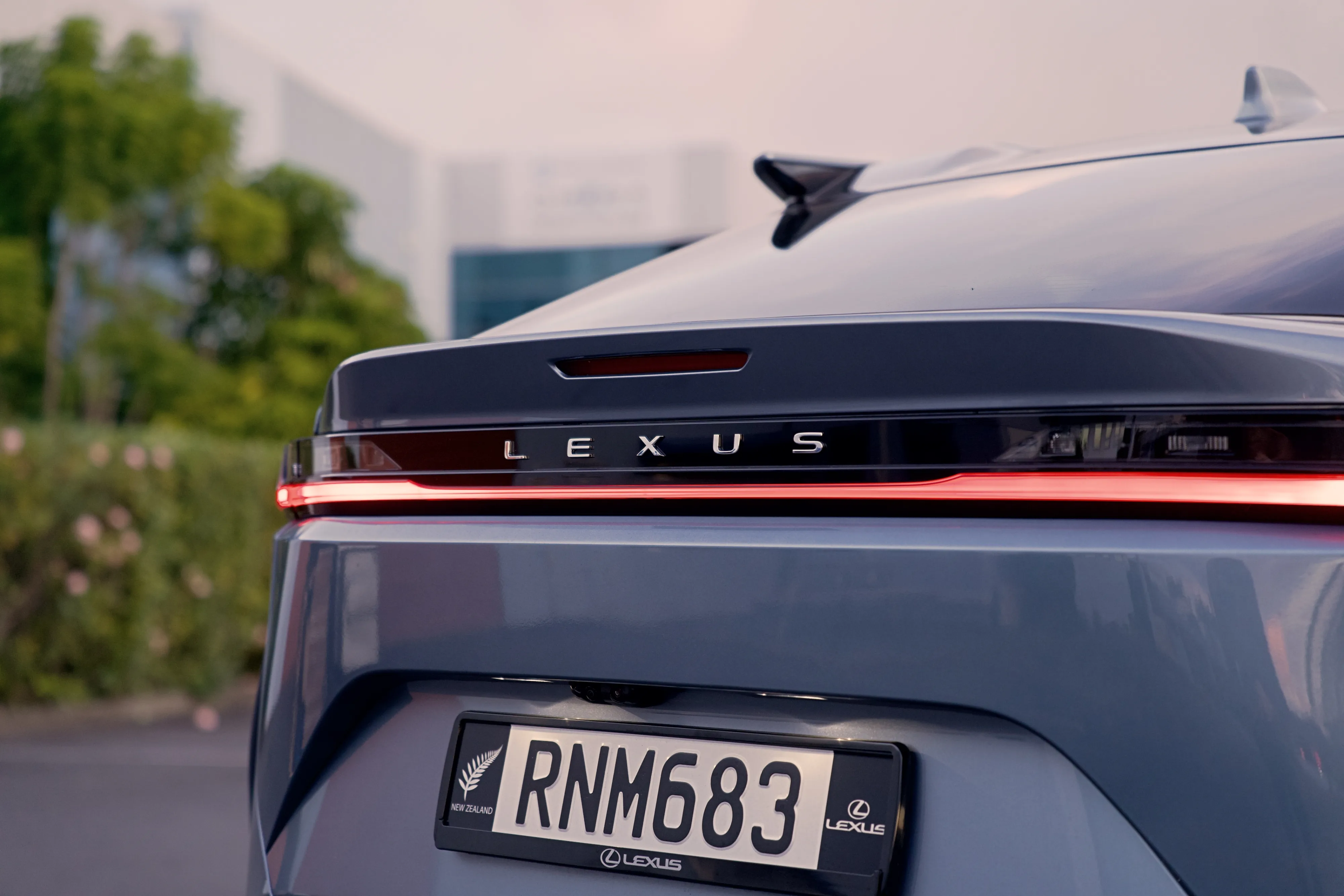
What strikes me as the most interesting thing after my time with it, is that I can absolutely get why someone would choose either one of them. I genuinely admire what Lexus is attempting with the F Sport, as I understand that many people want a luxury EV SUV, but don’t want it to look and drive like a soulless pod, and these changes are way more than enough for this to feel like a special entry to the segment. But I also get that we are a minuscule slice of the market, and for the other 99%, Lexus has a very compelling sensory pod – I suspect the RZ500e will end up being the better fit for more people, although the interest on the yoke has been surprising even to them.
Perhaps that assessment is the biggest compliment I can give these cars. And therein lies the dilemma: are you willing to trade better range for that added power, engagement, and driving around in what is our current view of the future of EV driving? Or would you rather something that stirs the pot a bit less, and does both the EV SUV and the Lexus things so well. Whichever way you go, the RZ is worthy of our attention, and I’m really curious to see where the brand takes their newfound interest in EV engagement. LFA, anyone?