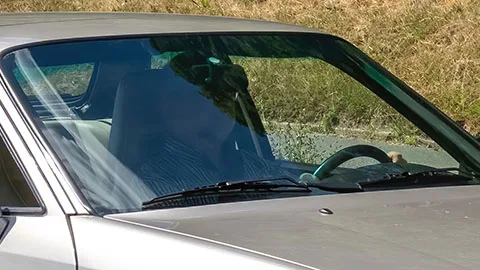
Sunday 5 July 2026, and here we are again with another instalment of the Cardle of the Day series, our daily ritual of squinting at progressively less cropped photographs until that Aha moment. And this is what we had for a start today.
If you haven’t played Cardle before, the premise is beautifully simple: one car is revealed across five photo clues, each a little wider than the last. You can guess at any point or skip a clue to see more. Get it in one and you’re a genius. Need all five and you’re in good company.
Today’s opening clue was, as is tradition, almost aggressively unhelpful. The tight windscreen crop, for me, was completely useless. The sharp panel creases gave an indication of the era of the car, but as riddles go, it was a masterclass in disguising that the car was.
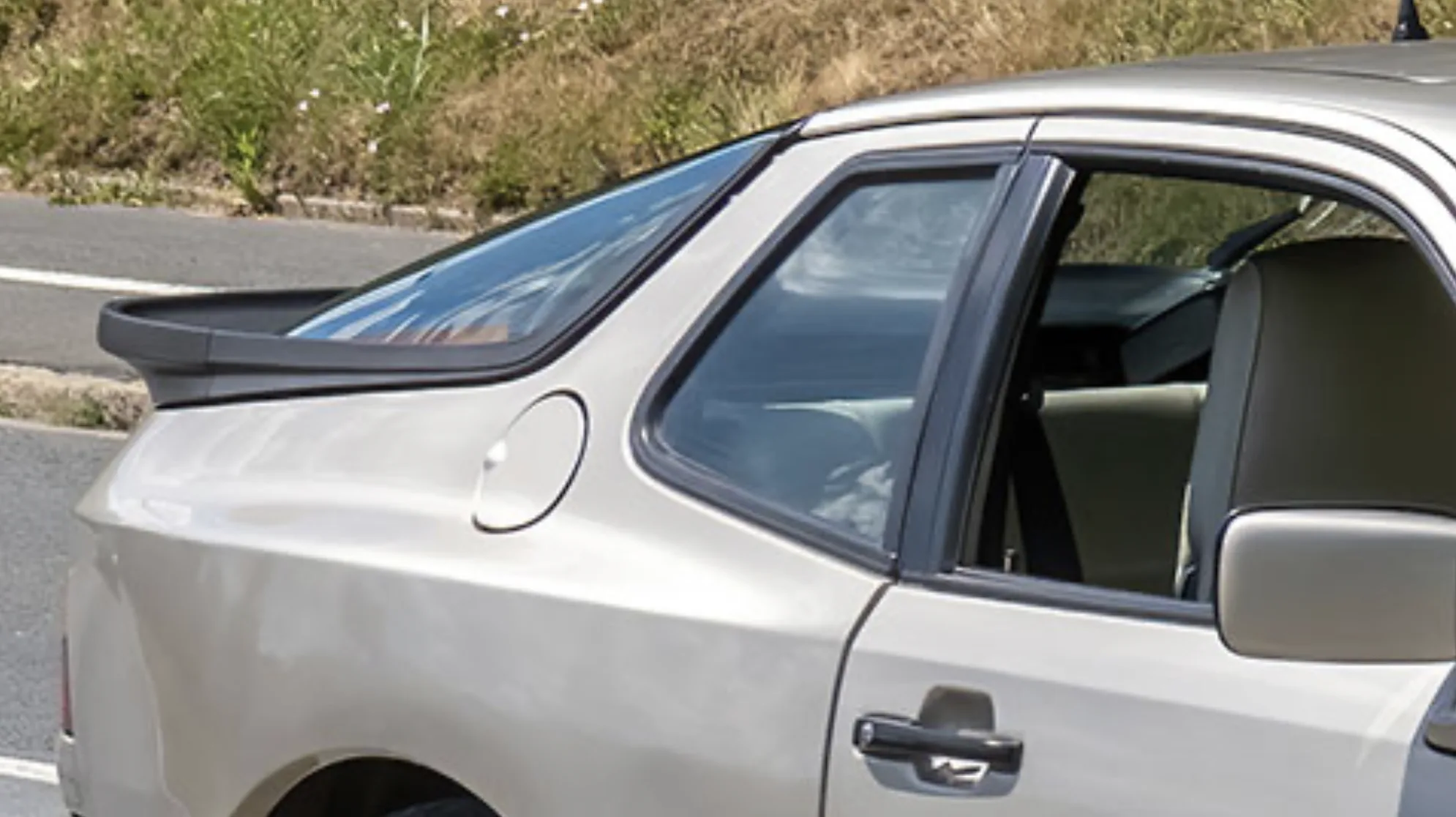
But clue number two completely changed things over. That rear three quarter view is absolutely unmistakable, so it was more about getting the right generation and trim level. I eventually did, and got to the Porsche 944 Turbo.
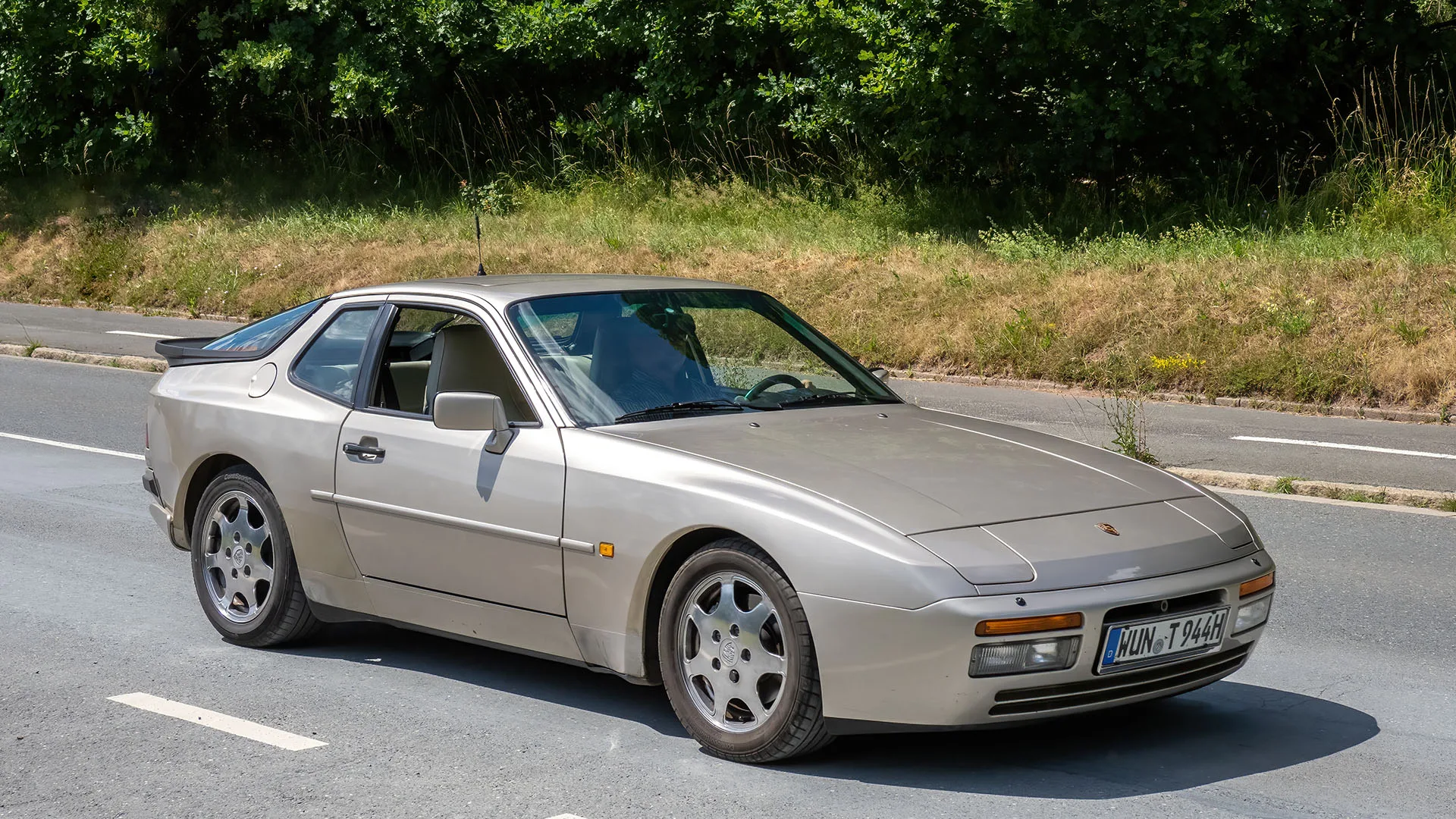
Porsche’s oddbal
The 944 Turbo, known internally at Porsche as the 951 to complicate matters even more, arrived in 1985 and immediately repositioned what a front engined Porsche could be. It used a turbocharged version of the 2.5-litre four-cylinder engine that had already proven itself in the standard 944, pushing output to 220 horsepower in its original form. That was enough to carry it from zero to 100 km/h in around six seconds, genuinely quick for the mid 80s.
What made the 951 particularly notable wasn’t just the power figure. Porsche engineered it with a torsion bar suspension setup and near-perfect 50/50 weight distribution, giving it handling credentials that embarrassed more expensive machinery of the era. It was also the first production car to use an airbag as standard equipment in the United States market, a detail that tends to surprise people who think of it purely as a driver’s car.
The 944 Turbo used a water cooled inline-four derived from half of the 928’s V8 block. Produced from 1985 to 1991, with the later S variant went as far as to produce 250 horsepower. Its drag coefficient of 0.33 Cd was considered exceptional for a performance car of its time.
The 944 Turbo has spent decades in the shadow of the 911, which is perhaps the most unfair fate in the enthusiast car world. it is a real oddball in the market, as people tend to look for other experiences that FR layouts when it comes to the German brand. However, values have climbed steadily as buyers recognise what was always there: a properly engineered, genuinely fast, and surprisingly practical sports car that Porsche built with real intent rather than as a stopgap. See you tomorrow!