Twenty-five years in, BMW’s X5 has undergone its most comprehensive reinvention yet. The fifth-generation model adopts the Neue Klasse design language and, for the first time, adds a pure-electric variant to the range — making it the first BMW to offer every powertrain type from a single shared architecture.
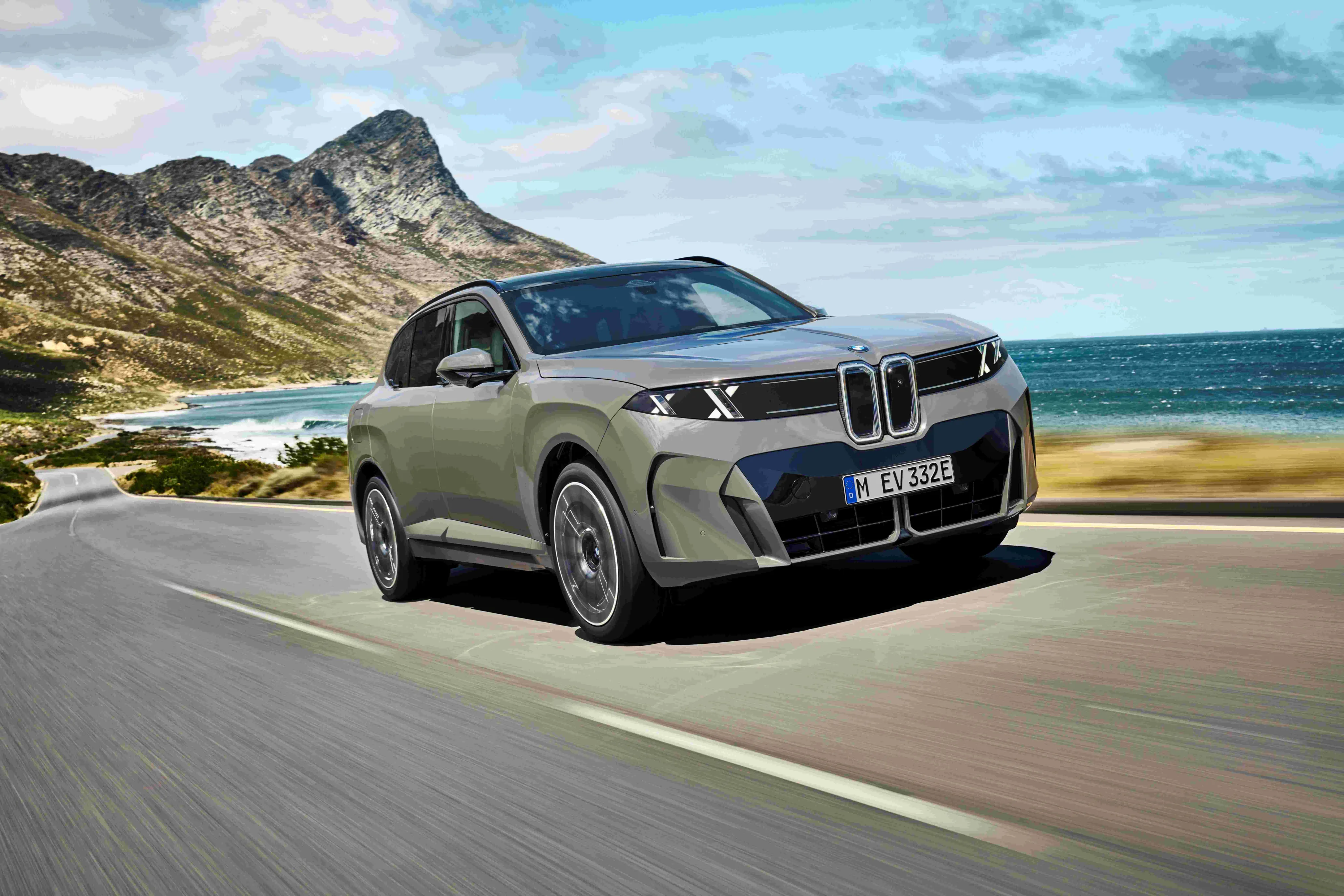
Production begins at BMW’s Spartanburg plant in South Carolina in August, with combustion versions first off the line. The electric and plug-in hybrid variants follow early next year.
A Battery That Sets a New Benchmark
The headline figure for the electric iX5 is its 140kWh battery, the largest fitted to any production EV in Europe to date. Despite the iX5 weighing a substantial 2,890kg, BMW claims 497 miles of WLTP range, which comes remarkably close to the lighter iX3’s 503-mile figure.
Charging speed is equally notable. The iX5 supports up to 450kW DC charging, faster than almost any other European EV currently on sale, and it is capable of bi-directional charging. The launch variant, the 60 xDrive, pairs a 325bhp rear motor with a 245bhp front unit for a combined 570bhp and 593lb ft, with a 0–62mph time of 4.7 seconds.
BMW achieves this without a bespoke EV platform. The iX5 uses an evolution of the existing CLAR architecture, which the brand says is versatile enough to accommodate every powertrain without meaningful compromise and, crucially, allows all variants to be built on the same production line.
Combustion and Hybrid Options
UK buyers will not get the petrol version. BMW says customer data supports that decision: of roughly 7,500 X5s sold in Britain last year, fewer than 250 were petrol-powered. The diesel (a twin-turbo 3.0-litre straight-six producing 282bhp) remains, with a 40.4mpg combined figure and a three-tonne towing capacity that will matter to many buyers in this segment.
The plug-in hybrid returns in two states of tune. The standard 50e xDrive produces 483bhp and claims up to 63 miles of electric range. New for this generation is the M60e xDrive, which pushes outputs to 604bhp and 590lb ft, with a 4.5-second 0–62mph time. One caveat: both PHEV variants are limited to 11kW AC charging, while rivals such as the Range Rover Sport and Mercedes GLC now offer 50kW-plus. That gap will frustrate buyers who do significant mileage on electric power.
A hydrogen fuel-cell variant, developed with Toyota, is planned for 2028. BMW has not confirmed volumes or target markets.
Design and Interior
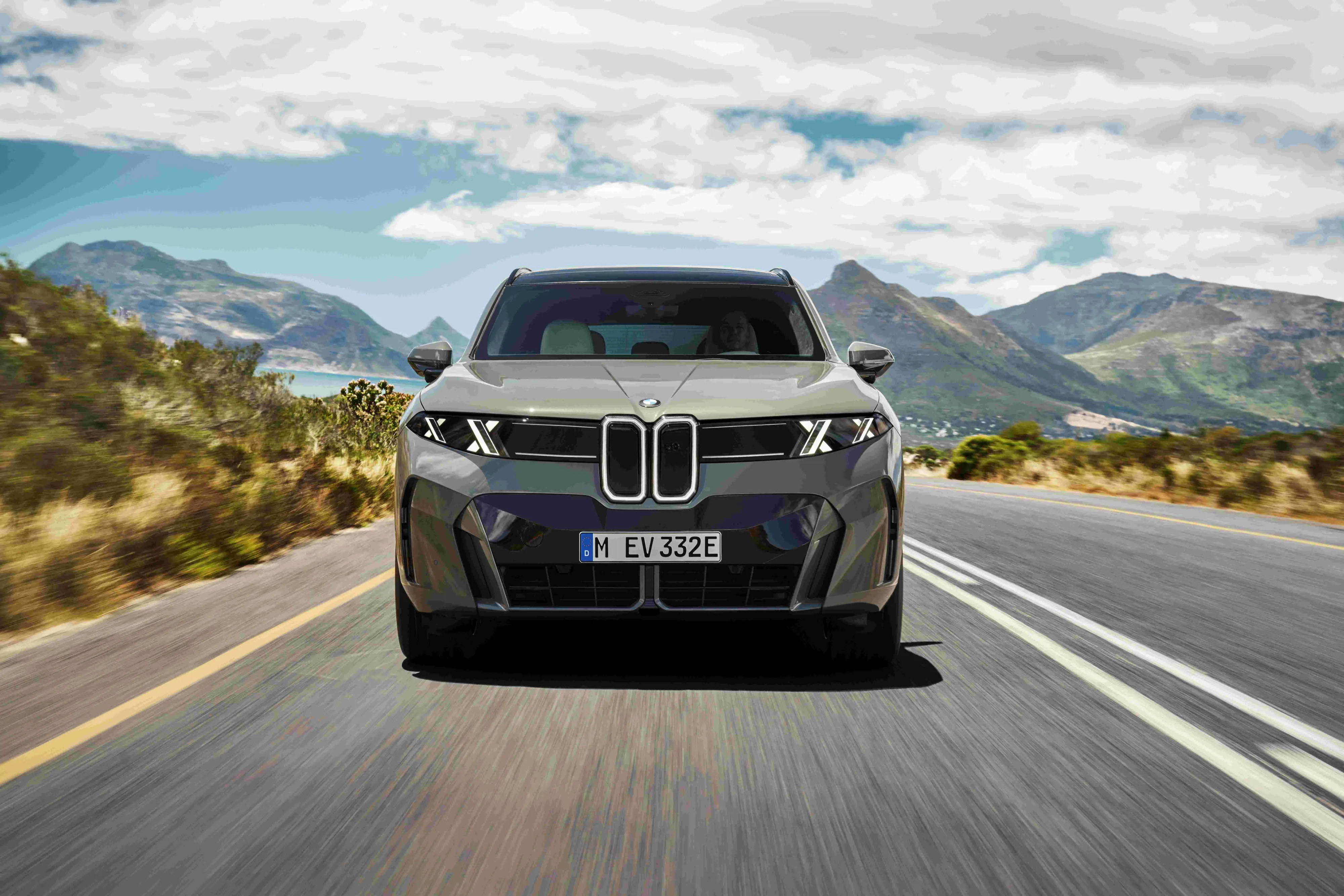
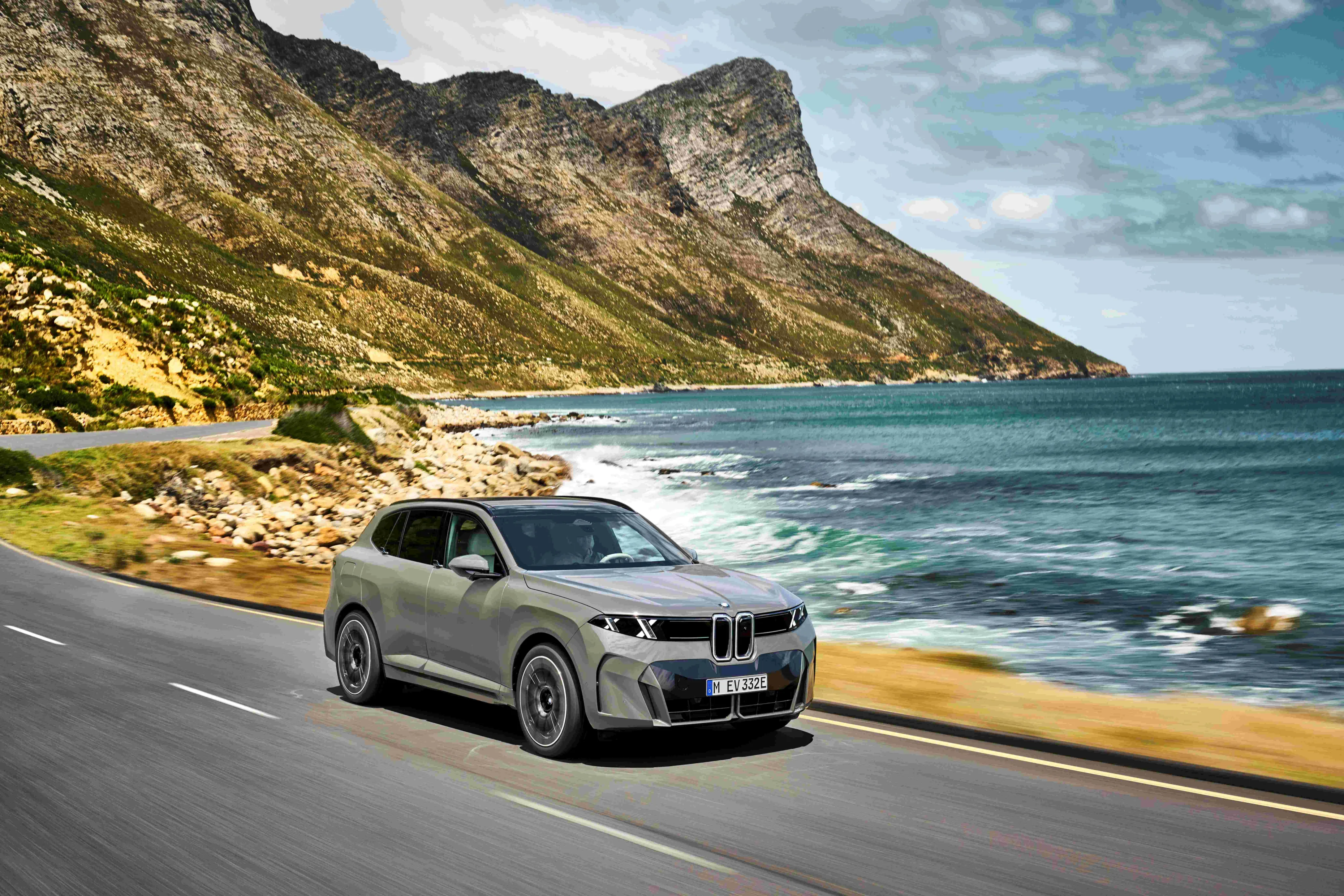
Visually, the new X5 is a clear break from its predecessor. The Neue Klasse look (already seen on the iX3 and i3 saloon) brings a more monolithic silhouette, muscular rear haunches, and vertical kidney grilles. The X5 adds its own signature: double-X LED light graphics that BMW says make the car identifiable day or night, and which can be switched to a simpler arrangement at the driver’s preference.
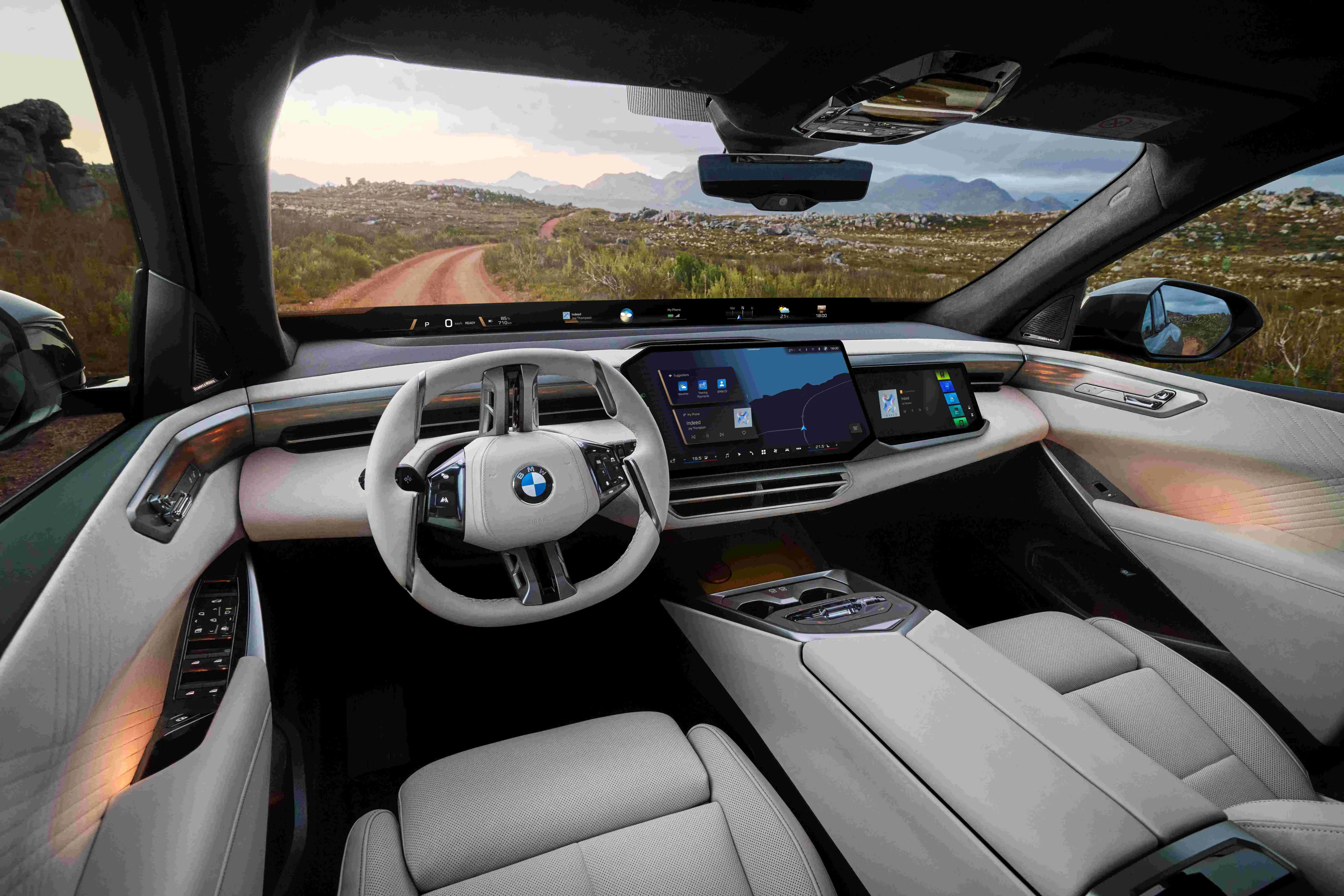
Standard wheel size rises to 21 inches, with 23-inch rims available on range-topping models. Inside, the layout mirrors the iX3 closely, with a diagonal central touchscreen and a full-width panoramic display. The X5 adds one notable extra: an optional second touchscreen for the front passenger.
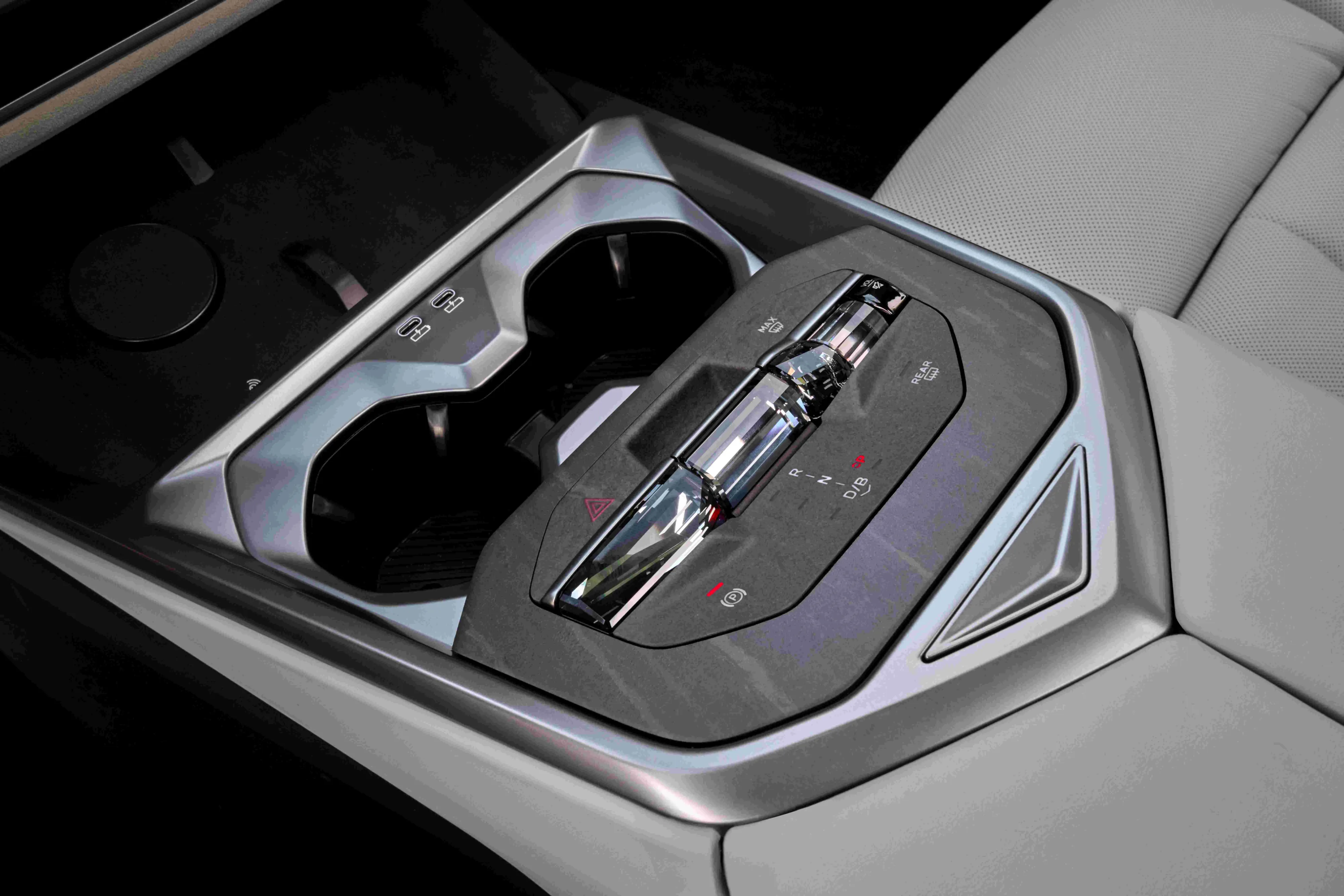
All electric variants ride on air suspension as standard; it is an option on combustion models. Rear-wheel steering and active anti-roll bars are also available, and the iX5 uses the same electronics stack as the iX3, including BMW’s torque-vectoring and suspension management systems.
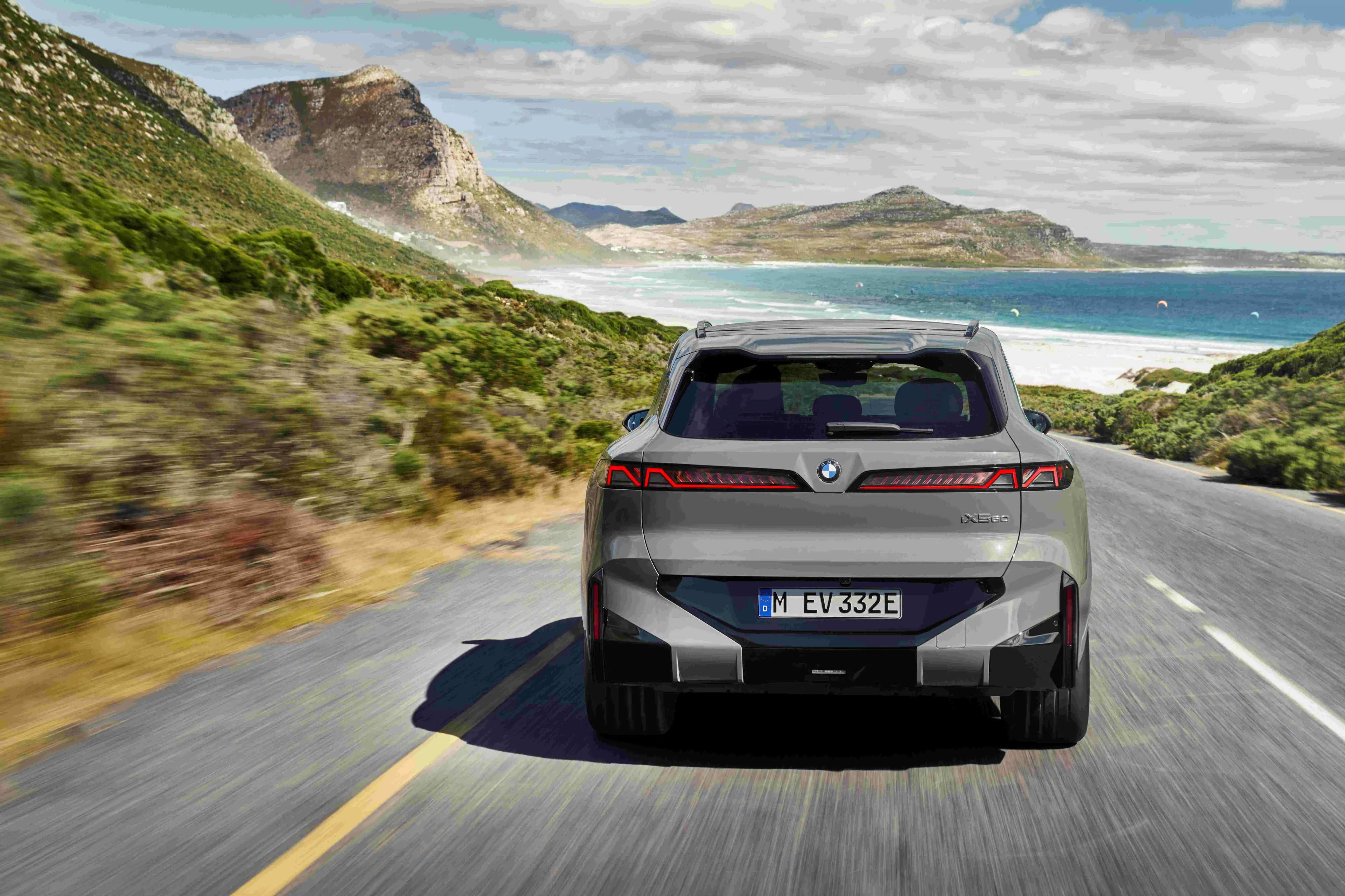
The X5 has long been the model that defined what a premium large SUV could be. This generation raises the stakes considerably, particularly on the electric side, where the range and charging figures are genuinely competitive. Whether the PHEV charging limitation proves a sticking point in a market that increasingly expects faster top-ups remains to be seen.