Not every Porsche story is about lap times or power figures. This one’s about a Cayenne that’s about to spend its life deep the African bush, and doing genuinely important work while it’s at it. Read on.
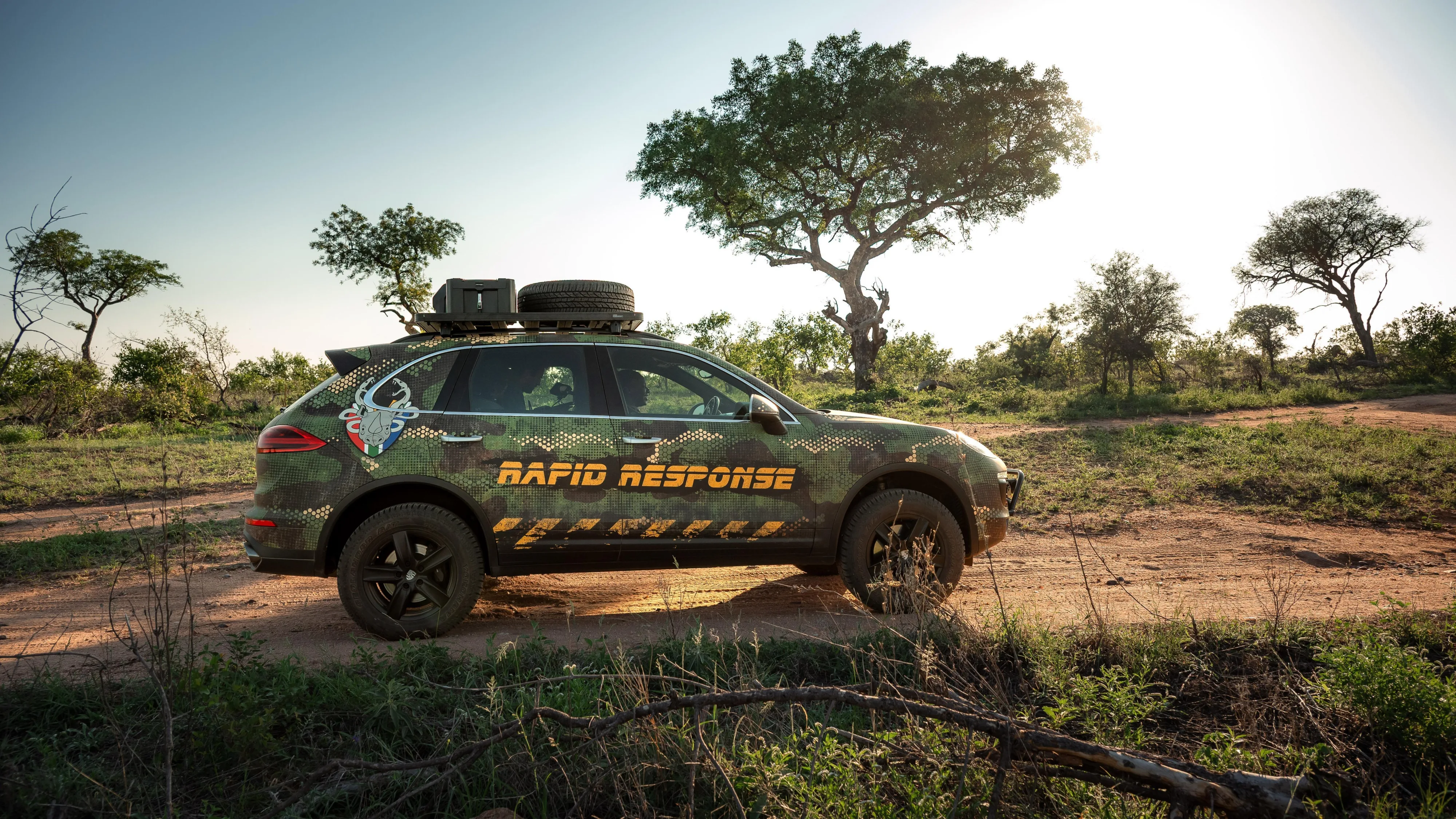
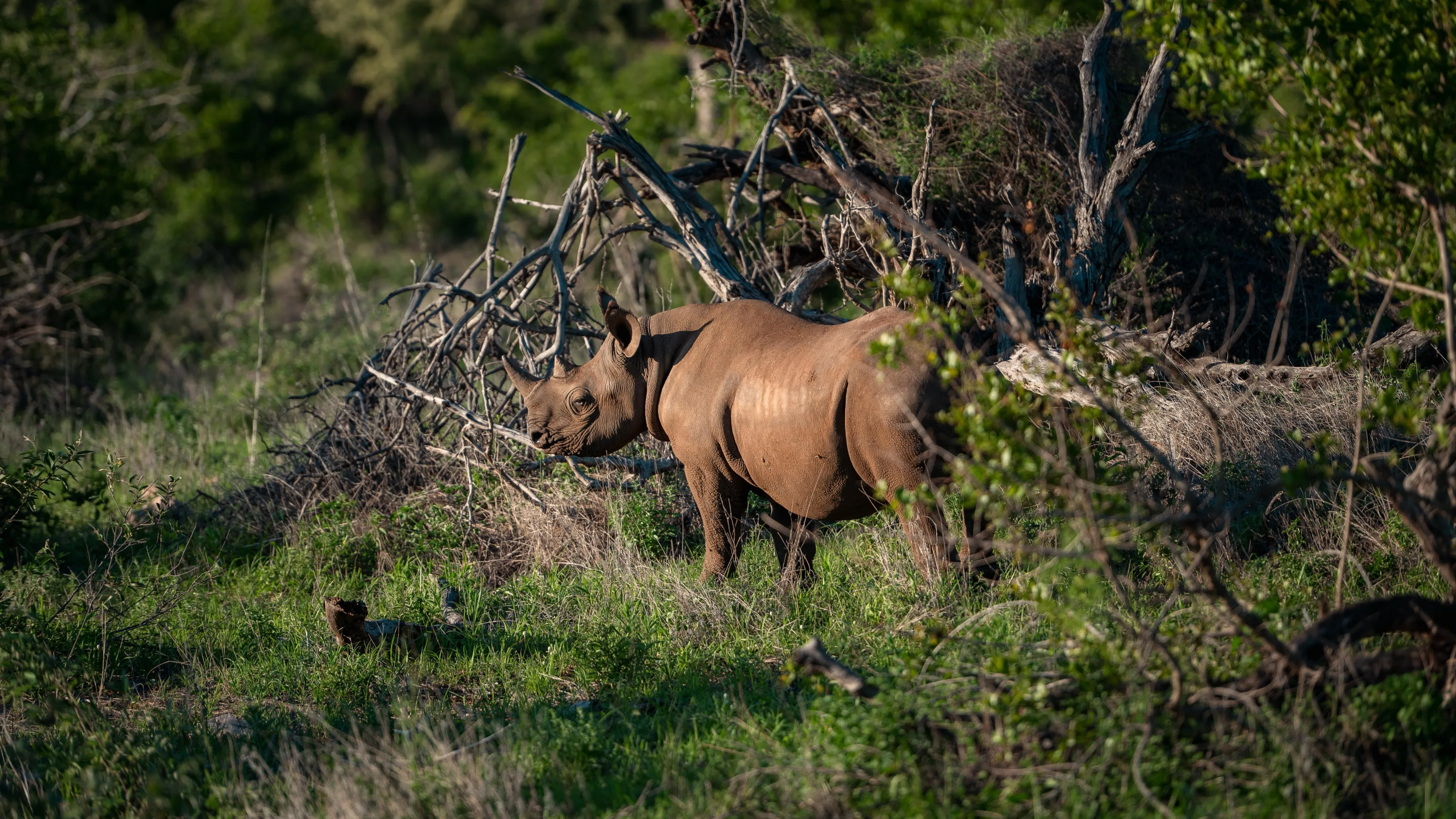
Porsche South Africa has donated a heavily modified second-generation Cayenne to The Black Mambas, the world’s first all female, unarmed anti-poaching unit, giving the group its first dedicated rapid response vehicle. Formed in 2013, The Black Mambas patrol roughly 20,000 hectares in the Greater Kruger region, a landscape that, alongside the adjacent Kruger National Park, holds the world’s largest rhino population, and one that’s been hammered by poaching for over a decade.
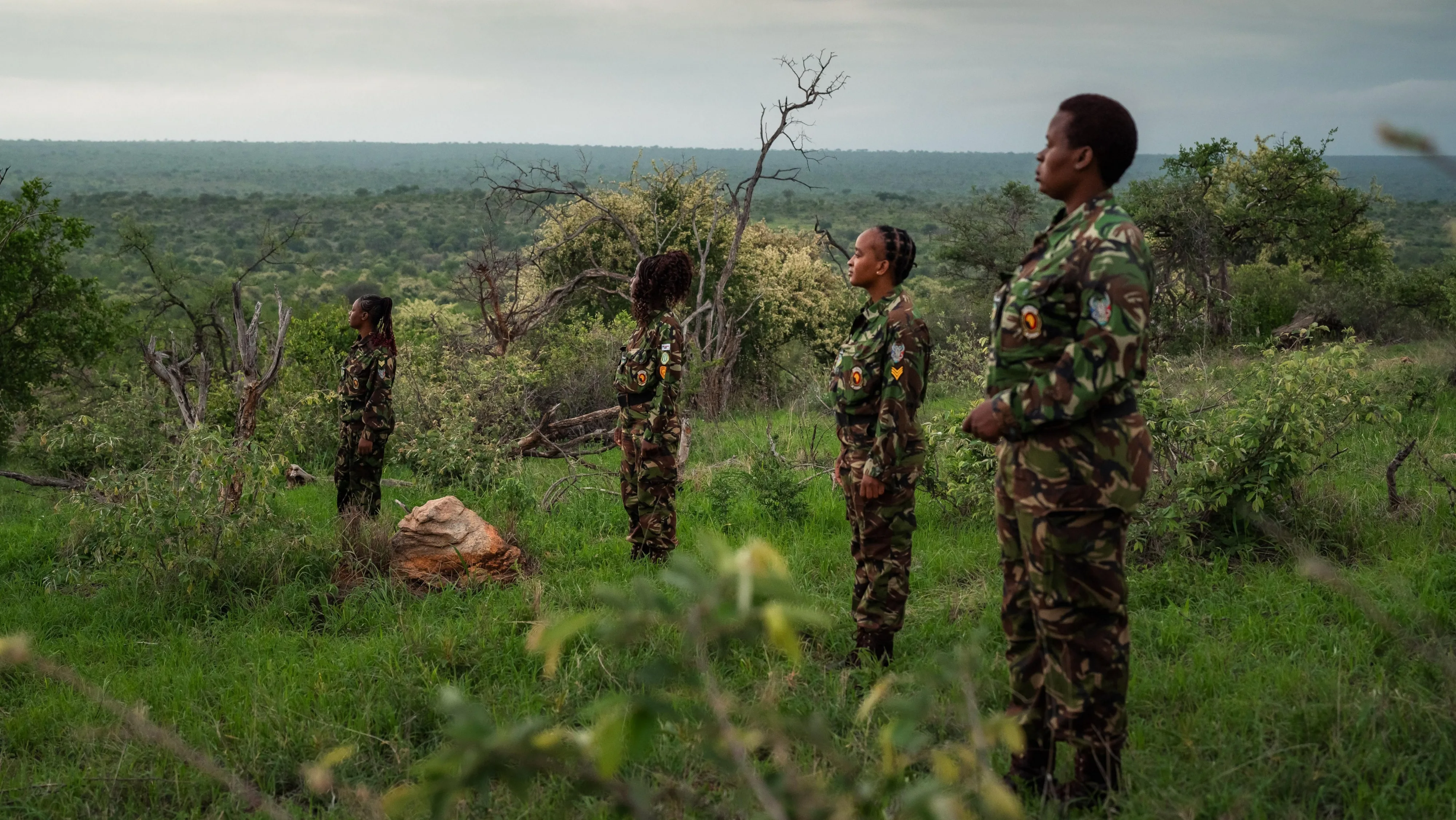
Most of that patrolling is done on foot, deliberately. The Black Mambas’ whole model is preventative rather than confrontational, disrupting the patterns poachers rely on rather than chasing them down, which is partly why they’ve become one of the more genuinely effective conservation outfits operating in the region. But foot patrols only cover so much ground, and previous support vehicles had a habit of breaking down at exactly the wrong moment.
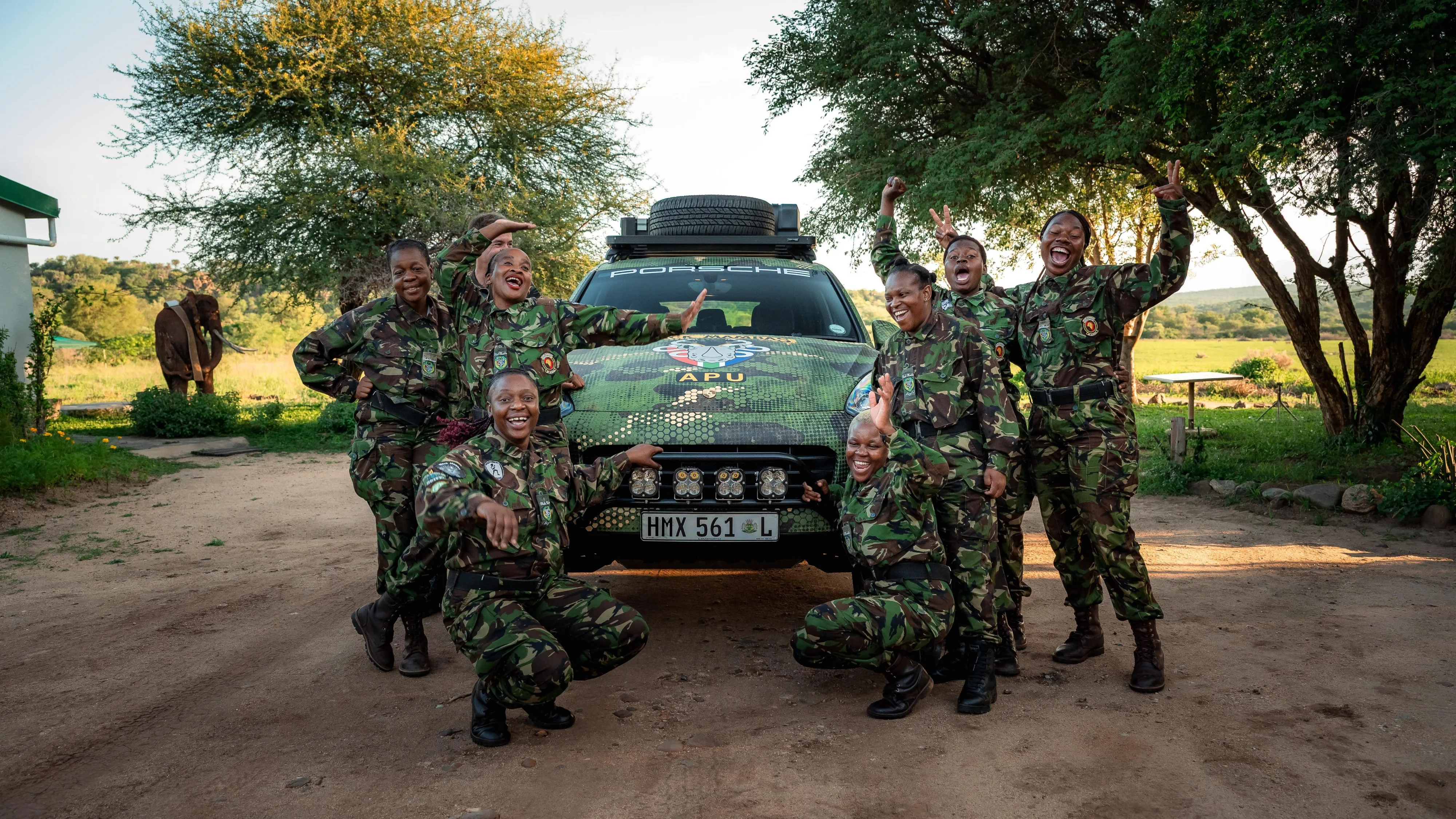
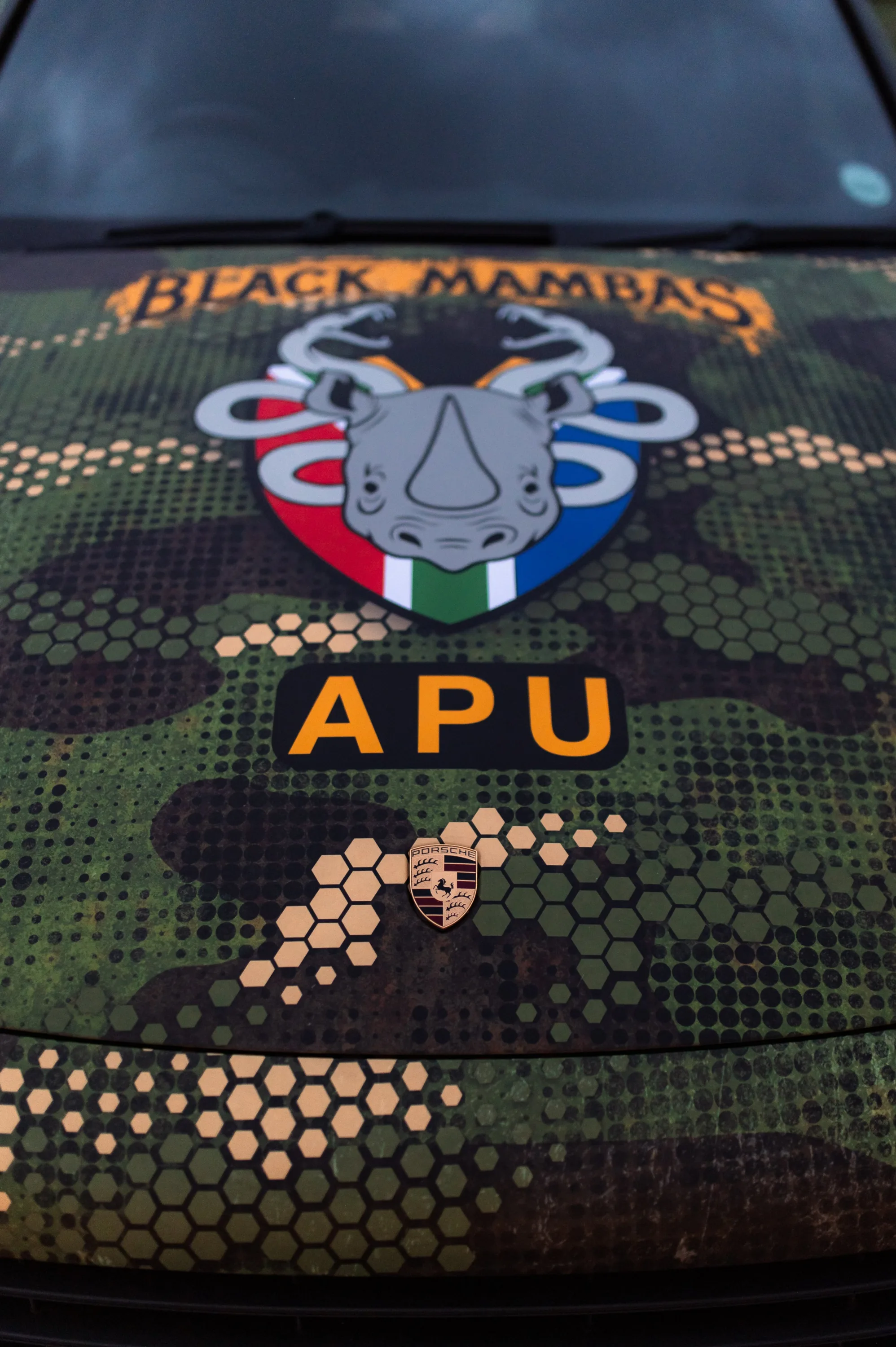
Porsche Centre Johannesburg took the Cayenne well outside its comfort zone to fix that: revised suspension, underbody protection, a bull bar, spotlights for night operations, Yokohama off-road tyres, a roof-mounted spare, and water tanks for the team’s patrol dogs. It’s wrapped in a green and black camo livery rather than anything resembling a press fleet car, in a perfect representation of function over flash, which feels right given who’s driving it.
It’s easy to file this under standard corporate goodwill, and there’s certainly a PR angle to it. But the specifics here, such as the purpose built modifications, a unit with a genuine track record, and terrain that actually demands those upgrades, suggest this isn’t a one-off photo opportunity so much as a vehicle that’s going to get used hard and need to hold up. Toby Venter, CEO of Porsche South Africa, said the team wanted the Cayenne to operate reliably across demanding terrain rather than just look the part, and hopefully through that, they can keep those majestic giants safe.