Artificial intelligence is rapidly finding its way into every corner of the automotive industry, some (way) more useful than others. But BMW’s latest partnership might be one of the more genuinely useful applications we’ve seen so far.
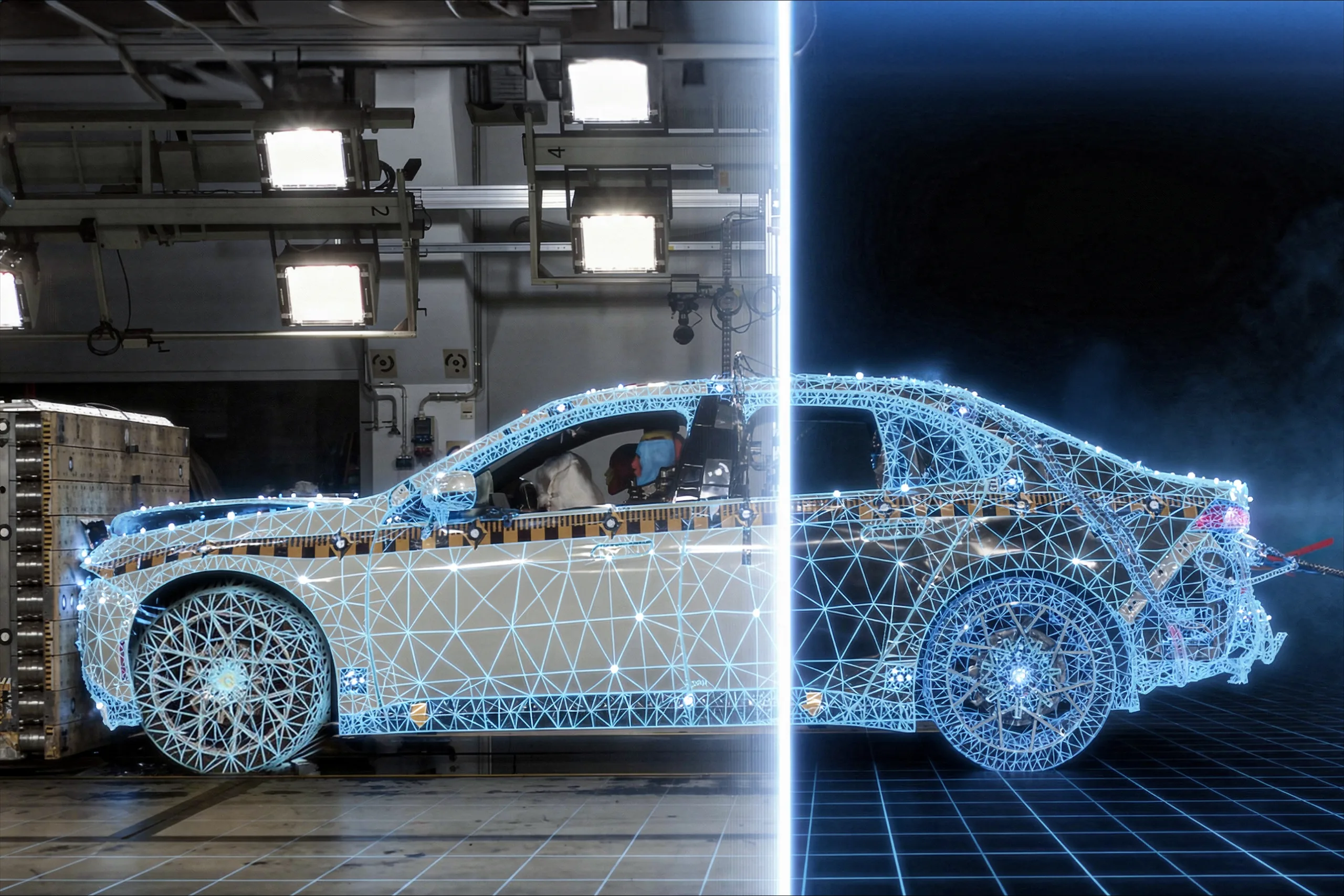
The German manufacturer has announced a collaboration with French AI company Mistral AI, aiming to improve the way crash simulations are analysed during vehicle development. While much of the automotive world’s AI conversation has centred around voice assistants and incar chatbots (we all know how well those work) and customer service tools, BMW is focusing on something far more fundamental: making cars safer before they ever reach a production line.
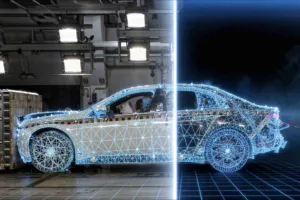
Modern vehicle development relies heavily on virtual design and crash testing. Long before a prototype is driven full clip into a barrier, engineers run thousands of digital simulations to predict how a vehicle’s structure will behave in a collision. These simulations generate enormous amounts of data, often so much that identifying meaningful patterns and insights becomes a challenge in itself. Enter AI.
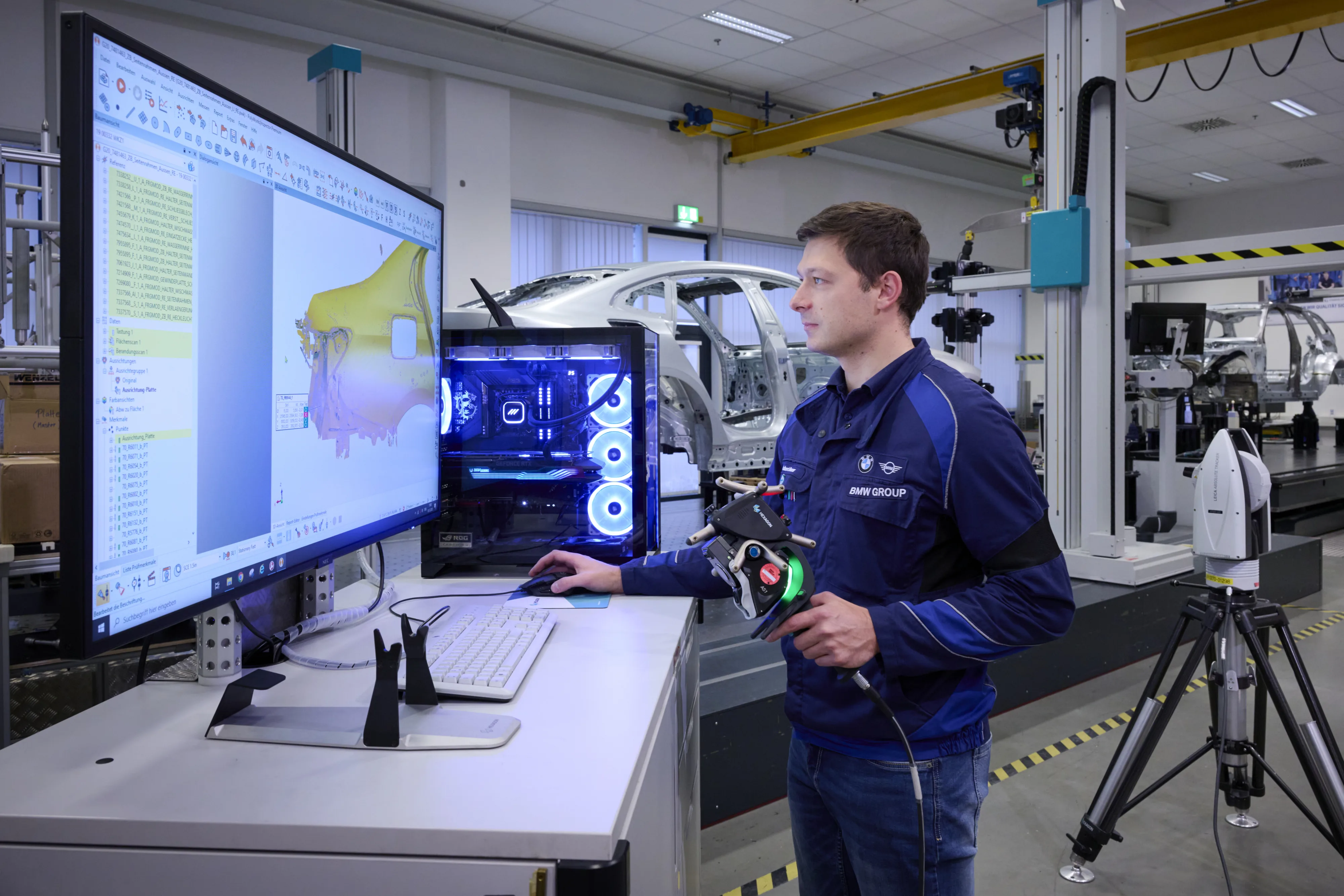
BMW and Mistral AI have developed a new system designed to help engineers sift through this mountain of information more efficiently. Instead of manually combing through countless datasets and reports, engineers can use AI tools to quickly identify trends, compare results and pinpoint anomalies that may otherwise take considerably longer to uncover.
The goal isn’t to replace engineers, but to give them better tools. BMW says the technology can help reduce the time required to analyse simulation results while simultaneously improving the depth of insight available during the development process. In practical terms, that means engineers can spend less time searching for information and more time solving problems.
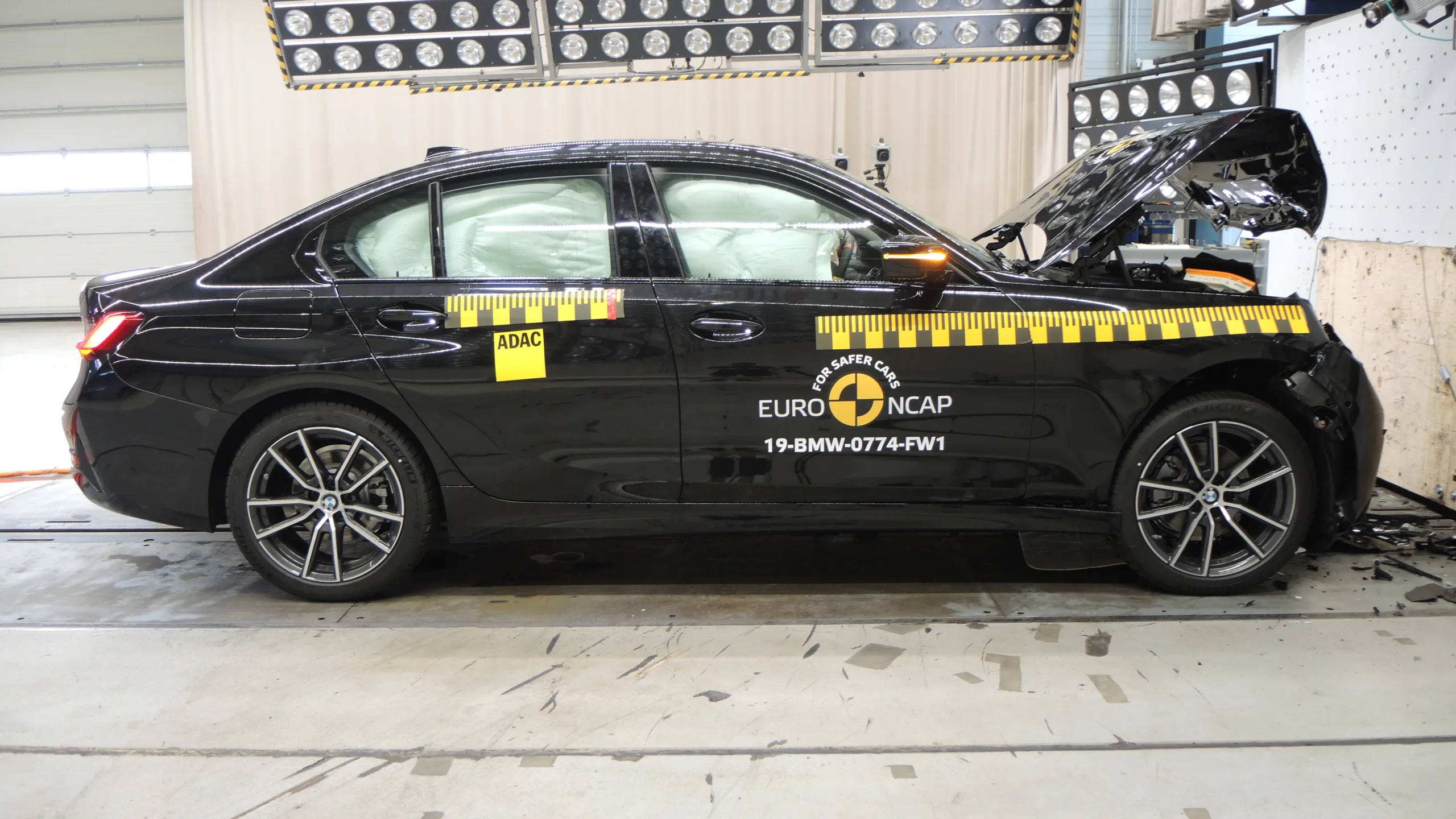
The company demonstrated the concept using what it describes as a “Crash Intelligence” assistant. Rather than forcing engineers to navigate multiple databases and technical documents, the system allows them to ask questions in natural language. The AI can then retrieve relevant simulation data, generate summaries and provide context from previous tests, effectively acting as a highly specialised research assistant for vehicle safety teams.
The partnership also highlights how modern vehicle engineering increasingly depends on software and computational power. As crash regulations become more demanding and vehicle architectures more complex, manufacturers need to evaluate more scenarios than ever before. Every potential design change can have implications for occupant safety, pedestrian protection and structural performance, creating an almost endless stream of simulation data to process.
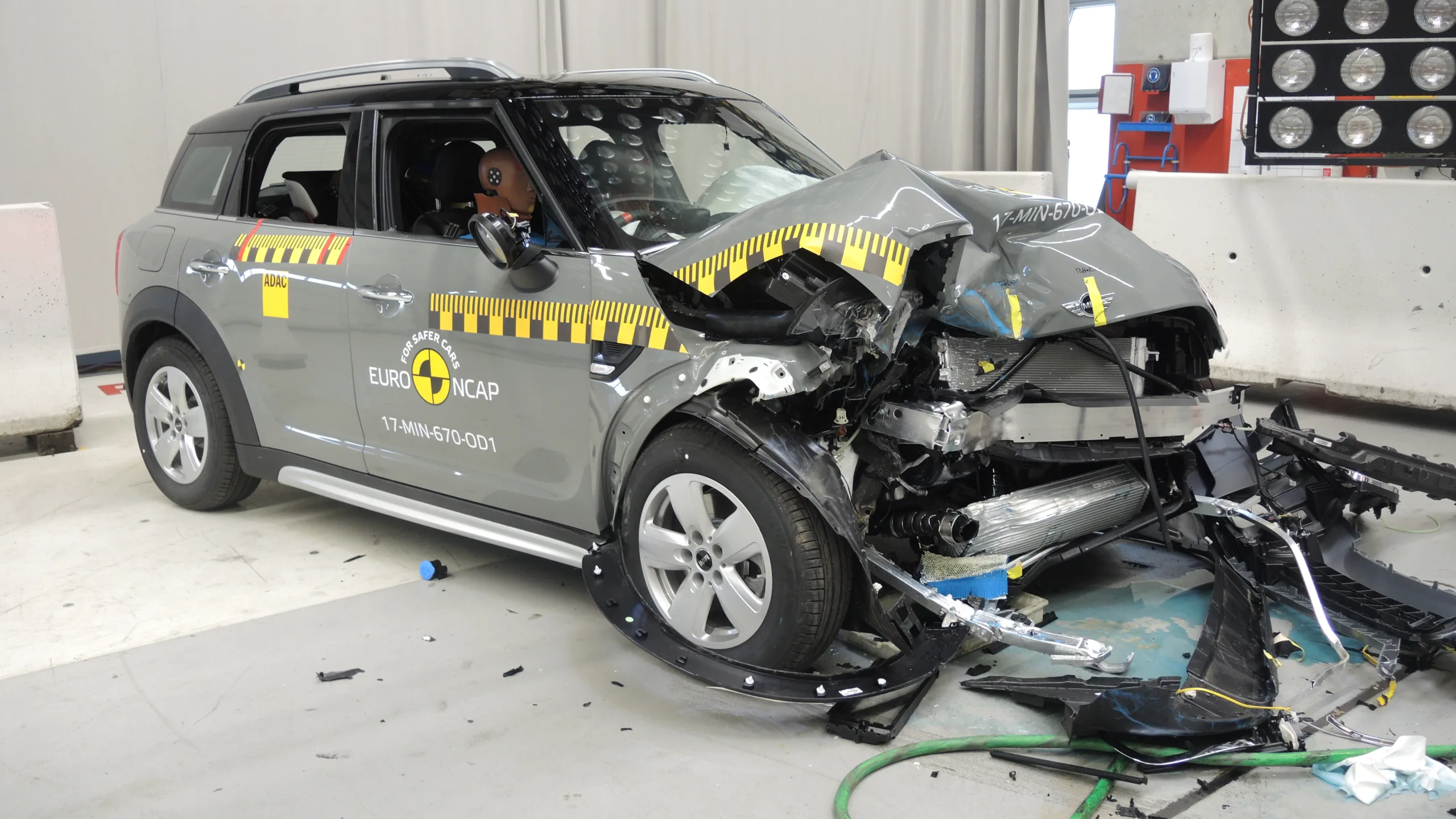
For BMW, the potential benefits extend beyond safety alone. Faster analysis could shorten development cycles, reduce engineering costs and allow teams to explore more design variations before committing to physical prototypes. That, in turn, could help accelerate the development of future models while maintaining the high safety standards expected of a premium manufacturer.
Of course, AI still has limitations. Human engineers remain responsible for interpreting results, validating findings and making final decisions. A language model might be able to identify patterns in thousands of crash simulations, but it can’t replace decades of engineering experience and intuition. At least not yet.
Still, this feels like one of the more sensible uses of AI currently emerging within the automotive industry. Rather than adding another screen, another assistant or another feature that owners may never use, BMW is applying the technology behind the scenes in a way that could directly influence how future vehicles are designed and tested, and we’re all for it.