Aside from ABBA and IKEA, if Sweden is famous for innovation, engineering and practicality, then Eskilstuna is one of the places where that reputation was forged – quite literally.
Located around 100km west of Stockholm, Eskilstuna doesn’t always make the top of Scandinavian bucket lists. Alas. tourists often flock to Stockholm’s waterways, the northern lights of Lapland, or the colourful streets of Gothenburg. Yet for anyone interested in machinery, manufacturing, transport history and authentic Swedish culture, Eskilstuna is one of the country’s hidden gems.
As a motoring journalist, it feels a little like discovering Sweden’s equivalent of Coventry, Detroit or Geelong—except cleaner, greener and surrounded by forests and lakes.
First Impressions
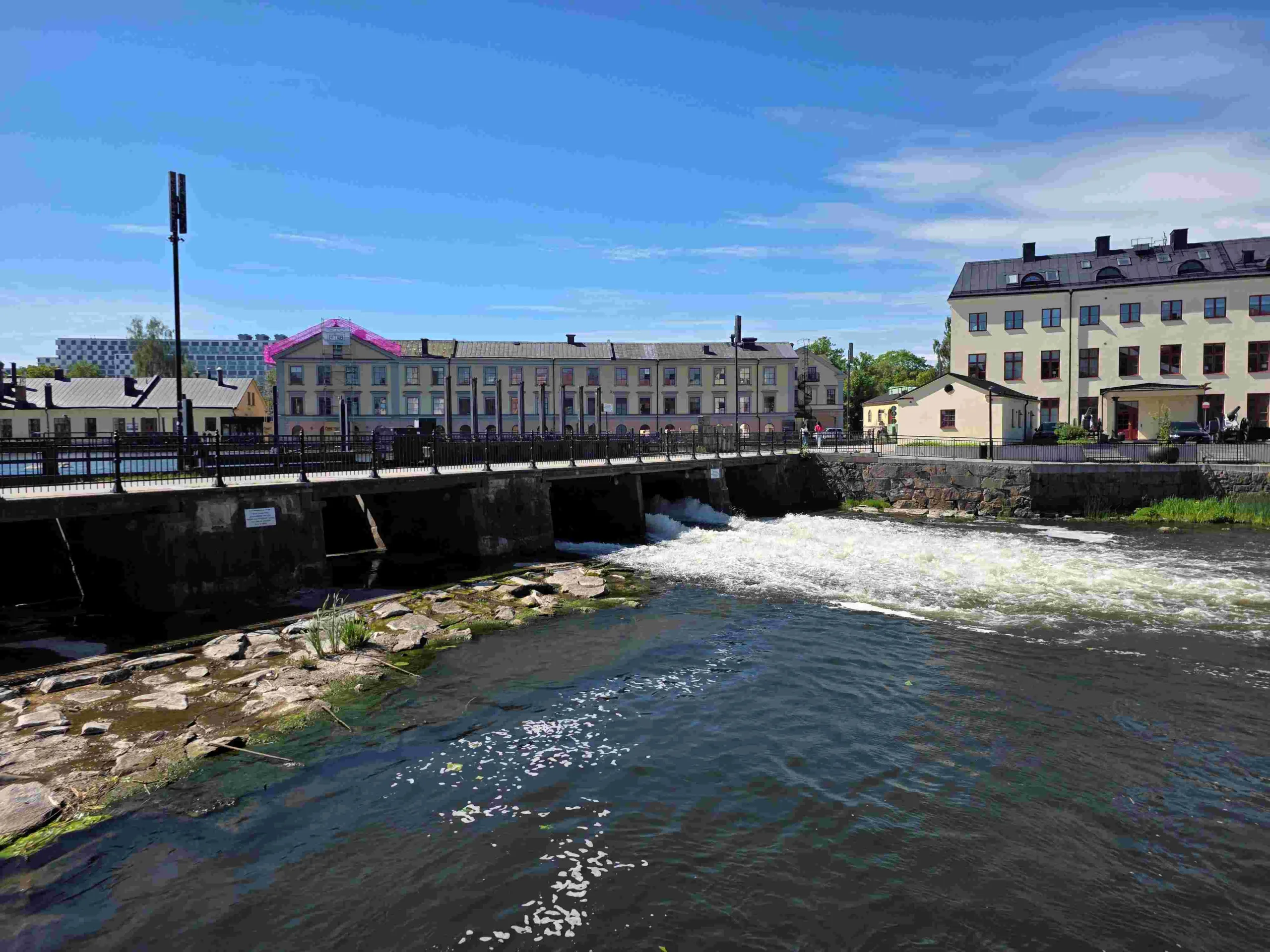
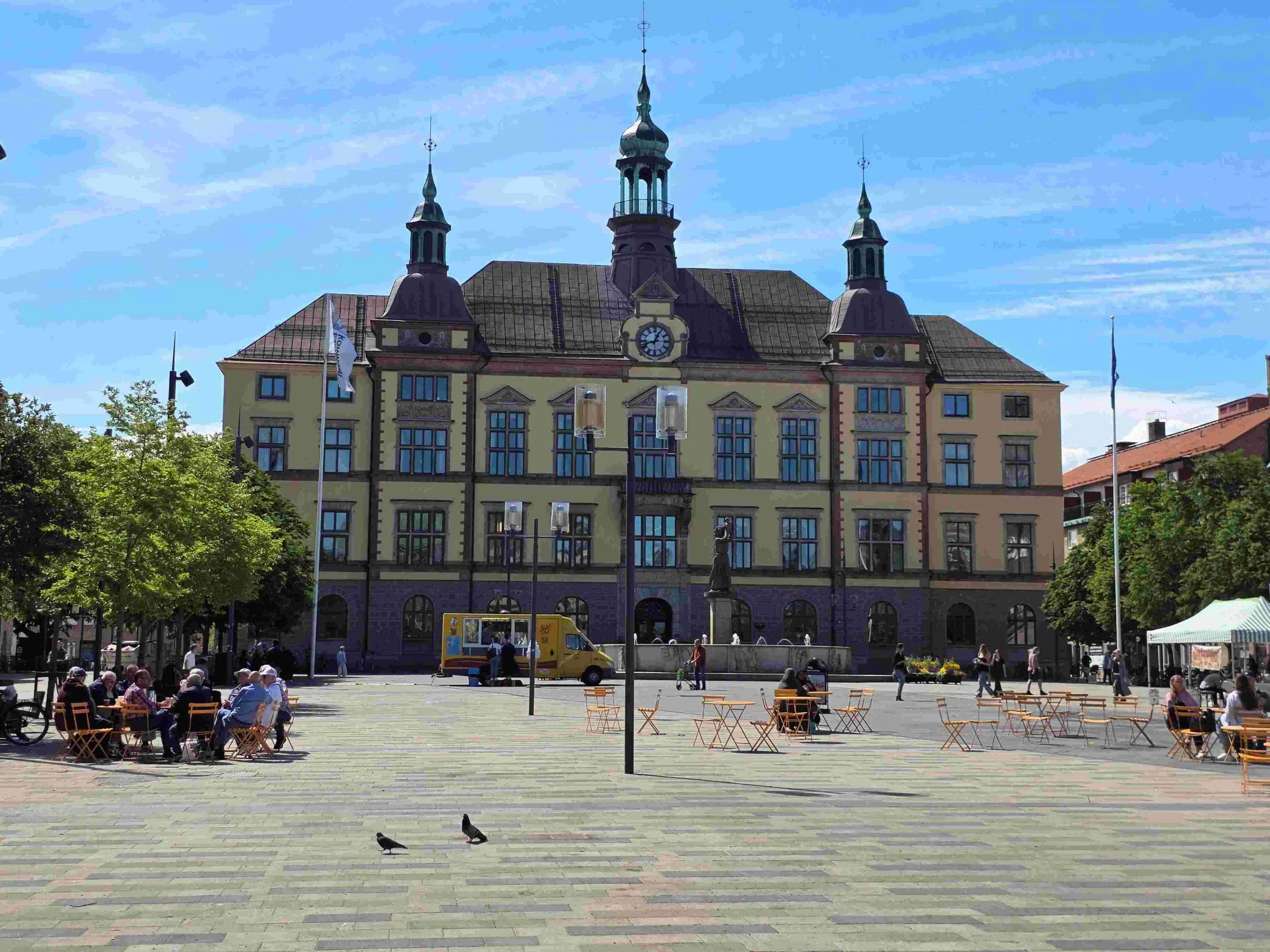
Arriving in Eskilstuna, the first thing that strikes you is how effortlessly the city blends old industry with modern Scandinavian living.
The river cuts through the centre of town, historic brick factories sit alongside contemporary apartments, and everywhere you look there are reminders that this city helped build modern Sweden.
Unlike many industrial centres that have struggled to reinvent themselves, Eskilstuna wears its heritage proudly. The old workshops haven’t been erased, they’ve been repurposed into museums, cafes, cultural spaces and innovation hubs. It’s a city that seems to understand where it came from.
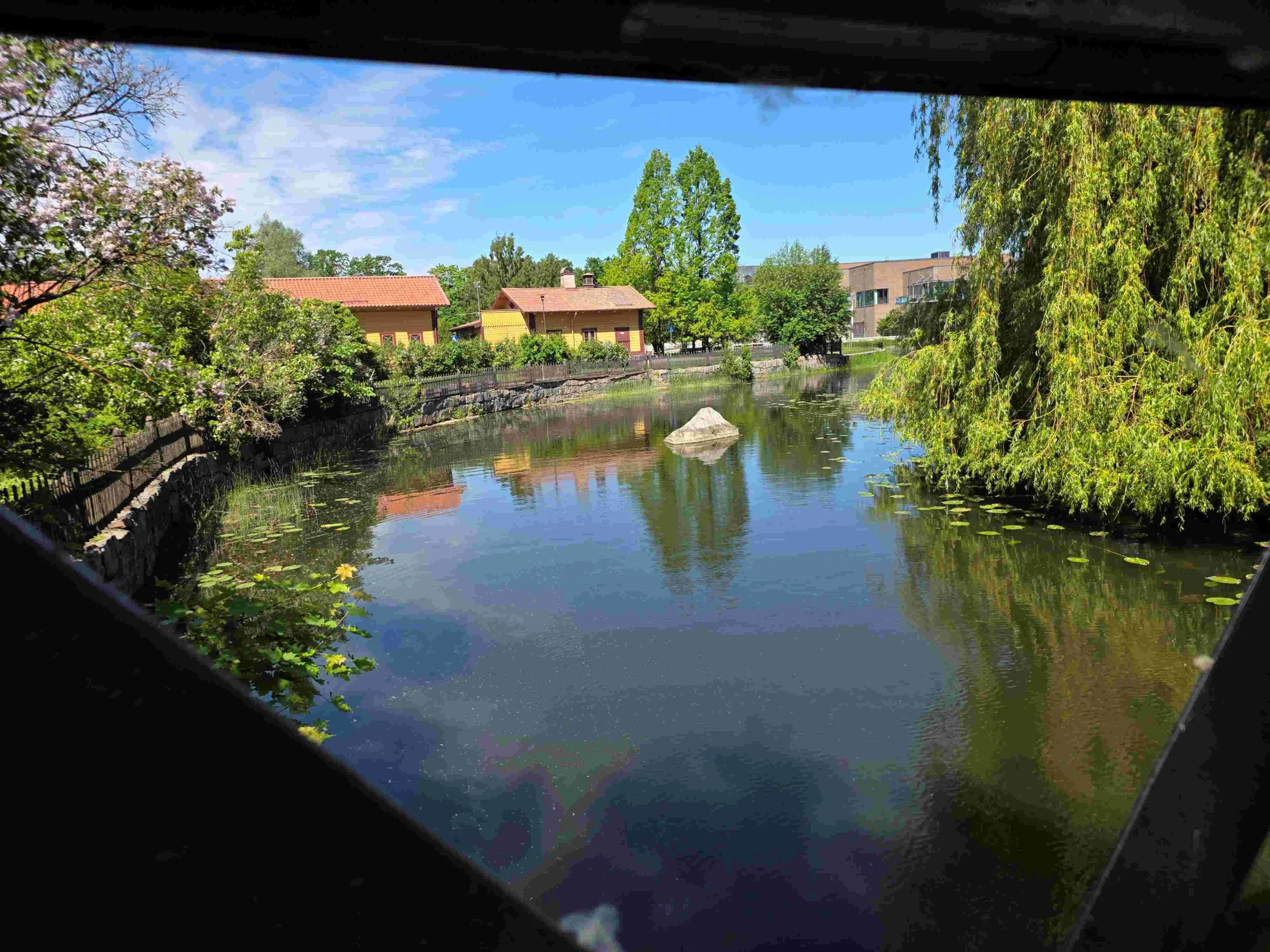
A Brief History – Sweden’s City of Steel
On that, Eskilstuna’s story stretches back more than a thousand years. The region was an important settlement during the Viking Age, with nearby runestones and archaeological sites providing evidence of early Scandinavian civilisation. One of the most famous is the ancient Ramsund carving, a remarkable Viking rock carving located just outside the city.
However, the city’s modern identity emerged during the 17th century when Swedish authorities established Eskilstuna as a centre for metalworking and blacksmithing.
The arrival of skilled craftsmen transformed the town into Sweden’s answer to Sheffield. Knives, tools, locks, scissors and metal products produced here became renowned throughout Scandinavia.
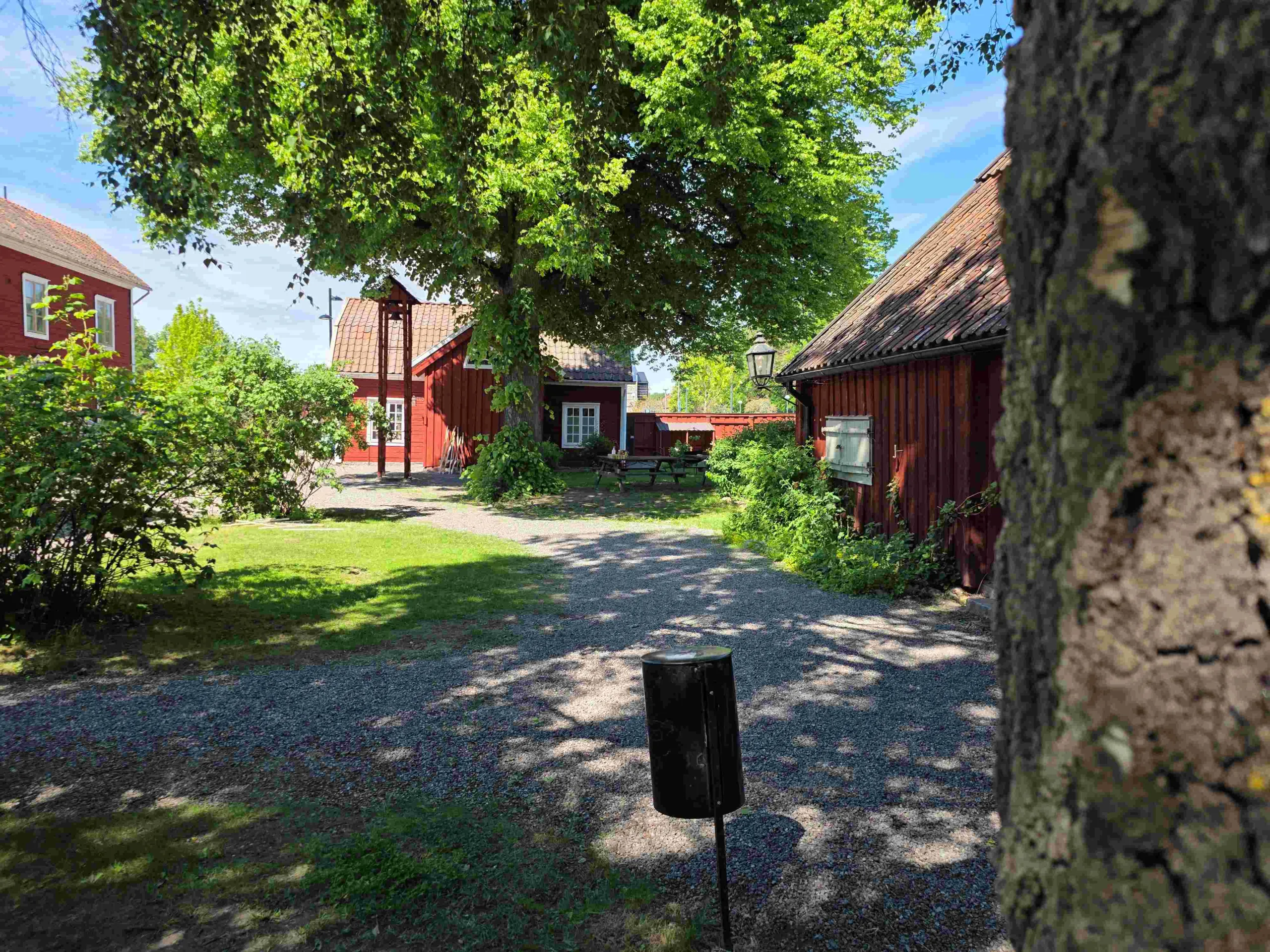
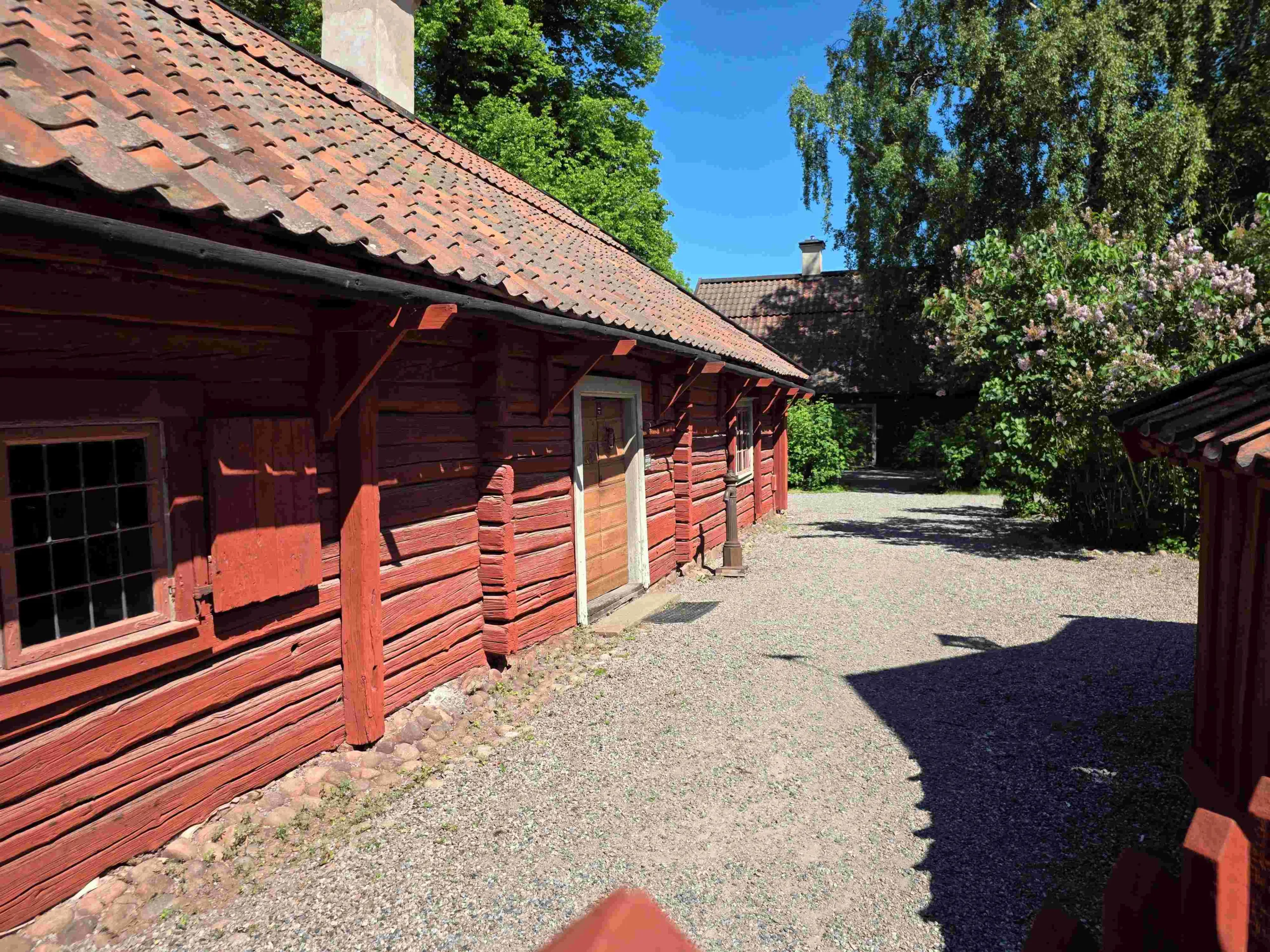
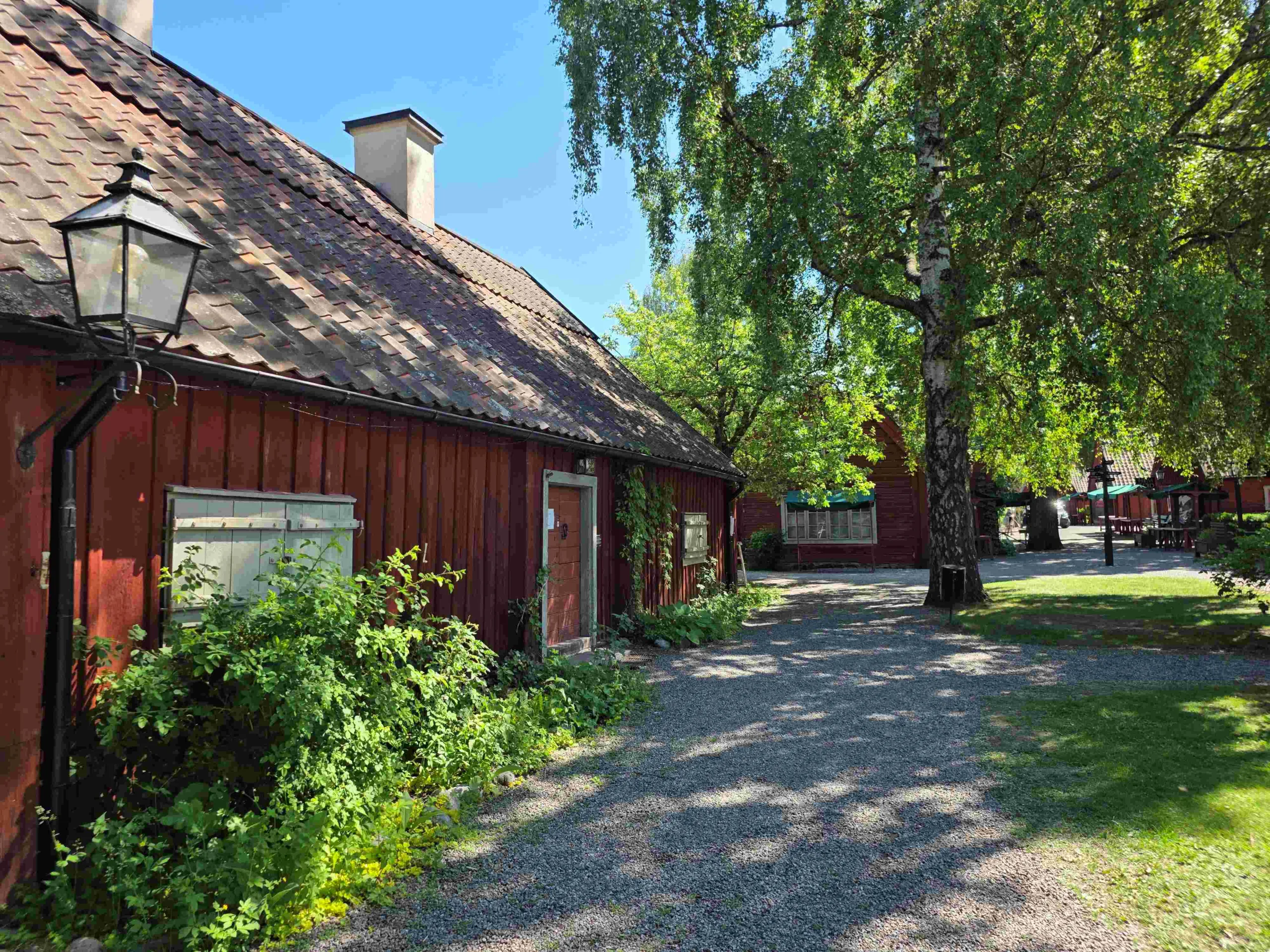
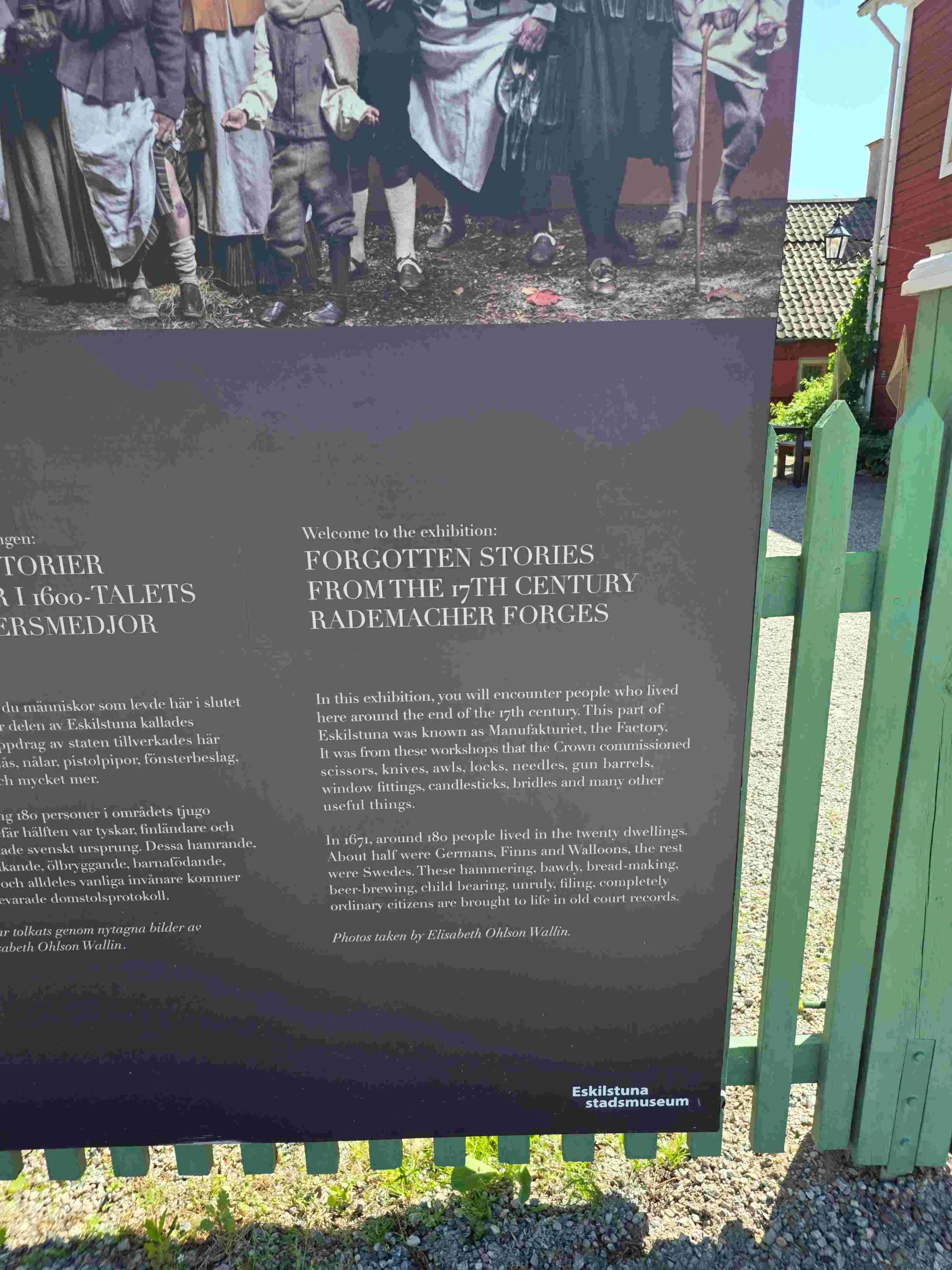
The legacy of those early craftsmen can still be experienced at Rademachersmedjorna, an open-air museum featuring preserved workshops where visitors can watch traditional artisans at work. Today it remains one of the city’s most important historical attractions.
The Birthplace of Industrial Innovation
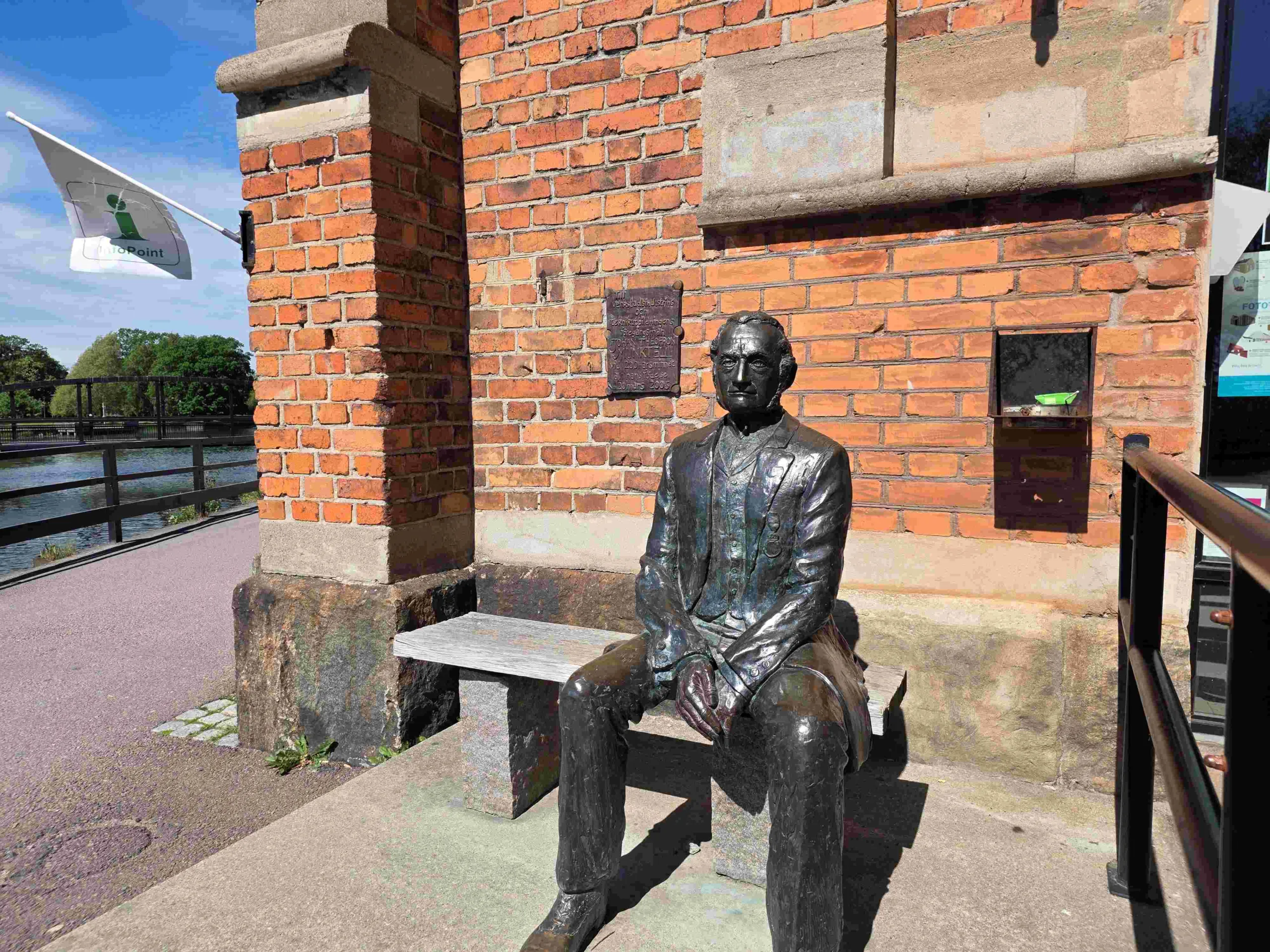
If you’re a machinery enthusiast, Eskilstuna’s industrial history gets even more interesting. In 1832, engineer and entrepreneur Johan Theofron Munktell established a mechanical workshop in the city. That workshop would evolve into one of Sweden’s most important engineering companies and become a cornerstone of the nation’s industrial revolution.
Munktell built agricultural machinery, steam engines and tractors that helped modernise farming throughout Sweden.
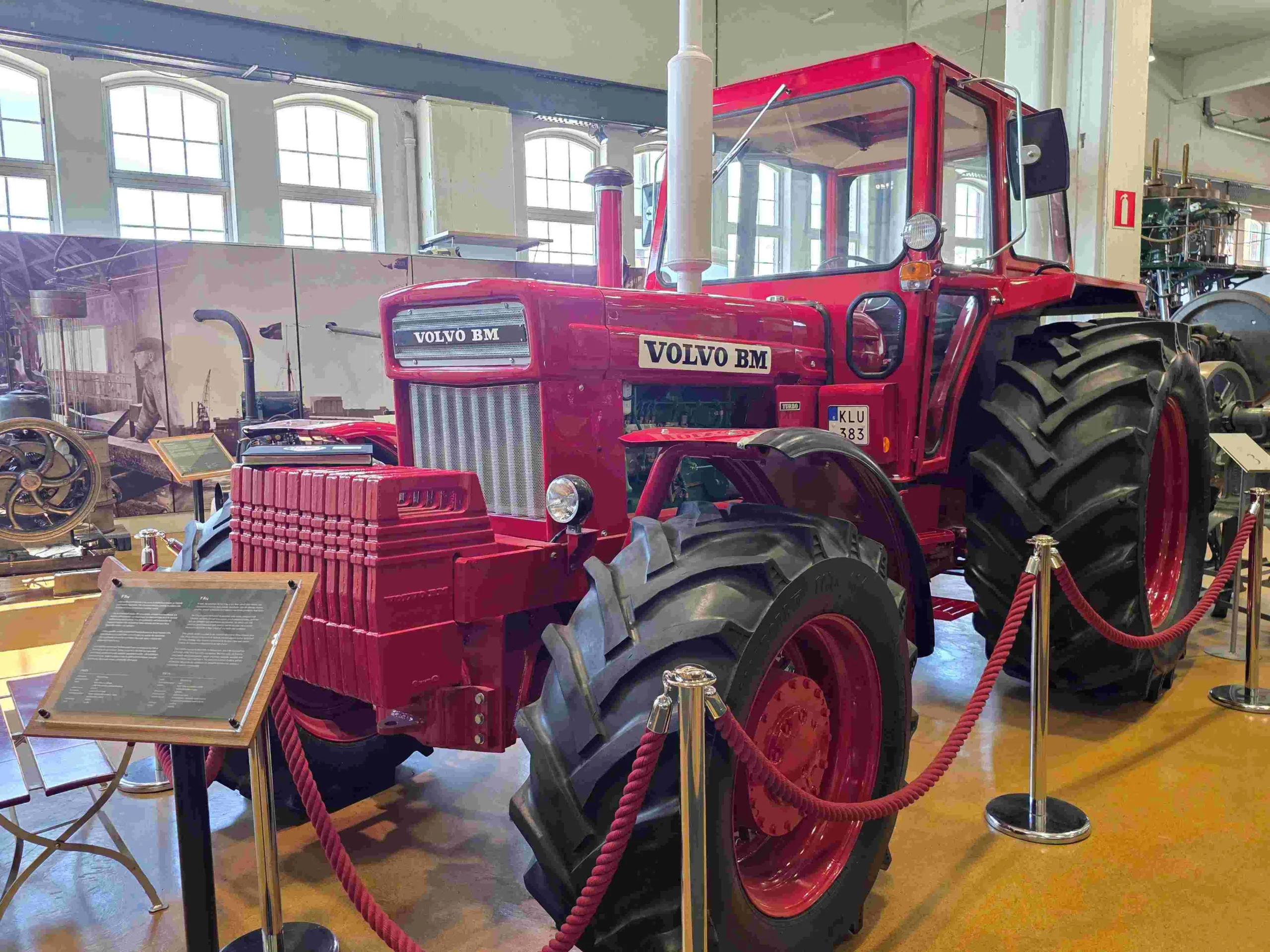
Eventually, Munktell merged with Bolinders to form Bolinder-Munktell (BM), a name still familiar to machinery enthusiasts today. In 1950, Volvo acquired the company, creating Volvo BM and laying the foundations for what would eventually become Volvo Construction Equipment.
For automotive and machinery fans, that’s a remarkable lineage. The excavators, wheel loaders and articulated haulers working on construction sites around the world can trace their roots directly back to Eskilstuna.
The Volvo CE Connection
Today, Volvo Construction Equipment has its global headquarters in Eskilstuna, employing approximately 2,500 people across engineering, technology, operations, sales and development functions.
The city’s connection with Volvo CE isn’t merely historical, it’s very much alive. In 2025, Volvo CE announced a major investment of approximately SEK 700 million in a new excavator manufacturing facility in Eskilstuna. The factory is expected to produce around 3,500 machines annually, including both electric and conventional excavators, reinforcing the city’s role as one of Europe’s most important construction equipment centres.
For visitors, the best place to explore this heritage is the Munktell Museum. Located in the heart of the former industrial district, the museum showcases everything from early steam engines and tractors to modern Volvo construction machinery. It’s a dream destination for anyone who appreciates engineering excellence.
Walking through the exhibits, you quickly realise that this isn’t just a collection of old machines, it’s the story of how Sweden became one of the world’s great engineering nations.
Where to Stay
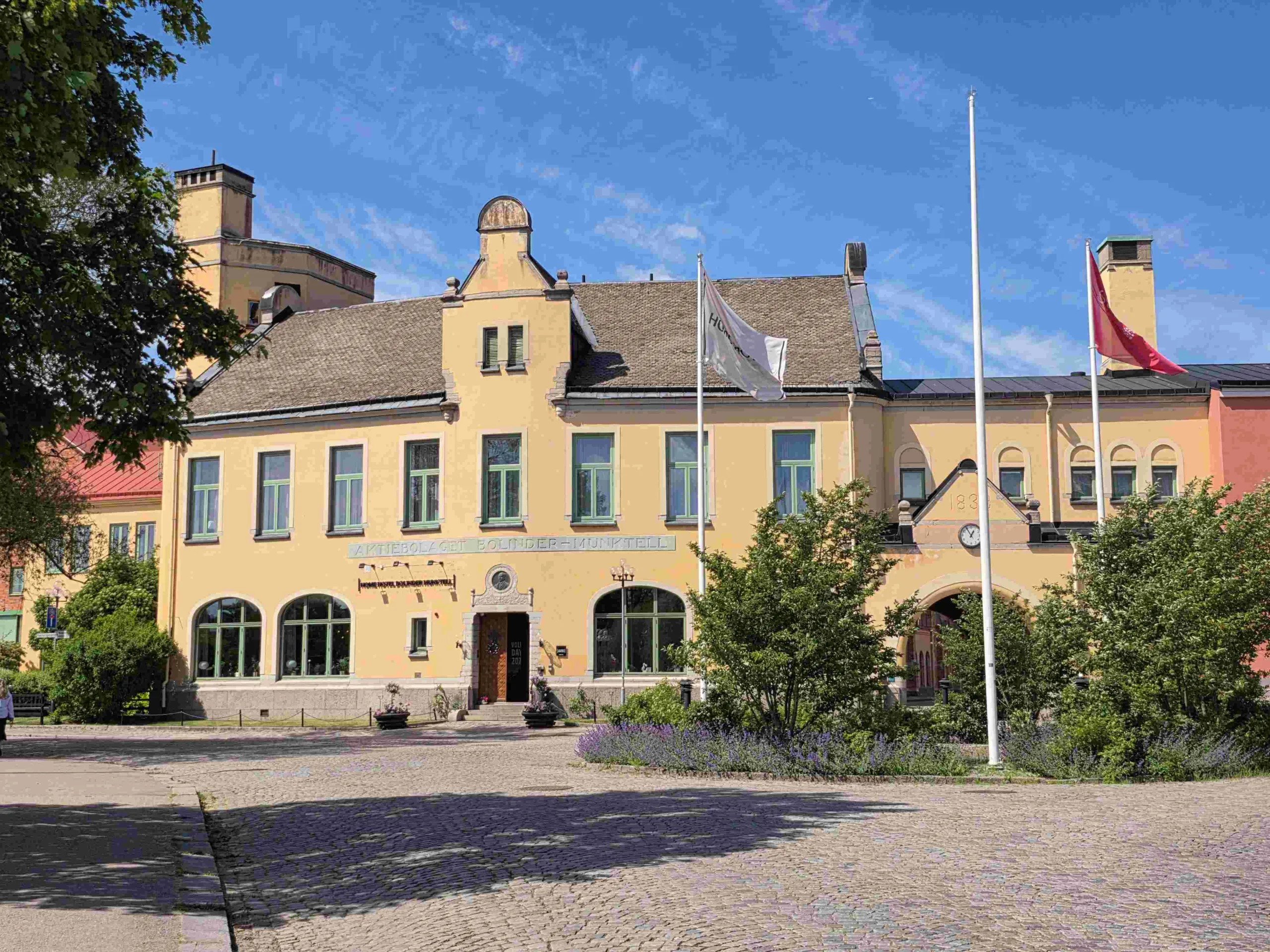
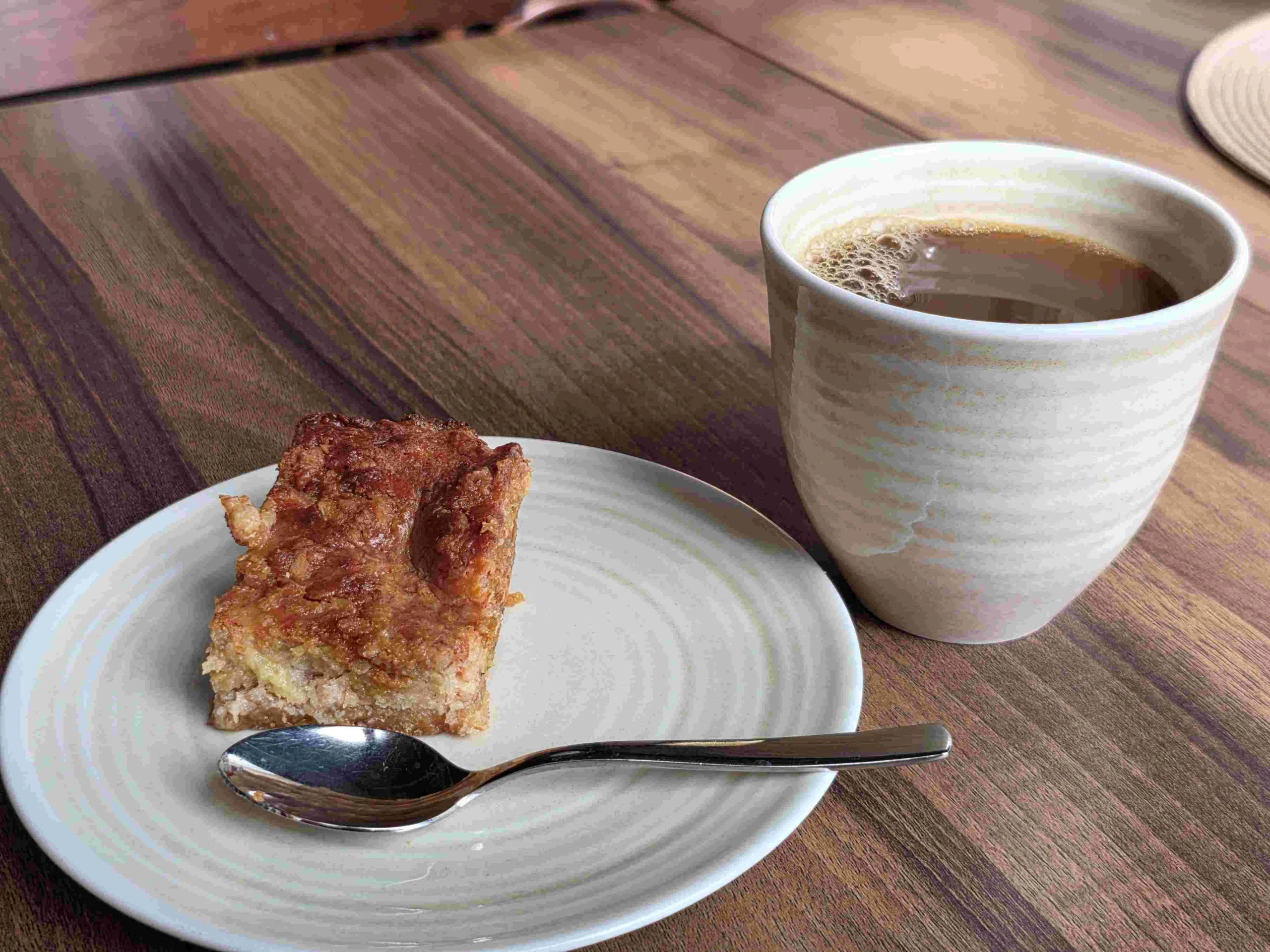
Set in Eskilstuna’s beautifully restored industrial quarter, Home Hotel Bolinder Munktell combines historic character with modern comfort, offering riverside views, stylish rooms and a unique connection to the city’s manufacturing heritage. With breakfast, fika and evening meals included, plus warm service and an excellent location beside the Munktell Museum, it delivers one of the most enjoyable and authentic hotel stays in Eskilstuna.
What to See
Rademachersmedjorna
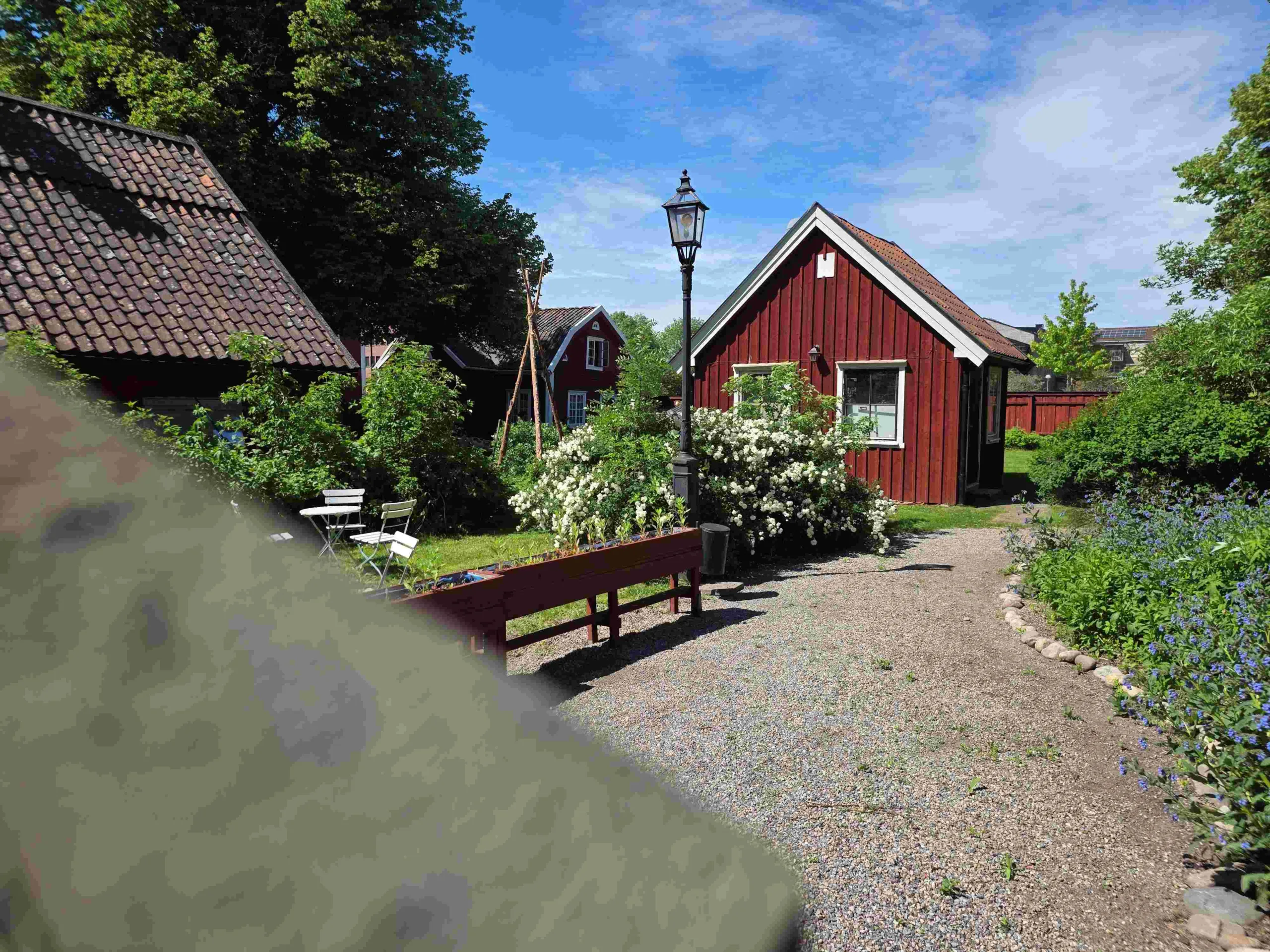
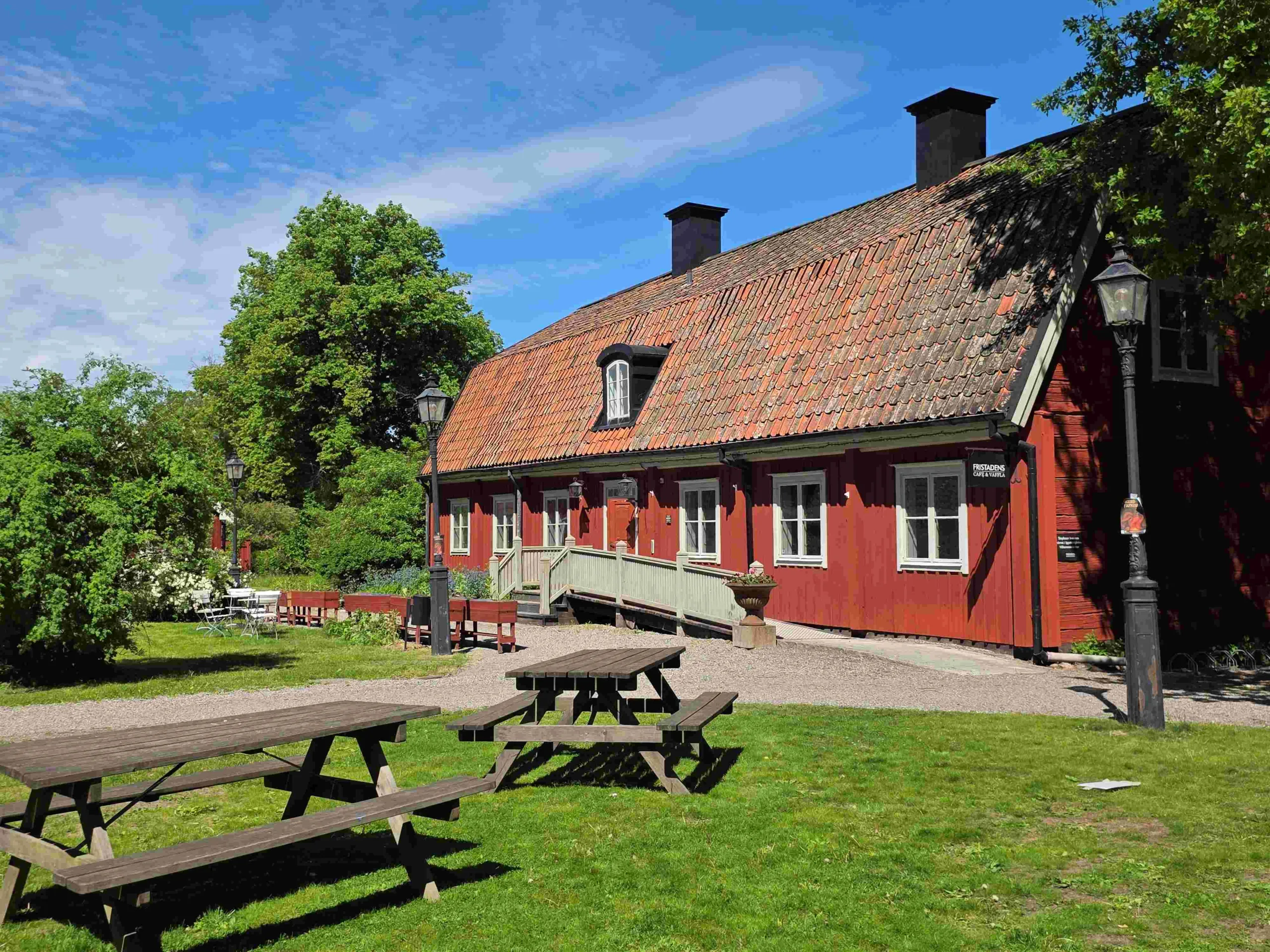
This collection of preserved blacksmith workshops offers a rare glimpse into 17th-century Sweden. The atmosphere feels authentic rather than staged. Artisans still demonstrate traditional skills, and visitors can appreciate how metalworking shaped the city’s identity.
Eskilstuna City Museum
For those wanting a broader understanding of local history, the city museum tells the story of Eskilstuna’s transformation from medieval settlement to industrial powerhouse.
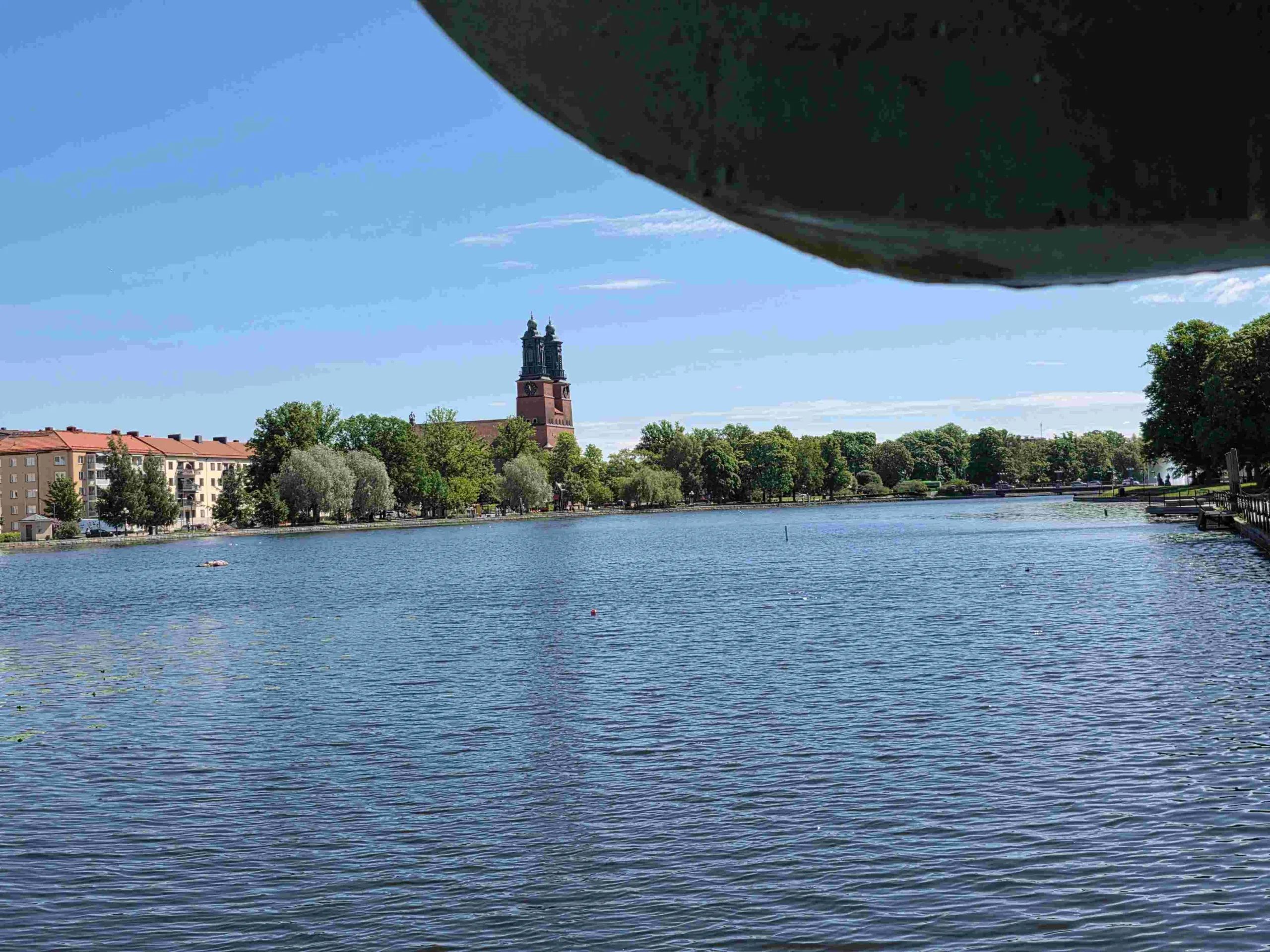
The Ramsund Carving
Just outside town sits one of Sweden’s most significant Viking monuments. The Ramsund carving depicts scenes from Norse mythology and offers an intriguing connection to the region’s pre-industrial past.
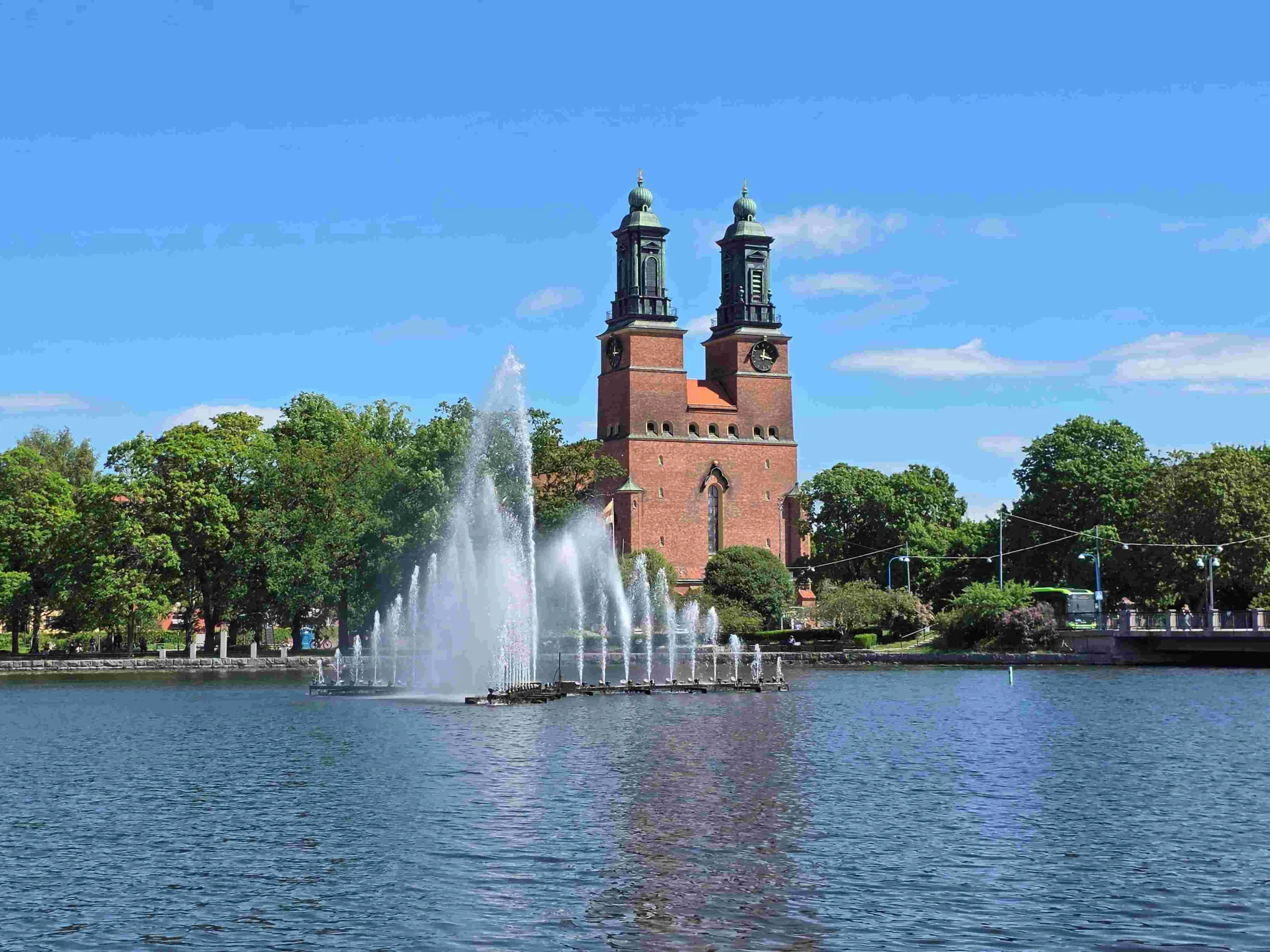
Sundbyholm
A short drive north brings you to the shores of Lake Mälaren. Here you’ll find beautiful walking trails, a marina, castle grounds and classic Swedish scenery that contrasts perfectly with the city’s industrial heritage.
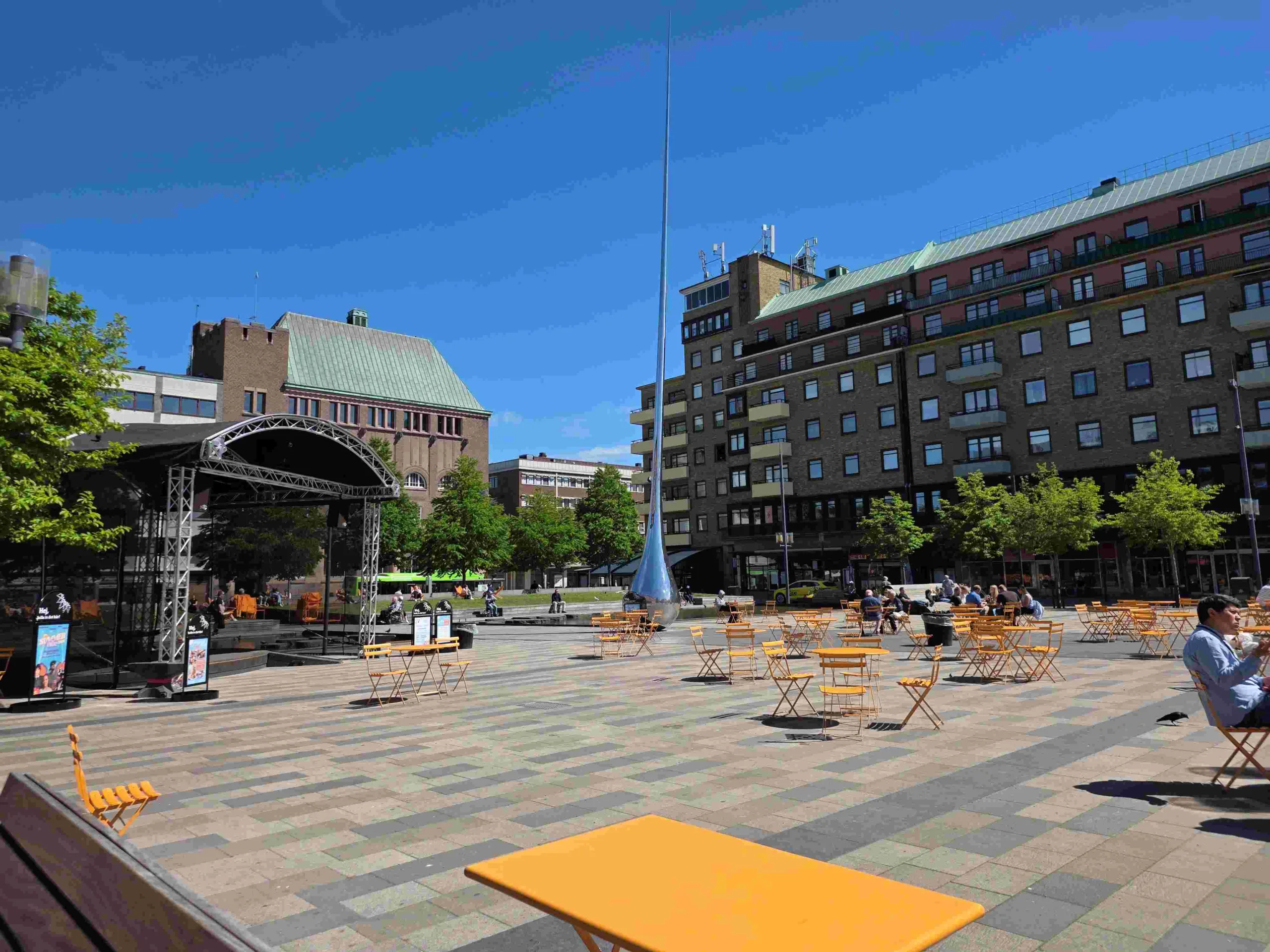
The Culture
Eskilstuna’s culture is deeply influenced by craftsmanship. This isn’t a city built around royal palaces or aristocratic estates. It’s a city built by makers. Engineers, machinists, blacksmiths, designers and inventors have shaped local identity for centuries.
That heritage remains visible today in the city’s strong support for sustainability, innovation and technical education. In fact, Eskilstuna has gained international attention for environmental initiatives and circular-economy projects, embracing modern sustainability while maintaining its manufacturing roots.
The result is a city that feels distinctly Swedish, practical, progressive and understated.
Food and Lifestyle
Don’t expect Stockholm’s fine-dining scene. Eskilstuna offers something more relaxed. Waterfront cafes, traditional Swedish bakeries and local restaurants dominate the culinary landscape. Dining here feels less tourist-focused and more authentic.
The pace of life is noticeably slower than Sweden’s major cities. Residents cycle everywhere, green spaces are abundant, and there’s a refreshing lack of big-city stress. For travellers wanting to experience everyday Sweden rather than postcard Sweden, that’s part of the appeal.
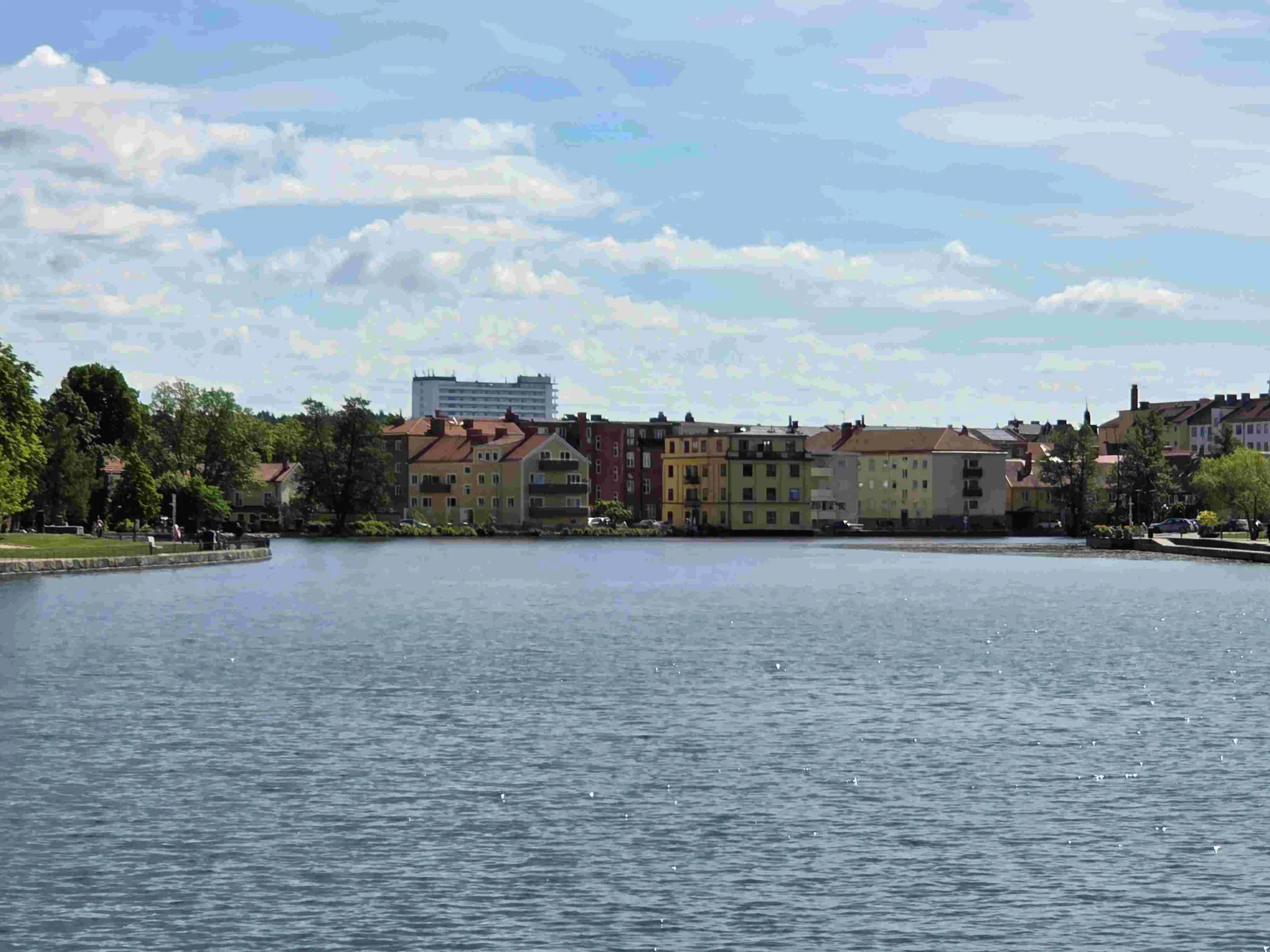
Why Visit?
Eskilstuna isn’t trying to compete with Stockholm. It doesn’t have to. What it offers is something different.
It’s a city where Viking history, industrial heritage and cutting-edge engineering coexist. A place where you can explore centuries-old blacksmith workshops in the morning and learn about the future of electric construction equipment in the afternoon.
For machinery enthusiasts, Volvo fans and anyone interested in how innovation shapes societies, Eskilstuna is one of Sweden’s most rewarding destinations.
Tarmac Takeaway
Eskilstuna may not be Sweden’s most famous city, but it might just be one of its most interesting. It’s where Viking heritage meets industrial innovation, and where the story of Volvo Construction Equipment continues to be written every day.
For anyone who appreciates machines, manufacturing and the people behind them, Eskilstuna is far more than a stopover, it’s a destination in its own right.