After years of teasing affordable electric cars, Volkswagen has finally pulled the covers off something that I was personally very keen on seeing: the all-new ID. Polo. And unlike a lot of other concepts we’ve been shown before, this one looks pretty much market ready and good to go.
The Polo name carries some serious weight. Over 20 million units sold globally, decades of relevance, and a reputation as one of Europe’s default small cars. And now, Volkswagen is doing something bold, considering their approach to EVs until now: they’re keeping the name, ditching the engine, and turning it into a fully electric hatchback.
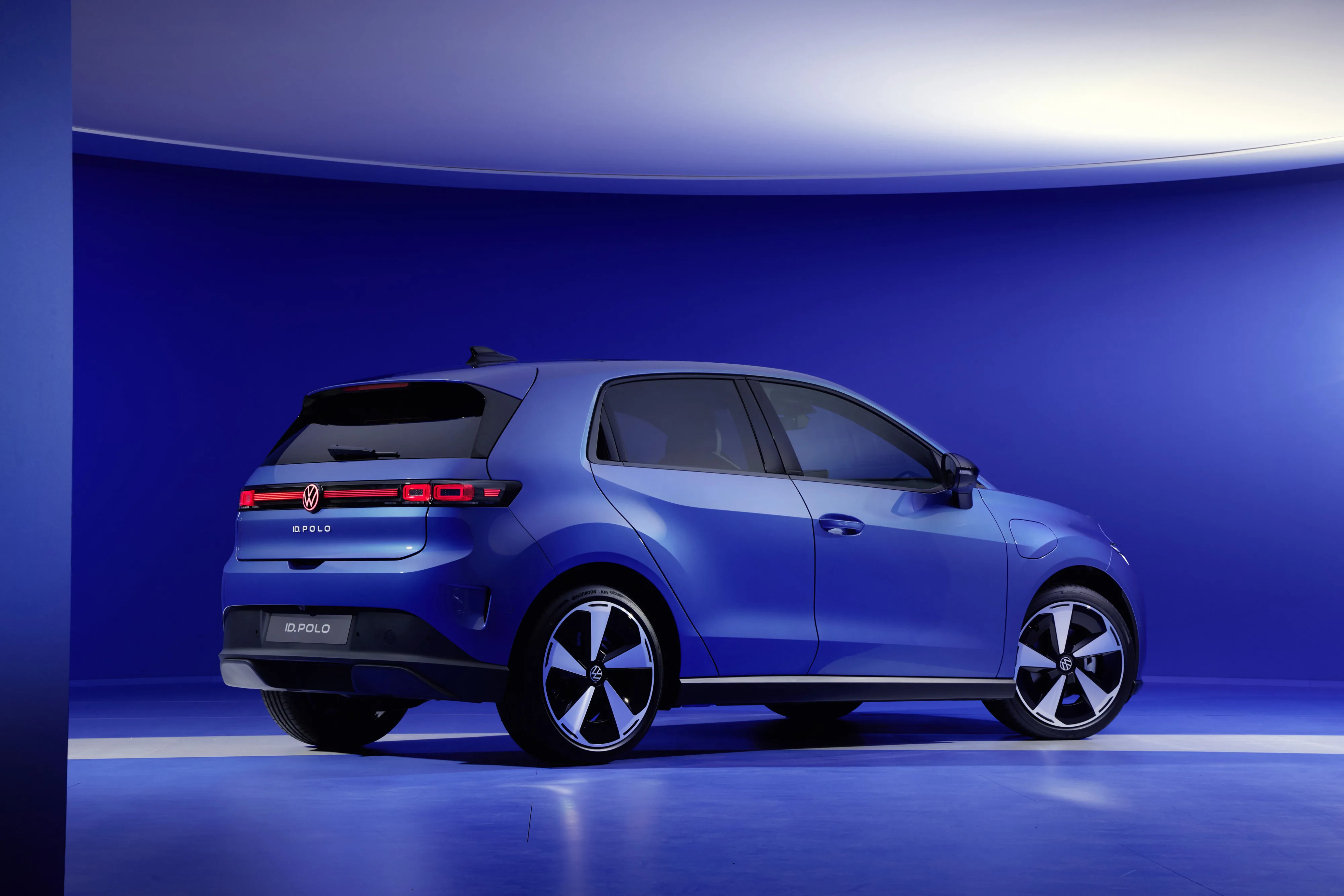
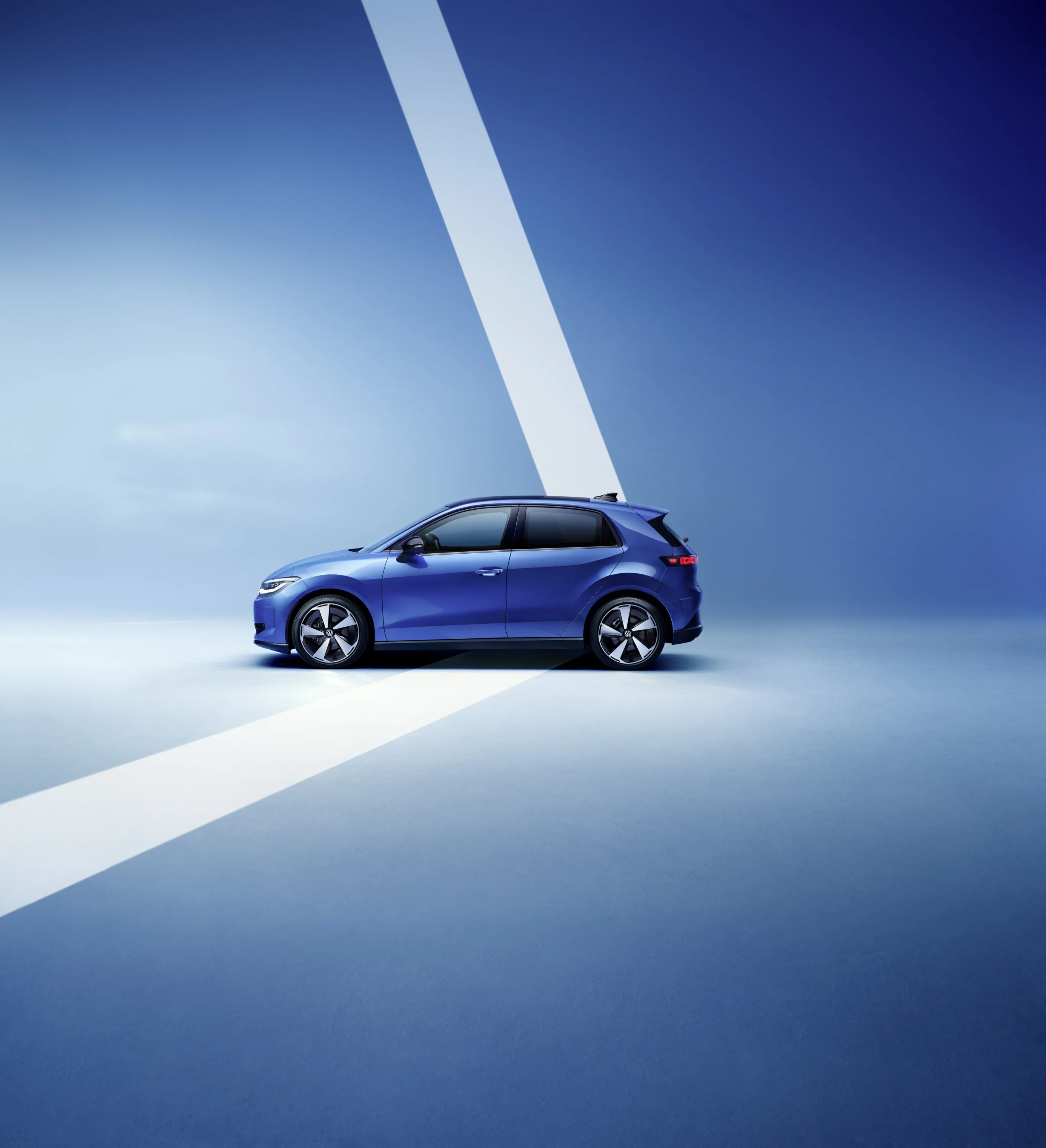
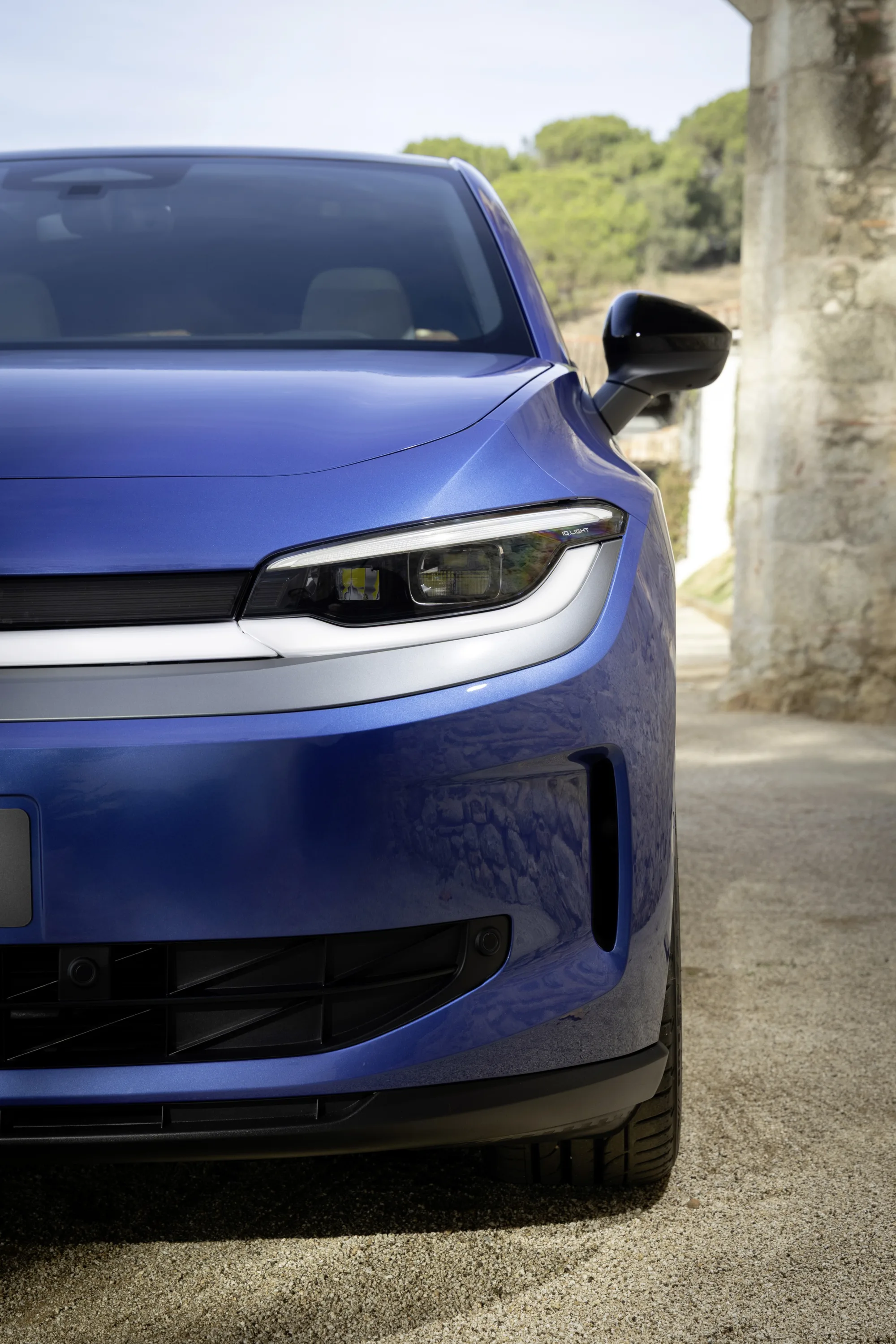
Visually, the ID. Polo doesn’t stray too far from what you’d expect knowing the previous generations of the car, and that is both intentional and smart. Volkswagen is leaning into familiarity here, with clean proportions, a friendly face, and subtle nods to classics like the Golf’s C-pillar.
The result is a compact EV that doesn’t stand out just because of its powertrain. Instead, it looks like a Polo, just cleaner, smoother, and more grown up. It follows the brand’s new “Pure Positive” design language, which basically translates to less fuss, more timeless, which is VW’s playbook anyway. But it is inside is where the brand seems to have corrected past mistakes.
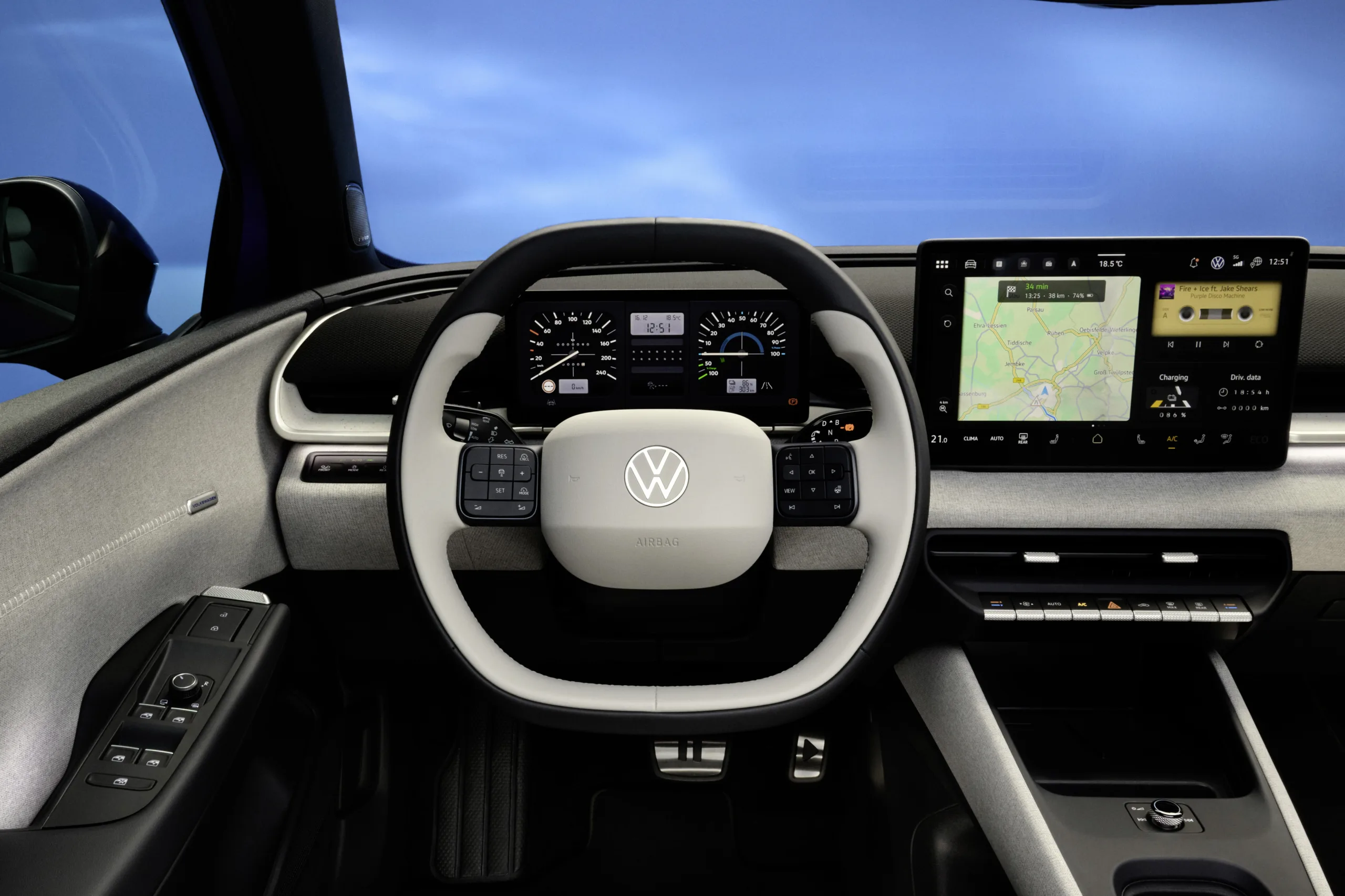
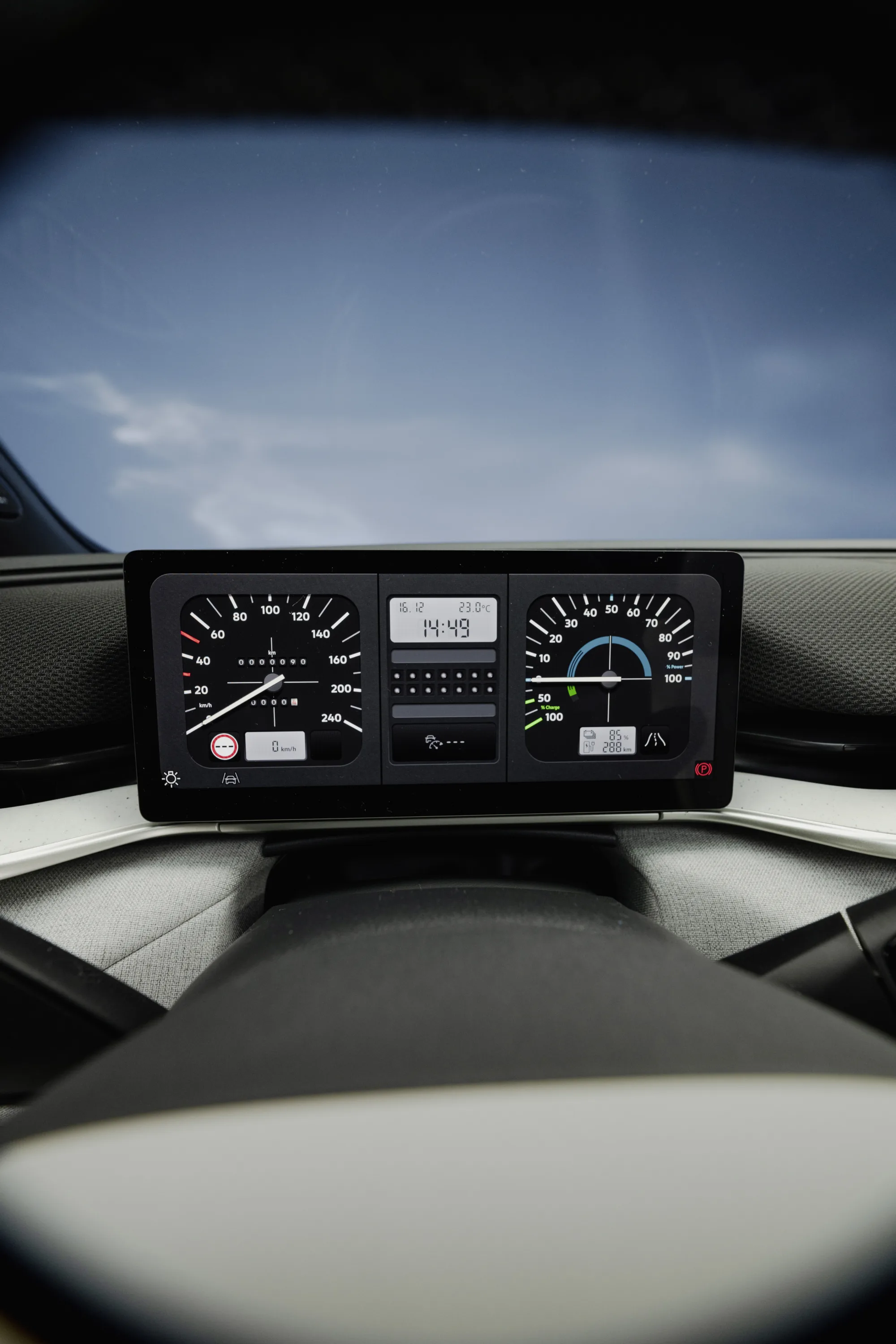
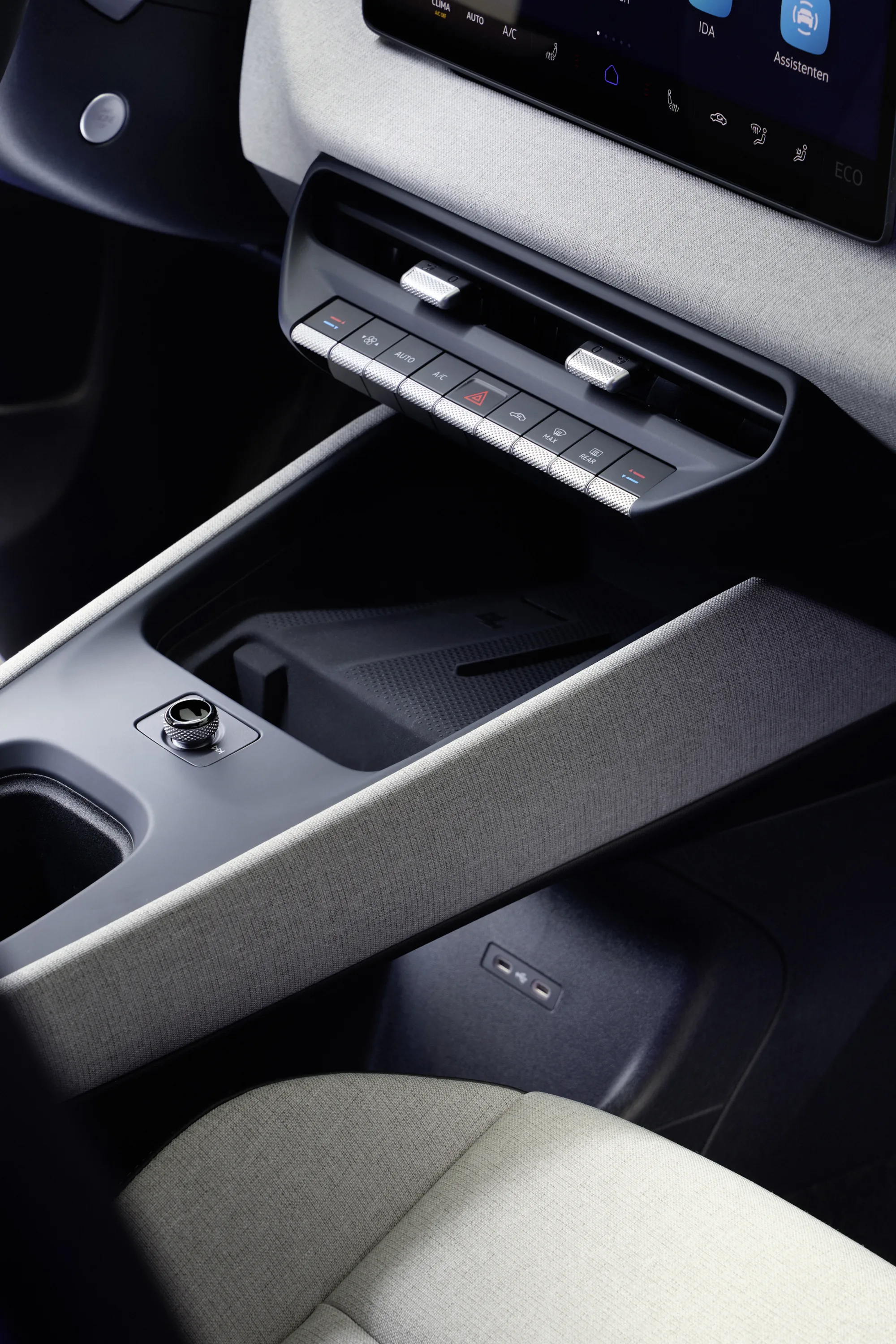
Yes, there’s still a big central screen paired with a digital cluster, but crucially, physical controls are back! Climate controls, actual buttons, even a proper volume knob. Revolutionary stuff, apparently. And how cool is the retro inspired layout of the cluster? As a former owner of many VWs of that era, I know I will lose my marbles the first time I see that live.
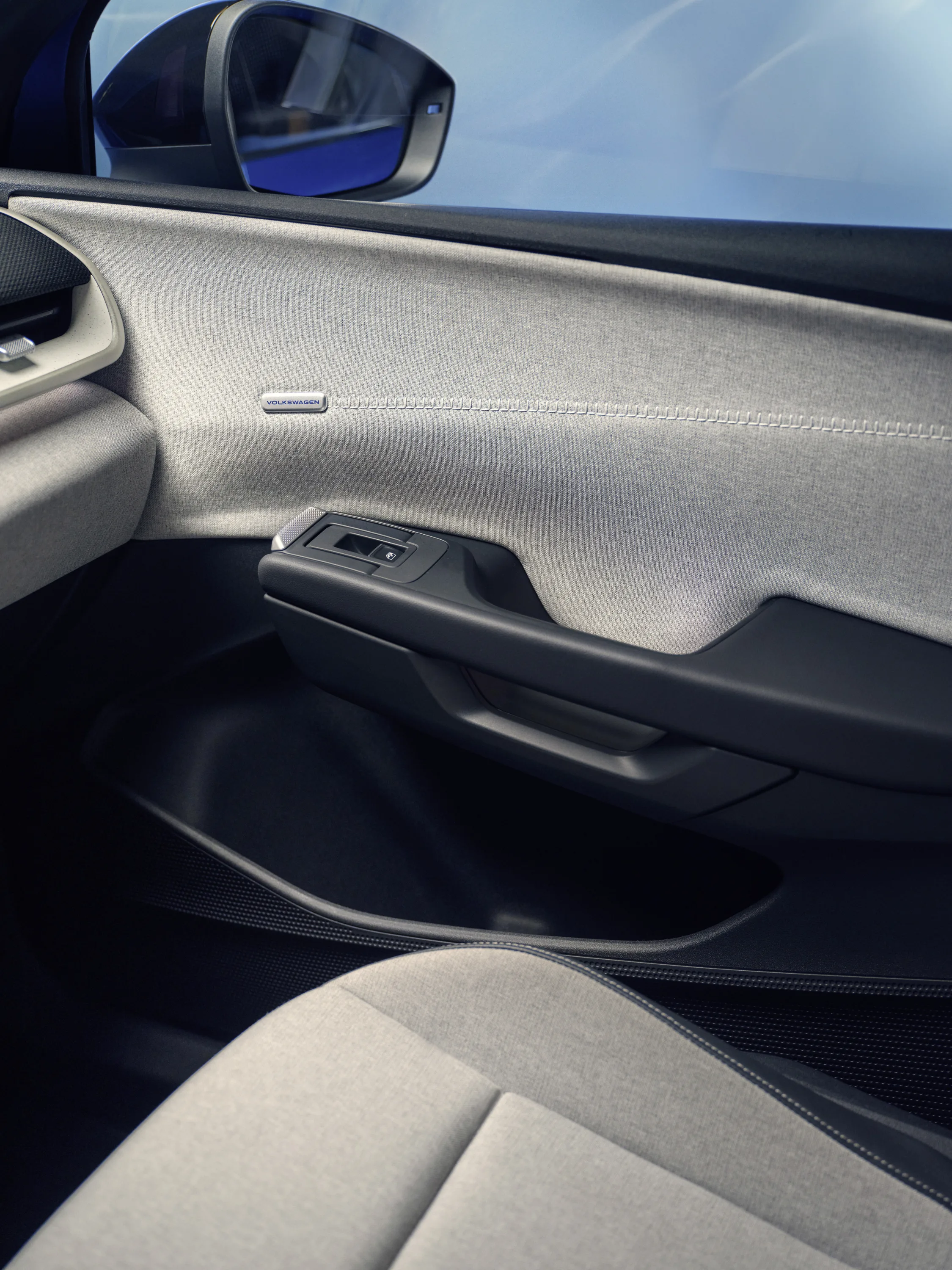
Material wise, it aims for that sweet spot between budget and premium, with soft-touch surfaces, ambient lighting, and optional features like massaging seats, something quite unusual in a small hatch. What I absolutely appreciate from what I’ve seen is the mix of materials and textures, which adds a big chunk of visual interest to the interior.
It is positioned as a “small car, big tech” offering, without feeling stripped out. Owners will get a full suite of driver assistances, parking and driving aids, premium audio and wireless chargers, and even V2L. And, underneath it all is Volkswagen’s updated MEB+ platform, designed to be cheaper, lighter, and more efficient.
There will be two battery options: a 37 kWh LFP for entry models, and a 52 kWh NMC for longer range and more power. Power outputs range from 85 kW up to 155 kW, with a GTI version (166 kW) already confirmed for later, and 100% on my radar.
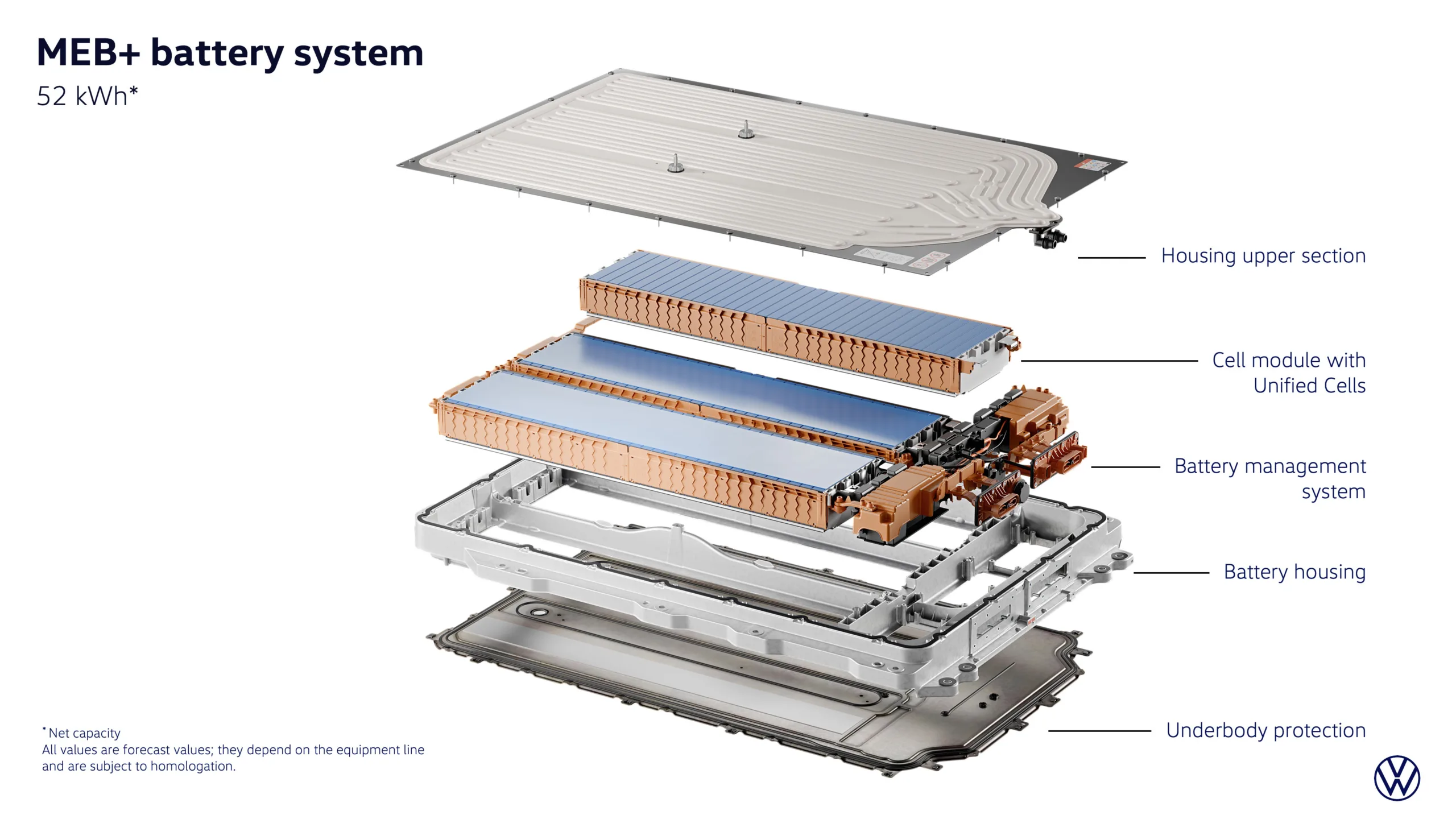
Range tops out at around 450 km WLTP, which puts it right at the point where small EVs stop feeling like range anxiety machines. Charging is also respectable, with fast-charge capability getting you from 10–80% in roughly 20–25 minutes depending on the battery, even though pure specs are not exactly class leading.
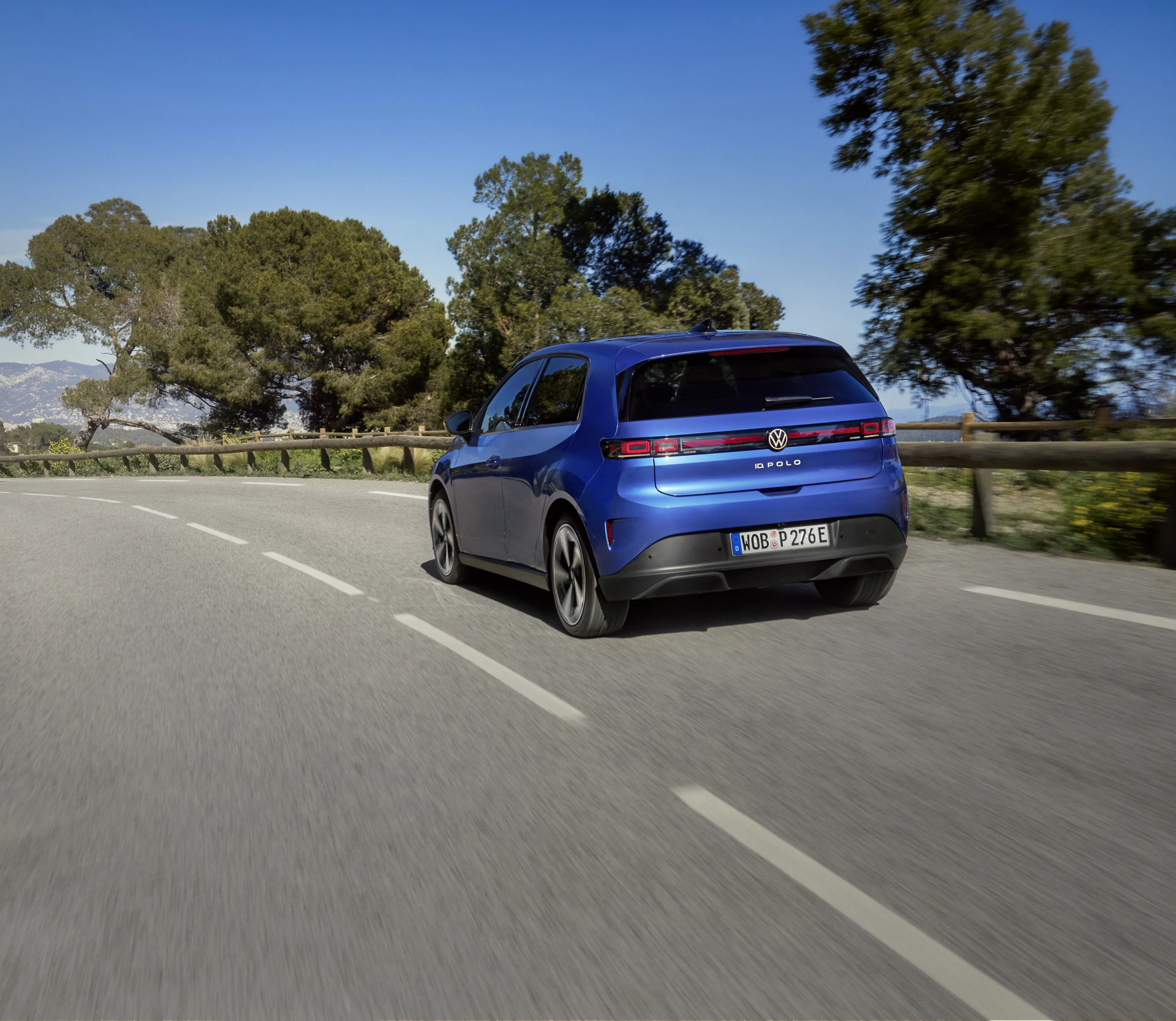
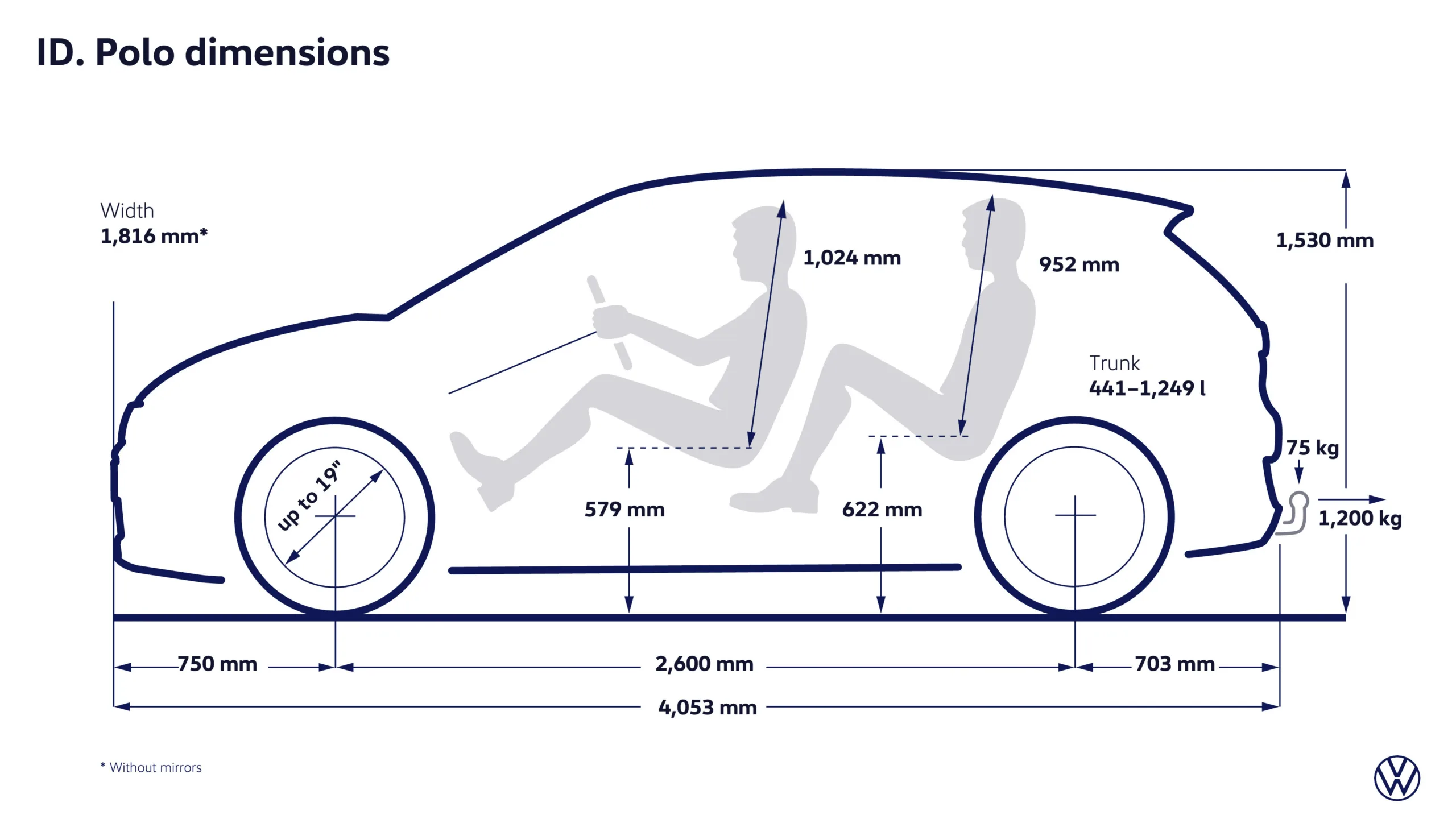
The fundamentals here are promising. Front-wheel drive in a compact footprint, and instant torque should make it ideal for urban driving, while the longer range versions could comfortably stretch into proper daily usability. We need more of these. And with a GTI version on the way, Volkswagen clearly hasn’t forgotten about fun.
Another key bit is pricing: it is expected to start around €25,000 (roughly NZD $45k / AUD $42k equivalent before local factors). That puts it in an extremely interesting position, rubbing shoulders with new, aggressive entrants, and undercutting other established players.
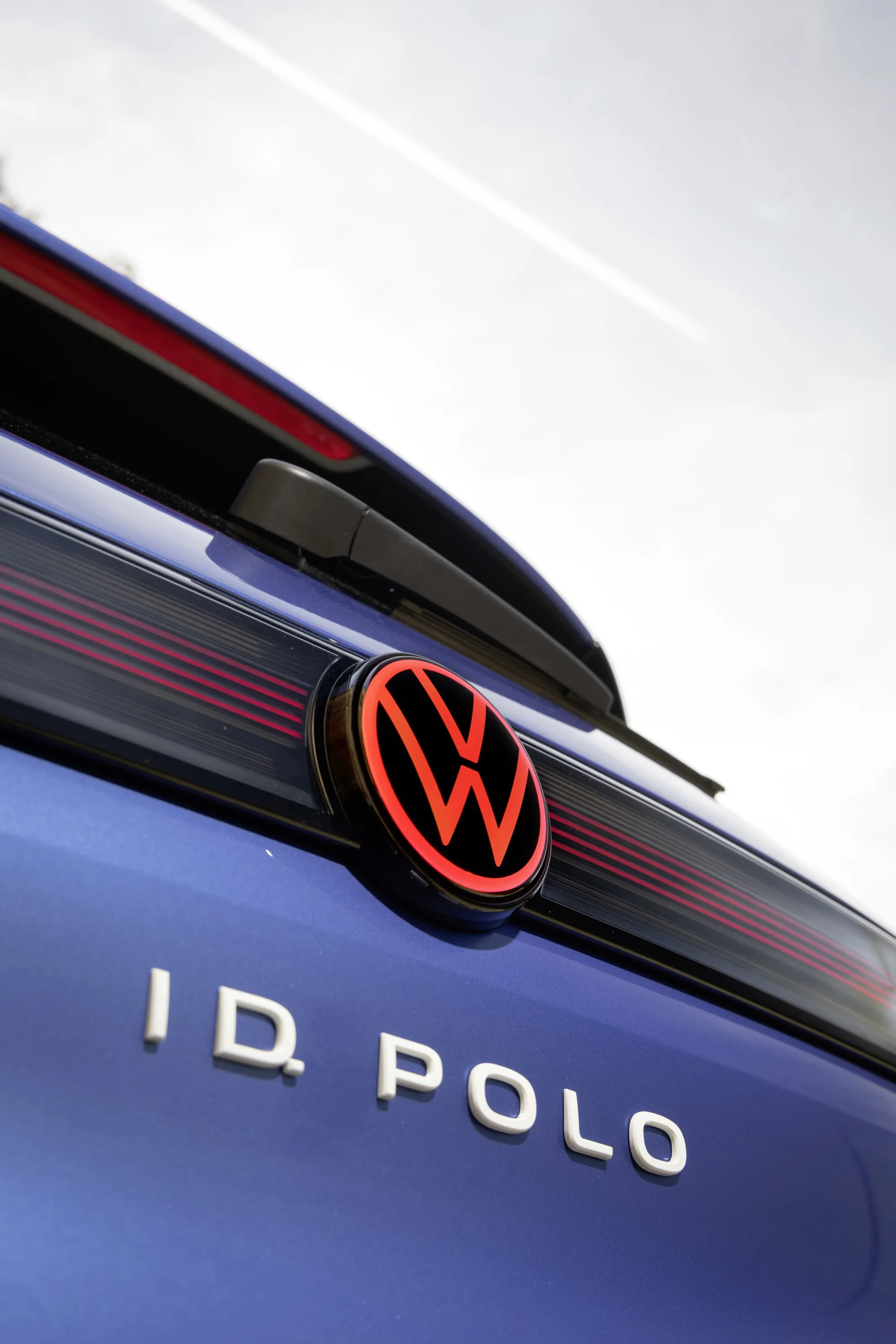
The Polo was an extremely important car when it was first introduced. Now, with the ID. Polo, VW have a similar situation on their hands. If they get the pricing right and avoid the software hiccups that plagued their early forays, this could become one of their most important EVs. And I think it can’t come soon enough!