Head of Interior Design unveils the vertical stance, sporting DNA, and cutting-edge tech that defines BMW’s all-electric future
When Sebastian Kroes, Head of Interior Design for BMW’s Neue Klasse, took the stage to discuss the highly anticipated i3, it became crystal clear that BMW isn’t just building another electric vehicle, they’re reimagining what a sports sedan should be for the electric era. And if you thought you knew everything about the i3 from its initial reveal, think again.
A Family Affair – The Neue Klasse Vision
“The Neue Klasse is not just 1 or 2 derivatives, it’s basically a family that shares the mindset values and DNA but also offers us designers the opportunity to create such strong and bold characters,” Kroes explains. This philosophy allows BMW to maintain a cohesive design language while giving each model its own distinct personality, a balancing act that’s easier said than done in the automotive world.
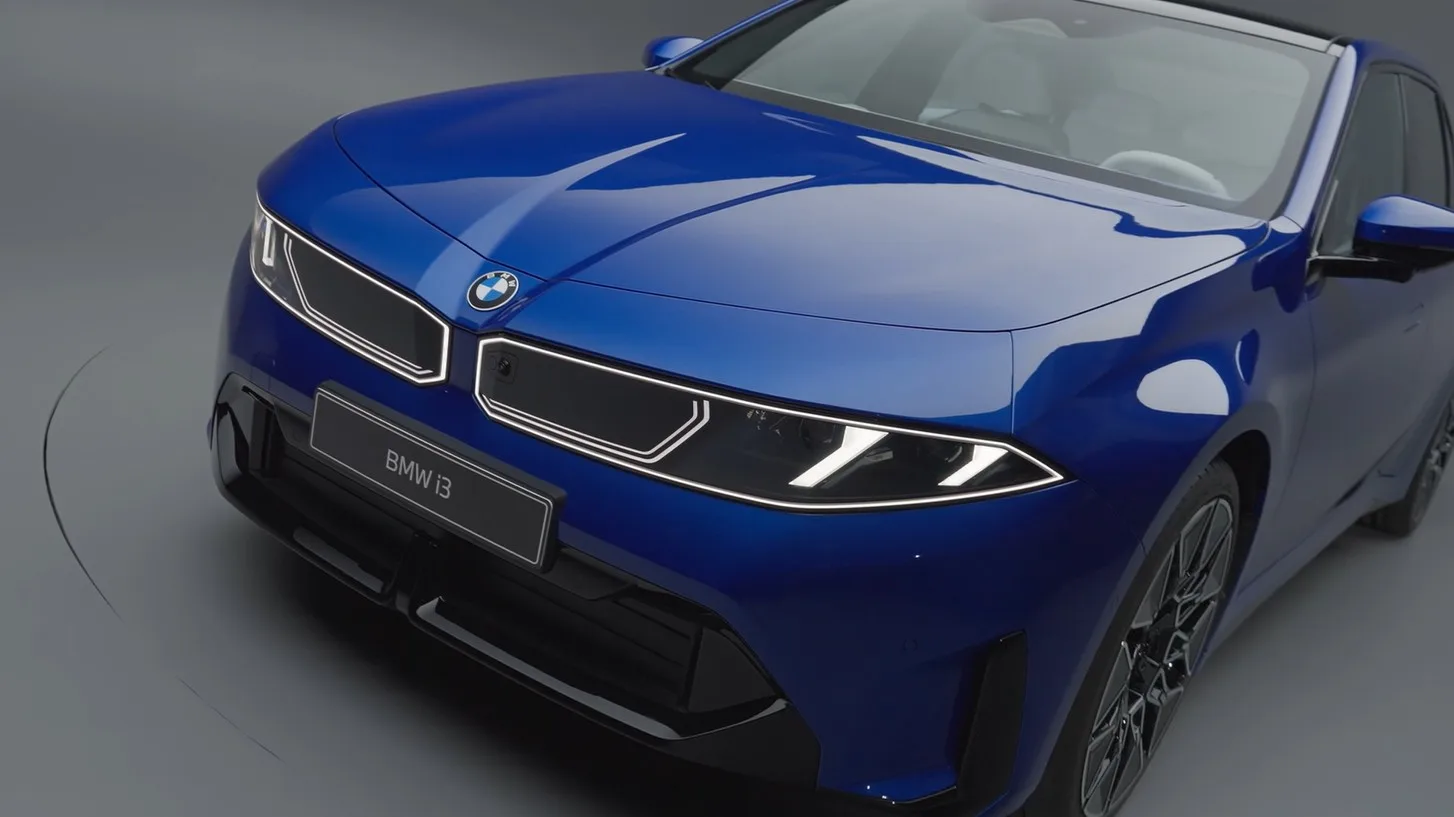
The i3, in particular, needed to stand apart from its sibling, the iX3. According to Kroes, “with our i3 we definitely wanted to have more presence in the front and also put an emphasis on the verticality”. This vertical emphasis isn’t just aesthetic posturing, it’s a deliberate design choice that creates a commanding road presence while maintaining the dynamic proportions BMW enthusiasts expect.
Continuing a Legacy – The 8th Generation Recipe
For anyone wondering whether BMW would abandon its sporting heritage in the pursuit of electrification, Kroes puts those fears to rest. “With the 8th generation.BMW 3, we definitely wanted to continue the recipe of success that was set by the Neue Klasse in the 1960s and we think that was the combination of the elegance of the sedan with a surprisingly powerful powertrain”.
Bold words, but BMW is backing them up with an even bolder claim: “we also strongly believe that we’re gonna set the benchmark of being the sportiest compact sedan again”. That’s a direct shot across the bow of Tesla, Mercedes, and Audi, and exactly the kind of fighting talk that makes the premium EV segment so compelling right now.
The Front End – Evolution Meets Revolution
The BMW kidney grille has been both praised and pilloried over recent generations, but the i3’s interpretation takes a fascinating evolutionary step. “In the first derivatives they had a rather narrow kidney but they became wider and wider each generation and we continued that recipe and brought up this super modern graphic in the front,” Kroes reveals.
Rather than simply copying the iX3’s front-end treatment, the design team “wanted to set a new tone which is staying true and honest to our design philosophy” Kroes says. That philosophy centres on creating modern and clean Islands also thanks to the clever integration of all the sensors and radars and cameras in the black areas. It’s functional integration at its finest, technology hidden in plain sight”.
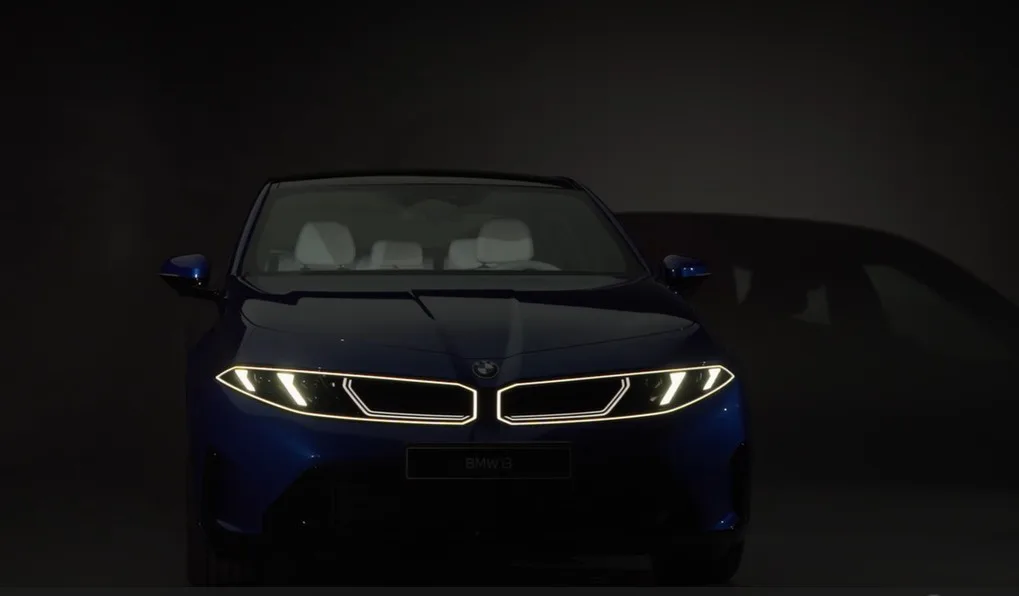
The BMW team also revived a classic design icon, the shark nose, which makes a triumphant return on the i3. Meanwhile, the headlights showcase BMW’s commitment to blending heritage with innovation, featuring “laser sharp contour light with BMW heritage… echoed in the middle in the surface lighting where we have a graphical nod to former generations”, Kroes explains. It’s retro-futurism done right.
The Silhouette – When Form Follows Performance
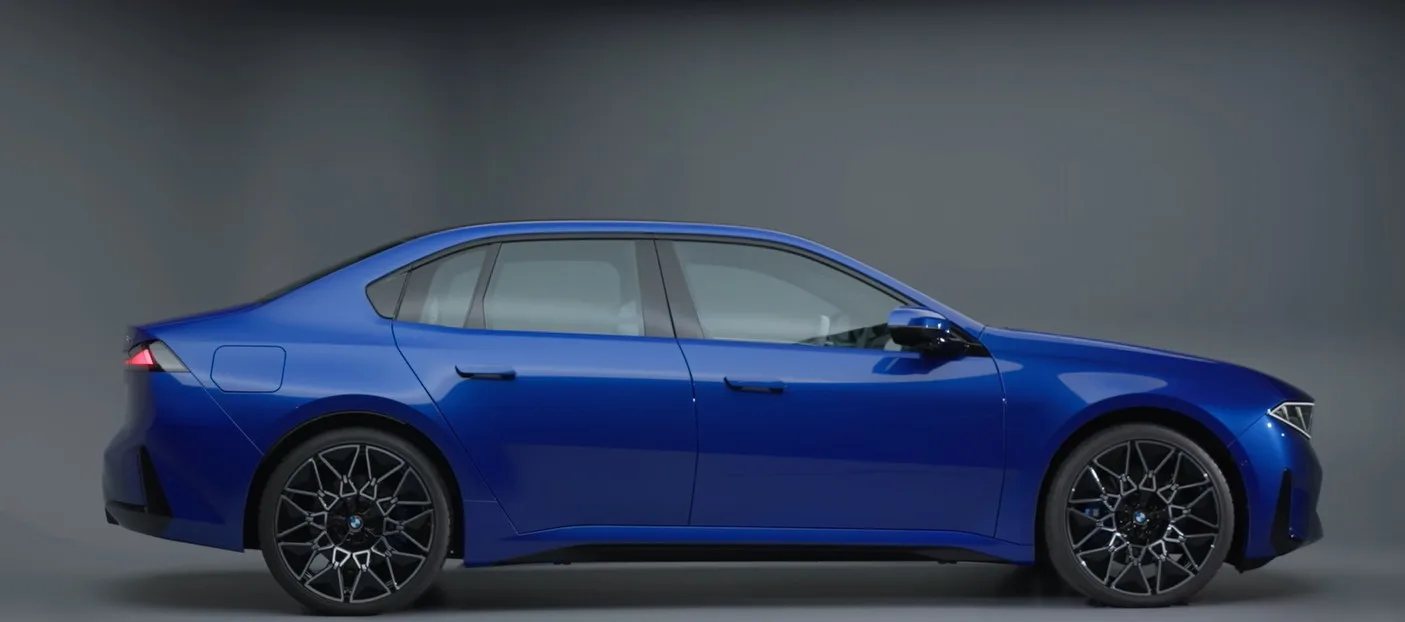
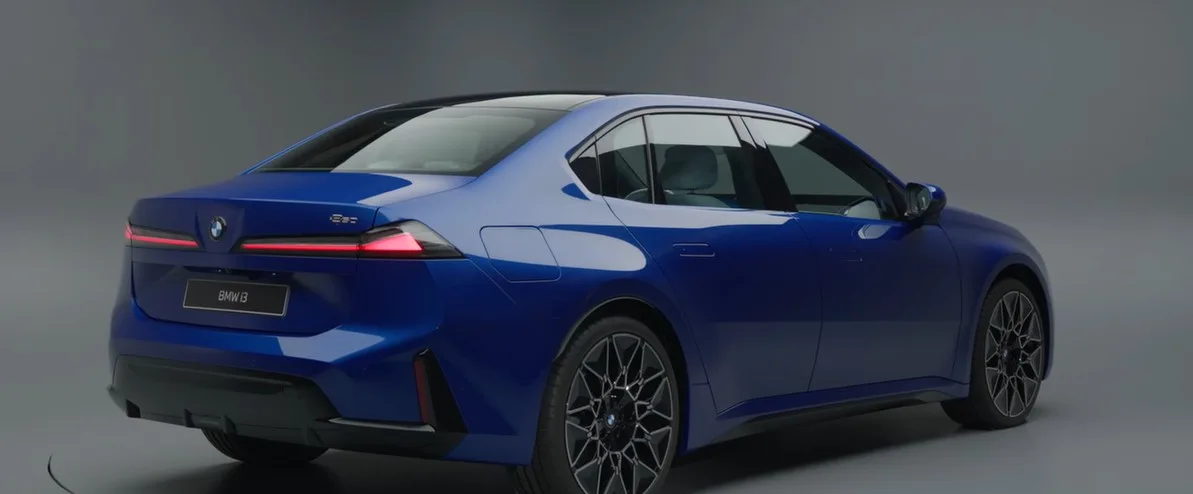
While competitors chase ever-more-slippery rooflines in the name of aerodynamics, BMW took a different approach with the i3. “While our competitors strive for more fluent roof lines we wanted the i3 to embody the deeply rooted silhouette of the BMW 3 sedan”.
The result? “Crisp lines that are almost parallel but they’re also tilted forward… this gives this car a certain dynamic, it gives the impression and it looks like that the car is like driving even if it stands still”. That’s the kind of optical wizardry that separates good design from great design.
The side profile remains refreshingly clean and modern, thanks to details like the flush integrated door handles while in contrast, the i3 boasts some extremely extravagant wheel architecture. BMW’s designers managed to create “such strong muscles above the front and the rear wheel”, essential for conveying the performance potential lurking beneath the electric powertrain.
The Rear – Width, Light, and Aerodynamic Might
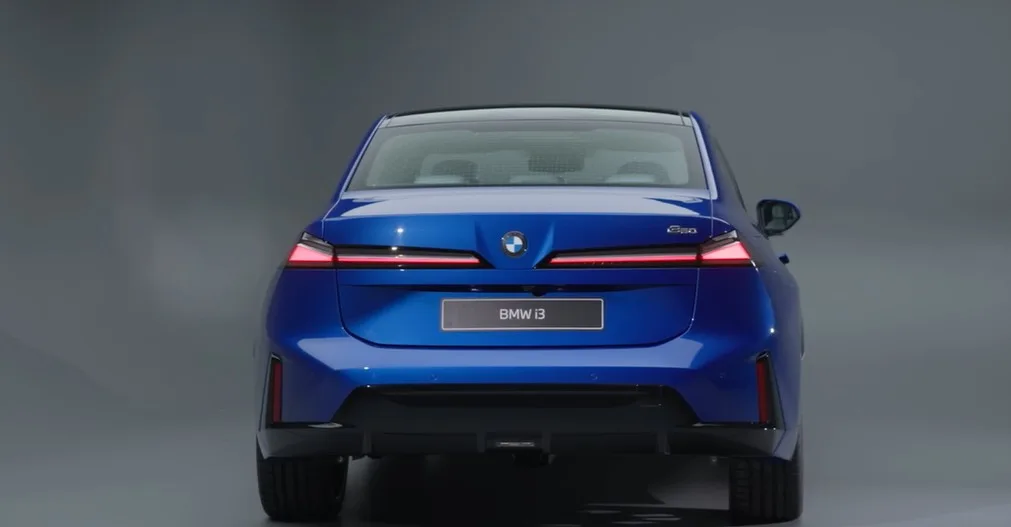
From behind, the i3 makes no apologies for its presence Kroes says. “The broad stance of the car is accentuated through super, ultra ultra-thin taillights… showing our typical L shape” that “put an emphasis on the whole width of the car”.
But here’s where things get really interesting from an engineering perspective. Kroes explains that “normally technical requirements don’t help us design us to improve the overall proportion of a car but in this situation here the dynamics the aerodynamics were striving for a tapered greenhouse and therefore we got this Delta between greenhouse and rear wheel”. He happily brags that when engineering requirements actually enhance rather than compromise design, you know you’re onto something special.
Interior – Driver-Focused Minimalism
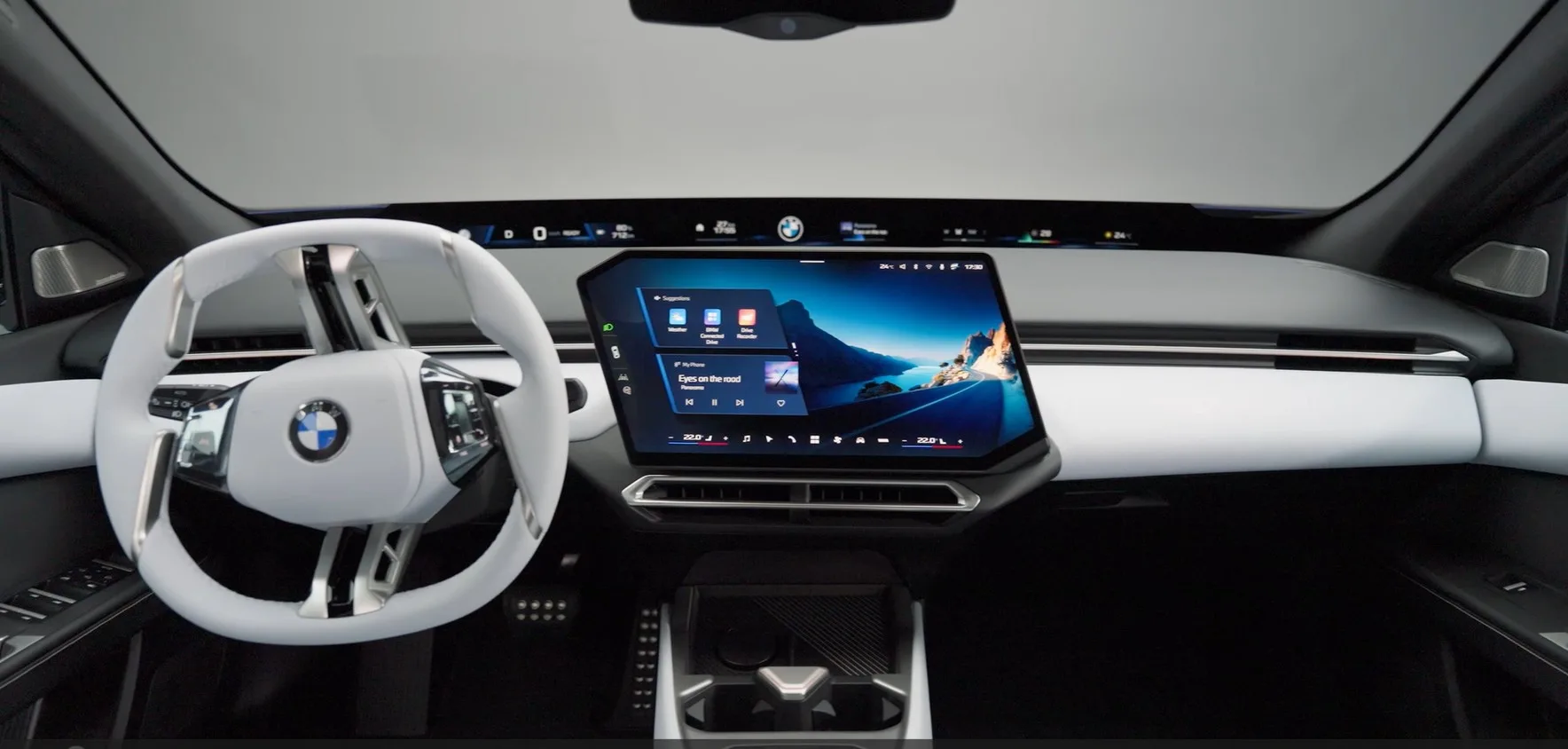
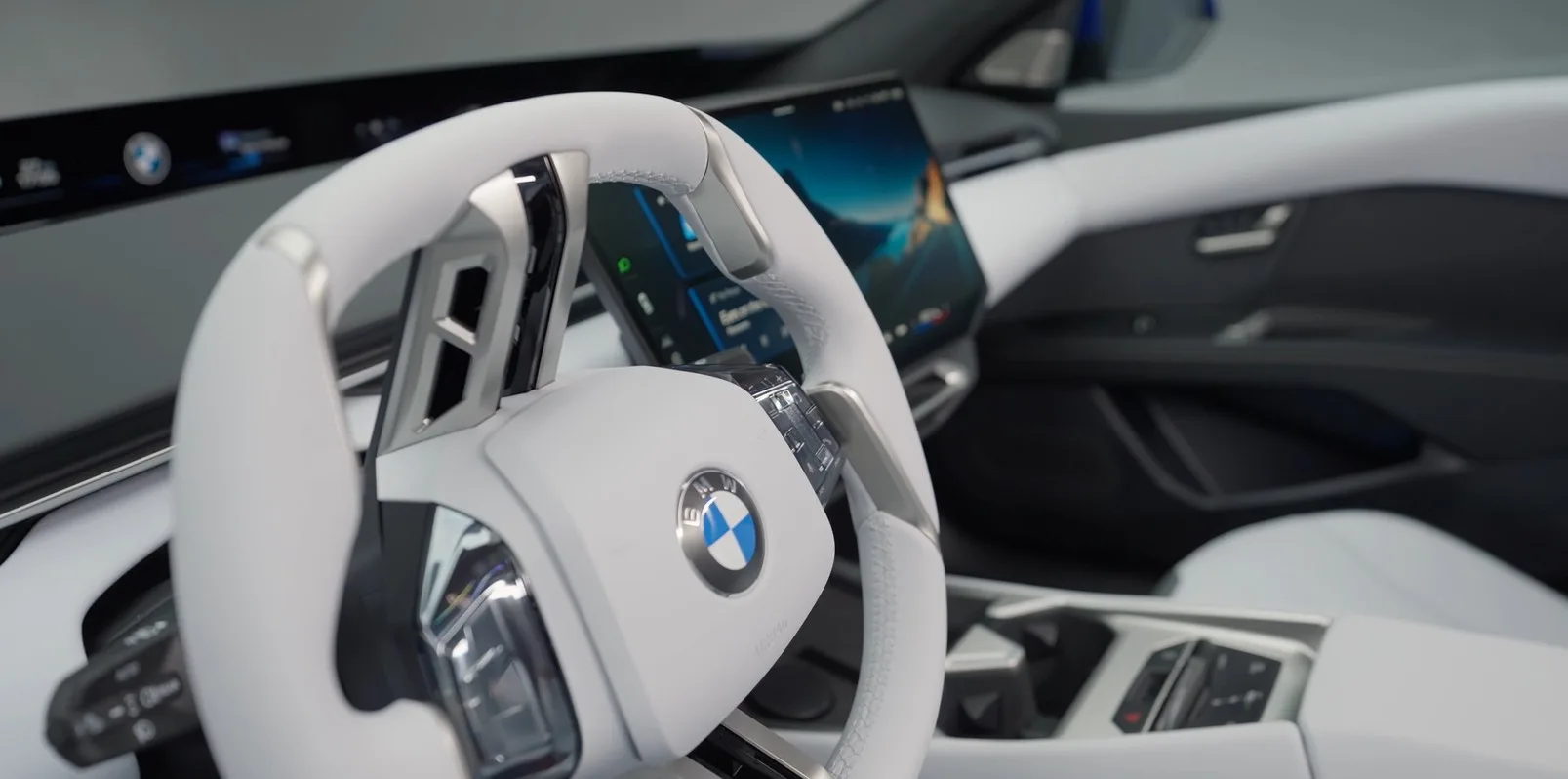
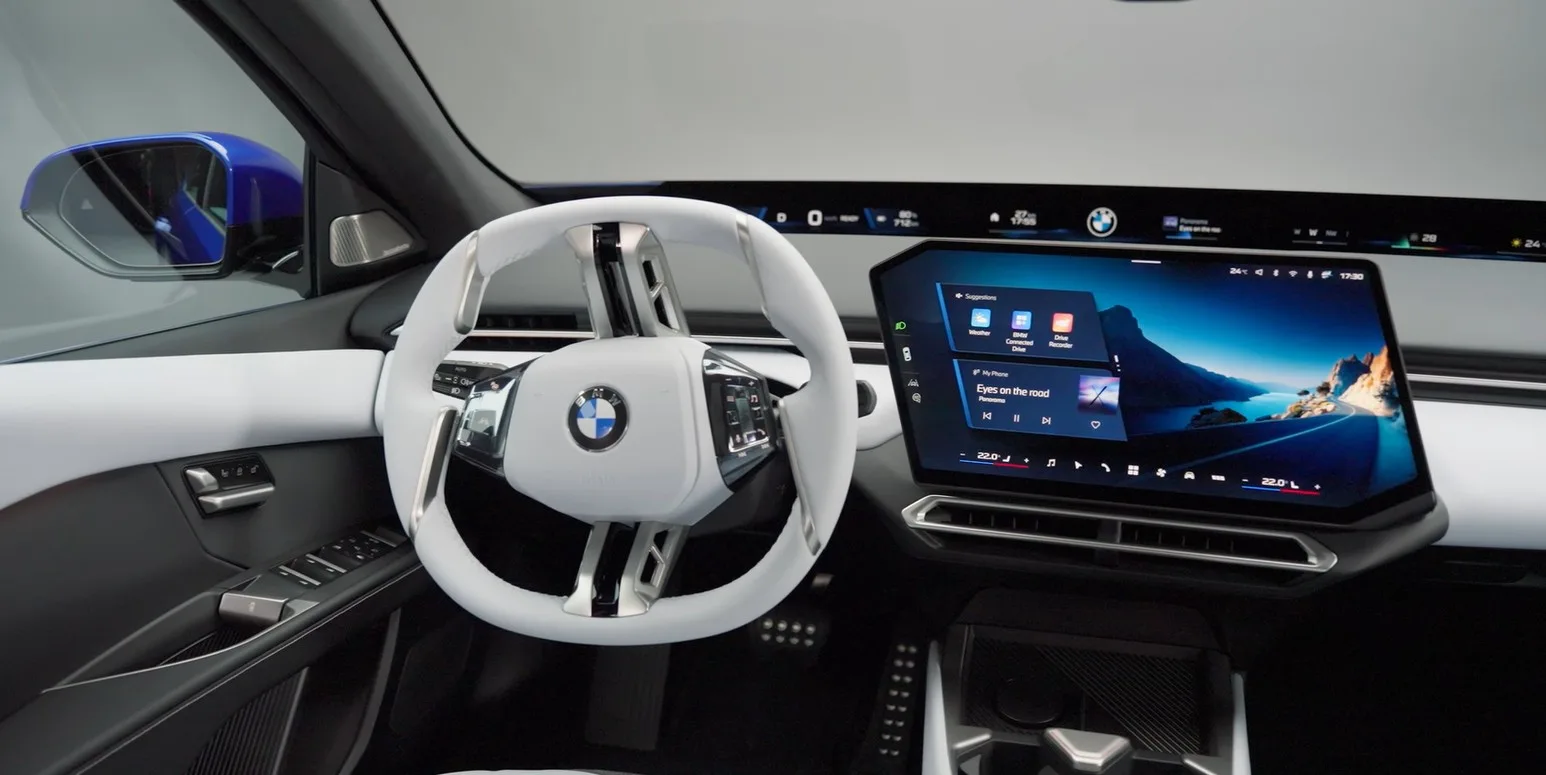
Inside the i3, BMW has distilled its interior philosophy to three core design icons: “the panoramic vision, the pillar to pillar display, then we have our free cut Central information display which is tilted towards the driver and our iconic steering wheel”.
While these elements are shared with the iX3, the i3 takes driver orientation more seriously. “For the i3 we thought we should put the driver orientation more in the focus and therefore we tilted the display a little bit more to the driver so we can offer perfect ergonomics and best reach for the driver”, says Kroes. It’s a subtle but significant distinction that reinforces the i3’s sporting credentials.
The wraparound design also differs from its SUV sibling. “While the iX3 is offering a rather calm and horizontal wraparound more on a higher stage, we wanted to tilt this wraparound and put it lower”. That “push forward” sensation continues the exterior’s dynamic theme into the cabin.
Kroes particularly highlights the interplay of contrasting aesthetics: “we’re playing with contrasting aesthetics; the white trim pieces have a rather fluent and muscular surface treatment and the black Islands are rather more geometrical and technical”. This yin-yang approach prevents the minimalist interior from feeling sterile or cold.
Lighting – Bridging Analog and Digital Worlds
For BMW’s design team, “light in general is very very important and we also wanted to bring it to another stage, especially the ambient lighting”. The goal was ambitious: “we wanted to create a symbiosis between the analog and the digital”.
Achieving this required unprecedented collaboration. “We had a strong collaboration between the departments like the geometry design, the color and trim design, the light design and the UI design to create a certain bridge in between the worlds”. The payoff is evident in details like “the lower area of the dash which plays with this ambient lighting which shines through the material” with colors that adapt “according to the screen”. It’s tactile meets digital in perfect harmony.
Natural lighting also received priority treatment. “We were trying to also increase the amount of glass in the greenhouse, to bring as much light into the interior to also put an emphasis on the nice materials”. More glass means more weight, so this decision underscores BMW’s commitment to cabin ambiance even at the expense of efficiency metrics.
Tarmac Takeaway – Evolution and Revolution in Equal Measure
What emerges from Sebastian Kroes’ insights is a portrait of a design team unwilling to compromise BMW’s sporting DNA for the sake of electrification or aerodynamic efficiency. The i3 Neue Klasse represents both an evolution of BMW’s design language and a revolution in how that language is applied to electric vehicles.
By emphasising verticality in the exterior, driver focus in the interior, and seamless integration of technology throughout, BMW has created what could genuinely reclaim the “Ultimate Driving Machine” mantle for the electric age.
Whether it actually becomes “the sportiest compact sedan” remains to be seen, but if the design philosophy is anything to go by, rivals should be worried.
The i3 Neue Klasse is a statement that electrification doesn’t mean homogenisation. And in an EV landscape increasingly dominated by tech companies masquerading as automakers, that’s a refreshing position to take.